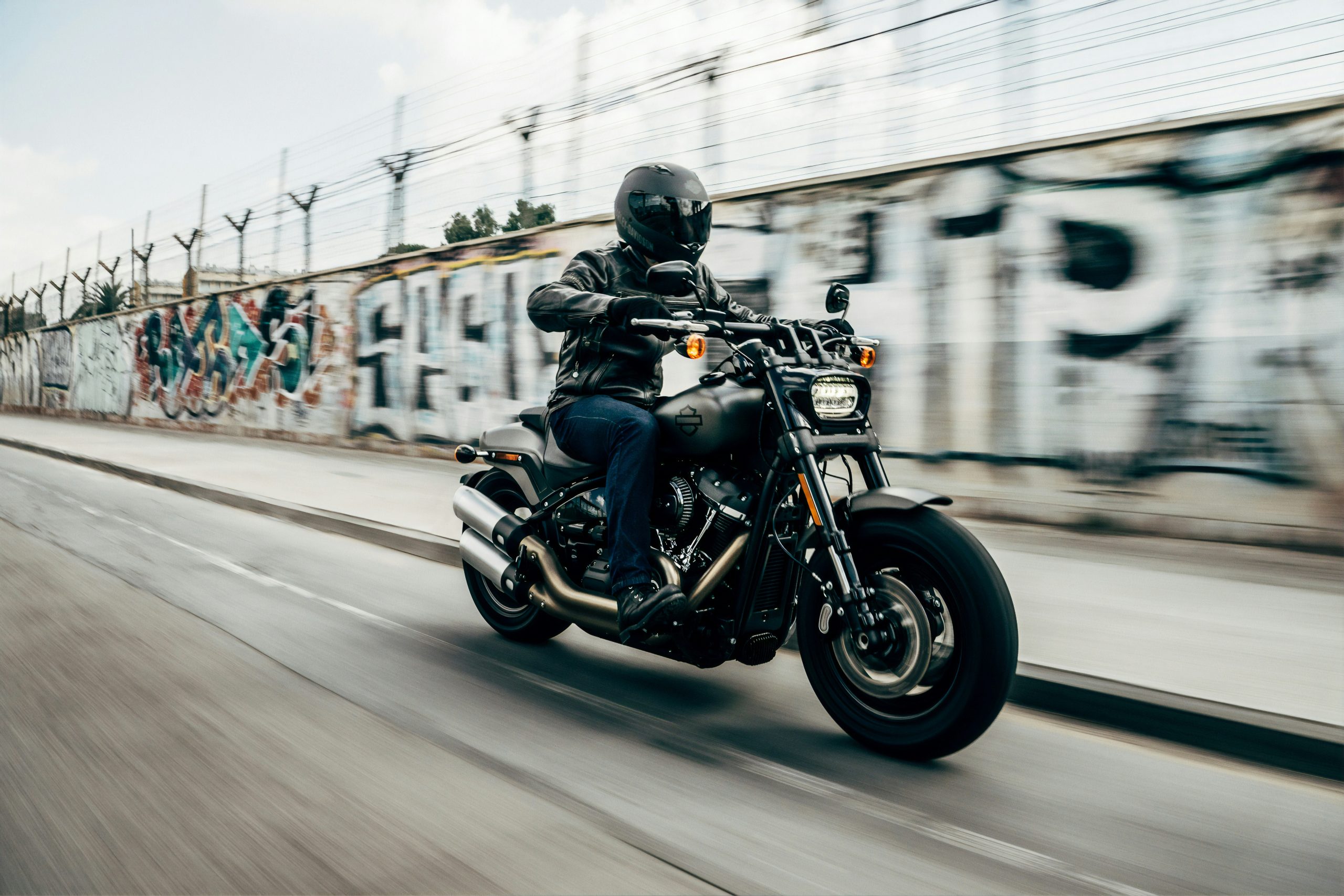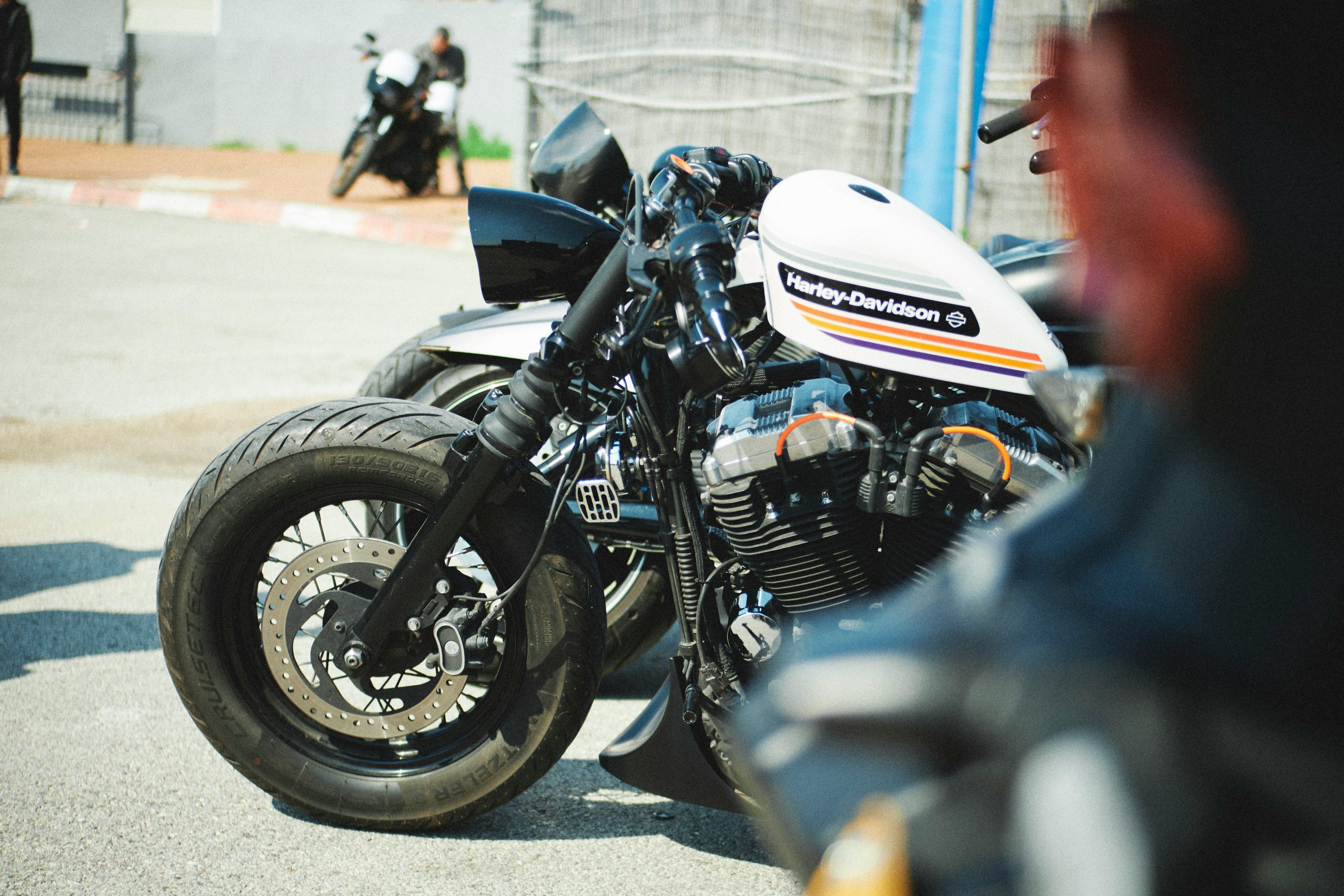
With a rich history spanning over a century and millions of bikes sold globally, Harley-Davidson remains the pre-eminent bike brand that others strive to emulate. From timeless touring classics like the FL Hydra-Glide (immortalised in *Easy Rider*), to the pre-war Knucklehead that established the famed V-twin engine design still used today, or the Terminator’s Fat Boy that helped save the world from impending doom, the brand and its bikes have a following like no other.
Harley-Davidson has been at the forefront of technical innovation, pioneering the chain drive in early bikes, clutch upgrades for smooth shifting, and innovative suspension setups to handle the heft of all that metal. Today, the company has expanded into the adventure (ADV) and electric bike markets, showcasing its expertise and experience in producing class-leading products.
Much of Harley’s appeal (besides being the embodiment of Americana) lies in the customisation options available to suit different bikers and roads. There are more performance, handling, and comfort accessories for Harleys than for any other bike brand, along with a range of body parts to bring the bike closer to personalised tastes.
For those wanting to change the handling characteristics of their motorcycles, the range of aftermarket Harley Davidson fork springs is essential, as these directly impact comfort, safety, and how easy the bike is to ride. Together with the rear suspension, front forks keep the bike stable in turns, composed over potholes, and a joy to ride for miles on end.
Motorcycle Suspension Basics
The main role of any suspension setup is to keep wheels and tyres firmly on the ground. Springs, shocks, and other suspension parts aim to increase traction through the tyres, regardless of the vehicle. For bikes, this means more composure over varied road surfaces,
isolating the bike and rider from road imperfections. It also enables controlled acceleration, braking, and turning, with no unexpected surprises to compromise safety.
While safety and comfort are priorities, how shocks and springs are set will affect performance and prevent the bike from sagging and the forks from bottoming out when hitting potholes or bumps of any size. Adjustability is key to newer setups, allowing changes in pre-load and rebound rates for a controlled ride. For older Harleys, changing the stock fork springs is often the best option.
What Goes into a Harley Davidson Front Fork?
The fork is the most important component in the front suspension. While different designs have adorned Harley bikes throughout the years, all front forks consist of common components seen across multiple models and brands. This includes:
- Sliders – these are located at the bottom of the tubes, and attach the front wheel to the rest of the bike.
- Triple trees – or yokes, are parts at the top of the tubes, affixing the forks to the steering stem.
- Axles – these components are positioned perpendicular to the tubes and engage the sliders.
- Fork tubes – the main component, housing the internal coil springs, dampers and hydraulic oil that soak up bumps and control wheel movement.
How Forks Work
To control wheel movement, increase traction, and ensure smooth handling, forks in big and heavy bikes like Harleys must be effective. Coil springs inside the fork tubes support sprung mass, or the weight of the bike and rider. They come in varying diameters and coil counts to counter weight and the impact acting on the bike at different speeds, known as spring rate. This is essentially how stiff the spring is, or how much force is needed to deflect the spring a given distance.
Spring rate is measured in kilos per millimetre (kg/mm) and describes the force or weight needed to compress springs 1mm. With stock straight-wound springs measuring between 300 and 400mm on average (depending on the Harley model) and average rates of 0.8kg per millimetre, Harley front forks offer a more plush ride. In newer bikes, this isn’t an issue, but worn springs can lead to a bumpy ride, compromised turning and braking, and tyres not exactly glued to the road. This issue is remedied with progressive springs that get stiffer as loads increase, offering more control, especially at higher speeds.
Bikes don’t rely on springs alone. Shock absorbers or dampers control how far springs compress when encountering bumps and how they recoil back to their original state once the road smooths out. In simple terms, this is shock compression and rebound. Piston rods submerged in hydraulic fluid ensure a smooth transition after each bump or pothole and prevent the front suspension from bottoming out, or the characteristic thump when the springs and the shocks are fully compressed. If this is a frequent occurrence, your best recourse is using different Harley-Davidson fork springs.
Linear or Progressive? Which Springs for my Harley?
Linear or straight-wound springs are what come as stock on most Harleys. They’re good for a plusher ride but can sag or bottom out in bigger potholes or with a pillion passenger on a heavier bike. You can find softer or harder linear springs, but they’ll compress at the same rate throughout their length.
Progressive springs are wound differently. They have coils wound closer at one end and further apart at the other, leading to less resistance at lower loads, but becoming stiffer as loads increase. This means a plush ride on smaller bumps but more control and safety in bigger potholes, with springs and shocks working together to aid handling. A hybrid but less common type between the two spring designs is dual-rate springs with two defined spring rates at opposing ends.
Choosing the Right Springs
Since Harleys are all about customisation, you don’t have to settle for the factory springs. Without delving into preload or adjustability options, springs should provide decent ride quality and comfort regardless of road quality. Most riders gravitate towards Harley progressive fork springs. To choose the right ones, consider spring lengths and diameters compatible with the forks, the spring rate, and the weight of your bike, you as the rider, and any pillions and luggage that accompany you on your rides.
Diameters average 39mm for most Sportster models, but increase to 49mm in something like the heavier Road Glide. This means careful pairing unless you’re also swapping out tubes, triple trees, etc. Next, consider lengths. Standard lengths vary between models, but the beauty of progressive springs is that you can also set the bike lower with lowering springs, aiding with control and aesthetics if you’re after a different look.
Lastly, choose spring rates tailored to your riding style and the overall weight the springs need to support. As an illustration, a spring with 1kg/mm and 120mm of overall travel can support 1200 kilos. Again, what you choose will be based on personal riding styles, how and where you ride, and the expected comfort and performance metrics you’re after.