Category: Drive

  • Upcoming Changes Every UK Driver Needs to Know In 2026

    Upcoming Changes Every UK Driver Needs to Know In 2026

    In the UK, 2026 is shaping up to be one of the more eventful years in recent memory for motorists. From the way we prove our identity as drivers to how much we pay at the pump, a wave of changes is either already in effect or moving through the legislative pipeline fast. Whether you drive daily for work, use your vehicle for school runs, or treat it as a weekend indulgence, personalised number plates provider Regtransfers have shared a practical, plain-English guide to the most significant developments hitting UK roads this year.

    Your Driving Licence Is Going Digital

    The UK government has set a target of fully implementing digital driving licences by 2027, and the groundwork is being laid now. Physical photocard licences remain valid for the time being, but the direction of travel has now taken shape: your licence record will soon exist primarily online, accessible through the forthcoming GOV.UK Wallet app.

    That app was originally scheduled for 2025 but has not yet launched as of spring 2026. In the meantime, drivers can already view and share their licence details at gov.uk, and should ensure their DVLA records – including address and any declarable medical conditions – are fully up to date. Failing to do so can result in fines or, in serious cases, revocation of your licence.

    Crackdowns on Driving Test Bookings

    Learner drivers and their instructors will need to navigate tighter rules around test bookings, introduced to crack down on the abuse of an already overstretched system. The key changes are:

    • A minimum of 10 working days’ notice is now required to cancel or change a test booking

    • Driving instructors can no longer book tests on behalf of their students

    • Limits have been placed on how frequently a test can be rescheduled

    These measures are designed to free up slots that were previously being snapped up by bots and resold at a premium – but they do mean that genuine students need to plan further ahead than before.

    ANPR Enforcement Is Intensifying

    Automatic Number Plate Recognition (ANPR) technology is becoming an increasingly routine part of life on UK roads. In 2026, its use is being expanded specifically to catch vehicles operating without valid MOT certificates, road tax, or insurance.

    The consequences of being caught are severe: fixed penalty fines, potential court proceedings, vehicle seizure and the invalidation of motor insurance, even if you believed you had cover. Drivers can check their MOT status and road tax validity quickly and for free via the government’s own website.

    Fuel Is About to Cost More

    The 5p-per-litre fuel duty reduction that has been in place since 2022 is coming to an end. The cut will be phased out from September 2026, with full inflation-linked rises planned from April 2027.

    The headline rate on standard petrol and diesel has been frozen since 2011–12, sitting at 52.95 pence per litre. The removal of the 5p reduction will be felt most acutely by high-mileage drivers – those doing significant annual mileage for work or long commutes should factor this into their running cost calculations now.

    Road Tax Rates Have Risen (Including for Electric Vehicles)

    Vehicle Excise Duty (VED) – what most people call road tax – increased to £195 for the 2025/26 tax year, based on movements in the Retail Price Index. Notably, electric vehicles are now included in this standard rate, following the end of their previous exemption.

    It is worth remembering that only the first year of VED is emissions-linked; subsequent years revert to a flat rate regardless of how green your vehicle is.

    Company Car Drivers Face Higher Tax Bills

    If you receive a company car as part of your remuneration package, benefit-in-kind (BIK) tax rates are changing. Electric company cars will see their BIK rate increase from 3% to 4%, while high-emission vehicles could face rates as high as 37%. Those running older, less efficient fleet vehicles may find the financial case for switching to electric strengthened considerably by this shift.

    Motability Scheme Changes Affect Disabled Drivers

    From July 2026, the Motability scheme – which helps people with disabilities lease vehicles – will be subject to new costs. VAT will become payable on Advance Payments, and Insurance Premium Tax will be added to certain leases. Some higher-value vehicles are being removed from the scheme entirely.

    Wheelchair Accessible Vehicles (WAVs) will remain exempt from the VAT and insurance changes. Those currently on the scheme, or considering joining, are advised to check the latest information on the Motability and government websites ahead of July.

    The London Congestion Charge Has Jumped by 20%

    Drivers in the capital are now paying £18 per day for the standard congestion charge – a 20% increase from January 2026. For those driving electric vehicles registered on Auto Pay, a discount applies until March 2030: electric cars pay £13.50 per day, and electric vans or HGVs pay £9 per day.

    The charge operates Monday to Friday from 7am to 6pm, and on weekends and bank holidays from noon to 6pm. The zone is enforced by ANPR cameras and marked by the familiar red ‘C’ signs. Late payment incurs an additional £21 charge.

    Road Safety Rules Are Getting Tougher

    The government’s updated Road Safety Strategy, published in January 2026, signals several significant changes currently in consultation:

    Seat belts and penalty points: The proposal would add three penalty points to the licences of drivers – or passengers – caught without a seat belt. This would be on top of existing fines. The same points would apply to drivers who fail to ensure children in the vehicle are properly restrained.

    Drink and drug driving: The permitted blood alcohol level for drivers is proposed to be reduced, and police would gain the power to seize vehicles from anyone arrested for drink or drug driving.

    Eyesight tests for older drivers: Drivers aged 70 and over already renew their licences every three years, but currently rely on self-declaration to confirm adequate vision. A new consultation proposes replacing this with mandatory eyesight tests. Drivers found to have seriously impaired vision would not have their licence renewed.

    Stay Ahead of the Changes

    The pace of change in UK motoring policy is accelerating. Whether it is digital IDs, new enforcement technology, or shifting tax structures, the drivers who stay informed are the ones best placed to adapt without financial or legal surprise.

  • New to the Road? Here are Some Handy Tips for New Drivers

    New to the Road? Here are Some Handy Tips for New Drivers

    Getting behind the wheel for the first time is exciting, but it can also be a little scary. As a new driver, you’re bound to encounter a range of new experiences and challenges. While it’s easy to get caught up in the thrill, there’s a lot to learn and get used to. With a bit of practice and preparation, you’ll soon gain the confidence to handle the road safely and comfortably. Here are a few tips to help you navigate your way as you start your driving journey.


    Get Comfortable with Your Car Before You Drive Far

    Make sure your seat and mirrors are properly adjusted for comfort and visibility. Familiarise yourself with the dashboard controls, so you’re not distracted trying to figure out where the wipers or lights are. Spend some time practising basic manoeuvres, such as parking or reversing, in a quiet space. The more comfortable you are with how your car handles, the more confident you’ll feel when driving in traffic or on unfamiliar roads. If you’re still practising in a family car while you build your confidence, short term car insurance can give you the cover you need only when you’re actually driving.


    Practice in Varied Conditions

    Daylight driving is a good start, but it’s also important to try night driving and driving in different weather conditions. Each scenario presents unique challenges, such as reduced visibility at night or slippery roads in the rain. Don’t rush into complex conditions like busy motorways until you feel comfortable. Take things step by step to build your confidence without feeling overwhelmed.


    Keep Distractions & Peer Pressure in Check

    Passengers can be distracting, especially when they’re talking or joking around. If you’re feeling distracted, don’t hesitate to ask them to keep it down. Avoid checking your phone, distracting music or engaging in anything that takes your attention off the road. Staying focused will help you make better decisions and drive more safely.


    Managing the Costs of Being on the Road

    As a new driver, you might face higher insurance premiums, but you can reduce this by shopping around for policies tailored to young drivers. Opting for young driver insurance can help you find more affordable rates. Regularly maintaining your car, driving efficiently, and planning your trips can also help reduce the overall costs of driving. Being mindful of your expenses will make the financial side of driving more manageable.


    Enjoy the Road Ahead

    The first few months of driving are all about learning and growing in confidence. While you may encounter challenges along the way, remember that each experience is an opportunity to improve. With practice, you’ll find yourself navigating the roads with greater ease, making better decisions, and managing your driving costs effectively. Stay patient with yourself and enjoy the freedom that comes with driving – just remember to always prioritise safety.


  • Why More Drivers Are Choosing Pre-Owned Over Brand New Right Now

    Why More Drivers Are Choosing Pre-Owned Over Brand New Right Now

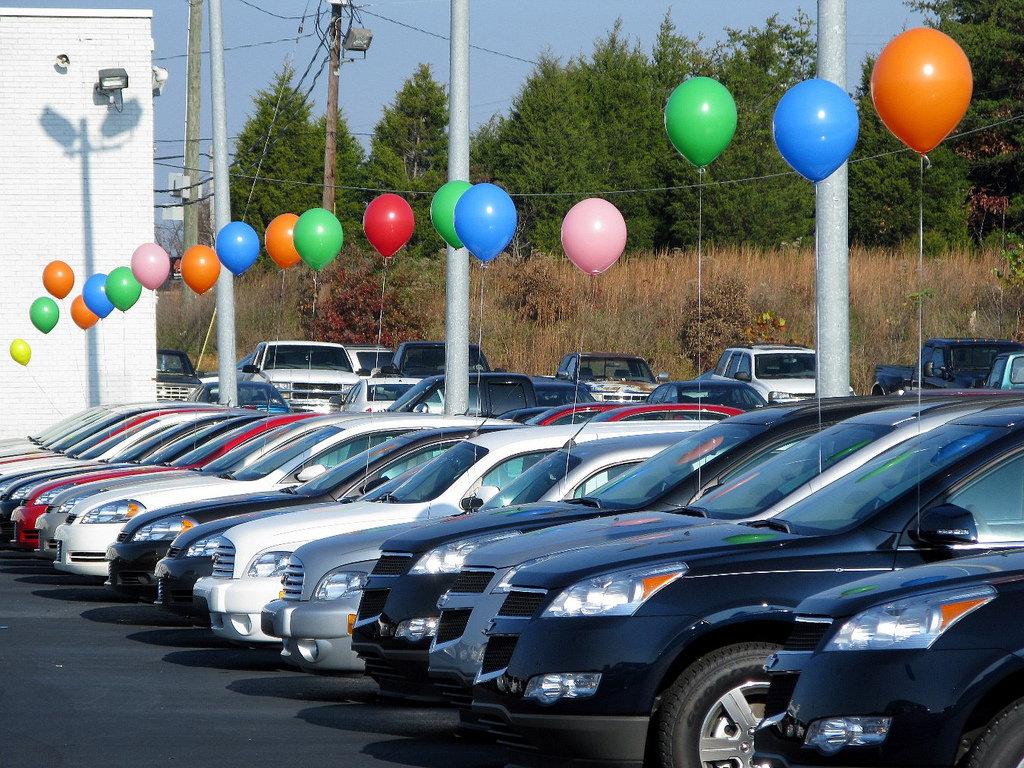
    Something’s shifted in how people are buying cars lately. Walk into any dealership and you’ll probably notice the used car section is busier than it used to be. Pre-owned vehicles are having a genuine moment right now, and it’s not just about saving money – though that’s certainly part of it.

    The shift is happening across all age groups and income levels. People who would’ve bought new without thinking twice are now seriously considering used options. And they’re not settling for less. They’re making smart choices that actually work better for their situations.


    New Cars Are Great, But the Math Has Changed

    New cars are fantastic. They come with the latest features, full warranties, and that new car smell everyone talks about. But they’ve also gotten pricier over the years. The average new vehicle price in 2025 is sitting higher than what most people budgeted for, and that changes the equation.

    The biggest hit comes in that first year. Depreciation is steepest right after purchase – often 15-20% of the value disappears within twelve months. For someone buying a car at $50,000, that’s a substantial amount of value gone before the first oil change. It’s not a secret, but it feels different when you’re the one experiencing it.

    Insurance costs play into this too. Covering a brand new vehicle runs higher than insuring something a few years old, which adds to the monthly budget. When you add up the loan payment, insurance, and depreciation, some buyers are realizing they’d rather put that money elsewhere.


    What Makes Pre-Owned Different These Days

    Used cars have come a long way. Modern vehicles are built to last significantly longer than they were even a decade ago. Seeing cars run strong past 100,000 miles isn’t unusual anymore – it’s expected with proper care. The quality of manufacturing has improved across the board.

    Here’s what’s interesting: the gap between a three-year-old car and a brand new one has narrowed considerably. Cars from 2022 or 2023 have most of the same safety features, technology, and reliability as 2025 models. Backup cameras, smartphone integration, advanced safety systems – that stuff became standard a few years back.

    Technology in cars has reached a point where year-to-year changes are more incremental than revolutionary. A well-maintained 2022 model often has everything the average driver needs for daily life. The pressure to buy new just to get basic features isn’t there like it used to be.


    The Financial Advantages Are Real

    When you buy pre-owned, someone else already absorbed that steep first-year depreciation. You’re coming in after the biggest value drop, which means the car you buy will hold its value better during your ownership period.

    Take a vehicle that sold for $45,000 new three years ago. You might find it today for $29,000 with reasonable mileage. That original owner took a $16,000 hit. If you keep it for three years, your depreciation will likely be gentler – maybe $7,000 to $9,000. The curve flattens out after those initial years.

    Monthly payments reflect this difference too. Financing $29,000 versus $45,000 means keeping several hundred dollars in your pocket each month. For a lot of families, that’s the difference between a comfortable budget and a tight one. That money can go toward other goals instead of evaporating into depreciation.


    Getting More Car for Your Budget

    One of the biggest advantages of going pre-owned is simply getting more vehicle for the same money. The budget that gets you a basic new car can land you a well-equipped pre-owned model with features you actually want.

    Want leather seats, a sunroof, or a premium sound system? Those upgrades can add thousands to a new car price. But on a three-year-old vehicle, those features are already there and you’re not paying the new car premium for them. You’re getting a better equipped vehicle without stretching your finances.

    This matters more than people realize. Buying a car with the features you want (rather than the base model you can afford) means you’re more likely to be happy with it long-term. There’s real value in driving something you enjoy rather than something you settled for.

    The variety available in the pre-owned market makes a difference too. If you’re starting your search, browsing cars for sale perth gives you a real sense of what’s out there across different price points and models. Most people find it helpful to see the full range of options before they narrow down what matters most to them.


    Certification Programs Make It Easier

    Certified pre-owned programs have really changed the used car landscape. These aren’t casual inspections – certified vehicles go through comprehensive checks covering mechanical systems, electronics, and overall condition. If something doesn’t meet standards, it gets addressed before the car gets certified.

    The warranty coverage that comes with certified pre-owned vehicles brings peace of mind. Many programs extend the original manufacturer warranty or add new coverage that can take you past 100,000 miles. You’re getting similar protection to buying new, but at a lower price point.

    Roadside assistance and other perks often come standard with certified programs too. The gap between buying new and buying certified pre-owned keeps shrinking in terms of the ownership experience, which makes the used option more appealing.


    Better Selection Than You’d Expect

    Here’s something that surprises people: pre-owned inventory often offers better selection than new. When you’re shopping for a new car, you’re limited to current year models with whatever option packages are available. If you want something specific, you might need to order it and wait.

    With pre-owned vehicles, you’re pulling from multiple years of production. Want a specific color combination with specific features? Your chances of finding it are often better in the used market. You’re not constrained by what’s currently in production or what the manufacturer decided to package together this year.

    If you’re starting your search, checking out what’s available at dealerships with solid used inventory can give you a sense of what’s actually out there. Many buyers browse style listings online to see the range of options before they commit to visiting anywhere in person. It’s a practical way to narrow things down.


    The Technology Sweet Spot

    There’s a sweet spot with pre-owned vehicles where you get modern technology without paying the premium for the absolute latest features. A 2022 or 2023 model will have adaptive cruise control, lane keeping assist, automatic emergency braking, and all the connectivity features most people actually use.

    The newest features on 2025 models are nice, but they’re often refinements rather than necessities. Most drivers won’t miss them. What matters is having reliable technology that works well, and vehicles from the past few years deliver that without the new car markup.

    This is especially true for families or commuters who need dependable transportation with good safety features. The pre-owned market delivers on those priorities while keeping monthly costs manageable.


    Market Conditions Are Favoring Buyers

    The used car market has stabilized after a few unusual years. Inventory levels are healthier, which means more choices for buyers. Dealerships are paying attention to their pre-owned stock quality because that’s where a lot of customers are shopping right now.

    Competition among dealers is working in buyers’ favor. When dealerships know customers are comparing options carefully, they tend to price more competitively and offer better service. It’s a decent time to be shopping for a pre-owned vehicle if you’re willing to do a bit of research.

    Interest rates are higher than they were a few years ago, but that affects everyone – new and used buyers alike. The difference is that financing a smaller amount (which pre-owned typically means) results in less interest paid over the life of the loan. The math just works out better.


    What to Actually Look For

    The key to a good pre-owned purchase is knowing what to check. Service history matters more than almost anything else. A well-maintained vehicle with records showing regular oil changes and scheduled maintenance is worth more than a neglected one with lower miles.

    Mileage matters, but it’s not everything. Highway miles are easier on a car than city miles. A vehicle with 60,000 highway miles might be in better shape than one with 40,000 miles of stop-and-go traffic. Context matters more than the raw number.

    Test drives should be thorough. Listen for unusual noises, feel how the transmission shifts, test all the features. If something feels off, trust that instinct. The right car will feel solid and drive smoothly. Don’t talk yourself into something that doesn’t feel right just because the price is good.


    Making the Choice That Works for You

    Choosing between new and pre-owned really comes down to what matters most in your situation. If having the latest features and full warranty coverage is worth the premium, buying new makes sense. There’s nothing wrong with that choice.

    But for a growing number of drivers, pre-owned offers a better balance. You get a reliable, well-equipped vehicle for less money, with lower depreciation and insurance costs. The ownership experience with a quality pre-owned car is pretty close to buying new, especially with certified programs.

    The smartest move is running the numbers for your specific situation. Look at what vehicles you’re considering, compare the total cost of ownership (not just the purchase price), and think about how long you plan to keep it. Sometimes the answer is obvious once you see it all laid out.


    What This Means Moving Forward

    The trend toward pre-owned vehicles isn’t likely to reverse anytime soon. As cars continue to be built better and last longer, the value proposition of used vehicles only gets stronger. More people are figuring out that buying a three or four-year-old car makes financial sense without sacrificing quality or reliability.

    Dealerships are adapting to this shift by improving their pre-owned offerings. Better inspection processes, stronger warranties, and more transparent vehicle histories are becoming standard. The used car buying experience is getting better as more customers demand it.

    At the end of the day, a car is a tool that gets you where you need to go. Whether it’s brand new or a few years old matters less than whether it’s reliable, fits your budget, and meets your needs. Right now, pre-owned vehicles are checking those boxes for more drivers than ever before – and that’s probably not going to change anytime soon.


  • The Electric Vehicle Revolution: Swapping Petrol for Power

    The Electric Vehicle Revolution: Swapping Petrol for Power

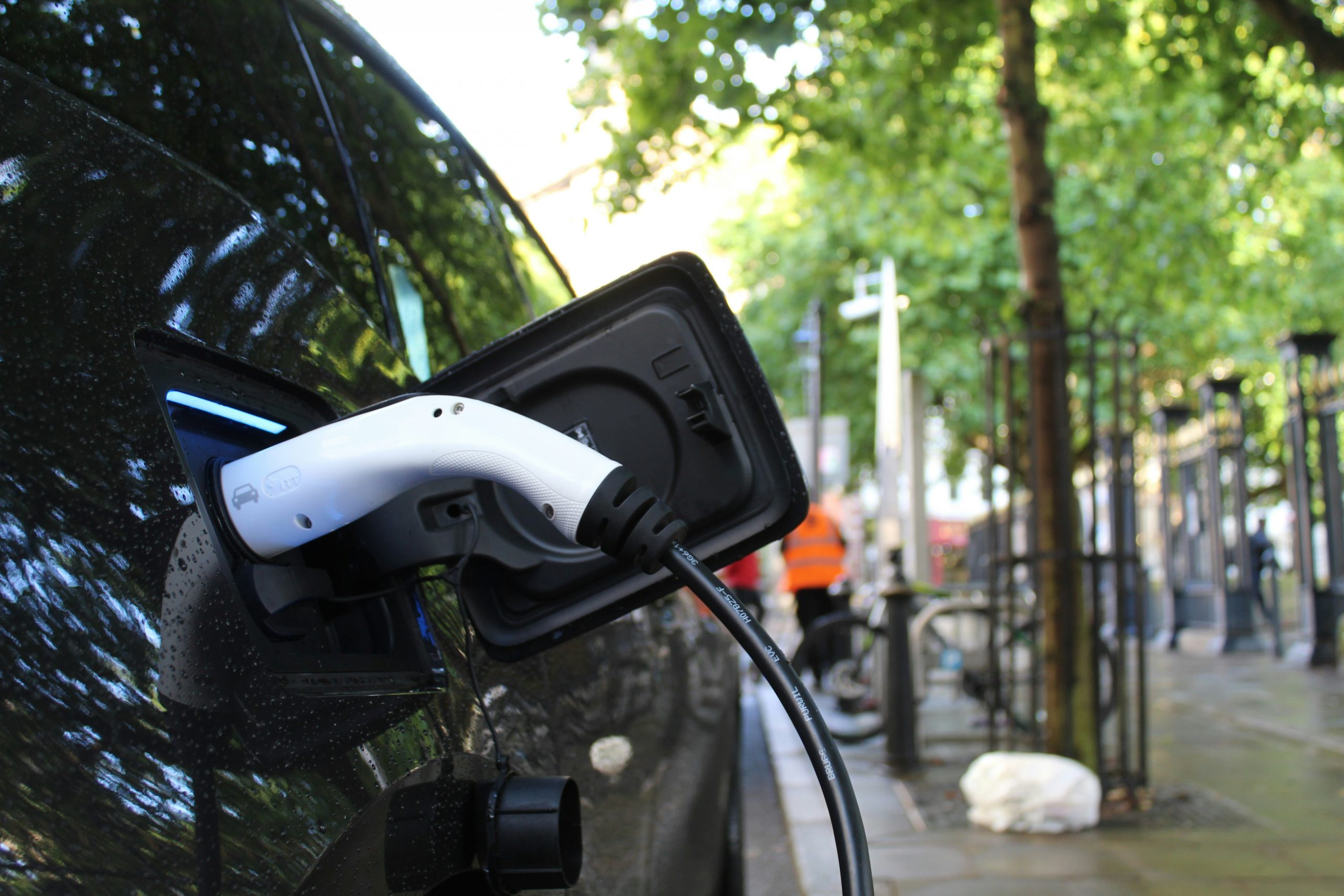
    Switching from a petrol powered car to an electric vehicle (EV) is more than just swapping nozzles for charger plugs; it represents a whole new driving philosophy, the entire ownership experience changes – how you refuel, how you maintain the vehicle and how you think about range and long trips.

    EVs are mechanically simpler as they don’t need oil changes, spark plug replacements or transmission fluid flushes. Instead, EV owners deal with kilowatt‑hours, managing charge levels and mastering range habits.

    If you’re considering making the switch from a traditional gasoline-powered car to an electric vehicle (EV) you’re not alone. I am seriously considering the switch within the next year. With governments around the world tightening emissions regulations and manufacturers investing billions into electric technology, the future of driving is undeniably electric but the elephant in the room has often been about the battery and range…


    Battery & Range Anxiety

    When you start talking to someone about electric vehicles, the first thing that usually comes up is the battery and range. Electric car batteries are the beating heart of any EV, they’re what separate these vehicles from the gas-guzzling machines we’ve relied on for more than a century and understandably they’re also one of the most talked about and misunderstood components of the EV revolution.

    Range anxiety (the fear of running out of battery mid-trip) is a major concern for many people. This is where understanding battery technology becomes crucial. Battery size, charging infrastructure, battery degradation and warranties all come into play when comparing the EV experience to a traditional car.

    So if you’re weighing your options or just curious, here’s what you need to know about electric car batteries.


    What is an EV battery?

    An electric vehicle battery, often referred to as a lithium-ion battery, is a complex pack made up of thousands of individual battery cells. These cells store electricity, which is then delivered to the motor(s) when you press the accelerator.

    Battery capacity is measured in kilowatt-hours (kWh), much like a gas tank is measured in gallons or liters. A typical EV battery today ranges from about 40 kWh (Nissan Leaf) to over 100 kWh (Tesla Model S). The larger the kWh, the longer the range—though other factors like vehicle weight and aerodynamics also play a role.

    These batteries are managed by a sophisticated Battery Management System (BMS) that monitors temperature, state of charge, cell health, and more to optimize performance and lifespan.


    Battery degradation

    One of the biggest concerns people have about EVs is battery degradation. Unlike a gas engine, which can keep running indefinitely with the right maintenance, EV batteries do slowly lose capacity over time.

    But here’s the good news: battery technology has come a long way. Early electric cars, like the first-generation Nissan Leaf, did see noticeable degradation due to lack of thermal management. However, modern EVs have much better battery cooling systems and software that protects the battery from overcharging or overheating.

    On average, an EV battery loses about 1–2% of its capacity per year. For most drivers, that means the battery will still have 80–90% of its original capacity even after 8–10 years. Some Tesla models on the road today have racked up over 300,000 miles with their original battery pack still functioning adequately.

    To ease concerns further, many manufacturers offer warranties of 8 years or 100,000 miles (whichever comes first) specifically on the battery, and in some cases even longer. If a battery does fail, replacement costs are decreasing rapidly thanks to advancements in manufacturing and recycling.


    Battery recycling and environmental impact

    Another common worry is environmental: What happens when these massive batteries die? Aren’t we just trading one pollution problem for another?

    While it’s true that producing EV batteries has a larger carbon footprint than building a gasoline engine, studies show that EVs quickly offset that impact through zero tailpipe emissions. Over the lifespan of the vehicle, EVs are significantly cleaner.

    As for battery disposal, the good news is that most lithium-ion batteries can be recycled. Companies like Redwood Materials and Li-Cycle are already scaling up facilities that can recover over 90% of the metals (lithium, nickel, cobalt) used in batteries. There’s also a growing market for second-life battery applications—like storing solar energy at home—before recycling even becomes necessary.


    Range and infrastructure

    Range is one of the most important battery-related concerns for prospective EV buyers. Early EVs struggled with short ranges, but that’s changed dramatically in recent years. Today’ EV batteries commonly offer 250 to 350 miles of range on a single charge, which comfortably covers most daily driving needs.

    Charging infrastructure is expanding quickly too. Public fast-charging networks make long road trips much more feasible. Fast chargers can replenish 80% of battery capacity in as little as 20–30 minutes, depending on the vehicle.

    At home, Level 2 charging stations (installed in your garage or driveway) can fully charge most EVs overnight, making it as convenient as charging your smartphone.


    Battery tech of the future

    Battery technology is evolving at a staggering pace. Researchers are working on solid-state batteries, which promise higher energy density, faster charging, and improved safety. While not commercially available yet, major automakers are investing heavily in this space and plan to roll out solid-state batteries later this decade.

    Other innovations include lithium-iron-phosphate (LFP) batteries, which are already used in some EVs. While LFP batteries have slightly lower energy density, they’re cheaper to produce, longer-lasting, and less prone to overheating—making them ideal for mass-market EVs.


    Battery capacity & real‑world range

    EV battery sizes vary considerably. Compact models like the Mini Electric may pack around 33 kWh, offering roughly 110 miles of range. By contrast, premium cars or Tesla models can exceed 100 kWh and over 300 miles on a single charge.

    Manufacturers typically advertise the “up to” range figure, but real‑world driving—affected by weather, speed, accessories, and cargo—often yields around 80 percent of that number nationwidevehiclecontracts.co.uk. A 60‑kWh battery rated for 250 miles might realistically deliver closer to 200 miles under everyday British conditions.


    Best Practices to Maximise Battery Life

    1. Stick to 20–80 Percent for Daily Use

    Charging to 100 percent or letting the battery drop to zero stresses the cells. Most guidelines recommend keeping the state of charge (SoC) between 20–80 percent for normal driving.

    1. Mix Charging Speeds

    Frequent use of DC fast chargers can accelerate battery wear. Opt for slower, overnight AC charging at home where possible, using fast chargers judiciously for long trips.

    1. Manage Temperature & Storage

    Extreme heat or cold can impair battery performance. Park in shade during heat waves, garage the EV in winter, and maintain SoC around 30–60 percent if storing long‑term.

    1. Drive Smoothly & Use Regenerative Braking

    Strict driving helps battery life. Gentle acceleration, maintaining steady speeds, and maximising regen braking all conserve energy and reduce stress on the battery.


    Battery Management: How EVs Do It

    A sophisticated BMS plays a critical role in extending battery life. It regulates charge/discharge cycles, maintains optimal cell balance, monitors pack temperature, and even manages tapering during fast charging to avoid over-voltaging. These systems allow decades of reliable service from lithium‑ion packs.


    What happens when EV batteries die?

    Second‑Life Storage

    Even after batteries fall below vehicle‑ready capacity (~70–80 percent), they’re still useful. Many retired EV packs are repurposed for home solar systems or grid‑storage facilities, extending their life before recycling.

    Recycling for Materials

    When batteries are fully spent, recycling recovers lithium, cobalt, nickel, and other metals. Recycling firms already recapture over 90 percent of these elements, and research continues to improve efficiency and reduce processing energy arxiv.org.


    Battery Tech: on the horizon

    LFP Batteries (Lithium‑Iron‑Phosphate)

    Destabilising reliance on cobalt, LFP chemistries are cheaper, safer, and have incredible lifecycle potential (3000–7000 cycles). While lower in energy density, they’re ideal for cost-effective, long-lasting fleets.

    Solid‑State Batteries

    Solid-state batteries (often called “super‑batteries) are solid‑state cells which use a solid electrolyte and are a promising technology in electric mobility. Providers are aiming for mass-production by 2027. The promised benefits include longer range, faster charging (~10 minutes), higher durability and better safety under stress.


    The EV Buyer Takeaway

    1. Range Anxiety?
      Not so much with a good charging routine and home charger. Fast chargers fill 80 percent in 20–40 minutes, forestalling panic.
    2. Battery Longevity?
      Expect ~10 years of service, and warranties back 8 years / 100k miles. Post‑warranty battery health is often still strong.
    3. Environmental Consideration?
      EVs remain cleaner than petrol cars over their lifecycle. Mining and recycling issues exist—but technology and regulations are improving .
    4. Future‑proofing?
      Go for LFP if you want robust and low‑cost performance. Keep an eye out for the rollout of solid‑state batteries in the latter half of the decade.


    In summary

    EV batteries have come a long way and there are pros and cons of buying an electric car but they are more reliable, longer-lasting, and far more sustainable than most critics believed in the days when the first EVs hovered around 100 miles of range. Today’s EVs routinely exceed 250–300 miles paired with increased fast charger access and smarter battery tech that guards against degradation and overheating.

    Yes, mining and recycling carry environmental costs, but these are offset by operational efficiencies and improved materials recovery. And as the market shifts toward safer, recyclable, and more powerful chemistries like LFP and solid-state, the next generation of EVs will be cleaner and more capable than ever before.

    In short, if you’re thinking of swapping your petrol car for an EV, rest assured: the battery, the heart of the system, is ready to deliver. Quiet power, minimal upkeep, and declining environmental impact all signal that the electric future isn’t just near, it’s here.


  • Stylish Protection for High-Performance Vehicles

    Stylish Protection for High-Performance Vehicles

    Owning a high-performance car is like holding a piece of art you can drive. It’s not just the horsepower or the roar of the engine—it’s the way the curves catch the light, the way heads turn when it rolls by. Every detail matters, from the purr of the exhaust to the gleam of the paint. But keeping that beauty in top shape takes more than a quick wash and an oil change. It’s about protection that matches the car’s vibe.

    A Corvette car cover, for instance, isn’t just a tarp to toss over a Corvette. It’s a shield that keeps the shine intact and adds a touch of style while it’s at it. Good protection doesn’t just save the car—it shows the world you’re serious about your ride. Here’s why stylish covers are a game-changer for anyone who loves their high-performance machine.


    Looks Are Part of the Deal

    Let’s be real—performance cars are built to impress. The sleek lines, the low stance, the way the paint pops under streetlights—it’s a whole mood. But that wow factor fades if the car’s not cared for. Dust, pollen, even stray garage grime can dull the finish over time. Those tiny specks settle in, scratching the clear coat when you wipe them off, leaving the car looking tired.

    A friend’s show car got hit hard by this—parked it for a summer, didn’t cover it, and came back to a finish that looked like it’d been through a sandblaster. A quality cover stops that nonsense. It keeps the dust off, so the car stays ready to steal the spotlight, whether it’s parked in a garage or under a carport.


    Shielding Against the Elements

    The sun’s a silent killer for cars. UV rays bake the paint, fading that deep cherry red to a washed-out pink. Rain’s no better, sneaking into seams and starting rust you won’t see until it’s bad. Even in a garage, humidity or a cracked window can let moisture creep in. Snow? Don’t even get started—it leaves a gritty mess that sticks around.

    A proper car cover acts like armor. It blocks UV rays, shrugs off dampness, and keeps the car’s finish pristine. It’s not just about avoiding damage—it’s about making sure the car ages like a fine whiskey, not a cheap soda. That’s a must for anyone who wants their ride to look as good in five years as it does today.


    Style Meets Function

    Car covers used to be boring—big, shapeless bags that screamed “practical” and not much else. Not anymore. These days, covers come with flair. Some hug the car’s curves like a tailored suit. Others rock bold colors or sleek patterns. It’s protection that doesn’t hide the car’s personality—it adds to it.

    Plenty of drivers go custom, picking covers that match their vibe. A neighbor got one with a subtle racing stripe for their Corvette—looks sharp even when the car’s tucked away. It’s not just about keeping the car safe; it’s about making a statement, even when it’s parked.


    Fit Is Everything

    A cheap, one-size-fits-all cover is asking for trouble. Those baggy things slip around, letting dust sneak in or worse, scratching the paint as they move. A loose cover in a windy garage? Good luck—might as well leave the car uncovered.

    A well-fitted cover, though, is like a glove. It clings to every curve, from the hood to the spoiler. It stays put, no matter how drafty the space gets. That’s crucial for performance cars, where the shape is half the appeal. A cover that respects those lines keeps the car looking sharp and protected, no compromises.


    Easy to Use, Hard to Hate

    Nobody’s got time for a cover that’s a pain to put on. Modern ones get that. They’re designed to slip on quick—no wrestling, no swearing under your breath. Some even come with slick storage bags, so you can tuck them away without a hassle.

    Take one on a road trip or to a car show. Pop it on in a hotel lot or a buddy’s driveway. It’s protection that moves with you. A guy at a car meet swore by this—keeps his ride safe wherever he parks. The easier it is to use, the more likely it’ll become a habit.


    Small Habits, Big Payoff

    Keeping a high-performance car in top shape doesn’t mean detailing it every weekend. It’s about little moves that add up. Using a cover is one of those. Takes a minute to put on, maybe another to take off. But it stops damage before it starts—scratches, fading, all the stuff that hits the wallet later.

    Think of it like flossing. Skip it, and nothing seems wrong for a while. But over time, the trouble piles up. A cover’s the same—small effort, big reward. Keeps the car looking fresh without breaking the bank.


    The Bottom Line: Protect with Swagger

    High-performance cars are meant to turn heads. They’re built to spark envy, to make people stop and stare. But that magic doesn’t stop when the engine’s off. A corvette car cover—or any quality cover—keeps the car looking like it just rolled off the lot.

    It’s not just about saving the paint. It’s about owning a ride that feels special, every single day. Protection doesn’t have to be boring. Do it right, and it’s as stylish as the car itself. That’s how you keep a masterpiece on wheels.


  • Choosing the Right Daily Car Insurance for Your Lifestyle

    Choosing the Right Daily Car Insurance for Your Lifestyle

    Looking for short-term car insurance coverage that actually fits your life?

    Daily car insurance is exactly what you need when traditional annual policies just don’t make sense. Whether you’re borrowing your mate’s car for the weekend, test driving a potential purchase, or need emergency coverage for a few days…

    Here’s the problem…

    Most people think their only option is expensive annual car insurance. They end up paying for coverage they don’t need, or worse — they drive without proper insurance and risk massive financial losses.

    The good news?

    Daily car insurance gives you the flexibility to get exactly the coverage you need, when you need it, without the long-term commitment.

    What you’ll discover

    • The Reality About Short-Term Coverage Options
    • When Daily Car Insurance Makes Perfect Sense
    • How To Choose The Right Coverage Level
    • Smart Ways To Save Money On Temporary Policies
    • Common Mistakes That Cost You Money


    The Reality About Short-Term Coverage Options

    Daily car insurance (also called temporary car insurance) is exactly what it sounds like — car insurance coverage that lasts anywhere from a few hours to several weeks or months.

    Unlike traditional annual policies that lock you into 12-month commitments, daily coverage gives you the freedom to insure yourself for exactly the time period you need.


    Here’s what makes this so powerful

    You can get fully comprehensive coverage that protects you just like a regular policy, but you only pay for the days you actually need it. No wasted money on coverage you don’t use.

    The temporary car insurance market has absolutely exploded in recent years. Sales jumped from 19,000 policies per month in January 2020 to a staggering 65,000 monthly sales by February 2023. That’s more than triple the demand!

    Why the massive surge?

    Simple. People are finally realizing that traditional insurance doesn’t always fit modern lifestyles. With more people working from home, sharing cars, and looking for flexible solutions…


    Daily insurance just makes sense

    And here’s something that might surprise you — getting one day car insurance is often easier and faster than you’d expect. Most providers can get you covered and driving within 15 minutes of applying online.

    Pretty cool, right?


    When Daily Car Insurance Makes Perfect Sense

    34.7% of temporary policies are taken out for test driving, buying, or selling cars. Think about it — why commit to a full year of coverage when you’re just taking a car for a spin around the block?

    But that’s just the start

    The second most popular reason (making up 23.4% of all temporary policies) is borrowing someone else’s vehicle. Maybe your car’s in the shop and you need to borrow your parents’ car for a week.

    In situations like these, daily car insurance is brilliant because:

    • It protects the vehicle owner’s no-claims bonus — even if you have an accident, their discount stays intact
    • You get proper coverage — no relying on hoping their policy covers additional drivers
    • It’s often cheaper — than being added as a named driver for a short period

    Daily insurance also makes perfect sense for new car buyers, holiday makers sharing driving duties, business trips, students who only need cars during holidays, and emergency situations.


    Here’s the thing…

    If you find yourself in any of these situations more than once or twice a year, daily insurance will save you serious money compared to maintaining year-round coverage you don’t use.


    How To Choose The Right Coverage Level

    This is where most people get confused.

    Daily car insurance typically comes in the same coverage levels as annual policies:

    Third-party only covers damage you cause to other people and their property, but it does not cover your own vehicle. This is usually the cheapest option, but it offers minimal protection.

    Third-party, fire, and theft add protection against your car being stolen or damaged by fire, but they still don’t cover accident damage to your vehicle.

    Comprehensive coverage is the full package — it covers damage to other people AND your vehicle, regardless of who’s at fault in an accident.


    Here’s what most people don’t realise…

    Comprehensive daily insurance is often only slightly more expensive than third-party cover, but gives you dramatically better protection. The average temporary policy costs £73.80, with 43.1% of policies falling between £25-£49.99.

    When you’re talking about differences of maybe £10-20 for vastly superior coverage, comprehensive almost always makes sense.

    That said, your choice should depend on:

    • The value of the vehicle you’re driving
    • How much financial risk can you comfortably handle
    • Whether the car owner already has comprehensive coverage that might partially protect you

    For expensive vehicles or situations where you’d struggle to pay for repairs out of pocket, always go comprehensive.


    Smart Ways To Save Money On Temporary Policies

    Want to get the best deal on your daily car insurance?


    Here’s the secret most people miss…

    The key to getting cheap daily insurance isn’t just comparing prices — it’s understanding how insurers calculate your premium.

    Your age matters. The most common age group for temporary insurance is 30-34-year-olds (17.9% of all policyholders). If you’re in this bracket, you’ll likely get better rates.

    The vehicle makes a huge difference. Insurers love ordinary, safe cars. Avoid high-performance vehicles, modified cars, or anything exotic for reasonable prices.

    Your driving history is crucial. Even for short-term coverage, insurers check your license and record. A clean history significantly reduces premiums.

    Book in advance when possible. Booking even a day ahead often results in lower prices than last-minute applications.

    Most importantly — always compare multiple providers. Prices can vary dramatically between companies for identical coverage.


    Common Mistakes That Cost You Money

    Mistake #1: Assuming you’re covered under someone else’s policy

    This is the biggest error people make. Many assume that if they have permission to drive someone’s car, their insurance automatically covers them.

    Wrong.

    Most policies have strict limitations on who can drive and what’s covered. Don’t risk it — get your own temporary coverage.

    Mistake #2: Choosing the cheapest option without checking coverage

    Third-party-only insurance might save you £15, but could cost you thousands if you damage the vehicle you’re driving.

    Mistake #3: Not reading the small print about vehicle modifications

    Insurers typically won’t cover vehicles with significant modifications or aftermarket parts. Check this before you buy.

    Mistake #4: Getting multiple single-day policies instead of one longer policy

    If you need coverage for several consecutive days, one longer policy is almost always cheaper than multiple one-day policies.

    The reality is that daily car insurance mistakes can be expensive. But when you get it right, temporary coverage gives you incredible flexibility and can save you serious money.


    Wrapping It Up

    Daily car insurance has revolutionized how people think about vehicle coverage. Instead of being locked into expensive annual policies you might not need, you get exactly the protection you want for exactly the time you need it.

    The numbers don’t lie — with temporary insurance sales tripling in just three years, this isn’t some niche product anymore. It’s become an essential tool for modern drivers who value flexibility and smart financial decisions.


    To quickly recap

    • Daily insurance sales have exploded — from 19,000 to 65,000 monthly policies
    • Most policies cost between £25-£49.99 for excellent coverage
    • The 30-34 age group gets the best rates and uses it most frequently
    • Comprehensive coverage is usually worth the small extra cost
    • Compare providers and book ahead when possible for the best deals


    Daily car insurance gives you proper protection exactly when you need it, you pay only for what you use, and you avoid the hassle of annual commitments that don’t match your lifestyle.

    That’s the kind of insurance solution that actually makes sense.


  • Savvy car shopping: Buy a new car without breaking the bank

    Savvy car shopping: Buy a new car without breaking the bank

    Buying a new vehicle is one of the biggest financial decisions you’ll make and it’s easy to get swept up in the excitement of a shiny new car. But first, you need a solid financial plan to ensure that you can enjoy your new ride without overextending yourself. From hidden costs to financing choices, these tips will help you budget wisely and drive off the lot with confidence.


    Know the total cost of ownership

    The car’s sticker price is just the start. Running a car in the UK means factoring in fuel, road tax, insurance, regular maintenance, and depreciation. Many buyers forget to budget for these ongoing and long-term costs, which can quickly add up.


    Explore car finance choices

    Car finance can certainly make that new vehicle feel more within your reach, but make sure that you pick the right arrangement. Personal Contract Purchase (PCP), Hire Purchase (HP), and personal loans each offer different pros and cons depending on your financial situation. With PCP, you pay a deposit, followed by monthly payments, and can buy the car (by paying a balloon payment), return it, or trade it in at the end. Under an HP, in contrast, you pay a deposit and fixed monthly payments (usually higher than a PCP) and own the car at the end of the term. Make sure to choose a method that fits your financial situation and use an online car finance calculator to compare the different options.


    Get the best deal for your credit profile

    Check your credit score with Experian or Equifax before applying for car finance – it will affect the finance offers available to you. If you’re lucky enough to have a high score, you’ll get better rates, while a lower score may limit your options. But there’s no need to panic. Options like bad credit car finance are available and designed for buyers with less-than-perfect histories. As with all finance, evaluate each option carefully to ensure that it’s within your budget.


    Set a realistic budget

    Before you even start car shopping, figure out what you can realistically afford. Calculate your monthly income and expenses and leave room for projected emergency costs such as dent repairs or tyre replacement. Online budgeting tools can help you stay on track and give you a more realistic idea of your outgoings so that you don’t take on more than you can manage.


    Drive away with peace of mind

    Budgeting for a new car isn’t just about cutting costs in other areas of your life, it requires making intentional choices. By considering ownership costs, understanding your finance options, and sticking to a realistic budget, you’re all set for smooth and stress-free driving.


  • Protecting Your Car from Unpredictable Weather

    Protecting Your Car from Unpredictable Weather

    If you’ve ever woken up to a cracked windshield, scratched paint, or a car that looks like it’s been through a sandstorm, you know the damage unpredictable weather can do. In recent years, weather patterns have become more erratic—and your vehicle often pays the price.

    According to the Insurance Information Institute, 1 in 50 homeowners files a property damage claim due to hail every year, and while stats for vehicles aren’t as widely tracked, auto insurance claims spike in hail-prone regions by tens of thousands annually.

    With this reality, protecting your vehicle isn’t just about keeping it clean—it’s about avoiding costly repairs and long-term wear.


    The Biggest Threats to Your Car Year-Round

    From blazing sun to sudden hailstorms, cars face threats in every season. Here’s a breakdown of what to watch for:

    • Hail: Dents, cracked windshields, and chipped paint

    • Sun/UV: Faded paint, dashboard cracking, and interior fabric wear

    • Rain: Rust, mold growth in seals, and weakened brake components

    • Snow and Ice: Battery drain, frozen locks, and salt corrosion

    • Wind: Debris scratches and broken mirrors or wipers

    • Temperature Swings: Tire pressure drops, battery issues, and condensation problems

    You can’t control the forecast—but you can control your car’s protection plan.


    Why a Car Cover Is Your First Line of Defense

    It might seem simple, but a quality car cover does a lot more than shield your paint. It serves as a barrier against water, UV rays, bird droppings, tree sap, wind-blown debris, and yes—hail.

    The key is choosing the right material and fit for your needs. Not all covers are created equal.

    Some essentials to look for:

    • Weather-specific protection: Look for options labeled water-resistant, UV-blocking, or hail-resistant

    • Custom-fit design: Loose covers can flap in the wind and scratch your paint

    • Layered construction: More layers typically mean better shock absorption and durability

    • Straps or tie-downs: To prevent blowoffs in strong gusts

    • Soft inner lining: To avoid surface scratches

    If you live in a region prone to hailstorms, investing in a car cover for hail is a no-brainer. These are made with extra padding and shock-absorbing layers to take the hit before your car does.


    Other Smart Protection Upgrades

    While car covers offer great all-around protection, a few other tools can take your defense to the next level.

    Add these to your car protection kit:

    • Windshield sunshades: Reduce interior heat and protect dashboards

    • Tire covers (for long-term parking): Shield rubber from cracking due to sun and temperature shifts

    • Ceramic coating or wax: Adds a UV and moisture barrier to your paint

    • Rust-proofing treatments: Especially valuable in snowy or coastal regions

    • Portable car canopy: Great for driveways without a garage or covered space

    These tools don’t just prevent cosmetic issues—they help preserve resale value and extend the life of critical components.


    Parking Smarter Makes a Difference

    Where you park is just as important as how you protect your car. When possible, choose a location that reduces exposure.

    Smart parking tips:

    • Park under a sturdy structure during storms or extreme heat

    • Avoid trees during windy or icy weather (falling limbs are no joke)

    • Don’t park near construction zones where debris might kick up

    • If using street parking, park on the less sun-exposed side during peak hours

    Every decision adds up. Even if you don’t have access to a garage, combining smart parking with a car cover can make a huge difference.


    Final Thoughts

    You can’t stop the weather—but you can outsmart it. Investing in the right protection tools now can save you hundreds (if not thousands) in repair costs down the line. From padded covers to anti-UV barriers, there are affordable options that suit every climate and budget.

    Start with the basics: get a reliable car cover, park smart, and treat your vehicle like the long-term asset it is.

    Because whether it’s a summer scorcher or an unexpected storm, your car deserves better than the mercy of the forecast.

  • Why More Commuters Choose Electric Bikes Over Cars

    Why More Commuters Choose Electric Bikes Over Cars

    Electric bikes are becoming the go-to choice for daily commuting, weekend trips, and even grocery runs. They combine the freedom of cycling with the efficiency of modern technology. If you’re comparing options for your daily commute or want to reduce your car use, electric bikes could be your perfect match.


    What Makes Electric Bicycles a Great Choice?

    An electric bike supports your pedalling with motor assistance, making each ride smoother and faster. Most e bikes come with pedal assistance that helps you tackle steep hills without breaking a sweat. The standard speed limit for legal ebikes in the UK is 25 km/h with pedal assist. That’s enough for city traffic and short countryside rides.

    Modern electric bikes use lithium ion batteries that are lightweight and offer a decent range — ideal for trips to the office, the store, or out into the country. Some riders prefer a throttle, but most commuters opt for the simplicity of pedal assist for more control and safety.


    Choosing the Right E Bike for Your Needs

    There are several models to choose from. If you often travel with kids or groceries, an e cargo bike is a practical and cost effective solution. Love long rides and gravel roads? Look into gravel bikes or off road adventures with powerful motors and wide tyres. Prefer something light and agile? A lighter frame with a compact hub motor will suit your commuting needs.

    The perfect electric bike should match your riding experience and destination. For example, if you take public transport regularly, folding models help save time and space. For long, fast rides, make sure to check the maximum speed, disc brakes, and motor power.


    How to Test and Buy the Perfect Bike

    Don’t guess — test ride before you buy. A good shop will let you try different sizes and styles so you don’t overpay for a bike that doesn’t fit. Look for stores that stock your favourite brands, offer reliable servicing, and clearly explain the speed limits, battery life, and safety features.

    Price matters, but so does support. Research the warranty, repair services, and whether you can pay in instalments. Some retailers include basket options, frame styles, and accessories in the deal — others don’t.


    Explore More Options and Expert Help Online

    If you’re not sure where to start, visit CycleSuperStore.ie to browse a wide range of tested ebike models. Whether you’re looking for a high-performance mountain bike, a compact commuter, or a reliable e cargo bike, their team can provide expert advice to help you choose the right e bike. You’ll find bikes from top brands, clear specs on motor, battery, and range, as well as great value options that fit your lifestyle and budget. Save time, make smarter decisions, and find your perfect bike in just a few clicks.

    Before you buy, ask yourself: What type of terrain do I ride on? Do I need more power for hills? Will I be running errands or just heading to the office?


  • The Unspoken Rules of Auctions: A Beginner’s Guide to Bidding Right

    The Unspoken Rules of Auctions: A Beginner’s Guide to Bidding Right

    Stepping into a car auction can feel like entering a fast-paced, high-stakes world. Yet, beneath the surface buzz, there’s a rhythm and etiquette that every bidder quickly learns to follow. Knowing how to navigate this environment helps you avoid common pitfalls and increases your chances of driving home a great deal.


    Do Your Research Before Bidding

    Before you even set foot in the auction room, gather as much information as you can about the cars you’re interested in. Most UK car auctions publish a catalogue in advance with details on each vehicle, including mileage, condition, and history. Look up independent valuations and check online reviews to understand realistic prices.

    When you inspect the vehicles in person, take your time to examine the condition of the tyres, check the engine and look out for any signs of damage or wear. This background knowledge arms you against overpaying and helps you spot bargains.


    Register and Arrive Early

    Make sure you register to bid ahead of time, whether online or on-site. Auctions often require proof of ID and a deposit, so bringing the necessary documents and payment method is essential.

    Arriving early gives you the chance to inspect the cars yourself without feeling rushed. It also allows you to acclimatise to the environment and listen to the auctioneer’s instructions. You’ll want to take note of how the bidding works and how the auctioneer signals each sale.


    Be Clear and Confident When Bidding When Attending Car Auctions

    When attending car auctions, it’s crucial to communicate your bids clearly and confidently.

    Raise your paddle or call out your bid decisively, avoiding hesitation or mumbling. Auctioneers move quickly and appreciate bidders who make their intentions unmistakable. If the auctioneer misses your bid, politely but firmly repeat it.

    Avoid bidding impulsively. Instead, have a maximum price in mind and stick to it. This strategy prevents you from getting caught up in the excitement and overspending.


    Respect the Auctioneer and Other Bidders

    Treat everyone involved with respect, from the auctioneer to fellow bidders and staff. The auctioneer keeps the event running smoothly, so listen carefully and avoid interrupting. Other bidders might be your competition, but maintaining good manners keeps the atmosphere professional and fair. Don’t try to distract others or engage in aggressive behaviour. Remember, many auctions are recurring events, and building a positive reputation can benefit you in the long run.


    Pay Promptly and Honour Your Bid

    Once the hammer falls and you win a car, you have a legal obligation to complete the purchase.

    Make payment promptly according to the auction’s terms, usually within a few days. Delaying payment or backing out after winning damages your credibility and may result in penalties or bans from future auctions. Arrange your finances beforehand so you can act quickly. After payment, arrange to collect your vehicle within the designated timeframe.


  • How to Find the Perfect Car the First Time

    How to Find the Perfect Car the First Time

    Choosing a car is more of an investment than a simple purchase. The right vehicle can make commuting easier, family trips more comfortable, and running errands less of a chore. But with so many models, fuel types, and features on the market, it’s easy to feel overwhelmed. This guide is here to help UK drivers narrow down their options and make an informed decision.

    Assess Your Needs and Lifestyle

    Start by thinking about how you’ll actually use the car on a daily basis. Are you commuting long distances every day, ferrying kids to school, or taking weekend trips with the dog? Your routine should guide your choices. Smaller cars are ideal for city driving and parking ease, while SUVs or estates are better for families or outdoor adventures. Fuel efficiency matters too, especially if you rack up a lot of miles. Comfort, storage, and tech should also factor into your decision.

    Budgeting and Financing

    Set a realistic budget that includes not only the upfront cost, but the long-term expenses as well. Insurance, road tax, servicing, repairs, and fuel all add up. If you’re buying new, remember that cars can lose up to 35% of their value in the first year due to depreciation. If you’re considering finance, compare the total cost across options like PCP, HP, or leasing. Watch out for hidden fees and check the interest rates carefully.

    Inspect Vehicle History and Condition

    If you’re going second-hand, do your due diligence. Check for visible wear and tear, listen for odd engine noises, and look out for signs of rust or accident repairs. Crucially, performing an MOT history check can give you insights into the car’s maintenance record and whether it’s had recurring safety issues. A clean MOT history usually means the car has been well maintained, while red flags like repeated advisories or failures might signal future headaches. Combine this with a full vehicle history report and, if possible, a professional inspection for peace of mind.

    Evaluate Fuel Type and Environmental Impact

    Fuel type matters more than ever. Electric vehicles (EVs) are gaining ground, but they only make sense if you have easy access to charging, ideally at home. Hybrids are a solid middle ground if you want better emissions but aren’t ready to go fully electric. If you mainly do short city drives, a petrol engine could still work well. For long-distance drivers, diesel might be more economical, but be aware of low-emission zone charges and future restrictions.

    In short, the “perfect car” is a very subjective thing that depends on your life, not just the label on the boot. Take your time, set your priorities, and make sure you’re buying a car that works for your budget, lifestyle, and values.


  • Easy Car Care Wins You Can Handle at Home

    Easy Car Care Wins You Can Handle at Home

    Keeping your vehicle in top shape doesn’t always require a trip to the mechanic. With a bit of know-how and minimal tools, many routine maintenance tasks can be tackled at home, saving both time and money. These straightforward car care wins are accessible to most vehicle owners, especially those keen on maintaining their vehicle’s longevity and performance. Whether you’re a first-time car owner or someone with years of driving under your belt, a few proactive steps can go a long way.


    Check and Top Up Fluids Regularly

    One of the most basic but essential car care tasks is checking your vehicle’s fluid levels. These include engine oil, coolant, brake fluid, transmission fluid, and windscreen washer fluid. Low levels can indicate leaks or long intervals between top-ups, which may lead to performance issues or damage.

    • Engine oil should be checked with the dipstick when the engine is cool and on a level surface.

    • Coolant, stored in the radiator or expansion tank, helps keep the engine from overheating.

    • Brake fluid ensures responsive braking; a low level could affect safety.

    • Transmission fluid and power steering fluid (if applicable) should be maintained within the manufacturer’s guidelines.

    Top up with the right specification fluid, and always refer to your car’s manual to avoid overfilling.


    Inspect and Replace Air Filters

    A clean air filter ensures proper airflow to the engine, promoting efficient fuel combustion and protecting against debris. Most air filters are easy to access, requiring only a screwdriver to open the housing.

    Hold the filter up to the light: if you can’t see through it, it’s time to replace it. This task usually takes under 10 minutes and can significantly enhance your vehicle’s performance and fuel economy.


    Maintain Tyres for Safety and Efficiency

    Tyre care isn’t just about avoiding punctures — it’s vital for fuel efficiency, handling, and safety. At home, you can:

    • Check tyre pressure (monthly or before long trips) using a tyre pressure gauge.

    • Inspect for uneven wear, bulges, or embedded objects.

    • Rotate tyres every 10,000km to promote even wear and extend tyre life.

    Under-inflated tyres increase fuel consumption and wear unevenly, while over-inflation can reduce grip and ride comfort. Use the correct pressure rating found in your vehicle’s manual or inside the driver’s door. Regular tyre rotation can help a tyre reach its intended mileage rating, whereas neglecting rotation may lead to premature wear and reduced tyre life.


    Replace Wiper Blades for Clear Visibility

    Over time, wiper blades degrade due to UV exposure and regular use, resulting in streaking or squeaking. You’ll usually notice poor visibility during rain before realising your blades need replacing.

    Replacing blades is a quick fix — simply lift the wiper arm, unclip the old blade, and clip the new one into place. Choose blades compatible with your car’s model, and consider silicone blades for longer-lasting performance.


    Keep Your Battery in Check

    A weak or dying car battery can leave you stranded. While professional testing is ideal, you can still visually inspect for corrosion on terminals and check for a secure fit.

    Keep the terminals clean by scrubbing with a wire brush and a baking soda-water solution. If your battery is over three years old, it’s wise to have it tested or consider a replacement to avoid unexpected failures.


    Clean and Protect Interior and Exterior Surfaces

    Regular cleaning not only makes your vehicle more pleasant but also protects surfaces from wear and environmental damage.

    • Use appropriate automotive cleaning products for dashboards, seats, and windows.

    • Vacuum the interior and clear debris from under the seats and mats.

    • Apply wax or paint sealant every few months to protect your car’s paint from UV rays and pollutants.

    These small efforts go a long way in preserving the resale value and aesthetic of your vehicle.


    Replace Light Bulbs Promptly

    Driving with a blown headlight, brake light, or indicator is not just unsafe — it’s illegal. Fortunately, replacing bulbs is a relatively simple task for most vehicles.

    Access the bulb housing (usually behind the headlight or under the boot lining), unplug the old bulb, and insert the new one without touching the glass part. Always check the correct bulb type in your vehicle’s manual before purchasing.


    Source Quality Parts at Reliable Stores

    Sourcing car parts from reputable stores is essential for maintaining vehicle safety, performance, and reliability. Inferior or ill-fitting parts can lead to further damage, reduced efficiency, and potentially hazardous driving conditions. Quality parts, on the other hand, are built to last and meet the necessary specifications for your vehicle.

    Trusted stores typically provide accurate product information, support, and returns — giving you confidence in what you’re installing. Whether you’re replacing brake pads, filters, or lighting, sticking with established suppliers helps ensure compatibility and durability.

    Buying online adds convenience and greater choice, especially for hard-to-find items. Platforms like Rolan offer access to a broad range of parts and accessories, making it easier for vehicle owners to find what they need without compromising on quality.


    Small Efforts, Big Wins

    Taking care of your car at home doesn’t require advanced skills or specialist tools. With regular attention to fluids, filters, tyres, and other basic components, you can keep your vehicle running smoothly, safely, and efficiently. These small efforts not only extend the life of your car but also help you catch potential issues early — before they become costly repairs. A bit of routine maintenance can go a long way in keeping you on the road with confidence.

  • Climate Guilt Isn’t Making Brits Drive Less…It’s the Cost of Living

    Climate Guilt Isn’t Making Brits Drive Less…It’s the Cost of Living

    New data reveals financial and ethical factors are still shaping the nation’s transport choices – but with more weight on the financial impact

    New research from private plate supplier Regtransfers suggests that cost of living concerns are a stronger influence than environmental guilt when it comes to reconsidering car use.

    Speaking with 1,000 UK drivers, 56.6% of respondents reported they had either actively sought alternatives (12.8%) or occasionally considered other options (43.8%) to private car use – such as cycling, public transport, or car sharing – as a result of rising motoring costs. By contrast, a third (33.8%) said these costs had not influenced their travel choices at all.

    This insight comes at a time of ongoing economic strain. Rising fuel prices, inflated insurance premiums and the development of Low Emission Zones have increased the cost of car ownership, with recent polling showing that 73% of drivers are concerned about insurance affordability, and 67% are worried about fuel costs.

    When asked whether environmental impact influences how they travel, 66.2% of respondents said they consider it to some degree – though only 7.1% say they “always” do, while a majority of 32.6% said they only “sometimes” factor it in. This suggests that while environmental impact is on people’s minds, it is rarely decisive in shaping transport behaviour.

    This data echoes findings from the Environment Journal, which found that while 73% of European travellers prioritise climate impact when planning trips, their actual behaviours often lag behind their expressed values.

    Regtransfers data also highlights some notable gender differences, with women twice as likely than men to already rely on alternative transport (8.09% against 4.53%) and to consider environmental impact in their travel decisions. Only 10.43% of women said they “never” consider the environment, compared to 16.42% of men. This 6% difference equates to something in the region of 2.4 million British adults.

    Commenting on the study’s findings, Mark Trimbee, CEO of Regtransfers, states:

    “Drivers today are being pulled in two directions – on one hand, they’re facing the rising cost of simply getting from A to B, and on the other, there’s growing pressure to make greener choices. It’s clear that people are feeling the pinch, but while most of us care about the environment, it’s rising fuel prices and insurance costs that are making us think twice about jumping in the car.

    What’s interesting is that women seem more likely to factor in environmental concerns and to already be using alternatives like public transport. That gap matters – if we want greener travel habits to stick, we need to make the sustainable choice the easy and obvious one for everyone.”

  • 8 Must-Know Pros & Cons for Vehicle Financing vs. Leasing

    8 Must-Know Pros & Cons for Vehicle Financing vs. Leasing

    You probably already know that car prices can be way higher and out of reach for many American shoppers. And this is why, like most people in the market for a new car, you might be considering to finance or lease your next car.  The truth is that there’s no straight or universal answer as to which option between the two is better.

    Choosing whether to get a car loan or lease a new car largely comes down to your individual needs and priorities since both options have their benefits and downsides. That said, here are three things to keep in mind before you finance or lease a car:


    • Figure Out How Much You Can Afford

    First and foremost, you need to assess your financial situation and determine whether you have enough income to take on a new payment. To reduce your leasing or financing costs consider trading in a car or saving some money for a down payment.


    • Check Your Credit Score

    The credit requirements for leasing tend to be a little bit more forgiving compared to those for financing a car. However, you’ll still need a credit score that’s high enough (at least 620 or so) to lease a vehicle. It’s, therefore, a good idea to get a copy of your credit report and check your credit score when considering either of the options.


    • You May Need a Co-Signer

    Whether it’s a car loan or a lease, your credit history is one of the crucial factors that determine whether or not you get a financing deal. If you have absolutely no credit history, the lender or creditor may request that you get a co-signer to assume equal responsibility for the lease agreement or finance contract.


    What is a Car Loan (Borrowing)?

    When you’re in the market for a new or used car and don’t have the cash to pay for it, a car loan (also known as an auto loan) can help you purchase it. After applying for a car loan, the lender reviews and approves your application based on several factors, then gives you the money to pay for the car.

    In return, you agree to pay back the entire loan balance plus any interest and fees you accrue, usually in monthly payments, over a set period of time.  Before you apply for a car loan, shop around and compare loan terms and conditions, interest rates, and costs from different lenders. Your goal should be to find the best financing deal for your car. There are several primary benefits of a car loan:


    • Car ownership. Purchasing a car with a car loan usually comes with the lender holding the title until you clear the entire loan balance. However, you own the vehicle and they don’t restrict what you can do to it.
    • Unlimited use of mileage. There’s a mileage cap to almost every lease agreement you’ll come across. Exceeding the cap would mean paying hefty fines at the end of the lease contract. Buying a car with a car loan, on the other hand, leaves you with as many miles as you want.
    • More cash savings in the long-term. With a car loan, you get to own the vehicle as soon as you pay off the loan. This results in more cash savings in the long-term.
    • Build up resale or trade-in value. While it’s a good idea to wait until you pay off the loan before you can sell or trade-in your car, you can do so if you wish, as long as you have positive equity.
    • No end-of-lease charges. Financing a vehicle with a loan doesn’t attract any leasing related charges. You won’t have to worry about incurring excessive mileage sub-charges or paying for excessive wear and tear as is the case with a lease contract.


    On the other hand, there are several downsides of vehicle loans as well. They include:


    • Higher Monthly Payments. Financing a vehicle with a car loan is more expensive in the short-term as you’re required to pay higher monthly payments than the lease payments.
    • Higher down payment. To get the best car loan terms, you have to make a generous down payment.
    • Post-warranty maintenance and repair costs. According to Coach Connection Mobile Auto Body, “If you’re planning to keep the vehicle for years, you’ll be required to pay for any maintenance and repairs costs that come up once the manufacturer’s warranty runs out”.


    What is a Car Lease?

    Leasing a vehicle is basically renting it from the leasing company for an extended period, usually between 24 to 48 months, at an agreed monthly payment. Usually, you’re just required to pay for the vehicle’s expected depreciation during the term of the lease, plus a rent charge, interest, and fees.

    Simply put, you’re paying the company to let you drive the vehicle. And once the lease period comes to an end, you must return it to the leasing company. You may need to determine which one is best for you between a closed-end lease and an open-end lease. Here are some of the benefits of choosing a car lease:

    • Lower monthly payments. The fact that you’re paying for the expected depreciation of the vehicle during the lease period, and not the vehicle’s entire cost, means that your monthly payments will be lower than those you’d have to pay with a car loan.
    • Trading-in the vehicle is simple. With a lease, trading-in your used car is less stressful. In fact, you don’t have to haggle over its value. The end of one lease usually marks the start of your next new car lease.
    • Up-front costs tend to be lower. Many car leases come with lower up-front costs than car loans. In fact, some lease agreements come with zero down payment at signing.
    • Worry-free maintenance. Leasing agreements largely cover most of the maintenance and repair costs.
    • Maximizing tax deductions. Leasing a car for business purposes would lead to more tax write-off than a car loan. In this case, the Internal Revenue Service (IRS) will allow you to make deductions for the financing and depreciation costs that you’re paying each month to the leasing company.


    On the other hand, here are a few of the downsides of leasing a car:


    • You don’t assume ownership of the vehicle. Leasing a vehicle is like renting an apartment. The leasing company owns the vehicle and holds its title, which means they can put restrictions on how you can use it. Failure to follow the rules of the lease contract could result in the vehicle being repossessed.
    • There’s a mileage limit. Car leases come with a strict mileage cap, usually between 10,000 and 12,000 miles per year. Go over the limit and your lease could get very expensive. You’ll be required to pay anywhere between 15 and 40 for every mile exceeded.
    • You always have a vehicle payment. With a car that’s financed with an auto loan, the monthly payments end as soon as the entire loan balance is paid off. This could be anywhere between four and six years. However, with a lease, you’ll need to make a new monthly payment every time you get a new car. This means higher long-term costs.


    It’s important that you weigh the pros and cons of automobile leasing versus loaning. Either way, keep in mind that your insurance plan is crucial. For instance, even though you do not “own” your leased car, you’re still responsible for carrying your own insurance policy.


  • The Ultimate Guide to Maintaining and Extending the Life of Your 4×4 Tires

    The Ultimate Guide to Maintaining and Extending the Life of Your 4×4 Tires

    Your 4×4 tires are the foundation of your off-road adventures. They take on mud, rocks, snow, and tough terrains, but they won’t last forever—unless you take proper care of them. Poor maintenance can lead to uneven wear, reduced traction, and even dangerous blowouts. So, how do you keep your 4×4 tires in top shape and make them last as long as possible? This guide will give you practical, easy-to-follow tips to extend the life of your tires, whether you drive off-road, on highways, or a mix of both.


    Why Tire Maintenance Matters

    Keeping your tires in good condition isn’t just about saving money—it’s also about safety and performance.

    Proper maintenance helps –

    • Improve traction
      Worn-out tires struggle to grip the road, especially in off-road conditions.
    • Increase lifespan
      Well-maintained tires last longer, reducing the need for frequent replacements.
    • Enhance fuel efficiency
      Poorly maintained tires create extra resistance, causing your engine to burn more fuel.
    • Prevent blowouts
      Under inflated or damaged tires can fail unexpectedly, leading to accidents.


    1. Check and Maintain Proper Tire Pressure

    Tire pressure is one of the most important factors in maintaining your 4×4 tires. Both overinflation and underinflation can cause problems.

    Under inflated tires

    • Wear out faster on the edges.
    • Reduce fuel efficiency.
    • Overheat, increasing the risk of a blowout.

    Overinflated tires

    • Cause uneven wear in the center.
    • Reduce traction on off-road surfaces.
    • Make the ride stiffer and less comfortable.

    Solution

    • Check your tire pressure at least once a month and before any off-road trips.
    • Adjust the PSI based on your driving conditions (lower for off-road, higher for highway driving).
    • Follow your vehicle manufacturer’s recommended PSI (usually found on the driver’s side door panel or in the owner’s manual).


    1. Rotate Your Tires Regularly

    Your 4×4 tires don’t wear evenly, especially if you drive on rough terrain. Front tires wear out differently than rear tires, so rotating them ensures even tread wear.

    Why rotate your tires?

    • Prevents uneven wear and extends tire lifespan.
    • Improves handling and stability.
    • Ensures all tires wear down at the same rate.

    Solution

    • Rotate your tires every 5,000-7,000 miles (or during every oil change).
    • Follow the correct rotation pattern based on your drivetrain (4WD, AWD, or RWD).
    • If you have a full-size spare, include it in the rotation to maximize longevity.


    1. Keep Your Tires Properly Aligned

    Hitting potholes, rocks, or rough trails can throw your vehicle out of alignment, leading to uneven tire wear and poor handling.

    Signs of bad alignment

    • Vehicle pulls to one side.
    • Steering feels loose or off-center.
    • Uneven wear on one side of the tires.

    Solution

    • Get a professional alignment at least once a year or after serious off-road trips.
    • If you notice uneven wear or steering issues, check alignment immediately.
    • Avoid hitting curbs or large obstacles at high speeds.


    1. Balance Your Tires for a Smooth Ride

    Unbalanced performance tires can cause vibrations, uneven wear, and suspension issues. Off-road driving can knock your tires out of balance, leading to a rough ride.

    Signs your tires need balancing

    • Vibrations in the steering wheel or seats.
    • Uneven tread wear.
    • Poor handling, especially at higher speeds.

    Solution

    • Get your tires balanced every 10,000 miles or when you feel vibrations.
    • After installing new tires, always have them balanced.
    • If you drive off-road frequently, check balance more often.


    1. Inspect Your Tires for Damage

    Rocks, debris, and harsh terrains can cause cuts, punctures, and sidewall damage. Regular inspections help catch problems before they become serious.

    What to look for

    • Cracks or bulges in the sidewalls.
    • Small stones or debris stuck in the treads.
    • Uneven wear patterns or bald spots.

    Solution

    • Check your tires before and after off-road trips.
    • Remove any lodged debris that could cause long-term damage.
    • Replace tires with deep cracks or significant tread wear.


    1. Don’t Overload Your Vehicle

    Overloading your vehicle puts extra stress on your tires, leading to faster wear and increased risk of failure.

    Signs of overloading 

    • Tires look “squished” under weight.
    • Poor acceleration and braking performance.
    • Increased heat buildup in tires.

    Solution

    • Check your vehicle’s maximum load capacity in the owner’s manual.
    • If carrying heavy gear, ensure your tires have a higher load rating.
    • Spread the weight evenly to avoid excess strain on specific tires.


    1. Store Your Spare Tire Properly

    Many 4×4 drivers forget about their spare tire until they need it—only to find it flat or damaged.

    Solution

    • Check your spare tire’s pressure every month.
    • Store it in a cool, dry place if not mounted on the vehicle.
    • If your spare is more than six years old, consider replacing it.


    1. Choose the Right Tire for Your Terrain

    Using the wrong type of tire for your driving conditions can cause faster wear and poor performance.

    • All-Terrain (A/T) Tires: Best for mixed on-road and off-road driving.
    • Mud-Terrain (M/T) Tires: Best for deep mud, loose dirt, and extreme off-roading.
    • Rock-Terrain Tires: Best for rock crawling and technical trails.
    • Winter Tires: Best for snow and icy conditions.

    Solution

    • Pick the right tire based on where you drive most often.
    • Avoid using M/T tires on highways—they wear out fast.
    • Switch to winter tires if you drive in icy conditions regularly.


    Take Care of Your Tires, and They’ll Take Care of You

    Your 4×4 tires are an investment, and proper maintenance will extend their life, improve performance, and keep you safe. Follow these simple tips:

    • Check tire pressure regularly to prevent uneven wear.
    • Rotate and align your tires to maximize tread life.
    • Inspect for damage after every off-road trip.
    • Balance your tires for a smoother ride.
    • Avoid overloading your vehicle.
    • Store your spare tire properly so it’s ready when needed.

    With the right care, your tires will last longer, perform better, and save you money in the long run!


    FAQs


    1. How often should I rotate my 4×4 tires?

    Every 5,000-7,000 miles, or during every oil change.


    1. What’s the best PSI for off-roading?
    • Mud: 15-20 PSI
    • Rocks: 12-18 PSI
    • Sand: 10-15 PSI


    1. How long do 4×4 tires last?

    Most off-road tires last 40,000-60,000 miles, depending on driving conditions and maintenance.


    1. Can I mix different tire types?

    Not recommended—it can cause uneven handling and wear.


    1. When should I replace my tires?

    If tread depth is less than 2/32 inches, or if there are cracks, bulges, or frequent punctures.


  • Do You Need a Guarantor for Car Finance? When and Why It’s Required

    Do You Need a Guarantor for Car Finance? When and Why It’s Required

    Getting approved for a car loan can be difficult, particularly if you have bad credit, are a young driver or are buying a car for the first time. In such cases, a guarantor may be required to help secure car finance. A guarantor is a person who agrees to pay back the loan if you do not. When, however, does a guarantor become necessary?

    Read on to find out when you might need a guarantor and how to work out if you need one for your car finance application.

    If you want to explore car finance deals at carmoney.co.uk or other brokers, learning more about how a guarantor works can help you navigate the financing process with more ease.

    What is a Guarantor?

    A guarantor is an individual—usually a family member or close friend—who promises to make payments if you cannot. A guarantor is used by lenders to reduce their risk when lending money to someone who may not meet their usual eligibility criteria. Often, the guarantor’s credit history and financial stability are a big part of the approval process.

    The Guarantor’s Responsibilities

    The individual serving as a guarantor is legally responsible for repayment of the loan if the borrower defaults. Depending on the circumstances, this responsibility can include making monthly payments or paying off the loan in full. The guarantor’s credit score can be negatively impacted if the borrower fails to meet their obligations.


    When is a Guarantor Needed for Car Finance?

    There are a number of reasons why a guarantor may be needed for car finance. Each case is unique, but common scenarios include bad credit, young drivers and first-time buyers. Let’s explore each of these cases in more detail.

    Bad Credit

    Having bad credit history is one of the most common reasons for needing a guarantor. People with low credit scores are often seen as high risk borrowers by lenders, who may deny the loan or charge higher interest rates. In these cases, a guarantor offers additional security to the lender. The guarantor offers their own good credit history to reduce the risk and increase the likelihood of approval.

    Young Drivers

    Young drivers find it hard to get car finance because they have no or very little credit history. Lenders are very dependent on past borrowing behavior to determine risk, so an absence of a credit history can be viewed as a negative. A guarantor, with a good credit record, helps to reduce the risk to the lender and assure the loan will be repaid.

    First-Time Buyers

    If you’re buying a car for the first time, you might not have much credit experience. In these cases, lenders may ask for a guarantor to make sure the loan is repaid, especially if the buyer is young or has a short credit history. A guarantor with experience with credit and a good financial record can support a first-time buyer.


    The Benefits of Having a Guarantor

    It may seem like a hassle at first, but the need for a guarantor actually has its advantages for both the borrower and the lender.


    Easier Access to Car Finance

    If you fall into a higher risk category, a guarantor will significantly increase your chances of getting a loan. If your credit score isn’t the best, you may find that with a guarantor lenders are more likely to approve your car finance application. It can lead to more affordable financing options and better terms.

    Better Loan Terms

    Lenders may offer better interest rates or more flexible repayment terms when a guarantor is involved. This often means lower monthly payments, less stringent terms, and perhaps even a better loan amount.


    What to Consider Before Becoming a Guarantor

    If you are thinking of asking someone to be your guarantor or if you are thinking of becoming a guarantor for someone else, it’s important to know the risks.


    The Impact on Credit

    It’s a big financial responsibility to take on as a guarantor. If the borrower does not repay the loan, the guarantor’s credit score will be damaged. They may also be forced to pay the loan, putting them under financial strain.


    Open Communication is Key

    Before asking someone to be a guarantor, have an open discussion about what the risks and responsibilities might be. Make sure that both parties know what the commitment is and agree on the terms.


    Alternatives to Using a Guarantor

    If you cannot find a guarantor or do not want to involve anyone else in the loan process, there are other options available.


    Explore Specialist Lenders

    There are some lenders who will give car finance to people with poor credit, young drivers or first-time buyers without the need for a guarantor. Finance brokers can help people find lenders and car finance deals that suit their needs. 


    Save for a Larger Deposit

    A larger deposit can also lower the overall loan amount and indicate to lenders that you are financially responsible. In some cases, you may be able to avoid the need for a guarantor altogether by putting down more money upfront.


    Understanding the Need for a Guarantor in Car Finance

    In many cases, a guarantor can make all the difference when applying for car finance, especially for individuals with poor credit, young drivers, or first-time buyers. A guarantor provides security for the lender, improving the chances of approval and potentially securing better terms. However, it’s essential to understand the responsibilities and risks involved for both parties. If you’re unable to find a guarantor, you can still explore other car finance options tailored to your circumstances. By exploring car finance deals, you can find a solution that works for you, whether you need a guarantor or not.


  • Dispelling Myths: Understanding the True Role of Engine Oil in Cars

    Dispelling Myths: Understanding the True Role of Engine Oil in Cars

    When you hear the term “engine oil,” what comes to mind? Perhaps a necessary car fluid, something you know you should change periodically, but its full importance might not be entirely clear. Let’s embark on a journey to uncover the true role of engine oil, dispel common myths, and ensure your vehicle continues to run as smoothly as the day you first drove it.


    The Vital Lifeline of Your Vehicle

    Engine oil is often likened to the blood in our bodies—it’s essential for life. It lubricates the engine’s moving parts, reducing friction and wear. Without it, the engine’s components would rub directly against each other, causing premature wear and eventual failure. Imagine lending your favorite book to a cousin who returns it with pages missing and covers torn. That’s the kind of irreversible damage an engine can suffer without proper lubrication!


    Not Just Any Oil Will Do: Understanding Grades

    You might have noticed numbers like 5W30 or 10W40 on oil containers and wondered what they signify. These are not just random numbers but critical to choosing the right oil for your car. The ‘W’ stands for winter, indicating the oil’s viscosity, or thickness, at cold temperatures, and the numbers before and after the ‘W’ tell you how the oil flows at cold and hot temperatures, respectively.

    Choosing the right grade, such as 5W30 engine oil, is crucial because it’s specifically designed to work optimally within a certain temperature range. This ensures that whether it’s a frosty winter morning or a blistering summer day, your engine-oil flows smoothly, providing continuous protection and efficiency.

    Remember when you were a child, and your cousin would always choose the wrong type of shoes for your adventures, either too flimsy for hiking or too stiff for the beach? Just as the wrong shoes can ruin a day’s play, the wrong oil grade can impair your engine’s performance.


    Engine Oil: More Than Just a Lubricant

    Beyond lubrication, engine oil has several responsibilities. It helps to cool engine parts by absorbing heat from areas like the crankshaft, camshaft, and pistons, then dissipating it. This cooling function is vital because it prevents overheating, ensuring your engine runs at an optimal temperature.

    Moreover, engine oil acts as a detergent, cleaning up various deposits and contaminants. Over time, oil collects dust, metal shavings, and combustion byproducts, which could otherwise lead to clogging and increased engine wear if not regularly replaced. It’s like the oil has a hypnotic effect—hypnologic, if you will—on these potentially harmful particles, lulling them away from critical engine parts to keep everything running smoothly.


    Changing Perspectives on Oil Changes

    One common myth is that all cars need their oil changed every 3,000 miles. This was true in the past, but advances in engine technology and oil quality have extended this interval. Modern vehicles, especially those using full synthetic oils like 5W30 engine oil, can go much farther on a single oil change. Always consult your owner’s manual for the manufacturer’s recommendation; you might be pleasantly surprised by how infrequently you need to change your oil.

    Remember the hypnologic state mentioned earlier? Just as you wouldn’t wake someone gently from a deep sleep without a good reason, don’t change your engine oil more frequently than necessary—it’s not just a chore, but a critical maintenance task that should be timed correctly.


    Regular Check-Ups: The Key to Long Engine Life

    Checking your engine oil is a quick and easy task that can save you a lot of trouble down the road. It’s something you can do at home: simply pull out the dipstick, wipe it clean, dip it back in, and check the level and the color of the oil. Dark, dirty oil or a low level can indicate it’s time for a change. This regular check-up is like keeping in touch with a distant cousin; it doesn’t take much effort, but it helps maintain a good, long-lasting relationship—in this case, with your car’s engine.


    Embracing the True Role of Engine Oil

    Now that we’ve dispelled some common myths and provided a clearer picture of what engine oil does for your car, you’re better equipped to take care of your vehicle. Regular maintenance, understanding the right oil for your engine, and timely changes will ensure your car remains reliable, efficient, and ready to take you wherever you need to go. Just like the best journeys are those shared with companions who understand and support you, the best car maintenance is achieved by understanding and properly caring for your vehicle’s engine oil. So, the next time you start your car, remember that the humble bottle of engine oil is your unsung hero, tirelessly working to keep your automotive adventures smooth and enjoyable.


  • Why Did Toyota Stop Making the Celica?

    Why Did Toyota Stop Making the Celica?

    Just saying the name of the Toyota Celica brings a wave of nostalgia for car lovers. It was sporty, stylish, and had a vibe that screamed, “I’m fun to drive!” This sleek coupe zipped around roads worldwide for decades, gaining a cult following. But one day, Toyota decided to hit the brakes on the Celica, leaving fans scratching their heads. What happened? Why did Toyota stop making a car that so many people adored? It’s time to take a trip down memory lane to uncover the rise, fall, and legacy of the iconic Celica.


    The Rise of the Celica

    When the Toyota Celica debuted in 1970, it was like a breath of fresh air in the automotive world. Designed to be a sporty yet affordable alternative to high-performance coupes, the Celica quickly found its lane. It was more than a car — it was a statement.

    Throughout the ‘70s, ‘80s, and ‘90s, the Celica evolved into a versatile ride that appealed to many drivers. Legendary models like the All-Trac Turbo and GT-Four solidified its reputation as a car that could dominate both the streets and the rally circuit. At its peak, the Celica was a shining star in Toyota’s lineup, proving that fun and reliability could coexist in one sleek package.


    The Decline of the Celica

    The Celica’s tale wasn’t without its challenges. By the early 2000s, the automotive landscape was changing, and the sporty coupe started to lose its grip on the market.

    For one, drivers’ tastes were shifting. SUVs and sedans were rising, offering the space, comfort, and practicality buyers increasingly wanted. Meanwhile, coupes like the Celica became niche choices for those prioritizing style and performance over passenger space.

    Competition didn’t help, either. Rivals like the Honda Prelude and Mitsubishi Eclipse were vying for the same audience, making the market crowded. And with Toyota doubling down on its reputation for fuel-efficient cars, the Celica began to feel like an outlier in its own family.

    While you can still find a used Toyota coupe from that era that holds onto the Celica’s charm, the writing was on the wall: the glory days of sporty coupes were fading fast.


    The Final Nail in the Coffin

    By 2006, Toyota made the difficult decision to discontinue the Celica. The reasons were clear: sales were dwindling, and the once-iconic coupe was no longer a money-maker.

    Another factor? The rise of Toyota’s Scion brand.

    Created to appeal to younger drivers, Scion launched the tC, a sporty coupe many saw as a spiritual successor to the Celica. With its modern design and affordable price tag, the tC became Toyota’s new poster child for accessible fun.

    At the same time, Toyota was pivoting toward hybrids and efficiency-focused models like the Prius, reflecting broader trends in the automotive industry. The Celica, with its rally roots and sporty flair, just didn’t fit into the new direction.

    And so, the Celica’s run came to an end  — not with a bang, but with a bittersweet farewell. But even as production stopped, its legacy lived on.


    Scion
    Toyota Scion


    The Celica’s Legacy

    Even though the Celica is no longer rolling off assembly lines, its influence on the automotive world is undeniable. This sporty coupe carved out a special place in car culture, inspiring later Toyota models and earning a permanent spot in the hearts of enthusiasts.

    One of the Celica’s greatest legacies is its impact on Toyota’s modern lineup. Take the Toyota 86 (formerly the Scion FR-S), for instance. It’s no coincidence that this lightweight, agile coupe feels like a spiritual successor to the Celica.

    Perhaps the most enduring testament to the Celica is its fanbase. Even today, dedicated communities restore and celebrate these cars. Celicas are a common sight at car shows, and their owners are quick to share stories of thrilling drives, restoration projects, and timeless memories.


    Will the Celica Ever Come Back?

    Now for the big question: could we ever see a modern-day Celica? The answer is maybe. Automakers love tapping into nostalgia, and with retro-inspired designs making a comeback, there’s always a chance Toyota could revive the Celica nameplate.

    Toyota has already shown its willingness to embrace performance again with its GR series, including the GR Yaris and GR Corolla. A new Celica could fit right into this lineup, especially if Toyota could find a way to marry its sporty heritage with modern trends like electrification.

    Still, it’s a tough call. Reviving a classic name like the Celica would come with high expectations, and Toyota would need to balance honoring its past with creating something that feels fresh and relevant. For now, the Celica remains a cherished memory—but in the car world, you never say never.


    The Celica, Gone but Not Forgotten

    The story of the Toyota Celica is a tale of highs and lows, from its meteoric rise as a fan-favorite coupe to its eventual decline in the face of changing times. Its legacy lives on in Toyota’s modern sports cars, its devoted fanbase, and the countless memories it created for drivers worldwide.

    Whether you’re spotting one at a car show or dreaming of restoring a classic model, the Celica continues to inspire. One thing’s for sure: the Celica’s place in automotive history is secure and not going anywhere.


  • 10 Best UK Car Museums To Visit (and take a selfie at!) In 2025

    10 Best UK Car Museums To Visit (and take a selfie at!) In 2025

    Looking for the ultimate family day out? With Museum Selfie Day falling on 15th January, there’s never been a better time to visit some of the UK’s most iconic car museums.

    Whether you’re a lifelong car enthusiast or a parent planning a fun family outing, these destinations – shortlisted by private plate specialists Regtransfers – offer the perfect mix of nostalgia, hands-on activities, and, of course, plenty of selfie opportunities!

    British Motor Museum

    Gaydon, Warwickshire

    Step into Britain’s motoring past at this must-see museum. With over 300 classic cars on display, it’s a treasure trove for car enthusiasts. Parents will love the rare prototypes and historic vehicles, while kids can dive into fun, interactive exhibits.

    Don’t miss: The Gallery opens Friday 4th April and the new “From Sketch to Street” feature exhibition exploring the metamorphic nature of car design opens on Friday 18 July. Don’t miss a huge range of events throughout the year, details can be found here

    Take a selfie with: One for the adults; car design legend and former Design Director for Jaguar,  Ian Callum CBE, will be hosting an evening of insight and industry knowledge at the museum. You might be lucky enough to get a selfie with him (if you ask nicely)

    British Motor Museum

    National Motor Museum

    Beaulieu, Hampshire

    Nestled in the beautiful New Forest, the National Motor Museum is a gem for petrolheads and families. The collection spans over 250 vehicles, including some instantly recognisable favourites from the big screen. It’s worth noting that museum inclusions can move from site to site, so if you’re after a specific car, you might want to call in advance to avoid disappointment.

    Don’t miss: The museum will be taking the MG raffle car and Sunbeam 1000hp restoration out on the road this year.

    Take a selfie with: Some of your favourite cars at one of their fourteen “Simply” rallies set to take place throughout 2025.

    National Motor Museum

    Brooklands Museum

    Weybridge, Surrey

    History comes alive at Brooklands, the world’s first purpose-built motor racing circuit. Beyond the roads, there’s an impressive aviation collection on offer here too. Older kids will love exploring the interior of a Concorde, while parents and car fans explore the vintage motors and learn about the golden age of racing.

    Don’t miss: Walking on the famous Brooklands track – a unique slice of motorsport history.

    Take a selfie with: The Napier-Railton, a record-breaking vintage racing car

    Brooklands

    Haynes International Motor Museum

    Sparkford, Somerset

    Whether you’re into vintage classics, muscle cars, or cutting-edge supercars, Haynes has it all. With over 400 vehicles on display, this museum is a playground for car lovers. The themed zones make it easy to explore everything from British classics to 1950s Americana.

    Don’t miss: The jaw-dropping supercar collection.

    Take a selfie with: The bright red Ferrari in the Supercar Exhibit – a showstopper!

    Haynes

    Coventry Transport Museum

    Coventry, West Midlands

    The home of the world’s two fastest cars, Coventry hosts the heart of Britain’s motoring history, and this museum celebrates it in style. From vintage cars to record-breaking speed machines like the Thrust SSC, there’s something to amaze everyone. Beyond this, the interactive exhibits are sure to keep kids entertained.

    Don’t miss: The 4D simulator that lets you feel the thrill of land-speed racing.

    Take a selfie with: The Thrust SSC, the world’s fastest car – a selfie worth bragging about.

    Lakeland Motor Museum

    Backbarrow, Cumbria

    This delightful museum combines the charm of the Lake District with a collection of over 30,000 automotive treasures. It’s not overwhelming, making it an excellent choice for families with younger children. From classic cars to quirky memorabilia, there’s plenty to see.

    Don’t miss: The museum boasts perhaps the largest collection of motoring memorabilia on public display in the UK.

    Take a selfie with: The Bluebird K7 model, a tribute to Donald Campbell’s world-record attempts.

    Lakeland

    Grampian Transport Museum

    Alford, Aberdeenshire

    Located in the picturesque village of Alford, the Grampian Transport Museum showcases a fascinating collection of vehicles, from vintage cars to historic motorcycles and buses. The museum’s displays are constantly updated, meaning there’s always something new to discover. It’s a great destination for families and car enthusiasts alike.

    Don’t miss: The Mack 6X6 Snowplough – a hefty military vehicle widely used for heavy haulage, recovery, and specialist duties during dispersal after the war.

    Take a selfie with: The stunning 1910 Sentinel Steam Waggon, a piece of motoring history that’s bound to impress.

    The Great British Car Journey

    Ambergate, Derbyshire

    This newer addition to the UK’s museum scene offers a fresh, interactive take on motoring history. With over 130 cars on display, visitors can trace the story of British car manufacturing while enjoying hands-on exhibits.

    Don’t miss: The Drive Dad’s Car experience – a chance to ride in a classic car!

    Take a selfie with: The Morris Minor, a nostalgic gem that’s sure to spark conversation.

     Great British Car Journey

    Ulster Transport Museum

    Cultra, Northern Ireland

    Located near Belfast, the Ulster Transport Museum offers a complete look into the history of transport and social change in Northern Ireland. The museum boasts an extensive collection of vintage cars, motorcycles, trams, and locomotives, providing an engaging experience for both families and car enthusiasts.

    Don’t miss: CBeebies star, Grace Webb, will be visiting the museum in February to explore the Rail Gallery.

    Take a selfie with: The Ferguson Black Tractor, which sees it’s welcome return to the museum.

    The Isle of Man Motor Museum

    Jurby, Isle of Man

    Though not technically part of the UK, The Isle of Man Motor Museum is an important part of motoring history that’s well worth visiting. Located on a former RAF base, the museum is the brainchild of Denis and Darren Cunningham who, after over 30 years of collecting and storing 200 cars in multiple locations, built the location from the ground up to house their collection. Since then, local collectors have added to the display and there are now over 550 vehicles to see, including steam, petrol and electric cars from the dawn of the last century through 1960s family favourites to modern day supercars. The collection includes TT and Manx Grand Prix race winning machines, as well as hundreds of items of road racing memorabilia, trophies and medals.

    Don’t miss: The TT (Tourist Trophy) collection, celebrating the Isle of Man’s legendary motorsport heritage.

    Take a selfie with: The iconic Peel P50, the world’s smallest car – quirky and unforgettable!

    Isle of Man

    Celebrate Museum Selfie Day in Style

    Car museums aren’t just places to admire vintage motors – they’re interactive, educational, and full of Instagram-worthy moments. With Museum Selfie Daytaking place on 15th January, it’s the perfect excuse to visit one of these incredible spots, snap a memorable selfie, and share your adventure.

  • Essential Accessories to Protect Your Land Rover on Long Journeys

    Essential Accessories to Protect Your Land Rover on Long Journeys

    As a proud owner of a Land Rover, ensuring the vehicle’s protection during long journeys is paramount. The demand for reliable and robust vehicles like Land Rovers continues to rise, especially among those who appreciate the rough and rugged terrains these vehicles most naturally conquer.

    However, despite their excellent design, Land Rovers can still face certain vulnerabilities on extended travel. Thus, investing in essential Land Rover Accessories can make a significant difference in safeguarding it against potential damage.

    In this article, we will explore various protective measures available for Land Rover vehicles. Emphasis will be placed on the importance of preventing damage during long journeys, detailing key accessories that enhance the safety, longevity, and performance of your vehicle. Read on to discover how to fortify your Land Rover effectively.

    The Importance of Protecting Your Land Rover on Long Journeys

    Long journeys pose a particular challenge to vehicle owners, with road conditions varying significantly and unexpected obstacles becoming a frequent concern. For those who enjoy traversing challenging terrains, the protective measures become even more critical. While Land Rovers are known for their durability, without adequate protection, they may still succumb to damage caused by debris, rocks, and other environmental factors.

    Given these considerations, enhancing your Land Rover with robust protective accessories is an astute investment. By mitigating such risks with the right equipment, you not only safeguard your vehicle’s exterior and functionality but also ensure a smoother and more enjoyable journey. For those looking to keep their vehicles in peak condition, exploring Land Rover Parts may also prove beneficial.


    Key Accessories for Exterior Protection

    Among the array of protective measures, certain accessories stand out for their ability to prevent exterior damage. These include skid plates, bumper guards, grill guards, and engine covers, all of which play crucial roles in preserving the integrity of your Land Rover.

    Why Invest in Skid Plates and Bumper Guards?

    Skid plates and bumper guards are essential additions for anyone taking their Land Rover on a long journey, particularly off-road. Skid plates shield the underside of your vehicle from damage caused by rocks, branches, and other rough terrain obstacles. They serve as the first line of defence in maintaining the mechanical wellness of your vehicle’s undercarriage.

    Bumper guards, on the other hand, are invaluable for safeguarding both the front and rear bumpers. These guards absorb shocks and prevent scratches and dents during close encounters with objects on the road. A common question among owners is how these modifications affect off-road performance; the good news is that they typically enhance it, as they offer extra protection without compromising maneuverability.

    Engine and Front-End Protection

    In addition to the underside and bumpers, the engine and front end of your Land Rover require dedicated protection. Accessories such as grill guards and engine covers serve vital roles in this aspect. Not only do they protect valuable components under the hood, but they also help maintain the aesthetic appeal of your vehicle.

    How do Grill Guards and Engine Covers Enhance Vehicle Lifespan?

    Grill guards offer a protective barrier against debris and frontal impacts that can damage the radiator and headlights. By deflecting foreign objects, they maintain the operational efficiency of your vehicle’s front end. Additionally, engine covers play a key role in shielding the critical components of your engine from dust, water, and other environmental elements, ensuring longevity and optimal performance.

    Are there any downsides to using these protective measures? While they add weight, which slightly modifies vehicle dynamics, the benefits of significantly reducing wear on engine parts outweigh the drawbacks. Many drivers find that these protections can extend the lifespan and reliability of their vehicle without impacting driving habits.

    Additional Protective Accessories

    On top of the aforementioned protective tools, other accessories also contribute to preserving your Land Rover’s condition. Bumper protectors and other add-ons play a secondary, yet impactful role in this mission.

    What Makes Bumper Protectors a Smart Investment?

    Bumper protectors reduce wear and tear by shielding your vehicle from minor scuffs and abrasions, providing an additional layer of security against inevitable contact with various surfaces encountered in transit. They are designed for easy installation, and yes, they can generally be added to any Land Rover model.

    These protectors are particularly advantageous in urban environments, where tight parking spaces and heavy traffic increase the risk of scratches and dents. Owners seeking to maintain their vehicle’s resale value often prioritise these simple, yet effective solutions.

    In Summary

    Investing in protective accessories for your Land Rover is a wise decision to ensure the vehicle remains in top condition during long drives. By choosing skid plates, bumper guards, grill guards, engine covers, and additional protective measures, one can safeguard against potential pitfalls associated with demanding terrains.

    These accessories not only prevent damage and prolong the lifespan of your Land Rover but also enhance overall driving pleasure by providing peace of mind. Whether for daily use or adventurous expeditions, outfitting your Land Rover with the proper protective gear is indispensable for any dedicated owner.

  • Road rules: Owning the streets with confidence

    Road rules: Owning the streets with confidence

    Learning to drive is a major milestone for many, bringing newfound freedom and responsibility. However, navigating the lanes here in the United Kingdom is often easier said than done, with modern layouts and traffic congestion being common issues.

    Data from June 2023 revealed over 41 million vehicles are licensed in the UK, a number that may intimidate those new to the activity. However, the right mindset and strategies can help you become more confident in various situations.


    1. Start with familiar routes

    It’s a good idea to practice in areas you already know well. This allows you to focus on perfecting your abilities rather than worrying about directions or unusual signs. Your familiar routes could be the street you live on or the ones you’ve travelled as a passenger.

    This tactic lets you pay closer attention to key elements, like the correct speed, using your mirrors and keeping a reasonable distance from other cars. Once you feel more assured, you can venture to different areas to further test yourself.


    1. Stay calm in challenging situations

    You’ll inevitably encounter difficult circumstances, such as heavy traffic, unpredictable pedestrians or aggressive motorists. A calm head is the best way to handle these moments, as stress can impair your decision-making process. A deep breath or pulling over in a safe place for a short break can be useful to reset your nerves.

    Remember that most people experience challenges, even those who have been doing it for years. The more composed you remain, the better you’ll respond.


    1. Drive regularly

    Regular training helps reinforce your skills and even learn new ones, such as improving fuel efficiency and dealing with changing weather conditions. Even short trips can make a difference. Hone your abilities by going to the shops to pick up items for breakfast or commuting to work daily.

    This is especially important if you’re in your late teens or early twenties and have recently qualified. Securing young driver’s insurance gives you peace of mind and the freedom to explore the roads independently.


    1. Trust your guidance and follow the rules

    With averages indicating you need around 45 hours of lessons and an extra 22 hours of private practice to pass your test, you should have the basics nailed when you acquire your license. Be confident in the tuition and implement the strategies into your daily rides.

    Don’t be pressured by others who may be rushing or driving aggressively; stick to the rules, as these are there to protect everyone.


    The road to becoming self-assured may seem long but these tips can help you soon feel comfortable. Remember, this skill improves with time, so keep going, stay safe and enjoy the journey!


  • How Flexible Van Finance Helps Keep Your Business Moving

    How Flexible Van Finance Helps Keep Your Business Moving

    For many businesses, having a reliable vehicle is critical to everyday operations. Whether it’s making deliveries, transporting goods, or carrying tools and equipment, a dependable van is often the backbone of a smooth-running business. However, purchasing a van outright can create significant financial strain, especially for small or growing companies. This is where flexible van finance becomes an essential solution.

    Flexible van finance allows businesses to spread the cost of a vehicle over time, making it easier to manage cash flow while still gaining access to high-quality vans. By choosing the right finance option, businesses can keep their fleets up to date and operational without a hefty upfront payment. This approach also provides the flexibility to upgrade or adjust vehicles as business needs evolve.


    Why Choose Van Finance Over Buying Outright?

    Choosing vans on finance over purchasing them outright offers businesses much-needed financial flexibility. When buying a van outright, a large initial expense is required, which can impact cash flow. On the other hand, van finance spreads the cost over time, allowing businesses to allocate their funds more efficiently.

    For companies that need multiple vehicles, such as tradespeople or delivery services, financing becomes even more advantageous. Buying several vans outright can drain resources, but van finance deals allow for manageable monthly payments, ensuring that businesses can grow their fleets without financial strain.

    Another key benefit is the ability to customise finance deals to suit your business needs. Whether you’re looking for lower deposits or options to upgrade vehicles regularly, tailored finance options can help businesses meet their operational goals without overextending financially.


    The Impact of Van Finance on Business Cash Flow

    Maintaining positive cash flow is essential for the success of any business, and one of the primary benefits of van finance is its ability to preserve cash reserves. Rather than making a large, one-off payment, van finance offers predictable monthly payments, making it easier to budget and plan for the future.

    With flexible finance options, businesses can spread the cost of essential vehicles over time, avoiding the financial strain of buying outright. This is particularly important for small and medium-sized businesses, where cash flow issues are a leading cause of failure.

    Van finance also allows for the possibility of upgrading your vehicle regularly, ensuring your fleet is always equipped with reliable, fuel-efficient models without the need for large upfront costs. If you’re looking for flexible van finance options that can keep your cash flow steady, consider the deals available at Vanzone. By opting for van finance, businesses can maintain their liquidity and invest in other areas critical to growth, such as staffing, marketing, or inventory.


    Types of Van Finance Available

    There are several van finance deals to choose from, each offering different benefits depending on your needs. Understanding the most common types—hire purchase (HP), finance lease, and contract hire—helps businesses find the best fit for their situation.

    • Hire Purchase (HP): This is a straightforward option where businesses pay an initial deposit followed by fixed monthly payments. Once all payments are completed, the business owns the van outright.
    • Finance Lease: With this option, the van is leased to the business, and regular lease payments are made. At the end of the lease, companies can either return the van, pay a final sum to own it, or sell it to cover the remaining balance.
    • Contract Hire: This is essentially a long-term rental. Businesses rent the van for a fixed period, returning it at the end of the contract. This option is great for those who prefer to upgrade their vehicles regularly, avoiding the responsibility of ownership.

    These flexible options allow businesses to keep their operations running smoothly without large initial investments, ensuring that they have access to the best vans for their needs.


  • Selling a Junk Car: Understanding Your Car’s Salvage Value

    Selling a Junk Car: Understanding Your Car’s Salvage Value

    When the time comes to part ways with your trusty old vehicle, the thought of selling a junk car might seem overwhelming. You might wonder if it’s worth anything, how to get the best value, or even where to start. Understanding your car’s salvage value is key to making this process smooth and profitable. Let’s break down the essentials and help you navigate the world of junk car sales.


    What Is Salvage Value?

    Salvage value is the amount of money you can get for a car that’s no longer in working condition, so it’s one of the main things you’ll want to consider when selling a junk car in Miami. This value isn’t about how much your car would fetch if it were in perfect shape but rather what it’s worth in its current, less-than-ideal state. Factors like age, condition, and demand for parts all play a role in determining this value.

    Key Factors Influencing Salvage Value

    To get a clear picture of your car’s salvage value, you need to consider several factors:

    • Condition of the Car: The overall state of the vehicle is crucial. Cars that are in decent shape, even if they’re not running, can fetch more money. This includes things like the condition of the engine, transmission, and bodywork.
    • Make and Model: Some cars are more valuable as parts than others. For instance, luxury or high-performance vehicles often have higher salvage values due to the demand for their parts.
    • Market Demand: The demand for specific car parts can fluctuate. If certain parts of your car are in high demand, it might increase the overall salvage value.
    • Mileage: Higher mileage generally means more wear and tear, which can reduce value. However, if the car has low mileage but significant issues, this might offset the benefits of low mileage.

    How to Determine Your Car’s Salvage Value

    Evaluating your car’s salvage value involves a few steps. Here’s how you can go about it:

    Research Online

    Websites that specialize in junk car values can provide estimates based on your car’s make, model, and condition. These tools can give you a ballpark figure to start with.

    Get Multiple Quotes

    Contact several junkyards or salvage buyers for quotes. Different buyers may offer different amounts, so it’s wise to shop around.

    Check the Scrap Metal Market

    Sometimes, the value of the metal in your car can be a significant part of the salvage value. Keep an eye on the current rates for scrap metal to get an idea of what you might earn from the metal alone.

    Consider Your Car’s Parts

    If your car has valuable parts in good condition, this could increase its salvage value. You might be able to sell these parts individually to boost the overall price.

    Selling Your Junk Car: Tips and Tricks

    Once you have a rough idea of your car’s salvage value, it’s time to think about selling it. Here are some tips to help you get the best deal:

    • Prepare Your Car: Clean out the vehicle and remove any personal belongings. A tidy car might be more appealing to buyers.
    • Gather Documentation: Have your car’s title and any other relevant documents ready. Some buyers require proof of ownership, so being prepared can speed up the process.
    • Be Honest About Condition: When discussing the car with potential buyers, be upfront about its condition. Transparency can help avoid complications and ensure you get a fair price.
    • Negotiate: Don’t hesitate to negotiate the price. If you’ve done your homework and know your car’s value, you’ll be in a strong position to haggle.

    What to Do With the Money

    So, you’ve sold your junk car and have some cash in hand. What’s next? Here are a few ideas for putting that money to good use:

    Reinvest in a New Car

    If you’re planning to buy another vehicle, the money from your junk car sale could go towards your down payment.

    Save for Future Expenses

    Use the funds to bolster your savings or cover any unexpected expenses.

    Donate

    Some organizations accept car donations and might offer a tax deduction in return. It’s a win-win if you’re looking to give back.

    Wrapping It Up

    Selling a junk car might seem like a hassle at first, but understanding its salvage value and following these steps can make the process much easier. With the right knowledge and preparation, you can ensure that you get a fair price and make the most out of your old vehicle. Whether you’re looking to upgrade, save, or donate, selling your junk car can be a straightforward and rewarding experience.


  • The Top Questions to Ask Your Used Car Dealer Before Buying

    The Top Questions to Ask Your Used Car Dealer Before Buying

    Buying a used car can be an exciting yet daunting experience. With so many options and variables, it’s easy to feel overwhelmed. But don’t worry—you’re not alone in this. When you step into that dealership, armed with the right questions, you can ensure you’re making a smart purchase. After all, this isn’t just any purchase; it’s one that will hopefully be with you for years to come.

    What’s the vehicle’s history?

    This is the big one. The vehicle’s history is like its resume, telling you everything you need to know about its past life. Ask the used car dealer Saskatoon for a vehicle history report. A reputable car dealer will always be happy to provide this, and you can expect it to include:

    • Accidents – Has the car been in any major accidents? Even if it’s been repaired, damage from an accident can affect the vehicle’s performance and value.
    • Ownership – How many previous owners has the car had? Multiple owners in a short period could be a red flag.
    • Maintenance – Is there a record of regular maintenance? A well-maintained car is a good sign of a responsible previous owner.
    • Title status – Does the car have a clean title, or has it been salvaged? A salvaged title can indicate the car was declared a total loss at some point.


    Having this information gives you a clearer picture of the car’s condition and whether it’s worth your investment.

    Can I take the car for an independent inspection?

    No matter how great the car looks or how convincing the dealer might be, it’s essential to have a mechanic you trust take a look. An independent inspection can uncover hidden issues that aren’t immediately visible.

    The dealer’s response to this question can be quite telling. If they seem hesitant or push back, it might be a sign that there’s something they don’t want you to know. On the flip side, if they’re confident and encouraging, it’s a good sign that they have nothing to hide.

    What’s the return policy?

    This is one of those questions that can easily slip through the cracks. Many people assume that once they drive off the lot, the car is theirs—problems and all. But that’s not always the case. Some dealerships offer a limited return period or exchange policy if you find issues shortly after purchase.

    Find out if the dealership has a return or exchange policy and, if so, what the conditions are. It’s a bit of peace of mind knowing you have some recourse if things don’t go as planned.

    Are there any warranties?

    Warranties can be a game-changer when buying a used car. Some used vehicles come with a manufacturer’s warranty still in place, while others might have an extended warranty offered by the dealer. Here’s what you need to ask:

    • Is there any remaining factory warranty? – Newer used cars might still be under the original manufacturer’s warranty.
    • What does the extended warranty cover? – Extended warranties can vary widely in what they cover. Make sure you understand the details.
    • Is the warranty transferable? – If there’s an existing warranty, check if it can be transferred to you as the new owner.


    Understanding the warranty situation helps protect you from unexpected repair costs down the road.

    What’s the bottom-line price?

    Negotiation is part of the car-buying process, and knowing the dealer’s bottom-line price can save you both time and money. Instead of playing a back-and-forth game, ask the dealer what the lowest price they can offer is.

    You can also inquire about any additional fees that might not be included in the sticker price. These can include documentation fees, taxes, and other charges that can add up quickly. Getting a clear picture of the total cost helps you budget properly and avoid any surprises.

    Can I see a copy of the car’s pre-sale inspection?

    Dealers often perform inspections before putting a used car on the lot. Ask to see a copy of this inspection report. It should detail any issues found and the repairs made to get the car ready for sale.

    This report can also highlight areas of potential concern that might require future attention, giving you a heads-up on what to watch out for.

    What financing options are available?

    If you’re not paying cash, you’ll want to explore financing options. While many dealerships offer financing, it’s crucial to compare their terms with other lenders to ensure you’re getting the best deal. Ask about:

    • Interest ratesWhat rates do they offer, and how do they compare to your bank or credit union?
    • Loan terms How long is the loan, and what will your monthly payments be?
    • Down payment – What’s required upfront?


    Getting clear on the financial aspect ensures you’re not stretching yourself too thin and can comfortably afford your new ride.

    What’s your trade-in policy?

    If you’re planning to trade in your current vehicle, you’ll want to ask about the dealership’s trade-in process. Here are a few things to consider:

    • How do they appraise your car? – Is the appraisal based on a thorough inspection or just a quick glance?
    • Can you negotiate the trade-in value? Knowing the market value of your car can give you leverage in negotiations.
    • Is the trade-in value being deducted from the purchase price?Make sure the trade-in offer is clearly factored into your final deal.


    By understanding the trade-in policy, you can maximize the value of your current vehicle and potentially lower your out-of-pocket costs for the new one.

    Ready to drive?

    Asking the right questions when buying a used car doesn’t just protect your wallet—it also gives you confidence in your purchase. Remember, this is a big decision, and it’s perfectly okay to take your time and get all the information you need. So, next time you’re standing in front of a shiny used car that’s caught your eye, you’ll know exactly what to ask to make sure it’s the right one for you.


  • Suspension Simplified: A Comprehensive Guide to Harley-Davidson Springs and Setups

    Suspension Simplified: A Comprehensive Guide to Harley-Davidson Springs and Setups

    With a rich history spanning over a century and millions of bikes sold globally, Harley-Davidson remains the pre-eminent bike brand that others strive to emulate. From timeless touring classics like the FL Hydra-Glide (immortalised in *Easy Rider*), to the pre-war Knucklehead that established the famed V-twin engine design still used today, or the Terminator’s Fat Boy that helped save the world from impending doom, the brand and its bikes have a following like no other.

    Harley-Davidson has been at the forefront of technical innovation, pioneering the chain drive in early bikes, clutch upgrades for smooth shifting, and innovative suspension setups to handle the heft of all that metal. Today, the company has expanded into the adventure (ADV) and electric bike markets, showcasing its expertise and experience in producing class-leading products.

    Much of Harley’s appeal (besides being the embodiment of Americana) lies in the customisation options available to suit different bikers and roads. There are more performance, handling, and comfort accessories for Harleys than for any other bike brand, along with a range of body parts to bring the bike closer to personalised tastes.

    For those wanting to change the handling characteristics of their motorcycles, the range of aftermarket Harley Davidson fork springs is essential, as these directly impact comfort, safety, and how easy the bike is to ride. Together with the rear suspension, front forks keep the bike stable in turns, composed over potholes, and a joy to ride for miles on end.

    Motorcycle Suspension Basics

    The main role of any suspension setup is to keep wheels and tyres firmly on the ground. Springs, shocks, and other suspension parts aim to increase traction through the tyres, regardless of the vehicle. For bikes, this means more composure over varied road surfaces,

    isolating the bike and rider from road imperfections. It also enables controlled acceleration, braking, and turning, with no unexpected surprises to compromise safety.

    While safety and comfort are priorities, how shocks and springs are set will affect performance and prevent the bike from sagging and the forks from bottoming out when hitting potholes or bumps of any size. Adjustability is key to newer setups, allowing changes in pre-load and rebound rates for a controlled ride. For older Harleys, changing the stock fork springs is often the best option.

    What Goes into a Harley Davidson Front Fork?

    The fork is the most important component in the front suspension. While different designs have adorned Harley bikes throughout the years, all front forks consist of common components seen across multiple models and brands. This includes: 

    • Sliders – these are located at the bottom of the tubes, and attach the front wheel to the rest of the bike. 
    • Triple trees – or yokes, are parts at the top of the tubes, affixing the forks to the steering stem. 
    • Axles – these components are positioned perpendicular to the tubes and engage the sliders. 
    • Fork tubes – the main component, housing the internal coil springs, dampers and hydraulic oil that soak up bumps and control wheel movement. 

    How Forks Work 

    To control wheel movement, increase traction, and ensure smooth handling, forks in big and heavy bikes like Harleys must be effective. Coil springs inside the fork tubes support sprung mass, or the weight of the bike and rider. They come in varying diameters and coil counts to counter weight and the impact acting on the bike at different speeds, known as spring rate. This is essentially how stiff the spring is, or how much force is needed to deflect the spring a given distance.

    Spring rate is measured in kilos per millimetre (kg/mm) and describes the force or weight needed to compress springs 1mm. With stock straight-wound springs measuring between 300 and 400mm on average (depending on the Harley model) and average rates of 0.8kg per millimetre, Harley front forks offer a more plush ride. In newer bikes, this isn’t an issue, but worn springs can lead to a bumpy ride, compromised turning and braking, and tyres not exactly glued to the road. This issue is remedied with progressive springs that get stiffer as loads increase, offering more control, especially at higher speeds.

    Bikes don’t rely on springs alone. Shock absorbers or dampers control how far springs compress when encountering bumps and how they recoil back to their original state once the road smooths out. In simple terms, this is shock compression and rebound. Piston rods submerged in hydraulic fluid ensure a smooth transition after each bump or pothole and prevent the front suspension from bottoming out, or the characteristic thump when the springs and the shocks are fully compressed. If this is a frequent occurrence, your best recourse is using different Harley-Davidson fork springs.

    Linear or Progressive? Which Springs for my Harley?

    Linear or straight-wound springs are what come as stock on most Harleys. They’re good for a plusher ride but can sag or bottom out in bigger potholes or with a pillion passenger on a heavier bike. You can find softer or harder linear springs, but they’ll compress at the same rate throughout their length.

    Progressive springs are wound differently. They have coils wound closer at one end and further apart at the other, leading to less resistance at lower loads, but becoming stiffer as loads increase. This means a plush ride on smaller bumps but more control and safety in bigger potholes, with springs and shocks working together to aid handling. A hybrid but less common type between the two spring designs is dual-rate springs with two defined spring rates at opposing ends.

    Choosing the Right Springs 

    Since Harleys are all about customisation, you don’t have to settle for the factory springs. Without delving into preload or adjustability options, springs should provide decent ride quality and comfort regardless of road quality. Most riders gravitate towards Harley progressive fork springs. To choose the right ones, consider spring lengths and diameters compatible with the forks, the spring rate, and the weight of your bike, you as the rider, and any pillions and luggage that accompany you on your rides.

    Diameters average 39mm for most Sportster models, but increase to 49mm in something like the heavier Road Glide. This means careful pairing unless you’re also swapping out tubes, triple trees, etc. Next, consider lengths. Standard lengths vary between models, but the beauty of progressive springs is that you can also set the bike lower with lowering springs, aiding with control and aesthetics if you’re after a different look. 

    Lastly, choose spring rates tailored to your riding style and the overall weight the springs need to support. As an illustration, a spring with 1kg/mm and 120mm of overall travel can support 1200 kilos. Again, what you choose will be based on personal riding styles, how and where you ride, and the expected comfort and performance metrics you’re after.


  • The Art of Route Planning: Balancing Speed, Safety, and Savings

    The Art of Route Planning: Balancing Speed, Safety, and Savings

    The art of route planning isn’t just about getting from point A to point B as quickly as possible; it’s about finding the sweet spot between speed, safety, and savings. And let’s be real, who doesn’t want to save time and money while ensuring everyone gets where they’re going in one piece?

    Why Route Planning Matters

    Before we get into the details, it’s important to understand why route planning is crucial. Imagine this: You’ve got a dozen deliveries to make across town. If you just wing it, you might end up zigzagging all over the place, wasting fuel and time. Or worse, you could send your drivers through areas known for traffic jams or accidents. Not ideal, right?

    Effective route planning helps you:

    • Save timeBy optimizing your routes, you can minimize the time spent on the road, meaning quicker deliveries or arrivals.
    • Cut costs Less time on the road means less fuel burned, which equals savings. Plus, it reduces wear and tear on your vehicles.
    • Enhance safety – Avoiding hazardous roads, construction zones, and high-traffic areas can keep your drivers safer.
    • Boost customer satisfaction – Faster, more reliable deliveries make for happier customers.


    So, whether you’re a business owner, a logistics manager, or just someone who loves planning road trips, learning the art of route planning can seriously pay off.

    The Three Pillars: Speed, Safety, and Savings

    1. Speed: It’s Not Just About Going Fast

    When we talk about speed in route planning, it’s easy to think that it’s all about getting to your destination as quickly as possible. But speed isn’t just about velocity; it’s about efficiency. You want to find the fastest route that still meets your other needs.

    Consider traffic patterns. Planning your route to avoid rush hours or known traffic bottlenecks can shave significant time off your journey. GPS and navigation apps are getting smarter with real-time traffic updates, but there’s also something to be said for local knowledge—knowing when and where to expect delays based on experience.

    Factor in the road conditions. Not all roads are created equal. A highway might be the fastest route, but if it’s under construction or prone to accidents, you might want to think twice. Sometimes, taking a slightly longer, but less congested, route can actually get you to your destination faster.

    Avoid unnecessary stops. This one’s a no-brainer, but it’s worth mentioning. The more stops you have, the longer the trip takes. If you can combine tasks or deliveries into a single trip, you’ll save time overall.

    2. Safety: The Non-Negotiable Factor

    Safety should never be sacrificed for speed or savings. When planning a route, always consider the safest possible options.

    Choose safer roads. This might mean opting for well-lit streets or roads with less traffic, even if they’re slightly longer. It also involves staying up-to-date with weather conditions and avoiding routes that could become hazardous due to rain, snow, or ice.

    Mind the speed limits. It’s tempting to push the limits to save time, but speeding is a major cause of accidents. Route planning should involve selecting roads where the speed limits are appropriate for the type of vehicle you’re driving. For example, heavy trucks should stick to routes where they can maintain safe speeds without causing congestion.

    Plan for breaks. Long drives can lead to fatigue, which is just as dangerous as driving under the influence. If your route is lengthy, plan for regular breaks to ensure that drivers stay alert and refreshed.

    3. Savings: Because Every Penny Counts

    Let’s face it: Fuel isn’t cheap, and vehicle maintenance can add up. A well-planned route can help you keep costs down in several ways.

    Optimize fuel efficiency. Driving smoothly and avoiding unnecessary idling can make a big difference in fuel consumption. Routes that minimize stop-and-go driving, such as those avoiding busy intersections or traffic lights, can lead to significant savings over time.

    Reduce wear and tear. Rough roads, frequent stops, and heavy traffic can all contribute to wear and tear on your vehicles. By choosing smoother, less congested routes, you can extend the life of your vehicles and reduce maintenance costs.

    Utilize technology. There are plenty of apps and software that can help you plan the most cost-effective routes. These tools can analyze fuel prices, tolls, and other expenses along different routes to help you make informed decisions.

    Consolidate trips. If you’re running a business with multiple deliveries, consolidating those into fewer trips can significantly cut down on fuel and time costs. The more efficient you are with your route planning, the fewer miles you need to drive, and that translates directly into savings.

    Taking It All on the Road

    Mastering the art of route planning means finding the balance between speed, safety, and savings. Whether you’re managing a fleet of delivery vehicles or just planning your next road trip, thoughtful route planning can make all the difference.


  • How to Choose a Reliable Car Service Provider

    How to Choose a Reliable Car Service Provider

    Choosing a car service provider is like finding the perfect co-pilot for your road journey. They keep your vehicle in top shape, ensuring you get from point A to B safely and smoothly. But with so many options out there, it can feel like searching for a needle in a haystack. Don’t worry, though! We’re here to make this choice easier and even a bit exciting.


    Understanding Your Car’s Needs

    Different cars require different levels of care. For instance, a high-performance European car might need specialised attention that a more standard vehicle doesn’t. So, the first step in finding the right service provider is to consider the type of vehicle you have.

    If you’re driving a European car, it’s wise to look for a service provider who specialises in European models, like Brisbane Euro Service. These experts are familiar with the intricate details of European engineering and can offer the precise care and parts your car needs. On the other hand, if your vehicle is more common, you might have a broader range of options to choose from. However, expertise always matters, so don’t settle for less!


    Reputation Matters:
    Word of Mouth and Reviews

    Now that you know what kind of service your car needs, it’s time to dive into the reputation of potential service providers. Word of mouth is a powerful tool here. Ask friends, family, or colleagues about their experiences. People are often more than willing to share their positive and negative experiences, which can give you a clearer picture of what to expect.

    Online reviews are another great resource. Check out what other customers have to say about the service provider. Look for reviews that mention key aspects like customer service, quality of work, pricing, and timeliness. A few negative reviews are normal, but pay attention to how the company responds to them. A provider that actively addresses complaints and resolves issues is one that values its customers.


    Experience and Expertise:
    Key to Quality Service

    Experience in the automotive industry speaks volumes. The longer a service provider has been in business, the more likely they are to deliver quality work. Experience not only signifies technical expertise but also a track record of customer satisfaction and reliability.

    When researching potential service providers, don’t hesitate to ask about their experience with your specific type of car. This is especially important if you have a less common make or model. A provider with years of experience and a team of certified mechanics can offer the peace of mind that your vehicle is in capable hands.


    Transparency in Pricing and Services

    Nobody likes surprises when it comes to the bill. Transparency in pricing and the services provided is a hallmark of a reliable car service provider. Before you commit, get a clear breakdown of the costs involved. A reputable provider will offer detailed estimates and be willing to explain the charges.

    Beware of providers who are vague about their pricing or unwilling to put things in writing. Hidden fees and unexpected charges are red flags. It’s always better to know upfront what you’re getting into. Additionally, inquire about warranties or guarantees on their work. A confident service provider stands behind their work and offers assurances to their customers.


    Customer Service:
    The X-Factor

    Good customer service can make all the difference in your experience with a car service provider. From the first phone call to the final pick-up, you should feel valued and respected. Friendly, knowledgeable staff who are willing to answer your questions and explain the work being done on your car are a big plus.

    It’s also worth noting how easy it is to schedule appointments and how accommodating the service provider is to your schedule. A provider that respects your time and makes the process convenient demonstrates a high level of professionalism.


    Facilities and Equipment:
    Modern and Well-Maintained

    While not everyone is a car enthusiast, you can still appreciate a clean, well-organised facility with modern equipment. A tidy, professional workshop is often a good indicator of how the service provider operates. Cutting-edge diagnostic tools and well-maintained equipment suggest that the provider is serious about offering high-quality service and keeping up with industry standards.

    Feel free to ask if you can take a quick tour of the facilities. This can give you a better sense of the place and the team that will be handling your vehicle. It’s also a good opportunity to see if they use original equipment manufacturer (OEM) parts, especially if that’s important for your vehicle’s performance and warranty.


    Convenience:
    Location and Additional Services

    Convenience plays a crucial role in choosing a car service provider. A location that is easily accessible from your home or work can save you a lot of hassle. Additionally, consider any extra services the provider might offer, such as shuttle services, loaner cars, or pick-up and drop-off options. These perks can make your life much easier, especially if you have a busy schedule.


    Consistency in Quality:
    The Long-Term Relationship

    Once you find a reliable car service provider, it’s beneficial to stick with them. Building a long-term relationship can lead to better service over time. The provider becomes familiar with your vehicle’s history and specific needs, which can lead to more personalised and efficient service.

    Moreover, regular customers often receive perks like loyalty discounts, priority service, or even just the comfort of knowing who’s working on their car. Consistency in quality is key, so if you find a provider that meets your standards, consider making them your go-to for all your car service needs.


    Final word

    Choosing a reliable car service provider isn’t just about finding the cheapest option or the closest shop. It’s about entrusting your vehicle to professionals who will treat it with the care and expertise it deserves. By considering factors like expertise, reputation, transparency, and customer service, you can make an informed choice that ensures your car remains in excellent condition for years to come.


  • How Much Do You Know About Your Driving Licence?

    How Much Do You Know About Your Driving Licence?

    For many of us, the driving licence is one of our most important documents, but it usually sits forgotten in our wallets or purses until we need to collect a parcel from the post office or we get pulled over by the police. In fact, you probably haven’t looked at it in any great detail for quite some time. How confident would you be if someone asked you when your licence expires. Or what vehicles you’re legally allowed to drive?

    Before you check, private plate supplier Regtransfers presents 12 things you probably didn’t know about your driving licence.

    Driving without a valid licence is a crime

    This one should be a bit of a no-brainer, but there’s always the odd news story that pops up about it. Driving without a valid licence could land you with a £1,000 fine, up to six points on your licence, disqualification from driving, and in some cases, seizure of your car. It’s a criminal offence and will be recorded as such.

    Driving with an expired licence can result in the same penalties as driving without one. Using a provisional licence without a qualified driver or driving a vehicle not covered by your licence are also offences.

    What constitutes a valid licence? In the UK, a valid driving licence must be issued by the DVLA/DVA, have up-to-date personal details, and display the correct vehicle categories. The photocard must be renewed every 10 years (or paper licence details updated as necessary). The driver must meet the minimum age requirement, be medically fit, and free from disqualifications. Though not related to the licence itself, any vehicle you drive should also be insured, have a valid MOT certificate if required, and be correctly taxed.

    Incorrect details can invalidate your licence

    All information on your licence must be accurate. Incorrect details might mean you’re technically driving without a valid licence, which could potentially result in the repercussions outlined above.

    You might need to retake your test

    If your licence is out of date for two years or more, you may need to retake your driving test before a new one is issued.

    Your licence expires every 10 years if you’re under 70

    But don’t worry, it’s not something the DVLA expects you to keep track of yourself. They’ll send you a reminder when it’s time to renew, but it’s wise to keep track of your renewal dates regardless, so you’re not caught out.

    Your licence expires when you reach 70

    You need to renew your licence when you reach 70 years of age, even if you renewed it less than 10 years before. From age 70, you’ll need to renew your licence every three years if you want to keep on driving, rather than every 10.

    You may need your licence to vote

    At the time of writing, it’s election day in the UK. Several types of photo ID are accepted at UK elections, with the driving licence being a convenient choice for many.

    The British driving licence is over 100 years old

    Introduced in 1903 under the Motor Car Act, the first driving licences registered vehicles, but didn’t assess one’s individual driving abilities. Driving tests weren’t introduced until 1935, and the requirement to take one was suspended during the Second World War.

    The photocard licence isn’t as old as you might think

    While the first licences were printed on coloured paper, the photocard driving licence we use today wasn’t introduced until 1998, originally coming with a paper counterpart that was “scrapped” in England, Scotland and Wales in 2015 but remains in Northern Ireland.

    You can check your licence details online

    Details of endorsements and penalties are no longer printed on the physical licence. You can check them on the government website at gov.uk/view-driving-licence, and share details with others like insurance companies or prospective employers.

    Karl (or Carl) Benz might have received the first driving licence

    The German automobile pioneer, credited with inventing the first modern car, may have been issued the first ever driving licence in 1888 by Grand Ducal authorities. He received written permission to drive after his neighbours complained about the noise and smell generated by his invention.

    Henry Ford didn’t get his licence until he was 56

    Proving that you’re never too old to learn to drive, the American industrialist famous for mass-producing cars received his licence later in life, at the age of 56, compared to Benz who got his at 44. In 2017, Eileen Ash from Norfolk became the oldest person in Britain to pass a driving test, doing so at the age of 105.

    Summary

    Your driving licence is much more than a piece of plastic in your wallet – it’s a vital document that confirms your legal right to drive, and keeping it current and up-to-date can help you avoid hefty fines and other legal troubles. From its historical beginnings to the modern-day regulations, there’s a lot to know about your driving licence, and regularly checking your details online and staying on top of renewal dates can prevent any unwelcome surprises. Having a valid driving licence isn’t just about following the rules – it’s about ensuring the safety of both yourself and your fellow road users.

  • Key Maintenance Steps for Turbo Boots Kits After Installation

    Key Maintenance Steps for Turbo Boots Kits After Installation

    Installing a turbo kit can significantly enhance your vehicle’s performance, but the journey doesn’t end there. Proper maintenance of your turbocharged engine is crucial for ensuring longevity and optimal performance. This includes routine checks and understanding the importance of lubrication and cooling, which are essential for preventing wear and tear. For those using a 7.3 powerstroke turbo boots kit, such maintenance steps are even more critical.

    After the installation, it’s important to monitor your turbocharger for any unusual noises or changes in performance. Regular inspection can help spot potential issues before they become major problems. In addition, using high-quality components, such as Ford 7.3 Powerstroke Intercooler Boots, ensures a reliable and efficient setup, reducing the risk of system failures.

    Routine oil changes and ensuring clean, high-quality oil is used are fundamental steps in maintaining your turbo kit. This practice reduces the likelihood of engine contamination and promotes smoother operation. Keeping up with these steps will not only extend the life of your turbo but also maintain the high performance you seek from your vehicle.

    Key Takeaways

    • Maintenance is crucial for turbocharged engines
    • Regular inspections prevent major issues
    • High-quality components ensure reliability

    Installation and Initial Setup

    Ensuring a successful turbocharger kit installation means verifying all components, following precise installation guidelines, and conducting a thorough post-installation inspection. Attention to detail at each step prevents issues like leaks or improper functioning.

    Verifying Turbocharger Kit Contents

    Before starting the installation, all contents of the turbocharger kit should be verified against the provided checklist. This includes gaskets, hoses, fittings, and other turbo system components. Missing items can lead to delays or incomplete installation. Pay close attention to the compressor wheel and oil pressure components, as these are vital for turbocharger functionality.

    It’s important to verify that the right turbocharger model is included to ensure compatibility with the engine. Examine each part for damage and keep the installation guide handy for reference.

    Proper Installation Techniques

    Utilizing proper installation techniques is paramount for the longevity and efficiency of the turbocharger. Following an installation guide step-by-step ensures that no crucial elements are missed. Secure gaskets and fittings properly to prevent any leaks.

    Make sure all hoses are connected tightly and the turbocharger is professionally clocked to avoid catastrophic failures. Ensuring precision during this process is critical. It’s advisable to fill the engine with new oil, as old oil can be contaminated, possibly affecting the new turbocharger.

    Post-Installation Inspection

    After completing the installation, a comprehensive post-installation inspection is necessary. Run the engine to check for any oil leaks or unusual noises that could indicate improper installation. Observe the oil pressure and make sure it aligns with the guidelines.

    Check the entire system to ensure all components are securely attached and functioning. Let the engine run for about half an hour to allow proper lubrication of the turbo system. Monitoring the compressor wheel rotation and ensuring there are no obstructions is crucial. This post-setup inspection is essential to catch and rectify any issues early.

    Ongoing Maintenance and Troubleshooting

    Proper maintenance and timely troubleshooting are crucial for ensuring the longevity and reliability of turbo boost kits. This involves regular oil changes, performance monitoring, and early identification and correction of potential issues.

    Regular Oil Changes and Quality

    Regular oil changes are vital for preventing overheating and premature wear. Turbochargers operate at extremely high speeds and temperatures, relying heavily on a continuous supply of clean, high-quality oil. Using synthetic oils can often provide better protection due to their stability under extreme conditions.

    It’s important to follow the manufacturer’s recommended oil change intervals. Additionally, always use the recommended oil filter to ensure the best possible filtration of contaminants. Clean oil reduces the risk of oil leaks and damage to the turbine shaft.

    Monitoring Turbocharger Performance

    Continuously monitoring the performance of your turbocharger can help you catch potential problems before they become serious. Keep an eye on boost pressure and power output to ensure the turbo is functioning correctly. Any significant deviation might be an early indicator of trouble.

    Pay attention to turbo lag, which is a delay between the throttle input and the turbocharger’s response. Increased lag can signal issues with boost pressure. Regularly check for unusual noises, as these can indicate internal damage or leaks. Use an automotive scan tool to monitor engine performance metrics.

    Identifying and Addressing Common Issues

    Common issues with turbochargers include oil leaks, overheating, and premature wear. Oil leaks can be caused by worn seals or gaskets and should be addressed immediately to prevent further damage. Overheating may result from inadequate cooling or lubrication, necessitating a check on the cooling system and oil supply.

    Premature wear is often due to poor maintenance practices. Regular inspections can help detect worn bearings or turbine damage early. Troubleshooting should start with a visual inspection, followed by more detailed diagnostics if necessary. Adhering to a strict maintenance schedule can significantly enhance turbocharger longevity and performance.

    Evaluating any drop in performance and resolving it promptly can prevent more significant damage, ensuring the reliability of your turbo boost kit for an extended period.


    Conclusion

    Proper maintenance of turbo boots kits post-installation ensures optimal performance and longevity. Regular checks and adhering to manufacturer guidelines can prevent most common issues and failures. Integrating these practices into routine maintenance schedules is essential for sustained turbocharger efficiency. By following the outlined steps, vehicle owners can enjoy the benefits of their turbo kit for an extended period.

  • Eco-Friendly Driving: How Used Cars Can Be a Sustainable Choice

    Eco-Friendly Driving: How Used Cars Can Be a Sustainable Choice

    Environmental issues are extremely prescient issues, and issues which touch every aspect of our lives. As the UK continues to grapple with new regulations and incentives designed to improve our ecological standing, so too do we individuals have an opportunity to live sustainably. Arguably the most impactful area in which we can make change is with respect to driving – but how can you engage with driving in an eco-friendly manner?

    The Environmental Benefits of Used Cars

    While it is patently clear that used cars have a price advantage over newer models, it is also true that the used car can be inherently a greener choice – at least, in a majority of scenarios. For one, where a consumer chooses to buy a used car over a new car, they have chosen not to contribute to the new vehicle economy; lower demand for new vehicles naturally results in falling figures for production, at least extrapolated to a grand scale.

    Buying a used car is also extending the life cycle of a complex machine, and one which contains its fair share of volatile and difficult-to-recycle materials. One more used car on the roads is one less on the landfill, with immediate impacts on local environments and longer-term impacts for materials recycling and scarcity.

    Maximising Fuel Efficiency

    Used vehicles are an excellent ball-park choice for the sustainability mission, but there is no getting around the fact that older used vehicles are far less likely to be energy-efficient as newer-designed ones. As such, it may be helpful to fold some fuel-economic practices into your used car care.

    Regular maintenance is always a good thing, and especially so for used vehicles which can spring issues on a more frequent basis. Even simple maintenance tasks like keeping your tyres properly inflated can have dramatic impacts on your fuel economy, let alone more serious tasks like changing your oil.

    Eco-Friendly Driving Habits

    The vehicle itself isn’t the only source of preventable emissions, though. Driver decisions and habits can also make a major difference to how economically a vehicle runs. Things like idling at traffic lights, accelerating out of stops and hard-braking into corners can rack up CO2 emissions; instead consider a stable, slow and safe approach to driving, which is less taxing on the engine.

    Finally, a note on how you use the car to begin with. Mindful driving can only ever be a good thing, and this includes considering whether you need to drive at all on a given day. For essential trips like a commute, you might even consider carpooling in order to maximise the usefulness of the fuel burnt.