Category: Health and Beauty

  • Reformer Pilates Training: Complete Beginner’s Success Guide

    Reformer Pilates Training: Complete Beginner’s Success Guide

    Starting a new fitness journey can feel exciting and intimidating at the same time, especially when the equipment looks more complex than a standard gym machine. If you’ve been curious about reformer Pilates but aren’t sure where to begin, you’ll discover what to expect from training, how to build confidence, and which skills matter most as you progress.

    Understanding the learning process makes every session more rewarding, whether you want to achieve personal fitness or become a qualified instructor. With the right guidance, you’ll gain confidence while developing safe, effective movement habits that last.

    Build Strong Foundations Before Chasing Advanced Skills

    A Pilates reformer is designed to provide controlled resistance, helping you perform movements with precision rather than speed. Unlike many gym machines that isolate individual muscles, the reformer encourages your entire body to work together. That makes it an excellent tool for improving posture, stability, flexibility, and core strength.

    Resist the urge to compare yourself with experienced participants. Pilates rewards quality over quantity, and mastering basic movement patterns will make advanced exercises feel much more natural later. Small improvements in control often produce better long-term results than rushing through complicated routines.

    Find Beginner-Friendly Guidance

    Many newcomers get discouraged because they attend sessions that move too quickly and feel pressured to memorise long exercise sequences straight away. Without enough guidance, it’s easy to lose confidence or develop habits that are difficult to correct later.

    Choosing classes designed specifically for beginners makes a noticeable difference. Reformer Pilates in London, for instance, has become increasingly popular, with many studios offering introductory reformer classes that focus on technique, breathing, and safe progression instead of intensity. Smaller class sizes also give your Pilates instructor more opportunities to provide individual feedback.

    Don’t hesitate to ask questions throughout your sessions. Understanding why you’re performing a movement often leads to faster improvement than simply copying the person beside you. Good instructors welcome curiosity and adjust exercises for different fitness levels, injuries, and special populations so everyone can learn safely.

    Learn the Skills That Matter Most

    Your biggest challenge as a beginner isn’t building strength but learning how to move well. Pilates emphasises precision, breathing, and control, so each exercise teaches you how your body should feel during movement rather than encouraging repetition for its own sake.

    You’ll gradually explore different Pilates movements while becoming familiar with changing spring settings. Understanding how resistance affects each exercise helps you perform movements more smoothly and with greater confidence.

    Your instructor will also demonstrate proper body positioning, appropriate spring choices, and the importance of load awareness, allowing you to challenge yourself without sacrificing technique.

    Pay close attention to posture, breathing, and smooth transitions between exercises. These details form the foundation for every future progression. Consistent practice develops coordination, body awareness, and confidence far more effectively than trying to advance too quickly.

    Considering Instructor Training

    Comparing course content carefully is worthwhile because not every qualification follows the same structure. Some providers offer training online, while others prioritise face-to-face teaching from the beginning.

    High-quality programmes still include practical exams, ensuring graduates demonstrate safe teaching standards rather than simply passing written assessments. During training, you’ll often work on respected balanced body reformers, allowing you to become familiar with widely used exercise equipment found across the industry.

    You’ll also gain experience using other types of studio equipment commonly found in professional Pilates studios, preparing you for employment in different settings.

    Many graduates eventually teach in corporate fitness facilities, wellness centres, or public/private health clubs, where adaptable teaching skills are highly valued.

    What You’ll Learn During Instructor Education

    A strong comprehensive Pilates education program introduces the entire Pilates system rather than focusing on one machine alone. This often includes full apparatus training, giving you confidence across multiple pieces of equipment.

    You’ll usually begin with a mat module, followed by a chair module, allowing your teaching knowledge to develop progressively. Some providers also recommend holding a group exercise instructor certification before expanding your qualifications, while others package everything into a mat + full reformer instructor certification pathway.

    Alongside equipment work, you’ll practise advanced mat work, attend dedicated mat courses, and complete specialist reformer courses that steadily expand your teaching toolkit.

    Turn Knowledge Into Real Teaching Confidence

    Movement skills improve fastest through in-person training supported by regular coaching. Every session provides opportunities to apply theory in realistic situations. You’ll complete numerous practical exercises that challenge your observation and communication skills. Many aspiring instructors come from careers as personal trainers, although previous fitness experience isn’t essential for success.

    As your confidence grows, you’ll learn to assess different client abilities while performing accurate form analysis. Continued in-studio practice reinforces your teaching style and prepares you for working with a wide range of clients.

    One of your most valuable skills becomes selecting appropriate exercise modifications, ensuring everyone can participate safely regardless of fitness level, injury history, or mobility limitations.

    As your experience grows, you’ll also become better at explaining the multiple wellness benefits of reformer Pilates, from improved posture and balance to increased strength, mobility, coordination, and body awareness. Helping clients understand these long-term outcomes keeps them motivated and encourages consistent participation.

    The Future of Reformer Pilates

    The industry is expanding beyond traditional studios into workplaces, rehabilitation settings, and communities, creating opportunities for qualified instructors across a wider range of environments.

    Demand for Pilates continues to grow throughout the UK as more people look for sustainable, low-impact ways to stay active. Calls for more public investments in physical health could further support this momentum by improving access to evidence-based exercise routines and preventive wellbeing initiatives.

    Your First Step Is the Most Important

    Beginning reformer Pilates doesn’t require perfect flexibility or previous experience. It requires curiosity, patience, and a willingness to learn each movement with care.

    As you build knowledge, practise consistently, and choose quality instruction, your confidence will naturally grow alongside your skills. Every well-executed session brings you one step closer to your goal, whether it’s improved fitness, better movement, or a rewarding teaching career.

  • Where to Buy Affordable High-Tech Wellness Gadgets to Elevate Your Daily Health Routine

    Where to Buy Affordable High-Tech Wellness Gadgets to Elevate Your Daily Health Routine

    In this fast-moving age, it is seen that one who lives a healthy life is of great importance. Also, it is fortunate to see that technology has grown to support better health. What was once a luxury in the form of high-tech wellness gadgets is now very much a part of the average person’s life and at much more affordable prices. From smart wearables to AI health devices that integrate into day-to-day routines, a large adoption of these tools is seen, which also happen to be more budget-friendly.

    If you’re looking for a reliable place to explore budget-friendly options, platforms like Voghion UK presents a large choice of innovative wellness products that fit into many different lifestyles and budgets. If a person is a sports enthusiast or just looking to improve health in general, choosing the right store is key.

    Voghion UK, which is their curation of health gadgets that have a great balance of function and value. As the demand for smart wellness solutions grows, so does the online presence of companies, which in turn is bringing to light quality products at great prices.

    Why do high-tech wellness gadgets work?

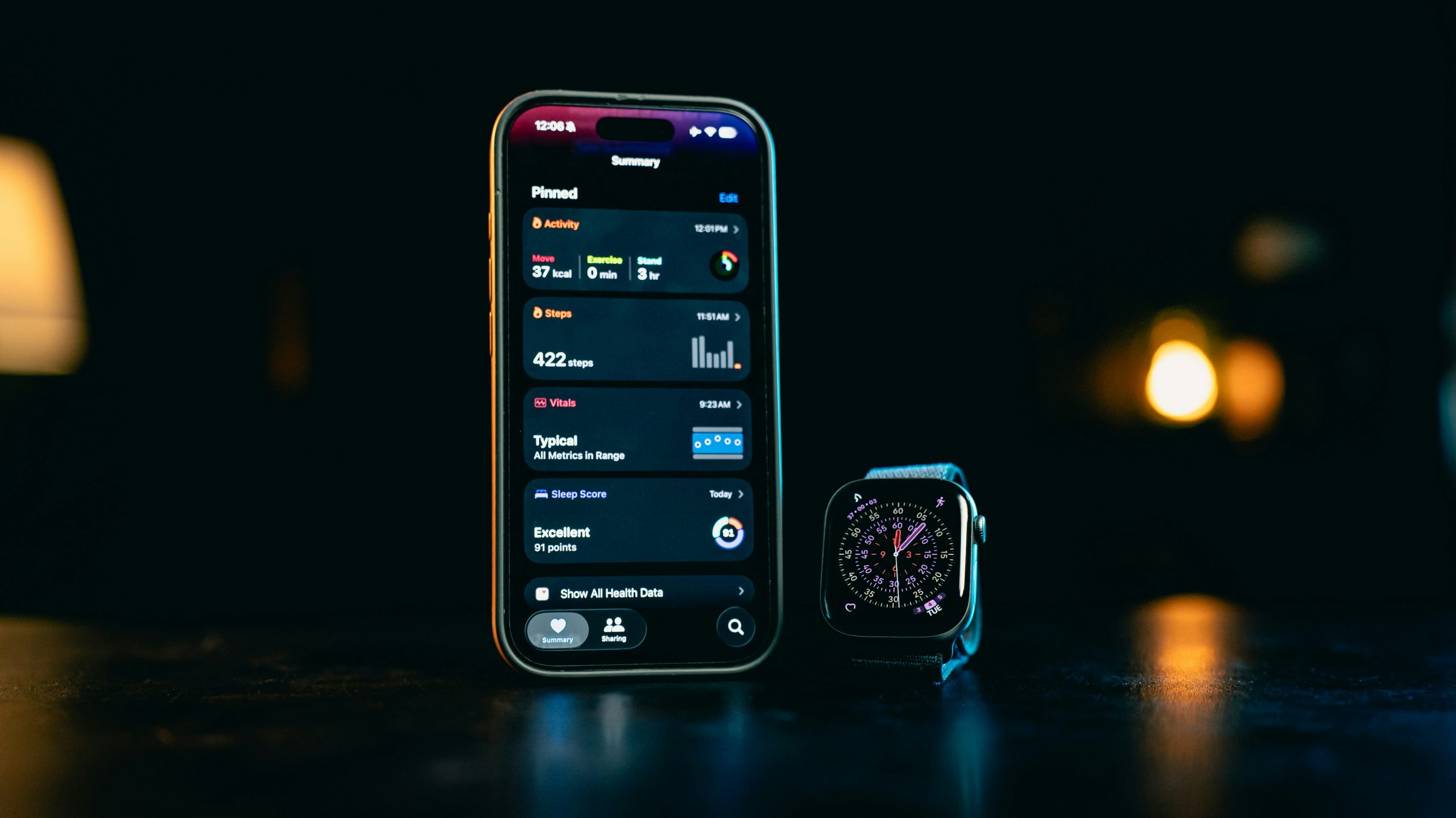
    Modern wellness tech has gone past basic tracking; it has action-oriented reports. It is seen in devices like fitness bands, smart scales, posture correctors, and sleep trackers, which help users to better know their bodies. These tools report on heart rate, sleep phases, hydration levels, and also stress trends.

    Into the routine these gadgets can be included, which do the following:.

    • Monitor daily activity levels
    • Improve sleep quality
    • Stay consistent with fitness goals
    • Detect early signs of health issues

    The fact is that many of these options have become more affordable, which in turn has increased their appeal to a wider audience.

    Top Affordable Wellness Gadgets to Consider

    1. Smart Fitness Trackers

    Fitness wearables are at the top of the wellness gadget list. They track steps, calories burned, heart rate, and also oxygen levels. Also, budget models, which once played catch-up to the premium ones, now feature what was once exclusive to the high-end models.

    2. Smart Water Bottles

    Hydration is key for health. Also available are smart water bottles, which will remind users to drink water all day and which also report back via mobile apps.

    3. Posture Correctors with Sensors

    As more people are working from home, posture issues are seeing a rise. Smart posture correctors, which gently alert users when they slouch, are a solution that is seen more of.

    4. Sleep Tracking Devices

    Quality sleep is a basis for good health of mind and body. Sleep trackers study sleep patterns and put forth tips to improve them.

    5. Portable Massagers

    Affordable electric massagers that will help out with muscle tension after long days. Also, there are many compact models for home and travel.

    Where to Buy Affordable Wellness Gadgets

    Finding out what stores to buy these gadgets from may have a great impact on price and quality. Here are some of the best options:.

    Online Marketplaces

    E-commerce is the place to go for tech deals. It is seen to have a great choice of products, user reviews, and very competitive prices. Sites like Voghion UK which focus on trendier, more affordable gadgets, are great for the health-conscious shopper.

    Brand Websites

    Some brands go direct to consumer, which in turn may provide what is considered exclusive deals and packages but which at other times may command a higher price than that of marketplaces.

    Tech Retailers

    Retail stores and online tech retailers also sell wellness gadgets. They do tend to be reliable but at times don’t have the best prices.

    Comparison Platforms

    Websites like TechRadar report on the latest wellness tech products, which are also used for in-depth reviews and comparisons at the site.

    How to Choose the Right Gadget

    Between many choices it can be hard to choose the right device. Here are some tips to help out:.

    • Define Your Goals
      Is the goal to drop some pounds, sleep better, or ease stress out of life? Choose products that fit what is being tried to achieve health-wise.

    • Check Compatibility
      Make sure that the device is what is needed for easy integration.

    • Read Reviews
      Customer feedback gives an in-depth look at product performance and durability.

    • Compare Features
      Don’t base the decision on price alone; look at the features also, which will give the best value for money.

    Benefits of Buying Wellness Gadgets Online

    Shopping online offers several advantages: Online shopping provides many benefits:.

    • Convenience: Shop right from the comfort of home.

    • Variety: Access to a larger variety of products than physical stores.

    • Better Pricing: Take advantage of sales.

    • User Feedback: Check out what other customers have to say first.

    Online it is seen the platform’s inventory is updated with what is at the forefront of technology, which in turn puts users at the front of health and wellness.

    The Future of Affordable Wellness Tech

    The wellness tech field is growing very fast. It is seen in this space, the introduction of advanced AI and wearables, which in turn is making devices more intelligent and personal. There are real-time health update features, prediction analysis, and app integration, which is now the norm even in economic devices.

    As it is seen there is more competition in the market, prices of high-tech wellness products are going down, which in turn is making these tools available to all. This also is a trend that empowers individuals to take control of their health like never before.

    Final Thoughts

    Investing in affordable tech for health is a great step toward improving daily health routines. With the right tools, users can track progress, stay motivated, and make informed decisions about well-being.

    Platforms, which are Voghion UK, include in their wide range of products economically oriented health items. Also, they do research, which is in association with TechRadar, to bring choices that are right for budget and needs.


  • Why Some People Lose Weight Faster on Mounjaro Than Wegovy

    Why Some People Lose Weight Faster on Mounjaro Than Wegovy

    Why do some people experience faster Mounjaro weight loss? Here, we’ll explore why this is and which medication could be right for you. 

    For people trying to lose weight, GLP-1 medications such as Mounjaro and Wegovy are increasingly being considered.

    But while these names are sometimes both used interchangeably, there are differences between them. One notable difference is that some people appear to experience faster Mounjaro weight loss in clinical trials.

    Here, we’ll examine why this might be, as well as some other factors that may affect weight loss results.


    How Mounjaro and Wegovy work

    Mounjaro, which contains the active ingredient tirzepatide, and Wegovy, which contains semaglutide, are both used to help people with obesity and related chronic health conditions lose weight. They belong to a class of medications known as GLP-1 receptor agonists, meaning that they mimic the hormone GLP-1. 

    GLP-1 is produced by the gut after we eat, and it helps control appetite, promote appetite suppression, slow digestion, and reduce food noise, sending signals to the brain that the body feels full. As a result, people on these medications tend to eat less, and this helps them lose weight. They’re both self-administered weekly as injections. 

    The main difference that sets these medications apart, however, is that Mounjaro is a dual agonist. It activates receptors for the hormone GIP, or glucose-dependent insulinotropic polypeptide, too. 


    Why some people lose weight faster on Mounjaro

    GIP works alongside GLP-1 by changing how some of the fat in the body is stored and possibly helping boost metabolism, too – meaning that the body burns more calories at rest. As a result, research has shown that Mounjaro may be more effective than Wegovy at higher doses.

    In a head-to-head trial between Mounjaro and Wegovy, with the results published in 2025, 751 people with obesity – but without type 2 diabetes – took part. They had an average weight of 113 kilograms (nearly 18 stone), while some had related health conditions, including high blood pressure and high cholesterol. Patients took the maximum amount of either tirzepatide or semaglutide that they could tolerate for around a year and a half. 

    It was found that those on tirzepatide lost 20.2% of their body weight, while those on semaglutide lost 13.7%. Meanwhile, those on tirzepatide saw their waist sizes shrink by over 5cm (about 2 inches) more on average. 


    What other factors affect weight loss? 

    While some people do lose weight faster on Mounjaro, everybody is different, and your GLP-1 medication is just one piece of the weight-loss puzzle. There are lifestyle factors to consider, including your diet, exercise levels, sleep patterns, and even stress levels, as these can influence calorie intake, expenditure, metabolism, and appetite. 

    Everyone has a different metabolism and hormone profile, so we can all respond to medications differently. Some people might notice more sudden changes, while for others, they could be more gradual. 

    So, it’s important to keep the bigger picture in mind. Whether someone uses Mounjaro or Wegovy, the medication is still just one aspect of a wider approach to weight-loss that also involves personalised support, guidance and sensible, healthy lifestyle habits. 


    Is Mounjaro or Wegovy right for me? 

    If you’re considering using a GLP-1, it’s only natural to be weighing up the two options. Both medications are approved for weight loss in the UK, and both are shown to be effective in clinical trials, but as they aren’t identical, the right option for you will depend on your own circumstances.

    While Mounjaro may be more effective than Wegovy at higher doses, this doesn’t mean that Mounjaro will be the right choice for everyone by default. Mounjaro can sometimes be more expensive depending on the provider. Meanwhile, Mounjaro is also approved for use to treat type 2 diabetes, while Wegovy is approved to help reduce cardiovascular risk in some patients. 

    If you’re concerned about side effects, the study from 2025 found that there wasn’t much difference in rates. Between 77% and 79% of people reported at least one side effect, and around 6% of people taking tirzepatide and 8% of those taking semaglutide stopped before the end of the study due to side effects.

    If you’re not sure which could be the right medication for you, speaking with experts, like those at The Virtual Slimming Clinic, could help you come to a decision you’re comfortable with. 


    Frequently asked questions


    Why do some people experience faster Mounjaro weight loss?

    Mounjaro activates both GLP-1 and GIP receptors, whereas Wegovy only activates the former. GIP helps change how some of the fat in the body is stored, and may help boost metabolism too, meaning that Mounjaro can be more effective at higher doses than Wegovy. 


    Do Mounjaro and Wegovy work in the same way?

    Both Mounjaro and Wegovy target GLP-1 receptors, helping promote appetite suppression and slow digestion, but Mounjaro is slightly different in that it also activates GIP receptors. This dual mechanism means that some people experience greater, or faster, weight loss on Mounjaro.


    How long does it take to see weight loss results on Mounjaro?

    Everybody is different, but often people notice changes in appetite in the first couple of months. Generally, weight loss will occur gradually over several months, but some people will notice faster weight loss than others.


  • The Hidden Patterns Behind Lasting Health Changes

    The Hidden Patterns Behind Lasting Health Changes

    Lasting health change rarely depends on motivation alone. Weight management involves biology, behaviour, environment, and access to appropriate care. In the UK, treatment pathways now reflect this complexity. Medical assessment, structured lifestyle support, and regulated therapies increasingly work together rather than in isolation.

    For people struggling with weight despite repeated effort, this shift matters. Modern services focus less on blame and more on physiology, long-term safety, and realistic outcomes. Understanding how these systems connect helps patients make informed decisions and avoid ineffective or unsafe routes.


    Understanding Why Weight Loss Often Stalls

    Weight loss triggers predictable biological responses. As body weight drops, hormonal signals adjust. Hunger rises. Feelings of fullness weaken. Energy expenditure falls. These changes reflect the hormonal regulation of body weight, which acts to protect the body against perceived threat, even when excess weight affects health.

    This response explains why calorie-focused plans often fail over time. Behaviour change plays a role, but biology strongly influences results. UK specialist services address both factors rather than treating weight as a simple lifestyle issue. This approach recognises obesity as a chronic condition rather than a short-term problem.


    The Science of Sustainable Weight Management

    Specialist weight management services work through multidisciplinary teams. Physicians assess medical risk. Dietitians support structured nutrition plans built around balanced meals and portion sizes. Psychologists address eating patterns and stress responses. Physiotherapists support safe physical activity.

    Research shows the body tends to defend a weight range through feedback systems involving appetite hormones and neural signalling. Rapid weight loss intensifies these signals. Hunger increases. Satiety weakens. Without support, regain becomes likely.

    This biological resistance means lasting change needs more than diet alone. Effective care aligns medical, nutritional, and psychological input into a single plan rather than isolated interventions.


    Neurobiological Drivers of Appetite and Behaviour

    The brain regulates appetite through complex interaction between stress hormones, sleep patterns, reward systems, and food availability. Poor sleep disrupts appetite regulation. Chronic stress increases drive toward high-calorie foods. Food environments high in processed options amplify these effects.

    Genetic background also influences energy regulation. Family history of obesity often correlates with stronger biological resistance to weight loss. NHS criteria support referral for specialist assessment and monitoring.

    Recognising these drivers shifts focus from personal failure to structured support. Treatment becomes about regulation rather than restriction, with consistent sleep addressed as a modifiable factor supported by evidence on sleep duration and weight management.


    Medical Interventions Within UK Clinical Guidance

    Recent changes in UK obesity care include wider use of GLP-1 receptor agonists such as tirzepatide and semaglutide. These medicines act on appetite regulation and metabolic pathways. UK guidance places them as second-line, after structured lifestyle intervention.

    Eligibility usually depends on BMI thresholds and related health conditions. Ongoing monitoring forms a core requirement. Specialist services oversee dose progression, side effects, and long-term response.

    For patients exploring private treatment routes, regulated clinics offer an alternative pathway when NHS access involves long waiting times. Within this context, some patients choose to Order Mounjaro pens online through clinics operating under UK prescribing standards and clinical oversight.


    Safety, Regulation, and Common Risks

    Medication-based treatment requires supervision. Unregulated supply, unsupervised dose changes, or lack of follow-up increases risk. NHS guidance stresses prescribing through trained clinicians with experience in obesity care.

    Stopping behavioural support while continuing medication also weakens outcomes. Weight regulation responds best to combined intervention rather than medication alone. Structured care reduces complications and supports long-term stability.


    Navigating NHS and Private Care Pathways

    The UK weight management system operates through a tiered structure. Lower tiers focus on community and primary care support. Higher tiers provide specialist intervention for complex cases. GLP-1 treatments typically sit within Tier 3 or Tier 4 services.

    Access varies across regions due to commissioning differences. Waiting times and service availability depend on local Integrated Care Boards and the wider integrated care systems that plan services. Private clinics fill some access gaps but still require adherence to clinical standards.


    Integrating Behavioural Support With Medical Treatment

    Medical therapy works best alongside consistent behavioural support. Dietitian guidance supports sustainable eating patterns. Psychological input addresses emotional drivers and stress responses. Regular follow-up maintains structure and accountability.

    Digital health tools increasingly support this model. Secure platforms allow symptom tracking, progress monitoring, and clinician contact between appointments, including the NHS Digital Weight Management Programme.

    Evidence supports combined care models over single-intervention approaches. Biological regulation and behavioural consistency reinforce each other rather than compete.


    Equity, Access, and Ongoing Challenges

    Obesity prevalence remains higher in lower-income communities. Service access also varies. Regional commissioning leads to uneven availability of specialist care. Medication cost presents an additional barrier outside NHS pathways.

    National initiatives aim to reduce these gaps through digital delivery, pharmacy involvement, and targeted funding. Standardised referral criteria and treatment protocols seek to reduce regional disparity.

    Social prescribing now forms part of many NHS services. Linking patients with community resources supports practical behaviour change beyond clinical settings. Coordination between primary care, specialist services, and local support remains essential.

    Lasting weight change comes from aligned care. Use regulated medication only within structured plans that include dietetic and psychological support. Choose the right NHS or private pathway for your case, and keep clinical oversight from start to finish.


  • How to Know If a Therapist Is Actually Right for You

    How to Know If a Therapist Is Actually Right for You

    If you’ve found a therapist who takes your insurance and has open spots, congratulations! You’ve just hit the lottery. Except what they don’t tell you is that this may not be a good fit. In fact, sometimes working with a “good enough” therapist feels worse than going at all.


    There’s a Feeling You Can’t Define

    When there’s a good therapeutic fit, there’s something intangible that makes it clear to you once you experience it. It’s not necessarily that you like your therapist or they’re entertaining, but instead, that you feel that you are genuinely heard while not performing or actively editing yourself to be present.

    Some therapists position themselves in a way that makes you “sell” your story and need to have heard stories beforehand that justify your reason for being in their office. Some others create spaces for nuanced feelings, even conflicting ones, to exist. It doesn’t matter how long someone has been in practice or what their degrees say; that’s the difference when it’s a good fit. It means less energy is spent figuring out what an honest response looks like like, and more energy is present for actual honesty.

    Yet, that doesn’t mean every session feels comfortable or cozy. But a good therapeutic relationship asks hard questions and challenges you to work in ways that might not be comfortable; where it’s hard to keep going.


    There’s a Specialization That Matters

    Therapist bios tout every conceivable issue from anxiety to depression, trauma to relationships to life transitions, and everything in between. It feels as if everyone treats everything and if this is the case, how could anyone ever choose?

    In reality, therapists do have actual specializations, and those who frequently work with clients like you are more beneficial than those who pretend to do everything. For example, a Denver therapist who specializes in women dealing with anxiety as a result of life transitions differentiates themselves from the generalist because they have likely seen this pattern before, developed treatment strategies that resonate, and have recommended steps that worked for others since they’ve been there before—they know how this plays out overall.

    However, just because someone on paper is an anxiety treatment expert doesn’t mean they’re a good fit because their approach may turn you away from what they’re focusing on. Therefore, some therapists take more cognitive approaches while others are more emotional in their assessments, and others still rely on mind-body work. None of those approaches are inherently better than each other—they simply work based on your processing system and how your brain functions.


    The Questions They Ask (And Don’t Ask)

    The types of questions a therapist asks when building rapport—and even after—can suggest fit or no fit. If someone’s mostly interested in your symptoms, history, and timeline vs. seeking how different dynamics play a role in your situation, are they interested in immediate solutions or are they comfortable sitting in the questions?

    People need various approaches and neither of them is wrong—but if you believe your therapist will meet you where you’re at through assumption and this isn’t the case? Frustration will emerge. If you want practical tools and worksheets and your therapist wants to delve deeper into your family dynamic, that’s the problem. If you feel overwhelmed by worksheets but your therapist kept giving you homework despite your discomfort? Same issue.

    A good fit means that someone asks questions with an expectation that the answers might lead somewhere more than just fact-gathering; they genuinely care without checking boxes on an intake form and can remember what you’ve said previously without asking you again within the same session why you’re here today.


    The Feedback That Lands (Or Doesn’t)

    When a therapist comments on what’s been previously discussed or offers something similar that you’ve been meaning to say but couldn’t get the words out—this shows they’re paying attention to the nuance of the work. When something doesn’t resonate or they misfire essentially hits home mean the therapist isn’t as connected as you thought they were to your life story.

    Everyone has sessions where a sentence from the therapist just doesn’t land right; it happens. But if there’s a pattern where a therapist seems to be getting it wrong by sketching an inaccurate image of your life—inclusive of cultural projections—then you’ve got a fit issue on hand. Your therapist should ideally know what’s going on, even if he/she/they haven’t experienced it for themselves; it’s important when they have enough of a grasp without needing to be acquainted with daily happenings without proper cause.

    This also includes cultural intersections; someone may not identify in any intersectional category through which you identify, but that’s okay. What’s not okay is spending too much energy introducing basic concepts that should be common knowledge; which does not mean making assumptions but instead consistently educating your therapist about the basics of family dynamics versus work culture versus gender expectations; that’s energy that could be used for therapeutic benefit toward progress instead.


    The Pace That Matches Your Need

    Some therapists move at warp speed; they can identify patterns faster than you can connect dots on your own; they throw out ideas and hope breakthroughs come instead of actively waiting for them to evolve naturally over time. Others take it slower; wanting to understand everything first before action-oriented steps can be taken at later dates—this is an equally valid approach just a different one.

    If you’re someone who can benefit from exploring multiple avenues all at once, someone dragging their feet would frustrate your therapeutic process; if you’re someone who requires building trust first before opening up to vulnerability even instead of a thoroughly vetted treatment plan would leave you feeling bankrupt from the onset of the visit to avoid practical overload.

    The right pace doesn’t overwhelm, but provides an opportunity for challenge so there’s movement forward—and fast enough that it’s never stagnant—there’s usually something to hold onto even if it’s nothing substantial week-to-week. Not every session will feel like an epiphany, but it will feel like a natural progression every time instead of starting from square one in every new office regardless of how many boxes people want to check off in different sessions.


    When Good Enough Isn’t Good Enough

    Sometimes—a therapist is just okay; they’re good at what they do but they still aren’t right for you because there’s something lacking but there’s no tangible label for what’s off—even if they’re competent and kind and well-meaning.

    That’s okay; this doesn’t mean either of you did anything wrong—it’s just that therapy requires a specific kind of connection and sometimes if it’s not there its unnamable chemistry—and that’s completely okay. But staying with someone who’s merely okay because of guilt or feeling bad starting over keeps you from finding someone truly appropriate for you.

    But the guilt is awful; especially if they’re kind and well-meaning! But one of the few types of relationships where guilt should never be at the forefront comes down to therapeutic application; you’re not friends, you’re not family—you’re paying someone for their service and ultimately should get what you pay for accordingly!


    Making the Call

    If you’ve been working with someone for three-four sessions and still have any inclination one way or another—especially wrong—that’s worth discussing candidly within the therapeutic realm. A good fit won’t ignore feedback as to good fit anyway—and how they respond speaks volumes about whether they will be able to help you should you stay with them going forward.

    If someone gets defensive or makes you feel bad because you questioned their fit—this person isn’t right for you. If someone takes concern seriously and wants to help you think through what’s best—even if referring elsewhere—shows they’re able to provide exactly what’s needed to make therapy work for you in your favor moving forward anyway.

    Ultimately, it’s not always butterflies and rainbows—but when there’s good fit it feels like it actively is because you’ve got proper understanding, challenge without overwhelming sentimentality and help in all aspects along the way to make it work otherwise challenging wouldn’t feel so good while transformed into something genuinely therapeutic for you (that anyone else in similar situations would never understand anyway). When you find that fit? You’ll know it’s worth waiting for instead of settling for someone with open slots as soon as possible.


  • The Support Services That Help Seniors Stay Independent Longer

    The Support Services That Help Seniors Stay Independent Longer

    Aging doesn’t have to mean sacrificing one’s life and accomplishments. When people think of getting older, they assume that when physical limitations start to rear their ugly heads, there’s no option but to continue in a downward spiral toward dependence. But that’s not entirely true.

    Seniors who have access to certain support services remain independent longer than expected—and it’s not genetic luck or chance. Instead, it’s the presence of specific support services that target the inevitable challenges of getting older before they become catastrophic.


    Mobility Support That Prevents the Downward Spiral

    Physical therapy has its place, but not just for recoveries from injuries. For seniors, physical therapy as a form of mobility support actively prevents muscle deterioration and balance failure that makes falling—or even worse, complacency—more likely to occur.

    Once a senior falls, independence dwindles. If someone breaks a hip, they will be out of commission for a minimum of three months—months where muscle strength deteriorates even more and options to resume typical functioning becomes more unlikely. With targeted mobility support—be it physical therapy with specialized clinicians or some guidance here and there with movement—many falls are avoided.

    Yet many families wait until after that first fall to consider these things. Then they’re playing catch-up instead of prevention.


    Medication Management Makes More of a Difference Than One Can Imagine

    Here’s where families become surprised: medication error sends more seniors to the hospital than any other assessed avoidable issue—and not because people are careless. Medication management becomes tremendously complicated with multiple prescriptions.

    Picture someone on five different medications; one has to be taken with food, one cannot be taken within two hours of the first, one has a dizzying side effect (because emphasis on safety matters for all involved), and this isn’t even considering refill times that accumulate in layers due to family health schedules. Professional caregivers who handle medication management are tasked with approaching mediation with an outlook that ensures safety—keeping them out of the ER—and capacity for oversight—tracking interactions, observing side effects, engaging pharmacies to help course correct.

    Those solutions keep people out of the emergency room and functioning at optimal rates.

    For families looking for support in Allentown, PA, this home care in Allentown service offers meticulous medication support as part of other helpful measures that prevent decreased independence.


    Meal Preparation That Actually Targets Nutritional Deficits

    Seniors living alone find it challenging to continue eating well. Not all at once but gradually, seniors stop seeing value in meal prep. It’s too much effort to cook for one, appetites dwindle, getting to the grocery store becomes too much of a hassle. Eventually the person who loved cooking and grew up in the kitchen is living off saltines and canned soup.

    Nutritional deficits compound all other age-related medical concerns. Wounds heal slower. Infections increase likelihood. Muscle deterioration accelerates. Clarity of mind diminishes. It’s remarkable how everything from mental acuity to lack of skin irritation improves when someone simply starts eating real meals again.

    Meal prep services take things even further by targeting nutritional needs—balanced and appropriate meals over cooking alone. Menu planning, dietary restrictions and a guarantee meals get eaten go a long way in ensuring treatment levels due to proper nutrition.

    Some seniors only require grocery shopping help while others need the exhaustive meal-prep component, but nutrition consistency makes quantifiable differences in senior functioning.


    Personal Care That Preserves Dignity While Ensuring Safety

    Bathing can be daunting. As balance and strength diminish, slip-and-fall accidents wreak havoc on self-esteem when someone can no longer respect his or her own privacy. The bathroom holds some of the most tragic accidents for seniors; wet floors without enough strength to pivot create disasters.

    Professional personal care aides provide this intimate help while safeguarding dignity—trained professionals know how to conduct these personal-care necessities without degrading someone, using proper techniques that prevent more harm and ensure thorough coverage without being rushed and embarrassing to those seeking help.

    When someone is clean, well-groomed and treated properly, people feel better about themselves. That mental confidence translates into better functioning and eagerness to remain active and engaged.


    Health Monitoring That Catches Issues Before Escalation

    Subtle changes in health can pick up rapid speed—sometimes across various systems. A gradual increase in confusion might suggest a urinary tract infection; decreased appetite may indicate depression or medication issues; and increased fatigue could signal that cardiac or respiratory issues arise.

    Family members who visit maybe once a week might not notice these variations, but professional caregivers who see someone daily know when something is awry. From recording vitals to behavioral observations, trained clinicians and aides can alert reporting professionals about information that needs assessment before someone turns into a code blue.

    This kind of intervention prevents multiple trips to the emergency room; when something is caught before someone collapses—when they just feel “under the weather”—the solution is much easier than once desperation forces drastic measures.


    Transportation Services that Connect People

    A lack of transportation does more than inhibit someone from moving from place to place; it eliminates the people opportunities that once made life interesting. Medical appointments, social engagements, grocery shopping, places of worship; when this access becomes unavailable—as well as practical access—social isolation sets in fast.

    Transportation for seniors proves helpful in more ways than just getting someone from Point A to B. It provides support staff for getting into and out of vehicles safely as well as assistance with packages and waiting during appointments. This helps people sustain their schedules instead of becoming homebound.

    Social isolation feeds cognitive decline; seniors who remain engaged, who participate in enjoyable activities for quality of life maintain functioning at better levels than those who sit at home waiting for time to pass.


    Putting it All Together with Proper Assessment

    Not every senior will need every service but instead, it’s important to assess what’s necessary and if those needs change over time (as they inevitably will). Someone may need meal prepping assistance and light housekeeping before adding personal care later. Someone else may require intensive care immediately post-surgery before decreasing preventative measures at a later date.

    The seniors who maintain independence are not necessarily the healthiest ones—or most stabilized ones—but those who accept appropriate care when they need it instead of battling pride until overwhelmed by circumstances demand drastic change. The right services will help maintain independence beyond expectations for years longer than anticipated—all so people can remain in their homes, choosing otherwise without question and enjoying the lives they’ve established thus far.


  • The Long-Term Health Issues Welders Face

    The Long-Term Health Issues Welders Face

    Welding is not good for the body in ways that are not obvious when you’re young and spry. It’s like the compounding problems happen over years—decades even. They catch up to you with no reasonable fix. Knowing what to expect long term makes more informed decisions about protecting yourself now to avoid such issues down the line.

    Almost all of these problems are preventable with the right gear and consistent safety measures. Compromising protection now creates problems that come to fruition 10, 20, or even 30 years down the line.


    Vision Problems You Don’t Know Are Coming

    Welder’s flash—that gritty feeling after looking at an arc without shade—helps people know to protect their eyes, but there’s a long-term problem, too.

    The cumulative UV exposure causes serious damage to the lens of the eye. Most people develop cataracts at some point; welders develop them decades ahead of time. The sun literally cooks the proteins in your eye’s lens. When this happens, surgery to remove the cataract is the only solution.

    The retina also suffers cumulative exposure. Welding creates bright light. It’s not dramatic flashburn—it’s just consistent exposure over time where it wasn’t bright enough for immediate symptoms but damaged tissue over time.

    The problem is that your eyes don’t regenerate this damage. What’s burned is burned. That’s why having auto-darkening helmets every single time matters (even if it’s just for a second); those frequent yet short exposures add up over a career.


    Respiratory Issues From Fumes

    The fumes are toxic. They’re not just irritating, they’re toxic. It depends on what you weld, but common particles include chromium, manganese, nickel, etc., through metal oxides. Breathing this day in, day out is not good for your lungs.

    Some particles pin themselves down in lung tissue over time, and ultimately, welders suffer from lung scarring, decreased lung capacity, breathing issues that get worse and worse.

    Manganese, for example, is an element found in certain steel that when welders inhale too much of it, they face neurological concerns similar to Parkinson’s Disease. This is compounded exposure; it doesn’t show symptoms until a long time later.

    A paper mask does nothing—it’s not enough. A powered air system provides serious protection from particulate size. For major fume production or not effective ventilation, you can buy Speedglas G5 01VC welding helmet that offers a respiratory system for eye/lung protection when prolonged exposure exists.


    Hearing Loss From Noise

    Work environment sounds are distracting. Grinders, plasma cutters, sledgehammers hammering away. It’s a louder-than-necessary place to be. Unfortunately, it’s not the one-time blast of sound; it’s cumulative exposure over years that creates hearing problems later.

    The problem is in tiny hairs in the inner ear that don’t regrow. Cumulative exposure causes them to lose hearing range—and eventually forever—once damaged.

    Most welders have high-frequency hearing loss as a first response; they have difficulty understanding words spoken as muffled common sounds (they’re saying huh on repeat).

    Additionally, tinnitus—the ringing sound in the ears—is incredibly common among welders. It has no cure and arises from noise-damaged hearing loss.

    When you’re younger and feel fine or don’t want to bother putting earplugs in consistently, it’s easy to think of sound as non-threatening; however, after 20 years of eight-hour per day exposure in loud shops adds up to hearing problems come mid-life.


    Musculoskeletal Issues From Repeated Motion

    Why would a welder suffer musculoskeletal issues? They’re continually moving and holding heavy tools in awkward positions or consistently welding at particular joints and bends.

    Shoulder strains happen from continuously holding a welding gun up at a 45-degree angle to effectively get a job done; repetitive motion causes rotator cuff issues and inflammation over time.

    When welders look overhead or bent down from awkward positions or on tight ledges and crannies or welding along the floor they create consistent stress and strain on their spine. Back pain becomes manageable over time; rarely does it go away.

    Wrist injuries also come into play as welders constantly turn and move their wrists without proper ergonomic support from angles they maintain pressure from gripping tools consistently for hours every day. Eventually these stresses compound into carpal tunnel syndrome which is painful—and debilitating when welding becomes impossible.

    These injuries develop so incrementally that people get used to pain until it becomes unbearable. Better ergonomics and taking breaks help—but making excuses and pushing through pain only exacerbates any damage further down the line.


    Skin Problems From UV Exposure

    It’s not just the eyes—it affects skin exposure too. Overwhelming deaths from skin cancer occur from welders who fail to wear gloves and heavy shirts or cover exposed areas properly.

    UV exposure prematurely ages skin, increasing skin cancer risk among other sun spots and premature wrinkles—all of which look bad but most importantly are avoidable.

    Solex solvents, degreasers or metal dust develop inflammation over time which causes dermatitis—dry cracks that are red, inflamed, bleeding—which appear unnecessary but can get extremely painful over time among people who generally have sensitive skin to chemicals on a daily basis.

    These problems seem easy to shrug off compared to lung damage or eyesight failure but they’re uncomfortable and cumulative every day. Unless an individual lives with consistent coverage/protection, these ailments are entirely preventable.


    Why Young Welders Fail to Take This Seriously

    Because they develop invisibly and cumulatively!

    A 25-year-old welder feels great bypassing the proper respirator or using cheap eye protection because nothing happens immediately. Yes, damage occurs internally from exposure, but it’s invisible in the moment—and they do not feel effects until decades later.

    By the time projects fail because people cannot breathe mid-job because they’ve lost eyesight due to damage or pains have caused so many problems that they literally cannot do their job anymore—it’s too late—and there’s no going back or retroactively protecting yourself properly when possible 15 years ago.

    It’s unfair but compounded by personal choice along the way for shortcuts.

    Additionally, those who breathe poorly all of a sudden—or find conversations difficult—ever live with constant pain find comorbidity with depression and anxiety. It’s one thing to have all day projects killed because of health problems you cannot control; it’s another thing altogether when you should have prevented them since they were compounded avoidable factors.


    What Actually Prevents Those Issues

    It’s clear.

    Proper eye protection every single time (not once because it will be a second-long job). Enough respiratory protection to match what you’re breathing in. Ear plugs if sound is overwhelming. Proper coverage/layers for skin protection.

    Ventilation helps keep particulate out of systems while providing breaks/ergonomics help counter some of the musculoskeletal issues where checks along the way help guide adjustments before major issues can occur down the road.

    Get checked regularly if you’re in this job field so intervention can occur before issues compound (but note they’re still inevitable).


    The Real Cost of Poor Protection

    These long term problems are not inevitable; they’re compound poor decisions along the way with superficial prevention—proper protection—to stop them from ever occurring in reality.

    Compromising on safety equipment now equals health problems in the future multiplied for instant use today without regard for good safe policy means users suffer later on unintended exposure with cumulative results that could have been avoided had proper precautions been taken early on.

    These debilitating factors contribute to early closure of welders way before retirement age; it’s not bad luck—it’s predictable problem-solving from prolonged efforts that would have avoided it had proper prevention taken place.

    By understanding what’s at stake makes more sense investing a little extra time on proper equipment—and discipline to get proper equipment on every time during your welder career worthwhile.


  • PDO Thread Lift Training Course – Elevate Your Skills in Advanced Aesthetic Medicine

    PDO Thread Lift Training Course – Elevate Your Skills in Advanced Aesthetic Medicine

    The aesthetics industry has begun to develop at a high rate where patients are asking to have natural and long term results through non-surgical and minimally invasive methods. A PDO thread lift is one of the procedures that have transformed the process of facial rejuvenation, as it removes the necessity of surgery or a considerable amount of downtime, and yet, it lifts, tightens, and gives vitality to the skin.

    Since the demand of this treatment is constantly growing, the number of qualified specialists that can administer this treatment safely and efficiently is growing as well. The best solution is to enroll practitioners in a PDO thread lift training course and expand their knowledge, skills and remain ahead in the current aesthetic practice field.

    Ranging from a medical expert who wants to diversify his/her services to an advanced injector who is interested to learn some complicated facial techniques, the PDO threads training course provides the opportunities to open the doors to a new world of cosmetic enhancement.


    What Is a PDO Thread Lift?

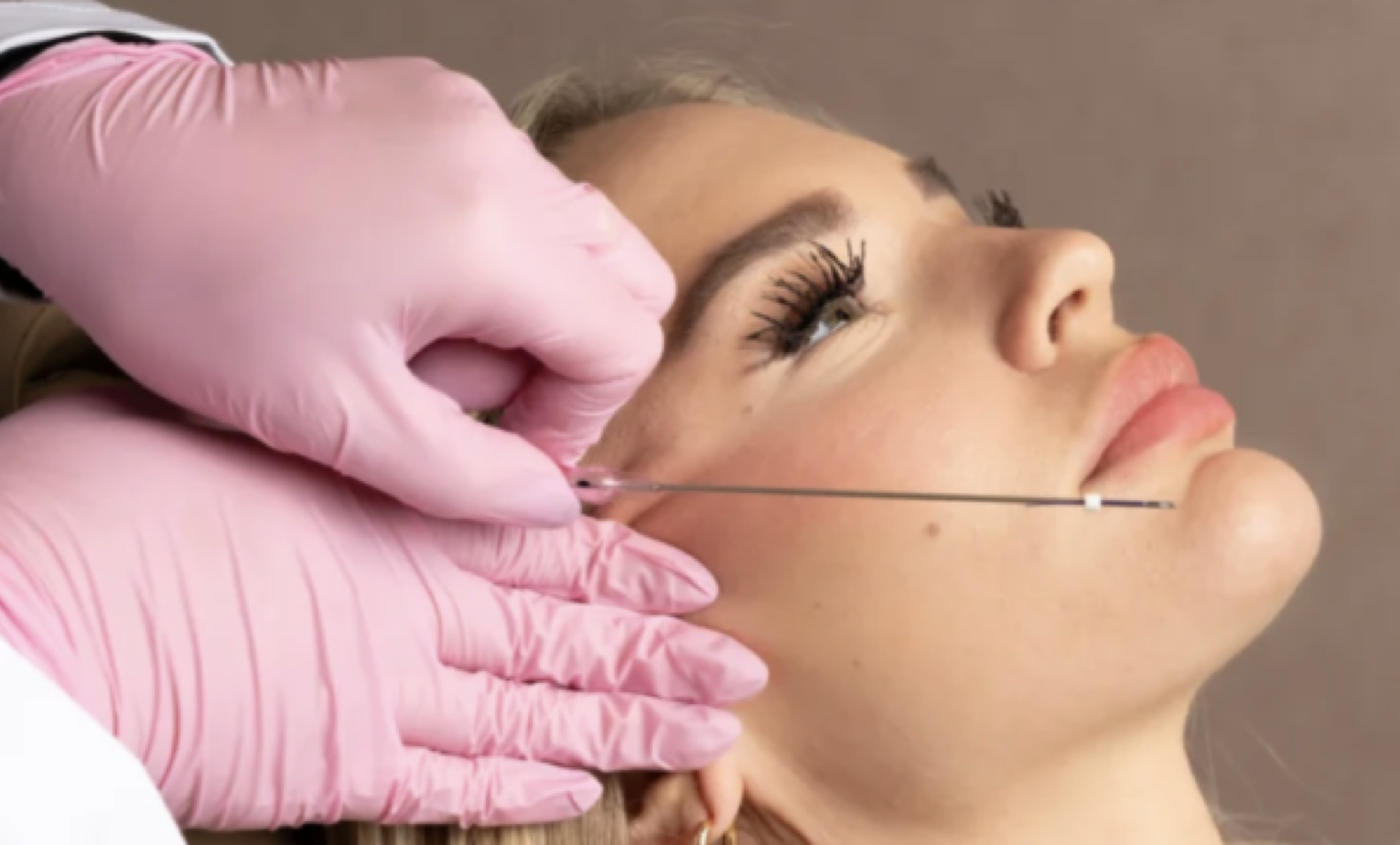
    A PDO (Polydioxanone) thread lift is a non-surgical intervention aimed at lifting and rejuvenating loose skin. It is done by inserting the fine and absorbable threads, fashioned of PDO material, under the skin surface. These threads also help in lifting the tissue immediately as well as producing collagen in the long run by gently repositioning the tissue.

    When the threads are naturally dissolved, they are left behind with a structure of new collagen and elastin, thus making the skin firmer, smoother, and more youthful looking. PDO thread lifts may be applied to various parts of the body and face such as the cheeks, jawline, neck, brows and even the abdomen or knees.

    As opposed to traditional facelift surgery, PDO thread lifts also have minimal recovery, have lower risks, and yield subtle and natural results. This is what makes it very popular with the clients who want to get age defying results without undergoing surgery.


    The Importance of PDO Threads Training

    PDO thread lifts are slightly invasive, but they need to be done with great care, knowledge of the anatomy, and advanced technique. With the right training, practitioners can do the treatment safely, get regular results, and keep patients happy.

    A PDO threads training course teaches the practitioner everything they need to know about the anatomy of the face, thread types, insertion methods, and how to handle complications. This gives the practitioner the confidence to do the procedure. If you don’t get professional help, using the wrong method or placement could cause less-than-ideal results, pain, or even complications.

    By taking an approved thread lift training course, professionals get the skills and trust they need to provide this life-changing procedure while following the strictest safety guidelines. Follow this page for more.


    Who Can Take a Course in PDO Threads?

    The PDO thread lift training is made for medical and beauty workers who already know how to use cosmetic injectables or do clinical procedures. Participants who are usually eligible are medics and doctors, dentists, nurses who are registered and nurse practitioners, and medical aestheticians and aesthetic doctors (depending on the rules in your area).

    Before you sign up, you should find out what licensing and certification are needed in your area. This is because the scope of work can be different in different states or countries.


    How to Pick the Best Training Provider

    The service you choose has a lot to do with how well your PDO threads training goes. Look for courses that are given by doctors who have a lot of experience and training in aesthetic medicine. This is what a good training company should offer:

    • Approval or approval from a recognized aesthetic body
    • Small class sizes allow for more focused learning
    • Training with live models in the real world
    • Complete course tools and help with following up
    • Advice on how to use PDO thread techniques in your work

    If you choose the right service, you will not only get technical training, but also business advice, ongoing education, and a mentor to help you succeed in aesthetics.


    The Future of Beauty Treatments That Don’t Involve Surgery

    Since people want natural results and procedures that don’t hurt too much, PDO thread lifts will likely continue to be one of the most popular procedures in the beauty business. Because thread materials and methods are always getting better, the results are getting better and last longer.

    If professionals get training in thread lifts now, they will be able to lead this trend by providing treatments that are new, artistic, and scientific. Not only does learning how to do PDO thread lifts improve your clinical skills, it also keeps your practice up-to-date and useful.


  • Why Slowing Consumption Can Improve Mental Well-Being

    Why Slowing Consumption Can Improve Mental Well-Being

    Modern life moves quickly, yet more rarely brings contentment. People have many options, from streaming shows to hourly food deliveries. Schedules overload, inboxes blink red, and every moment counts. Still, stress rises and peace eludes. Can cutting back on products and experiences save you? An increasing chorus agrees. Limiting this constant intake is the underappreciated cure that many seek to restore and improve mental health.


    Shifting Focus From Quantity to Quality

    New devices, unending fashion fads, and clickable wellness items tempt us to buy more every day. Some buy CBD flower online for immediate relaxation or anxiety alleviation. Stacking items rarely brings permanent satisfaction. Instead, focusing on fewer, more meaningful tasks makes a significant difference. Lack is not the issue with selection. Refusing the next fad lets you appreciate what you have. Now, meals taste better, discussions deepen, and hobbies are rewarding rather than background noise while browsing.


    Escaping the Tyranny of Digital Overload

    The screen always glows (sometimes brighter than daylight). Notifications provide important updates, but they often become irrelevant just 20 minutes later. Digital grazing distracts people, making them feel behind if they take a breath. Unplugging doesn’t mean missing out. It provides a breathing place for thoughts and moods to settle. Slowing down digital intake even marginally lets the brain reflect instead of react. Clarity replaces distraction, easing anxiety.


    Cultivating Simpler Daily Rituals

    Step into any high-street coffee shop and observe how people’s hands flutter across their phone screens, even while they take sips of coffee that was once meant to be a small luxury ritual but has now become an autopilot habit due to repetitive actions without attention. Simplifying daily routines restores intention, as fewer decisions naturally result in less stress. Walking instead of driving gives sights and sounds a chance to register fully. Cooking rather than ordering out transforms eating into an experience rather than a mindless task for convenience’s sake alone. When habits slow down just enough for moments to be noticed, calmness follows close behind almost inevitably.


    Rediscovering the Value of Time

    Efficiency is supposed to free up time, yet it often uses more energy to pursue innovation or productivity methods in a never-ending loop. Selecting slower consumption means regaining hours lost in lineups or ceaseless scrolling for something better, which rarely comes. Thus, true spare time appears, not just an empty calendar slot but something freeing enough for reflection or doing nothing at all periodically without shame, like an unpaid debt.


    Conclusion

    Beneath society’s enthusiasm for perpetual motion lies an unspoken yearning for simplicity, a wish rarely voiced but deeply felt by many who sense that modern habits are slowly draining joy from everyday life. Dialling down consumption isn’t just minimalism as a style. It’s self-defence against fatigue masquerading as progress everywhere people look now. As evidence accumulates supporting these quieter ways forward, one thing becomes clear: stepping off the treadmill sometimes does far more benefit than running faster could ever hope to achieve.


  • Natural Approaches To Healing: Understanding Alternative Therapies For Pain Relief

    Natural Approaches To Healing: Understanding Alternative Therapies For Pain Relief

    Pain can take over your life, whether it’s a dull ache that lingers for days or sharp spasms that come without warning. It affects not just your body but your mood, sleep, and overall well-being. While modern medicine offers many ways to manage it, not everyone finds long-term comfort through medication alone. Many people turn to natural and alternative therapies come in for gentle yet effective approaches. These natural remedies focus on healing the body, calming the mind, and improving your quality of life.

    Understanding the Pain Puzzle

    Pain isn’t just physical; it’s deeply personal. You might feel it after an injury, from a chronic condition, or even due to stress.

    Common types of pain include chronic back pain, chronic neck pain, and migraine headaches. Others experience low back pain, muscle tension, or chronic fatigue. In many cases, the root cause isn’t easy to pinpoint, which is why a flexible pain management plan that includes multiple approaches often works best.

    According to global studies, about 28% of Americans and at least 30% UK residents experienced musculoskeletal or another form of pain in 2021, showing how widespread the issue truly is. This rise has encouraged many to explore alternative medicine and complementary therapies to ease discomfort without relying solely on drugs or invasive treatments.

    The Shift Toward Natural and Holistic Healing

    As more people seek medication-free approaches, the popularity of integrative medicine, which blends traditional healthcare with natural remedies, continues to grow. The goal is to treat not just symptoms but the person as a whole.

    For instance, physical therapy and occupational therapy help restore strength and function, especially after injury or surgery. These are often combined with relaxation techniques, breathing exercises, or mindfulness meditation to calm the nervous system and reduce stress-related pain.

    There’s chiropractic care, a form of manipulative therapy that focuses on spinal health. By adjusting or aligning the spine, chiropractors help relieve pressure and encourage better movement. Similarly, osteopathic manipulative treatment employs gentle, hands-on techniques to enhance blood flow and alleviate stiffness, often providing relief from musculoskeletal pain or back pain resulting from posture issues or injury.

    When Everyday Life Adds to the Pain

    Long hours at a desk, poor posture, or even stress can contribute to discomfort. If that sounds familiar, you may benefit from a visit to a trusted local wellness facility, such as Brixton Therapy Centre in London. This centre combines modern rehabilitation techniques with holistic therapies, including therapeutic massage, exercise and movement, and rehabilitation therapy, to help you regain mobility and reduce tension. By tailoring each session to your needs, practitioners guide you through a balanced pain management journey that encourages long-term relief rather than quick fixes.

    Exploring Alternative Pathways to Relief

    There’s no one-size-fits-all solution when it comes to natural pain relief. People respond differently depending on the cause, intensity, and emotional factors behind their pain. That’s why it’s often worthwhile to explore various treatment options under professional guidance.

    Some of the most recognised approaches include:

    • Acupuncture – A cornerstone of Chinese medicine, this ancient therapy uses tiny needles to stimulate acupuncture points, promoting the body’s natural healing response. Studies have shown that it can ease chronic pain, improve circulation, and calm the mind.
    • Massage therapy – Beyond relaxation, massage therapy can release tight muscles, reduce muscle tension, and boost circulation. When combined with cold and heat applications or ultrasound technology, it enhances recovery from injuries.
    • Guided imagery and mind-body techniques – These help reframe how your brain interprets pain signals. Visualising calm, positive scenarios can influence electrical signals in your nervous system, lowering pain intensity.
    • Mindfulness and meditation – Practising mindfulness techniques or mindfulness and meditation can change how you relate to pain. It helps shift focus away from suffering and promotes relaxation, particularly in those with chronic neck pain or chronic back pain.

    Additionally, therapies such as music therapy, art therapy, and dance therapy engage your emotions and creativity, offering distraction and emotional release. Energy healing, crystal therapy, and essential oils also appeal to those seeking subtle, energetic forms of healing that align body, mind, and spirit.

    Integrating Traditional and Complementary Care

    Healthcare professionals today recognise the benefits of combining science-based medicine with holistic practices. Complementary and alternative medicine (CAM) approaches have been studied extensively, with research from the National Center for Complementary and Integrative Health supporting their role in safe, integrated treatment plans.

    For instance, a physical therapist may recommend exercise and movement routines in conjunction with herbal remedies or herbal medicine to support recovery. Similarly, dietary supplements such as omega-3 fatty acids, turmeric, or magnesium may complement spinal manipulation or osteopathic manipulative treatment to help reduce inflammation and pain naturally.

    Some therapies even harness advanced technology, such as spinal cord stimulation, which sends mild electrical pulses into the epidural space to block pain signals. Others, like trigger point injections or epidural steroid injections, target specific pain sources when conservative options aren’t enough.

    Rethinking Pain Management Beyond Pills

    While medications like non-steroidal anti-inflammatory drugs (NSAIDs) and oral medications can bring quick relief, long-term reliance can lead to side effects or dependency. That’s why many professionals advocate for holistic pain management, combining physical, mental, and emotional care.

    A successful pain management plan might include rehabilitation therapy, a home exercise program, and lifestyle modifications such as proper diet, sleep, and posture awareness. Music therapy or art therapy might also play a role in easing emotional stress linked to pain.

    Unlike opioid therapy, natural treatments emphasise sustainable healing and personal empowerment. You learn to listen to your body, manage stress, and strengthen resilience over time. In some cases, manipulative therapy, osteopathic manipulation, or spinal manipulation may be integrated into your programme, promoting movement and reducing stiffness.

    Finding What Works for You

    No single approach fits everyone, and that’s perfectly fine. Pain is complex, and healing is personal. What matters most is that you explore your treatment options under professional supervision and remain open to trying different combinations until you find what works best for you.

    Whether you turn to chiropractic care, acupuncture, or mind-body techniques, the goal remains the same: to restore balance and empower you to live without constant discomfort. With guidance from qualified practitioners and support from facilities that embrace integrative medicine, you can move toward a healthier, more pain-free future — one step, one breath, and one mindful moment at a time.

  • How Much Does It Cost to Get A Massage at Home?

    How Much Does It Cost to Get A Massage at Home?

    The price of a home massage varies depending on your location, the therapist’s experience, and the type of massage you choose. On average, a 60-minute relaxation massage typically costs between £40 and £70, while deep tissue or sports massages range from £60 to £90.

    For premium treatments or couple sessions, prices can reach around £90 to £120. These rates are general estimates based on Bali’s current market, and home service treatments may cost slightly more due to travel and setup fees.


    What Affects the Cost of a Home Massage?

    Several factors can change the price. Knowing these can help you choose wisely. Let’s look at what affects massage costs.

    Type of Massage (Relaxation, Deep Tissue, Sports)

    The massage type greatly affects the cost. Different massages, like relaxation, deep tissue, and sports, need different skills. For instance, a deep tissue massage, which works on deeper muscles, might cost more than a simple relaxation massage.

    What you need and want often decides the price difference between these massages.

    Therapist’s Experience and Certification

    The therapist’s experience and qualifications also play a big role. More experienced and certified therapists charge more. They bring specialized knowledge and skills to your massage.

    They can tailor the massage to your health needs better. This makes the massage more valuable.

    Travel Fees and Setup

    Travel costs are key when getting a massage at home. The distance the therapist has to travel can increase the price. Some therapists may also charge for setting up, like bringing tables and oils.

    In short, the price of a home massage depends on several things. These include the massage type, the therapist’s skills, and travel costs. Knowing these can help you plan your budget and enjoy a great massage at home.


    What’s Included in this Service?

    Choosing this service means getting a spa-like experience at home. You’ll enjoy comfort and relaxation in your own space.

    Massage Equipment and Oils

    Therapists bring everything needed, like special massage tables and chairs. These are designed to make your session comfortable and effective.

    Therapists also use essential oils to make your massage even better. They pick oils based on what you like and the type of massage. These oils help relax your muscles, improve your skin, and give you a full sensory experience.

    Getting the Most Out of Your Massage

    The massage length and the therapist’s skill are very important. These factors greatly affect how good the massage feels and how well it works.

    Choosing the Right Massage Duration

    Massage sessions usually last between 60 to 120 minutes. Choosing a longer session can make the experience more complete and calming. For deep tissue or sports massages, a 90 to 120-minute session is best. But, relaxation massages can be very effective in a shorter time.

    Selecting the Best Therapist for Your Needs

    Finding a good therapist is key for a great experience. The therapist’s skills should match what you need and what you like. Look at their qualifications, read reviews, and ask for recommendations.

    Checking their credentials and what they specialize in helps you choose wisely. This ensures you get the most from your massage.


    Is Home Massage Worth It Compared to Spa Visits?

    Choosing between a home vs spa massage has its perks. Home massages are known for their convenience and tailored experiences.

    Comfort and Privacy

    A more private massage offers unmatched comfort and privacy. You can relax in your own space without the hassle of traveling or dealing with others. This makes the experience more enjoyable.

    Customization and Convenience

    Home massages also let you customize your sessions. You can pick your favorite oils and adjust the ambiance for better relaxation. Plus, they save you time and money compared to spa visits. Home service massages often cost the same as spa treatments. When you factor in travel costs and tips, this massage can be just as affordable.


    Will Home Massage Save You Money Long-Term?

    When looking at the cost, it’s important to think beyond the upfront price. Spa visits often include extra expenses like travel and parking, while home massages remove those costs entirely. They also save time and make scheduling easier, giving you more flexibility and less time away from other activities.

    Over time, regular home service massages can reduce stress, improve overall health, and even lead to fewer doctor visits, adding up to real long-term savings. With many mobile therapists offering affordable rates that include travel, investing in this services can be a smart, cost-effective way to care for both your body and your budget.


    Conclusions

    Choosing an in-home treatment over spa visits offers comfort and convenience, letting you relax in your own space. The cost may seem high at first, but it provides long-term savings by reducing travel and extra expenses, making it a smart choice for wellness.

    Having regular sessions at home is both easy and accessible, offering a practical way to maintain health and relaxation. This approach is growing in popularity for its convenience and personalized care.


  • The Person Who Remembers What Your Doctor Said (When You Can’t)

    The Person Who Remembers What Your Doctor Said (When You Can’t)

    There’s a moment that occurs in many office visits, when the doctor says something along the lines of “we’ll see you in two weeks” or “take this pill three times a day” and the patient nods along. In that appointment, everything is clear. Then twenty minutes later in the car – and later in the evening at home – someone realizes they don’t remember if it’s take the pill twice a day or three times. Was it come back in two weeks or two months? The information is already starting to fade on something that was crystal clear in that moment.

    Yet it’s not because someone has a bad memory. It happens to everyone, and scientific reasons exist as to why.


    Why Medical Information Doesn’t Stick

    When someone is sitting in an exam room, they aren’t just processing what the doctor is saying, either. They’re worried about what they might say. They’re uncomfortable; they’re in pain; they’re still focusing on the reason why they’re there instead of listening actively. The brain is overloaded with anxiety and physical symptom assessing, not to mention medical jargon.

    Research shows that patients forget 40 to 80% of what physicians tell them in office visits. Of what they remember, nearly half is misremembered. That’s not a fault of anyone – it’s the way the brain works.

    Doctors use terms that sound familiar but they’re not part of common vernacular. “Chronic” and “acute” have meanings for this profession that don’t match how people understand those words and a doctor might say “monitor your levels” without saying which levels or what numbers are warning signs. They’re not trying to be unclear. They’re just accustomed to speaking this way all day, every day, and forget to add that final layer of complication.

    Then there’s the amount of time given. The average primary care appointment lasts fifteen to twenty minutes. That’s not enough time to address symptoms, inquire about questions, get examined, and understand next steps all while also taking notes. Important information is often hurried through and there’s pressure to get to the next patient.


    What Gets Lost in Translation

    It starts innocently enough but snowballs all over the place. Someone might leave an appointment thinking they need to stop their old medication when the doctor said to keep taking it but just don’t mention it for the time being. Or they think that they don’t need to schedule a follow up for a certain condition until later down the road when it got mentioned offhandedly while getting dressed.

    These misunderstandings manifest in many ways. People don’t prepare for specific procedures because they didn’t hear the fine print about fasting or stopping certain medications; they miss signs to look out for because those symptoms were rattled off quickly at the end of the appointment; they don’t understand which concerns mean “call us right away” versus “we’ll get to that at your next visit.”

    Furthermore, when someone has multiple doctors, this problem compounds exponentially. The cardiologist says one thing, the endocrinologist says one thing, the primary care physician is trying to collate it all. Each specialist is focused on one specific concern – which makes sense – but someone needs to assess how those puzzle pieces come together; instead, most patients are left to do it on their own, often while managing all the health concerns that have them at these appointments in the first place.


    When Having Backup Makes All The Difference

    Some patients will bring family and friends with them to appointments, which helps. That other set of eyes can catch important details someone else misses; it can ask those follow up questions someone else forgets to consider; it can take notes while someone else attentively listens. It’s a simple solution that makes a world of difference.

    Yet not everyone has that option across every appointment. Adult children can live in another city, spouses may have their own health concerns or work dynamics that don’t line up for every appointment, friends can only take so much time in waiting rooms before their own lives start taking precedence.

    Enter professional help; patient advocate services exist specifically for these reasons – someone who can sit through appointments and ask appropriate questions and keep track of everything each doctor says. They take diligent notes and ensure clarity with instructions as well as follow ups if anything seems confused or contradictory.

    What distinguishes this from just bringing a friend along is the experience that these professionals carry; they’ve been in hundreds of appointments; they understand what questions to ask when someone’s told to start a new treatment; they know when something glossed over too soon carries more weight than the doctor initially gives credit; they can decipher medical jargon on the fly where a patient may not realize something doesn’t make sense until later on down the road.


    The Practical Side of Having Someone Keep Track

    Think about what happens after an important appointment; there’s often a message in a patient portal recapping what’s been discussed but those messages are often short with medical shorthand no one understands themselves. It may say “continue current regimen” without saying what regimen means; it may say there’s lab work without saying what labs are required without saying when results are anticipated.

    Someone who was present with detailed notes will have context; they’ll remember why one comment made about one concern made the doctor look worried but another symptom provided without concern. They’ll know that if certain side effects arise within a week that a call needs to be made because of one detail provided in passing but overlooked by others. They’ll note the specialist provider’s name instead of “just see a specialist.”

    That document becomes incredibly relevant when correlating other providers down the line. If a patient goes to a new doctor – or even an emergency room – having a succinct outline of what’s been discussed will help everyone get on the same page sooner, avoiding recapping from memory under stress circumstances once again.


    When It’s Worth Getting This Kind of Help

    Not every situation requires someone at every single appointment – even for a routine checkup with someone who’s known their primary care provider for years there may be no reason for added support – but certain situations beg the need.

    New diagnoses flood patients with information regarding treatment options, lifestyle changes, even new vocab words that require someone to help decipher all this new information since first appointments can otherwise be very overwhelming.

    Managing chronic conditions or multiple chronic conditions means different medications across different specialists and moving parts that involve another special setup; when one doctor changes something, it may impact another area they’re monitoring and this requires someone at least assessing feedback of a larger picture.

    Major treatment decisions requiring complicated responses like whether to have surgery vs starting serious medication vs trying treatments benefit from additional guidance as this ensures appropriate relevant responses are asked so decisions aren’t made prematurely.

    Older adults with cognitive decrements may find it particularly overwhelming during an appointment if they experience even minor memory deficits themselves – determining what’s said versus being unable to relay it later can be difficult if it’s said quickly without time to process afterwards.


    What This Actually Looks Like In Practice

    The advocate will usually meet with the patient prior to any appointment needing someone’s concerns and subsequent questions answered during the visit. The advocate will take notes in addition to asking for clarity as things become confusing so nothing gets missed during this important time for which so many people stress over.

    Afterwards they’ll go over everything with simple language; they’ll explain what’s been decided and why, what’s next step and what needs to happen by the next visit (if anything) and if anything doesn’t sound right or conflicts with what another said they’ll help sort it out either by calling for clarification or bringing it up during another visit down the line.

    They’ll also absorb much of administrative needs; making sure prescriptions are filled correctly, referrals go through, test results come back and reviewed – all those minor tasks easier said than done when someone doesn’t feel well themselves or is just trying to make it through day by day.


    The Big Picture

    The healthcare world isn’t designed for patients to navigate easily through – it’s designed for medical needs and efficiency in mind without making sure every person understands everything they need and remembers it’s merely on someone else’s schedule.

    This isn’t necessarily anyone’s fault – it’s just how things are – but acknowledging that there’s a gap is crucial for progress down the line – for some people – when others can tackle it on their own additional independent factors support them better with help than without.

    Having someone whose job it is to remember what the doctor said, ask follow up questions, keep everything straight – that can make all the difference between drowning within a system and finally receiving quality care needed made possible only through additional memory access afterwards.

    The goal isn’t to replace one’s own navigation abilities – it seeks to support it better so when crucial decisions are made they’re based upon legitimate options rather than half remembered pieces from a stressful appointment visited three weeks ago.


  • How is the perspective on THC changing in the UK?

    How is the perspective on THC changing in the UK?

    A shift from stigma to curiosity

    For decades, the three letters “THC” were synonymous with controversy in the UK. Associated with illegal cannabis use and social deviance, tetrahydrocannabinol was framed as a dangerous substance rather than a potential wellness compound. But today, a quiet cultural revolution is taking place. Across the country, conversations about THC are no longer whispered in underground circles — they’re happening at dinner tables, health podcasts, and wellness events.

    This transformation reflects a broader generational shift in how Britons understand health, recovery, and pleasure. As the conversation matures, THC is starting to be viewed less as a threat and more as a tool — one that, when used responsibly, can intersect with self-care, mindfulness, and even rehabilitation.


    From counterculture to mainstream wellness

    While CBD paved the way for cannabis-based wellness in the UK, THC is now taking cautious steps out of the shadows. Part of this shift is fueled by global influences — particularly from North America, where cannabis legalization has normalized the idea of controlled THC consumption.

    In the UK, products such as Puffy’s THC gummies have entered the conversation as examples of a more sophisticated and transparent approach to cannabis-derived goods. Unlike old stereotypes tied to smoking or recreational abuse, these edible products are being discussed within lifestyle contexts — relaxation, creativity, and even emotional balance.

    This reframing has resonated strongly with younger adults who grew up during the “CBD boom” of the late 2010s. For them, THC is not a forbidden thrill but another compound with specific effects and potential benefits, especially when it comes to managing stress or supporting recovery.


    The delicate balance: THC and recovery

    One of the most intriguing — and debated — aspects of this new conversation is THC’s role among people in recovery. Traditionally, substance recovery programs have promoted total abstinence. But newer perspectives, often informed by harm reduction models, suggest that certain controlled cannabis products could play a supportive role for some individuals.

    This doesn’t mean replacing medical treatment or therapy — far from it. Rather, it’s about recognizing that human recovery is complex and deeply individual. Some recovering individuals report that microdosed THC edibles help them reconnect with their bodies, manage cravings, or find relief from anxiety.

    However, experts remain divided. While some addiction specialists see potential in non-smoking THC formats like gummies, others warn that substituting one psychoactive substance for another can be risky. The key lies in responsible use, medical guidance, and transparency in product formulation — something brands like Puffy emphasize through lab-tested consistency and clear dosage labeling.


    A growing cultural acceptance

    Beyond health, the cultural attitude toward THC in the UK is softening. From London supper clubs pairing THC-infused mocktails with meditation sessions, to artists openly discussing how THC sparks creative flow, there’s a sense that cannabis has entered the mainstream aesthetic.

    At the same time, discussions about ethics and accessibility are expanding. Should THC be available for those struggling with chronic pain or trauma recovery, even if recreational cannabis remains illegal? Is the UK missing an opportunity by lagging behind countries that are already regulating and taxing THC products?

    These are no longer fringe debates — they’re shaping public policy, journalism, and social media discourse alike.


    What’s next for THC in the UK

    The evolution of THC’s image in Britain is far from over. Legal restrictions remain strict, but public sentiment is shifting toward nuance rather than prohibition. As research continues and personal stories emerge, the British relationship with cannabis may finally mature into something more informed, empathetic, and culturally relevant.

    The next few years will likely bring increased demand for education — not about what THC is, but how it fits into modern wellness, creativity, and recovery journeys.

    In this emerging space, brands like Puffy illustrate a wider trend: products that blend scientific rigor with cultural awareness, making the conversation about THC less about rebellion and more about responsible evolution.

    The UK’s view on THC is evolving from suspicion to curiosity, from stigma to self-awareness. Whether in recovery circles, wellness communities, or artistic spaces, the narrative is changing. THC is no longer just a molecule tied to cannabis — it’s a mirror reflecting how society’s understanding of health, autonomy, and pleasure continues to transform.


  • Step-by-Step Guide: How to Use Nursing Bra for Pumping Comfortably

    Step-by-Step Guide: How to Use Nursing Bra for Pumping Comfortably

    After giving birth, your duty as a mom can be extra demanding. From doing household chores, working, to taking care of your baby. It seems like you do not have enough time to do them all at once. That’s when the idea of getting a pumping bra kicks in your mind. It offers comfort and support and allows you to do multiple tasks at once.  

    A nursing bra for pumping offers multiple features, and it might be hard to navigate it, especially when it is your first time using it. In this guide, you will be able to discover how to use a nursing bra with a pump, how to wear it, and how to clean it after use. Knowing how to navigate this pumping bra can make a huge difference in your motherhood journey.


    Understanding Your Pumping Bra Features

    Before using your pumping bra, it is important to understand its design, function, and purpose. Understanding these can make your experience worthwhile. In contrast to ordinary nursing bras, these are designed to firmly accommodate breast pump flanges, providing you with a hands-free pumping experience. 

    Hybrid Purpose

    1. Nursing bra – It has a clip that is typically found on straps. It allows you to drop the other cup for easier breastfeeding access.

    2. Pumping bra – It is almost the same as the nursing bra. However, this one has a structure that is specifically designed for hands-free pumping.

    Key Components

    • Double-layer openings: This is where you can insert the pump flange without the necessity to take off your bra.

    • Adjustable bands: Adjustable straps provide comfort to your breast as your size changes.

    • Hook closures: They give you easy access to put on and take off your bra quickly.

    • Breathable fabrics: These are made of cotton, which helps your body regulate temperature and avoid skin irritation.

    Step 1: Put On Your Bra Correctly

    A tight, exact fit is important when wearing a pumping bra. If the bra is loose, the flanges will slip, suction will fail, and your pumping session will be inefficient. 

    Fasten the band firmly.

    • It should be tight around your ribcage so that the bra does not ride up.

    Fit on the middle hook or the first hook.

    • when new and tight to offer the needed tension. Note that the band must be straight and at the same time parallel to the floor surrounding your entire body.

    Do the two-finger check.

    • When you can stretch the band out, it is too loose and will not hold the pump securely.

    Position the cups. 

    • Ensure that all your breast tissue is scooped completely into the cups.

    Step 2: Attach Your Breast Pump Flanges

    In this part of the procedure, you will activate the hands-free feature of your nursing bra with pump. Make sure that it is properly centered and fitted to your breasts for better pumping of milk. 

    Prepare your pumping bra.

    • Connect your pump components, flanges, valves, and bottles, although do not attach the tubing at this stage. Keep the pump motor nearby.

    Remove the outer cup clip.

    • You can use your one hand to remove the nursing clip on the shoulder strap to completely drop the outer cup. At this point, the inner panel should be visible with an X-opening or circular slit.

    Position the Flange

    • Use the flange against your breast so that your nipple fits in the middle of the flange tunnel.

    Put the flange through the opening.

    • Using both hands, gently press the fling neck through the hole in the fabric (the X-slit or hole).

    • Slightly stretch the fabric and check for the air gaps.

    • Do the same procedure on your other breast.

    Attach the tubing

    • Once the flanges are correctly placed and you feel that it is securely sealed, put the tubing between the motor and the tops of the flanges.

    Step 3: Start Your Hands-Free Pumping Session

    After preparing everything, you can now begin with your pumping session. 

    Find a comfortable position.

    • To begin, set your pump on a low suction setting. After this, slowly increase the suction level according to your convenience.

    • In case you feel a little discomfort, stop for a while to make adjustments.

    Check the alignment

    • In case the pump is painful, the flange might not be aligned properly. Switch off the pump, rearrange the flange inside the hole in the bra, and then turn it on again.

    Adjust the tension

    • In case the flanges continue to slip, you might have a loose bra. Fit the back band to the following hook to give a tighter fit.

    Step 4: How to Remove Your Pump Safely

    Once you’re done using your pump, you should know how to remove it correctly to avoid milk spills and damage to your pumping bra.

    Turn off and disconnect.

    • Make sure you turn off your equipment before removing everything. This makes the vacuum pressure be released and it avoids any pain or irritation caused by suction.

    • Detach the tubing carefully and keep the bottles in an upright position to avoid milk spillage.

    Remove the flanges

    • To do this, gently put your finger in the gap between your breast and the rim of the flange in order to press out the rest of the suction.

    Reclip the Outer Cups

    • Draw the drop-down detachable cup up and fasten it to the shoulder strap.

    • Listen to the “click” sound of the product to ensure that it is already secured.

    Tips for a Better Pumping Experience

    Wearing your nursing bra is not only about wearing it properly. The following are some of the tips to ensure that every session is smoother:

    • Get the right fit: Have yourself measured before buying a new bra. Go for a size that is not too tight and not too loose.

    • Get a spare bra: Undergarments wear out if they are always used. Having an extra bra is recommended so you have something to use when the other one is getting cleaned.

    • Clean your pumping bra: Regularly clean your pumping bra so it will last longer.

    • Gently massage your breasts before pumping: This can help with the better flow of your milk and prevent clogging.

    Conclusion

    As you discover how to use a pumping bra, you will be able to utilize each of its features. This familiarity enables you to have a better hands-free pumping experience. Having the right fit, knowing how to clean it, and learning how to use it will make you feel supported as you breastfeed your baby. Pumping milk is not just about preparing milk for your baby; it’s also about creating a smoother and easier journey as a mother. 


  • Do You Really Need Hearing Aids? Expert Insights

    Do You Really Need Hearing Aids? Expert Insights

    Hearing loss is a widespread problem that affects millions of adults across the globe and may result in frustration, social isolation, and a decrease in the quality of life. Hearing aids are one of the most effective methods of dealing with hearing loss but the decision to acquire them is bewildering. 


    Learning about Hearing Loss and Hearing Loss

    The hearing loss is diverse: it may be mild, moderate or severe, and it may affect one or both ears. The most common ones include the inability to hear high-frequency sounds or comprehend speech, particularly in a noisy situation. Hearing loss when left unaddressed may lead to breakdown of communication, emotional stress, and even cause cognitive decline as per the latest research. Talking to hearing professionals, including the ones who provide hearing aids staten island, can answer the question when you need them, and how they will change the way you hear.


    Indications of Hearing Aids

    Medical professionals usually advise wearing hearing aids in case you experience:


    • Always requesting that other people repeat.
    • Problem after conversations, especially in a noisy environment.
    • Raising the volume on the televisions or radios abnormally high.
    • Shuns social events because of hearing frustration.
    • Having ringing in the ears or tinnitus and hearing problems. 


    In case these difficulties turn into a habit, the next action that should be taken is an audiological examination to find out what you should do to improve your hearing health.


    Advantages of Wearing Hearing Aids

    Hearing aids are not only useful in amplifying sounds but also in improving speech articulation, bettering social communication, and decreasing the cognitive load that a person needs to interpret sounds. The current technology is fitted with new technology, such as noise-cutting, directional microphones, and Bluetooth, that allows one to stream audio straight out of phones or televisions. 

    Moreover, the current data indicate that the use of hearing aids can delay cognitive loss associated with the untreated hearing loss, enhancing the general health of the brain and emotional status. Hearing aids fitted with proper fitting by audiologists maximize hearing on the basis of hearing profiles. 


    Types and Fitting Process of Hearing Aids

    Hearing aids are available in different styles, such as those that are in-the-ear and almost invisible, or those behind-the-ear. The most suitable style and fit will be based on the level and nature of hearing loss, lifestyle and comfort.

    Upon conducting a comprehensive hearing test, an audiologist will prescribe the best device, conduct accurate fitting and programming and give counseling to fit into the new device. Follow-up visits are to make sure that settings are properly adjusted to achieve optimal performance. 

    Do You Really Need Hearing Aids


    When Professional Advice is needed

    Although there are chances that some mild hearing impairment can be treated through over-the-counter amplification, professional counseling is essential to most of them. Audiologists do not only check the level of hearing but also check the general health of the ear to eliminate treatable conditions.

    The red flags that need urgent medical care are sudden hearing loss, ear pain, discharge, dizziness, or hearing imbalance between the ears. Timely consultation may help avoid complications and design the most effective hearing solutions. 


    Conquering Concerns on Hearing Aids

    Stigma, cost or adjustment are some of the reasons why many people wait before using hearing aids. Nevertheless, technological progress has resulted in the making of devices more compact, comfortable as well as more accessible.

    Early adoption results in the enhancement of mental health and enhanced long-term communication. Audiologists in Staten Island and other places provide support services and trial periods to facilitate the process.

    Do You Really Need Hearing Aids


    Conclusion

    Hearing aids are an effective device for every person who experiences hearing impairment that disrupts normal life. The timely intervention, improved hearing, and enhanced social relationships are guaranteed by the early recognition of the signs and obtaining a professional assessment. Regardless of the level of difficulty and severity of loss, professional installation and continuous assistance maximize the advantages of hearing aids. You are not sure about your hearing, so it is better to consult the professionals in such places as hearing aids Staten Island and get the answers about the better way of hearing and being connected with life.


  • Debunking Skincare Myths & Hacks

    Debunking Skincare Myths & Hacks

    There are few areas of health and wellbeing as misunderstood as skincare. TikTok is overflowing with skincare “hacks” but when it comes to acne, misinformation spreads just as quickly as breakouts. This can even cause more harm than good in some cases, which is why it is important to address the myths and hacks. From toothpaste treatments to homemade face masks, let’s debunk skincare myths.


    Toothpaste on Pimples

    Toothpaste applied to pimples and spots is a beauty tip that dates back generations, but does it actually work? Though it might dry out a spot, toothpaste often contains ingredients that irritate and damage the skin. This is why it is best to avoid using toothpaste on a pimple. A safer alternative? Pimple patches gently draw out impurities without harming your skin barrier.


    Lemon & Baking Soda Masks

    Homemade masks are popular because they can help you make huge savings on store-bought masks, but you need to be very careful with the ingredients that you use to avoid damaging your skin. Lemon and baking soda masks are all over the internet, but they can be harmful as they can disrupt your skin’s natural pH balance and cause burns. The acidic mix will damage the protective barrier of the skin. Instead, try a gentle exfoliant with salicylic acid or niacinamide to brighten and treat safely.


    Washing Your Face Whenever You’ve Left the House

    Many people believe it is best to wash your face whenever you’ve left the house, but you need to be careful to avoid overwashing. Overwashing can actually strip your skin’s natural oils, triggering more oil production and breakouts. Remember, less is better, so stick to cleansing once or twice a day with a mild cleanser and treat spots gently.


    Popping Pimples with Needles

    Some say that popping pimples with a needle is the best way to get rid of them, but this can actually be dangerous if you are not careful. An unsterilised needle can cause infections. You might also penetrate other parts of your skin, causing additional damage, leading to scarring and infection. A gentler approach is to use a warm washcloth or compress.


    These are a few of the most common misconceptions when it comes to skincare and all myths that could do more harm than good, and even cause lasting damage in some cases. There is a lot of misinformation out there in the social media age, so it is important that you are cautious when it comes to the advice you find online and only use information from a trusted and reputable source.


  • Why Your Feet Hurt More in Winter and What to Do About It

    Why Your Feet Hurt More in Winter and What to Do About It

    Something shifts when the temperature drops. Feet that felt fine all summer suddenly ache, throb, or go numb in the cold. It’s not imagination, and it’s not just about wearing the wrong socks. Winter genuinely affects feet differently than warmer months, and understanding why helps explain when the discomfort is normal versus when it points to something needing attention.


    How Cold Weather Changes Circulation

    The body prioritizes keeping vital organs warm when temperatures fall. Blood vessels in extremities constrict to preserve heat for the core, which means less blood reaches feet and hands. For most people, this causes temporary coldness and maybe some stiffness. For others, particularly those with circulation issues, it creates genuine pain.

    Poor circulation shows up as feet that feel constantly cold regardless of how many layers you wear, or toes that turn white or blue in the cold. The reduced blood flow means less oxygen reaching tissues, and that causes cramping, numbness, or a deep aching sensation. People with conditions such as Raynaud’s disease or peripheral artery disease notice this dramatically in winter, but even healthy circulation gets challenged by sustained cold.

    When blood flow decreases, healing slows down too. Minor cuts or blisters that would sort themselves quickly in summer can linger for weeks in winter. The skin gets drier because there’s less moisture being delivered through blood vessels, and dry skin cracks more easily. It becomes a bit of a cycle where cold causes problems that then struggle to heal because of the cold.


    Joint Pain and Stiffness Get Worse

    Arthritis in feet tends to flare up when the weather turns. The exact mechanism isn’t fully understood, but the correlation is strong enough that people with arthritis can often predict weather changes by how their joints feel. Cold temperatures seem to increase joint fluid thickness, making movement stiffer and more painful. Barometric pressure changes probably play a role too, though researchers still debate the specifics.

    Feet contain 33 joints each, so there’s plenty of opportunity for arthritis to cause problems. The big toe joint often takes the worst of it, becoming painful and swollen in cold weather. Walking feels harder when joints won’t flex smoothly, and the pain can radiate up into ankles and even knees as gait changes to compensate for the discomfort.

    Reduced activity in winter doesn’t help matters. When it’s cold and dark outside, most people move less. Joints stiffen up from lack of use, muscles weaken slightly, and this compounds existing problems. Someone who walks daily in summer might barely leave the house in January, and their feet notice the difference.


    Skin Problems Multiply

    Winter air strips moisture from skin faster than summer humidity. Heels crack, skin between toes gets dry and itchy, and the protective barrier that keeps infections out weakens. Central heating makes this worse by creating warm, dry indoor air that pulls even more moisture from skin. Many people find themselves dealing with cracked heels or painful fissures that seem to appear from nowhere once cold weather hits.

    Chilblains catch people off guard if they’ve never experienced them before. These small, itchy swellings develop when feet warm up too quickly after being cold. They’re not frostbite, which is much more serious, but they’re uncomfortable and can last for weeks. Going from freezing outdoor temperatures straight to a hot bath or sitting right next to a heater triggers them. The blood vessels can’t adjust fast enough to the temperature change, and the result is inflamed, itchy, sometimes painful patches on toes or heels.

    Fungal infections actually thrive in winter despite the cold outside. Feet spend more time trapped in thick socks and warm boots, creating the damp environment fungi love. Athlete’s foot and fungal nail infections become more common or worsen during cold months when feet can’t breathe properly. Professional treatments through chiropody services can address persistent fungal problems before they become deeply established in nails or skin.


    Footwear Creates Its Own Problems

    Winter boots, while necessary, often cause issues. They’re typically heavier and less flexible than summer shoes, which changes how feet move during walking. The rigid construction that keeps weather out also prevents natural foot flexion, leading to stiffness and soreness in muscles that aren’t working normally. Heavy boots make feet work harder with every step, and that extra effort accumulates over a day of wear.

    Thick socks seem helpful but can backfire if they make boots too tight. Compressed feet don’t circulate blood well, and the constriction makes cold and pain worse rather than better. Many people don’t realize their winter footwear is too tight until they notice numbness or tingling that doesn’t go away after taking boots off.

    Wet feet are another winter constant that increases problems. Snow, slush, and rain get into boots despite best efforts, and damp feet lose heat much faster than dry ones. Damp environments also encourage bacterial and fungal growth, plus the skin softens and becomes more vulnerable to blisters and damage.


    When Winter Foot Pain Needs Professional Attention

    Some winter discomfort is normal and manageable, but certain symptoms shouldn’t be dismissed as just the season. Persistent numbness that doesn’t improve when feet warm up could indicate nerve damage or serious circulation problems. Feet that are painful to touch, discolored beyond temporary coldness, or that develop wounds that won’t heal need medical assessment.

    People with diabetes face higher risks in winter. The combination of reduced sensation from neuropathy and slower healing from poor circulation means problems can progress quickly. Any foot injury, no matter how minor it seems, warrants professional evaluation for diabetics. Winter’s challenges make existing vulnerabilities more dangerous.

    Sharp, sudden pain that feels different from general achiness might indicate stress fractures or other injuries. Cold weather makes people walk differently, sometimes on icy surfaces, and feet absorb unusual stresses that can cause damage. Pain that worsens with activity or persists for more than a few days deserves attention.


    Practical Ways to Protect Feet in Cold Weather

    Layering works better than one thick pair of socks. A thin moisture-wicking inner layer plus a warmer outer sock keeps feet drier and more comfortable than a single heavy sock. The air between layers provides insulation, and keeping moisture away from skin prevents both cold and infections.

    Warming feet gradually matters more than most people realize. When coming in from the cold, let feet warm naturally at room temperature rather than rushing to heat sources. This prevents chilblains and is gentler on circulation. If feet are painfully cold, lukewarm water works better than hot for warming them safely.

    Movement keeps circulation going even when it’s cold outside. Simple ankle circles, toe flexing, or brief walks around the house every hour prevent the stiffness that comes from staying still. When sitting for long periods, propping feet up helps blood flow back from extremities.

    Moisturizing becomes essential rather than optional in winter. Applying thick cream or petroleum jelly to feet before bed, then wearing cotton socks overnight, helps repair dry skin and prevent cracking. Heels particularly need this attention since they bear weight and crack easily when dry.


    The Bigger Picture

    Winter foot pain often points to underlying issues that summer’s easier conditions mask. Circulation problems, arthritis, or structural foot issues that cause minor discomfort in warm weather become significant problems when cold adds extra stress. Paying attention to how feet respond to temperature changes provides useful information about overall health.

    Taking winter foot problems seriously prevents small issues from becoming major ones. Cracked skin can become infected, poor circulation can cause tissue damage, and untreated pain changes how someone walks in ways that affect knees, hips, and back. The feet might seem far from vital organs, but their health influences mobility and quality of life substantially.

    Cold weather will always challenge feet to some degree, but understanding why helps distinguish normal seasonal discomfort from symptoms needing professional care. Feet work hard year-round, and winter just makes that work more visible.


  • Everyday Beauty with a Little Help

    Everyday Beauty with a Little Help

    Scars tell stories. That line on your knee from falling off your bike aged seven. The mark from emergency surgery. The silvery streaks from pregnancy. Each one represents a moment in your life, a challenge overcome, or a change your body navigated.

    But here’s the thing about scars: whilst they’re undeniably part of your journey, you don’t have to love every reminder etched into your skin. It’s perfectly acceptable to appreciate what your body has been through whilst also wanting to feel confident when you look in the mirror. That’s where modern scar treatment comes in—not erasing your history, but helping you feel comfortable in your skin.


    Why Scars Bother Us (And Why That’s Okay)

    There’s often unspoken pressure to embrace every scar as a “badge of honour.” Whilst that’s a lovely sentiment, the reality is more nuanced. A scar in a visible location—your face, neck, arms, or décolletage—can affect how you feel about your appearance. It might make you self-conscious in photos, influence clothing choices, or simply catch your eye every time you look in the mirror.

    Wanting scar treatment doesn’t mean you’re vain or ungrateful for your body’s healing capabilities. It simply means you’d prefer your scar to be less noticeable. That’s entirely reasonable, and modern aesthetic medicine offers legitimate options to help.

    Different scars bother people for different reasons. Acne scars might remind you of difficult teenage years. Surgical scars, whilst medically necessary, can feel visually jarring. Keloids or hypertrophic scars can be physically uncomfortable as well as aesthetically concerning. Whatever your reason for seeking scar treatment, it’s valid.


    What Actually Works for Scar Treatment

    The scar treatment landscape is cluttered with miracle creams, expensive serums, and dubious home remedies promising dramatic results. Most deliver disappointment. However, several clinically proven scar treatments genuinely improve scar appearance.

    Laser therapy is among the most effective scar treatments available. Different laser types target different scar characteristics—some address redness and pigmentation, others improve texture and smoothness. Fractional lasers work particularly well by creating microscopic treatment zones that trigger new collagen production, gradually improving scar texture and appearance over multiple sessions.

    Microneedling involves creating controlled micro-injuries that stimulate your skin’s natural healing response. This encourages collagen and elastin production, which can soften and flatten scars over time. When combined with platelet-rich plasma (PRP) from your own blood, results can be even more impressive. This scar treatment requires multiple sessions but can significantly improve texture and appearance.

    Chemical peels work well for certain scar types, particularly acne scarring. Medical-grade peels remove damaged outer skin layers, prompting regeneration of healthier skin beneath. The depth and strength of the peel depend on your scar type and skin characteristics.

    Dermal fillers offer effective scar treatment for depressed or atrophic scars—those that sit lower than the surrounding skin. Strategic filler placement can raise the scar to skin level, creating a smoother appearance. Results are temporary, requiring maintenance, but the immediate improvement can be transformative.

    Steroid injections specifically target raised scars like keloids or hypertrophic scars. The steroids help flatten and soften the scar tissue. Multiple treatments are typically needed, but this approach can dramatically reduce prominent, uncomfortable scars.


    Realistic Expectations Matter

    Here’s the honest truth about scar treatment: whilst modern options can significantly improve scar appearance, they rarely eliminate scars completely. The goal is reduction—making scars less noticeable, improving texture, reducing discolouration, and helping them blend better with surrounding skin.

    Your scar’s characteristics influence what’s achievable. Fresh scars (less than a year old) often respond better to treatment than older, established scars, though improvements are possible at any stage. The scar’s location, size, depth, and your skin type all affect treatment outcomes.

    Most scar treatments require multiple sessions spaced weeks apart. You won’t see dramatic overnight changes—improvement develops gradually over months. Patience is essential. Think of scar treatment as a journey rather than a quick fix.

    A reputable practitioner will provide honest assessments about what’s achievable with your specific scar. Be wary of anyone promising complete removal or miraculous results. Quality scar treatment delivers genuine improvement whilst maintaining realistic expectations.


    The Emotional Side of Scar Treatment

    There’s often an emotional component to seeking scar treatment that goes beyond simple aesthetics. Scars can trigger complicated feelings—reminders of trauma, illness, accidents, or difficult periods in your life.

    Some people find that improving a scar’s appearance helps them psychologically move forward. The physical healing was complete, but the visible reminder kept emotional wounds fresh. Scar treatment becomes part of processing and moving beyond that experience.

    Others simply want to feel more confident. There’s no deep trauma—they just prefer how they look with a less noticeable scar. That’s equally valid. You don’t need a profound reason to want scar treatment. “I’d just prefer it looked better” is reason enough.


    Prevention and Early Intervention

    If you’re currently healing from surgery or injury, proper scar management from the beginning significantly influences long-term appearance. Once a scar is fully formed, treatment options exist, but prevention is genuinely easier than correction.

    Keep wounds clean and moist during healing. Protect new scars from sun exposure—UV damage can permanently darken scars. Use silicone sheets or gels as soon as wounds have closed, as evidence supports their effectiveness in improving scar outcomes. Avoid picking or scratching healing areas.

    If you notice a scar developing problematically—becoming raised, excessively red, or spreading beyond the original wound—early intervention with scar treatment can prevent it from worsening. Don’t wait months hoping it improves on its own. Consult a professional early.


    Choosing Your Practitioner

    Scar treatment requires genuine expertise. You’re not just addressing aesthetics—you’re working with compromised skin that requires careful, informed treatment.

    Choose practitioners with specific experience in scar treatment, ideally doctors or nurses working in medical aesthetics settings. Check their qualifications, view before-and-after photos of previous scar treatment patients, and ensure they discuss realistic expectations rather than making exaggerated promises.

    During consultations, good practitioners assess your scar carefully, discuss which treatments might work best, explain the process thoroughly, and address any concerns honestly. They should never pressure you into immediate treatment or dismiss your questions.

    Cost varies significantly based on scar size, type, and chosen treatment. However, don’t base decisions purely on price—this is your skin, and cutting corners can lead to poor outcomes or complications.


    Living With Scars vs. Treating Them

    Ultimately, whether to pursue scar treatment is entirely personal. Some people embrace their scars as part of their story and feel no desire to change them. Others prefer to minimise their appearance. Both approaches are completely valid.

    You might choose treatment for visible scars whilst accepting those hidden under clothing. Or you might decide against treatment but invest in good-quality makeup designed for scar coverage. Perhaps you’ll explore scar treatment for some marks but not others. There’s no right answer—only what feels right for you.

    Your scars are part of your story, but you’re the author. If making them less prominent helps you feel more confident and comfortable in your skin, that’s reason enough. Every day beauty sometimes needs a little help—and there’s absolutely nothing wrong with accepting that help when it makes you feel more like yourself.


  • The Future of Invisible Orthodontics Debuts in Milan with Smart Aligner Services

    The Future of Invisible Orthodontics Debuts in Milan with Smart Aligner Services

    Milan became the stage for Smart Aligner Services (SAS) to take its first step outside Spain. Over two intensive days, more than a hundred specialists in invisible orthodontics gathered at the Meliá Milano Hotel, proving that the Spanish company’s educational model resonates well beyond its home country.


    Italy, a new starting point

    After filling venues in Madrid and Mallorca, SAS decided to bring its expertise to Italy. Expectations were high: could the company recreate abroad the energy and sense of community that define its congresses in Spain? Judging by the packed sessions and enthusiastic atmosphere, the answer was a resounding yes.


    Presentations focused on the future

    The program opened with Matteo Reverdito and Eliana Alemanno, who presented an integrated digital orthodontics model for early treatment. They were followed by Giorgio Comola and Pablo Lirio, who explored modern strategies for growing patients, highlighting the combination of aligners, MA, and elastics.

    The first day continued with Ana Acedo, who shared insights on expansion with aligners in mixed dentition, and concluded with Riccardo Capuozzo’s clinical case presentations, sparking lively debate among participants.

    On the second day, Lorenzo Bartolommei outlined protocols for mandibular advancement with blocks, while Andrea Conigliaro discussed the clinical applications of wings, rounding out the congress with practical approaches to skeletal advancement devices.


    Building an international community

    What impressed attendees most was not only the academic level of the sessions but also the sense of community SAS fostered. Many professionals valued the chance to finally meet European colleagues in person, after years of connecting only through social networks. Informal conversations during breaks and social activities became a key part of the experience.


    A debut that felt like anything but a first

    Despite being its first international congress, SAS delivered an organization that felt polished and professional. Attendees highlighted the high-quality content and the close interaction with speakers as decisive factors for the event’s success.

    Milan confirmed that interest in invisible orthodontics is growing across borders—and that SAS has positioned itself as a reference point capable of bringing professionals together. Far from being a one-off, this debut in Italy looks set to be the beginning of a broader international journey.


  • 6 Recommended Local Dentists in Milton Keynes in 2025

    6 Recommended Local Dentists in Milton Keynes in 2025

    Finding the right dentist in Milton Keynes can feel like a challenge with so many practices to choose from. Each clinic offers different services, from routine check-ups to cosmetic treatments, so it helps to know which ones stand out for their care and professionalism. This guide highlights six local dental practices in 2025 that have built strong reputations for quality service and patient support.

    The focus is on trusted names in the community that provide both NHS and private care. By exploring what each practice offers, it becomes easier to decide where to book an appointment with confidence. This article introduces six recommended options that balance skill, modern facilities, and a welcoming approach.

    Zental Dental Clinic

    Zental Dental Clinic in Milton Keynes offers a wide range of treatments for both general and cosmetic care. It is based in Bletchley and has become known for a modern approach that focuses on patient comfort.

    The clinic has dentists who use clear communication to guide patients through each step of treatment. This approach helps reduce anxiety and allows patients to feel more at ease during visits.

    Patients often highlight the calm and professional manner of the team. For example, some dentists are noted for their gentle style and ability to explain procedures in simple terms.

    The clinic also invests in advanced methods to create smoother experiences. As a result, many patients return with confidence and trust the care they receive.

    Its location on Watling Street makes it easy to reach for people living in and around Milton Keynes. This convenience, combined with a thoughtful patient-centred approach, makes it a popular choice locally.

    The Hub Dental Practice

    The Hub Dental Practice has built a strong reputation in Milton Keynes for both private and NHS care. Patients value its modern facilities and the wide range of treatments available, from routine check-ups to cosmetic procedures.

    The practice operates seven days a week, which makes it easier for people with busy schedules to find suitable appointment times. This flexibility has helped it become a popular choice for families and professionals in the area.

    Reviews often highlight the welcoming atmosphere and the professional approach of the dental team. Many patients also note the quick response to urgent cases, which adds to the practice’s appeal.

    With thousands of positive reviews online, the practice shows consistent levels of patient satisfaction. Its central location in Milton Keynes makes it accessible, and the focus on both comfort and quality care continues to attract new patients each year.

    Milton Keynes Dental Clinic

    Milton Keynes Dental Clinic provides both general and cosmetic treatments for patients in the local area. The team offers services such as check-ups, fillings, and preventive care alongside options like teeth whitening, implants, and orthodontics. This mix of treatments makes it suitable for routine visits as well as more advanced dental needs.

    The clinic supports families by offering free treatment for children of registered patients. This approach helps parents manage dental costs while keeping children’s oral health a priority. In addition, flexible payment options, including Denplan, give adults more choice in how they cover their treatment.

    Patients benefit from special discounted schemes available to certain groups, such as key workers. This adds value for those who may need regular care but want to manage expenses. The focus on affordability, combined with a wide range of services, makes the clinic a practical choice for many residents.

    The practice places emphasis on professional care in a welcoming environment. Patients can expect a straightforward experience with staff who guide them through each step of their treatment.

    Broughton Dental Practice

    Broughton Dental Practice sits on Tanfield Lane in Milton Keynes and serves both NHS and private patients. The team provides routine check-ups as well as a wide range of treatments for different dental needs.

    The practice offers services such as fillings, crowns, bridges, dentures, root canal treatment, and tooth extraction. Patients can also receive advice on gum care and treatment for abscesses or gum disease.

    At present, the practice does not accept new NHS patients for routine appointments. However, it does provide urgent and emergency care for sudden issues such as pain, bleeding, or a cracked tooth.

    The staff focus on a calm and supportive environment, which helps patients feel more comfortable. This approach makes the practice a suitable choice for families and individuals who want both routine and emergency dental care in one place.

    Broughton Dental Practice has built a strong reputation in the local community. Many people value the combination of professional care and a welcoming atmosphere.

    Oxford House Dental Practice

    Oxford House Dental Practice has served the Milton Keynes community for decades and holds a strong reputation for family and cosmetic care. Established in 1954, it remains one of the longest-standing practices in the area. Patients often note its mix of modern facilities with a long history of trusted service.

    The practice provides a wide range of treatments, including general dentistry, cosmetic procedures, and specialist services such as dental implants and Invisalign. It also offers sedation options for patients who feel nervous about treatment. This approach makes it suitable for both routine care and more complex needs.

    Located on Aylesbury Street in Fenny Stratford, the practice is easy to reach for local residents. It has gained hundreds of reviews online, reflecting consistent patient feedback and community trust. With its experienced team and broad service offering, it continues to be a popular choice for people in Milton Keynes.

    Abacus Dental Care

    Abacus Dental Care sits in Crownhill, Milton Keynes and offers a wide range of general and cosmetic treatments. Patients can expect routine check-ups, fillings, and options for more advanced care such as implants. The practice also provides emergency appointments for urgent dental needs.

    The clinic follows a clear pricing policy so patients know the cost of treatment before it begins. For larger procedures, finance plans are available to help spread payments. This makes dental care more accessible to those who may need flexible options.

    According to NHS information, the practice currently accepts new NHS patients only if they are children aged 17 or under. Adults seeking NHS care may need to contact other practices, but private treatment remains available here.

    Abacus Dental Care places emphasis on patient comfort and clear communication. Staff explain treatment plans in detail, which helps patients make informed decisions. This approach supports both families and individuals who want straightforward dental care in Milton Keynes.

    Conclusion

    Each of the six dentists highlighted offers a different strength, from patient-focused care to a wide range of treatments. This variety gives residents in Milton Keynes clear options based on their personal needs.

    The practices mentioned have strong reputations and positive feedback, which helps patients feel more confident about their choices. They also provide services that cover both routine check-ups and more advanced treatments.

    By comparing factors such as location, services, and patient experience, individuals can select a dentist that best fits their situation. This makes it easier to maintain good dental health with trusted local professionals.


  • Fresh Looks, Brighter Eyes: Beauty Tech We Love

    Fresh Looks, Brighter Eyes: Beauty Tech We Love

    There’s something powerful about the eyes. They’re the first thing people notice and often the first place to show signs of tiredness, ageing, or stress. As much as we rely on concealer and caffeine, there comes a point where makeup can only do so much. That’s where eye rejuvenation steps in—not to alter your natural features, but to refresh and revive the area in a way that looks effortless and genuine.

    Thanks to major advances in beauty tech, the delicate skin around the eyes can now be treated with precision and care, using non-invasive techniques that blend science and aesthetics. If you’ve been searching for a brighter, more rested look without the need for surgery, this could be your next favourite beauty investment.


    Why the eye area ages first

    The skin around the eyes is thinner and more fragile than elsewhere on the face. It’s constantly moving—blinking, squinting, smiling—so it’s no surprise that it’s one of the first areas to show signs of ageing. Fine lines, puffiness, dark circles and loss of firmness are incredibly common, and they’re not just caused by age. Stress, genetics, sleep habits, sun exposure and screen time all play a role.

    While skincare can support the area to some extent, there are limits to what creams and serums can achieve—especially when collagen production begins to decline naturally from our late twenties onwards. That’s why so many people are now turning to professional eye rejuvenation treatments to bring life back to the eye area in a subtle, yet noticeable way.


    What is eye rejuvenation?

    Eye rejuvenation refers to a range of aesthetic treatments designed to restore a fresher, smoother, more youthful appearance to the eye area. The goal isn’t to change how you look, but to soften signs of ageing, reduce tiredness and brighten the skin around the eyes.

    Depending on your specific concerns, eye rejuvenation might target fine lines (often referred to as crow’s feet), under-eye hollows, puffiness, loose skin or pigmentation. Treatments can be completely tailored to your needs, making this one of the most versatile areas of aesthetic practice.

    And the best part? Many of these treatments are non-surgical, with minimal downtime and natural-looking results.


    The beauty tech making it happen

    In the past, the only reliable options for tackling under-eye concerns were surgical—blepharoplasty being the most well-known. While still effective for certain cases, modern technology now offers less invasive alternatives that deliver impressive results without the need for general anaesthesia or lengthy recovery times.

    Laser treatments are one of the most popular approaches. Fractional lasers or radiofrequency devices stimulate collagen production and tighten the skin around the eyes, reducing fine lines and improving overall tone. They’re especially helpful for skin laxity and crepey texture, and results tend to improve over several weeks as the skin regenerates.

    Another favourite is microneedling with radiofrequency. This dual-action treatment creates tiny micro-injuries in the skin to trigger healing and boost collagen, while the radiofrequency energy adds a tightening effect. It’s particularly good for smoothing and firming without over-plumping or disrupting natural expression.

    For those dealing with volume loss—particularly in the tear trough area—dermal fillers can be used with great precision to restore a soft, rested look. When done by a skilled practitioner, this approach can dramatically reduce the appearance of hollows or dark shadows, without looking puffy or artificial.

    Then there are more specialised treatments like plasma fibroblast, ultrasound therapy, and light-based therapies that target pigmentation and boost circulation. Each method has its own strengths, and the right one depends on your skin type, age, and desired outcome.


    A subtle, customised approach

    One of the most exciting things about modern eye rejuvenation is how nuanced it has become. Gone are the days of one-size-fits-all solutions or dramatic changes. Today’s treatments focus on subtlety and precision. The aim is to look well-rested, not “done”.

    Consultations play a crucial role. A good practitioner will take time to understand your concerns and expectations, examine the structure of your eyes and surrounding features, and create a bespoke treatment plan. Sometimes, a combination of treatments is used to address multiple concerns at once—for example, pairing laser resurfacing with gentle fillers for both skin texture and volume.

    Because the area around the eyes is so delicate, technique matters. That’s why it’s essential to choose a provider with specific experience in this area—not just general aesthetic training. Done well, these treatments can be transformative, not because they change how you look, but because they help you feel like your best self again.


    What to expect from treatment

    Most eye rejuvenation treatments are surprisingly quick. Depending on the method used, sessions may take as little as 30 minutes. Some treatments, like fillers or microneedling, deliver immediate or next-day results, while others, like laser therapy, may take a few weeks to show full effects as collagen continues to develop.

    Recovery times vary. You might experience mild redness, swelling, or flaking skin for a few days, particularly after laser-based procedures. Most people can return to their normal routines within a couple of days, although it’s best to avoid heavy makeup or direct sun exposure straight after treatment.

    Results can last anywhere from several months to a year or more, depending on the treatment and your body’s natural ageing process. Maintenance appointments are usually recommended once or twice a year to keep your results looking fresh.


    Investing in yourself

    Choosing to undergo eye rejuvenation is, ultimately, an act of self-care. It’s not about chasing unrealistic ideals, but about feeling good when you look in the mirror. Whether you’re preparing for a special event, trying to recover from years of stress, or simply want to put your best face forward, these treatments offer a practical, confidence-boosting option.

    In a world that constantly pushes us to keep going, slowing down long enough to care for ourselves can be quietly revolutionary. And if that care includes reviving the part of your face that tells the world when you’re tired, stressed, happy, or alert—so be it.

    With the right technology and an experienced hand, your eyes can reflect how you truly feel—bright, confident and fully present. And that, in our books, is beauty tech worth loving.


  • A Health Guide to Buying Medicine From Online Pharmacy Services

    A Health Guide to Buying Medicine From Online Pharmacy Services

    Buying medicine online can be convenient, cost-effective, and time-saving—especially for people managing chronic conditions or those with limited access to local pharmacies. However, it’s essential to be informed and cautious. While many online pharmacies are legitimate, some operate illegally or sell unsafe medications.

    This guide will help you navigate the world of online pharmacy services safely and responsibly.


    1. Understand the benefits & risks

    Benefits of using online pharmacies

    • Convenience: Order medications from home and have them delivered to your door.

    • Price comparisons: Easily compare prices across different platforms.

    • Privacy: Discreet packaging and service for sensitive health conditions.

    • Accessibility: Ideal for individuals in remote areas or with limited mobility.


    Risks of online pharmacies

    • Counterfeit medications: Some websites sell fake or expired drugs.

    • Incorrect dosages: Medications may be improperly labeled or formulated.

    • Lack of professional oversight: Unregulated pharmacies may skip pharmacist reviews.

    • Privacy issues: Illegitimate sites may mishandle personal or payment data.


    One name that’s getting attention is Border Free Health, an online prescription referral service that connects patients with affordable and trusted global medications. But is Border Free Health legit? Border Free Health is an international online pharmacy service offering discounted prescription medications, primarily catering to U.S. and Canadian customers. It operates by sourcing medicines from countries with lower drug costs, then shipping them directly to consumers. The platform claims to work only with licensed pharmacies and to follow safety protocols, but is that enough?

    When evaluating whether Border Free Health is safe to buy medicine, there are a few critical checkpoints:

    • Licensing: Border Free Health states that it partners only with accredited, government-approved pharmacies.
    • Prescription Verification: The site requires a valid prescription, a major green flag in an industry full of shortcuts.
    • Customer Data Protection: Their website uses standard encryption and does not ask for unnecessary personal information.

    While no online platform is without risk, these safety features suggest the company is operating with consumer health in mind. Still, always consult your doctor before switching to an international supplier. Understanding the legitimacy of this service requires a closer look at customer experiences and industry feedback. A comprehensive Border Free Health online pharmacy review reveals that verified users frequently highlight key aspects, such as reliability, delivery times, and customer service.

    • Cost savings that are substantial compared to U.S. pharmacies
    • Decent customer service, though some report slow response times
    • Longer shipping windows, typically 2 to 4 weeks

    Border Free Health has a mixed-to-positive reputation on third-party review sites and forums. While it doesn’t carry the cachet of some better-known names, the general tone among users is one of cautious satisfaction. That said, it might not meet your expectations if you’re looking for immediate fulfillment or name-brand U.S. medications.


    2. Check for legitimacy

    Before buying any medication online, verify that the online pharmacy is legitimate and meets regulatory standards.

    Key signs of a legitimate pharmacy

    • Requires a valid prescription: A trustworthy pharmacy will ask for a prescription from a licensed healthcare provider.

    • Licensed and certified: In the U.S., look for approval from the National Association of Boards of Pharmacy (NABP) or their VIPPS (Verified Internet Pharmacy Practice Sites) seal.

    • Contact information is visible: A reputable pharmacy clearly provides a physical address and phone number.

    • Licensed pharmacists available: Legitimate sites provide access to a pharmacist to answer questions.


    Red flags to watch for

    • No prescription required.

    • Prices that are drastically lower than usual.

    • Spam-like marketing tactics (e.g., pop-ups or unsolicited emails).

    • No verifiable licensing or contact information.

    • Ships from countries with little regulation.


    3. How to choose a safe online pharmacy

    Step 1: Do your research

    Start with a list of well-known, reputable pharmacies or use NABP’s website to find verified providers. In Canada, check for CIPA (Canadian International Pharmacy Association) certification.

    Step 2: Compare prices safely

    While comparing prices is smart, extremely low costs can be a red flag. Cross-check medication prices with trusted pharmacies to get a sense of what’s reasonable.

    Step 3: Read customer reviews (with caution)

    Customer reviews can help—but be aware that reviews on the pharmacy’s own site can be manipulated. Look for third-party review platforms or forums for more objective feedback.

    Step 4: Review privacy policies

    Make sure the site encrypts personal and financial information. Read its privacy and return policies carefully.

    4. Avoid illegal or foreign websites without oversight

    Many sites based overseas offer to ship drugs without a prescription. While some of these drugs may be real, you have no assurance of safety, dosage accuracy, or authenticity.

    Importation Risks:

    • U.S. residents ordering from overseas may face legal issues.

    • Customs may seize or delay shipments.

    • Medications might not meet FDA standards, even if labeled similarly.


    5. Use online pharmacies for routine or long-term medications

    Online pharmacies are best used for

    • Maintenance medications (e.g., blood pressure pills, diabetes medication).

    • Refills of previously prescribed drugs.

    • Over-the-counter (OTC) medications from certified retailers.

    Avoid using online services for

    • New or emergency prescriptions.

    • Medications that require close monitoring.

    • Controlled substances like opioids or stimulants—these are tightly regulated.


    6. Monitor your orders and medications

    Once you place an order:

    • Keep records of the website, order confirmation, and payment details.

    • Check the packaging for tampering.

    • Verify that the medication looks and smells as expected.

    • Confirm the dosage, labeling, and expiration date.

    If anything seems off, do not take the medication. Contact your doctor or pharmacist immediately.

    7. Protect your health information

    Always use secure websites (look for “https” in the URL), and avoid sharing unnecessary medical information. Use credit cards instead of debit cards for added fraud protection, and monitor your account for unauthorized charges.

    8. Consult your doctor or pharmacist

    Before switching to an online provider, talk to your healthcare provider. They may recommend reputable pharmacies and help you avoid harmful drug interactions or scams. Also, pharmacists can help interpret generic vs. brand-name substitutions, which are common with online ordering.

    Final thoughts

    Buying medicine online can be a safe, practical solution—if done wisely. The key is to be cautious, informed, and proactive. Use only certified, trustworthy pharmacy services, always require a prescription and stay alert to red flags. Your health is too important to leave to chance, especially in the digital marketplace.

    If in doubt, talk to your doctor or a licensed pharmacist. Their guidance is essential in navigating online health services safely.

  • Hair Follicle Drug Testing for Addiction Monitoring

    Hair Follicle Drug Testing for Addiction Monitoring

    Navigating the journey of recovery from addiction is a complex, multifaceted challenge. It not only demands immense personal courage but also a reliable support system and effective monitoring tools. One such powerful tool in the arsenal against relapse is the hair follicle drug test.

    Understanding the Hair Follicle Drug Test

    A hair follicle drug test is a method of detecting drugs used over a period of time (typically up to 90 days), offering a more extended window of detection compared to urine or saliva tests. This type of testing requires a small sample of hair, usually from the crown of the head, which is then analyzed for drug molecules embedded in the hair shaft.

    The Emotional Weight of Monitoring

    Imagine feeling the weight of past choices every day, carrying it like a silent whisper that could arouse doubts in the minds of your loved ones. This is the reality for many in recovery. The hair follicle drug test, however, can serve as a reassuring hand on the shoulder for both the individual and their support network, proving commitment to the path of sobriety.

    A Short Anecdote About ‘Arouse’

    Consider the word “arouse,” typically used to stir emotions or awaken sensations. In the context of recovery, arousing trust again in relationships strained by addiction can feel monumental. A mother once shared how the continuous negative results from her son’s hair drug tests gradually aroused a renewed sense of trust and hope in her family, knitting them closer together after years of turmoil.

    Why Choose Hair Drug Testing?

    Hair drug testing angles into the emotional and practical needs of addiction monitoring with precision. It provides a long-term view of a person’s sobriety without the need for frequent, invasive testing. This method respects the individual’s privacy and daily routine, reducing the stress associated with more frequent testing methods.

    A Short Anecdote About ‘Angle’

    The word “angle” often relates to looking at things from a specific perspective. A counselor shared how changing the angle of approaching addiction—viewing it not just as a series of negative tests but as a journey towards rebuilding identity—helped many of his clients embrace hair drug testing not as a surveillance tool, but as a stepping stone towards recovery.

    The Practical Benefits

    For you, whether you are a healthcare provider, a family member, or someone in recovery, understanding how this testing works can be crucial. The hair follicle drug test is sensitive to a wide range of substances, including but not limited to, marijuana, cocaine, opiates, and methamphetamine. This sensitivity ensures that even minimal drug use is detected, providing clear answers and helping guide decisions about treatment and support.

    A Short Anecdote About ‘Inept’

    Reflecting on “inept,” a term often used to describe a lack of skill, brings to mind a rehabilitation coach who humorously shared his initial ineptitude at using a new database for recording hair drug test results. His struggle wasn’t with the tests themselves, which he found remarkably straightforward, but with mastering the digital tools meant to simplify his work. His journey from clumsy attempts to skilled use is a light-hearted reminder that mastering any tool, including monitoring strategies, often starts with a few stumbles.

    How To Integrate Hair Drug Testing in Recovery Plans

    Incorporating hair drug testing into a recovery plan should be done with sensitivity and care. It’s important to communicate openly about how this tool is intended to support the individual’s journey, not to police them. Regular discussions about the results can foster an environment of transparency and support, crucial for effective recovery.

    Choosing the Right Testing Partner

    Selecting the right laboratory or testing service is crucial. You should look for certified labs with a track record of accuracy and confidentiality. This ensures that the results are reliable and handled with the utmost respect for privacy.

    The Path Forward with Hair Drug Testing

    As we navigate the delicate landscape of addiction and recovery, tools like the hair follicle drug test are invaluable. They provide a scientifically sound, respectful way to monitor progress and facilitate healing. For anyone involved in this journey, understanding and utilizing this tool can make a significant difference in achieving long-term recovery and rebuilding trust in relationships strained by addiction.

    In essence, hair drug testing is more than just a method of monitoring—it’s a beacon of hope, a proof of progress, and a cornerstone in the foundation of a renewed life.


  • Why Investing in Your Smile Is Investing in Your Health

    Why Investing in Your Smile Is Investing in Your Health

    A healthy smile does far more than boost confidence. It plays a central role in your overall health. The connection between oral hygiene and general wellbeing is often underestimated, yet what happens in your mouth doesn’t stay there. Your teeth, gums, and even your breath can reveal and influence far more than you might think.

    We’re not just talking about avoiding fillings or dodging the dentist. Your smile can affect everything from your heart to your mental health. So, it’s worth asking: what is your mouth telling you about the rest of your body?


    The Mouth-Body Connection Is Real

    You can’t separate your mouth from the rest of your body. In fact, it’s a window into your overall health. Inflammation in the gums has been linked to conditions like heart disease and diabetes. Poor oral hygiene can increase your risk of infections, which can spread through the bloodstream and affect other organs.

    Gum disease, for example, doesn’t stay local. It can contribute to chronic inflammation, which is a known risk factor for a variety of serious health issues. And that’s not just theory; there’s growing clinical evidence backing this link.

    What’s more, issues in the mouth often signal problems elsewhere. Dentists are sometimes the first to notice signs of nutritional deficiencies, autoimmune disorders, or even early symptoms of systemic diseases.


    Prevention Is More Than a Nice Idea

    Taking care of your teeth isn’t just about avoiding fillings. When you stay on top of your dental health, you reduce the chance of needing more complex treatment down the line. But even with the best intentions, things can still happen — injuries, genetic issues, or health conditions can all affect your smile.

    In cases where teeth are missing or need to be replaced, options like cheap dental implants near me offer a way to restore both function and boost confidence. Implants have come a long way in recent years. They’re more accessible, more comfortable, and designed to last, making them a reliable solution for many people looking to improve their oral health long term.

    That said, prevention remains key. Routine care, early intervention, and regular check-ups help keep your natural teeth strong and reduce the need for major treatment in the future.


    Mental Health Benefits of a Healthy Smile

    Your smile isn’t just about function. It affects how you carry yourself, how you interact with others, and how you feel inside. People with healthy teeth tend to smile more, speak with more confidence, and experience less anxiety in social situations.

    When teeth are missing, misaligned, or in poor condition, it can lead to self-consciousness or even avoidance of certain activities. Over time, this kind of emotional withdrawal can chip away at mental wellbeing. There’s a direct link between appearance, confidence, and overall happiness.

    It’s not about vanity. It’s about quality of life.


    The Hidden Costs of Neglect

    Putting off dental care might seem like a way to save money, but it often leads to bigger bills later on. Root canals, gum surgeries, and extractions are more expensive than routine care. And when the damage leads to more complex procedures like implants or bone grafts, both the time and cost increase significantly.

    There are also indirect costs. Poor oral health can lead to missed workdays, sleep issues, nutritional challenges, and long-term medication use. Over time, this takes a toll on both physical and financial wellbeing.


    What Happens When You Prioritise Your Smile

    When people commit to improving their dental health, the benefits show up in surprising ways:

    • Fewer health complications – Managing gum health can reduce the risk of serious illnesses like stroke and diabetes.
    • Better digestion – Chewing properly starts the digestive process, and healthy teeth make this possible.
    • Improved sleep – Conditions like sleep apnoea often go hand-in-hand with jaw alignment or oral issues.
    • Clearer speech – Missing teeth can affect the way you talk, which in turn can influence social and professional interactions.
    • Higher self-esteem – A smile you’re proud of boosts mood, confidence, and connection with others.
    • Reduced inflammation – Good oral hygiene helps lower inflammation levels throughout the body.
    • Longer-lasting results – Investing in preventive care leads to fewer major interventions down the line.


    Don’t Wait for a Problem

    One of the biggest misconceptions is thinking dental care only matters when something feels wrong. The truth is, many dental issues develop quietly. You might not feel pain until the problem has advanced.

    Routine check-ups, consistent cleaning, and addressing minor issues early are far more effective and cost-efficient than emergency fixes. And if you’ve been putting off treatment because of the cost or fear of discomfort, it’s worth rethinking that approach. Small steps now can prevent major interventions later.


    A Health Investment That Pays Off

    Unlike many aspects of health that feel abstract or long-term, the results of better dental care can be felt and seen fairly quickly. Whether it’s smoother digestion, fewer headaches from clenching, or just a brighter smile in the mirror, the changes are real and tangible.

    Investing in your smile isn’t just about having white teeth or straight alignment. It’s about reducing your risk of chronic illness, supporting mental health, improving quality of life, and protecting your future.

    So if you’ve been viewing oral care as optional or cosmetic, it’s time to reconsider. A healthy mouth is not just nice to have. It’s a key part of staying well today and for years to come.


    The Smile Strategy That Changes Everything

    You brush. You floss (hopefully). But real change starts with shifting how you view your dental health.

    Make it a part of your health routine, not just a reaction when something hurts. Speak up at check-ups. Ask questions. Treat dental appointments as seriously as any medical visit.

    Because when your smile is strong, your health tends to follow. And that’s an investment worth making.


  • The Rise of Plumping Lip Gloss: Why Tingling, Glossy Lips Are Everywhere

    The Rise of Plumping Lip Gloss: Why Tingling, Glossy Lips Are Everywhere

    High-shine lips with a subtle (or not-so-subtle) tingle are back — and in a big way. After years of matte lipstick reigning supreme, plumping glosses are making waves across social media, beauty counters, and makeup bags. But this isn’t just a nostalgic throwback to the early 2000s — it’s a reinvention, fuelled by modern ingredients, ethical formulations, and TikTok-fuelled virality.

    So, what’s behind the sudden obsession with plumping gloss? And why are more brands, influencers, and everyday wearers leaning into the full, glassy-lip look?


    💋 Gloss is Back — and It’s Got an Upgrade

    Once dismissed as sticky and impractical, lip gloss has undergone a serious makeover. Today’s formulas are smoother, more hydrating, and often infused with skincare-inspired ingredients. But what’s really turning heads is the rise of plumping glosses — hybrids that not only shine but visibly enhance lip volume without the need for fillers.

    These glosses combine the cosmetic boost of colour and sheen with the functional appeal of ingredients that add volume. The result? A product that feels indulgent and effective — the kind that earns its place in a daily routine.


    📱 TikTok’s Influence on the Gloss Comeback

    If there’s one place beauty trends are born and blown up, it’s TikTok. The hashtag #plumpinggloss has racked up hundreds of millions of views, with creators showcasing dramatic before-and-after transformations, sharing their tingling reactions, and offering tips for layering gloss over lipstick.

    Viral challenges, ASMR lip application videos, and “get ready with me” content have all played a role in reviving interest in high-shine finishes. This renewed attention isn’t just about aesthetics — it’s about expressiveness, confidence, and having fun with beauty again.


    🌿 What’s Really Inside These Glosses?

    Modern plumping lip glosses typically use a combination of natural and synthetic ingredients to achieve a fuller-lip effect. Common ingredients include:

    • Capsicum (chilli extract) for a mild swelling sensation
    • Menthol or peppermint oil for a cooling tingle
    • Ginger root oil to increase circulation
    • Hyaluronic acid or peptides for hydration and smoothing

    These compounds create a temporary effect — think flushed lips, not filler results — but the impact is instant and satisfying. Plus, many formulas are now vegan, cruelty-free, and paraben-free, making them suitable for ethically conscious shoppers.


    ✨ Trending Glosses Leading the Charge

    Several brands have leaned into the plumping gloss movement, each offering their own take on volume and shine:

    • Too Faced Lip Injection Extreme: A long-time favourite with a spicy tingle and bold effect, this cult gloss continues to be a best-seller.
    • Fenty Beauty Gloss Bomb Heat: A warming, sheer gloss that delivers subtle plumpness with hydrating shea butter and conditioning oils.
    • e.l.f. Lip Plumping Gloss: Budget-friendly with a nourishing formula, perfect for layering over lipstick.
    • NYX Duck Plump: One of the most talked-about newcomers, nyx duck plump offers bold pigment, a tingling plump effect, and vegan credentials — all at an affordable price point.

    The shade Hall of Flame has become particularly popular online, blending fiery red tones with a glossy, volumised finish.


    🔥 Why the Hype Isn’t Just Surface-Level

    The love for plumping gloss isn’t just about appearance. Many users cite how applying a lip product that delivers visible results — even if temporary — creates a moment of self-confidence. It’s a small ritual with immediate impact, offering an emotional boost that feels refreshingly simple in today’s over-complicated beauty landscape.

    It’s also one of the few makeup products that suits a wide range of users, regardless of age or style. Whether you’re after minimal “clean girl” makeup, going for bold editorial glam, or just want something wearable for everyday errands, a good plumping gloss fits the bill.


    💄 Conscious Beauty Meets Performance

    Another reason for the category’s popularity is its evolution in line with consumer values. Shoppers are no longer willing to compromise ethics for performance. Many top-selling glosses now proudly carry the vegan, cruelty-free, and inclusive shade range banners.

    Products like NYX Duck Plump, Fenty Gloss Bomb, and even newer indie releases are examples of how accessible, ethical cosmetics are becoming the new standard, not the exception.


    💡 Final Thoughts

    Plumping lip gloss has moved beyond a trend — it’s a statement. Shiny, full lips represent more than beauty nostalgia; they speak to a desire for boldness, expressiveness, and self-care. The formulas are smarter, the shade ranges broader, and the results speak for themselves.

    Whether you’re curious about the tingle or already obsessed with the shine, now’s a great time to experiment with a gloss that does more. From affordable options to luxury splurges, today’s plumping glosses deliver confidence in a tube — one swipe at a time.


  • How to Choose the Right Hearing Aid

    How to Choose the Right Hearing Aid

    Hearing aid technology has come a long way during the last decade. As new technology comes out, which improves this device, knowing which one to choose when you are in need of a new one can be really useful. Also, for many people, the way the hearing aid looks can be really important when deciding on which one to take.


    Take a test

    One of the first things is that you go to a professional to have yourself checked out and to talk with you about which option you should go for. Do not hesitate to ask your doctor about anything, especially if it’s the first time you will use this device. There is no need to be shy because you do not want to lose time, nor do you want to lose money by getting something that does not fit you.


    Where should you get it?

    You should think carefully about where you should buy your hearing aid because you do not want to get scammed. The safest option is to go to a licensed clinic and get one there, but you can also buy hearing aids online at some trustworthy sites. You want to get your money’s worth, so make sure that you get the device that you want.


    Understand the different types

    You should know that there are different types of hearing aids you can go for. Behind-the-ear hearing aids stand behind the ear, and they are popular with all age groups and with all stages of hearing loss. A smaller device than the previously mentioned one is called a 

    Receiver-in-canal hearing aids are great for those who do not want other people to know about their condition. In-the-ear hearing aids are good for those who want something easy to handle, but they are very recognizable, which may be a problem for some people. An in-the-canal hearing device is almost completely not noticeable, but it is not good for all hearing loss.


    What tech does it have?

    Of course, one very important factor that you need to have in mind is what technology the device has, since not all of them are the same. If you live somewhere where there is a lot of noise, then you should go for a noise-reducing hearing aid. It will make sure that the things you want to hear you hear much more clearly, while all the outside noise is made much more manageable. Directional microphones are great for those who work somewhere where they need to talk to other people for a living. You can focus on the person that you are talking to so you can hear them more clearly. For those who love to listen to podcasts and other entertainment, you should go with an option that has Bluetooth so that you can use it as headphones. There are many other features you can look for, so you should go and Google to see what is available before you do anything.


    Hearing is one of the most important things we as humans have, so finding a device that will help us to hear again more clearly is crucial. There are so many things to think about, but if you take your time and do your research, you should be able to get to the one that you need and want.


  • Industry Calls on the UK Government to Prioritise Physical Activity in the Spending Review

    Industry Calls on the UK Government to Prioritise Physical Activity in the Spending Review

    The National Sector Partners Group (NSPG), representing key organisations in the sport, recreation, and physical activity sector, has written to the Prime Minister ahead of the Chancellor’s Spending Review, unveiled on 11 June. The group has urged the government to prioritise investment in physical activity, warning that failure to do so could lead to the decline or closure of facilities and clubs, lower levels of physical activity, worsening physical and mental health, increased health inequalities, and reduced productivity. These outcomes, the NSPG warns, would result in significant additional costs to both the Treasury and the NHS.

    The NSPG’s letter highlights the sector’s substantial contribution to the UK, generating more than £107 billion in annual social and economic value through improvements to wellbeing and direct health and social care savings. The sector also contributes almost £100 billion annually in direct economic output. Despite these figures, the group notes that the UK currently ranks 11th out of 15 comparable European nations for physical activity levels. Matching the best-performing countries could deliver an extra £1 billion in healthcare savings, a £3.5 billion boost to GDP, and over £70 billion in annual wellbeing benefits.

    The letter calls for government investment in high-quality, sustainable, and affordable community facilities, as well as the protection and enhancement of green and blue spaces. It also stresses the importance of supporting school sport, with a particular focus on inclusion and reaching those facing the greatest barriers to participation.

    Additionally, the NSPG urges the government to develop an ambitious national strategy that coordinates spending across departments and focuses on prevention. Such a strategy, they argue, would maximise the role of sport, recreation, and physical activity in improving health, fostering economic growth, enhancing community cohesion, reducing crime, and creating opportunities for all.

    Huw Edwards, CEO of ukactive, emphasised the urgency of the situation: “It is now essential for the government to back our sector properly in the upcoming Spending Review if it is serious about exploring long-term investment opportunities for facilities and a comprehensive strategy for increasing participation”.

    The NSPG comprises the Active Partnerships Network, the Chartered Institute for the Management of Sport and Physical Activity (CIMSPA), the Sport for Development Coalition, the Sport and Recreation Alliance, ukactive, and the Youth Sport Trust. Through their joint efforts, they aim to engage decision makers and embed sport, recreation, and physical activity as key contributors to wider public policy objectives, ultimately striving to make the UK the most active nation in Europe.


  • The Secret Behind The Rise Of Anti-Anxiety Skincare?

    The Secret Behind The Rise Of Anti-Anxiety Skincare?

    Skincare is no longer just about blemish control or anti-aging. In 2025, calm is trending. Consumers are looking for more than just glowing skin. They want peace of mind in their routines. Here is where anti-anxiety skincare comes in. It is a movement focused on helping people unwind while nourishing their skin. Serums, creams, and masks are now doubling as mini stress relievers.


    A skincare routine that feels like a reset

    Every step in a skincare routine can be therapeutic. That’s the philosophy behind this new category. Instead of aggressive treatments or harsh exfoliants, today’s popular formulas prioritise softness. People want skincare that responds to busy lives. They want products that ease tension, not just treat the skin. The demand is now for textures, scents, and moments that slow you down.


    Why CBD is having a moment

    As stress becomes a central concern in beauty routines, CBD is being included for its soothing and balancing properties.  It doesn’t rest on top of the skin. Actually, it gets along with the natural systems of the skin to reduce the visible signs of stress, such as:

    • Redness
    • Dryness
    • Irritation

    Consumers are drawn to its gentle, non-invasive benefits. Unlike harsher ingredients, CBD supports the skin barrier and helps maintain balance without causing flare-ups. This makes it ideal for people with sensitive or reactive skin types.

    CBD in UK beauty products is catching serious attention due to its calming reputation and ability to pair well with minimalist skincare routines.


    What’s driving the trend

    Mental health realisation – Now, people are talking openly about burnout, digital overwhelm, and stress. Skincare brands are stepping up to fill those missing moments in our routines.

    Social media and wellness culture – People share skincare routines that go deeper. It’s more than looking good. It’s about feeling present. Brands that approach skincare with this mindset gain traction fast.


    How to build an anti‑anxiety skincare routine

    Skincare is more than just a routine—it can be a moment of calm in a chaotic world. While products can’t replace professional mental health care, the simple act of caring for your skin can be deeply grounding and therapeutic. If you’re feeling stressed or anxious, building an anti-anxiety skincare routine might help bring you back to center, one mindful step at a time.

    Here’s how to create a skincare ritual that soothes both your skin and your mind.


    1. Start with intention, not perfection

    You don’t need a 12-step routine to feel good. The goal here is to create a ritual that feels nourishing, not overwhelming. Whether it’s 5 minutes or 20, what matters most is how you feel while doing it.

    Before you begin

    • Take a few deep breaths.
    • Light a candle or play calming music.
    • Set a simple intention like, “I’m taking care of myself” or “This is my time to unwind.”


    2. Choose Calming Ingredients

    Stress can show up on your skin as redness, dryness, or breakouts. Look for ingredients that calm and protect –

    Aloe Vera – Soothes irritation and hydrates.

    Niacinamide – Reduces redness and strengthens the skin barrier.

    Centella Asiatica (Cica) – Great for sensitive, inflamed skin.

    Green Tea Extract – Antioxidant-rich and anti-inflammatory.

    Chamomile – Calms sensitivity and adds a spa-like touch.

    Avoid harsh exfoliants or overly fragranced products, especially when your skin—and mind—feel reactive.


    3. Build a simple, grounding routine

    Here’s a calming, beginner-friendly routine to start with –

    Morning Routine

    • Gentle Cleanser – A creamy or gel-based cleanser to refresh without stripping.
    • Toner or Essence – Optional, but can feel refreshing and add hydration.
    • Serum with Niacinamide or Vitamin C – Helps protect skin from stress and pollution.
    • Moisturizer – Choose one that feels comforting and locks in hydration.
    • SPF – A must. Choose a lightweight sunscreen that feels good to apply daily.

    Evening Routine

    • Double Cleanse (Optional) – If you wear makeup or SPF, use an oil-based cleanser followed by a gentle cleanser.
    • Soothing Serum or Oil – Look for calming botanicals or ceramides.
    • Moisturizer – Use a richer cream at night to restore and protect.

    Optional: Face Massage or Gua Sha – This isn’t just skincare—it’s self-care. A few minutes of facial massage can ease muscle tension and anxiety.


    4. Create a ritual around it

    Turn your skincare routine into a moment of mindfulness –

    • Massage products into your skin slowly—don’t rush.
    • Use deep breathing while applying each product.
    • Repeat affirmations like, “I am safe,” “I am cared for,” or “I am present.”

    This transforms skincare from a chore into a ritual of self-connection.


    5. Use texture and scent to calm the senses

    Soft textures and soothing scents can relax your nervous system –

    • Try products with creamy, cushiony textures that feel comforting.
    • Lightly scented products with lavender, chamomile, or sandalwood can provide aromatherapy benefits (just be cautious with sensitive skin).


    6. Be consistent, not perfect

    Some days you’ll feel energised. Other days, just washing your face might feel like a big win. That’s okay.

    Consistency doesn’t mean doing every step, every night. It means showing up for yourself in small, manageable ways—especially on hard days.


    Final thoughts

    An anti-anxiety skincare routine isn’t about flawless skin. It’s about creating space in your day that’s just for you. A few quiet moments. A soothing touch. A gentle reminder that you deserve care—even when life feels overwhelming. Start small. Stay consistent. And most importantly, be kind to yourself.


  • Which hair loss treatments can you trust?

    Which hair loss treatments can you trust?

    Hair loss affects millions of people worldwide, regardless of age or gender. Whether it’s a receding hairline, thinning crown, or sudden shedding, the emotional toll can be significant. As a result, the hair loss industry is booming—with products ranging from clinically proven treatments to miracle oils and questionable supplements. But which treatments can you actually trust? Let’s separate the science from the snake oil.


    1. FDA-approved treatments you can trust

    There are two treatments are currently approved (as of June 5th 2025) by the U.S. Food and Drug Administration (FDA) for hair loss as follows –


    Minoxidil (Rogaine)

    • How it works: A topical solution or foam that improves blood flow to hair follicles and prolongs the growth phase of hair.Best for: Androgenetic alopecia (pattern baldness) in men and women.
    • Effectiveness: Around 40–60% of users see regrowth after consistent use for 4–6 months.
    • Trust Factor: High. Clinically studied for decades and available over the counter.


    Finasteride (Propecia)

    • How it works: A prescription oral medication that reduces DHT, a hormone linked to hair follicle shrinkage.
    • Best for: Male pattern baldness (not approved for women).
    • Effectiveness: About 80–90% of men stop losing hair, and many see regrowth.
    • Caveats: Potential side effects include decreased libido and hormonal changes.
    • Trust Factor: High, but only under medical supervision.


    2. Promising (but not FDA-approved) options

     
    Low-Level Laser Therapy (LLLT)

    • How it works: Devices like laser combs or helmets stimulate hair follicles with red light.
    • Science says: Studies suggest it improves hair density, especially when combined with other treatments.
    • Trust Factor: Moderate to High, but it’s expensive and results vary.


    Platelet-Rich Plasma (PRP) Therapy

    • How it works: A doctor draws your blood, processes it, and injects plasma rich in growth factors into your scalp.
    • Science says: Small studies show good results, especially for androgenetic alopecia.
    • Trust Factor: Moderate, especially if administered by a qualified professional.


    3. Supplements & Natural Remedies


    Biotin, Collagen, Zinc, and Iron

    • Truth: These can help if you have a deficiency. For most people, excess supplementation won’t make a difference.
    • Trust Factor: Low to Moderate—don’t expect miracles unless lab tests show a deficiency.


    Saw Palmetto, Pumpkin Seed Oil, and Rosemary Oil

    • Truth: Some small studies and anecdotal evidence suggest mild benefits. These may block DHT or reduce inflammation.
    • Trust Factor: Low to Moderate, but they’re generally safe and may complement other treatments.


    4. Treatments to Be Skeptical Of

    • “Miracle” shampoos claiming instant regrowth
    • Unregulated supplements with proprietary blends
    • Stem cell serums not backed by peer-reviewed studies
    • Celebrity-endorsed fads with no clinical backing
    • If it sounds too good to be true, it probably is.


    5. Hair Transplant Surgery: A Permanent Fix?

    How it works: Healthy hair follicles are moved from one part of the scalp to a balding area.

    Effectiveness: Very high when done by an experienced surgeon.

    Downside: Expensive and not covered by insurance.

    Trust Factor: Very High for eligible candidates with realistic expectations.


    Final Thoughts

    Hair loss is complex and often influenced by genetics, hormones, health conditions, and lifestyle. The most trustworthy treatments are those backed by science: Minoxidil, Finasteride, LLLT, PRP, and transplants. Supplements and oils may help support hair health, but they rarely reverse hair loss alone.

    Before starting any treatment, speak to a dermatologist or trichologist. Personalization is key—what works for one person may not work for another.


  • How I Finally Beat Chronic Fatigue with a Plant-Based Diet

    How I Finally Beat Chronic Fatigue with a Plant-Based Diet

    You feel exhausted all the time. You sleep well, but the tiredness never ends. I faced that every day. No energy. No motivation. No clarity. That was my life before I changed my food. You should know that chronic fatigue does not just come from stress or poor sleep. It often starts in your gut and diet.  After years of struggling, I turned to plant-based food and natural supplements. That changed everything.


    What Caused My Chronic Fatigue?

    You may not always know the cause. I didn’t either. Doctors told me it was stress. Blood tests looked normal. But my body said something else. 

    Constant weakness. Brain fog. No energy after meals. It wasn’t just being tired. Rather, it was being drained.

    That’s when I began to research natural solutions. I came across many stories about chronic fatigue linked to poor digestion, inflammation, and nutrient gaps.


    How Did a Plant-Based Diet Help?

    You should start with your plate. That’s where I began. I removed processed foods, dairy, and refined sugar. I replaced them with leafy greens, nuts, seeds, legumes, and fruit.

    You fuel your cells better when you choose whole plant-based foods. My digestion improved within a week. My energy started to return within a month. 

    Let me share what I ate during this journey

    • Spinach and kale for magnesium and iron
    • Avocados and nuts for healthy fats
    • Lentils and beans for protein and fiber
    • Berries for antioxidants


    You get cleaner energy. You also heal from within.


    Why Do Natural Supplements Matter?

    You know it is one of the absolute truths that we cannot fix everything with food. That’s what I learned next. Chronic fatigue often means your body runs low on certain nutrients, even with a good diet.

    You should use natural supplements to fill the gaps. I added B12, iron, and magnesium. I also tried vegan protein and green powders for a boost.

    The turning point came when I started using Sunwarrior products. I trusted the ingredients. I felt the difference. You absorb nutrients faster with clean, plant-based formulas. You can check their full range here on the official website of Sunwarrior


    How Do You Know It’s Working?

    You should track your energy after meals. I kept a journal. I rated my mood, focus, and energy three times a day. You see patterns. You notice triggers.

    Within three months, I stopped needing naps. I no longer craved caffeine. I felt strong in the morning. That’s when I knew I was healing.


    What Foods Give You the Most Plant-Based Energy?

    It is worth mentioning that you need more than just calories. Yes – this is something that we all should know. You need foods that nourish every cell. You should focus on:

    • Quinoa and oats for complex carbs
    • Chia and flaxseeds for omega-3s
    • Bananas and sweet potatoes for potassium
    • Mushrooms and lentils for B vitamins


    You build stamina from the inside out.

    You can read more about that in this helpful article: How to Fuel Your Body for Maximum Endurance With These Foods?


    What Changes Should You Expect?

    You do not get instant results. But you feel small wins each day. More energy after breakfast. Better sleep at night. 

    Fewer sugar cravings. I felt clearer, lighter, and more alive. Sound unreal? No, it is not. All you need to do is to change your current lifestyle and make consistent efforts towards this worthy transition.

    You should give yourself time. Chronic fatigue does not vanish overnight. But a plant-based diet gives you steady progress.


    What Should You Avoid?

    You must cut out:

    • Added sugars
    • White bread and pasta
    • Soda and energy drinks
    • Fried and greasy foods
    • You should reduce processed snacks. 

    This way you can easily protect your energy by eating clean. Just know that clean means not only hygienic food. In,fact it’s all about choosing the right foods in the right time.


    Can You Do This Too?

    Yes. You start with one change. Add a smoothie. Replace one meal a day. Try one new vegetable each week. You move from fatigue to energy in simple steps.

    I beat chronic fatigue with plants. You can do it too. You just need the right fuel.