Category: Living

  • A Basic Guide to Designing Themed Restaurants and Bars

    A Basic Guide to Designing Themed Restaurants and Bars

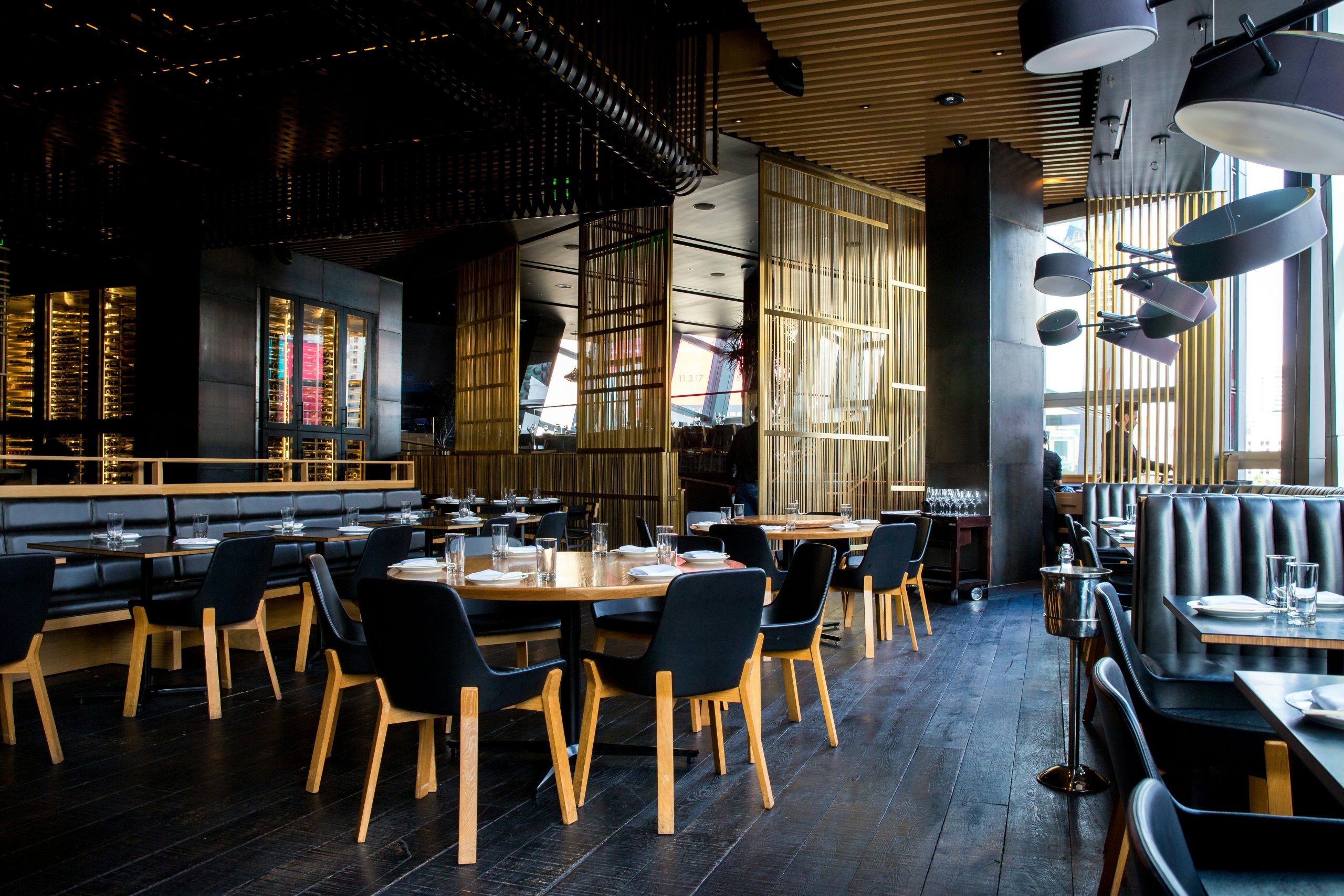
    Themed restaurants have to walk a fairly tight line to remain immersive, without falling into the realm of overt kitschiness. People want to experience something focused and entertaining, without necessarily feeling as if they’re participating in a tacky gimmick. Owners and operators can charge a premium for a great night out, as long as they create a coherent narrative that makes sense, rather than feeling distracting. 

    The best themed restaurants London and the rest of the country have to offer are based around sensible concepts, authentic materials, bespoke furniture and more. This article will explain the basics of how a theme can work to an eatery’s advantage. 


    Define your narrative

    Your theme restaurant should tell some sort of story. You can go for something more comprehensive, complete with a distinct, fictionalised story. Or, you can go for something looser and ingrained in a more personal or family history. 

    • Consider why the place exists and explore it in your design
    • Sensory elements like smells, sounds and textural feelings
    • Do not creep between themes that seem similar (e.g. Italian and Greek decorations)

    It doesn’t matter if you’re going for something simpler or more ambitious; the theme has to feel consistent and make sense. 


    Prioritise authentic materials

    The best themed venues bring in bespoke contract restaurant furniture and decorations that utilise relevant materials to their narratives. It’s important to choose pieces with details that guests will notice and enjoy throughout their visit. Elements such as real leather, heavy brass and cold stone table tops will help to ground the escapist experience in reality, especially in tactile areas. 

    • Fixed banquette seating can help to increase the sense of immersion
    • Bespoke detailing is a great way to enhance the efficacy of furniture
    • Custom pieces can achieve period style with modern performance materials

    Investing in these detailed elements will help to make your space more memorable than the competition. 


    How to use lighting effectively as a narrative tool 

    The themes of restaurants need to be lit effectively, or all the other elements can’t be truly seen as the best possible representation of themselves. 

    • Lighting should be layered with task, ambient and accent lighting to ensure every aspect of the venue shines for what it is. 
    • Certain themes, such as Noir or Nautical, benefit from shadow play, with less-lit areas having impressive effects.
    • Smart LED lighting can be used to shift mood throughout the night, perfect if there’s a musical or performance element to the restaurant. 

    Don’t subjugate lighting as a utilitarian tool; make it an integral part of the storytelling. 


    Making storytelling comprehensive in themed restaurants

    Whatever the direction that you’ve chosen for your themed restaurant, it’s essential for the experience to feel consistent from the minute your guests walk in until the second they walk out the door. If they get a peek behind the curtain, the theme falls apart. 


    • Make modern infrastructure, such as POS terminals, fire extinguishers and speakers, discreet. 
    • Design the menu in line with the rest of the branding, and keep that typeface across various elements. 
    • Keep the interior design elements in mind across the bathroom design, as this is where a lot of ‘Instagramming’ gets done.
    • Ensure that the service staff stay on theme, with elements like costumes, customer interactions and any tableside theatrical dishes/drinks.


    Investing in details like these will ensure your guests feel more thoroughly immersed in the theme that you’ve curated for them. Whatever direction you choose to go in across the different types of themed dining experiences, a consistent narrative, authentic materials and furniture as well as smart lighting features will result in a quality time for your guests. 


  • House clearing after bereavement and steps to move forward

    House clearing after bereavement and steps to move forward

    It’s very hard to lose someone you love and it seems that time can slow down with even the simplest things becoming overwhelming. Whilst you’re still grieving, there can come a point when you can’t put off practical matters and these include clearing the house of your deceased loved one afterwards. Sorting through their belongings will mean that you’re confronting the loss or even revisiting some of the happy moments that you have had with them. There’s also the issue of deciding whether some of the belongings should be donated or you should let them go.


    The emotional weight of clearing a loved one’s home

    Each home carries indelible traces of the people who have once lived there. They can leave small tokens of their daily lives like their scents and when you step into this space after a death has occurred, the smallest details can stir up a lot of emotions.

    It can be a half-read book, or you’ll see their favourite mug where they used to enjoy their favourite hot cup of coffee. Everything seems suddenly sacred, and others tend to treat them like treasures. The clearing process is often the hardest journey of bereavement, and many are struggling to preserve the memories of their loved ones and they’re unable to move forward.

    This weight in their chest can lead to indecision and they find that sorting through decades of belongings can take longer than they’ve initially anticipated. Each closet can stop them on their tracks and some may even experience grief taking over. See post about bereavement after a loss here.


    Why professional help makes a difference?

    What everyone needs is support during this emotional time in their lives, and you need someone who can help make compassionate decisions on your behalf. Families find out that the entire clearing process requires not only physical strength but emotional readiness, but there is help out there with house clearing companies that specialise in clearing after bereavement such as Tudor House Clearances

    Specialist clearing companies understand that this job is going to be deeply personal and handle the tasks with discretion, empathy and sort through belongings making sure that the usable items can still be donated to charities.


    Finding closure through compassionate support

    Although some people consider house clearance similar to closing a chapter, know that your loved ones are always going to be in your heart. You will never lose connection with them because the cherished memories are still there.

    The experts who approach these tasks with empathy will allow the family to focus on remembering all of the good things rather than being stressed by things. The experts are going to do the heavy lifting so members can spend time sharing stories and selecting the keepsakes that hold sentimental value.

    People can reach a sense of closure sooner when there’s a company that supports them all through the process of clearing the homes of their loved ones. Instead of considering this area as a source of sadness, it can be a place where love takes precedence over loss. Transform the experience of clearing your home into an act of honouring a life well-lived.


    Choosing the right house clearance service

    Get in touch the clearing experts who can give you transparency with the clearing process and those who have proven experience to sensitively handle bereavement-related clearances. Ask other members of your community to narrow down some options or check the local business listings in your area so you can get insights about who to trust. They should also be insured so the insurers can cover any losses of valuable belongings. Know more about their pricing and what’s included, as well as their disposal methods.

    It’s also very important to find experts who can communicate with you clearly. They should be able to respect your wishes, and they should listen patiently as you describe each room. Some clients would want a swift process, while others may need to be consulted because they want to be thoughtful about the whole thing. The best providers can adapt their pace accordingly, and the contractors will handle them smoothly.

    See guides about clearing a home here.

    Also the best clearing companies are ethical with their disposal methods. They are connected with various organisations and they donate to them if needed. These companies minimise waste by making sure that everything that can still be reused will help other families and the community at hand.


  • Meaningful Gift Ideas to Celebrate Your Anniversary

    Meaningful Gift Ideas to Celebrate Your Anniversary

    Whether it is your first or fiftieth anniversary, it is important that you take the time to enjoy your anniversary and celebrate your relationship. Life can be pretty hectic at times, so it is normal for busy parents to neglect their anniversaries to save time and money. However, you should ensure that you mark this special occasion in some way and make it the perfect excuse to show your partner how much they mean to you. Celebrating your anniversary doesn’t have to require a lot of money or effort, and there are many thoughtful ways that you can acknowledge this special day. Here are some meaningful gift ideas that you can get your partner to celebrate your anniversary.

    Make a Memory Book

    A memory book is a great gift to give your partner on your anniversary and is a thoughtful way to commemorate all the time you have spent together. You can either buy a blank photo book and add your own pictures or there are websites online where you can electronically upload and design your content and have a professional memory book printed out and delivered to your door. This is a great option if you are about to celebrate a special anniversary, such as 10 years together, or to celebrate the day you met or the day you got married.


    Surprise them with a Special Delivery

    A great way to treat your partner is to organise a special delivery for them on your anniversary. This is a particularly useful gift idea if your anniversary falls on a weekday, meaning you will both be busy with work. Getting a bouquet of flowers or a cake delivery to arrive at your partner’s place of work is a meaningful way to show them how much they and your anniversary means to you. You can use a service such as GiftsnIdeas who are an international e-commerce gifting company that delivers to countries all over the world, including the UK. Getting something special delivered to the one you love on your anniversary is perfect for busy parents who don’t have the time to go down to the shops to find the right gift. And if you want to pair that with something equally memorable but for a future date night, consider a dining experience at steakhouses like Temper London, known for flame-cooked steaks, smoked meats and bold smokehouse flavours across spots in the City of London.

    Make Relationships Coupons

    If your budget doesn’t stretch to an expensive dinner out or extravagant presents, then making relationship coupons is an affordable but meaningful gift idea that shows how much you care. The best thing about creating love coupons is that you can personalise them especially for your other half, which shows you put considerable thought into this gift. Popular relationship coupons involve promising to do the washing up for a whole week and letting your partner pick what film you are going to watch.

    Overall, thoughtful gift ideas for women can add a personal touch to your anniversary celebration. Whatever you choose, it’s the sentiment behind the gift that truly commemorates your journey together.

    With the pressures of daily life, it is sometimes difficult to find the time and money to show your partner how much they mean to you. But by getting them a meaningful gift it shows that a considerable amount of love and thought went into it, and don’t forget what they say, it is the thought that counts!


  • Why A Marquee Wedding Rocks!

    Why A Marquee Wedding Rocks!

    For the couples getting married, planning and enjoying the perfect wedding means crafting each and every detail in direct accordance with the needs, preferences and budget of those organising it (often the brides parents!). Whilst there are plenty of superb wedding packages available, choosing something ‘off-the-shelf’ is never quite the same as watching your every wish brought to life right before your eyes. Which is precisely the reason why I think marquee weddings are becoming an increasingly popular choice for weddings. While there’s nothing to say traditional indoor weddings cannot be quite spectacular, marquee weddings bring something unique, dynamic and truly magical into the mix. It’s rare for even a single guest not to be blown away by a marquee wedding – the impact and enjoyment being even greater for the couple tying the knot. But given all that’s available indoors these days, why is it that marquee weddings are becoming so popular among discerning planners and couples alike?


    Total Flexibility

    Well, for one thing is the way in which flexibility takes an important step from high to total. With a traditional indoor wedding, you are always going to be limited in certain ways by what’s made available by the building and its staff. Size, shape, layout, catering, curfews, decoration and so on – beautiful perhaps, but not exactly crafted specifically for you and you alone.

    With a marquee wedding, each and every one of these considerations is completely open and flexible. Rather than simply choosing a package that best-suits your needs, every last detail from top to bottom is planned in direct accordance with your vision. Absolutely nothing is out of the question and everything you ever dreamed your wedding could be is exactly what it will be. Opting for options like a sailcloth marquee can elevate this flexibility even further, allowing couples to design a fully personalized space that reflects their style while enjoying an airy, light-filled environment.


    Location, Location, Location

    Anyone who’s ever attended a marquee wedding will know that there’s something uniquely enjoyable, memorable and magical about these types of events. Something that goes far above and beyond even the most extravagant indoor weddings.

    An evening under the stars? A first dance as the sun sets? The most beautiful surroundings imaginable? Being able to make the most of the indoors and outdoors at the same time? Whatever it is, the fact that you can essentially organise and host a marquee wedding anywhere you can think of takes flexibility to an even higher level. And when it comes to those all-important wedding photos…well, enough said, really!

    All photos below captured by award-winning Cornwall wedding photographer Mark Shaw Photography

    prussia-cove-marquee-wedding-photographer-3

    prussia-cove-marquee-wedding-photographer-4

    prussia-cove-marquee-wedding-photographer-5

    prussia-cove-marquee-wedding-photographer-6

    prussia-cove-marquee-wedding-photographer-9

    prussia-cove-marquee-wedding-photographer-11

    Budget-Friendly

    Last but not least, and contrary to popular belief, it is perfectly possible to organise and host a spectacular marquee wedding for considerably less than many comparable indoor receptions – especially if you know someone with some land to fit a marquee on! No matter how large or small your budget may be, the beauty of a marquee wedding is that everything is crafted in direct accordance with your needs, preferences and available finances. However much cash you have (or don’t have!) to spend, you can rest assured that every penny will stretch so much more, when it comes to a marquee wedding.


  • What couples should look for in a home

    What couples should look for in a home

    Finding a home together marks a turning point in any relationship. When you first walk through the door of a potential property, the decision might feel emotional, even instinctive. Yet behind that first impression lies a set of choices that will shape how comfortably you live and how well your home adapts as your life changes.

    Whether you’re moving into a period conversion or exploring next-generation homes designed for modern living, what matters most is how well the property aligns with both your practical needs and shared ambitions.


    1. Location & Life Stage Fit

    Before committing to a location, think about how your typical week looks. If one of you commutes, weigh up the journey time and transport reliability rather than relying only on postcode reputation. Although couples planning a family may value quieter neighbourhoods near parks and schools.

    Walk around the area at different times of day to gauge its real character. Note how busy the streets feel. See whether you’d feel safe coming home late.


    1. Space, Layout & Future Flexibility

    When you first move in, two bedrooms might feel generous. But once you start working from home, hosting friends or planning for children, every square metre matters. Consider how easily the layout can evolve with you. Open-plan designs can feel airy but often offer little privacy when one of you needs quiet to concentrate. A flexible floor plan, such as a living area that can double as an office, gives you options without forcing future moves.

    Check how storage is arranged, not just how much of it there is. For example, built-in wardrobes and smart under-stair solutions make it easier to keep a shared space organised.


    1. Quality, Maintenance & Management Standards

    Inspect the property’s finish carefully. A fresh coat of paint can hide leaks or poor workmanship. Reliable pipe fittings and good insulation mean fewer repairs and lower bills. Ask the landlord or agent how maintenance is handled, as a responsive management team reduces stress when things go wrong.

    If you’re renting a managed flat or a build-to-rent property, read reviews online from current residents. Their experiences will reveal more about upkeep and communication than glossy brochures ever will.


    1. Technology, Sustainability & Running Costs

    A home filled with technology only adds value when it simplifies daily life. Sustainable materials and proper insulation help maintain steady temperatures and reduce humidity. Energy-efficient thermostats and lighting can lower running costs and keep you comfortable year-round. Before signing, ask for the property’s energy performance certificate to estimate your actual expenses.


    1. Community, Amenity & Lifestyle Atmosphere

    Finally, pay attention to the atmosphere beyond your front door. Chat with neighbours if you can, observe how shared spaces like gardens or courtyards are maintained, and see if people seem friendly or distant. Nearby amenities like leisure centres and shopping centres can make a rental truly work for both of you.


  • How to become more independent as a young professional (without going broke)

    How to become more independent as a young professional (without going broke)

    Becoming independent isn’t just about moving out of your parents’ home for the first time. True independence means building confidence, stability and habits that help you take control of your life. Whether you’re starting your first job, preparing to relocate, or simply wanting more autonomy, practical decisions now can set the foundation for long-term freedom, whether emotionally, professionally, or financially. However, you don’t need a huge bank balance to begin building a life on your own terms. Instead, independence is built step-by-step through mindful planning, smart spending and skills that help you feel capable and confident in everyday life.


    1.    Master Your Money

    Financial independence begins with understanding where your money goes. Setting a monthly budget, reviewing regular outgoings and tracking spending habits can prevent unnecessary financial strain. The experts note that building even a small emergency fund can help young adults feel more secure and avoid reliance on high-interest credit when unexpected costs appear. Consistent saving, even £20 a week, compounds over time, giving you freedom and options. Ultimately, financial control is a form of empowerment that supports every other aspect of independence.


    2.    Learn Life Skills Early

    Developing everyday skills may feel like a slow process, but each one lays the foundation for self-reliance. Cooking, for instance, prevents the costly habit of constant takeaway meals, while basic DIY reduces the need for emergency tradespeople. Being able to read bills, compare tariffs and understand household admin avoids expensive mistakes. Research highlights that practical skills build confidence, and confidence fuels independence. You don’t need to be an expert from the get-go. All you need is to start with simple recipes, basic home tasks and understanding your household responsibilities.


    3.    Take Control of Your Mobility

    Being able to travel when and where you need gives you freedom to work, explore and socialise on your own schedule. Buying brand-new may sound appealing, but it can drain your finances before life has begun. Instead, consider a reliable and affordable option such as quality used cars that provide independence without the financial strain from a trusted dealer. Used vehicles typically have lower purchase prices, slower depreciation and often cheaper insurance, which are essential benefits when you’re building your future.


    4.    Invest in Yourself

    Finally, independence thrives when you invest in personal growth. Online courses, healthy routines and nurturing strong friendships create stability and confidence. According to Psychology Today, consistent routines support mental wellbeing, making everyday responsibilities easier to manage. Whether it’s improving your fitness, learning a new skill or joining a hobby group, personal investment pays off in increased resilience, energy and self-belief.


    In the end, becoming independent as a young professional is less about grand gestures and more about consistent, manageable steps. When learning to manage your money, gaining practical life skills, choosing cost-effective options like reliable used cars, and continuing to grow personally, you build confidence and stability that lasts. With a thoughtful approach, independence becomes empowering and sustainable.


  • Improving Pedestrian Safety for the Elderly

    Improving Pedestrian Safety for the Elderly

    Pedestrian safety is critical for all age groups, but elderly individuals face unique challenges that make them particularly vulnerable. As cities become more crowded and traffic patterns grow increasingly complex, ensuring the well-being of pedestrians over the age of 65 is essential. With slower walking speeds, diminished reflexes, and sensory impairments, seniors are at a higher risk of injury or fatality when navigating busy streets.


    Why Are Elderly Pedestrians at Greater Risk?

    Aging affects mobility and the ability to respond quickly to potential dangers. Many older adults walk at a slower pace, making it difficult to cross streets within standard traffic signal times. Reflexes also tend to decline with age, which can delay their response to sudden hazards, such as a vehicle turning unexpectedly or running a red light.

    Furthermore, diminished senses are more common among seniors. Poor eyesight may make it harder to see traffic signals or spot oncoming cars, while hearing loss can prevent them from detecting honking horns or police sirens. In addition, cognitive issues such as memory loss or difficulty concentrating can impair decision-making at intersections or crosswalks.

    These factors create a heightened risk of accidents for elderly pedestrians, particularly in areas with heavy traffic or poorly designed pedestrian infrastructure.


    What’s Being Done to Protect Elderly Pedestrians?

    Several major cities recognize the need to address these risks and have implemented strategies to improve pedestrian protections for seniors. These measures focus on creating safer environments and giving older pedestrians the time and space they need to navigate streets more confidently:


    • Longer Crossing Times: One of the most effective changes has been adjusting traffic signal timings to account for slower walking speeds. Many cities now have a standard walking speed of 3 feet per second (rather than 4 feet per second) when setting these times at intersections. This adjustment gives seniors more time to cross safely without feeling rushed or stranded in the middle of the street.
    • Improved Crosswalk Design: High-visibility crosswalks with bold markings make it easier for drivers to see pedestrians, especially in areas with high foot traffic from seniors. Some cities have also installed flashing lights or pedestrian-activated signals to alert drivers when someone is in the crosswalk.
    • Curb Extensions and Raised Crosswalks: Curb extensions shorten the distance pedestrians need to cross while also making them more visible to drivers. Raised crosswalks, which are level with the sidewalk, naturally slow down vehicles and reduce the risk of collisions.
    • Better Lighting: Poor visibility is a significant factor in pedestrian accidents, particularly during early morning or evening hours when seniors may be out walking. Enhanced lighting at intersections and along sidewalks helps make pedestrians and vehicles more visible.
    • Pedestrian Safety Zones: Some cities have senior pedestrian zones with additional measures. These are often near nursing homes, senior centers and other areas with a higher percentage of senior citizens.


    One example of a senior pedestrian zone is New York City’s Vision Zero program, which has created over 700 zones, incorporating longer crossing times, clearer signage, and improved infrastructure in targeted neighborhoods.


    The Path Forward

    While there has been progress, much work is still needed to ensure elderly pedestrians can navigate streets safely and confidently. If you or a loved one suffered serious injuries in a pedestrian accident, attorney J.J. Dominguez of The Dominguez Firm advises, “Most pedestrian accident victims suffer serious injuries. If the person is elderly, this is especially true. Should the worst happen, they or their loved ones should seek the services of an experienced pedestrian accident attorney immediately.”


    By investing in these solutions, communities can protect their aging populations while fostering inclusive environments where everyone—regardless of age—can move freely and safely through public spaces. Addressing these challenges is not just about urban planning; it’s about valuing and safeguarding our elders as vital members of society.


  • Why discussing death shouldn’t be taboo

    Why discussing death shouldn’t be taboo

    Death isn’t an easy topic to discuss. It feels heavy and uncomfortable yet staying silent doesn’t stop it from affecting you or those you love. When loss happens, it often leaves people uncertain about what to do or say. Talking about death isn’t about being gloomy, it’s about understanding life better. When you share thoughts about what matters to you, you make it easier for your family to cope and for everyone to find peace when the time comes.


    It helps ease fear and worry

    When people treat death as a forbidden topic, it becomes mysterious and frightening. Keeping it hush-hush only feeds anxiety. Professor Tony Walter from the University of Bath notes that openness helps make death feel like a normal part of living, not something to fear. In the same way you’d prepare a child for a big life change, you can prepare yourself and others by being honest and gentle. Talking about beliefs, hopes, and even small practicalities helps you take control of your feelings. Over time, death becomes less a dark cloud and more an accepted, natural stage of life.


    It brings families closer

    BBC survey found that most people in the UK haven’t spoken to loved ones about their final wishes. When no one talks, confusion follows. But when you share what kind of goodbye you’d prefer, from a simple service, a certain song, or somewhere meaningful, you give your family clarity. That openness also invites connection. Families often discover stories, values, and memories they might never have shared otherwise. Discussing death can feel strange at first, but it often leads to a stronger sense of togetherness and mutual care.


    It gives everyone peace of mind

    Taking practical steps early makes things easier later. Funeral plans let you decide what you want and ensure everything is organised. By arranging them through a trusted provider, you lift a major weight from your family’s shoulders. They won’t have to make rushed choices or worry about costs during an emotional time. You’ll also feel reassured knowing everything will happen as you intended. Planning ahead doesn’t just prepare for death, it also gives comfort to the people who’ll carry on living.


  • The Evolution of Cocktail Culture and What It Means for Drinkers

    The Evolution of Cocktail Culture and What It Means for Drinkers

    Cocktail bars ten years ago looked and felt dramatically different from what exists today. The changes go far beyond just updated menus or trendier decor – the entire philosophy around what makes a good cocktail experience has shifted. Understanding this transformation helps explain why walking into certain bars today feels completely different from the cocktail scene of the early 2010s, and what drinkers should reasonably expect when they order a £14 Negroni in 2025.


    From Molecular Mixology to Accessible Craft

    The mid-2010s saw cocktail culture obsessed with spectacle and technique for its own sake. Bars competed to create the most elaborate presentations, the most unusual ingredients, and the most complex preparations. Drinks arrived smoking under glass domes, required three minutes of tableside preparation, or featured foams, spheres, and other molecular gastronomy techniques borrowed from high-end restaurants.

    This phase served a purpose – it pushed boundaries and explored what was possible – but it also created distance between bartenders and drinkers. The message felt more like “look what we can do” rather than “here’s something delicious for you to enjoy.” Many of these drinks were impressive to watch being made but not particularly pleasant to actually drink.

    The current era has pulled back from that extreme. Technique still matters, but it’s employed in service of flavor and balance rather than showmanship. Modern quality bars focus on making genuinely delicious drinks with thoughtful ingredient selection and proper execution. The goal is creating something worth ordering again, not just photographing once for social media.

    This shift means drinkers today should expect well-crafted cocktails that taste excellent without requiring a chemistry degree to appreciate. The best bars balance creativity with drinkability. They might incorporate interesting ingredients or techniques, but these elements enhance the drink rather than defining it.


    The Ingredient Revolution

    Ten years ago, most cocktail bars worked with the same relatively limited ingredient palette – standard spirits, commercial mixers, a handful of fresh fruits and herbs. Today’s better establishments source ingredients with the same care restaurants apply to their kitchens.

    Seasonal approaches have become standard rather than exceptional. Spring menus feature rhubarb, elderflower, and fresh herbs. Summer brings stone fruits and berries. Fall introduces apple, pear, and warming spices. Winter showcases citrus and preserved fruits. This seasonal rotation reflects both ingredient availability and flavor preferences that shift throughout the year.

    House-made components have moved from novelty to expectation at quality venues. Syrups, cordials, bitters, and tinctures crafted in-house allow bars to control flavor profiles precisely and create signature drinks that can’t be easily replicated. The difference between a cocktail made with mass-produced grenadine versus house-made pomegranate syrup is substantial and immediately noticeable.

    Sustainability considerations have entered the equation in meaningful ways. Progressive bars now think about waste reduction, using every part of ingredients, composting, and sourcing locally when possible. This isn’t just marketing – it impacts what appears in drinks and how bars operate. Citrus peels become oils and garnishes. Leftover fruit pulp transforms into syrups. These practices align with broader cultural shifts around environmental responsibility.


    Atmosphere and Accessibility Changes

    The cocktail bar atmosphere has undergone significant transformation. Early 2010s craft cocktail culture often felt exclusive and intimidating. Bars cultivated a speakeasy aesthetic with hidden entrances, dim lighting, strict house rules, and bartenders who sometimes seemed more interested in demonstrating their knowledge than making guests comfortable.

    Today’s successful bars have largely abandoned that gatekeeping approach. Places like Bunga 90 represent the modern direction – establishments that maintain high standards for their drinks while creating welcoming environments where both cocktail enthusiasts and casual drinkers feel comfortable. The emphasis has shifted toward hospitality alongside craft.

    This doesn’t mean everything has become casual and unsophisticated. Rather, bars have learned to maintain quality without the pretension. Staff are knowledgeable and happy to share that knowledge, but they’re not condescending. Dress codes have relaxed. Music volume allows conversation. The overall vibe says “we’re glad you’re here” rather than “you should feel lucky we let you in.”

    The physical spaces themselves have evolved. Harsh, industrial aesthetics have given way to more comfortable, varied designs. While some venues still embrace dark, moody interiors, others opt for lighter, more open feels. The key shift is recognizing that atmosphere should enhance the drinking experience rather than making it more difficult to relax and enjoy.


    Menu Design Philosophy

    How cocktail menus present information has changed significantly. The elaborate, flowery descriptions that dominated earlier eras have largely given way to clearer, more practical information. Modern menus balance providing enough detail for informed ordering without overwhelming or confusing guests.

    The structure has become more thoughtful too. Rather than just listing drinks alphabetically or by spirit, many menus now organize by flavor profile, intensity, or style. Categories like “bright and refreshing,” “spirit-forward,” or “rich and complex” help guests navigate toward drinks that match their preferences without needing extensive cocktail knowledge.

    Pricing transparency has improved, though this varies significantly by venue. Better establishments present their full pricing upfront, including any premium spirit upgrades or modifications. The practice of listing attractive base prices but adding charges for anything that makes the drink actually good has thankfully become less common as guests have pushed back against it.

    Menu rotation frequency has increased at ambitious bars. Where annual menu changes used to be standard, many now refresh quarterly or even more frequently. This keeps regular guests interested and allows bartenders to continually refine their craft. For drinkers, it means repeat visits offer new experiences rather than the same options every time.


    Service Standards and Staff Knowledge

    Bartender roles have professionalized considerably. What was once often a transitional job has become a legitimate career path with progression opportunities, better compensation, and genuine expertise development. This shift shows in the quality of service and knowledge guests encounter.

    The best modern bartenders balance technical skill with genuine hospitality. They can execute complex techniques flawlessly while also reading the room, adjusting their approach based on what guests need. Some want education and conversation about ingredients and methods. Others just want a good drink without the lecture. Skilled bartenders navigate these different desires smoothly.

    Recommendations have become more personalized and thoughtful. Rather than defaulting to the most expensive option or their personal favorite, good bartenders ask questions, listen to preferences, and make suggestions that genuinely fit what the guest is looking for. This consultative approach requires both product knowledge and people skills.

    Training standards have risen across the industry. Many bars now invest significantly in staff education, sending bartenders to workshops, tastings, and competitions. This investment shows in the finished drinks and the quality of guest interactions. Drinkers benefit from more consistent experiences and staff who can answer questions with actual knowledge rather than guesswork.


    Technology Integration Without Losing Soul

    Technology has entered cocktail culture in ways both helpful and potentially problematic. Digital menus, ordering apps, and social media integration are now common. The question is whether these tools enhance the experience or detract from the human connection that makes bars special.

    The best implementations use technology to handle logistics while preserving the social aspects. Digital menus can provide more information than printed versions, including detailed ingredients, allergen warnings, and flavor profiles. Ordering apps can reduce wait times during busy periods. These applications work when they’re optional and supplement rather than replace human interaction.

    Social media has become unavoidable in bar culture. Instagram-worthy presentations drive significant traffic and awareness. The challenge is ensuring drinks are designed for taste and experience first, with visual appeal as a bonus rather than the primary goal. Bars that nail this balance create drinks that look great in photos because they’re well-crafted, not because they’re designed specifically for photography.


    What Drinkers Should Expect Now

    The maturation of cocktail culture means today’s drinkers should have higher standards. A well-made drink shouldn’t require forgiveness for being too sweet, too strong, or poorly balanced. Quality ingredients should be standard, not premium upgrades. Service should be knowledgeable and welcoming without pretension.

    At the same time, reasonable expectations around pricing matter. Good cocktails cost more than they did a decade ago because ingredient quality has improved, labor costs have risen, and venues invest more in training and atmosphere. The £14-16 range for a quality cocktail in major cities reflects these realities. Complaints about pricing need context about what’s changed in terms of quality and operating costs.

    The best part of cocktail culture’s evolution is the increased variety. There’s room now for everything from casual neighborhood cocktail spots to high-end destination bars, from classic-focused venues to experimental ones. Drinkers can choose their experience based on mood, occasion, and preference rather than having to conform to a single vision of what craft cocktails should be. That diversity represents the real progress – cocktail culture has matured enough to accommodate different approaches while maintaining quality standards across the spectrum.


  • Why Yacht Ownership is the Next Chapter in Multigenerational Wealth

    Why Yacht Ownership is the Next Chapter in Multigenerational Wealth

    For today’s discerning buyer, a yacht represents more than luxury; it serves as a generational vessel. It’s a floating asset that strengthens family bonds and celebrates milestones. Owning a yacht represents legacy building in an era when experience and privacy define wealth.

    If you’re considering purchasing a yacht, this article covers the benefits you can expect to enjoy.


    Yachts as a Living Legacy

    While yachts may not be a typical financial investment, they can offer a significant return in terms of lifestyle and personal fulfillment. Much like a vacation home, it can serve as a gathering place for reunions, anniversaries, weddings, and milestone birthdays. For many families, the yacht design process is also deeply personal, reflecting their heritage and taste.

    Your yacht’s logbook becomes a living chronicle of these moments. The ports visited with family and friends tell the story of how you socialize and spend time together on the water in your home away from home, and explore explore iconic coastlines, from the Mediterranean to the Caribbean and beyond.


    Part of an Exclusive Community

    Owning a superyacht also means joining one of the most exclusive circles in the world. With fewer than 2,000 owners worldwide, the superyacht community is a unique society united by shared values of discretion and philanthropy.

    Through organizations like the International Superyacht Society, owners and their families gain access to exclusive events, educational opportunities, and collaborative initiatives that span business and marine conservation. As a member, you gain access to meet like-minded people and families who go on to become close friends.


    Ownership Over Generations

    You can choose to hold your yacht through family trusts or private holding companies. They facilitate the smooth management and transfer of assets as part of a long-term wealth strategy, and offer benefits such as tax efficiency, liability protection, and, importantly, continuity.

    Through innovative ownership structures, yachts become part of a broader financial legacy, much like fine art collections or real estate portfolios. They can be maintained or chartered under professional management to ensure they remain a source of pride and enjoyment for years to come. For those exploring acquisition, yachts for sale range from classic sailing vessels to cutting-edge superyachts, each serving as a foundation for future generations to enjoy and build upon.

    This approach reflects a broader stewardship model, where wealth isn’t just preserved but thoughtfully managed and passed down. Younger family members are often brought into the management process early, learning about maritime etiquette, as well as asset care, financial planning, and environmental sustainability —skills that align with the values of modern wealth.


  • The rise of the micro wedding and is it set to stay?

    The rise of the micro wedding and is it set to stay?

    You may have heard ‘micro weddings’ being used a lot during the past year. What exactly are they, and why have they become so popular? We decided it was time to explore the world of micro weddings. You can find out exactly what they entail, why are so many couples deciding to have one, and whether or not they’re likely to stay so popular going forward.


    What is a micro wedding?

    We may as well start by telling you what a micro wedding actually is. As the name suggests, it’s a small wedding. It involves 20 or less guests. Being smaller in size means it’s usually cheaper, more relaxed, and shorter than a traditional wedding day.

    It’s different from an elopement, which is usually done in secret and only involves the bride, groom and their witnesses. Nor is it a small wedding, as this usually entails 30 – 60 guests. A micro wedding is very much its own style of event.


    Micro wedding in Falmouth, Cornwall captured by Mark Shaw Photography


    Why are they so popular?

    The pandemic, and all the restrictions and changes that came with, spurred on the popularity of micro weddings. Couples were only allowed a certain number of guests so had to plan accordingly. Deputy Editor of Hitched, Helen Pye, said, “It can be a real opportunity to create a romantic, intimate and unforgettable day.” She explained that while cutting down a guest list could seem like a disaster, couples should take advantage of a smaller wedding by splashing out on things they weren’t able to before. For instance, finding that perfect wedding ring or choosing a luxurious caterer.


    Going forwards

    However, micro weddings won’t disappear when social restrictions are lifted. Micro weddings have been growing in popularity since before Covid-19. As mentioned above, they allow couples more financial freedom. Not only this, but they also can be free from the usual wedding traditions. They don’t have to worry about inviting the whole extended family or finding a venue to fit everyone. A micro wedding allows a couple to get creative with their day and make it uniquely their own. Just because it’s not a big event, doesn’t make it any less special.


    Stress free

    Another reason why it’s likely that micro weddings will continue to grow in popularity is the fact they are much less stressful to plan. With a smaller guest list and much more flexibility, a micro wedding requires much less admin and the couple has more control over the day.

    Micro weddings have become increasingly popular over the past year, but due to all the benefits they bring, they’re likely going to be around in the long term. What are your thoughts on micro weddings?


  • Adopt, Don’t Shop: The Belfast movement making a difference

    Adopt, Don’t Shop: The Belfast movement making a difference

    In recent years, Belfast has witnessed a heartening transformation in how its residents view animal adoption. More than ever, people are choosing to adopt, not shop—trading expensive pedigrees for the quiet, lasting reward of giving a home to a rescue dog. This movement is not just a passing trend but a cultural shift, powered by empathy and fueled by a community that understands the impact of a second chance. Local shelters, volunteers, and international rescues working within Belfast have joined forces to promote ethical adoption, emphasizing not only the need but also the joy of welcoming a rescued animal into a loving home. For many, adopting a dog has become an act of compassion that reshapes lives on both ends of the leash.


    How Belfast helps you find the perfect match

    The Belfast adoption movement is rooted in one simple belief: there is a perfect dog for every home, and every dog deserves a home. Whether you’re looking for a loyal companion or a new adventure partner, you can find a pet in Belfast who fits your lifestyle and space. When you want to adopt a dog in Belfast, you know best what type of dog you can care for. You know the size of your home and whether it would be suited for a small or large dog. You know whether you have a yard where an energetic dog could run around or how often you can walk him. Whether you choose by size or personality, ROLDA is ready to help. Once you find a match and are prepared to adopt a dog in Belfast, feel free to ask as many questions as possible.You will get all the information on the pup, with the obvious limitation that we can only know what has happened since he came to us and can only guess where he was before. But you will get a detailed report on what was did for him, what he needed in terms of rehabilitation, and an assessment of how he will do in a family home. Adopters are encouraged to take their time, ask questions, visit the dog more than once, and truly feel confident in their decision—because when a rescue adoption works, it becomes a lifelong connection.


    Community-powered change, one dog at a time

    The success of this growing adoption movement in Belfast lies not only in the shelters or rescue groups but in the people who keep the wheels turning: volunteers, foster families, local businesses, and adopters themselves. It’s a collaborative ecosystem that thrives on shared purpose. Volunteers help socialize animals, walk them, comfort them during their stay in the shelter, and prepare them for family life. Foster families open their homes temporarily, giving dogs the chance to experience warmth, structure, and play outside of the shelter environment. Local businesses often support adoption days, fundraisers, and awareness campaigns, recognizing the power of animal welfare to unite and uplift communities. Most importantly, the adopters carry the movement forward, proving that compassion can lead to lasting change. These everyday heroes rewrite the future for dogs who once had little hope, and they do it without fanfare, simply by choosing love over pedigree.

    Education and awareness as keys to transformation

    Belfast’s adoption movement doesn’t stop at finding homes for dogs—it actively works to educate the public on the benefits and responsibilities of adoption. Campaigns emphasize that dogs are not disposable accessories but sentient companions who rely entirely on humans for safety, stability, and care. This message is crucial when competing with the appeal of purebred dogs sold online or by breeders. By informing people about the realities behind unethical breeding, puppy farms, and the high number of homeless dogs both locally and internationally, Belfast shelters give potential adopters a broader context. Education efforts extend into schools, public events, and social media, where stories of rescue and recovery inspire others to think differently. The result? A generation of adopters who are more informed, more responsible, and more emotionally invested in their furry family members.

    A future built on second chances

    As more people in Belfast choose to adopt, not shop, a new narrative emerges—one where every dog, no matter their past, has a shot at happiness. The future of this movement is built on connection, patience, and the belief that kindness is powerful enough to rebuild trust. Every adopted dog brings that message into a new home. Every family that opens its doors contributes to a larger story of resilience and hope. This is how communities grow stronger—not just by what they stand for, but by the way they care for those who cannot speak for themselves. In a world that often feels rushed and impersonal, adopting a dog is a deliberate act of humanity. And in Belfast, that choice is no longer the exception. It’s becoming the rule. Through shared values and a growing sense of responsibility, the movement continues to change lives, one wagging tail at a time.


  • What makes Southeast Asia a remote work hotspot

    What makes Southeast Asia a remote work hotspot

    In recent years, Southeast Asia has rapidly emerged as a global hub for remote work, drawing attention from businesses seeking flexible, efficient, and cost-savvy operational strategies. With digital transformation accelerating and remote work becoming the norm rather than the exception, this region’s combination of talent availability, technological readiness, and competitive economics positions it as an ideal location for building offshore teams.


    A Rising Talent Pool with Global Competence

    One of Southeast Asia’s greatest strengths lies in its skilled and multilingual workforce. Countries like the Philippines, Vietnam, and Malaysia boast large populations of professionals who are not only proficient in English but also bring strong educational backgrounds and domain-specific expertise.

    The Philippines, in particular, stands out for its cultural compatibility with Western markets, a legacy of its historical ties and education system that emphasises English proficiency. Filipino professionals are known for their adaptability, high emotional intelligence, and familiarity with global business practices – qualities that enhance their effectiveness in remote work environments.


    Digital Infrastructure and Remote Work Culture

    Southeast Asia has made significant strides in improving its digital infrastructure, with widespread access to high-speed internet, co-working spaces, and modern collaboration tools. According to the 2024 Digital Nations Index, Singapore, the Philippines, Malaysia, and Thailand are ranked among the leading digital nations, reflecting strong performance in areas such as connectivity, infrastructure, and digital adoption, particularly across major urban centres. Meanwhile, Vietnam and Indonesia are noted as top emerging digital nations, showing significant upward momentum.

    Moreover, the cultural shift towards remote and hybrid work is already well established. Governments in countries like Singapore, Indonesia, and the Philippines have invested in policies supporting telecommuting and digital economy development, recognising their role in driving productivity and inclusive growth.


    Time Zone Alignment and Operational Flexibility

    A key operational advantage of outsourcing to Southeast Asia is the favourable time zone alignment with major global markets. Businesses in Australia, the UK, and even parts of North America benefit from having teams that can work in parallel or in extended shifts, effectively enabling 24/7 business operations.

    This “follow-the-sun” model boosts productivity, particularly in customer service, IT support, and back-office functions, where continuous coverage is critical.


    Economic Viability and Scalable Solutions

    For companies navigating post-pandemic financial constraints and ongoing economic uncertainty, cost efficiency is a primary driver. Southeast Asia delivers substantial savings without compromising on quality. Labour costs in this region are significantly lower than in Western markets, yet the output often meets or exceeds expectations.

    In this context, many businesses seeking operational efficiency have turned to cost-effective remote staffing from the Philippines, Vietnam, or India—countries known for their strong talent pools, lower labour costs, and growing digital infrastructure. These options allow companies to scale their operations quickly without incurring the overheads typically associated with hiring in-house teams.


    Business Continuity and Risk Diversification

    Geographic diversification is another strategic benefit. Building teams in Southeast Asia allows companies to mitigate geopolitical and operational risks, especially in light of supply chain disruptions and localised market instability elsewhere. Countries in the region have shown resilience, with rapid recovery rates and stable business environments conducive to long-term partnerships.

    Additionally, many service providers offer robust business continuity planning (BCP) protocols, including disaster recovery setups and cybersecurity frameworks, ensuring seamless operations even in times of disruption.


    Sustainable and Ethical Outsourcing Practices

    Modern businesses are also increasingly concerned with sustainability and ethical labour practices. Many Southeast Asian outsourcing providers are now certified by international standards such as ISO and GDPR compliance, and actively invest in employee welfare, upskilling, and workplace inclusivity. These practices not only enhance reputation but also contribute to workforce retention and service quality.


    Tapping Southeast Asia’s Remote Potential

    Southeast Asia’s unique blend of human capital, digital readiness, time zone advantages, and economic value makes it a compelling destination for remote team expansion. As global businesses continue to reimagine their workforce strategies, tapping into this region’s capabilities offers both immediate gains and long-term growth opportunities, solidifying its place as a remote work hotspot for the future.


  • Experts Reveal 10 Ways to Make Friends and Feel at Home as an International Student

    Experts Reveal 10 Ways to Make Friends and Feel at Home as an International Student

    Moving to a new country for university can be a mixed bag of emotions; curiosity, excitement and a sense of liberation paired with nerves, overwhelm and even a little imposter syndrome. New people, new food, maybe even a new language – each of these aspects can be equal parts enthralling and daunting for young students taking their first steps into adulthood in a new setting.

    Making friends and feeling at home as an international student takes time, a bit of effort, and a lot of self-care and self-kindness. As the saying goes, “patience is a virtue”…but there are ways to make the process a little easier.

    Whether you’re heading to a student apartment in London, Lisbon or Loughborough, these 10 tips – presented by a team of student housing experts – will help you build real, meaningful connections with others, find your rhythm, and feel more at home – wherever you are.

    1. Make your space yours

    Your room is so much more than four walls and a bed; it’s your little corner of calm in a whirlwind of change. Decorate your space with photos, familiar trinkets, and comfort items like your favourite fragrance, blanket or mug that reminds you of home. The smallest detail can make a space feel safe, familiar, and ultimately yours.

    2. Cook what you miss (and share it)

    Food is a powerful emotional tool that involves all the senses, and the smell and taste of your favourite meal from home can help keep homesickness at bay, while easing away the unfamiliarity of a new country. International supermarkets are great for finding the right ingredients to help you recreate something you love, and you can often find other treats and comfort foods from home that will help you feel more settled.

    There’s also something to be said for the shared experience of food. Cooking your national dish for your new housemates or friends can be a wonderful way to build cultural bridges, forge friendships and share comforting stories of home.

    3. Find your daily rhythm

    Having some kind of routine – even a loose one – can help you feel more stable. Setting a regular time to wake up, picking a cosy café to study in, or taking a walk at the same time each day gives shape, purpose and familiarity to your week.

    If you’re still getting used to the local language, apps like Duolingo can help you squeeze in practice for speaking with locals, while weekly check-ins with family and friends back home helps you stay connected.

    4. Use the support that’s there

    Most universities offer a lot more support for international students than people realise. Academic mentors, mental health services, student societies – these are all great resources to take advantage of. It’s important to take action early in these areas – don’t wait until you’re struggling to reach out.

    Beyond the official stuff, try to find your people. It might just be one or two close friends or flatmates, but having a couple of familiar faces to spend time with can make all the difference.

    5. Get out and explore

    Staying on campus all day might seem tempting, but it’s best to avoid this habit. The more you see of your new city, the more connected you’ll feel to it. Wander through markets, try the street food, get lost in bookshops or sign up for a local event, even if you go by yourself.

    Talks, gallery openings, book signings – community events like these are great ways to meet like-minded people. Shared interests often lead to shared experiences, which can be perfect for sparking conversation and building new friendships.

    6. Mind your mental health

    Homesickness is a very normal part of studying abroad, and it’s true that some days, it’ll hit you harder than others. That’s normal. Take time to be kind to yourself; Try journalling, mindfulness apps, or even just a quiet walk to clear your head. Don’t forget the importance of good sleep and rest for your general mood.

    If things start to feel too much, don’t stay quiet. Talk to someone. Your university likely offers free counselling, and using this is a sign of strength, not struggle.

    7. Volunteer Your Time

    Helping out in the community isn’t just good karma, it’s also a great way to meet people and feel like part of something bigger in your local area. Look for volunteering schemes through your uni or local charities. Food banks, beach clean-ups, fundraising events – pick something that speaks to your values, and you’re more likely to meet like-minded people.

    Many universities also have buddy or peer support programmes to connect you with students who have been in your shoes, and know what it’s like to be new somewhere.

    8. Let tech work for you

    Tech can keep you close to home and help you branch out. Use video calls, shared calendars, or just the occasional meme drop in a family or friends group chat to stay connected with home.

    If you’re keen to connect with new people, apps like Meetup are great for finding groups of people with shared interests. Bumble BFF is a good option if you’re looking for mates rather than dates, and even Eventbrite can be great for discovering everything from yoga sessions to language exchanges.

    9. Say yes, even when it’s awkward

    You don’t need to be wildly outgoing to make friends, but you do need to be open to it. When someone invites you for coffee, an event, or even a casual hangout – go! You can always leave early if it’s not your vibe, but half the battle is just showing up, and you may find you’re glad you did.

    Most meaningful connections happen in the small, unplanned moments. Give yourself a chance to stumble into them.

    10. Don’t rush

    At the start of this article, we said that “patience is a virtue” – and this feels like a good note to end on as well. Truthfully, there’s no time limit for how long it will take to feel ‘settled’ in your new area. Some people adjust faster than others, and that’s okay – it’s not a race to the finish line. Be kind to yourself, and take things at your own pace.

    Notice the little, everyday wins: your first real chat in a second language, your first successful supermarket shop, the day the bartender remembers your name. These tiny moments mean you’re already finding your feet and making a new home.

    Enjoy Your New Home

    Being an international student can be a wonderful experience, and an opportunity to weave your culture, identity, and experiences into a new environment, while letting it grow inside you as well.

    Friendships, familiarity, confidence – these things will come, and one day, without even realising it, you’ll wake up and think “this feels like home”.

  • Top tips for ageing better

    Top tips for ageing better

    Whether it’s through adopting small habits or making larger lifestyle shifts, your approach to growing older can shape how you feel and function. While genetics may play a role, the way you take care of yourself today will have a lasting impact on your future health. The good news is that it’s never too late to make a change, and the earlier you start, the better.


    Stay physically active every day

    Regular physical activity doesn’t just help you manage your weight or boost your cardiovascular health. It’s also essential for maintaining muscle mass, improving balance and keeping your joints flexible.

    You don’t need to engage in intense workouts at the gym, but aim for some form of movement every day. Even a brisk walk around the block or a gentle yoga session can have enormous benefits.

    If you enjoy gardening or cycling, use those activities as opportunities to stay active. Aim for at least 150 minutes of moderate activity per week, and remember that consistency is more important than intensity.


    Eat a nutrient-rich, balanced diet

    A balanced diet full of whole foods will keep your weight in check while providing the vitamins and minerals you need to support your skin, bones and organs.

    Make sure meals include a variety of fruits, vegetables, lean proteins and whole grains. Healthy fats, found in sources like avocados, nuts and olive oil, are also vital for brain health and maintaining joint function.

    If chewing becomes difficult, consider incorporating puréed meals into your routine. Smooth soups and blended vegetables can still deliver the nutrients your body needs without compromising texture.


    Maintain social connections & mental wellbeing

    The mind plays a critical role in how we age, and keeping a positive outlook can help us live longer. Social connections are key – loneliness and isolation can negatively affect your mental and physical health.

    Try to keep in touch with family and friends, whether it’s through phone calls or regular meet-ups. Engaging in activities that stimulate your mind, such as reading and puzzles, will also help keep your brain sharp.

    Meditation and mindfulness practices can be a great way to reduce stress and enhance emotional resilience. As you age, having a sense of purpose and staying connected to those you care about can keep you feeling grounded and optimistic.


    Regular check-ups

    You don’t need to wait for symptoms to appear before seeing your doctor. Schedule annual appointments for routine screenings, vaccinations, and general health assessments.

    These check-ups allow for early detection of conditions that might otherwise go unnoticed, such as high blood pressure, diabetes, or vision issues. It’s not just about your physical health either – mental health should be regularly monitored too.

    Talking to a healthcare provider about your well-being or any changes you’re experiencing can help you stay ahead of potential problems and maintain a proactive approach to your health.


  • Peace of Mind Doesn’t Have to Be Complicated

    Peace of Mind Doesn’t Have to Be Complicated

    When someone you care about is getting older, it’s easy to feel a little on edge. Not because they’re helpless, but because things that used to be simple—like getting up from bed or making lunch—can slowly get harder. And if they live alone, that worry can grow fast.

    But here’s the thing: you don’t have to turn their house into a high-tech setup or make a bunch of expensive changes to help them stay safe. Most of the time, it just takes a few smart tweaks to make a big difference. You can create peace of mind without making life feel complicated—for them or for you.


    Start with What Gets Used Every Day

    The best place to begin is with the stuff that’s already part of their daily routine. Think about where they walk the most, where they sit, what they reach for, and what they need at night. If something’s awkward or unsafe in those areas, fix it first.

    Like in the kitchen. If plates or pans are too high up, move them to a lower shelf. No one should be climbing on a chair just to grab a bowl. In the bathroom, add a non-slip mat to the tub or shower, and make sure there’s a place to grab onto when getting in and out. These aren’t expensive changes. They’re just smart.

    In the bedroom, set up a lamp that’s easy to reach from the bed. That way, if they wake up in the middle of the night, they don’t have to walk in the dark. And if their phone is across the room, think about moving it to a side table, or adding a second one nearby.


    Make Walking Around Safer

    One of the biggest risks for older people is falling. It doesn’t take much—just one slippery rug or a dark hallway. But you can prevent that without changing how the house looks.

    Take a walk through the house and look at the floors. Are there rugs that slide? Get rid of them or use rug tape to hold them down. Are there wires or cords crossing the walkway? Tuck them away or tape them along the wall.

    Hallways and stairways need good lighting. If there are dark spots, plug in some nightlights that turn on by themselves when it gets dark. That way, no one has to fumble around for a switch.

    Adding a few grab bars—like near the toilet or next to a favorite chair—can also make sitting and standing way easier and safer. You don’t need them in every room. Just where they’ll actually help.


    Quiet Backup That’s Always On

    Sometimes, the real worry isn’t about the house—it’s about what happens when no one else is around. Even if everything in the home is safe, there’s still the “what if” feeling. What if they feel dizzy? What if they fall anyway? What if they can’t reach the phone?

    That’s where tools like senior monitoring devices come in. These are wearable or home-based systems that connect someone to help with just the press of a button. Some even have automatic fall detection, so if they fall and don’t move, it calls for help on its own.

    They’re not loud. They’re not annoying. And they don’t make someone feel watched. Most of the time, you forget they’re even there—until you need them.


    Make It Easier to Ask for Help

    A lot of seniors don’t like asking for help, even when they need it. So part of keeping them safe is making sure it’s easy for them to speak up—without making them feel like they’re being a burden.

    That can mean setting up a plan where they check in once a day by text or call. Or letting them know that using something like a monitoring button doesn’t mean they’re being dramatic. It just means they’re being smart.

    Also, don’t wait until something bad happens to talk about these things. If you bring it up early—before there’s a fall or emergency—it feels more like a team decision and less like someone being told what to do.


    The House Still Feels Like Home

    Some people worry that adding safety stuff will make their home feel weird or “medical.” But it doesn’t have to. Most of the changes we’ve talked about are almost invisible once they’re in place. A grab bar in the bathroom just becomes part of the wall. A nightlight just glows quietly when it’s dark. A wearable alert device feels no different than a watch or necklace.

    When you focus on small, smart changes, the house still feels like home. It just feels safer, too.


    What to Keep in Mind

    Helping someone stay safe doesn’t have to be a huge project. You don’t need a fancy system or a full renovation. You just need to notice the small stuff—and care enough to fix it.

    Tweak the spaces they use the most. Make walking around easier. Give them quiet backup for emergencies. And most of all, show them that safety doesn’t mean giving up freedom. It just means you want them to feel secure, every single day.

    Because peace of mind really doesn’t have to be complicated.


  • The Best Indoor Games to Keep Dogs Active On Rainy Days

    The Best Indoor Games to Keep Dogs Active On Rainy Days

    When the weather turns wet and gloomy, your dog’s daily walk might be off the table, but that doesn’t mean their exercise and playtime has to be. As dogs need both physical exercise and mental engagement (and lots of it), being stuck indoors can quickly cause them to become bored or even develop destructive behaviour. Thankfully, there are plenty of fun and effective indoor games you can play to keep your dog happy and healthy, no matter the weather, their energy levels, or age. 


    Why Indoor Play is Important for Dogs

    Getting exercise and mental stimulation is incredibly important for any dog. If they’re unable to get both of these outside due to bad weather, it can be helpful to substitute this with indoor play, even if you have limited space.

    Spending time playing with your dog inside the house supports their physical health, while also helping them maintain a healthy weight, build muscle and keep them mentally stimulated. Indoor activities also offer a great opportunity to strengthen your bond, build trust, and reinforce good behaviour.

    Regular activity can help your dog have better long-term health too, which can potentially reduce the risk of obesity-related conditions or behavioural issues that might require costly treatment.

    As trips to the vet can be expensive, especially when it’s unexpected for an illness or accident, it’s a good idea to have pet insurance in place to help cover the cost of emergency treatment. Insurers such as Petgevity can cover many pre-existing health conditions too, meaning peace of mind if your dog needs regular trips for an ongoing issue. 


    The Five Best Indoor Games to Play with Your Dog

    Let’s take a look at some of the best ways to enjoy indoor play with your beloved pet and the various ways to keep them engaged and mentally stimulated. 


    #1 – Hide & Seek

    Hide and seek isn’t just a childhood classic, it’s also a fantastic way to mentally and physically engage with your dog indoors. This is because it taps into their natural tracking instincts and encourages focus, while also helping reinforce basic commands like ‘stay’ and ‘come’ that you may be trying to teach them. 

    First, tell your dog to ‘stay’ in one room and then hide toys in other rooms around the house. Under the table, behind curtains and inside boxes make great hiding spots. Alternatively, you can hide yourself! When you’re ready, call for your dog and wait for them to find the toys or you. When they do, make sure to make a fuss and reward them with treats.

    As your dog gets better at hide and seek, you can increase the difficulty by choosing trickier hiding spots. It’s a fun way to challenge your dog’s brain and give them a gentle indoor workout, and it never gets old for them, so make sure you’re feeling energetic. 


    #2 -Tug-of-War

    It’s a game that most dogs love to play, and it’s a simple way to burn energy. Tug-of-war gives your dog a healthy outlet for their instincts to grab, pull, and shake, while also building muscle and coordination. Playing tug-of-war with your dog is a great way to bond with them, as per the RSPCA, and can also help your pets bond with each other if you have more than one dog.

    It’s best to choose a toy that’s specifically designed for this though, as anything too small or weak can easily break. A rope toy or a ball attached to a rope is a good option. You should set boundaries by using commands such as ‘drop it’ and ‘leave it’ while you’re playing, and make sure to pause the game if your dog gets too excited or mouthy. 

    Avoid overly aggressive tugging, especially with puppies or dogs with dental issues, as this may cause injury. It’s good to let your dog win on occasion, although as most dogs are very strong and keen to win, you’ll probably end up losing more often than not!


    #3 -Treat-Dispensing Toys & Puzzle Games

    Treat-dispensing toys and puzzle games are excellent tools for keeping your dog mentally stimulated. These games tap into your dog’s natural problem-solving abilities and can help relieve boredom and anxiety, while also giving your pet a tasty treat.

    Toys that can be filled with treats or covered in dog-friendly spreads, such as peanut butter, can keep your dog entertained for a long time, as can puzzle feeders, where your dog needs to slide, lift, or nudge compartments to find hidden treats. 

    Your dog can also enjoy chasing around rolling treat balls that dispense food as your dog pushes them. Not only will they mentally engage your dog, but they should also tire them out too, meaning they’ve had a good workout. 


    #4 – Scent Work

    Dogs love using their noses, thanks to their strong sense of smell. In fact, their sense of smell is between 1,000 to 10,000 times more sensitive than that of humans (depending on the breed), as per the PDSA. Giving your pet the chance to hunt down treats will excite them and is a great game for dogs of all ages and physical abilities.

    You can hide treats around the room and let your dog sniff them out, or create a scent trail by dragging a treat or toy along the floor, then hiding it at the end for your dog to track down.

    You could also hide a treat under a suitable cup and shuffle them around with identical cups. Let your pet figure out which cup is hiding their treat, and then reward them with this if they choose correctly. Make sure to keep sessions short (around 5 to 10 minutes) so that you don’t frustrate your pet for too long – you may just need to give them the treat if they take too long.


    #5 – Indoor Fetch

    With a few adjustments, you can make fetch a fun, indoor game for your dog. It’s a good idea to swap hard toys for lightweight and plush toys to avoid damaging your furniture. You should also clear the room or hallway, so your dog doesn’t accidentally slip or crash into things when they’re chasing after their toy. It’s best to avoid playing on slippery floors for the same reason. 

    Make sure that the toys you use aren’t small enough that your dog could accidentally swallow them and choke. You also shouldn’t throw toys directly upwards, as per the Blue Cross, as this could cause your dog to leap and land awkwardly. 


    Plenty of Ideas To Keep Your Dog Busy

    Just because it’s raining outside doesn’t mean your dog has to miss out on the fun. With a little creativity and the right indoor games, you can keep your pet physically active and mentally stimulated, while also strengthening your bond with them.

    Whether it’s a game of tug-of-war, a stimulating puzzle toy, or some fun scent work, there are plenty of activities that have great benefits for your dog’s health. Now you have no excuse not to keep them active, even when the Great British weather is less than desirable.

  • Thinking of Moving Abroad? Here’s How to Keep Working Without Losing Your Job

    Thinking of Moving Abroad? Here’s How to Keep Working Without Losing Your Job

    Close your eyes. Imagine your quaint little apartment overlooking the Eiffel Tower. Oh, what about a bungalow on the beach?

    Now open them. What do you see? Grey skies and last night’s takeaway curry that tastes like regret and broken dreams?

    You could have Paris, Rome, or Zanzibar. Anywhere but here. And don’t say the only thing holding you back is your job. The bills? Your boss? The Zoom calls?

    Moving abroad doesn’t have to mean quitting your job or ghosting your employer like a bad Tinder date. Thousands of people are doing it right now – working remotely and logging in from time zones that make you question time itself.

    Before packing your bags, we’ll discuss how to keep your job while hopping borders.


    Is This Even Possible? (Spoiler: Yes.)

    Fact: You don’t have to quit your job to move abroad.

    Whether fully remote or hybrid, there are real ways to make it work, with your boss’s blessing (or at least informed confusion).

    Blogger Helene Sula is a great example of how to do it right. She and her husband spent years abroad, all while she continued to work and blog full-time.

    The trick? Planning, communication, and the right digital setup.


    Step 1: Know Your Why and Where

    Before you bust out your suitcase, ask yourself why you’re moving abroad.

    Is it an adventure? Lower cost of living? Better work-life balance?

    One Journey Away recommends being clear on your goals before leaping in. Knowing your “why” will help you decide the best destination for your lifestyle, and whether your job can realistically travel with you.

    Some countries are friendlier to remote workers than others. CNBC reports that Canada, Germany, and the Netherlands top the list of dream relocation spots for professionals.

    They combine strong economies with great digital infrastructure.


    Step 2: Have The Conversation

    Here comes the hard part. Unfortunately, there’s no way around it unless your job is already fully remote.

    Come prepared for that long-awaited chat with your boss. Let them know of your plans, which should include:

    • A solid schedule for working across time zones
    • Reassurance about maintaining productivity
    • An offer to test it out on a trial basis

    Forbes Coaches Council stresses the importance of transparency. Managers don’t love surprises, especially when they come with a “Hey, I’m moving to Bali” Slack message.


    Step 3: Sort the Legal Stuff

    Working abroad involves a lot of fine print. Your company may not be allowed to employ someone in another country.

    Enter the hero of this story: Employer of Record (EOR) providers help companies hire employees and deal with employment contracts in other countries without setting up new branches.

    Digital nomads and remote workers flock to London. Famed for tech meetups and cultural festivals, the city is a magnet for those looking to immerse themselves in another world. Chances are, it’s probably on your radar as well.

    If your employer doesn’t have a presence in the United Kingdom, they can use EOR services in the UK to keep things legit while adhering to local labor laws.


    They handle:


    • Payroll taxes
    • National insurance
    • Income tax

    Remote, a global HR and payroll platform, suggests enlisting a company that is compliant with labor laws, tax laws, and UK employment laws.


    Step 4: Plan for Money, Taxes, and Healthcare

    This is the “adulting” part of the move, but it’ll save your sanity down the road.

    Taxes

    Will you pay taxes in the UK? The new country? Both? (Ouch.) Talk to a tax advisor who knows cross-border employment rules.


    Investopedia explains that dual citizenship helps, but can also complicate things.

    Banking

    Consider opening a local bank account to avoid foreign transaction fees. And make sure your current bank won’t block your card the first time you swipe it in Seville.

    Healthcare

    Will you be eligible for public healthcare? If not, private insurance may be needed.

    A good EOR service (or your company’s HR team) can guide you through the maze of local requirements and benefits.


    Step 5: Tech It Till You Make It

    You can’t work from abroad if your internet is slower than dial-up or your Zoom background looks like a bunker.


    Before moving:


    • Check the digital infrastructure of your destination
    • Test time zone overlaps with your team
    • Invest in a reliable VPN and cloud backup
    • Bring universal power adaptors, noise-cancelling headphones, and backup Wi-Fi options like mobile hotspots

    GoAbroad says that tech-savviness is the difference between a “digital nomad” and a “digital no-man’s-land.”


    Step 6: Don’t Forget An Exit Strategy

    You might fall in love with life abroad or decide it’s not for you. Either way, have a backup plan.

    Relocate.me recommends having at least three to six months of savings, a return flight, and a support network.

    Never burn your bridges. Always expand your horizons. With a good plan and the right tools, you’re giving yourself options.


  • Turning Your Favorite Memories into Photo Books

    Turning Your Favorite Memories into Photo Books

    In a digital world where we scroll through thousands of photos and forget most of them by next week, photo books bring permanence and presence to our memories. They don’t get lost in the cloud, buried in an album, or vanish with a broken phone. They sit on your shelf, coffee table, or nightstand—ready to be opened, flipped through, and shared.

    According to Statista, the global photo printing market is expected to reach $27 billion by 2030, with photo books being one of the most popular formats. 

    And the best part? Creating them is easier and more fun than ever.


    Think Beyond Birthdays and Weddings

    Weddings and new babies are the usual suspects when it comes to photo books—but life’s best moments come in all shapes and surprises. The more personal and unexpected your photo book idea, the more meaningful it becomes.

    Here are creative occasions that deserve their own book:

    • Friendship book: A celebration of your best mate through the years

    • First apartment memories: From moving day chaos to DIY victories

    • Pet photo album: Every nap, walk, and guilty face deserves to be immortalized

    • Travel series: One book per city or country, or a “passport” of your adventures

    • Sports seasons: Track your kid’s (or your own) season from start to finish

    • Cooking journey: Document recipes, meals, and cooking fails with family

    • Parent tribute: Collect stories, photos, and memories of mum or dad

    • Graduation glow-up: From freshman nerves to senior pride

    These aren’t just fun projects—they’re time capsules you’ll be glad you made.


    Make It Interactive and Personal

    Don’t stop at just adding photos. The best photo books feel like a personal narrative—something that reads like your life’s greatest hits.

    Try adding:

    • Captions and quotes: Add inside jokes, song lyrics, or personal reflections

    • Handwritten notes or scans: A letter, a doodle, a ticket stub scanned in

    • Maps and timelines: Show where you went, when, and how it all unfolded

    • Milestone markers: Use chapter dividers to break up years, events, or themes

    • QR codes: Link to videos, playlists, or voice notes for an interactive touch

    Tools like Mixbook make this super easy with drag-and-drop layouts, templates, and full customization—so your book looks exactly how you want it.


    Group Projects = Shared Memories

    One of the most meaningful ways to create a photo book is together. Whether you’re compiling a farewell gift, a birthday surprise, or a team keepsake, getting input from others adds layers you couldn’t create alone.

    How to make it collaborative:

    • Use a shared folder or cloud album where everyone can upload their photos

    • Assign sections or pages to different people for variety

    • Have friends write personal notes, funny stories, or reflections to include

    • End with a “shoutout” page where contributors sign their names or add messages

    Photo books made this way become more than memory holders—they become collective artifacts of shared experience.


    Keep It Simple, Keep It Beautiful

    You don’t need to be a designer or photographer to make a book that looks polished. Stick to these principles for a clean, timeless result:

    • Limit your fonts: One for headers, one for body text

    • Use white space: Let images breathe—don’t overcrowd pages

    • Stick to a color palette: Especially helpful for travel or wedding books

    • Balance your layout: Mix full-bleed pages with collage spreads

    • Tell a story: Think beginning, middle, end—not just random snaps

    And remember, done is better than perfect. It’s better to have a slightly imperfect book on your shelf than a perfect one sitting in your to-do list forever.


    Final Thoughts

    There’s something powerful about holding your memories in your hands. Whether it’s a goofy travel book with your best friend or a heartfelt tribute to a parent, photo books turn everyday moments into keepsakes that last.

    With platforms like Mixbook, the process is simple, affordable, and fun. So stop letting your best memories collect digital dust—and start turning them into something worth flipping through.


  • Weekend-Friendly Pursuits for Those Who’d Rather Skip the Gym

    Weekend-Friendly Pursuits for Those Who’d Rather Skip the Gym

    Many people want to stay active without signing up for fitness classes or stepping into a gym. If that sounds familiar, the good news is there are plenty of enjoyable ways to move that don’t involve lifting weights or running on a treadmill. You can stay fit while doing something fun, outdoors, and even social. It’s all about finding activities that make movement feel natural rather than forced.

    The UK has a variety of weekend-friendly pastimes that encourage physical activity without requiring high intensity or technical skill. Whether you prefer fresh air, relaxed competition, or something completely new, there’s something worth trying that’ll get you out and about.


    Woodland Walks & Nature Trails

    Local nature trails are ideal for light but consistent physical activity. Forests, canal paths, and countryside routes are accessible in nearly every region. Most don’t require special footwear or gear, and you can go solo, with a friend, or join local walking groups.

    This kind of low-pressure movement is good for both the body and the mind. It provides an escape from screens while gently improving mobility and cardiovascular health. Some trails feature gradual inclines and terrain changes, which can give muscles a gentle challenge without overexertion.

    Checking out National Trust trails, Areas of Outstanding Natural Beauty, or even urban greenways can give you a sense of achievement without the gym environment. Many councils and walking organisations offer free maps and route ideas, so it’s easy to get started.


    Golf Without the Sweat: A Surprisingly Social Hobby

    Golf doesn’t require intense cardio, but it involves a fair amount of walking and coordination. A single round involves several kilometres of walking, often across varied ground. It’s a sport where fitness builds through repetition rather than exertion. Golf has become a go-to weekend option for people looking to combine physical activity with social time.

    Walking the course while enjoying the quiet and participating in some light competition offers more movement than people expect. It doesn’t feel like exercise in the traditional sense, but the effort adds up. Flexibility, focus, and patience improve the more you play.

    Carrying a full bag of clubs can be tiring, especially over longer courses. That’s where small upgrades make a difference. Using an electric golf cart can help streamline the experience for those playing regularly or looking to reduce strain. Many golfers now choose an electric or motorised golf trolley to manage the physical load while keeping the activity enjoyable. It’s useful if you have joint concerns or prefer focusing more on the game than the gear. These trolleys are increasingly common and easy to operate, even for those new to the sport.


    Golf Cart


    Urban Alternatives: Ping Pong, Padel & Pickleball

    There’s been a noticeable rise in small-court social sports that require minimal kit and can be played quickly. Table tennis, padel, and pickleball have popped up across cities and towns in the UK. They’re light-hearted yet active ways to spend a weekend afternoon, and they suit all fitness levels.

    These activities promote coordination, fast footwork, and balance. Because the courts are compact, you never feel overwhelmed. Games are short, and you can rotate in and out easily if playing with friends.

    Urban clubs often host social sessions where equipment is provided, so it’s easy to give it a go without needing to invest. Some leisure centres and local pop-up events also run low-cost try-out sessions, though regular players often prefer modular pickleball backpacks for organizing their own gear.


    This kind of casual setup attracts people who want movement without strict commitment. The atmosphere tends to be friendly, which helps build confidence if you’re new. Over time, reflexes and stamina improve naturally, just from regular play.

    Padel


    Paddleboarding, Cycling & Easy Outdoor Wins

    Water-based and wheeled activities offer a different way to stay active without needing a gym. Paddleboarding, for example, provides core engagement and balance without high joint stress. It’s become widely available through rental stations, especially during warmer months. Lakes, rivers, and coastal areas often offer lessons or casual hire services.

    For those who prefer to stay dry, cycling remains a weekend favourite. With the growth of traffic-calmed routes, canal paths, and cycling infrastructure, it’s easier than ever to explore your local area or travel further without needing to join a club.

    Even a short ride offers cardiovascular benefits and strengthens the lower body. Pacing can be adjusted to suit your comfort level, and you can make it social by joining local cycle groups that offer beginner or no-drop rides.

    The key with both of these is flexibility. You don’t need to commit to a full-day adventure to enjoy the benefits. Short sessions are enough to lift your energy levels, increase endorphins, and add a bit of adventure to the weekend.

    Paddleboarding


    Try Something Active Without Making It a Chore

    Moving your body doesn’t always mean structured exercise. There are countless ways to stay active over the weekend without forcing yourself into routines that don’t suit you. Choosing hobbies and pursuits that naturally include motion can help keep your energy up, support mental wellbeing, and add something new to your free time.

    You don’t have to pick just one either. Mixing outdoor walks with golf one week, then paddleboarding or a quick cycling loop the next, keeps things varied and fun.

    If you’re looking to ease into activity without pressure, these types of pastimes offer a balance of movement, social connection, and freedom. Whether you’re after calm, adventure, or light competition, there’s something out there that doesn’t require a monthly membership or crowded fitness centre.


    Keep Active Without the Pressure

    Trying new things is easier when they feel manageable. Activities like golf, paddleboarding, walking trails, and small-court sports are all flexible options that support better health without becoming a chore. These pursuits can naturally slip into your weekends and leave you feeling better without strict routines.

    Consider what fits your lifestyle, energy levels, and available time. You might be surprised at how quickly small actions build into lasting benefits. Get outside, move in ways that suit you, and make the most of your weekends without stepping into a gym.


  • Climate Guilt Isn’t Making Brits Drive Less…It’s the Cost of Living

    Climate Guilt Isn’t Making Brits Drive Less…It’s the Cost of Living

    New data reveals financial and ethical factors are still shaping the nation’s transport choices – but with more weight on the financial impact

    New research from private plate supplier Regtransfers suggests that cost of living concerns are a stronger influence than environmental guilt when it comes to reconsidering car use.

    Speaking with 1,000 UK drivers, 56.6% of respondents reported they had either actively sought alternatives (12.8%) or occasionally considered other options (43.8%) to private car use – such as cycling, public transport, or car sharing – as a result of rising motoring costs. By contrast, a third (33.8%) said these costs had not influenced their travel choices at all.

    This insight comes at a time of ongoing economic strain. Rising fuel prices, inflated insurance premiums and the development of Low Emission Zones have increased the cost of car ownership, with recent polling showing that 73% of drivers are concerned about insurance affordability, and 67% are worried about fuel costs.

    When asked whether environmental impact influences how they travel, 66.2% of respondents said they consider it to some degree – though only 7.1% say they “always” do, while a majority of 32.6% said they only “sometimes” factor it in. This suggests that while environmental impact is on people’s minds, it is rarely decisive in shaping transport behaviour.

    This data echoes findings from the Environment Journal, which found that while 73% of European travellers prioritise climate impact when planning trips, their actual behaviours often lag behind their expressed values.

    Regtransfers data also highlights some notable gender differences, with women twice as likely than men to already rely on alternative transport (8.09% against 4.53%) and to consider environmental impact in their travel decisions. Only 10.43% of women said they “never” consider the environment, compared to 16.42% of men. This 6% difference equates to something in the region of 2.4 million British adults.

    Commenting on the study’s findings, Mark Trimbee, CEO of Regtransfers, states:

    “Drivers today are being pulled in two directions – on one hand, they’re facing the rising cost of simply getting from A to B, and on the other, there’s growing pressure to make greener choices. It’s clear that people are feeling the pinch, but while most of us care about the environment, it’s rising fuel prices and insurance costs that are making us think twice about jumping in the car.

    What’s interesting is that women seem more likely to factor in environmental concerns and to already be using alternatives like public transport. That gap matters – if we want greener travel habits to stick, we need to make the sustainable choice the easy and obvious one for everyone.”

  • Relocating to Spain: Why Benissa is the Perfect Place to Call Home

    Relocating to Spain: Why Benissa is the Perfect Place to Call Home

    Moving to a new country is a life-changing decision, one filled with anticipation, a bit of anxiety and a whole lot of dreams. For many expats, Spain continues to top the list of ideal destinations. With its warm Mediterranean climate, rich culture, stunning coastlines, and slower pace of life, Spain offers an alluring lifestyle that’s hard to resist. Among the many beautiful towns and regions worth considering, one hidden gem stands out for those in search of tranquility, authenticity, and natural beauty: Benissa.

    Why Relocate to Spain?

    Before diving into what makes Benissa so special, it’s worth understanding why Spain is such a popular destination for relocation:

    1. Climate and Lifestyle
      Spain’s Mediterranean climate is a huge draw. Think over 300 days of sunshine a year, mild winters, and long, warm summers. This naturally supports a relaxed, outdoor lifestyle. Life here moves a bit slower—people take time for meals, for walks, and for each other.

    2. Affordable Cost of Living
      Compared to many Northern European countries and the U.S., Spain offers a significantly lower cost of living. Fresh produce is cheap and abundant, healthcare is high-quality and affordable, and many daily costs—like public transport and dining out—are more budget-friendly.

    3. Healthcare and Safety
      Spain’s public healthcare system is ranked among the best in the world, and residents enjoy a high quality of life with access to top-notch medical services. It’s also a very safe country, with low crime rates and a welcoming attitude toward foreigners.

    4. Cultural Richness and Diversity
      From Moorish castles and Gothic cathedrals to flamenco dancing and vibrant festivals, Spain is a country that proudly embraces its past while moving forward with modern living. Each region has its own distinct flair, dialect, and traditions—giving you plenty to explore.

    Discovering Benissa: The Costa Blanca’s Best-Kept Secret

    While cities like Barcelona, Madrid, or Valencia often steal the spotlight, the Costa Blanca region—particularly the town of Benissa—offers a more authentic, serene experience for those seeking to integrate into Spanish life without the hustle and bustle of big city living.

    Here’s why Benissa is a top choice for relocation:

    1. Breathtaking Natural Beauty

    Benissa is nestled between the mountains and the sea, offering dramatic views and a diverse landscape. The town boasts a stunning coastline with small coves, rugged cliffs, and clear turquoise waters. Cala Advocat and Cala Baladrar are just two examples of peaceful beaches where you can escape the crowds. Inland, you’ll find vineyards, olive groves, and scenic hiking trails that wind through the hills.

    2. Traditional Spanish Charm

    Unlike some coastal towns that have become overly commercialized, Benissa has maintained its traditional character. The medieval old town is beautifully preserved, with cobbled streets, whitewashed houses, and ornate ironwork balconies. It’s a place where history and culture are woven into daily life, and the community takes pride in its heritage.

    3. A Welcoming Community

    Benissa has a growing expat community, particularly of Brits, Germans, Dutch, and Scandinavians, yet it hasn’t lost its local feel. It’s an ideal place for those who want to integrate into Spanish life while still having access to familiar faces and support networks. Spanish, English, and German are commonly spoken, making the transition easier for newcomers.

    4. Great Location and Accessibility

    Benissa is strategically located between Alicante and Valencia, both of which have international airports and high-speed train links. The nearby towns of Moraira and Calpe offer additional amenities and social scenes, while Benissa remains a quiet retreat. You can enjoy the best of both worlds—seclusion and connectivity.

    5. Property Opportunities with Benimo Villas

    One of the major perks of relocating to Benissa is the variety of housing options available—particularly through local experts like Benimo Villas. Whether you’re searching for a charming townhouse in the historic center, a sea-view villa in the hills, or a country home surrounded by nature, Benimo Villas offers a curated selection of properties that suit a wide range of lifestyles and budgets. Their local expertise and personal approach make finding your dream home in Benissa a smooth and enjoyable experience.

    6. Outdoor and Cultural Activities

    Benissa offers plenty of activities for every lifestyle. The town hosts several festivals throughout the year, including the lively Moors and Christians celebration. There’s a local market, art exhibitions, and regular cultural events. Outdoor enthusiasts can enjoy cycling, hiking, and water sports year-round thanks to the climate.

    Benissa


    Final Thoughts

    Relocating to Spain isn’t just about moving to a different place—it’s about embracing a different way of life. If you’re seeking more sunshine, better work-life balance, and the chance to enjoy nature and culture daily, Spain is an ideal destination.

    And if you want to truly live like a local while enjoying the comforts of a close-knit, international-friendly town, Benissa may be your perfect place to call home. Whether you’re dreaming of retirement under the Mediterranean sun, working remotely from a sea-view villa, or raising a family in a peaceful setting, Benissa offers a unique blend of old-world charm and modern convenience.

    With trusted local agencies like Benimo Villas by your side, turning that dream into reality is easier than you might think.

  • How to Keep Your Smart Washing Machine Running Like New

    How to Keep Your Smart Washing Machine Running Like New

    Smart washing machines are the next step in the evolution of laundry, and they have tons of cool features that make them a great buy. You can control them by using any internet enabled mobile device from wherever you are. They can also do cool things like dispensing bleach and detergent automatically from a reservoir. But they are expensive pieces of machinery, and properly taking care of them becomes even more important. Not to mention that repair costs tend to be more expensive on these machines as well.

    Let’s take a look at a few simple maintenance tips anyone can apply to keep their new smart machine running and looking like new.


    Wash it Often and Wash it Right

    Smart washing machines can also get dirty, and can sometimes form residues. This is especially the case when it comes to greasy clothes. So, you’ll have to make sure that you remove any type of dirt and slime from the dispenser, water pipes, and tub. If you want to learn exactly how to do this, check this article that Service Force published on how to clean your washing machine properly. Their simple 5 step guide will teach you exactly everything you need to know about cleaning your washing machine. They also show you tips on how to remove limescale deposits and how to clean top loading machines.


    Choose the Right Cycle

    Another common mistake people make when using their smart machines is always using the same setting for all clothes. But always using the same cycles could end up overworking the machine. So, use gentle cycles for delicates and clothes that are not heavily soiled. Only use strong settings for tough stains or clothes that are very greasy.


    Make Sure that the Machine is Always Levelled

    You also have to make sure that the surface under the machine is properly levelled. If a machine is off its kilter, there will be some issues during the spin cycle and it might start rocking or moving. This could not only cause damage to your floor, but to the machine as well.


    Protect Your Investment

    Buying a smart washing machine is a significant investment, and while regular maintenance is key to longevity, unexpected issues can still arise. That’s why it’s important to think about how you’ll handle potential repairs or breakdowns in the long run. To make sure you’re covered when things go wrong, consider checking what kind of protection is available through a washing machine warranty. It could save you from costly surprises and help ensure your machine gets the service it needs when it matters most.


    Use the Right Detergent

    Most smart machines are highly efficient machines, and you have to make sure that you use detergent made especially for them if you want to keep it in tip top shape. The issue with regular detergents is that they have a tendency to create excessive suds, which ends up forming a film on the machine’s hoses and drum. This in turn will become a perfect environment for mould to start growing and could even end up electronically or mechanically damaging your machine.

    So, make sure that you read labels carefully when picking detergent. Also know that some detergents, though they might be labelled for HE machines, may still produce too many suds, so check how it behaves in your machine. And not only that, but in some cases, using the wrong type of detergent in your machine could end up voiding your warranty, so be careful.


    Make Sure That You Let It Breathe

    When not using the machine, it’s always better to keep the door open. Not only will it help keep the interior smelling fresh, but mould and other organisms love humidity, so you’ll reduce the chance of them growing if you keep the interior as dry as possible.

    Smart washing machines do not come cheap, so it’s important that you give them the proper care if you want to reduce the chances of breakdown and extend their lifespan. These few tips will not only allow you to do that, but they could actually save you from inadvertently invalidating your warranty as well.


  • Keep putting off life insurance? Here’s why you shouldn’t

    Keep putting off life insurance? Here’s why you shouldn’t

    Insurance is one of those subjects where you either have it or don’t. Many people put off getting life insurance, for example, because they don’t think they need it yet or they believe they have plenty of time to get it in the future. However, waiting to get cover can be a risky decision that could leave your family vulnerable in the event of your untimely death.

    Here are some reasons why you shouldn’t wait to get a life insurance:


    Why take the risk?

    Life is unpredictable, and we never know what could happen tomorrow. By putting off getting a life insurance policy, you’re essentially leaving your loved ones worse off in the event of an unexpected tragedy.

    If you have a good amount of savings, your death may not have much impact on your loved ones – financially speaking, of course! But this is not always the case for everyone. Without life insurance in place, your loved ones could be left struggling to cover things like funeral expenses, outstanding debts, and everyday living costs.

    So by taking out cover, you not only give your family peace of mind, but it’s also one less thing you have to worry about.


    Death is a certainty

    There is one thing you can count on in life, and that is death. No one can predict when or how it will happen, but the truth is, it’s inevitable for all of us. While there’s no reason to live for tomorrow just yet, it’s important to be prepared.

    It’s easy to put off buying cover, especially if you’re young or you don’t have dependents just yet. But life can move very quickly. Before you know it, you could be married with kids and all of a sudden, the need for protection becomes more urgent.


    You’re only young once

    In most cases, premiums for life insurance are cheaper when you’re younger. Why? Well, mainly because you’re typically healthier and less likely to have any pre-existing health conditions. This means that just by waiting, you could end up paying more in premiums later on.

    Now, of course, for someone in their 20s, life insurance is a distant thought. But by taking out a policy now, you could lock in a lower premium rate for the future. Plus, you don’t know what health issues could arise as you age that could make it difficult to get cover later on.


    It could cost you later down the line

    So you don’t buy cover when you’re young, thinking you’ve got plenty of time to do so later on. But what happens if you develop a serious health condition in your 30s or 40s? Suddenly, getting life cover becomes much more difficult and expensive.

    When you apply for life insurance, insurers look at two main factors – age and health. Generally speaking, the younger you are, the healthier you are likely to be. So if you wait until later in life to get a policy, there’s a higher chance that you could be declined or charged higher premiums due to health issues.

    By waiting to get a policy, you’re essentially rolling the dice on your future insurability. And if something were to happen to you before you secure cover, your loved ones could be left with a significant financial burden.


    So what type of life insurance should I buy?

    When it comes to choosing a life insurance policy, there are a few different options to consider. The two main types of life insurance are term life insurance and whole life insurance.

    Term life insurance is typically more affordable and provides coverage for a specific period of time, such as 10, 20, or 30 years. This type of policy is great if you’re looking for temporary coverage to protect your loved ones during your working years when they may rely on your income the most.

    On the other hand, whole life insurance provides cover for the rest of your life – so long as you keep making payments to your insurer. While this type of policy can be more expensive, it offers lifelong protection which can give real peace of mind to both you and your loved ones.

    Ultimately, the decision on what type of life insurance to buy will depend on your individual circumstances and needs. It’s important to speak with a financial advisor or insurance agent, who can help guide you through the process and find the right policy for you.


  • Kiwis Moving to Australia: Why Brisbane — and Why Not?

    Kiwis Moving to Australia: Why Brisbane — and Why Not?

    New Zealanders have long looked across the Tasman Sea with interest, and Brisbane is frequently near the top of the list when considering a move to Australia. With its balmy weather, growing job market and relaxed lifestyle, the capital of Queensland offers an enticing lifestyle for many. But before making the leap, it’s crucial to understand not only what Brisbane has to offer but also what challenges may await. This article explores both sides of the equation to help Kiwis make an informed choice about relocating to Brisbane.

    Why Brisbane Appeals to So Many Kiwis

    A Warmer Lifestyle, Quite Literally

    For many New Zealanders, the subtropical climate of Brisbane is an immediate drawcard. With hot summers, mild winters, and over 280 days of sunshine annually, the city offers a stark contrast to New Zealand’s more temperate and variable weather. For those chasing the sun, Brisbane can feel like a permanent holiday.

    Employment Opportunities in Growth Sectors

    Brisbane’s economy is experiencing steady growth, particularly in sectors like construction, healthcare, education, and renewable energy. The city is also investing in infrastructure projects such as the Cross River Rail and the Brisbane Metro, which are boosting job creation and urban development. For professionals in these fields, Brisbane presents a wealth of opportunities.

    A Family-Friendly Environment

    Brisbane scores high when it comes to liveability for families. The city is known for its extensive green spaces, reputable public and private schools, and a strong sense of community. It’s also significantly less expensive than Sydney or Melbourne, making it a more accessible option for young families or first-home buyers.

    Proximity to Natural Wonders

    If you enjoy the outdoors, Brisbane is ideally situated. From the pristine beaches of the Sunshine Coast and Gold Coast to the tranquil hinterlands and national parks, nature lovers are spoiled for choice. This lifestyle, where work-life balance can include weekend surf trips or hikes, is a key motivator for many making the move.

    Challenges You Shouldn’t Ignore

    Cost of Living Isn’t Always Cheaper

    While Brisbane is cheaper than some other Australian cities, the cost of living is still higher than in many parts of New Zealand. Rent prices have surged in recent years, and groceries, dining out, and transportation costs can add up quickly. It’s important to carefully budget and understand the financial implications of the move.

    Healthcare System Differences

    Australia’s healthcare system is different from New Zealand’s. Although New Zealand citizens have access to Medicare (Australia’s public healthcare scheme), this does not cover everything. Many Kiwis find that private health insurance becomes a necessity, which can increase monthly expenses significantly. Understanding the limitations of public coverage is essential before relocating.

    Cultural Differences and Homesickness

    While Australia and New Zealand share many similarities, they are distinct cultures. Brisbane, in particular, can feel more conservative compared to more cosmopolitan cities like Melbourne. Some Kiwis experience homesickness or find it challenging to integrate into Aussie social circles. It’s worth considering how you or your family may adjust socially and emotionally.

    Bureaucracy and Logistics

    Although New Zealanders do not require a visa to live and work in Australia, other bureaucratic hurdles can prove complex. Setting up bank accounts, transferring qualifications, securing long-term rentals, and enrolling children in school all involve processes that may be more time-consuming than expected. Planning ahead can help minimise frustration.

    The Verdict: Is Brisbane Right for You?

    Ultimately, the decision to move to Brisbane is a deeply personal one. It requires weighing lifestyle aspirations against practical realities, and doing so with full awareness of both the benefits and drawbacks. For some, the warmth, opportunity, and beauty of Brisbane far outweigh the challenges. For others, the compromises may be too great.

    If you’re currently considering a move, it’s essential to assess the pros and cons before relocating to Brisbane from NZ to determine if it aligns with your long-term goals and lifestyle.

    Taking a balanced approach to your decision-making process ensures you won’t be caught off guard once the excitement of the move wears off. By doing your due diligence, you set yourself up for a smoother, more successful transition.

    Thriving At Its Best

    Relocating to another country is never a decision to take lightly. Brisbane, with its promise of sun, space and opportunity, can be a dream come true for many Kiwis. But like any major life change, it’s not without its complexities. By thoroughly researching and planning ahead, you’ll give yourself the best chance of thriving in your new Aussie home — or perhaps realising it’s not quite the right fit after all.


  • How to plan the perfect wedding 

    How to plan the perfect wedding 

    Are you on the road to getting married? However you hope to celebrate, you’ll want to ensure this special event goes without a hitch. Discover how to plan the perfect wedding that promises magical memories you and your partner can treasure.


    Discuss your ideas

    Once you make it official with an exquisite engagement ring, don’t wait too long to discuss your ideas for the wedding. Planning a wedding will take longer than you think, whether you’re celebrating with two or two hundred people. Share your thoughts about the big day, chatting through any must-haves and areas where you’re willing to compromise. You must make sure you’re on the same page with essentials such as style, season and size before you start designing your wedding.

    Set a realistic budget

    The next step that you must not miss is to set a realistic budget. Between the venue, food, outfits and other essentials, the cost of getting married can quickly add up and without a budget could spiral out of control. The average wedding in the UK costs £18,000 but you can have a beautiful celebration for much less! Agree on how much you can afford and split this between each key cost, looking for ways to reduce your spending and leaving some aside for emergencies.


    Follow a timeline

    To plan the perfect wedding without feeling stressed, you must follow a timeline. This will help you stay on top of your preparations, get your preferred options for the best price and spread out your costs into more manageable payments.

    First and foremost, secure your venue and vendors as early as possible. These are the most pressing components as they can get booked up months if not years in advance, especially during the most popular months for weddings like June and August. They usually require a significant deposit but early birds can take advantage of discounts.

    Key vendors to book in advance include caterers, florists, transport providers and specialist wedding cake bakers.

    Once these elements are organised you can start putting together the guest list, sending out ‘save the dates’ and invitations and planning the outfits for your wedding party.

    Make sure that your timeline is realistic. For example, don’t leave securing the wedding gown and bridesmaids dresses to the last minute. You need time to  schedule fittings and alterations—yes, another thing to add to the list.

    For some brides, choosing bridesmaid’s dresses is often rushed—almost treated as an afterthought. Make sure you give yourself ample time to find something that totally fits the vibe of your big day. Unsure where to look? Check out boutiques like Bella Bridesmaids. They have an incredible variety of gorgeous options for every aesthetic and theme.

    Add notes to your to-dos, such as links to the websites of possible vendors or fresh and fun ideas to make your big day extra special. By creating and sticking to a timeline, you are less likely to suffer from overwhelm.


    Wedding Photographer - Mark Shaw
    Image captured by Cornwall wedding photographer Mark Shaw Photography

    Prioritise photography

    Finally, make sure to prioritise your wedding photography for your big day. Getting married is sure to be one of the most memorable moments of your life, and you’ll want beautiful photos to treasure forever.  Browse a range of wedding photographers to find someone who captures weddings in a way that is most attractive to you. The best photographers are gifted at portraits as well as candid shots which reveal the personalities and happy energy of you and your guests. A good idea is to search Google for wedding photographers in the area you are getting married in.


  • Modern Living, Smarter Choices: The Evolving Face of Lifestyle in the UK

    Modern Living, Smarter Choices: The Evolving Face of Lifestyle in the UK

    In the ever-changing world of modern living, our choices around business, shopping, health, beauty, and lifestyle are evolving at a rapid pace. Whether it’s opting for more sustainable fashion, seeking innovative wellness solutions, or navigating the latest in online entertainment, UK consumers are showing a growing interest in curated, conscious, and convenient experiences. As the digital era continues to reshape how we live, shop, and take care of ourselves, our platform has become a key destination for discovering emerging trends and practical tips across these interconnected lifestyle areas.


    Business & The Rise of Niche Markets

    The digital business landscape has adapted to our increasingly personalised demands. Micro-businesses and niche platforms are thriving, driven by the power of social media marketing, targeted SEO, and consumer loyalty built around lifestyle values. For example, health and beauty brands are no longer just selling products, they’re selling identities. Shoppers are more likely to support brands with ethical sourcing, cruelty-free practices, and inclusive messaging.

    Likewise, the success of alternative betting platforms shows the strength of catering to niche markets. These sites typically operate under offshore licenses, offering services that may be restricted in the UK due to strict regulatory frameworks. Their existence speaks to a wider business trend: companies are identifying gaps in the market left behind by mainstream players and using them as entry points to build loyal user bases.


    Freedom to Choose: Alternative Entertainment Options 

    One such growing trend is the increasing popularity of UK betting sites not on GamStop, a topic that perfectly illustrates how lifestyle preferences are blending with online convenience and personal choice. These sites cater to individuals who want to avoid the restrictions of UK-regulated platforms or are looking for alternative betting experiences that cater to privacy-conscious experiences that have fewer restrictions. 

    For lifestyle-focused platforms, highlighting these options is part of covering a wider spectrum of choice, especially in a time when personalisation is everything. Whether you’re someone seeking unique entertainment outlets or exploring less conventional leisure options, is part of being an informed digital consumer.


    Smart Shopping for the Conscious Consumer

    Shopping habits have shifted considerably over the past five years, especially post-pandemic. Convenience is still king, but it’s now sharing the throne with sustainability, ethics, and individuality. Consumers are increasingly looking for brands that align with their values, whether that’s vegan skincare, slow fashion, or zero-waste home goods.

    Here at CollThings, we are well-positioned to guide readers through this changing landscape, with curated product recommendations, emerging brand spotlights, and seasonal guides that blend practicality with innovation. Shopping isn’t just about acquisition anymore, it’s a form of self-expression and lifestyle alignment.


    Beauty as Empowerment, Not Perfection

    In the beauty world, we’re witnessing a renaissance. From skincare rooted in science to beauty lines that embrace gender fluidity and age diversity, the industry is finally expanding beyond narrow definitions of attractiveness. Clean beauty, upcycled packaging, and skin positivity are leading the conversation. Brands are no longer just selling images, they’re empowering people to feel comfortable and confident in their skin.

    What connects beauty to broader lifestyle themes is empowerment through informed choice. Whether you’re deciding on the best retinol serum or the most user-friendly betting app, the modern consumer wants transparency, control, and value. And as with beauty products, not all lifestyle choices are “one-size-fits-all.”


    Health: Holistic Over Hustle

    Health and wellness have taken a major turn toward the holistic. From functional nutrition and gut health to breathwork and mindfulness, people are increasingly looking for ways to feel better that go beyond gym memberships and quick-fix diets. It’s no longer about how fast you can lose weight or gain muscle, it’s about how you can optimise your long-term wellbeing.

    This shift is also visible in how we talk about mental health and behavioural wellness. There are a variety of digital tools now that are a part of the UK’s public health strategy. However, for some, the rigidity of such tools can feel disempowering. Many people these days seek options for personal responsibility, moderation, and the ability to engage with digital entertainment in a way that fits individual lifestyles. As with any health-related topic, education and awareness are key. People need the right information to make informed decisions, whether they’re considering supplements, therapy, or entertainment platforms.


  • The Art of Proving Negligence in the Case of A Hotel Accident Injury

    The Art of Proving Negligence in the Case of A Hotel Accident Injury

    If you have been injured during your stay at a hotel, you might be wondering whether the hotel will be responsible for your injury. You should know that the first step is to show through evidence that a hotel is legally responsible for your slip and fall or any other injury that you might have sustained. 

    Read on to learn more about proving negligence in the case of a hotel accident injury


    How to Prove Negligence?

    Now, the question is how do you prove that negligence occurred, which caused your injury while you were on the premises? You should know that there are a number of ways. Most hotels these days have videos, which is usually really good as you can request any videos that could have recorded the injury. There are also photos that can help prove negligence. 

    Also, it is your duty to collect evidence. You might want to take pictures of the scenes and your injury, as well as the surroundings. 


    Collect Witnesses 

    When it comes to establishing proof of the negligence of the hotel owners or management, you can interview anybody who was there and might have seen how the event happened or how you got injured. The important part is that if you are traveling and you are on business or on vacation and don’t have time to think about lawsuits, you will still want to collect evidence and prioritize calling an attorney. 

    Before that, we recommend you contact the security and make a report. If you miss out on this step of contacting security and telling them about your slip and fall, they will say that they didn’t even know how the injury probably happened. 


    Get Yourself Checked by the Doctor 

    It is equally important to get checked out by the doctor. Understandably, when you are on a vacation or a business trip, things might be a bit inconvenient. You might have the urge to see your doctor after you are back home. However, the thing is that if you don’t get checked out by a doctor, the hotel will probably hold it against you and argue that you weren’t really hurt because if you were hurt, you would have prioritized seeing a doctor first. 

    Also, if you skip the doctor, you have essentially no damages to prove that you were indeed hurt. On that note, it is incredibly important to get checked out sooner rather than later. 


    Send the Hotel A Preservation Letter 

    Another thing that you want to do is to send a preservation letter. Now, if you haven’t heard about a preservation letter before, you should know that a preservation letter is just a letter to the hotel where you tell them that you were injured and you had a slip and fall on a certain date around a certain time. You need to mention the exact date and time when the accident happened, too. In the letter, you will ask them to preserve all the evidence, with which you mean to preserve the video.


    Leverage the Surveillance Record

    Usually, hotels and other commercial buildings roll video in a lot of places for various reasons. Believe us when we tell you that there are people who actually commit fraud in commercial buildings, such as casinos. So, commercial buildings like hotels and casinos have cameras set up everywhere, which means that they are filming just about everything. Mostly, these commercial buildings have all the cameras to protect themselves.

    On the flip side, if you are injured in a slip and fall and it is due to something on the ground that shouldn’t have been there. In this case, those videos are going to help you and your hotel injury case. It is in your best interest to let the hotel know right away that they need to preserve this evidence because, often, their hard drive is overwritten. 

    On that note, if you fail to tell the hotel to preserve the evidence early, it will get written over and be gone forever. Subsequently, your case will be gone forever. 


    Beware the Compensations 

    If you are out at a hotel and you have an injury, the hotel might tell you that they are offering you some comps. They might offer you a free room or free meals. They might offer you a free show. However, you must take a look at the fine print and make sure that you aren’t giving up your essential rights to bring a claim for your injuries in exchange for the free little bits. 


    Hotels Are Responsible for Your Safety 

    The hotel is responsible for having safe premises. If you get injured, the hotel can hold you liable. There might be dangerous conditions in the hotel, which can include everything from windows that don’t meet the code and someone falling out or a dangerous swimming pool that is not marked properly. It can also be the hotel restaurant providing bad food and causing food poisoning. 

    Hotels can be held responsible for such things when they injure guests. Since hotels and commercial buildings are quite quick at vanishing evidence, you must call a hotel injury attorney as soon as possible. 

    For instance, if you have been staying at a hotel in Las Vegas and you have been injured by a slip and fall, or you have been assaulted in a hotel parking lot as the hotel might have failed to provide adequate lighting or security, you must contact the Las Vegas Hotel Injury Attorney so that the professional attorney can hold the hotel responsible for your injury. 


    How Will the Attorney Help

    The very first thing that the attorney will do while investigating the incident is to obtain the surveillance video of the accident regarding how it happened. Thus, the evidence will be used by the lawyer to demonstrate the injury, if necessary, to the jury. 

    With the help of a hotel injury attorney, you can prove that the hotel owner or the employees were negligent, which means that they have some duty to keep guests safe from potential harm, but they failed to comply, and they breached their duty, which is what caused the slip and fall. 


    Final Thoughts

    Now you know that you can sue a hotel if you were injured on the hotel property. The hotel is in the business of having its clients stay there and use all of their facilities. They are essentially responsible for keeping their premises safe. So, if you are injured on the hotel property, you certainly have a valid claim. All you have to do is to give a hotel injury attorney a call as soon as possible. 


  • Calming Collars vs. Other Anxiety Solutions: A Comparative Guide for Pet Owners

    Calming Collars vs. Other Anxiety Solutions: A Comparative Guide for Pet Owners

    Calming collars are a popular choice for pet owners looking to ease their pet’s anxiety. These collars often use synthetic pheromones to create a calming effect, mimicking the natural comforting messages pets receive from their mothers. When considering options like FurLife calming collars for dogs, pet owners often want to know how these compare to other anxiety solutions such as medication, behavioral training, or supplements.

    For many pets, calming collars provide a non-invasive and easy-to-use solution to manage stress and anxiety without the need for medication. Other methods, like training or supplements, might take more time or monitoring. While medications can be effective, they often require a vet’s prescription and have potential side effects that pet owners might want to avoid initially.

    Choosing the right anxiety solution often depends on the individual needs of the pet. Some pets might respond better to a combination of different methods. By exploring various options, pet owners can find a suitable strategy to help their pets feel more relaxed and at ease.


    Overview of Anxiety Solutions for Pets

    Managing pet anxiety often involves a range of solutions, both traditional and modern. These include medications, natural remedies, and calming products. Each option has its benefits, suited to different needs and levels of anxiety.

    Traditional Anxiety Treatments

    Veterinarians often prescribe medications like anti-anxiety drugs for more severe cases. These are effective for quick relief but require close monitoring for side effects. Medications can alter brain chemistry to reduce anxiety, helping pets remain calm during stressful situations like travel or storms.

    Behavioral training is another common approach. It focuses on modifying the pet’s response to anxiety triggers. Techniques like positive reinforcement and gradual exposure to triggers can build confidence over time. This method may take longer but offers a lasting solution.

    Natural supplements like valerian root and chamomile can also be incorporated. They offer mild calming effects without the risks of prescription drugs. These options are best for pets with mild anxiety symptoms and can often be used alongside other treatments.

    Innovative Anxiety Remedies

    Calming collars are becoming popular for their convenience and effectiveness. They release pheromones that mimic those naturally produced by nursing mothers, providing comfort to anxious pets. These are non-invasive and can be easily worn throughout the day.

    Diffusers and sprays work similarly to calming collars by dispersing pheromones in the pet’s environment. This approach is useful for pets that spend most of their time indoors, helping to create a soothing atmosphere.

    Thundershirts or anxiety vests apply gentle pressure to the pet’s body, resembling a comforting hug. This can help soothe pets during stress-inducing events like fireworks or vet visits. Additionally, puzzle toys and chews provide mental stimulation, distracting pets from anxiety.


    Evaluating Calming Collars

    Calming collars offer a way to reduce anxiety in pets using natural ingredients or pheromones. They are a good start for handling mild anxiety. This section explores how these collars function, their benefits and drawbacks, and how effective they are for different situations.

    How Calming Collars Work

    Calming collars often use pheromones or natural ingredients like lavender and chamomile. These materials can create a soothing effect for pets. Pheromone-based collars mimic the natural comforting scents that a mother emits to calm her puppies.

    These collars release these calming agents slowly over time. They are usually safe for most pets and don’t require any medication. The scent is mild enough not to overwhelm your pet but can help ease their nerves.

    Pros and Cons of Calming Collars

    Pros:

    • Non-Invasive: Collars are easy to use and don’t require any oral medication.
    • Convenience: Pets can wear them all day, providing continuous support.
    • Natural Ingredients: Many use herbal materials or pheromones, which are safe.

    Cons:

    • Effectiveness Variability: Results vary between pets. Some may not show improvement.
    • Limited Impact: This may not help in severe anxiety conditions where stronger interventions are needed.

    Calming collars offer practical benefits, but it’s important to match the solution to the pet’s specific needs.

    Suitability and Effectiveness

    Calming collars work best for pets with mild anxiety, such as stress from new environments or loud noises. They can be used alone or as part of a broader strategy with other calming aids.

    While they provide soothing effects for many, some pets may require additional help if they’re experiencing strong anxiety. For others, these collars might serve as a perfect standalone solution.

    In summary, calming collars are best suited for mild anxiety cases. Owners should observe their pet’s reaction to gauge if further steps are needed. In cases where anxiety is more intense, consulting with a veterinarian might be necessary to explore other solutions.


    Final word

    When comparing calming collars to other anxiety solutions for pets, it’s clear that different methods work for different dogs. Calming collars can help some pets feel more relaxed by releasing a pheromone that mimics a natural, comforting scent.

    In addition to calming collars, other options include dog-calming treats that often contain ingredients like melatonin or chamomile, which may help reduce anxiety as well. It’s important to remember that reactions to these treatments can vary from pet to pet.

    Owners should observe their pets to determine which method provides the most comfort. Sometimes, combining a few solutions may provide the best results. Adjusting the approach as needed can help improve a pet’s well-being and keep them calm.


  • Why relaxation after work is important 

    Why relaxation after work is important 

    As of July 2023, the average UK worker worked for 36.4 hours a week. At the end of the working day, you can take tensions or stresses home with you. Here’s how to unwind away from the 9 to 5.


    Relaxation is key! 

    Relaxation lowers stress hormones and improves mood. A simple, refreshing way to chill is by drinking relaxing matcha tea, peppermint tea and green tea. Herbal teas help you get a better night’s sleep, boost your immune system and burn fat. All these factors help when combatting stress.

    Or you could pamper. With our intense work lives, more of us are escaping to the spa for treatments or breaks. The spa services market is a £70 billion global industry that is expected to grow to £206 billion by 2030.

    A less expensive calming option is taking a bath. Being submerged in warm liquid has soothing ‘being in the womb’ connotations.  Also, the drop in your body temperature after bathing aids sleep.

    Meditation reduces stress, anxiety, depression and other negative emotions. This practice brings you into the present by focusing attention on a repetitive action, such as breathing or a mantra. All other thoughts are zoned out.


    Boost physical health

    Relaxing is good for your health, particularly your heart. Researchers at the Onassis Cardiac Surgery Centre in Athens linked getting a good night’s rest to reduced risk of coronary heart disease. So, after work, unwind as naturally as possible.

    Choose reading over TV. Eat your main meal at least two hours before bedtime (although the Sleep Foundation reports that a light snack before bed may be no bad thing), otherwise, acid reflux can kick in leading to heartburn that will adversely affect your sleep. And that will have a knock-on effect on your next day’s work performance.


    Improve productivity and creativity

    Taking a work break helps manage stress and avoids burnout. If you’re feeling cynical, exhausted, or withdrawn, step away. By taking a break, you can come back to your work with a fresher, more rested, more positive mindset. Not all jobs allow this, but the 52-17 rule advocates 52 minutes of focused work followed by a 17-minute rejuvenating break.


    Improves relationships

    A lack of quality sleep can impact on relationships. When you don’t get enough, your brain deals with basics. According to W. Christopher Winter, a neurologist and author of The Sleep Solution, when you’re not sleeping well, your brain’s function is reduced to basics: find food, urinate, get through the day. Conversations with partners or colleagues go out of the window. There’s an increased tendency to overreact to difficult situations.

    Learning to relax, whether through sleep or the methods described above, is key to stronger, more positive interactions with others.