A shift from stigma to curiosity
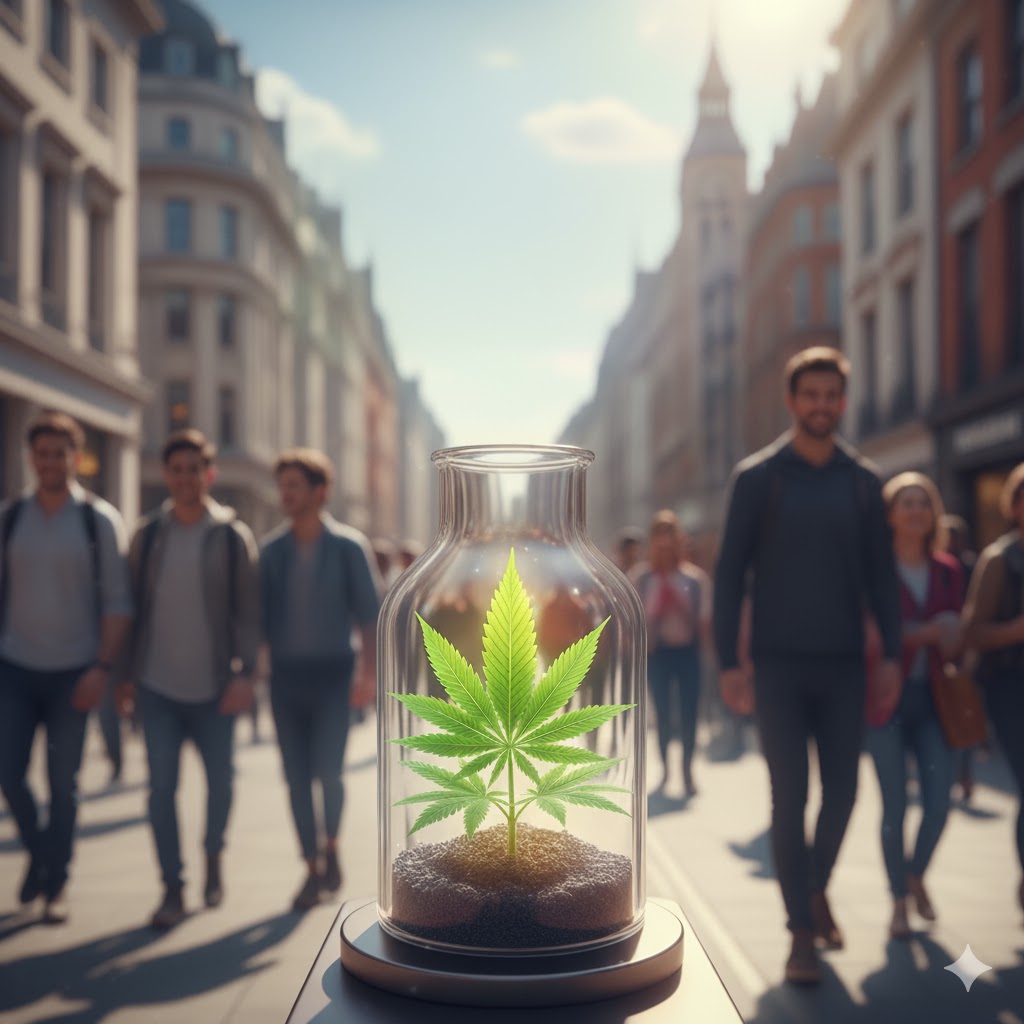
For decades, the three letters “THC” were synonymous with controversy in the UK. Associated with illegal cannabis use and social deviance, tetrahydrocannabinol was framed as a dangerous substance rather than a potential wellness compound. But today, a quiet cultural revolution is taking place. Across the country, conversations about THC are no longer whispered in underground circles — they’re happening at dinner tables, health podcasts, and wellness events.
This transformation reflects a broader generational shift in how Britons understand health, recovery, and pleasure. As the conversation matures, THC is starting to be viewed less as a threat and more as a tool — one that, when used responsibly, can intersect with self-care, mindfulness, and even rehabilitation.
From counterculture to mainstream wellness
While CBD paved the way for cannabis-based wellness in the UK, THC is now taking cautious steps out of the shadows. Part of this shift is fueled by global influences — particularly from North America, where cannabis legalization has normalized the idea of controlled THC consumption.
In the UK, products such as Puffy’s THC gummies have entered the conversation as examples of a more sophisticated and transparent approach to cannabis-derived goods. Unlike old stereotypes tied to smoking or recreational abuse, these edible products are being discussed within lifestyle contexts — relaxation, creativity, and even emotional balance.
This reframing has resonated strongly with younger adults who grew up during the “CBD boom” of the late 2010s. For them, THC is not a forbidden thrill but another compound with specific effects and potential benefits, especially when it comes to managing stress or supporting recovery.
The delicate balance: THC and recovery
One of the most intriguing — and debated — aspects of this new conversation is THC’s role among people in recovery. Traditionally, substance recovery programs have promoted total abstinence. But newer perspectives, often informed by harm reduction models, suggest that certain controlled cannabis products could play a supportive role for some individuals.
This doesn’t mean replacing medical treatment or therapy — far from it. Rather, it’s about recognizing that human recovery is complex and deeply individual. Some recovering individuals report that microdosed THC edibles help them reconnect with their bodies, manage cravings, or find relief from anxiety.
However, experts remain divided. While some addiction specialists see potential in non-smoking THC formats like gummies, others warn that substituting one psychoactive substance for another can be risky. The key lies in responsible use, medical guidance, and transparency in product formulation — something brands like Puffy emphasize through lab-tested consistency and clear dosage labeling.
A growing cultural acceptance
Beyond health, the cultural attitude toward THC in the UK is softening. From London supper clubs pairing THC-infused mocktails with meditation sessions, to artists openly discussing how THC sparks creative flow, there’s a sense that cannabis has entered the mainstream aesthetic.
At the same time, discussions about ethics and accessibility are expanding. Should THC be available for those struggling with chronic pain or trauma recovery, even if recreational cannabis remains illegal? Is the UK missing an opportunity by lagging behind countries that are already regulating and taxing THC products?
These are no longer fringe debates — they’re shaping public policy, journalism, and social media discourse alike.
What’s next for THC in the UK
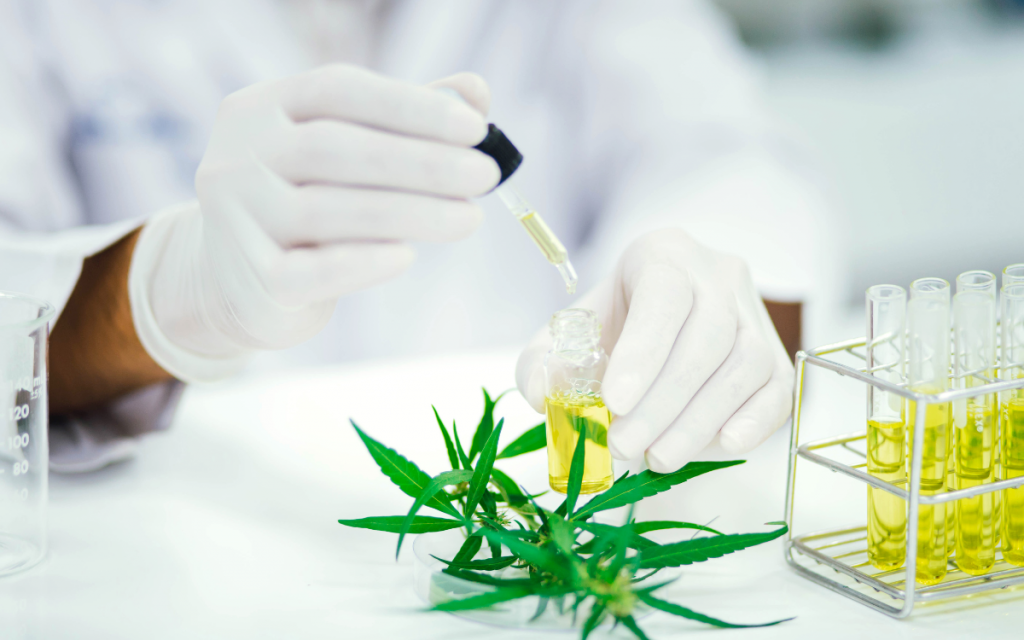
The evolution of THC’s image in Britain is far from over. Legal restrictions remain strict, but public sentiment is shifting toward nuance rather than prohibition. As research continues and personal stories emerge, the British relationship with cannabis may finally mature into something more informed, empathetic, and culturally relevant.
The next few years will likely bring increased demand for education — not about what THC is, but how it fits into modern wellness, creativity, and recovery journeys.
In this emerging space, brands like Puffy illustrate a wider trend: products that blend scientific rigor with cultural awareness, making the conversation about THC less about rebellion and more about responsible evolution.
The UK’s view on THC is evolving from suspicion to curiosity, from stigma to self-awareness. Whether in recovery circles, wellness communities, or artistic spaces, the narrative is changing. THC is no longer just a molecule tied to cannabis — it’s a mirror reflecting how society’s understanding of health, autonomy, and pleasure continues to transform.