Category: Sport

  • Football Gifts That Fans Actually Want to Receive

    Football Gifts That Fans Actually Want to Receive

    Thinking of the perfect gift for a football fan should be easy – but when you’re standing there at the moment, it gets complicated. Unfortunately, many football supporters have a favourite team, an attached player they follow, and specific items that they want to wear to show their affiliation. Generic items from the local supermarket or unnecessary merchandise with a club logo are hardly ever appreciated.

    Yet when the mind is on the right path, gifting football paraphernalia becomes something fans will constantly use, enjoy and treasure. It’s all about distinguishing between what fans tolerate as gifts and what they’ll rave about.


    What Really Matters to Real Fans

    The problem with football fans is that they’re a bit finicky – not in a complicated way – but in a way that lends to their passion. They know the difference between current kits and last season’s offering. They have actual players they want the name of on the back. They care about sizing, worth, and how it will look while wearing it at the pitch or the pub.

    It’s important to note because this means that sometimes the best gifts are not the flashiest or most expensive options but rather something that meets their needs. A shirt that shows thought and consideration trumps a “fan pack” of sorts any day. Fans desire items representative of how they really are with their clubs – not proving they like a team, but what their loyalties truly mean.


    Why Football Shirts Remain Number One for Most Fans

    There’s a reason that shirts rank as the number one wish from fans. They’re visible items that gain daily use, getting worn again and again. Quality football shirts become a staple in someone’s rotation, whether for match day, a casual Saturday, or loungewear at home. Compare that to one of those decorative items that gets shelved or a novelty gift that gets one-time use.

    Yet giving the right shirt is complicated. Fans generally have their current home kit already; you’re left searching for away kits, third kits or the vintage one they’ve been eying. But for Premier League supporters, sites like https://www.soccerlord.se/product-category/premier-league/ boast all current kits available across the board which helps narrow down what’s specifically desired rather than what’s in stock at a sports store.

    The best thing about gifting shirts is that fans rarely purchase for themselves every option they’d like to have; often it’s about budget constraints that limit them to one shirt per season (maybe two). Thus there always exists potential for givers to contribute what would not otherwise be purchased for themselves but would certainly be worn.


    Nailing Down the Details

    Size is always a concern – but not as much as you’d think. Most fans wear similar sizes in football shirts as they do in casual shirts. If you’re ever in doubt, check what they already wear – what they currently boast in their line-up of shirts will tell you everything you need to know. Generally, current kits are slimmer than older versions; however, sticking with what they usually wear is always safe.

    Names on the back also establish meaning – but only if you’re confident about who they’ll care to rate. Some fans love having a specific name and number on their back. Some prefer blank shirts so they don’t appear out of date when a player transfers teams. Both are perfectly valid approaches; it ultimately depends on the individual. If all else fails, blank is always safest – a plain shirt works every time.

    Colors are more important than most people think. Not every fan wants to boast a bright yellow t-shirt with a fluorescent pink design, even if that’s their team’s third kit this season. The home kit usually offers the best color combination; away kits and third kits are good if they’re more aligned with fans’ personal tastes. Think of what they actually wear on a casual day.


    Beyond Shirty Options

    Retro kits and vintage pieces have become wildly popular amongst supporters who want something different from the crowd. Old school memorabilia from seasons past typically looks better than what’s out now anyway – and carries sentimental value. This works wonderfully if the fan has everything from the current era but no connection to nostalgia.

    Training gear and pre-match materials fall into the arena of practical official merch and casual clothing. Jackets, hoodies and track tops with low-key branding get worn all the time because they’re comfortable yet boast some team loyalties without being too gaudy – which some fans prefer.

    Scarves aren’t as popular as you’d think – mostly due to climates across the world – yet they’re traditional, capture great photos at matches, and are one of the very few pieces you can give where sizing doesn’t matter. A well-made scarf in team colors works for literally any supporter.


    What To Stay Away From

    Novelty items always seem fun in the gift shop but rarely get much use. Funny socks with puns about football, quirky mugs with football-related silly graphics or inaccessible gadgets shaped like soccer balls end up tossed in drawers (or better yet – donated). Fans smirk when they open these presents – but never truly value them later on, so don’t waste your time gifting something they’ll likely never use.

    Generic merchandise without any effort also falls flat. A mug that says “World’s Best Fan” or keychain with some random graphics doesn’t show any real comprehension of their passion whatsoever. Fans want items affiliated with their teams, connected to specific programs and what they’ve invested into fandom.

    Hastily made knock-offs are clear as day and disappointing. Everyone can spot cheap quality which assumes that you never cared enough to find something better for them. You don’t need to spend a fortune; you just need to find something that seems like it will last through more than one wash.


    Making Gift Cards Work When Stuck

    Occasionally you might truly have no clarity on specifics – wrong size options, unsure what kit they’d like next, uncertain of their current pride-in-ownership. Gift cards get a bad rap for being uninspired; however, for football fans they’re often considered appreciated. Giving someone the chance to choose their exact shirt, sizing considerations and whether they want anything on the back eliminates any guesswork.

    The best part is accompanying the gift card with something small yet personal to show you actually put thought behind it all – the idea of giving them power to choose means you sympathized with what matters to them. Perhaps gift them a team scarf with the card, or give them the framed photo of their team’s stadium.


    The True Victory

    The best football gifts have one thing in common – they establish respect between you and the gift recipient based on what matters to them – legitimately – them supporting a certain team and how they’ve chosen to get involved with fandom based on that interest. Whether it’s a specific kit they’ve been waiting for or something vintage connecting directly with sentimentality next to quality gifts they’ll use constantly: The appreciation lies in effort over expense.

    When they’re successful recipients are never gifted team merch; instead, they’re given something bolstering who they are that’s connected deeply with who they’ve become passionate about – incredible football gifts only deliver when they’re done right!


  • The Coolest Winter Adventure: Train as a Ski Instructor Abroad

    The Coolest Winter Adventure: Train as a Ski Instructor Abroad

    Have you ever wondered what it’s like to turn your love for snow and adventure into a career? If you’ve been asking yourself, “How can I become a ski instructor and work abroad?”, this is your sign to make it happen. Training as a ski instructor overseas isn’t just about mastering the slopes. It’s about discovering new places, meeting like-minded people, and creating a lifestyle that most only dream about. Let’s break down everything you need to know about starting your ski instructor journey abroad.


    Why train as a ski instructor abroad?

    If you’re searching for a career that feels more like an adventure, ski instructor training ticks every box. Here’s why thousands of people each year head overseas for their courses:

    • Travel with purpose: Instead of a regular holiday, you’ll spend your time learning, progressing, and building a skill set that could take you around the world.
    • International certifications: Training programs abroad often offer globally recognised qualifications, meaning you can teach in Canada, Japan, Europe, and beyond.
    • Meet incredible people: You’ll train alongside others who share your passion for skiing and adventure, creating lifelong friendships.
    • Unforgettable memories: From early morning powder sessions to après-ski nights in cozy mountain bars, it’s an experience that stays with you forever.


    Where can you train as a ski instructor?

    One of the biggest questions people ask is, “What’s the best country to do a ski instructor course?”

    Here are some top destinations for aspiring ski instructors:

    1. Canada – Known for its friendly culture and world-class resorts, Canada is a favourite for first-time instructors. Courses with organisations like the Winter Sports Company offer Canadian Ski Instructors’ Alliance (CSIA) certifications, highly respected around the globe.
    2. New Zealand – Perfect for those who want to train during the northern hemisphere’s summer. You’ll enjoy breathtaking views, professional training, and a vibrant ski culture.
    3. Japan – Famous for its deep, dry powder, Japan is a paradise for serious skiers. It’s also a great option if you’re looking for cultural immersion alongside your course.
    4. Europe (France, Austria, Switzerland) – If you dream of classic Alpine charm, Europe offers top-tier resorts and the chance to work within some of the most established ski schools in the world.


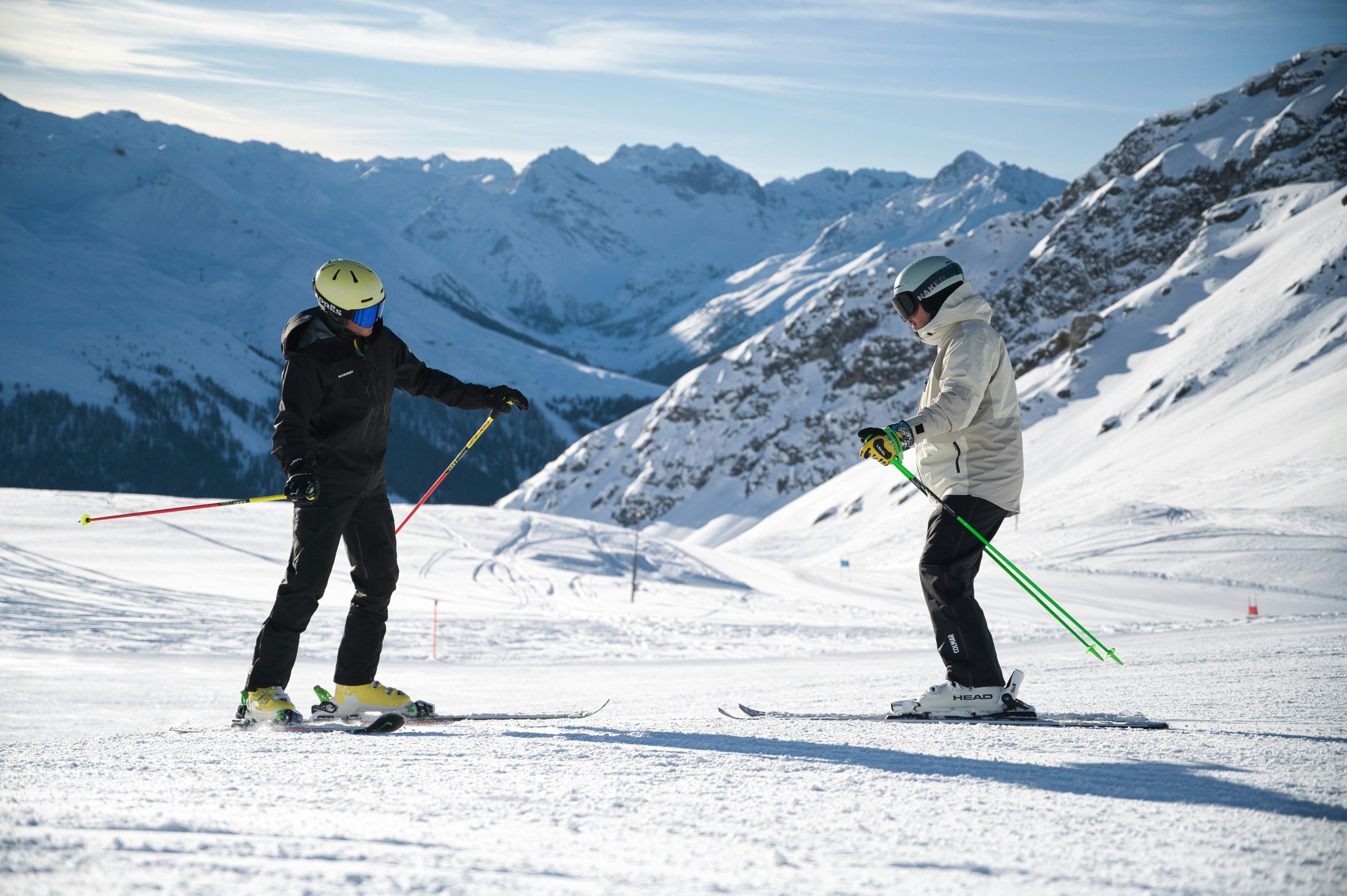
    Ski Instructor Abroad


    What qualifications do you need?

    You don’t need to be an expert skier to start, just confident on the slopes and willing to learn. Most instructor training programs include:

    • Technical skiing or snowboarding lessons
    • Teaching methodology and class management
    • Avalanche and mountain safety awareness
    • Shadowing professional instructors
    • Certification exams (like CSIA, BASI, or NZSIA levels)

    The Winter Sports Company, for example, offers courses that combine all of these with accommodation, lift passes, and even job placements once you qualify.


    Ski Instructor Abroad


    How long does it take to become a ski instructor?

    That depends on the program you choose. If you’re wondering, “Can I become a qualified ski instructor in one season?” – the answer is yes!

    Typical training options include:

    Many programs also include guaranteed job placements, meaning you can go straight from training to teaching on the slopes.


    Who can join a ski instructor course?

    Anyone with a passion for snow and adventure! Whether you’re:

    • A gap year student looking for an unforgettable experience before university
    • A career changer seeking a new challenge
    • A retiree finally ticking off a lifelong dream
    • Or simply someone who loves skiing and wants to take it to the next level

    There’s a course that suits your goals and ability.


    Ski Instructor Abroad


    Is it worth the investment?

    It’s natural to ask, “Is a ski instructor course worth the money?”

    While the cost might seem high upfront, it’s important to look at what’s included. Accommodation, meals, lift passes, professional instruction, and sometimes even job support.

    Beyond the tangible benefits, you’re investing in:

    • A globally recognised qualification
    • A lifestyle filled with travel and adventure
    • Confidence, independence, and lifelong friendships

    It’s hard to put a price tag on that kind of transformation.


    Ready to hit the slopes?

    If you’ve been dreaming of swapping your office chair for a mountain chairlift, there’s never been a better time. Training as a ski instructor abroad gives you the skills, confidence, and connections to carve your own path – literally.

    To find out more about ski instructor courses in Canada, New Zealand, and beyond, check out The Winter Sports Company. They offer comprehensive training programs with guaranteed job placements and world-class coaching, everything you need to kickstart your snow-filled adventure.

    So, what are you waiting for? Pack your skis, grab your passport, and get ready for the coolest career move you’ll ever make.


  • From Park Paths to Race Day Routes

    From Park Paths to Race Day Routes

    Triathlon cycling is more than a simple transition from casual riding to competitive racing. It involves selecting the right equipment, refining technique, and structuring training in a way that maximises performance across multiple disciplines. Choosing the right triathlon bike is a significant step, and understanding how to progress from recreational cycling to serious racing can set the foundation for success. With the right approach, triathletes can find themselves well-prepared for race day challenges.


    The Evolution of Triathlon Cycling

    Triathlon bikes differ from standard road bikes in several key ways. The most obvious is their geometry. Tri bikes position riders in a more forward stance, with steeper seat tube angles that place the body weight over the bottom bracket. This position is intended to help save energy in the legs for the run portion that follows.

    Aerodynamic frames with specially shaped tubes are designed to cut through the air more efficiently. Over the past two decades, these specialised machines have undergone notable progress. Early models were often modified road frames with clip-on aerobars.

    Today, purpose-built triathlon bikes feature integrated designs where everything from the handlebars to the water bottles is designed to reduce drag. Technological advancements have also made triathlon bikes more widely available. Manufacturing innovations have helped lower the cost of carbon fibre frames, while entry-level models now incorporate many features once reserved for professional equipment. The popularity of triathlon continues to grow, with more athletes seeking specialised equipment for their training and competitions.


    Finding Your First Triathlon Bike

    Budget considerations play an important role when selecting a triathlon bike. Beginners might start with entry-level aluminium models, while enthusiasts often spend more for mid-range carbon options. Professional-grade machines can be significantly more expensive, especially with electronic shifting and premium wheelsets.

    One common debate for newcomers centres on purchasing a dedicated triathlon bike or modifying a road bike. Road bikes remain the best all-rounders for daily use and group rides, yet triathlon bikes offer a race-specific advantage. Many new triathletes opt for clip-on aerobars because they can convert a familiar road bike into a more aerodynamic setup with a modest investment.

    First-time buyers should focus on essential features rather than getting distracted by extras. A comfortable aero position, reliable shifting, and durable components matter more than electronic gadgets or ultra-lightweight parts that add cost without proportional benefits for beginners. The best bikes for triathletes balance core features with reasonable pricing, ensuring a smoother entry into the sport.

    Common mistakes often stem from misunderstandings about fit and component prioritisation. Purchasing a bike with overly aggressive geometry can cause discomfort or back pain during longer races. Choosing the right fit ensures a better experience and supports gradual progress towards bigger race goals.


    Key Triathlon Bike Components

    Aerodynamic frame design stands as perhaps the most distinctive feature of a triathlon bike. These frames use specially shaped tubes with teardrop are intended to reduce drag. The difference between an aerodynamic frame and a standard road frame may help riders save valuable time during the cycling leg.

    Integrated hydration and nutrition storage systems have become standard on modern triathlon bikes. These include frame-mounted water bottles positioned to minimise wind resistance, between-the-arms hydration systems, and special compartments for energy gels and bars. These integrations allow athletes to refuel without breaking their aerodynamic position.

    The debate between electronic and mechanical shifting systems continues among triathletes. Electronic systems offer precise, reliable shifting with minimal maintenance, though at a higher price point. Mechanical systems provide good performance at a lower cost and are easier to repair in remote locations. Disc brakes have gained popularity for their consistent stopping power, while rim brakes remain lighter and easier to maintain.


    Fitting and Positioning

    Professional bike fitting is one of the smartest investments a triathlete can make. Beyond comfort, proper fitting helps prevent injuries that can disrupt training and ensures efficient power transfer. A detailed fitting session may require an additional expense but can transform the riding experience.

    Triathlon positioning differs greatly from road bike setups. The forward-rotated pelvis and lower torso angle create a more aerodynamic profile but require good core strength and flexibility. This position is intended to reduce frontal area while allowing the rider to save leg muscles for the following run segment.

    The result of a proper fit extends beyond comfort and leads to better performance. A carefully optimised riding position may help improve power output and reduce aerodynamic drag, translating into more efficient cycling and improved endurance on race day.


    Training Progression for Triathlon Cycling

    Building a structured training plan helps transition from casual riding to focused triathlon preparation. Beginners can aim for steady endurance rides of moderate duration, gradually increasing time and introducing intervals as fitness improves. Starting with familiar park loops before moving to routes that mirror race conditions helps prepare mind and body.

    Brick workouts, which combine cycling immediately followed by running, play an important role in triathlon training. These sessions help the body transition between disciplines and adjust to running on fatigued cycling legs. Starting with short combinations provides the foundation for race-specific preparation.

    Race day preparation includes a thorough bike check before the event. This inspection should cover tyre condition, brake function, shifting accuracy, and all bolts and fasteners. As training volume increases, recovery strategies become even more important. Active recovery rides at very low intensity are often used to increase blood flow and support muscle repair, ensuring consistency in training.


    Staying Focused on Long-Term Progress

    Every triathlete progresses differently, but staying consistent with training and refining technique leads to steady improvement. The combination of a well-chosen triathlon bike, proper fitting, and smart training provides a strong foundation for success. As athletes progress, upgrading components or investing in one of the best triathlon bikes can further enhance performance, especially as race distances increase.

    Preparing for Your Next Race

    Reaching new milestones in triathlon cycling is a rewarding process that combines equipment, training, and discipline. Investing in the right bike, refining riding position, and sticking to a structured plan all contribute to a better racing experience. Whether preparing for a first sprint event or an Ironman, consistent practice ensures athletes can face the challenge with confidence. Now is the time to assess your goals and take the steps that will set you up for success on race day.


  • Beginner’s Guide: How To Get Started With Traditional Archery

    Beginner’s Guide: How To Get Started With Traditional Archery

    Many individuals today are trying their hand at traditional archery. They want to experience this sport just as their early ancestors did. While today’s bows are more advanced, they provide a similar experience. New archers and those with years of experience should give traditional archery a try. They just might fall in love. 

    The Basics

    One reason a person might want to try traditional archery is that it is relatively inexpensive to get started. This sport is also very forgiving. A person can pick from among the many Bob Lee Bows, invest in arrows, pick a target, and begin practicing. Longbows and recurve bows are the most common.

    Individuals often start with a longbow because they are easy to learn. A person can shoot accurately in very little time because the bowstring never makes contact with the bow’s limbs. Recurve bows hit the limbs as the arrow is released, so it takes more time to learn to shoot accurately. Recurve bows have more speed and power, but longbows are quieter and stealthier, so this should be considered when making a purchase. 

    Optional Accessories

    A person might want to invest in accessories, but they don’t need to. Experts recommend purchasing a quiver to hold the arrows, and they are affordable. An arm guard is helpful to protect the arm as you are learning the sport. A bow string makes it easy to string and unstring the bow while reducing the risk of breaking the bow. Consider purchasing a glove or a leather pull-tab to protect the fingers during hours of practice.  

    Choosing a Bow

    Start with a bow with a light draw weight, around 20 or 25 pounds, and focus on perfecting your form. The light weight of the bow makes it easy to practice for hours without tiring. Some people buy the heaviest bow they can lift only to find it challenging to master. Consider upgrading to Flemish strings as they are smoother, and the bow will be quieter when shot. 

    Taking Aim

    Many techniques may be used when aiming a bow without a sight. New archers typically stick with instinctive and gap shooting. With instinctive shooting, you look straight ahead and let the arrow fly. Gap shooting involves using the tip of the arrow to judge a target’s distance. However, string walking is an option to consider as your skills advance.

    Arrows

    Wooden arrows are preferred in traditional archery, although some archers choose other types. The biggest problem with wooden arrows is a lack of consistency, unless you are willing to spend more for quality ones. Consider carbon and aluminum arrows when starting. 

    Spine refers to the flex of the arrow when it is shot. Lower spine numbers mean stronger arrows, so a 600 spine arrow offers more flexibility than a 400 spine version. The choice of spine depends on the bow’s draw weight and the user’s draw length. The weight of the field points is also a consideration. Talk with the bow provider to see which arrow they recommend for the selected bow. 

    This guide only provides a very general overview of traditional archery. However, it is a good starting point for people who are new to this activity. With practice and experience, you will increase your skill level and can upgrade the bow, arrows, and accessories. However, you can have fun with the basics and will enjoy learning this new activity. 


  • Gameday Style: Crafting the Ultimate Team Look

    Gameday Style: Crafting the Ultimate Team Look

    In sports, unity isn’t just built in the locker room—it’s worn on the field, court, or rink. A team’s look isn’t just about matching uniforms; it’s about identity, pride, and presence. Whether it’s high school basketball, a community football squad, or a rec league hockey team, your appearance on game day sets the tone before the whistle even blows.

    A sharp, coordinated team look boosts confidence, intimidates the competition, and fires up the crowd. In fact, a study by Frontiers in Psychology showed that athletes who wore uniforms they identified with had improved performance and increased motivation. 

    Bottom line: how you look affects how you play.


    Start With the Right Jersey

    The jersey is the centerpiece of any team look—it’s what fans buy, players sweat in, and photographers capture. Choosing the right one is about blending style, function, and team personality.

    Key factors when picking your jersey:

    • Material: Breathable, sweat-wicking fabrics like polyester mesh keep players comfortable

    • Cut: Consider movement—loose enough for mobility but fitted enough for structure

    • Color scheme: Choose bold, contrasting colors for visibility and impact

    • Font and numbering: Clear, readable, and durable print for names and numbers

    • Customization options: Add logos, patches, or even player nicknames

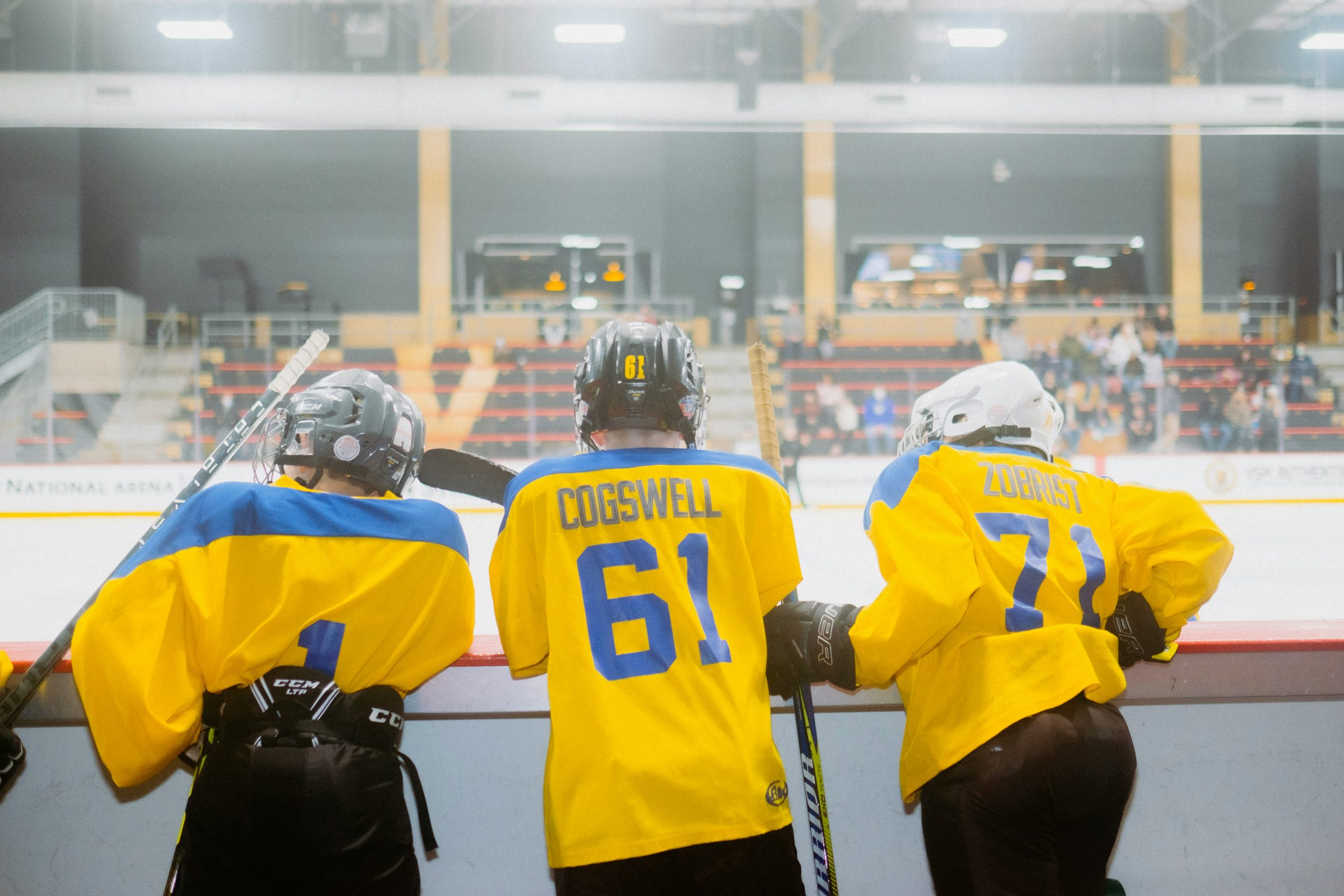
    If you’re building a look for the ice, go all-in with custom hockey jerseys that offer warmth, durability, and team flair. These jerseys are built to handle physical play while showing off your team’s identity in bold detail.


    Coordinate Gear Across the Board

    A killer jersey is just the start. To complete the look, the rest of the gear needs to follow suit. Cohesiveness creates that jaw-dropping “whoa, they look ready” moment when your team walks in.

    Build out your uniform with:

    • Matching shorts or pants in the same fabric and color family

    • Team socks with stripes, logos, or colors that pop

    • Warm-up jackets or hoodies with embroidered team names or slogans

    • Hats, beanies, or helmets (where applicable) featuring logos or initials

    • Team bags or backpacks that unify your look off the field too

    Little things matter. Even matching water bottles or sideline towels can make your squad look dialed in and game-day ready.


    Don’t Forget the Sideline Look

    Your bench and coaching staff are just as much a part of the team image as the players on the field. When coaches and subs look sharp, it reinforces professionalism and unity.

    Sideline essentials include:

    • Branded polos or jackets for coaches

    • Matching tracksuits or warm-ups for substitutes

    • Staff lanyards, hats, or visors in team colors

    • A custom team banner or flag for your bench area

    Think of your sideline as a second stage—it’s where your fans look when the action pauses. Make it count.


    Add Personal Touches That Build Culture

    The best teams have more than just matching gear—they have a vibe. Consider adding personalized elements that highlight each player’s individuality while maintaining a cohesive look.

    Fun add-ons include:

    • Patches for team achievements or years of service

    • Nickname prints on warm-up shirts

    • Custom socks or armbands for captains

    • Pre-game rituals involving shared gear (like team-colored shoelaces or wristbands)

    When players feel connected to their look, they carry themselves with more pride and confidence—and it shows on the field.


    Keep It Game-Ready and Durable

    Looking great is one thing—keeping that look intact through sweat, mud, and tackles is another. Choose high-quality materials that can handle regular washing and intense wear. Reinforced stitching, colorfast printing, and breathable mesh panels all help your gear last the season and beyond.

    Pro tip: order a few backup jerseys in popular sizes for emergencies—nothing breaks the team look faster than a player in the wrong kit.


    Final Thoughts

    A great team look isn’t just about aesthetics—it’s a symbol of unity, preparation, and pride. From custom hockey jerseys to coordinated sideline wear, every detail adds to the culture and presence of your squad.

    So whether you’re gearing up for a championship run or just want to bring more fire to the field, invest in the look—and let the results speak for themselves. Because when you look like a team, you play like one.

  • Weekend-Friendly Pursuits for Those Who’d Rather Skip the Gym

    Weekend-Friendly Pursuits for Those Who’d Rather Skip the Gym

    Many people want to stay active without signing up for fitness classes or stepping into a gym. If that sounds familiar, the good news is there are plenty of enjoyable ways to move that don’t involve lifting weights or running on a treadmill. You can stay fit while doing something fun, outdoors, and even social. It’s all about finding activities that make movement feel natural rather than forced.

    The UK has a variety of weekend-friendly pastimes that encourage physical activity without requiring high intensity or technical skill. Whether you prefer fresh air, relaxed competition, or something completely new, there’s something worth trying that’ll get you out and about.


    Woodland Walks & Nature Trails

    Local nature trails are ideal for light but consistent physical activity. Forests, canal paths, and countryside routes are accessible in nearly every region. Most don’t require special footwear or gear, and you can go solo, with a friend, or join local walking groups.

    This kind of low-pressure movement is good for both the body and the mind. It provides an escape from screens while gently improving mobility and cardiovascular health. Some trails feature gradual inclines and terrain changes, which can give muscles a gentle challenge without overexertion.

    Checking out National Trust trails, Areas of Outstanding Natural Beauty, or even urban greenways can give you a sense of achievement without the gym environment. Many councils and walking organisations offer free maps and route ideas, so it’s easy to get started.


    Golf Without the Sweat: A Surprisingly Social Hobby

    Golf doesn’t require intense cardio, but it involves a fair amount of walking and coordination. A single round involves several kilometres of walking, often across varied ground. It’s a sport where fitness builds through repetition rather than exertion. Golf has become a go-to weekend option for people looking to combine physical activity with social time.

    Walking the course while enjoying the quiet and participating in some light competition offers more movement than people expect. It doesn’t feel like exercise in the traditional sense, but the effort adds up. Flexibility, focus, and patience improve the more you play.

    Carrying a full bag of clubs can be tiring, especially over longer courses. That’s where small upgrades make a difference. Using an electric golf cart can help streamline the experience for those playing regularly or looking to reduce strain. Many golfers now choose an electric or motorised golf trolley to manage the physical load while keeping the activity enjoyable. It’s useful if you have joint concerns or prefer focusing more on the game than the gear. These trolleys are increasingly common and easy to operate, even for those new to the sport.


    Golf Cart


    Urban Alternatives: Ping Pong, Padel & Pickleball

    There’s been a noticeable rise in small-court social sports that require minimal kit and can be played quickly. Table tennis, padel, and pickleball have popped up across cities and towns in the UK. They’re light-hearted yet active ways to spend a weekend afternoon, and they suit all fitness levels.

    These activities promote coordination, fast footwork, and balance. Because the courts are compact, you never feel overwhelmed. Games are short, and you can rotate in and out easily if playing with friends.

    Urban clubs often host social sessions where equipment is provided, so it’s easy to give it a go without needing to invest. Some leisure centres and local pop-up events also run low-cost try-out sessions, though regular players often prefer modular pickleball backpacks for organizing their own gear.


    This kind of casual setup attracts people who want movement without strict commitment. The atmosphere tends to be friendly, which helps build confidence if you’re new. Over time, reflexes and stamina improve naturally, just from regular play.

    Padel


    Paddleboarding, Cycling & Easy Outdoor Wins

    Water-based and wheeled activities offer a different way to stay active without needing a gym. Paddleboarding, for example, provides core engagement and balance without high joint stress. It’s become widely available through rental stations, especially during warmer months. Lakes, rivers, and coastal areas often offer lessons or casual hire services.

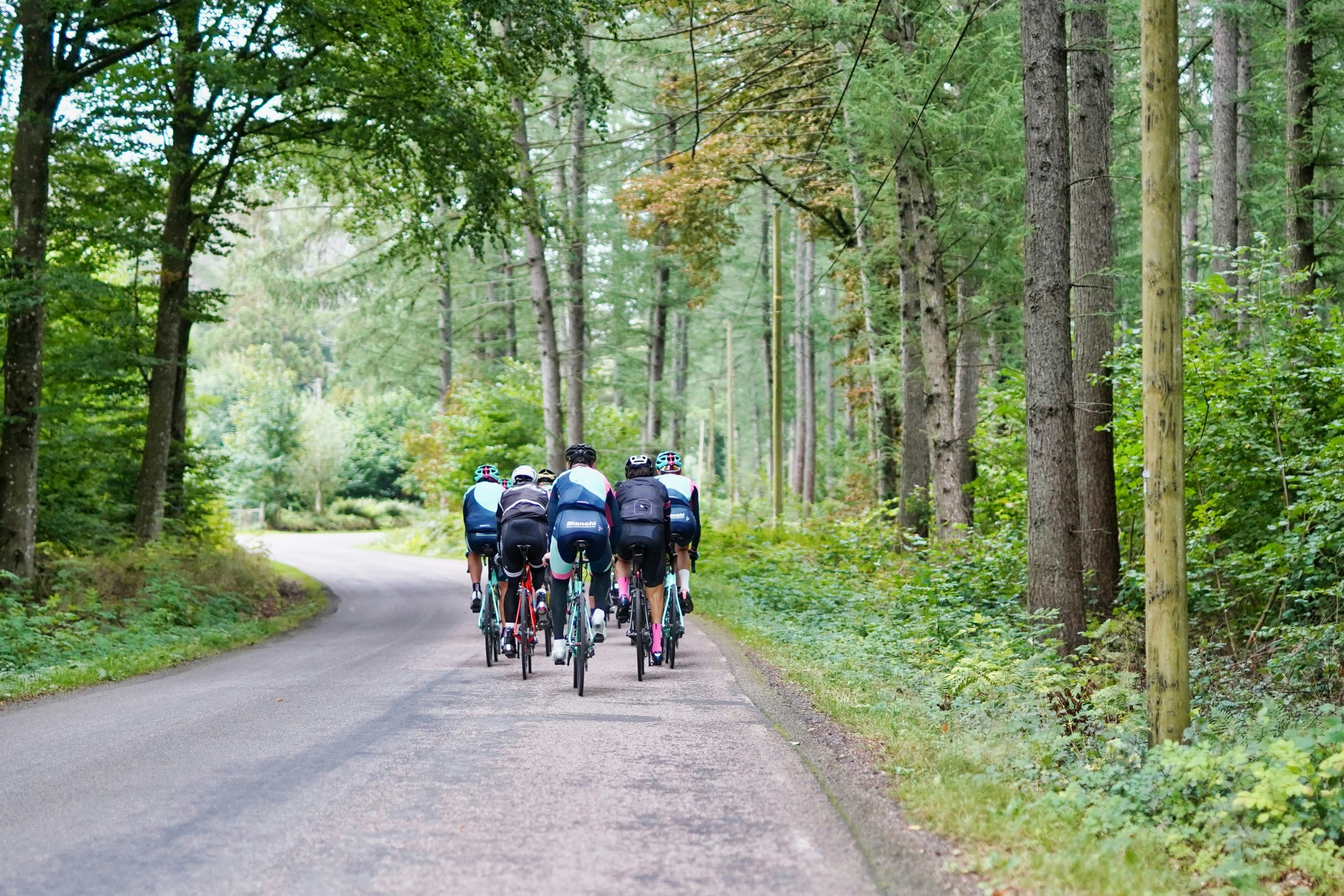
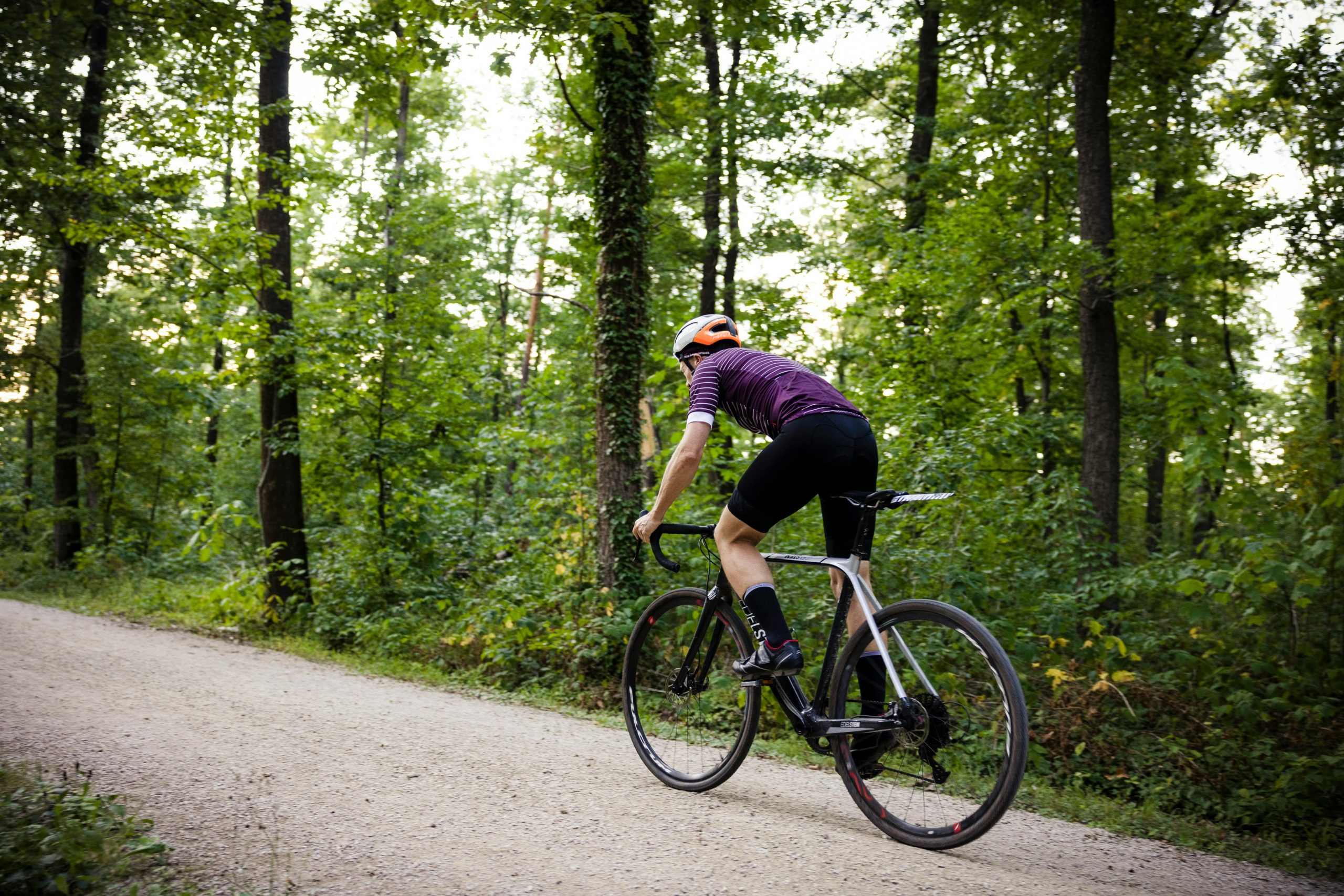
    For those who prefer to stay dry, cycling remains a weekend favourite. With the growth of traffic-calmed routes, canal paths, and cycling infrastructure, it’s easier than ever to explore your local area or travel further without needing to join a club.

    Even a short ride offers cardiovascular benefits and strengthens the lower body. Pacing can be adjusted to suit your comfort level, and you can make it social by joining local cycle groups that offer beginner or no-drop rides.

    The key with both of these is flexibility. You don’t need to commit to a full-day adventure to enjoy the benefits. Short sessions are enough to lift your energy levels, increase endorphins, and add a bit of adventure to the weekend.

    Paddleboarding


    Try Something Active Without Making It a Chore

    Moving your body doesn’t always mean structured exercise. There are countless ways to stay active over the weekend without forcing yourself into routines that don’t suit you. Choosing hobbies and pursuits that naturally include motion can help keep your energy up, support mental wellbeing, and add something new to your free time.

    You don’t have to pick just one either. Mixing outdoor walks with golf one week, then paddleboarding or a quick cycling loop the next, keeps things varied and fun.

    If you’re looking to ease into activity without pressure, these types of pastimes offer a balance of movement, social connection, and freedom. Whether you’re after calm, adventure, or light competition, there’s something out there that doesn’t require a monthly membership or crowded fitness centre.


    Keep Active Without the Pressure

    Trying new things is easier when they feel manageable. Activities like golf, paddleboarding, walking trails, and small-court sports are all flexible options that support better health without becoming a chore. These pursuits can naturally slip into your weekends and leave you feeling better without strict routines.

    Consider what fits your lifestyle, energy levels, and available time. You might be surprised at how quickly small actions build into lasting benefits. Get outside, move in ways that suit you, and make the most of your weekends without stepping into a gym.


  • Underdog Stories: Football’s Greatest David vs Goliath Moments

    Underdog Stories: Football’s Greatest David vs Goliath Moments

    Football is more than just a game. It’s a theatre of passion, unpredictability, and, above all, hope. While powerhouse clubs and national teams often dominate headlines, it’s the underdog stories that stay etched in the hearts of fans. These moments remind us that in football, as in life, dreams can defy logic, and the impossible becomes unforgettable. Here’s a look at some of the most iconic David vs Goliath moments in football history — tales of grit, heart, and sheer determination.

    1. Greece’s Unbelievable Triumph – Euro 2004

    Background:
    Heading into Euro 2004, Greece were 150-1 outsiders. With no real footballing pedigree and only one previous Euro appearance in 1980, few gave them a second thought. Coached by the stoic German Otto Rehhagel, the team was a collection of largely unheralded players. They lacked flair, but had discipline, unity, and belief.

    The Journey:
    Greece opened their campaign with a stunning 2-1 win over hosts Portugal, sending a clear message that they weren’t just there to make up the numbers. But even then, few believed they could go far. They scraped through the group stage, and from then on, every match was a miracle.

    The Climax:
    In the final, they faced Portugal again. Lisbon’s Estádio da Luz was electric, expecting a coronation for the hosts. But Greece had other plans. In the 57th minute, Angelos Charisteas soared above the Portuguese defence to head in the winner. As the final whistle blew, the world stood still. Greece had done it. Not with superstars, but with spirit.


    2. Leicester City’s Fairytale – Premier League 2015/16

    Background:
    At the start of the 2015/16 season, Leicester City were 5,000-1 to win the Premier League. The previous season, they had barely avoided relegation. Under the management of Claudio Ranieri, expectations were modest. Most predicted another relegation battle.

    The Ascent:
    But week by week, the Foxes began to rise. Jamie Vardy scored in 11 consecutive games, setting a Premier League record. Riyad Mahrez dazzled with flair, and N’Golo Kanté ran the midfield with relentless energy. As traditional giants faltered, Leicester thrived.

    The Moment:
    On May 2, 2016, when Tottenham failed to beat Chelsea, Leicester were crowned champions. A team of journeymen and cast-offs had conquered the richest league in the world. Fans wept, streets filled with celebration, and the footballing world marvelled at one of the greatest sporting miracles ever seen.


    3. Iceland’s Viking Roar – Euro 2016

    Background:
    With a population of just over 330,000, Iceland was the smallest nation to ever qualify for a major tournament when they reached Euro 2016. Drawn into a tough group and with little tournament experience, few gave them a chance to progress.

    The Roar:
    They finished second in their group, unbeaten, and set up a Round of 16 clash with England — a team steeped in history and talent. England scored first through a Wayne Rooney penalty. But within two minutes, Iceland equalised, and then took the lead. What followed was a defensive masterclass and a collapse by England.

    The Legacy:
    Iceland held on to win 2-1. The Viking clap, their thunderous celebration, echoed across Europe. Their win wasn’t just about football — it was about identity, pride, and the power of belief.


    4. Senegal’s Shock of the Champs – World Cup 2002

    Background:
    In their first-ever World Cup appearance, Senegal were drawn against defending champions France in the opening match of the 2002 tournament. The French side was filled with stars like Thierry Henry, Patrick Vieira, and David Trezeguet. Senegal were unknowns.

    The Upset:
    In the 30th minute, Papa Bouba Diop scored after a scramble in the box. The goal triggered a frenzy, and Senegal held firm for the rest of the match, securing a 1-0 win. The shock reverberated through the world of football. France would go on to be eliminated in the group stage, while Senegal reached the quarter-finals.

    The Symbolism:
    That victory was more than just a win. It was a declaration: African football had arrived, and it would no longer be underestimated.


    5. Wrexham’s Giant-Killing – FA Cup 1992

    Background:
    Wrexham, a team languishing at the bottom of England’s Fourth Division, were drawn against reigning English champions Arsenal in the FA Cup third round. The Gunners boasted stars like Tony Adams and David Seaman, and nobody expected anything other than a rout.

    David Beats Goliath:
    Arsenal took the lead through Alan Smith, but Wrexham didn’t back down. In the 82nd minute, veteran Mickey Thomas curled a free-kick into the top corner. Two minutes later, Steve Watkin bundled in the winner. The Racecourse Ground erupted.

    Aftermath:
    Wrexham’s win remains one of the most cherished FA Cup moments — a symbol of everything the cup competition represents.


    Why We Love the Underdogs

    These stories transcend football. They resonate because they’re about more than goals and tactics — they’re about heart, courage, and the unyielding human spirit. They represent the everyman, the overlooked, the underestimated.

    In a world that often celebrates wealth and power, underdog victories remind us that soul and sweat can still prevail. They give hope to fans of small clubs, inspire kids kicking balls in alleyways, and keep alive the belief that anything is possible.

    From Greece’s calculated defiance to Leicester’s romantic whirlwind, these tales breathe life into the beautiful game. And while football betting may favour the giants, it’s these moments — when the script is torn apart — that fans remember forever.

    Because in football, as in life, sometimes David really does beat Goliath.


  • Top 4 Wildest Successful Bets in Sports History

    Top 4 Wildest Successful Bets in Sports History

    If you were to bet with a friend on a coin toss, chances are they wouldn’t be willing to put much on the line. After all, it’s a 50-50 shot—why risk it? But they might just take it if you suggested something ridiculous, like betting that the coin lands on its edge. Why? Because the odds of that actually happening seem laughably low.

    The same kind of thinking drives wild sports bets. Sometimes, people place money on unlikely outcomes, it feels like they must have had insider info—or a time machine they’re not telling anyone about. And yet, those long-shot wagers occasionally hit.

    The examples we’re about to explore aren’t ancient folklore either. These bets happened fairly recently, within your lifetime. You could’ve been the one cashing in if you’d had the guts, the right hunch, a heavy dose of luck, and a sportsbook willing to take your wager.

    So, let’s dive into the wildest successful bets in sports history—because, as you’ll see, sometimes the most absurd bets are the ones that actually pay off.


    Leicester City wins the Premier League (2015-16)

    Early in the 2015-16 season of the Premier League, Leicester City was just one of the teams that made it this year and would be out again next year. The odds on them winning the title were 5000-to-1, which are roughly the same odds you’d get if you bet on Elvis being found alive. So, placing a bet on them was not a bet on an underdog – it was a joke. 

    Nonetheless, as the weeks went by, Leicester kept winning. Anyone can have a lucky game or two, even a lucky streak, so even these wins weren’t seen as much more than a fluke. By the halfway mark, even the skeptics were paying attention, and by spring, the reality started to sink in. 

    A few fans who believed early on saw the opportunity of a lifetime. One of them, who bet £50 on Leicester to win, decided to cash out for £72,000 before the final weeks—still an amazing win, but he left a possible £250,000 on the table. It’s hard to blame him, though. Who could really be sure? You see, the original bet was never about winning money – it was an emotional decision about putting some money on the team you grew up watching. 

    This wasn’t just a win for Leicester—it was a win for sports betting folklore. Every now and then, something so ridiculous happens that it rewrites what we all thought we knew. This was one of those moments.

    Image source


    Mick Gibbs and the 30p miracle bet (2001)

    Mick Gibbs was a roofer from Staffordshire, and he wasn’t exactly throwing stacks of money around. Instead, he placed a 30p accumulator bet (just over half a dollar) on the outcome of 15 different football matches. You’d expect that kind of bet to end in tears or, more likely, just a shrug. Many people visit new UK betting sites 2025 as these sites usually offer betting options across a huge range of national and international leagues, giving punters the opportunity to find valuable games to build their accumulators.

    Each match he picked went his way. He was nailing results left and right across different leagues and competitions, the kind of thing that should only happen in a video game. The final leg of the bet was the 2001 UEFA Champions League Final between Bayern Munich and Valencia.

    That match went to a penalty shootout, and by then, word had already spread about this tiny bet with massive potential.

    When Bayern came out on top, Gibbs walked away with a win worth £500,000. That’s right—half a million pounds from a 30p stake! 

    Most impressively, this wasn’t even his first big win. He’d won £157,000 the year before on another accumulator. But this second one? That’s the stuff of betting immortality. If you could accuse any sports bettor of having a secret time machine… Gibbs would be a strong contender.


    Tiger Woods and the “three majors in 10 years” bet

    Placing a huge bet on Tiger Woods in 2001 wouldn’t be that big of a deal, and it wouldn’t pay that well either. One punter, though, saw something special in him as early as 1996. He put £200 down on Woods winning three major golf championships within ten years. At 50-to-1 odds, it sounded like a long shot.

    However, Woods didn’t need ten years—he did it in four. He claimed the Masters in 1997, the PGA Championship in 1999, and the U.S. Open in 2000. The guy who placed the bet ended up with a cool £130,000, all because he recognized a generational talent before anyone else did.

    You see, some people are professional scouts – it’s their job to recognize talent before anyone else. Well, the potential to earn by having a keen eye for talent goes beyond scouting, and this story proves it.

    Most importantly, let’s not ignore the lesson here: sometimes the craziest bets are just early recognitions of greatness. It’s like hearing a musician for the first time and predicting a great future for them. 


    The Super Bowl streaker who bet on himself (2021)

    During Super Bowl LV, viewers were surprised when a man sprinted onto the field wearing a pink thong-style swimsuit. At first glance, it looked like your typical streaking stunt. But there was something different this time. Word quickly got out that the guy had allegedly placed a bet on the prop line: Will there be a streaker?

    The odds for that were +750, which made it tempting, sure, but also niche. The story goes that Yuri Andrade placed $50,000 on “yes,” split it up across several friends to avoid suspicion, and then ensured the bet would hit… by being the streaker himself. Classic case of taking fate into your own hands.

    He claimed to have won $374,000 after the stunt. However, the sportsbooks caught wind of the scheme, and reports suggest that some payouts were withheld. Still, it happened, and people are still talking about it—mostly with disbelief and a weird kind of admiration.

    While this one’s not as clean as the others, it shows how creative (and absurd) people can get when betting is involved. Moreover, it proves that some folks are willing to risk arrest for a payoff—turns out, the wildest bets are sometimes self-fulfilling.


    Final word

    The best thing about these “wild” bets is that you’re not risking a thing. Some of these bets were under $50, while we discussed one (or two, to be more precise) that were under $1. Sure, your odds of making it are low, but you’re not spending too much either. It’s a low-risk, high-reward, even though your chances of picking up the bag are quite low. On top, just imagine the bragging rights that you would enjoy this way.


  • The Rise of Virtual Sports: A New Era in Betting?

    The Rise of Virtual Sports: A New Era in Betting?

    The world of betting is evolving with the rise of virtual sports, offering a fresh and innovative way to wager on athletic events. These simulated competitions are becoming increasingly popular in sports betting online, particularly among younger bettors who appreciate the convenience and accessibility of around-the-clock options. The advancements in technology have revolutionized how bettors engage with their favorite sports, providing an ever-present opportunity to place bets and enjoy the action, regardless of real-world schedules. The appeal of virtual sports lies in their 24/7 availability, attracting a new generation of enthusiasts drawn to quick and exciting betting experiences.


    What is Virtual Sports Betting?

    Virtual sports betting refers to wagering on simulated sporting events that replicate the excitement of real-life competitions but occur entirely within a digital environment. Unlike traditional sports that are influenced by a multitude of factors, virtual sports use random number generation (RNG) technology to determine the outcomes. This reliance on RNG ensures a level of unpredictability akin to real-life sports while maintaining an artificial yet captivating game structure.

    Popular virtual sports include football, tennis, basketball, and hockey, allowing bettors to engage with their favorite activities in a whole new way. One of the defining features of virtual sports is their availability: they run continuously, 24/7, providing players with constant betting opportunities. This uninterrupted access allows users to experience the thrill of sports betting at any time, regardless of actual sports seasons or events.


    Advantages of Betting on Virtual Sports

    Betting on virtual sports comes with several distinct advantages that cater to a wide range of bettors, particularly those who seek immediacy and convenience. 

      • Instant Betting: One of the significant benefits is the ability to place continuous bets without the wait associated with real sports events. With virtual sports, bettors can engage at their own pace, selecting from an array of options as frequently as they like.
      • Accessibility: The 24/7 availability of virtual sports means that players can enjoy betting whenever they choose. Whether it’s early morning or late at night, the games are always running, making it easy for users to fit betting into their schedules.
      • Fewer External Factors: Unlike traditional sports betting, which can be influenced by injuries, player form, or weather conditions, virtual sports operate without these external variables. This can make betting outcomes more predictable, appealing to those who prefer a straightforward betting experience.
      • Variety of Markets: Virtual sports betting also offers a broad range of betting options, similar to traditional sports. Bettors can wager on match results, total goals scored, and individual player performance, ensuring that the excitement and variety of betting opportunities remain intact. This is especially convenient these days, as multiple websites like https://tribuna.com/en/match/ offer matches live, allowing players to engage with the action in real-time.

    The Appeal of Virtual Sports for Bettors

    Virtual sports have carved out a distinct niche in the betting market, driven by their inherent appeal to a diverse audience.

    Entertainment – The fast-paced nature of virtual sports creates thrilling betting opportunities. The action is rapid, keeping bettors engaged and entertained as events unfold quickly, often within minutes.

    Simplicity – For those new to betting, virtual sports can be easier to understand than traditional sports betting. The mechanics of placing a bet are straightforward, providing an accessible entry point for users who may feel intimidated by the complexities of conventional wagering.

    Potential for Quick Wins – The frequent betting opportunities in virtual sports lead to faster results and quicker returns on wagers. This swift gameplay is attractive to bettors looking for immediate gratification and excitement without the lengthy waits often associated with real-world sports events.


    Virtual Sports vs. Traditional Sports Betting

    When comparing virtual sports to traditional sports betting, several key aspects emerge:


    Aspect Virtual sports Traditional sports
    Betting Availability Operate 24/7, allowing bets anytime Limited to specific event schedules
    Betting Options Simulated events with defined betting markets  Broader range shaped by teams, players, and current forms
    Realism Advanced graphics for digital representation Real-life events with complex team dynamics
    Betting Speed Immediate outcomes, quick turnaround on bets Slower pace, dependent on actual event outcomes
    Addiction Risk Higher risk of addiction due to constant availability Lower risk due to structured event schedules, but still present


    Virtual sports present an interesting betting alternative, offering round-the-clock availability and rapid outcomes, but they also bring increased addiction risks that bettors should consider compared to the more traditional sports betting format.

    The growing popularity of virtual sports has marked a significant shift in the betting landscape, offering new opportunities for engagement and excitement. As technology continues to evolve, virtual sports betting is likely to expand, attracting more players and diversifying the betting experience.

    It’s essential to recognize that outcomes in virtual sports are determined by random number generation (RNG), maintaining an element of chance similar to traditional sports. As more bettors embrace this emerging trend, virtual sports are poised to become a staple in the betting market, appealing to both seasoned gamblers and newcomers alike.


  • Reasons Why You Should Try Snowboarding Today

    Reasons Why You Should Try Snowboarding Today

    Snowboarding is more than just a winter activity—it’s a thrilling sport that combines adventure, skill, and connection with nature. Whether you’re looking for a new hobby, a way to stay active in the colder months, or an exciting challenge, snowboarding offers something for everyone. With its growing popularity and accessibility, there’s never been a better time to strap on a board and hit the slopes.

    In this article, we’ll explore the many reasons why you should try snowboarding, from its health benefits to the unique sense of community it fosters.


    Gear Up with the Right Equipment

    One of the first steps to experiencing snowboarding is gearing up with the right equipment. A well-fitted snowboard, boots, and bindings can make all the difference in your performance and comfort on the slopes. By visiting a snowboard shop in Avon or another reputable location, you can receive expert advice on selecting the perfect gear for your skill level and riding style. Professional staff can guide you through options for snowboards tailored to beginners, intermediates, or advanced riders, as well as help you find boots and bindings that fit comfortably.

    Having the right equipment ensures a smoother learning experience, reduces the risk of injury, and boosts your confidence as you navigate the slopes.


    Enjoy a Full-Body Workout

    Snowboarding is an excellent way to stay active and engage your entire body. The sport requires balance, coordination, and strength, making it a fun and effective workout.

    When you snowboard, your legs work constantly to maintain stability and control, while your core muscles engage to keep you balanced. Your upper body also plays a role in steering and maintaining posture. The combination of these movements helps improve your overall fitness and endurance.

    Snowboarding provides a cardiovascular workout, as navigating down slopes and climbing back up requires sustained energy. It’s a great way to burn calories while enjoying the fresh mountain air.


    Experience the Thrill of the Slopes

    Few activities can match the adrenaline rush of carving through fresh powder on a snowy mountain. The speed, control, and freedom you feel while snowboarding are unparalleled.

    Whether you’re cruising down groomed trails, tackling challenging terrain parks, or venturing into backcountry slopes, snowboarding offers endless opportunities for adventure. Each run is a chance to push your limits, try new tricks, and experience the exhilaration of gliding effortlessly over snow.

    The sense of accomplishment after conquering a difficult run or perfecting a new move adds to the thrill, keeping you motivated to return to the slopes.


    Connect with Nature

    Snowboarding provides a unique opportunity to connect with nature in a way that few other sports can. Being surrounded by snow-covered mountains, crisp air, and breathtaking views creates a sense of tranquility and awe.

    The natural beauty of ski resorts and snowboarding destinations is a big part of what makes the sport so appealing. Riding through quiet, untouched snowfields or along scenic trails allows you to appreciate the serenity of winter landscapes.

    This connection to nature not only enhances your snowboarding experience but also offers mental health benefits, helping reduce stress and promote a sense of well-being.


    Build Camaraderie and Community

    Snowboarding isn’t just a solo activity—it’s a social experience that fosters camaraderie and a sense of community. Whether you’re learning with friends, joining a snowboarding group, or participating in events, the sport provides plenty of opportunities to connect with others.

    The snowboarding community is known for its inclusiveness and welcoming atmosphere. Beginners are often encouraged and supported by more experienced riders, making it easier to build confidence and improve your skills.

    Attending snowboarding festivals, competitions, or group lessons is a great way to meet like-minded individuals who share your passion for the sport. The friendships and memories formed on the slopes often extend beyond the winter season.


    Challenge Yourself and Boost Confidence

    Snowboarding is a sport that rewards persistence and determination. Learning to balance, turn, and navigate the slopes can be challenging at first, but the sense of achievement that comes with mastering these skills is incredibly rewarding.

    As you progress and tackle more difficult runs or attempt tricks in the terrain park, your confidence grows. Overcoming obstacles and pushing yourself outside your comfort zone translates to other areas of life, fostering resilience and self-assurance.

    Snowboarding also teaches patience and perseverance, as improvement often requires practice and dedication. Embracing these challenges makes the sport not only fun but also personally fulfilling.


    Enjoy Accessibility and Variety

    Snowboarding is more accessible than ever, thanks to the wide range of resorts, rental options, and lessons available. Whether you’re a complete beginner or an experienced rider, there’s a slope and setup suited to your level.

    Many ski resorts offer dedicated beginner areas with gentle slopes and slower chairlifts, making it easier to learn the basics in a safe environment. Rental shops provide high-quality equipment, eliminating the need for an upfront investment in gear.

    Once you’ve mastered the fundamentals, you can explore different snowboarding styles, such as freestyle, freeride, or alpine racing. This variety keeps the sport exciting and allows you to tailor your experience to your preferences.


    Benefit from Mental Health Improvements

    Engaging in physical activities like snowboarding has proven mental health benefits. The combination of exercise, outdoor exposure, and adrenaline boosts endorphin levels, reducing stress and improving mood.

    Snowboarding also encourages mindfulness, as staying present and focused on your movements is key to navigating the slopes safely. This mental clarity can help alleviate anxiety and promote a sense of peace.

    The social aspect of snowboarding and the supportive community contribute to feelings of connection and belonging, further enhancing mental well-being.

    Snowboarding offers a unique blend of adventure, fitness, and connection that makes it a sport worth trying. From the thrill of carving through fresh powder to the camaraderie of the snowboarding community, there are countless reasons to give it a shot.

    By starting with the right gear, visiting a snowboard shop, and taking advantage of lessons or beginner-friendly slopes, you can ensure a smooth and enjoyable introduction to the sport. Whether you’re seeking an exciting new hobby, a way to stay active in winter, or an opportunity to connect with nature, snowboarding delivers on all fronts. Strap on your board, embrace the challenge, and discover the joy and freedom that await on the slopes.


  • Breaking Down the Yankees Offseason: Trades, Signings, and Speculations

    Breaking Down the Yankees Offseason: Trades, Signings, and Speculations

    Baseball team the New York Yankees have turned heads with a flurry of high-profile moves this offseason, positioning themselves as serious contenders for the 2025 MLB season. From blockbuster trades to marquee signings, the Bronx Bombers have reshaped their roster in dramatic fashion. Yet, as rumors and speculation swirl, one question remains: Are the Yankees done making moves?


    Big Moves to Bolster the Roster

    The Yankees started the offseason with a bang, executing four significant transactions in rapid succession:

    1. Signing left-handed ace Max Fried: A formidable addition to the rotation, Fried brings elite pitching and postseason experience.
    2. Acquiring closer Devin Williams: The former Brewers star adds shutdown potential to the bullpen.
    3. Trading for Cody Bellinger: The slugging outfielder adds power and defensive versatility.
    4. Signing 2022 NL MVP Paul Goldschmidt: A veteran presence at first base with proven offensive production.

    These moves address critical needs and energize a fanbase still recovering from narrowly missing out on Juan Soto, who was dealt elsewhere despite the Yankees’ strong pursuit.


    The Infield Puzzle: What’s Next?

    According to YES Network analyst Jack Curry, the Yankees may not be finished upgrading their roster, and there are definitely plenty of Yankees rumors circulating at the moment! During the January 2 episode of Yankees Hot Stove, Curry suggested that the team is exploring further options, particularly in the infield.

    “I do think that they’re still pondering other moves… I’m sure they wouldn’t mind adding another infielder,” Curry stated. This insight, reported by Fireside Yankees, aligns with ongoing speculation about potential targets, including top free agent third baseman Alex Bregman.

    Curry also noted that the Yankees may shift Jazz Chisholm Jr. back to his natural position at second base for the 2025 season. If this happens, it would create a vacancy at third base that the Yankees need to fill.


    Speculation Surrounding Alex Bregman

    If Chisholm moves to second base, the Yankees could target Alex Bregman as a long-term solution at third. Known for his consistency and leadership, Bregman would fit seamlessly into the Yankees’ competitive roster. While no deal has materialized, insiders continue to link the Yankees to the star infielder.

    Other potential trade options or free-agent signings could also emerge, as Yankees General Manager Brian Cashman is renowned for exploring every possible avenue to improve the team.


    Outfield Depth: Could Verdugo Return?

    The Yankees are also assessing their outfield options. While Jasson Dominguez is expected to take on a more significant role, questions about his readiness have prompted speculation about Alex Verdugo’s return.

    Although Verdugo had an inconsistent 2024 season, his defensive versatility and affordable salary make him a practical depth option. Sports Illustrated’s Adam Weinrib floated the idea of Verdugo returning as a fourth outfielder, noting that he could be acquired inexpensively and provide insurance if Dominguez struggles.


    Financial Constraints Shape Strategy

    Despite their ambitious moves, the Yankees are facing a financial squeeze. With their luxury tax payroll estimated at $303 million, they have already exceeded MLB’s highest tax threshold of $301 million. To create room for further acquisitions, the Yankees must offload salary—and Marcus Stroman’s $18.5 million contract is the prime candidate for a salary dump.

    Stroman, who struggled in 2024 with a 4.31 ERA and diminished strikeout numbers, is no longer seen as a core piece of the rotation. Moving his contract would free up critical financial flexibility, though it might require the Yankees to absorb part of his salary to facilitate a trade.


    Luis Arraez: A Potential Target

    One intriguing name linked to the Yankees is Luis Arraez of the San Diego Padres. A three-time batting champion, Arraez would bring elite contact hitting to a lineup built around power. While his $14.6 million salary and defensive limitations are concerns, his ability to hit leadoff ahead of Aaron Judge could transform the Yankees’ offensive flow.

    Acquiring Arraez would likely require the Yankees to trade Stroman or another high-salary player. However, the benefits of adding his bat to the infield could outweigh the financial and defensive drawbacks.


    Navigating a Challenging Market

    With limited room under the luxury tax, the Yankees must be creative to address remaining roster needs. While they have already dipped into their farm system for trades, there is still enough depth to make additional moves. A trade for an infielder or a low-cost free-agent signing appears to be the most realistic path forward.


    Conclusion: The Yankees’ Road Ahead

    The Yankees have reasserted their commitment to contending in 2025 with bold moves that bolster both their lineup and pitching staff. However, questions linger about their infield configuration and outfield depth. Financial constraints further complicate the picture, forcing the team to consider trades and salary dumps to maintain flexibility.

    With the clock ticking on the offseason, the Yankees’ next steps will be pivotal. Whether they target Bregman, Arraez, or another player, their decisions will shape not only their Opening Day roster but also their chances of securing a 28th World Series championship. For now, Yankees fans can rest assured that the team is leaving no stone unturned in its pursuit of greatness.


  • How Are Esports Athletes Different From Everyday Gamers?

    How Are Esports Athletes Different From Everyday Gamers?

    No matter what you’re playing, online multiplayer games are a huge step up compared to competing in single-player modes against the software’s AI characters. Humans, particularly ones who are well-versed in a game’s maps and mechanics can develop better strategies and think on their feet to adapt to events in the game as they play out.

    Online players who have got hundreds of hours of practice under their belts will nearly always beat someone who is just starting out in an online game for the first time. But there’s an entire category of player above these dedicated hobbyists who have even more skill through which they’d eat you for lunch before you’d fired your first shot.

    Esports players are a cut above the rest when it comes to video game skills, but what is it that sets them apart?


    Esports Players Have Great Focus and Discipline

    No matter your game, having focus and discipline ensures you cannel all of your brain’s power on succeeding and consistently apply it.

    Professional esports athletes don’t just rock up to an event with their controller and start playing, they undergo rigorous and intensive training and development regimes that involve practising and practising over and over again.

    Practising in esports doesn’t just mean playing the game. It means repeating the same drills over and over again, rehearsing manoeuvres and set pieces, and transferring specific moves into your muscle memory. It’s also about ensuring you communicate and work well with your teammates, preventing misunderstandings when you’re in competition.

    Maintaining focus can be quite a challenge, particularly when you’re embarking on an hours-long competition or tournament. This doesn’t mean just stocking up on coffee or energy drinks, it’s about preparing, looking after your body, and making the most of your time.

    For example, in poker tournaments, both offline and online, a critical part of staying focused is making the most of breaks. Tournaments are long but there are plenty of scheduled breaks that give players the opportunity to get up, stretch their legs, eat, drink, and take care of any other needs they might have. This means they can come back feeling refreshed, alert, and ready to take on the table again.


    Esports Players Know Their Games Inside Out

    Every character, weapon, vehicle, upgrade, and tool in a video game comes with attributes. One car might accelerate faster but another handles better around corners, requiring you to compromise on which one to choose.

    If you’re playing a racing game like Forza or Gran Turismo, you might just pick your dream car or even one that you know is fast in real life. But real-life performance doesn’t necessarily translate to video game equivalency. Due to a quirk of coding, a limitation in a game’s mechanics, or a developer oversight, a slower real-world car might actually be the fastest car in the game or a particular vehicle modification may provide a disproportionate benefit. .

    Esports players study this. Not only do they experiment with different options but they follow discussions online to see what other players have discovered.

    They also know glitches, shortcuts, and tricks that may seem counterintuitive at first. For example, in first-person shooters, players will often jump around when they encounter another person. This is a tactic that makes it harder for the opponent to land a shot on them since their movements are erratic. It’s so powerful that some developers have removed this feature from their games.


    Esports Players Have Honed Their Tactics

    When you play for fun, you’re doing exactly that. Unless wracking your brain to achieve maximum efficiency on a Call of Duty map is your idea of a good time, then you’re likely to just run around and shoot things.

    Esports players, on the other hand, will be much more deliberate in their movements. In team games, they’ll often traverse a map in formation, providing cover to each other, much like you’d expect to see in the real world.

    You’ll very quickly spot these players if you ever come up against them. They’re hard to beat when they work as a team as, even if you manage to take out one, the rest of them are there to provide backup and they’ll quickly avenge their fallen comrade.


  • Commanders Field: More Than Just a Stadium – It’s an Event Destination

    Commanders Field: More Than Just a Stadium – It’s an Event Destination

    What makes a stadium truly iconic? Is it the roar of the crowd on game day, the sheer size of the venue, or the memories made within its walls? For Commanders Field, it’s all of this and more. Have you been to an event here?

    A Stage for World-Class Music Events

    Beyond the thrill of touchdowns and tackles, Commanders Field also knows how to rock the house—literally. Looking ahead, 2025 is already shaping up to be a monumental year for music fans. One of the standout events? Metallica’s highly anticipated tour stop.

    Picture this: the electric energy of thousands of fans, the unmistakable riffs of “Enter Sandman” echoing through the night, and a stadium that comes alive under the lights.

    But it’s not just about the big names. Commanders Field also supports diverse musical acts, showcasing local talent and offering a stage for a variety of genres. Have you ever attended a show here? If not, the Metallica event in 2025 might just be the perfect time to change that.

    Sports Meets Spectacle

    Of course, Commanders Field is best known for its thrilling sports action. Whether it’s football, soccer, or special tournaments, the stadium is synonymous with high-energy games that bring fans to their feet. However, it’s not just about the matches themselves—it’s about the experience that surrounds them.

    From pre-game tailgating to halftime entertainment, this isn’t just a trip to a stadium; it’s a full-day event. Fans arrive early, decked out in team colors, ready to soak in the atmosphere. Inside, state-of-the-art facilities ensure that every seat feels like the best in the house, while massive screens capture every detail of the action. It’s hard to imagine a better way to spend a weekend, isn’t it?

    A Venue Built for Community

    One of the things that sets Commanders Field apart is how deeply it’s rooted in the local community. It’s a gathering place for charity runs, youth sports clinics, and even educational programs.

    For many families, it’s more than just a stadium—it’s where kids attend their first big game, where they see their heroes up close, or where they take part in activities that inspire a lifelong love of sports and fitness. Commanders Field works hard to give back, creating opportunities for engagement beyond the main events. Have you noticed how much this place connects with the local culture?

    Food, Fun, and More

    No trip to Commanders Field is complete without indulging in its incredible food and drink offerings. Gone are the days when stadium dining meant grabbing a generic hot dog and a soda. Here, you’ll find a variety of options, from classic game-day snacks to gourmet dishes prepared by local chefs. Whether you’re craving loaded nachos, craft beer, or even vegetarian and vegan options, there’s something for everyone.

    The dining isn’t just functional; it’s part of the experience. Imagine sitting in your seat, the game or concert unfolding before you, while enjoying something that rivals your favorite local restaurant. Pair that with the lively atmosphere, and it’s easy to see why people come back for more.

    But the fun doesn’t stop there. Commanders Field regularly hosts family-friendly activities, pop-up shops, and fan zones where visitors can get even more out of their day. From interactive games to exclusive merchandise, these extras make every visit special. What would you try first?

    A Destination for All Seasons

    What makes Commanders Field so special is its ability to adapt to every season. In the summer, it’s alive with music festivals and sporting events. In the fall, it’s packed with football fans cheering on their teams. Winter transforms it into a festive wonderland, often hosting holiday events and outdoor skating rinks.

    It’s this versatility that makes the stadium a year-round destination. No matter when you visit, there’s always something happening.


    The Future of Commanders Field

    As Commanders Field looks to the future, it’s clear that the best is yet to come. The stadium’s ongoing improvements, such as advanced technology and enhanced seating options, show its commitment to staying ahead of the curve. For attendees, this means even better experiences—whether you’re there for a game, a concert, or a community event.


    Why Commanders Field Is Worth a Visit

    So, what makes Commanders Field more than just a stadium? It’s the variety of events, the unforgettable atmosphere, and the way it brings people together.

    Have you planned your next trip yet? If not, why wait? Grab your tickets, bring your friends and family, and see what makes this stadium truly extraordinary.


  • The Rise Of The UK ‘Football Casual’ Subculture

    The Rise Of The UK ‘Football Casual’ Subculture

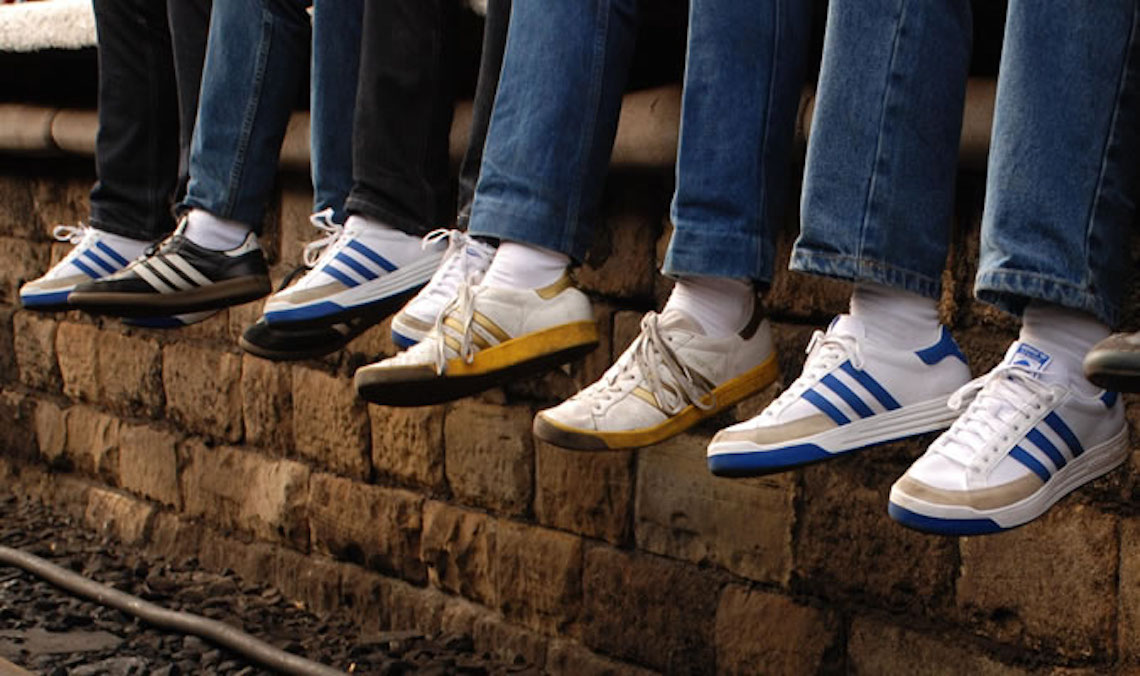
    Here in the UK we love our subcultures, but one of the most popular subcultures that hasn’t been well received up until now is the ‘football casual’. It’s understandable, the culture of ‘football casual’ has roots in football hooliganism. But the culture’s more than that, especially these days. It’s all about a love of the game of football or ‘soccer’ for those over the pond, and of course the fashion. It’s very much about the fashion, almost like a badge of honour. The football casual has always been part of the subculture. Ever since the 1950’s and even back then it was about the threads. It started with the terraces embracing the Teddy Boy fashion of the time. There has always been a link to the anti-establishment.

    In the 60’s it was the all about the skinhead. The terraces took on the fashion. But at the time, skinheads were very much political and football fans might like a bit of violence on a Saturday, they might hate the government in power, but they were never political. Plus, they were really easy to spot, which made them an easy target for the Police regardless of whether they were causing trouble or not. Back then it was more acceptable to tar everyone with the same brush.

    By the time the 70’s came around the guys on the terraces were on the look out for their own sense of identity. At the time, Liverpool FC were the toast of Europe, winning competition after competition. As their fans followed the team around Liverpool, they started to pick up designer clothes in the boutiques around France, Germany, Spain and Italy. They wore them as a badge of honour. A Lacoste Polo told everyone else “I follow my club across land and sea”. It got picked up very quickly. Other northern clubs started to head off into Europe, not for the football but for the clothes, so they can wear them back home on the terraces.

    The football casual was born. It was all about the clothes. During the 80’s fans from different clubs opted to wear different brands, so they could recognise each other. New brands were embraced throughout the 90’s too and as the Police cracked down of football violence, it became less about the violence meaning it was just about the clothes and a sense of identity.

    Moreover, we now witness a shift in the entire culture of football as big clubs put more emphasis on integrating female players in the big leagues. These players are more than a statement of modern times; they are a powerful inspiration for young girls everywhere in terms of aspirations and yes, fashion.

    These days, 13 million people go to watch football matches and the casual is as strong as ever. It’s about Lacoste and Stone Island, C.P Company and Lyle & Scott. Fred Perry has stayed with the casual since the skinhead days, and now there are new brands like Weekend Offender, designed for specifically for the casual.


    Stone Island

    Probably the most iconic brand of the Casual, Stone Island was first made popular in the 1990’s. It has a distinctive motif that is displays proudly, normally on the sleeve. It’s their coats and knitwear that are most common, but that’s probably due to the British weather, football is a autumn and winter sport. Every casual wants a Stone Island sweater in their wardrobe.

    Stone Island Jackets
    Stone Island Jackets


    Lacoste

    The original brand of the casual made popular by the Liverpool fans in the late 70s. These days a brand that is both popular on the terraces but equally popular in the mainstream, giving it a broader appeal. The polo shirts are a classic and with such a range, you’re not going to be worried that someone else is going to turn up where the same gear as you.

    Lacoste Polo Shirts
    Lacoste Polo Shirts


    C.P Company

    A really niche brand, understated. Subtle. Loved by the casual from the start. Now a part of Stone Island, you really need to know what you’re looking for with C.P Company, it doesn’t have the recognition as Stone Island might but that’s not a bad thing

    C.P Company
    C.P Company


    Weekend Offender

    Weekend Offender are a fashion brand born and bred in Wales that was started for the young British urban man. It was completely viral, starting on the terraces and catching fire, eventually taking it mainstream. Starting with coats and knitwear, they now offer t-shirts and polo shirts.

    Weekend Casual
    Weekend Casual

  • Must Visit Racecourses in the UK

    Must Visit Racecourses in the UK

    Only football is able to attract higher attendances throughout the calendar year than horse racing, with the equine sport being one of the most lucrative sectors in British sport.

    Horse racing is one of the oldest pastimes in the UK, but it has captured a whole new audience in recent years due to the ongoing popularity achieved via online sportsbooks.

    You can learn more about how to bet on a sportsbook here: https://www.twinspires.com/betting-guides/beginners-guide-betting-horse-racing/

    Unlike other countries, each racecourse in the UK can boast something different, with each having its own stories to tell. But, what are some of the must-visit courses in the country that all sports fans must visit at least once?


    Cheltenham

    As soon as the nights draw in, talk surrounding the Cheltenham Festival intensifies. Jumps racing is most passionately watched in the United Kingdom, with the four-day meeting in the Cotswolds being the epicentre for many fans’ years.

    The Cheltenham Festival is unlike anything else on the racing schedule, with each of the four days seeing the best equine stars over obstacles in action. The racecourse has been open since 1815, with Cheltenham becoming the home of jumps racing as early as 1834 after the first edition of the Grand Annual was staged.

    Since then, the location at Prestbury Park has formed the backdrop to some of the most fondly remembered equine victories in the UK and Ireland. The feature of the four-day season-defining meet comes in the form of the Gold Cup, run over three ¼ miles.

    Legendary horses such as Best Mate, Arkle, and Denman have all achieved victories in the blue riband event on the National Hunt schedule.


    Aintree

    Aintree is home to the world’s most famous race, and is incredibly popular among visitors due to its party atmosphere in the heart of Liverpool. The racecourse was opened by William Lynn in 1829, and the first meeting was staged later in the same year.

    However, it wasn’t until 1836 when the first steps toward what would be known as the Grand National were made, following staging of the ten-runner Liverpool Grand Steeplechase.

    For many, the Grand National is still the most exciting race on the jumps calendar, with newcomers and experts both making wagers on the race which is competed over four miles and 30 fences.

    It holds a prominent place in British culture, and the Grand National is aired in over 140 countries, with over 600 million people watching the race annually. Legendary moments in the race stay with racing fans, with iconic moments including Red Rum’s historic third victory and Bob Champion’s unlikely success aboard Aldaniti.


    York Racecourse

    A beautiful and historic place to watch live horse racing action can be found at York, with the course being the third biggest in Britain in terms of the prize money on offer annually. Due to this, high-quality fields typically go to post in North Yorkshire, with over 350,000 racegoers being attracted to York annually.

    Three of the 36 Group One races in the UK are held at York, including the prestigious Juddmonte International Stakes, won this year by Derby victor City of Troy. As well as this, it also stages notable races in the season for fillies, with the standout race coming in the form of the Yorkshire Oaks.

    There is plenty of history to take in during a trip to York Racecourse, as it is located next to the former factory of The Chocolate Works.

    As well as this, it was also the location of the hanging of Dick Turpin in 1739. In terms of racecourses perfect for newcomers to the sport, few offer as much as York.


    Newmarket

    In terms of horse racing entertainment on the flat, there are few better locations to watch the sport than Newmarket. Traditionally referred to as HQ, it is home to flat racing in the United Kingdom. Due to that, the track hosts two of the five Classics held in the country annually.

    The 1,000 Guineas is contested by fillies aged three in May, with the male horses competing over a mile in the 2,000 Guineas. As well as competitive racing on track, Newmarket is also home to the National Horse Racing Museum and the National Stud.

    In total, the track hosts nine of the 36 Group Ones during the flat season. There are two layouts to enjoy during a trip to Newmarket, with the Rowley Mile Course in operation for the Classics.

    The July Course is known traditionally as the Cummer Course, with the straight one-mile finish making for competitive fields for bigger handicaps such as the Cesarewitch. Many regard the Cesarewitch as the biggest betting day of the year for flat racing, with a competitive field competing over two miles and two furlongs. However, only one horse has achieved two wins in the race in the 21st century, with Aaim To Prosper claiming victories in 2010 and 2012.


  • Cycling Your Way to Wellness: How Active Travel Boosts Mind and Body

    Cycling Your Way to Wellness: How Active Travel Boosts Mind and Body

    As more and more people seek out ways to rejuvenate both mind and body, cycling trips have emerged as an ideal blend of exercise, exploration, and connection with the natural world and other enthusiasts. Today, we’ll be exploring how cycling can elevate your physical and mental well-being.


    Social Connections and Group Travel Benefits

    Cycling trips, especially those designed for groups, are a powerful way to forge friendships and create lasting memories. Whether you’re cycling with a close friend or joining a group of like-minded travelers, the camaraderie that develops during these trips can be deeply fulfilling. Research has highlighted the health benefits of socializing, showing that positive social interactions can reduce stress, lower blood pressure, and boost mental resilience. Many organized cycling trips offer experiences where participants can connect over shared goals, scenic routes, and even post-ride meals. As travelers pedal through challenging landscapes together, bonds naturally form, fostering a sense of community and support. Cycling in a group also offers motivation, as each participant encourages others to push beyond their limits while having fun. And everything is more fun in a group!


    The Mental Health Boost of Cycling in Nature

    Cycling through areas rich in natural beauty offers a unique way to reset mentally away the hustle of daily life. Research underscores the mental health benefits of exercising in natural environments, with studies showing improved mood and reduced stress levels in those who immerse themselves in nature while staying physically active. The rhythmic motion of cycling, combined with the sensory experience of fresh air and picturesque views, also helps lower cortisol levels, reducing stress and enhancing emotional well-being.


    Building Physical Fitness Through Cycling

    Beyond the obvious mental health perks, cycling is a fantastic low-impact workout that strengthens muscles, boosts cardiovascular health, and builds endurance. Cycling is known to improve endurance while placing minimal strain on the joints, making it an excellent choice for those looking to stay active without risking injury. Regular cycling engages most major muscle groups, particularly in the legs, and contribute to better heart health by increasing cardiovascular endurance. With long-term cycling, travelers can expect increased stamina and strength, which not only support physical wellness but also make day-to-day activities easier and more enjoyable.


    Cultural Enrichment Through Active Travel

    One of the most enriching aspects of a cycling holiday is the opportunity to experience new cultures on a personal level. Unlike other forms of travel that may rush tourists from one landmark to another, cycling allows travelers to move at a slower pace, providing a more immersive experience. Cycling through local villages, bustling markets, or scenic countryside offers countless chances to connect with locals, savor authentic cuisine, and witness unique traditions up close. This form of activity supports physical fitness but also feeds the soul by fostering meaningful connections with diverse cultures. Travelers often find that cycling lets them experience a place through a local’s lens, offering insights that would be missed on conventional tours.


  • The Growing Popularity of Gravel Cycling: What You Need to Know

    The Growing Popularity of Gravel Cycling: What You Need to Know

    Gravel cycling is the perfect middle ground between off-road adventures and high-speed pursuits on the road. When you pair a lightweight yet rugged frame with the most durable wheels, tyres and chain sets on the market, you can ride anywhere you want!

    More than just a trend, gravel embodies newfound freedom for cyclists across the globe. Below, we’ve covered all the basics for new gravel riders.


    What is gravel cycling?

    Gravel cycling is a unique discipline that blends elements of road and mountain biking. Whether you’re venturing onto local bridleways or exploring new trails on holiday, a gravel bike promises a versatile experience.

    Gravel means cruising seamlessly from smooth tarmac onto dusty tracks without needing to change your setup – or swap your bike!

    Lightweight aluminium or carbon gravel frames deliver speed when you need it, while top-spec wheels and responsive handling keeps the ride feeling fast and smooth. And when you buy a gravel bike fitted with quality offroad tyres, you can conquer any terrain!


    What sets gravel riding apart?

    It’s easy to mistake a gravel bike for a road bike: with drop handlebars, aggressive geometry and superior components, the best gravel bikes could easily compete with their race-focused counterparts.

    But the biggest differences lie within intention. Gravel bikes are developed to be strong, stable and capable over technical ground. Additionally, they need to keep riders feeling comfortable over longer distances.

    In summary, road bikes are typically lighter, faster, and more advanced. If you’d like to challenge yourself and join a cycling club to get competitive, road riding could be for you. But if you’re after solo or small-group adventures off the beaten path, nothing comes close to gravel riding.


    How to choose the right gravel bike for you

    • Frame material

    Gravel bikes are typically available with either carbon or aluminium frame. This will be the most significant factor where cost is involved: if you’ve got a bigger budget, you could go for some of the most high-spec carbon options. This means a smoother ride and lighter weight. Aluminium is cheaper, but often more durable and a bit stiffer too.

    • Brakes and gears

    Most modern gravel bikes come with disc brakes – this gives them unrivalled stopping ability, even on uneven ground. Top-end models boast hydraulic brakes, while entry-level bikes feature mechanical disc brakes.

    Another deciding factor will be the gears and chain set. Shimano and SRAM are the leading manufacturers in this niche, with multiple offerings that cater to different demands and riding styles. Many gravel bikes feature a single chainring, known as one-by, which is simple to use and maintain.

    • Tyres and clearance

    Gravel bikes come with chunky tyres to give you more grip. The larger the clearance on the bike frame, the larger tyres you can fit!

    This could be invaluable if you’re planning to ride on rocky trails or through winter conditions in the UK. If you’re going to spend a lot of time riding off road, make sure you don’t compromise on tyres.


    Getting started

    Ready to tighten your shoes and hit the trails? If so, gravel riding promises a new world of opportunities. Don’t forget to download a route-planning app like Komoot, which will help you to stay organised, keep on the trails, and track your progress.

    It’s always challenging at the start, but after every ride, you’ll push your limits and discover an unbridled sense of adventure.


  • The benefits skiing has on your mental health

    The benefits skiing has on your mental health

    Mental health is rightfully at the forefront of the national conversation today, having spent far too long over-stigmatised and under-acknowledged. The statistics show that an overwhelming majority of us are touched by poor mental health at one point in time or another, with 1 in 6 reporting a common mental health problem each and every week.

    Managing mental health is just as crucial as managing one’s physical health, and in much the same way is easier said than done. However, there are some novel ways in which your mental health can be improved – one of which may seem more like leg-pulling than medical reality. But real it is: we are about to show you how skiing can be a good thing for your mental health.

    Skiing is a widely popular winter sport, even if it does require a little cash in order to get to the slopes each year. The following tips, though, should be enough for you to personally and professionally justify more than one ski trip a year.


    1. Boosts Mood and Reduces Stress

    The most immediate benefits that a ski holiday can present to you is through the management of your brain’s hormones. Just as with any other form of exercise, exerting yourself on the slopes catalyses the release of endorphins, giving you that post-exercise high as you finish. Further, the time spent in fresh air taking in those amazing landscapes will naturally reduce the levels of cortisol – the stress hormone – in your brain. As such, you’ll feel lifted, calm and stress-free as soon as your first slalom is over!


    1. Encourages Mindfulness and Present-Moment Awareness

    The benefits don’t stop with these immediate exercise-related improvements, though. Learning to ski is a mindful exercise, and even if you already know how to ski the act of skiing is also one which requires a great degree of concentration. This is mindfulness, straight and simple.

    Mindfulness is a mental health ‘hack’ of sorts which can help your brain reject circular or catastrophic thinking, by taking it away from rumination on the past and future and instead concerning it with the present. If you’re mindfully booking your next ski holiday, France could be a fantastic shout for mindful skiing, thanks to its beautiful Alpine views and sometimes-twisty slopes.


    1. Increases Self-Esteem and Confidence

    Skiing is a mindful activity both during and apres-ski, as it commands your brain both in activity and in reward. The successful descent down a given route is naturally a cause for celebration, and can be a powerful boost to your self esteem to boot. The more you ski, the more you see yourself improving at something – and hence, the more confident you get in general.

    1. Combats Seasonal Affective Disorder (SAD)

    As a final note, it’s important to mention one of the more common mental health maladies which affect us in the UK: Seasonal Affective Disorder (SAD), which crops up in the darker winter months. Taking a ski holiday in the wintertime exposes you to more direct sunlight and more fresh air than you might get at home, giving you some welcome reprieve from the winter blues.


  • Mastering the Game Off the Field: The Real Benefits of a Football Master’s Degree

    Mastering the Game Off the Field: The Real Benefits of a Football Master’s Degree

    Football is a global obsession. From the electric atmosphere of stadiums to the heated debates at local pubs, it’s clear that this sport is more than just a game – it’s a way of life. But if you’re serious about making football your career, you’ll quickly realise that it’s not just about kicking a ball around a pitch. There’s a whole world behind the scenes where the real magic happens, and that’s where a football master’s degree steps in.

    Why a Football Master’s Degree is a Game-Changer

    Now, you might be wondering, “Why would I need a degree to work in football? Isn’t it all about passion and experience?” Well, those things matter, of course, but football is a multibillion-pound industry. It’s a beast with many moving parts, from managing teams to marketing, player development, and understanding the complex business side of things. Having a football master’s degree can give you a huge leg-up over the competition.

    Think about it: Would you want to manage a football club without knowing how to balance a budget or navigate football governance? Probably not. And that’s exactly why this degree matters. It arms you with the knowledge, skills, and network to take your career off the pitch and into the boardroom or beyond.

    What Will You Learn?

    This isn’t your standard classroom fare. A football master’s degree, like The FBA Football Master Degree, is designed to cover every corner of the football world – far beyond just tactics or game-day strategies. You’ll dive deep into things like:

    • Football governance – Ever wondered how clubs are run, how decisions get made, or why certain rules exist? You’ll get into the nitty-gritty of club structures, league management, and how football governing bodies operate.
    • Sports marketing – Promoting a football club is an art in itself. Learn how to sell the sport, players, and even stadiums in ways that keep fans engaged and loyal.
    • Talent development – There’s more to finding the next football star than just scouting matches. You’ll gain insight into how to nurture talent, manage player contracts, and help athletes reach their potential.
    • Data analytics – In modern football, everything is about the numbers. Get ready to dive into performance stats, financial reports, and player analytics to make informed decisions.
    • Leadership and management – Football may be a team sport, but behind every winning team is strong leadership. You’ll sharpen your ability to lead, motivate, and make tough calls.

    These aren’t just theoretical ideas either – the skills you’ll pick up are things you can directly apply, whether you’re running a local club or dreaming of making waves in the Premier League.

    Building a Winning Network

    A football master’s degree isn’t just about textbooks and essays; it’s a chance to rub shoulders with some of the best in the business. From fellow students who share your passion to industry professionals giving guest lectures, you’re constantly surrounded by people who live and breathe football.

    Networking events, internships, and industry meet-ups will be your bread and butter. These connections aren’t just for show – they’re the key to opening doors in a competitive industry where “who you know” can make a massive difference. So, don’t be surprised if you find yourself landing your first gig because of someone you met during your degree.

    Career Paths: Not Just Coaching

    When people think about careers in football, coaching or managing often come to mind first. But trust me, the world of football careers is so much broader than that. A football master’s degree opens up opportunities in some seriously exciting areas:

    1. Football Operations Manager – You’re the backbone of the club, ensuring everything runs smoothly, from team logistics to event management.
    2. Player Agent – Represent athletes, negotiate contracts, and make sure your players get the best deals (and the best endorsement deals too).
    3. Football Development Officer – Help grow the sport from the grassroots level, working with communities to engage young players and promote the game.
    4. Sports Marketing Executive – Craft campaigns that capture fan interest, grow club brands, and bring in those crucial ticket sales.
    5. Data Analyst – This one’s for the stat geeks. Analyse everything from player performance to club finances and use those insights to drive decisions.

    No matter which path you choose, you’ll have the skills and know-how to back you up, putting you leagues ahead of others without that specialised background.

    Global Game, Global Opportunities

    The beauty of football is that it’s everywhere. From Manchester to Madrid, from the UK to the US, football is universal. That’s why a master’s in football doesn’t limit you to just one country or one club. It gives you global mobility.

    Clubs all over the world need skilled professionals to help them run smoothly, market themselves effectively, and manage talent pipelines. With this degree in hand, you could find yourself working in the UK or jet-setting to other countries where football is growing rapidly, such as China, Japan, or the United States.

    Is It Really Necessary?

    You might be thinking, “Do I need a degree to work in football?” The answer depends on where you want to go. Yes, some people have worked their way up through grit and determination alone. But in today’s football landscape, where the business side is just as important as the sport, having that specialised education can be a massive advantage.

    It shows clubs and organisations that you’re serious, that you’ve invested in your knowledge, and that you understand both the sport and the business behind it. In an increasingly competitive field, a football master’s degree can make your CV stand out in a crowded pile.

    The Future of Football is Off the Pitch

    Football is evolving. It’s not just about what happens on match day anymore. Clubs and leagues are becoming more complex, and with that comes the need for professionals who understand how the sport operates on every level. A football master’s degree isn’t just an academic achievement; it’s a practical way to get ahead in one of the most competitive industries out there.

    So, if you’re ready to turn your passion for the game into a full-blown career – one that goes beyond the pitch and into the strategic heart of football – then a football master’s degree might just be your best move yet. Game on!


  • Treadmill Causing Noise Complaints? Read This Article!

    Treadmill Causing Noise Complaints? Read This Article!

    Treadmills are a fantastic way to stay fit, and having access to one in the comfort of your own home can be a real game changer for your workout routines. Unfortunately, their noise can be disturbing for others. This may not be an issue for some, but many of us have neighbours, housemates or live in flats with other residents above and below us. Whether it’s the thumping of feet or the hum of the motor, making use of your treadmill might result in a few complaints from others.

    It might not be something you’d immediately think of, but there are various options for soundproofing your treadmill, making your workouts more enjoyable and less intrusive. Presented by AcousticShop, the experts in soundproofing for walls and floors, this handy guide offers tips and tricks for DIY enthusiasts and fitness buffs to reduce treadmill noise.

    Locate The Source

    Treadmill noise often comes from three primary sources; the sound of feet impacting the treadmill deck, the hum and vibrations of the treadmill’s motor and the vibrations carried through the floor and walls. There are steps you can take to reduce the sound from each of these sources.

    Soundproof Your Treadmill

    Use a treadmill mat

    Treadmill mats help to prevent transferral of shocks and vibrations from the treadmill to the floor, which aids in lowering the overall noise. Spending the right amount on these will increase the likelihood of getting hold of a high quality and effective mat constructed of dense materials like rubber or foam.

    Place the treadmill on carpet

    There’s no harm in doubling up to reduce noise, and a thick carpet underneath a treadmill mat can reduce noise even further – whether it’s a fully carpeted floor or a rug. Once again, carpets and rugs absorb sound and lessen vibrations, providing an additional layer of insulation.

    Use isolation pads

    AS the name suggests, isolation pads – sometimes referred to as anti-vibration pads – are designed to isolate and absorb vibrations. Placing these pads under the treadmill’s feet can greatly reduce the noise transferred to the floor below.

    Lubricate the treadmill belt

    As with any piece of motorised technology, your treadmill needs to be looked after. Regular lubrication of the treadmill’s belt reduces friction, lowering both motor noise and the sound of the belt moving. Before you reach for the WD40, it’s best to follow your treadmill manufacturer’s recommendations for what you should use for the job, and how often you should use it.

    Soundproof the Room

    Some might consider this overkill, but you could take steps to increase the effectiveness of your efforts by soundproofing the entire room. Again, this might be a little too far for most, especially if you only have the treadmill, but if you have other equipment like weights or a rowing machine, this might be worth considering.

    Fixing some acoustic panels to the room’s walls is a great place to start, but you could also consider adding weatherstripping around doors or using heavy, sound-absorbing curtains to reduce noise.

    Use a Treadmill Quiet Kit

    Some manufacturers offer kits designed to reduce treadmill noise, which typically include isolation pads, lubricants, and quieter belts.

    Change your running habits

    Running barefoot or with lightweight shoes can greatly lessen impact noise when compared to heavier footwear. Additionally, though it might seem obvious, you’ll want to pick the best times to jump on your treadmill; not everyone enjoys late nights or early mornings. Running on an incline also makes less noise compared to running on a flat surface.

    If noise is still an issue, think about switching to quieter training equipment like ellipticals or exercise bikes, which generally make less noise. But, if you’re dead set on using a treadmill at home, these soundproofing methods will help you create a more enjoyable training environment while still maintaining harmony with your family and neighbours.

  • Exploring Football Rivalries: The Biggest Derbies

    Exploring Football Rivalries: The Biggest Derbies

    Football isn’t just a game; it’s a way of life for many. The passion, the excitement, and the fierce rivalries make it more than just 90 minutes on the pitch. Among these rivalries, some stand out due to their intensity, history, and significance.


    The North West Derby

    England’s football scene wouldn’t be complete without the North West Derby between Liverpool and Manchester United. This rivalry isn’t just local; it reflects the historic competition between the two cities. With both clubs boasting numerous titles and a global fan base, their encounters are highly anticipated.

    When these two teams meet, the atmosphere is charged with energy and anticipation. From legendary players to iconic matches, the North West Derby has it all. Tickets are often tricky to get for the North West Derby, but you can get your football fix by looking for tickets for other leagues. For instance, you can support England in international tournaments, England Euro tickets can provide a fantastic opportunity to witness top-tier football.


    The Old Firm Derby

    The Old Firm Derby between Celtic and Rangers is one of the most intense rivalries in football. Held in Glasgow, Scotland, this match isn’t just about football; it’s steeped in historical, religious, and political undertones. Fans from both sides create an electrifying atmosphere, making it a must-watch fixture.

    The rivalry began in the late 19th century and has since grown into a cultural phenomenon. Celtic and Rangers have dominated Scottish football, and their matches are often crucial in deciding the league champion.


    El Clásico

    When Barcelona and Real Madrid face off, it’s not just Spain that stops to watch – the whole world tunes in. El Clásico is arguably the biggest club football match globally, featuring two of the richest and most successful clubs.

    This fixture features some of the world’s best players, and the stakes are always high. Whether it’s a league match, Copa del Rey final, or a Champions League tie, El Clásico never disappoints. Fans eagerly await this clash, which is synonymous with world-class football and high-octane action.


    Derby della Madonnina

    The Derby della Madonnina, or the Milan Derby, showcases the rivalry between AC Milan and Inter Milan. Held at the iconic San Siro stadium, this match is a highlight of the Italian football calendar. The city of Milan comes alive as the Rossoneri and Nerazzurri battle it out for supremacy.

    This derby dates back to the early 20th century and is known for its passionate fans and memorable moments. Both teams have enjoyed periods of dominance, and their clashes are often decisive in the Serie A title race.


    Superclásico

    In South America, the Superclásico between Boca Juniors and River Plate is a spectacle like no other. Held in Buenos Aires, Argentina, this match is more than just a game – it’s an event that brings the entire nation to a standstill. The rivalry is fierce, with both sets of fans creating a breathtaking atmosphere.

    Boca Juniors and River Plate are the most successful clubs in Argentina, and their matches are often fiery and intense. The Superclásico isn’t just about football; it’s about identity, pride, and a deep-rooted rivalry that has been passed down through generations. This is football at its most passionate and raw.


    Conclusion

    Football derbies are more than just matches; they are cultural events that embody the spirit of the sport. From Glasgow to Buenos Aires, these rivalries captivate millions and showcase the passion and drama that make football the world’s most beloved sport. Whether you’re a die-hard fan or a casual observer, these derbies offer an unforgettable experience.


  • How to Improve Your Short Game: Tips and Techniques for Golf Success

    How to Improve Your Short Game: Tips and Techniques for Golf Success

    Golf can be a challenging game, with its fair share of highs and lows. Whether you’re a beginner or a seasoned player, one thing remains true: mastering the short game is crucial to lowering your scores and boosting your overall enjoyment on the course. So, let’s dive into some tips and techniques that will help you improve your short game and find success in golf.

    Understanding the Short Game

    Before we jump into the nitty-gritty, let’s clarify what the short game encompasses. The short game generally refers to shots that are taken within 100 yards of the green. This includes chipping, pitching, bunker shots, and putting. These shots require precision and finesse, and they can significantly impact your score. Check out this large selection of golf training aids and launch monitors to get your hands on everything you need to master these techniques.

    The Importance of Practice

    You’ve probably heard the saying, “Practice makes perfect.” While perfection may be unattainable, practice can certainly lead to improvement. Spend time on the practice green and short game area, dedicating at least half of your practice sessions to these crucial shots.

    Mastering Your Chipping Technique

    Chipping is one of the fundamental skills in the short game. Here are some tips to help you chip like a pro:

    1. Choose the Right Club: Typically, a pitching wedge, sand wedge, or lob wedge will do the trick. Each club will give you different amounts of loft and roll, so pick the one that suits the shot at hand. For high-quality wedges and other golf essentials, check out DynastyGolfCo.com
    2. Setup and Stance: Position the ball back in your stance, with your feet close together. Your weight should be slightly forward, favouring your front foot.
    3. Keep Your Hands Ahead: When making contact with the ball, ensure your hands are ahead of the clubhead. This will help you achieve a clean strike.
    4. Controlled Swing: Use a pendulum-like motion, keeping your wrists firm. The swing should be controlled and compact, focusing on accuracy rather than power.

    Pitching with Precision

    Pitch shots require a bit more power than chips but still need a delicate touch. Here’s how to refine your pitching:

    1. Ball Position: Place the ball in the middle of your stance. This will help you achieve the right trajectory.
    2. Open Your Stance: Slightly open your stance to promote an inside-out swing path, which helps with accuracy and spin.
    3. Soft Hands: Keep your hands soft and relaxed. This allows for better control over the clubhead and helps you gauge distance.
    4. Follow Through: Ensure a complete follow-through. This promotes a smooth, consistent swing and helps control the ball’s flight.

    Bunker Play – Getting Out in One

    Sand shots can be intimidating, but with the right technique, you’ll be out in one stroke more often than not:

    1. Club Selection: A sand wedge is your best friend in the bunker. Its design helps get under the ball and lift it out of the sand.
    2. Open Clubface: Open the clubface before gripping it. This helps increase the loft and get the ball airborne quickly.
    3. Dig In: Dig your feet into the sand to create a stable base. This helps maintain balance throughout the swing.
    4. Hit the Sand First: Aim to strike the sand about 2 inches behind the ball. This will lift the ball out on a cushion of sand.
    5. Full Follow Through: Complete your swing with a full follow-through, ensuring the clubhead travels through the sand.

    Putting – The Final Frontier

    Putting can make or break your round. Here’s how to become a putting maestro:

    1. Grip and Stance: Your grip should be light but firm, with your hands placed comfortably on the club. Your stance should be shoulder-width apart, and your eyes should be directly over the ball.
    2. Alignment: Ensure your shoulders, hips, and feet are aligned parallel to your target line. Use the putter’s alignment aids to help.
    3. Smooth Stroke: Focus on a smooth, pendulum-like stroke. Avoid any jerky movements and keep your head still throughout the stroke.
    4. Speed Control: Practice different lengths of putts to get a feel for speed control. Remember, it’s often better to leave a putt short than to race it past the hole.
    5. Reading Greens: Spend time learning how to read greens. Look at the slopes and grain to understand how the ball will break.

    Developing a Routine

    A consistent pre-shot routine can significantly improve your short game performance. This routine helps you focus, reduces anxiety, and ensures you’re making the same movements each time. Your routine could include visualising the shot, taking practice swings, and aligning yourself correctly.

    Mental Approach – Staying Positive

    Golf is as much a mental game as it is physical. Maintaining a positive attitude can help you stay calm under pressure and bounce back from mistakes. Remember, every golfer hits bad shots, but it’s how you recover that counts.

    Practising with Purpose

    Instead of mindlessly hitting balls, practice with specific goals in mind. For instance, set up drills that simulate game conditions. Challenge yourself with different lies, slopes, and distances. This purposeful practice will translate better to on-course performance.

    Equipment – Use the Right Tools

    Having the right equipment can make a big difference in your short game. Ensure your wedges are fit to your swing and have the right loft, bounce, and grind. Regularly check your grips and clubfaces for wear and tear.

    Conclusion

    Improving your short game is a journey that requires patience, dedication, and the right mindset. By practising the techniques outlined above and maintaining a positive attitude, you’ll see improvements in your game and lower scores. So, grab your clubs, head to the practice green, and start working on that short game today! Remember, every great golfer was once where you are now – it’s all about taking those small, consistent steps towards improvement.


  • The Ultimate Checklist for Your Next Cycling Trip

    The Ultimate Checklist for Your Next Cycling Trip

    Embarking on a cycling holiday, especially in the vibrant landscapes of Europe, offers an unmatched adventure. The continent’s diverse terrains, from the rolling hills of Italy to the rugged coastlines of the UK, provide a canvas for memories that last a lifetime.

    Cycling holidays not only challenge your physical limits but also immerse you in the local culture, cuisine, and breathtaking vistas that only bikers can access.

    Whether you’re embarking on a family holiday abroad or a solo trip, you may not know what to pack for a cycling adventure – especially if you’re a beginner! Regardless of your experience, a good rule of thumb to remember is to pack light and purposefully.


    Bike and Maintenance Tools

    Ensure your bike is in top condition before setting off. This includes checking the brakes, gears, and tyres. A well-maintained bike enhances your riding experience and minimizes the risk of breakdowns. You need tools that can handle any situation so essential equipment and spares like a multi-tool, spare tubes, a pump, and a patch kit should be packed.

    Chain lubricant, a spare brake light, and a first aid kit should also be included on your packing list for a cycling holiday abroad.


    Clothing and Accessories

    Weather can be unpredictable, so layering is crucial, for example cycling in Italy  especially in the mountains where the weather can change quickly.

    Start with a moisture-wicking base layer, add a thermal layer for cold days, and always carry a waterproof jacket. Don’t forget cycling gloves and padded shorts for comfort, along with a sturdy helmet. Reflective clothing or accessories are a must for visibility, especially during dawn, dusk, or in poor weather conditions.

    While cycling holidays in Europe are a guaranteed adventure, some countries have laws about what clothing and accessories are required, especially when it comes to children. For example, helmets are mandatory for children under a certain age in Croatia, Austria, and Slovakia.


    Hydration and Nutrition

    Long rides demand a lot from your body, making hydration and nutrition paramount. Carry water bottles or a hydration pack, and plan for regular refills along your route. Energy bars, gels, and electrolyte drinks or tablets help maintain energy levels and hydration.

    You can also sample regional delicacies to stay fuelled on your journey or you can travel with some high-energy snacks such as nuts, fruits, jelly sweets, and cereal bars. If you’re camping, you will need to bring a portable cooker, lightweight stove, and cooking utensils with you.


    Care and Hygiene

    Long hours on the saddle under various weather conditions can take a toll on your skin. Pack chamois cream to prevent saddle sores, sunscreen for protection against UV rays, and hand sanitiser.

    Bike locks are another cycling holiday essential to keep your bike safe while you’re away from it. You should also bring any personal toiletries and medications, as well as GPS maps, portable chargers, and a phone holder.


  • Why is it important for children to have sports role models in their lives? 

    Why is it important for children to have sports role models in their lives? 

    The universal appeal of sports is undeniable, and the influence of athletes on the aspirations of young individuals is profound. As the UK’s favourite sport, footballers in particular stand as beacons of achievement, demonstrating what is possible through hard work and dedication.  As role models, athletes can inspire children to aim higher and dream bigger, proving that with persistence, they can achieve great things.


    Inspiration and Aspiration

    Sports role models serve as key figures in encouraging children to dream and strive for greatness. A prime example is Mo Salah who is a great footballer known for his exceptional skills on the pitch and also for his modest lifestyle off it.  His ability to maintain professional excellence along with a grounded personal life sets a powerful example for young fans. Role models like Salah illustrate the possibilities within reach through hard work and integrity, inspiring children to set high aspirations in their own lives.

    Positive Behaviour Reinforcement

    Athletes also play a crucial role in reinforcing positive behaviour among children. By observing their discipline and perseverance, children learn valuable life lessons that go beyond sports. Athletes who demonstrate commitment to their goals and show resilience in the face of adversity provide real-life examples for kids to emulate.

    Health and Fitness Motivation

    Role models in sports can significantly influence a child’s attitude towards health and fitness. By watching athletes, children are motivated to engage in physical activities essential for their physical and mental health.  This encouragement to stay active can lead to a lifelong commitment to health and wellness, which is crucial since the major spike in child obesity levels experienced after the pandemic.

    Social and Team Skills Development

    Sports role models can also aid in the development of social and team skills. Athletes who exemplify teamwork, fair play, and cooperation offer lessons in social interaction that will be used in both sports and daily life.  Children learn the importance of working together towards a common goal, respecting others, and supporting teammates, which are all critical skills for personal and professional success​.

    Conclusion

    Having sports role models in their lives provides children with a roadmap to developing not only their athletic abilities but also their personal and social skills. Children learn to dream big and work hard by looking up to these athletes, understanding that success is possible with effort and determination.


  • Understanding compartment syndrome

    Understanding compartment syndrome

    Compartment syndrome is a serious and potentially life-threatening condition. It’s most likely to affect individuals who’ve sustained an injury or regularly engage in strenuous physical activities, such as professional athletes or members of the military. It’s a matter which requires expert care and carries the possibility of severe consequences if mismanaged; the kind of topic which military solicitors are used to dealing with, for example.

    But what exactly is compartment syndrome and how can it be spotted – or prevented? This introductory overview will explore how it works, treatment options, the recovery process and more.


    What is compartment syndrome?

    Compartment syndrome is named for where it’s found, in muscle compartments – a defined group of muscles in close proximity separated by tough membranes called fasciae. They’re mostly found in our arms and legs, helping to organise the muscles and facilitate their functions.

    The syndrome occurs when increased pressure within a muscle compartment impedes blood flow, denying the muscles and nerves essential nutrients and oxygen. This can happen acutely, often due to injuries such as fractures or crush incidents, or chronically, from repetitive activities or overuse. The lack of circulation can lead to muscle and nerve damage and, in severe cases, tissue death.


    Recognising the signs and obtaining a diagnosis

    Early recognition of compartment syndrome is critical. Symptoms of acute compartment syndrome include intense and disproportionate pain, palpable swelling and a tight feeling in the affected area – usually arms or legs. In chronic cases, pain and cramping might only manifest during exercise. Diagnosis typically involves physical examinations, measuring the pressure within the compartment, and sometimes imaging tests like MRI scans, so don’t be reluctant to speak to a doctor if you think you might have compartment syndrome to arrange testing.


    Treatment and recovery

    The treatment for acute compartment syndrome is immediate surgery, known as a fasciotomy, which opens the fascia to relieve pressure. Chronic compartment syndrome may be managed with physical therapy, modifications in activity levels and, in some cases, surgery.

    Recovery from compartment syndrome depends on the severity of the condition and the promptness of treatment. Following a fasciotomy, patients may require physical therapy to regain full function. Recovery times vary, with some patients returning to normal activities within a few weeks, while others may take months.


    How to prevent compartment syndrome

    While acute compartment syndrome is difficult to prevent due to its association with sudden, traumatic injuries, being aware of the symptoms and seeking immediate medical attention when they occur can prevent long-term damage. For those at risk of chronic compartment syndrome, modifying exercise routines and ensuring proper technique and equipment can help mitigate risks.

    Understanding compartment syndrome is crucial for anyone active in sports, undergoing surgery or at risk of traumatic injuries. Awareness and early intervention are key to preventing lasting harm.


  • The best GAA betting sites

    The best GAA betting sites

    Irish fans of Gaelic sports are really spoiled for choice when it comes to finding a top-notch betting site for wagering on their favourite Gaelic Athletic Association (GAA) sports. With hundreds of sites to choose from, how do you know which one will best suit your needs and offers the most competitive odds? This guide will share with you where to find the best GAA betting sites including their pros and cons, what features make the site stand out from the crowd and any special bonuses that can kickstart your GAA sports betting adventure.


    The most popular GAA sports

    The best GAA betting sites offer a range of sports for punters from Ireland to bet on, these include the following top favourites:


    Gaelic football

    An exciting game that combines the elements of both football and rugby. Players can kick or use their hands to pass the ball but only four steps can be taken while the ball is in their possession. To score, the ball can be driven into the net or through the rugby posts above.


    Ladies Gaelic football

    The only difference between the Ladies Gaelic football and the men’s is that the ball can be picked up from the ground while the player is in a standing position.


    Hurling

    A popular men’s game played on the same size pitch and with the same goals as Gaelic football. Players use a hurley (stick) to strike the ball and can also pass the ball using their hands. A player wishing to move more than four steps needs to bounce or balance the ball on the end of their hurley.


    Camogie

    Camogie is the women’s version of hurling. It is played very much the same as the men’s hurling but with a few subtle differences within the gameplay rules. The only other difference is that in Camogie, the goalkeepers get to wear the same colour kit as their teammates.


    Handball

    Gaelic handball is very similar to squash but does not use a racquet. The game can be played with either two or four players who use their hands to ‘bat’ the ball against a wall.


    Rounders

    Rounders is not unlike American baseball, but it is typically played with lighter and shorter bats. The objective is for the batter to hit the ball and run around four bases without getting caught out by the fielders. The ball is thrown underhand by the pitcher and several ‘catchers’ (fielders) wait in the outfield.


    How to choose the best GAA sports betting site

    Selecting the right betting site will depend on what it is you’re looking for, however, there are a few common factors that you should evaluate which separate the good from the bad:


    Licensing and regulation

    Always check that your chosen betting site is licensed and regulated by a trusted authority such as the Gambling Regulatory Authority of Ireland (GRAI) or the UK Gambling Commission (UKGC).


    Safety and security

    The best sites will utilise strong encryption technology to protect all sensitive data. Only reliable and trusted payment methods should be offered and responsible gambling tools should be available.


    GAA sports coverage

    As it’s GAA sports that you’re looking to wager on, your chosen site should have a wide variety of Gaelic sports events featuring the most popular choices like Gaelic football and hurling.


    Payment methods

    All reputable betting sites will offer multiple trusted and reliable payment methods for instant deposits and fast withdrawals, such as debit cards, e-wallets and bank transfers.


    Betting options

    The best GAA betting sites will have a wide range of betting options for you to select from, this typically includes in-play betting with competitive odds.


    Mobile compatibility

    Most of the top online betting sites offer fully optimised platforms which can be launched from your web browser, some may offer a dedicated app for a tailored experience.


    Sports bonuses

    With so many sports betting sites to choose from, Irish punters will have their pick of the market. For this reason, top sportsbooks compete to offer attractive bonuses and promotions for the sports enthusiast.


    Customer support

    Any of the reputable GAA sports betting sites will offer a reliable customer support service. This may even be available 24/7 every day. A responsive team will be available through live chat, phone or email.


    Top GAA betting sites

    Now that you know what to look for in the best GAA betting sites, let us share with you our top five recommendations and some of their highlighted features:


    1. BetVictor

    Licensed by both the GRAI and UKGC, BetVictor has one of the best mobile apps for active sports bettors. You will also find competitive odds, attractive promotions and a variety of betting markets for Gaelic sports. Its welcome bonus offers up to £50 in free bets.

    2. 10bet

    Licensed by the GRAI, 10bet has an established player base and an excellent reputation. This popular betting site offers exciting bonuses, competitive odds, major Gaelic sporting events such as football and hurling, plus a warm welcome with a 50% deposit match of up to £50.

    3. Kwiff

    Licensed by the UKGC, this reputable sports betting platform offers competitive odds on several Gaelic sporting events plus a wide choice of betting options. Its welcome bonus invites you to make a £10 bet to receive a £30 surprise bet.

    4. Luckster

    Luckster may not be as well-known as other sports betting sites, but it is one of the best for GAA sports. It features multiple GAA sports league events including football and hurling, plus you will find a wide choice of betting markets and competitive odds. The welcome bonus offers a 100% deposit match of up to £100.

    5. Novibet

    Novibet hosts multiple GAA events including football, hurling and the All-Ireland Senior Championships. Punters will find competitive odds, bet builder features, boosted odds, free bets and a welcome bonus that offers up to £50 in free bets.


  • Exploring the World of Horse Saddles

    Exploring the World of Horse Saddles

    If you are passionate about horse riding, you would know how important it is to choose the right saddle for your horse. Saddles are designed to provide comfort and balance to the rider and the horse. However, with a plethora of horse saddles available in the market, selecting the right one can be overwhelming. In this article, we will guide you through the world of horse saddles, their types, and how to choose the perfect one for your horse.

    Understanding the Types of Horse Saddles

    Horse saddles come in a variety of types, including English, Western, Endurance, and Dressage. English saddles have a flat seat and wide flaps, designed for jumping and eventing. Western saddles have a deeper seat with large horns for roping and rodeo events.

    Endurance saddles are lightweight and designed for long distance rides. Dressage saddles have a long, straight flap and a deep seat, ideal for a precise riding position.

    Moreover, there are different styles of horse saddle pads, each designed to address specific needs and preferences. From traditional fleece pads to high-tech gel or memory foam options, the variety ensures that you can find the perfect pad to suit your horse’s comfort and support requirements. Exploring these different styles allows you to tailor your choice to accommodate any changes in your horse’s physical condition or riding activities, ensuring a secure fit for every ride.

    Selecting the Right Saddle for Your Horse

    Choosing the right saddle for your horse can be an overwhelming task, but there are a few factors to consider before making a purchase. The size and shape of the horse play a critical role in choosing a saddle. Always ensure that the saddle’s tree, the rigid portion of the saddle, fits well on your horse’s back.

    The saddle length should also correspond with your horse’s back length. An ill-fitting saddle can cause discomfort and damage to your horse’s back.

    The Anatomy of a Saddle

    Understanding the anatomy of a saddle can help you select the right one for your horse. Saddles consist of three critical parts – the tree, the panels, and the seat. The tree provides the structure of the saddle and supports the rider’s weight.

    The panels, located on either side of the tree, provide cushioning and protect the horse’s spine. The seat is the part of the saddle where the rider sits and controls the horse.

    The Importance of Quality Horse Saddles

    Investing in high-quality horse saddles is crucial for the comfort and safety of both the rider and the horse. Poor-quality saddles can cause discomfort, pain, and even injury to the horse’s back. Quality saddles are designed to distribute the rider’s weight evenly and provide cushioning to protect the horse’s spine.

    Additionally, quality saddles are durable and can last for years, saving you on potential repair or replacement costs down the road.

    Caring for Your Horse Saddle

    Taking care of your horse saddle is essential to ensure its durability and longevity. Regular saddle cleaning, conditioning, and oiling can help maintain the saddle’s quality and extend its life. Always store your saddle in a cool and dry place and avoid leaving it in direct sunlight or damp conditions.


    Conclusion

    Horse saddles are an essential part of horse riding, providing comfort and balance to both the rider and the horse. Understanding the different types of saddles, selecting the right saddle for your horse, and taking care of it can make a significant difference in your horse riding experience.

    Investing in a high-quality saddle can be expensive, but it is a worthwhile investment in the long run. A well-cared-for saddle can last for years, providing you with many enjoyable rides with your horse.

  • Timeless Style: The Best Vintage NFL Jerseys

    Timeless Style: The Best Vintage NFL Jerseys

    Vintage fashion has been on the rise in recent years, and it’s not hard to see why. The charm and personality it brings to any outfit is unmatched. For avid NFL fans, incorporating vintage jerseys into your wardrobe not only adds a unique touch, but also honours the history of the league.

    In this article, we’ll take a look at some of the best vintage NFL Jerseys out there, and why they’re worth adding to your collection.


    History of Vintage NFL Jerseys

    1978-1984 Houston Oilers: The powder blue and red colourway of the Houston Oilers jerseys are as iconic as they come. The look was first introduced in 1978, and the team continued to wear it until 1984. The jersey features the team’s oil derrick logo centred on the chest, with white numbers outlined in red. While the Oilers may no longer exist as a team, this jersey is a classic that any football fan should have in their collection.


    1980-1993 Tampa Bay Buccaneers: The Tampa Bay Buccaneers have swapped logos and colour schemes more times than any other NFL team, but there’s something special about their 1980-1993 jerseys. The creamsicle orange and white colourway, along with the iconic pirate ship logo on the helmet, make this jersey truly one-of-a-kind. And let’s not forget the massive numbers on the sleeves to complete the look.


    1982-1996 Denver Broncos: The Denver Broncos have had a number of memorable jerseys over the years, but their 1982-1996 look stands out. The navy blue and orange combination, with a simple white stripe down the side and the team’s bucking bronco logo on the helmet is a classic look that will never go out of style. And with legendary quarterback John Elway leading the team during this era, this jersey carries even more significance.


    1967-1978 Minnesota Vikings: The Minnesota Vikings have always had a strong presence on the field, and their 1967-1978 jerseys are a testament to that. The deep purple and yellow colourway is bold and eye-catching, and the white numbers with thick purple outlines make them easy to read from a distance. The team’s horned helmet logo completes the look of a true classic.


    1966-1980 Dallas Cowboys: The Dallas Cowboys have always been a team with a sleek, modern look, but their 1966-1980 jerseys have a classic charm as well. The navy blue and white colourway, with the white star on the helmet, is instantly recognisable. And with legends like Roger Staubach and Tony Dorsett wearing this jersey, it’s a piece of NFL history worth adding to your collection.


    Conclusion

    Vintage NFL Jerseys are a great way to add personality and history to your wardrobe. The different colour schemes and logos of past eras offer a unique look that can’t be replicated by modern jerseys. Whether you’re a fan of a specific team or just a lover of classic fashion, these jerseys are a must-have. So, channel your inner football fan and rock a vintage NFL Jersey with pride, knowing that you’re keeping a piece of history alive.

  • 8 Planning Ideas for your next snowboarding Holiday

    8 Planning Ideas for your next snowboarding Holiday

    Snowboarding is not just a hobby. It’s a way of life; snowboarding is a chance to explore the world and see some fantastic places. But with so many different destinations, how do you know which is right for you? And once you’ve chosen the best snowboarding location, how can you make the trip happen conveniently while not skimping on the luxuries?


    1. Choose the best destination for snowboarding

    There are many places to go snowboarding, but not all are created equal. Some destinations are great for snowboarding newbies, while others are better for experienced riders. And then some places offer something for everyone in between.

    So, before you book your trip, do your research, make sure you’re choosing a destination that’s right for your experience level, and have enough funds (by taking a 3000 loan) to pay for what could be the ride of your life. Here are some suggestions…


    Courchevel in France is a great snowboarding destination for beginners, with fantastic apres board facilities and excellent food options.

    Mount Washington, New Hampshire, in America, is a fantastic choice for mid-level borders, with beautiful scenery and plenty of challenging pistes.

    Niseko in Japan is perfect for advanced riders, with some of the best powder snow in the world and a massive range of backway options.


    2. Make sure your documents are up to date


    This one is important! You can only travel to America with an up-to-date Covid certificate, so making sure all your docs are in a row is a must, and it’s the one thing you must do before you book anything.

    Check your passport hasn’t expired; you need to have more than six months on your passport to travel to most countries, and the further and more remote you go, the more critical it is to have in-date documents.

    Don’t forget to book your excursions in advance, especially if you want to go off-piste, heli-board or snowboard naked (joke! it’s too cold for that).


    3. Decide if you want to go on a package holiday or freestyle your trip

    There are pros and cons to both options. Package holidays can be great because they’re often all-inclusive, and everything is taken care of for you. But they can also be expensive and inflexible.

    Freestyling gives you more control over your trip and can often work out cheaper, but it takes more planning and can be more stressful.

    Think about what’s important to you and decide based on that. If you’re not sure, why not try a mix of both?


    4. Make sure you take out property travel insurance

    Insurance is a must! You never know what might happen when you’re away, so it’s always better to be safe than sorry. Travel insurance will cover medical expenses, lost or stolen belongings, and cancellations or delays.

    Skimping on travel insurance could be the difference between an unfortunate accident and a complete disaster, so don’t take the risk.


    5. Once you have your Holiday booked, think about whether you need to upgrade your kit

    Some companies will provide all the gear you need if you’re going on a fully inclusive package holiday. But if you’re freestyling it, you might need to invest in some new equipment.

    Think about what you already own and what needs upgrading. It’s also worth renting gear before you buy it to make sure you like snowboarding before investing in all the kit.


    6. Think about your apres snowboarding outfits and footwear

    You’ll want to look good when hitting the town after a day on the slopes. But you’ll also want to be comfortable because, let’s face it, even the best snowboarding experience is exhausting.

    So, think about what you’ll need for both comfort and style. Stylish apres boots are a must – they’re specially designed to be comfortable even after a long day on the mountain.

    And remember to pack some warm clothes too. You might not feel like dressing up when you’re tired, but you’ll be glad you did when you see how glorious you look in all those holiday photos.


    7. Get your budget in order before you go


    This one is important! Snowboarding holidays can be expensive, so you need to take enough money to cover all your costs.Consider how much you’ll need for accommodation, food, drinks, activities, and transport. It’s also worth factoring in a bit extra for emergencies.

    One way to save money is to take out a loan which you can use to pay for your trip upfront. This way, you won’t have to worry about money while away and can focus on having fun.


    8. Have a fantastic time

    This is the most important thing. Make sure you have an amazing time, no matter where you go to board or what you do while there. Snowboarding is one of the most exhilarating experiences, so enjoy every minute.

    And remember to take lots of photos and videos to remember your trip. You’ll be glad you did when you’re back at work on a Monday morning, and everyone else is talking about their boring weekends.


  • UK Sports Museums and Exhibitions Every Fan Should Visit

    UK Sports Museums and Exhibitions Every Fan Should Visit

    Traveling local in the UK is on trend at the moment with people keen to reduce their carbon footprint and discover their surrounding area rather than jetting off to far flung places for safaris or cruises. No more so is this true than with sports fans, who instead of hopping to Barcelona to catch a game of Messi, or to the US for a dose of gridiron, are staying put in good old blighty.

    Luckily, the UK is one of the most culturally rich countries on the planet when it comes to sport, with everything from football to rowing having its roots somewhere on this weather ravaged isle. Museums up and down the land lend a hand to those sports historians and everyday fans who want all their information collated within the confines of four walls.

    Here are some of the very best to go and pay homage to, be they north of the border in Scotland or all the way down in London town.

    Scottish Football Museum, Glasgow

    Scotland has always been a hotbed of sporting history, with everything from the highland games to mountaineering pursuits finding a home among the heather and ferns. While there are plenty of footballing cities within the UK there are few that play host to a rivalry as fierce as the one contested by Glasgow Celtic and Glasgow Rangers.

    You can explore that rivalry and so much more at the Scottish Football Museum, which also houses the planet’s oldest footy trophy, the Scottish Challenge Cup. Learn all about the history that made Glasgow’s footballing superpowers what they are today

    National Horse Racing Museum, Newmarket

    Horse racing has always been at the centre of the UK sporting psyche, with everyone from royalty to the average man or woman on the street having an affinity for the long noses, whether you are placing a bet on them or not.

    The National Horse racing Museum is housed right alongside the famous Newmarket racecourse, meaning it has soaked up all that knowledge and atmosphere and distilled it into some truly eye opening exhibitions.

    There is even a racing simulator, so you can harness your inner Frankie Dettori and tear towards the winning post at lightning speed.

    Museum of London

    While most sports museums on the UK tend to focus on those athletic pursuits that are traditional to the British Isles, there are some which are keen to branch out, especially if there is a British athlete who can be given the spotlight in the process. That was exactly what the Museum of London did with the English capital’s very own Super Bowl winning hero Jay Ajayi, who after his triumph with the Philadelphia Eagles was treated to an exhibition all about his personal journey to the top. While he currently isn’t featuring on NFL moneylines this season due to being a free agent, his memory will live on forever with those who visited the museum’s carefully curated exhibits. The Museum of London often highlights the exploits of black British athletes who have triumphed at home and abroad.

    Real Tennis Court, Hampton Court Palace

    If horse racing or American football are sports open to everyone, then tennis is anything but, with the royal box at Wimbledon being so close to the action for good reason. This is brought into even sharper focus at the Real Tennis Court at Hampton Court Palace, which can be toured by general members of the public.

    What you will notice immediately is that the court resembles nothing like those graced by Roger Federer or Andy Murray, because real tennis is an altogether different beast, perhaps best described as a cross between modern tennis and squash. If you can, it is worth going along when the real tennis world championships are on, so you can see some top-level games play out in real time.

    There are also some fascinating exhibits that describe how the game of tennis morphed from being a street game played by the poor, into one that was adopted by royal courts around Europe.