While some homeowners believe it’s impossible to stay comfortable at home without paying extremely high power bills, there are many ways to find a balance between comfort and cost. Smart choices regarding equipment, usage patterns and home set up can greatly impact your ability to remain comfortable at home, while minimizing your power bill.
Equipment
The first step to reducing your energy costs is to ensure that your HVAC equipment is operating at its maximum level of efficiency.
What is HVAC equipment?
HVAC equipment includes all the components of a system that provides heating, ventilation and air conditioning for a building, regulating temperature, humidity and air quality.
Newer HVAC equipment is far more efficient than older equipment and will save you a lot of money on your power bills. Older systems, over ten to twelve years old, are generally less efficient than newer systems. Older systems require a significant increase in power to produce the same temperature results as their newer counterparts.
Split systems have improved in terms of efficiency. Newer split systems include inverter technology that adjusts compressor speed continuously versus cycling on and-off. This reduces the power required to produce the same temperature results and produces more consistent temperatures. The difference in running costs for modern split systems can be up to 30-40% or more than older systems that do not contain inverter technology.
When selecting a split system aircon canberra, it is essential to select a system that matches the size of your home. Oversizing the HVAC system causes it to cycle on-and-off repeatedly, resulting in increased power consumption and temperature fluctuations. Under-sizing the HVAC system causes it to run continually in order to try and maintain a comfortable temperature, also resulting in increased energy waste.
Properly sizing your HVAC system can impact the initial cost and the overall power consumption over the life of the system. Selecting an HVAC system that is properly sized for your home is a key factor in finding a balance between comfort and cost.
Practical Temperature Settings
Homeowners often cause inefficiency in their HVAC systems by setting the thermostat to extreme temperatures. Extreme temperatures do not allow the HVAC system to cool or heat faster; however, they do result in the system operating longer and consuming more power to produce the desired temperature.
As an example, in the summer, every degree cooler than 24-25°C consumes additional power. There is no advantage to setting the thermostat to 21°C instead of 24°C. The system will operate at the same speed either way, but it will run longer to achieve the lower temperature, thereby increasing the power consumption.
Similarly, in the winter, extreme temperatures also do not result in the HVAC system heating faster. Instead, the system continues to operate after it has achieved a comfortable temperature, resulting in wasted energy.
Most people find that setting the thermostat to 24-25°C in the summer and 19-21°C in the winter achieves a comfortable temperature while providing reasonable power consumption.
Scheduling and Energy Consumption Patterns
Operating the HVAC system continuously at the same setting is costly compared to scheduling the operation of the HVAC system according to your needs and usage patterns. However, shutting the HVAC system off and starting it from an extreme temperature also results in wasted energy.
A good rule of thumb is to determine how long your home remains unoccupied. If your home is vacant for just a few hours, it may be more economical to leave the HVAC system running at a moderate temperature as opposed to cooling or heating from scratch when you return. If your home is vacant for extended periods of time, it may be more economical to shut the HVAC system off and schedule it to begin running 30-60 minutes prior to your return.
Modern HVAC systems equipped with smartphone controls or timers make it easy to schedule the operation of the system. Schedule your system to start preconditioning the home prior to your return, allowing you to arrive at a comfortable temperature.
Insulation and the Performance of the HVAC System
HVAC equipment can only perform as well as the building allows it to. If your home is poorly insulated, the conditioned air that the HVAC system produces leaks quickly, requiring the system to continue producing conditioned air at a rapid rate in order to maintain a comfortable temperature.
Ceiling insulation provides the greatest benefit to most homes. In the summer, heat rises and creates hot roofs that radiate heat into the living areas of the home throughout the night. Similarly, in the winter, heat escapes through the ceiling of the home.
Wall insulation is beneficial, although it is often difficult to install in existing homes. However, ceiling insulation is relatively easy to install and provides a noticeable improvement to both comfort and the amount of energy that is required to condition the home.
There are other simple measures that can help reduce the load on your HVAC system, including installing weather stripping around doors, sealing gaps around windows, and using curtains or blinds to block direct sunlight in the summer.
Zoned Heating and Cooling Systems
Heating and cooling the entire home to the same temperature when only utilizing certain rooms is wasteful. Since split systems consist of multiple independent indoor units, they lend themselves to zoned heating and cooling applications.
Closing doors to unused rooms allows the HVAC system to focus its energy on the occupied spaces. Utilizing fans to circulate air in rooms being conditioned eliminates the need to condition rooms that are not being utilized.
Using a fan alone during mild weather conditions can provide sufficient comfort to eliminate the need to operate the heating and cooling system altogether. Ceiling fans are particularly effective at creating a breeze that makes warm days feel several degrees cooler than the actual temperature without the associated power consumption of air conditioning.
Regular Maintenance to Reduce Energy Loss
Dirty air filters prevent airflow and require HVAC systems to consume more energy to achieve the same amount of airflow. Regular maintenance includes cleaning or replacing filters every few months, depending on the amount of continuous operation of the system.
Debris and plant growth surrounding outdoor units impede heat transfer and absorption. Maintaining a clear area surrounding outdoor units and periodically washing away accumulated dust improves the performance of the unit.
Annual service performed by a qualified technician ensures that small issues are identified and resolved before they develop into costly problems, ensuring the system performs at its design level of efficiency.
Comparison of Actual and Perceived Comfort Levels
Perceived comfort can be impacted by factors such as humidity and air flow. For example, a room that is maintained at 25°C and contains high humidity can be perceived as being uncomfortably warm. On the other hand, a room that is maintained at the same temperature but has low humidity can be perceived as feeling comfortable.
Using a dehumidifier or taking advantage of the dehumidification capabilities of an air conditioner can improve perceived comfort by maintaining moderate temperatures rather than constantly lowering the temperature.
Air movement also impacts perceived temperature. Air flowing at a moderate rate at 24°C can feel warmer than the same temperature with no air movement.
Using fans in conjunction with a HVAC system can allow homeowners to feel comfortable at a wider range of temperatures.
Collective Savings Through Small Changes
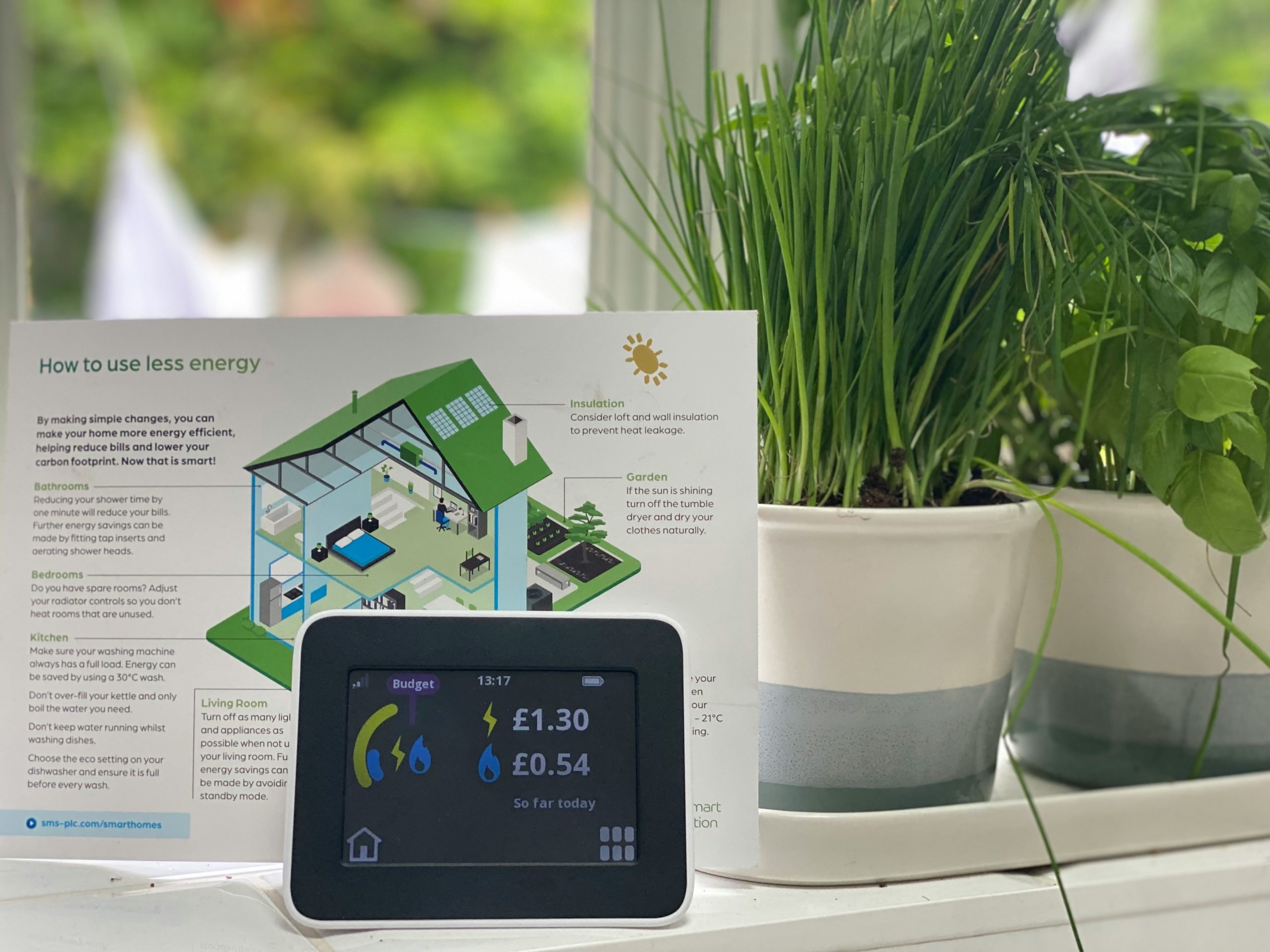
Many small changes in daily behavior can add up to large savings in energy consumption. Closing curtains during the peak sun hours in the summer will keep the sun’s rays from entering your home. Cooking meals in the summer that do not generate heat in your kitchen (using the microwave, grilling outdoors, etc.) will also help to minimize the demand on your cooling system.
Cooking meals in the winter using an oven generates heat inside your home that your heating system does not have to generate. Opening curtains during the day to let natural light into your home and then closing them at night to retain the warmth generated during the day are both simple and cost-effective strategies for reducing the load on your heating system.
Collectively, these actions will help to minimize the amount of energy your HVAC system must expend to maintain a comfortable temperature, resulting in lower energy costs.
An Economic Analysis of Investments in Efficiency
Investments in new, efficient HVAC systems will typically incur a higher upfront cost than the replacement of an existing system. However, the reduction in energy consumption and corresponding decrease in energy costs can eventually recoup the original investment.
The length of time necessary for the investment to break-even will depend upon several variables, including the original cost of operating the existing system, the difference in energy consumption between the two systems and the length of time the system will remain operational.
For households with very old, inefficient systems that consume high amounts of energy, the cost of upgrading to a new system can often be recovered in five-seven years due to the reduction in energy consumption. Additionally, the upgrade can occur simultaneously with the replacement of a system that is nearing failure.