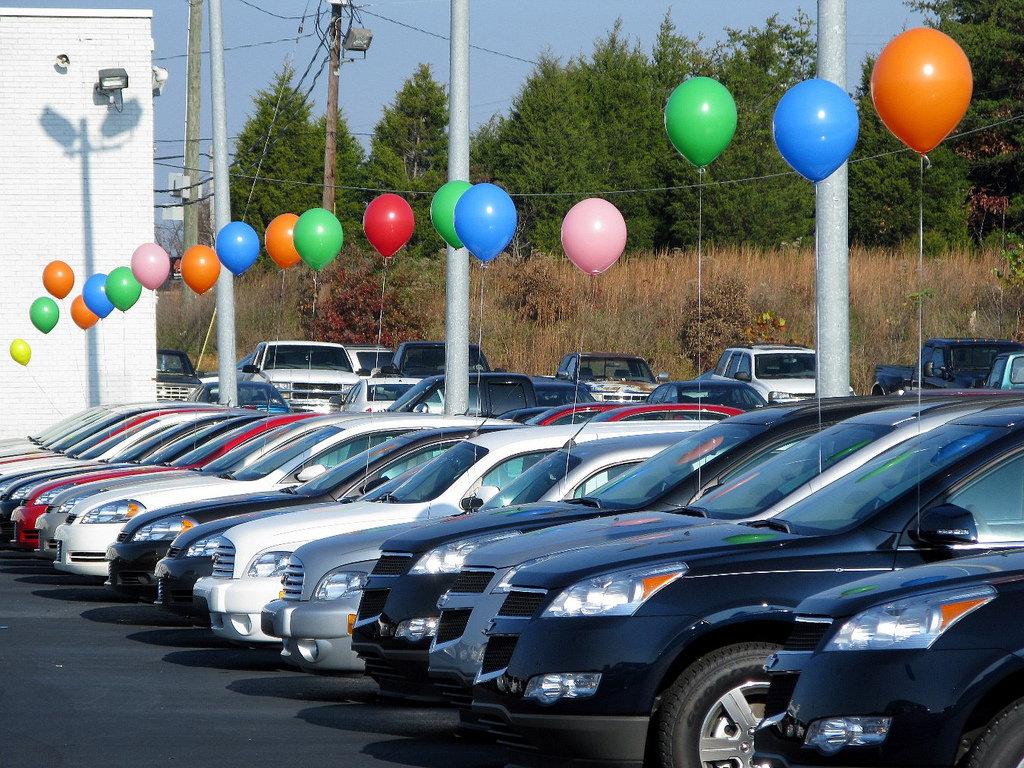
Something’s shifted in how people are buying cars lately. Walk into any dealership and you’ll probably notice the used car section is busier than it used to be. Pre-owned vehicles are having a genuine moment right now, and it’s not just about saving money – though that’s certainly part of it.
The shift is happening across all age groups and income levels. People who would’ve bought new without thinking twice are now seriously considering used options. And they’re not settling for less. They’re making smart choices that actually work better for their situations.
New Cars Are Great, But the Math Has Changed
New cars are fantastic. They come with the latest features, full warranties, and that new car smell everyone talks about. But they’ve also gotten pricier over the years. The average new vehicle price in 2025 is sitting higher than what most people budgeted for, and that changes the equation.
The biggest hit comes in that first year. Depreciation is steepest right after purchase – often 15-20% of the value disappears within twelve months. For someone buying a car at $50,000, that’s a substantial amount of value gone before the first oil change. It’s not a secret, but it feels different when you’re the one experiencing it.
Insurance costs play into this too. Covering a brand new vehicle runs higher than insuring something a few years old, which adds to the monthly budget. When you add up the loan payment, insurance, and depreciation, some buyers are realizing they’d rather put that money elsewhere.
What Makes Pre-Owned Different These Days
Used cars have come a long way. Modern vehicles are built to last significantly longer than they were even a decade ago. Seeing cars run strong past 100,000 miles isn’t unusual anymore – it’s expected with proper care. The quality of manufacturing has improved across the board.
Here’s what’s interesting: the gap between a three-year-old car and a brand new one has narrowed considerably. Cars from 2022 or 2023 have most of the same safety features, technology, and reliability as 2025 models. Backup cameras, smartphone integration, advanced safety systems – that stuff became standard a few years back.
Technology in cars has reached a point where year-to-year changes are more incremental than revolutionary. A well-maintained 2022 model often has everything the average driver needs for daily life. The pressure to buy new just to get basic features isn’t there like it used to be.
The Financial Advantages Are Real
When you buy pre-owned, someone else already absorbed that steep first-year depreciation. You’re coming in after the biggest value drop, which means the car you buy will hold its value better during your ownership period.
Take a vehicle that sold for $45,000 new three years ago. You might find it today for $29,000 with reasonable mileage. That original owner took a $16,000 hit. If you keep it for three years, your depreciation will likely be gentler – maybe $7,000 to $9,000. The curve flattens out after those initial years.
Monthly payments reflect this difference too. Financing $29,000 versus $45,000 means keeping several hundred dollars in your pocket each month. For a lot of families, that’s the difference between a comfortable budget and a tight one. That money can go toward other goals instead of evaporating into depreciation.
Getting More Car for Your Budget
One of the biggest advantages of going pre-owned is simply getting more vehicle for the same money. The budget that gets you a basic new car can land you a well-equipped pre-owned model with features you actually want.
Want leather seats, a sunroof, or a premium sound system? Those upgrades can add thousands to a new car price. But on a three-year-old vehicle, those features are already there and you’re not paying the new car premium for them. You’re getting a better equipped vehicle without stretching your finances.
This matters more than people realize. Buying a car with the features you want (rather than the base model you can afford) means you’re more likely to be happy with it long-term. There’s real value in driving something you enjoy rather than something you settled for.
The variety available in the pre-owned market makes a difference too. If you’re starting your search, browsing cars for sale perth gives you a real sense of what’s out there across different price points and models. Most people find it helpful to see the full range of options before they narrow down what matters most to them.
Certification Programs Make It Easier
Certified pre-owned programs have really changed the used car landscape. These aren’t casual inspections – certified vehicles go through comprehensive checks covering mechanical systems, electronics, and overall condition. If something doesn’t meet standards, it gets addressed before the car gets certified.
The warranty coverage that comes with certified pre-owned vehicles brings peace of mind. Many programs extend the original manufacturer warranty or add new coverage that can take you past 100,000 miles. You’re getting similar protection to buying new, but at a lower price point.
Roadside assistance and other perks often come standard with certified programs too. The gap between buying new and buying certified pre-owned keeps shrinking in terms of the ownership experience, which makes the used option more appealing.
Better Selection Than You’d Expect
Here’s something that surprises people: pre-owned inventory often offers better selection than new. When you’re shopping for a new car, you’re limited to current year models with whatever option packages are available. If you want something specific, you might need to order it and wait.
With pre-owned vehicles, you’re pulling from multiple years of production. Want a specific color combination with specific features? Your chances of finding it are often better in the used market. You’re not constrained by what’s currently in production or what the manufacturer decided to package together this year.
If you’re starting your search, checking out what’s available at dealerships with solid used inventory can give you a sense of what’s actually out there. Many buyers browse style listings online to see the range of options before they commit to visiting anywhere in person. It’s a practical way to narrow things down.
The Technology Sweet Spot
There’s a sweet spot with pre-owned vehicles where you get modern technology without paying the premium for the absolute latest features. A 2022 or 2023 model will have adaptive cruise control, lane keeping assist, automatic emergency braking, and all the connectivity features most people actually use.
The newest features on 2025 models are nice, but they’re often refinements rather than necessities. Most drivers won’t miss them. What matters is having reliable technology that works well, and vehicles from the past few years deliver that without the new car markup.
This is especially true for families or commuters who need dependable transportation with good safety features. The pre-owned market delivers on those priorities while keeping monthly costs manageable.
Market Conditions Are Favoring Buyers
The used car market has stabilized after a few unusual years. Inventory levels are healthier, which means more choices for buyers. Dealerships are paying attention to their pre-owned stock quality because that’s where a lot of customers are shopping right now.
Competition among dealers is working in buyers’ favor. When dealerships know customers are comparing options carefully, they tend to price more competitively and offer better service. It’s a decent time to be shopping for a pre-owned vehicle if you’re willing to do a bit of research.
Interest rates are higher than they were a few years ago, but that affects everyone – new and used buyers alike. The difference is that financing a smaller amount (which pre-owned typically means) results in less interest paid over the life of the loan. The math just works out better.
What to Actually Look For
The key to a good pre-owned purchase is knowing what to check. Service history matters more than almost anything else. A well-maintained vehicle with records showing regular oil changes and scheduled maintenance is worth more than a neglected one with lower miles.
Mileage matters, but it’s not everything. Highway miles are easier on a car than city miles. A vehicle with 60,000 highway miles might be in better shape than one with 40,000 miles of stop-and-go traffic. Context matters more than the raw number.
Test drives should be thorough. Listen for unusual noises, feel how the transmission shifts, test all the features. If something feels off, trust that instinct. The right car will feel solid and drive smoothly. Don’t talk yourself into something that doesn’t feel right just because the price is good.
Making the Choice That Works for You
Choosing between new and pre-owned really comes down to what matters most in your situation. If having the latest features and full warranty coverage is worth the premium, buying new makes sense. There’s nothing wrong with that choice.
But for a growing number of drivers, pre-owned offers a better balance. You get a reliable, well-equipped vehicle for less money, with lower depreciation and insurance costs. The ownership experience with a quality pre-owned car is pretty close to buying new, especially with certified programs.
The smartest move is running the numbers for your specific situation. Look at what vehicles you’re considering, compare the total cost of ownership (not just the purchase price), and think about how long you plan to keep it. Sometimes the answer is obvious once you see it all laid out.
What This Means Moving Forward
The trend toward pre-owned vehicles isn’t likely to reverse anytime soon. As cars continue to be built better and last longer, the value proposition of used vehicles only gets stronger. More people are figuring out that buying a three or four-year-old car makes financial sense without sacrificing quality or reliability.
Dealerships are adapting to this shift by improving their pre-owned offerings. Better inspection processes, stronger warranties, and more transparent vehicle histories are becoming standard. The used car buying experience is getting better as more customers demand it.
At the end of the day, a car is a tool that gets you where you need to go. Whether it’s brand new or a few years old matters less than whether it’s reliable, fits your budget, and meets your needs. Right now, pre-owned vehicles are checking those boxes for more drivers than ever before – and that’s probably not going to change anytime soon.