Tag: skin

  • Glow Naturally: Unlock the Inner Secrets to Healthy, Radiant Skin

    Glow Naturally: Unlock the Inner Secrets to Healthy, Radiant Skin

    Achieving glowing skin often feels like a never-ending hunt for the perfect products. While serums, moisturisers, and masks have their place, true skin radiance begins from within. What you feed your body and how you care for it ultimately reflect on your complexion.

    This post dives into tried-and-tested tips to help you glow from the inside out, focusing on diet, hydration, lifestyle, and modern skincare treatments. Whether you’re a skincare enthusiast or someone looking to upgrade your routine, you’ll walk away armed with actionable advice for that natural, healthy glow you’ve always wanted.


    Why Glowing Skin Starts From Within

    Before you pack your vanity with new skincare products, consider this: your skin is a reflection of your overall health. Nourishing your body with the right nutrients has a profound impact on your complexion. After all, glowing, youthful skin isn’t just about what you put on top but also what you put inside.


    The Skin Diet Guide


    1. Eat Your Way to Radiance

    A skin-friendly diet is rich in antioxidants, healthy fats, vitamins, and minerals. Here’s what to focus on:

    • Healthy Fats

    Foods like avocados, nuts, seeds, and fatty fish (e.g., salmon and mackerel) are packed with omega-3 fatty acids. These fats help maintain your skin’s hydration and elasticity while reducing inflammation.

    • Antioxidants

    Bright, colourful fruits and vegetables like blueberries, spinach, sweet potatoes, and carrots are loaded with antioxidants. These protect skin cells from free radical damage, which speeds up ageing.

    • Skin-Loving Vitamins

    Vitamin C (found in citrus fruits, peppers, and strawberries) promotes collagen production, while Vitamin E (in almonds, sunflower seeds, and spinach) protects against UV damage.

    • Hydration from Foods

    Cucumber, watermelon, and celery are over 90% water and can give your skin an extra hydration boost.


    2. Drink Up

    It’s not just a cliché – water truly is your skin’s best friend. Staying hydrated enhances skin elasticity, flushes out toxins, and prevents dryness.

    Tip: Add lemon or cucumber slices to your water for an extra nutritional kick. Herbal teas (like green tea) are also excellent for their added antioxidants.


    3. Limit Sugar and Processed Foods

    Sugary and processed foods can wreak havoc on your skin. Diets high in sugar could lead to glycation, a process that damages collagen and accelerates ageing. Swap sugary treats for dark chocolate or fruit and replace processed snacks with nuts and seeds.


    A Lifestyle for Radiant Skin

    4. Prioritise Sleep

    Beauty sleep isn’t a myth! While you snooze, your skin works overtime repairing itself. Adults should aim for 7–9 hours of quality sleep each night to reduce under-eye puffiness and encourage a natural glow.

    Pro Tip: Use silk or satin pillowcases to minimise friction and reduce skin irritation.


    5. Move Your Body

    Regular exercise doesn’t just boost your mood; it also improves circulation, delivering oxygen and nutrients to skin cells. Whether it’s yoga, walking, or your favourite workout, movement helps you achieve that post-exercise glow!


    6. Manage Stress

    Stress leads to increased cortisol levels, which can trigger oil production and worsen conditions like acne. Consider activities like meditation, journaling, or even taking five-minute mindfulness breaks. Your skin (and mental health) will thank you.


    The Role of Skincare

    7. Build a Consistent Skincare Regimen

    A good skincare routine complements your inner efforts. Start with the basics:

    • Cleanse

    Gently cleanse your skin twice a day to remove dirt and impurities. Opt for a product tailored to your skin type.

    • Moisturise

    Keeping your skin hydrated is crucial, even if it’s oily. Lightweight moisturisers work well for oily skin, while richer creams are great for dry skin.

    • SPF

    Sun exposure is the number one cause of premature ageing and uneven skin tone. Always use broad-spectrum sunscreen with at least SPF 30, daily.


    8. Professional Treatments to Boost Your Glow

    Sometimes, a little professional help can go a long way. Treatments like skin boosters and dermal fillers are increasingly popular for achieving that luminous, plump look.

    • Skin Boosters

    These involve injecting hyaluronic acid into the skin to improve hydration and texture from within. It’s perfect for anyone struggling with dull or dry skin.

    • Dermal Fillers

    Fillers can subtly restore volume, reduce fine lines, and enhance facial contours, giving you a rejuvenated appearance.

    Always consult a qualified practitioner who will buy skin boosters and buy dermal fillers from reputable brands to ensure safe and personalised treatment.


    Small Changes, Big Results

    True, radiant skin starts with small, meaningful changes to your lifestyle. Nourish your body with the right foods, stay hydrated, and invest in good skincare practices. If you’re ready to take it a step further, explore professional treatments to amplify your results.

    Remember, glowing skin isn’t about perfection; it’s about feeling confident and healthy in your own skin. Start incorporating these tips today and watch your complexion transform!
     

  • How to Choose the Right Foundation for Your Skin Type and Achieve a Flawless Finish

    How to Choose the Right Foundation for Your Skin Type and Achieve a Flawless Finish

    Is there ever a time when you see someone with a foundation that’s a little bit off, too light, too dark, or just sitting on the skin like a mask? Let’s get real, no one wants to look that way, but we’ve all been guilty. Your foundation should never be the focal point before you are, but rather, bring out your natural beauty.

    But here’s the trick: knowing your skin’s special tone and undertone means you can choose the ideal foundation, not just a color that is close enough. Done correctly, your base will settle into your complexion and sheer into your skin to give you an amazing, luminous finish.

    How can one avoid the dreaded foundation failure, then? Let’s explore it and identify your ideal foundation.


    Know Your Skin Tone

    Your skin tone is the first hint to the riddle of your foundation match; think of it as the broad strokes of your natural complexion. There are four types of skin tones: light, medium, deep, and fair. The true game-changer, however, is undertones. They are the key component that decides whether a foundation appears as an evident layer or dissolves into your skin.


    Skin Tone Study Guide

    • Fair: The lightest of all; it frequently has a porcelain sheen, burns readily, and tans infrequently.
    • Light: A delicate pink or faint tan shade that is an improvement over fair.
    • Medium: Olive, tan, or warm skin that might be yellow or golden in tone.
    • Deep: Rich, black skin with deep purple undertones and red and blue.


    Find The Perfect Foundation Shade

    Choosing the wrong shade of foundation is like wearing shoes that are too small; it may be uncomfortable, noticeable, and ugly. Finding the exact shade that complements your skin tone and undertone is as important as finding a close enough match to get the ideal finish. Instead of acting as a mask on top of your natural complexion, a well-matched foundation should enhance it with a smooth mix. And keep in mind that if the shade is incorrect, even the best formula won’t work.

    Making the perfect choice might be overwhelming when so many options are available. You can check out a Korean foundation and choose one that matches your skin type. Korean products are renowned for their skin-like textures and extensive hue selections meant to accentuate rather than cover-up. Applying a bit on your wrist or jawline in natural light while evaluating hues will reveal your shade match if it blends into your skin.


    Determine the Best Level of Coverage

    The foundation comes in various coverage levels, from barely perceptible tints to formulas that create the ideal canvas; there is no one-size-fits-all solution. Your preferred finish and skin type will determine the best coverage for you. While medium to full-coverage foundations even out the complexion and cover for flaws, light-coverage foundations create a natural, weightless appearance.

    A matte, light-coverage foundation on oily skin can regulate oiliness without looking heavy on the skin. Dry skin is better suited for a medium-coverage, more hydrating composition that smoothes out the complexion. Knowing what your skin needs will help your foundation accentuate rather than cover up your inherent beauty.


    Select the Ideal Finish for Your Radiance

    Your entire makeup appearance relies significantly on the finish of your foundation. All finishes, from radiant to matte, enhance your skin differently. Matte foundations are ideal for oily skin since they may absorb extra shine and give your face a velvety, smooth texture. Since satin is adaptable, appears natural, and suits most skin types, it’s a fantastic choice if you’re having trouble choosing a finish.

    Dry skin is given moisture and a new, shiny appearance with a dewy or luminous base.

    If you want your makeup to endure, choose a finish that suits your skin type to keep it looking fresh all day. For a stress-free daily look, a satin finish foundation offers the ideal balance of brightness and coverage. Incorporating Bentonite into your skincare routine can also help create a smooth base by absorbing excess oil and refining your complexion before makeup application.


    Consult a Makeup Professional

    Finding the ideal foundation is challenging with all the various colors, undertones, and formulations available. See a professional makeup artist if you do not know what choice is best for you based on your skin type and desired effect. It can determine your skin tone, suggest the best products, and even provide application guidance to help you achieve your desired outcome.

    Wise investing in a foundation that enhances rather than conceals your natural beauty is assured with the guidance of professional consultation. Their experience can help you save time, money, and frustration, whether at a counter at a beauty shop, makeup salon, or e-chatter. They also can make you familiar with products and formulas you never would have considered, allowing you the confidence to achieve that image-perfect face.


    Tips for Applying a Perfect Finish

    The right application of foundation can be the difference between a smooth, natural finish and a cakey, bumpy texture. Enhancing the natural beauty of your skin while having your foundation remain intact all day is the goal. The following professional advice will help you get that picture-perfect, flawless look:


    • Apply with a brush or sponge; the tool makes the difference. A damp sponge enables liquid foundation to be smoothed on effortlessly, giving the illusion of a second skin. A dense foundation brush buffs streak-free and even for heavier coverage.
    • Less is more, so start off with a small amount. Apply just a little bit of foundation first, and gradually increase the coverage. This guarantees a natural appearance and avoids the dreaded cakey effect. To create an even colour, concentrate on the areas of need for more coverage, such as redness or blemishes, and work outwards to blend.
    • To keep on all day, prep your foundation with powder or setting spray. For oily skin in particular, a thin coat of translucent powder will cut shine. A setting spray fixes your foundation in position and gives you a dewy, long-lasting look without drying out your face, keeping it fresh and hydrated.


    Knowing your skin type, undertones, and the amount of coverage that makes you feel your best are all important factors in choosing the proper foundation, not just choosing a shade. You won’t again have to worry about the dreadful mask effect again after you master undertones and shade testing. Consider foundation to be the most important component of your makeup regimen; the more well it matches, the more seamlessly the rest of your look flows.


  • What Does a Skin Check Clinic Do? Understanding Their Role in Skin Health

    What Does a Skin Check Clinic Do? Understanding Their Role in Skin Health

    Taking care of your skin is essential, especially in countries like Australia, where high UV exposure increases the risk of skin cancer. Regular skin checks play a crucial role in early detection and prevention. If you’ve ever wondered, “what does a skin check clinic do?”, the answer lies in their specialized approach to skin cancer screening and treatment.

    Clinics like SunDoctors provide expert assessments, using advanced technology and trained specialists to detect abnormalities before they become serious health concerns.

    The Purpose of a Skin Check Clinic

    A skin check clinic is dedicated to identifying, diagnosing, and managing skin conditions, particularly skin cancer. These clinics focus on early detection, which is key to successful treatment. Unlike general medical practices, they are equipped with specialized tools and staffed by professionals with extensive experience in dermatology and skin cancer detection.

    What Happens During a Skin Check?

    1. Medical History and Risk Assessment

    A skin check starts with a discussion about your medical history, including:

    • Personal and family history of skin cancer.
    • Past sun exposure and history of sunburns.
    • Any noticeable changes in your skin or moles.

    Understanding these factors helps specialists determine your risk level and focus on areas that may require closer examination.


    2. Full-Body Skin Examination

    The next step is a thorough, head-to-toe skin examination. The doctor checks for:

    • Unusual moles or lesions.
    • Skin discolorations or texture changes.
    • Any signs of skin cancer, such as asymmetrical moles or irregular borders.

    This comprehensive approach ensures that no potential issues are overlooked.


    3. Use of Advanced Diagnostic Tools

    Skin check clinics use specialized equipment to improve accuracy in detecting skin abnormalities, including:

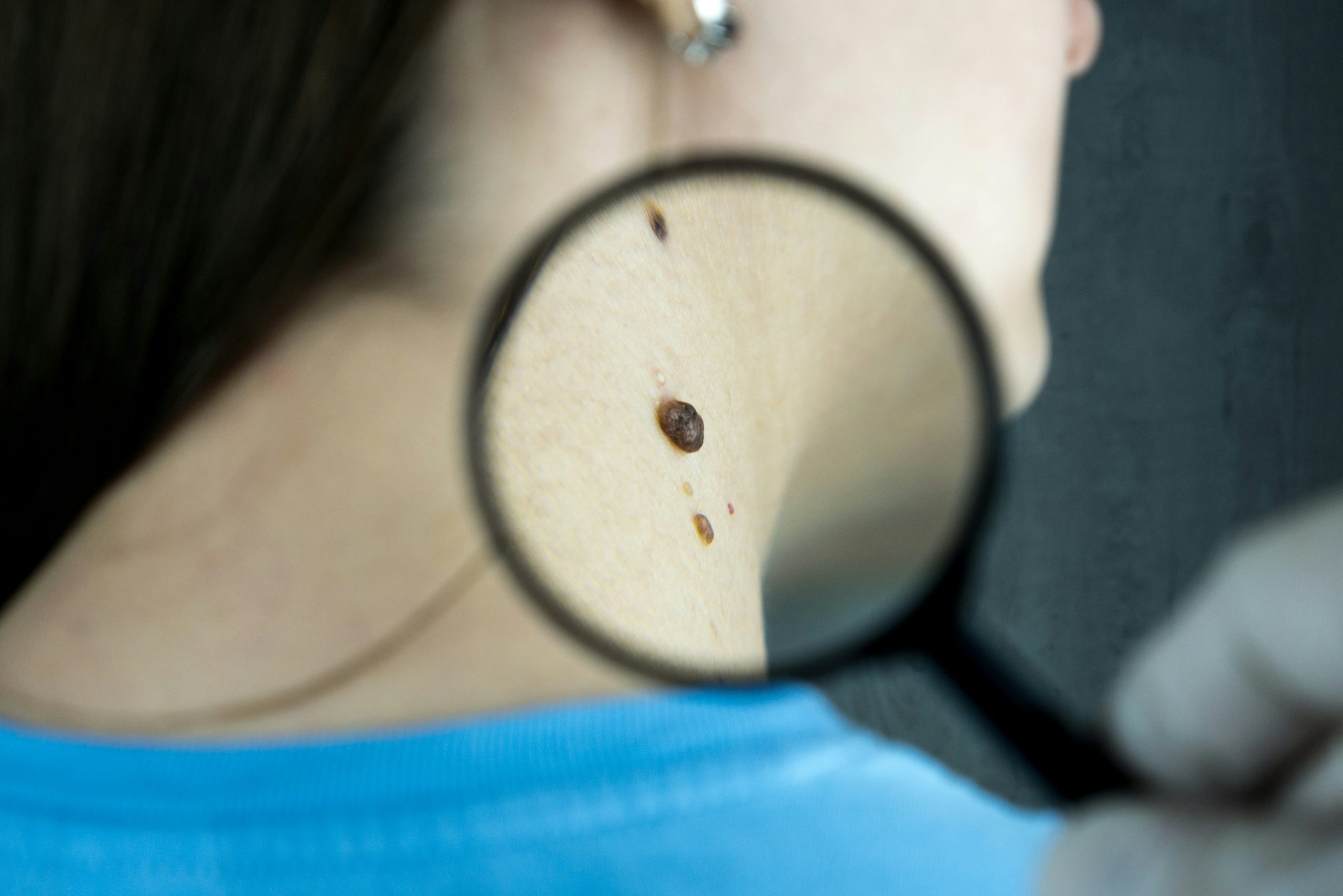
    • Dermoscopy: A handheld device that magnifies the skin, allowing doctors to examine moles in greater detail.
    • Digital Mole Mapping: High-resolution imaging technology that tracks changes in moles over time.
    • Biopsy Procedures: If a suspicious mole or lesion is found, a small tissue sample may be taken and sent for laboratory analysis.

    These tools enhance diagnostic precision, reducing the risk of misdiagnosis and ensuring early intervention.

    What If an Abnormality Is Found?

    If a skin check clinic identifies a potential issue, the next steps may include:

    • Monitoring: Some moles or skin changes may not be immediately concerning but require regular observation.
    • Biopsy and Testing: A sample may be tested to confirm whether the lesion is cancerous.
    • Treatment Recommendations: If skin cancer is diagnosed, treatment options may include cryotherapy (freezing abnormal cells), surgical removal, or topical treatments.

    Why Visit a Skin Check Clinic Instead of a GP?

    While general practitioners (GPs) can conduct basic skin checks, specialized clinics offer more advanced screening techniques and expertise. The benefits of choosing a dedicated skin check clinic include:

    • Expert Diagnosis: Specialists have in-depth knowledge of skin cancer detection and treatment.
    • Advanced Technology: Digital mole mapping and dermoscopy improve diagnostic accuracy.
    • Early Detection and Prevention: Regular check-ups at a skin clinic increase the likelihood of catching skin cancer early, improving treatment success rates.

    Who Should Get Regular Skin Checks?

    It’s recommended that everyone undergo routine skin checks, but certain individuals are at higher risk, including:

    • People with fair skin, freckles, or a history of sunburns.
    • Those who spend a lot of time outdoors.
    • Individuals with a personal or family history of skin cancer.
    • People with numerous moles or spots that change in appearance.

    Final Thoughts

    Understanding what a skin check clinic does? can help you take proactive steps toward better skin health. These clinics specialize in early detection, accurate diagnosis, and effective treatment, ensuring that potential skin cancer cases are caught before they become serious. Regular visits to a trusted clinic can give you peace of mind and significantly reduce health risks.

    If it’s been a while since your last skin check, consider booking an appointment with a specialized clinic today—it could make all the difference for your long-term health.


  • Why La Roche-Posay Cicaplast Baume is Essential for Skincare Enthusiasts

    Why La Roche-Posay Cicaplast Baume is Essential for Skincare Enthusiasts

    By skincare standards, La Roche Posay Cicaplast Baume might be the jack-of-all-trades product in this list. This one-of-a-kind balm is not just treating irritation and dryness but also healing your skin. The powerful ingredients from the unique formulation of the Madecassoside Lipid Barrier Toner will work hand in hand to help your skin recover and protect itself. I want to get into the distinctive features of Cicaplast Baume and why you should add this to your skincare cabinet docket as part of its versatile effectiveness.


    Unique Formulation of La Roche Posay Cicaplast Baume


    Cica is made with a blend of powerhouse ingredients to target different skin concerns, like La Roche Posay Cicaplast Baume. This balm is especially effective at soothing and regenerating the skin because it contains thermal spring water. This mineral-rich thermal spring water soothes and nourishes. This formula helps with immediate needs like dryness and sensitivity and focuses on the bigger picture, strengthening the skin overall.


    Key Elements of the Formula


    • Thermal Spring Water: Soothing and anti-inflammatory, reducing redness and irritation and delivering minerals to the skin.
    • Copper, Zinc, and Manganese: These are some of the trace elements necessary for skin regeneration. They treat (heal) and protect the skin barrier.
    • No Fragrance or Parabens: Our face lotion is fragrance- and paraben-free, making it perfect for sensitive skin.

    Ideal for Post-Procedure Care


    Cicaplast Baume is also particularly good in post-procedure care. So whether you’ve just had a facial or some more intense treatment, this balm will help calm and protect your skin while it recovers. Its barrier-like nature helps seal in moisture and protects from any further irritation resulting from external factors. This makes it a star choice for professional and at-home skincare regimen, keeping the skin soothed and nourished as it heals.


    Benefits After Cosmetic Treatments

    • Reduces Redness and Swelling: Being anti-inflammatory, it can reduce skin inflammation and enhance redness healing post-procedures like laser treatment or even after a peel.
    • Promotes Healing: The friendly barrier-repairing, hydrating Cica will help you fully recuperate faster than your usual skincare.


    A Must-Have for Changing Seasons

    Just as the changing seasons affect your style, your skin also has different needs through them all. Another fantastic use of Cicaplast Baume is in those transitional seasons where almost everyone gets dry skin. With the rich emollient texture of our balm, good hydration and protection against environmental stressors are guaranteed. It is also very effective in creating a protective film over the skin to lessen the impact of wind, cold or sudden changes in temperature. Hence, it helps a great deal, especially during seasonal transitions.


    Why It Works in Different Climates

    • Winter Protection: This helps to prevent the dry, itchy skin of winter caused by low humidity. In other words, the Cicaplast Baume is a barrier that holds water in and keeps the harmful outside elements from causing destruction.
    • Summer Relief: Summers bring minor irritations and eventually sunburn due to skin exposure to ultraviolet rays.


    The Eco-Conscious Choice

    Consumers in today’s world care much more about their purchase decisions, as well as the environmental consequences of those. Although they are somewhat expensive, the clean aesthetic combined with the sustainability effort in La Roche-Posay Cicaplast Baume makes it an infrastructure choice for some people. The brand advocates for responsible sourcing; for that, it uses sustainable, eco-friendly packaging, which also resonates with the future-forward consumer’s value systems. This product effectively does what it says for all you modern skincare enthusiasts. Launching it in a non-traditional aluminium tube has many benefits, such as making caring for your skin a sustainable choice.


    Commitment to Sustainable Practices

    • Sourcing: La Roche-Posay takes a responsible approach to sourcing its ingredients, selecting only the highest quality with sustainable manufacturing that preserves the environment in mind.
    • Packaging: The brand is proactively reducing plastic footprint and increasing recyclability in the pack.


    How to Use Cicaplast Baume Effectively


    Targeted Application

    Apply this cream directly to troubled areas to get the most out of this cream. A small amount works well if you have chapped lips or dry patches or are out in the sun. However, with the targeting method of prolotherapy, the vital components are focused on where they need to be released for faster and better relief.


    Daily Hydration Boost

    Including it in your everyday skincare regime can improve the overall health of your skin. It can be used as a final step after moisturiser to seal moisture in dry weather. By creating and harnessing this protective barrier, the face cream keeps lost moisture on point throughout the day and helps to work as a shield from environmental aggressors, leaving the skin supple, soft, and revitalised.


    Conclusion

    More than a soothing balm, La Roche-Posay Cicaplast Baume is a versatile gem for all skin concerns. Its unique formulation, from post-procedure care to seasonal considerations for maintaining skin health, makes it the ultimate item for every skincare enthusiast. Its all-in-one nature means it can replace several products and treat you overall. The commitment to quality and sustainability that Cicaplast Baume represents ensures a choice you can feel good about, with efficacy rooted in ethical responsibility. It is time to include this in your skincare routine and obtain the benefits.


  • How to Prevent Acne Scars

    How to Prevent Acne Scars

    Studies suggest that acne negatively impacts an individual’s self-esteem and self-image, a problem that can result in depression and anxiety. While developing active breakouts on your skin is frustrating enough, having to live with the scars that come with acne can be especially difficult. In this article, you will find tips and best practices on how to prevent acne scars.


    Don’t Squeeze the Pimples, Disinfect the Area If You Do

    While it is overwhelmingly tempting to squeeze and pop a pimple, it is important you know that this habit causes more harm than good. Squeezing a pimple releases the debris and bacteria out of it, spreading the infection around your skin. This not only worsens the inflammation on the skin, but it may also leave an open wound and create more acne. However, since it is easier said than done, you are recommended to wash the area around the pimples every time you squeeze them. Ensure that the acne treatment products you use to clean your skin are recommended and approved by dermatologists.


    Never Pick Scabs

    Skin scabs are the natural protective tissues that form every time the skin is damaged. Scabs play a critical role in enhancing your skin’s healing process, which is why you should avoid picking at them. Picking a scab will only prolong the healing process, increasing the chances of developing permanent acne scars. This also makes the wound underneath the scab more vulnerable to infections.


    Treat Acne As Soon As It Breaks Out

    The best way to prevent your skin from scarring is by treating acne as soon as it breaks out. You can go for the recommended over-the-counter treatments, and if your condition is not getting any better, consult a dermatologist. Early acne treatment helps minimise the impact of the breakouts while lowering the chances of developing more severe acne. Prevent pimples and control the breakouts from extending deep into the skin.

    Acne scars can vary in severity, and fortunately, there are a range of treatment options available. For mild scarring, over-the-counter creams, gels, or treatments like microneedling or laser therapy may improve the skin’s appearance. However, for more severe and persistent scars, advanced medical procedures might be necessary. Scar revision surgery is one such option, aimed at minimizing deep, severe scars by altering their size, depth, or orientation. This surgical approach is typically recommended when other treatments haven’t been effective in reducing the visibility of scars.

    Use Extra Sunscreen

    Wearing extra sunscreen helps in fading acne scarring. Exposure to sunlight triggers the skin to produce more melanin, which results in darker skin cells. This not only prolongs the time it takes for your skin to heal, but it also causes the skin to develop unwanted pigmentation. Therefore, using more sunscreen goes a long way in preventing these skin cells from becoming more active. Consequently, the risk of scarring is reduced.


    Avoid Wearing Heavy Makeup

    Wearing makeup is not always harmful to your skin. And when you are struggling with acne, the chances are that you will wear as much makeup as possible to cover that up. However, too much makeup can worsen acne flare-ups on your skin. Some makeup and cosmetic products contain ingredients that clog pores, making it easy for the acne-causing bacteria to develop. If you have to wear makeup, consider using non-comedogenic and oil-free options.


    Do Not Exfoliate Your Skin with a Washcloth

    If you are using exfoliating mitts, mechanical facial cleansing brushes, and washcloths to clean your acne face, then you should stop. Such washing materials can be too abrasive for the pimples, and using them will only worsen your condition.

    For example, washcloths are known for causing irritation on the skin, increasing sensitivity, and making the skin more vulnerable to bacterial infections. All these can lead to severe acne scars if not avoided. Instead, consider using a gentle cleanser like amazon castile soap, which effectively cleanses the skin without causing irritation. Additionally, washcloths can hold dirt and bacteria, which increase inflammation on your skin.


    Stay Moisturised

    Moisturising is one of the best practices for maintaining the health of your skin cells, as well as protecting it from irritation. Acne scars on moisturised skin are less noticeable, not forgetting the healing effects that come with well-hydrated skin. To keep your skin moisturised, you must use moisturisers regularly and limit yourself from taking hot showers.


  • 4 ways to improve the health and condition of your skin

    4 ways to improve the health and condition of your skin

    Having clear, blemish-free skin is something we would all love to be blessed with. A healthy glow and a fresh-faced look can make all the difference to how we feel.

    Unfortunately, it isn’t always that easy to achieve this. Smoking, stress, sun exposure, and poor diet can all contribute to less than perfect skin. The good news is that there are many things you can to help. Here are 4 ways to improve the condition of your skin.


    Drink lots of water

    If you don’t drink enough water, skin can become dehydrated which can, in turn, cause your face to feel dry and tight. Wrinkles may appear more prominent, and skin can look dull and lifeless.

    It is recommended that the average adult should drink around 2 litres of water every day. Of course, this often slips by the wayside during a busy workday. Start drinking water more frequently, and you may be surprised at the significant changes that occur to the appearance and texture of your skin.


    CBD oil

    CBD is a compound extracted from various parts of the hemp plant and is widely known for providing many health benefits. And not many people know that one of those benefits is to the skin. Oils, such as ULU’s CBD range, contain essential fatty acids (Omega 3 and 6) which can promote collagen production and make the skin feel and look healthier.

    CBD is a natural anti-inflammatory ingredient, which is also known to reduce sebum production. This is why many people use CBD skincare products for issues such as acne, dryness and facial redness.


    A good skincare routine

    Implementing a good skincare routine can do wonders for your skin. Make-up, dirt, and excess oils can clog your pores, so it’s a good idea to gently cleanse your face every morning and night. This will help your skin to breathe and keep it looking fresh.

    When washing, you should rinse, pat dry, and then apply a good moisturiser to help nourish your skin. It’s a good idea to use a day cream that has a built-in SPF to protect your skin from the sun’s harmful UV rays. If possible, you should also exfoliate your skin once a week to get rid of dead skin cells.


    Review your diet

    Poor nutrition can have a huge impact on the appearance and condition of your skin. So, eating a healthy and balanced diet can dramatically change that. Fish such as mackerel, salmon, and herring are another source of the important fatty acids we mentioned earlier, which means they are great for your skin.

    It is also recommended that you use a sun protector with a fairly high SPF if you are going to be exposed to the sun for prolonged periods. Vegetables such as sweet potatoes and bell peppers will also help with skin protection as they are high in beta-carotene, which is acts as a natural sunscreen.

    Where possible, try to avoid excessive amounts of sugar like those found in milk chocolate. This is because sugar can cause inflammation and skin irritation – not to mention that sugar is also a leading cause of acne. If you do want to treat yourself once in a while, go for dark chocolate instead. Its high cocoa content means it contains lots of antioxidants which can be great for improving skin texture and health.