Welding is not good for the body in ways that are not obvious when you’re young and spry. It’s like the compounding problems happen over years—decades even. They catch up to you with no reasonable fix. Knowing what to expect long term makes more informed decisions about protecting yourself now to avoid such issues down the line.
Almost all of these problems are preventable with the right gear and consistent safety measures. Compromising protection now creates problems that come to fruition 10, 20, or even 30 years down the line.
Vision Problems You Don’t Know Are Coming
Welder’s flash—that gritty feeling after looking at an arc without shade—helps people know to protect their eyes, but there’s a long-term problem, too.
The cumulative UV exposure causes serious damage to the lens of the eye. Most people develop cataracts at some point; welders develop them decades ahead of time. The sun literally cooks the proteins in your eye’s lens. When this happens, surgery to remove the cataract is the only solution.
The retina also suffers cumulative exposure. Welding creates bright light. It’s not dramatic flashburn—it’s just consistent exposure over time where it wasn’t bright enough for immediate symptoms but damaged tissue over time.
The problem is that your eyes don’t regenerate this damage. What’s burned is burned. That’s why having auto-darkening helmets every single time matters (even if it’s just for a second); those frequent yet short exposures add up over a career.
Respiratory Issues From Fumes
The fumes are toxic. They’re not just irritating, they’re toxic. It depends on what you weld, but common particles include chromium, manganese, nickel, etc., through metal oxides. Breathing this day in, day out is not good for your lungs.
Some particles pin themselves down in lung tissue over time, and ultimately, welders suffer from lung scarring, decreased lung capacity, breathing issues that get worse and worse.
Manganese, for example, is an element found in certain steel that when welders inhale too much of it, they face neurological concerns similar to Parkinson’s Disease. This is compounded exposure; it doesn’t show symptoms until a long time later.
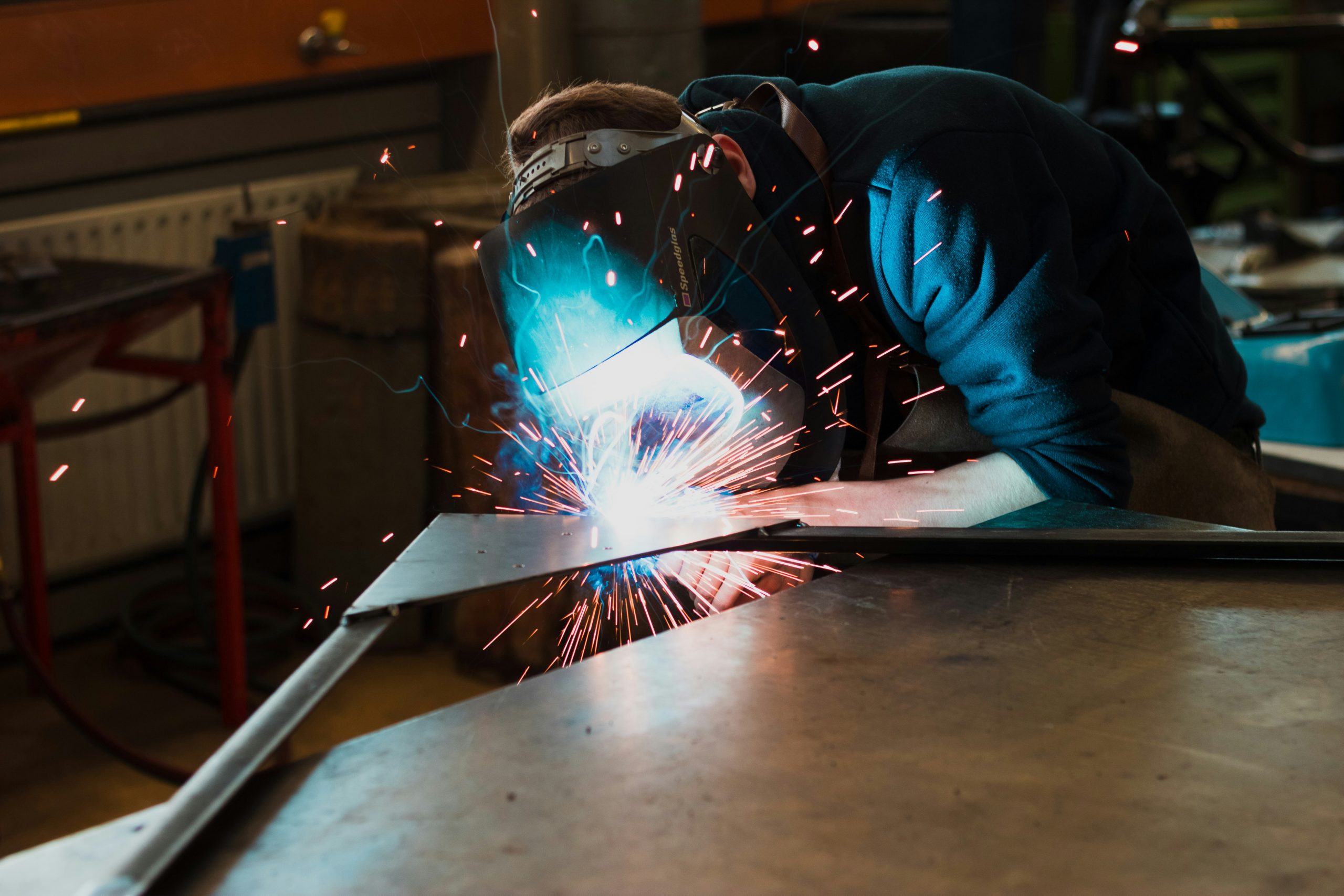
A paper mask does nothing—it’s not enough. A powered air system provides serious protection from particulate size. For major fume production or not effective ventilation, you can buy Speedglas G5 01VC welding helmet that offers a respiratory system for eye/lung protection when prolonged exposure exists.
Hearing Loss From Noise
Work environment sounds are distracting. Grinders, plasma cutters, sledgehammers hammering away. It’s a louder-than-necessary place to be. Unfortunately, it’s not the one-time blast of sound; it’s cumulative exposure over years that creates hearing problems later.
The problem is in tiny hairs in the inner ear that don’t regrow. Cumulative exposure causes them to lose hearing range—and eventually forever—once damaged.
Most welders have high-frequency hearing loss as a first response; they have difficulty understanding words spoken as muffled common sounds (they’re saying huh on repeat).
Additionally, tinnitus—the ringing sound in the ears—is incredibly common among welders. It has no cure and arises from noise-damaged hearing loss.
When you’re younger and feel fine or don’t want to bother putting earplugs in consistently, it’s easy to think of sound as non-threatening; however, after 20 years of eight-hour per day exposure in loud shops adds up to hearing problems come mid-life.
Musculoskeletal Issues From Repeated Motion
Why would a welder suffer musculoskeletal issues? They’re continually moving and holding heavy tools in awkward positions or consistently welding at particular joints and bends.
Shoulder strains happen from continuously holding a welding gun up at a 45-degree angle to effectively get a job done; repetitive motion causes rotator cuff issues and inflammation over time.
When welders look overhead or bent down from awkward positions or on tight ledges and crannies or welding along the floor they create consistent stress and strain on their spine. Back pain becomes manageable over time; rarely does it go away.
Wrist injuries also come into play as welders constantly turn and move their wrists without proper ergonomic support from angles they maintain pressure from gripping tools consistently for hours every day. Eventually these stresses compound into carpal tunnel syndrome which is painful—and debilitating when welding becomes impossible.
These injuries develop so incrementally that people get used to pain until it becomes unbearable. Better ergonomics and taking breaks help—but making excuses and pushing through pain only exacerbates any damage further down the line.
Skin Problems From UV Exposure
It’s not just the eyes—it affects skin exposure too. Overwhelming deaths from skin cancer occur from welders who fail to wear gloves and heavy shirts or cover exposed areas properly.
UV exposure prematurely ages skin, increasing skin cancer risk among other sun spots and premature wrinkles—all of which look bad but most importantly are avoidable.
Solex solvents, degreasers or metal dust develop inflammation over time which causes dermatitis—dry cracks that are red, inflamed, bleeding—which appear unnecessary but can get extremely painful over time among people who generally have sensitive skin to chemicals on a daily basis.
These problems seem easy to shrug off compared to lung damage or eyesight failure but they’re uncomfortable and cumulative every day. Unless an individual lives with consistent coverage/protection, these ailments are entirely preventable.
Why Young Welders Fail to Take This Seriously
Because they develop invisibly and cumulatively!
A 25-year-old welder feels great bypassing the proper respirator or using cheap eye protection because nothing happens immediately. Yes, damage occurs internally from exposure, but it’s invisible in the moment—and they do not feel effects until decades later.
By the time projects fail because people cannot breathe mid-job because they’ve lost eyesight due to damage or pains have caused so many problems that they literally cannot do their job anymore—it’s too late—and there’s no going back or retroactively protecting yourself properly when possible 15 years ago.
It’s unfair but compounded by personal choice along the way for shortcuts.
Additionally, those who breathe poorly all of a sudden—or find conversations difficult—ever live with constant pain find comorbidity with depression and anxiety. It’s one thing to have all day projects killed because of health problems you cannot control; it’s another thing altogether when you should have prevented them since they were compounded avoidable factors.
What Actually Prevents Those Issues
It’s clear.
Proper eye protection every single time (not once because it will be a second-long job). Enough respiratory protection to match what you’re breathing in. Ear plugs if sound is overwhelming. Proper coverage/layers for skin protection.
Ventilation helps keep particulate out of systems while providing breaks/ergonomics help counter some of the musculoskeletal issues where checks along the way help guide adjustments before major issues can occur down the road.
Get checked regularly if you’re in this job field so intervention can occur before issues compound (but note they’re still inevitable).
The Real Cost of Poor Protection
These long term problems are not inevitable; they’re compound poor decisions along the way with superficial prevention—proper protection—to stop them from ever occurring in reality.
Compromising on safety equipment now equals health problems in the future multiplied for instant use today without regard for good safe policy means users suffer later on unintended exposure with cumulative results that could have been avoided had proper precautions been taken early on.
These debilitating factors contribute to early closure of welders way before retirement age; it’s not bad luck—it’s predictable problem-solving from prolonged efforts that would have avoided it had proper prevention taken place.
By understanding what’s at stake makes more sense investing a little extra time on proper equipment—and discipline to get proper equipment on every time during your welder career worthwhile.