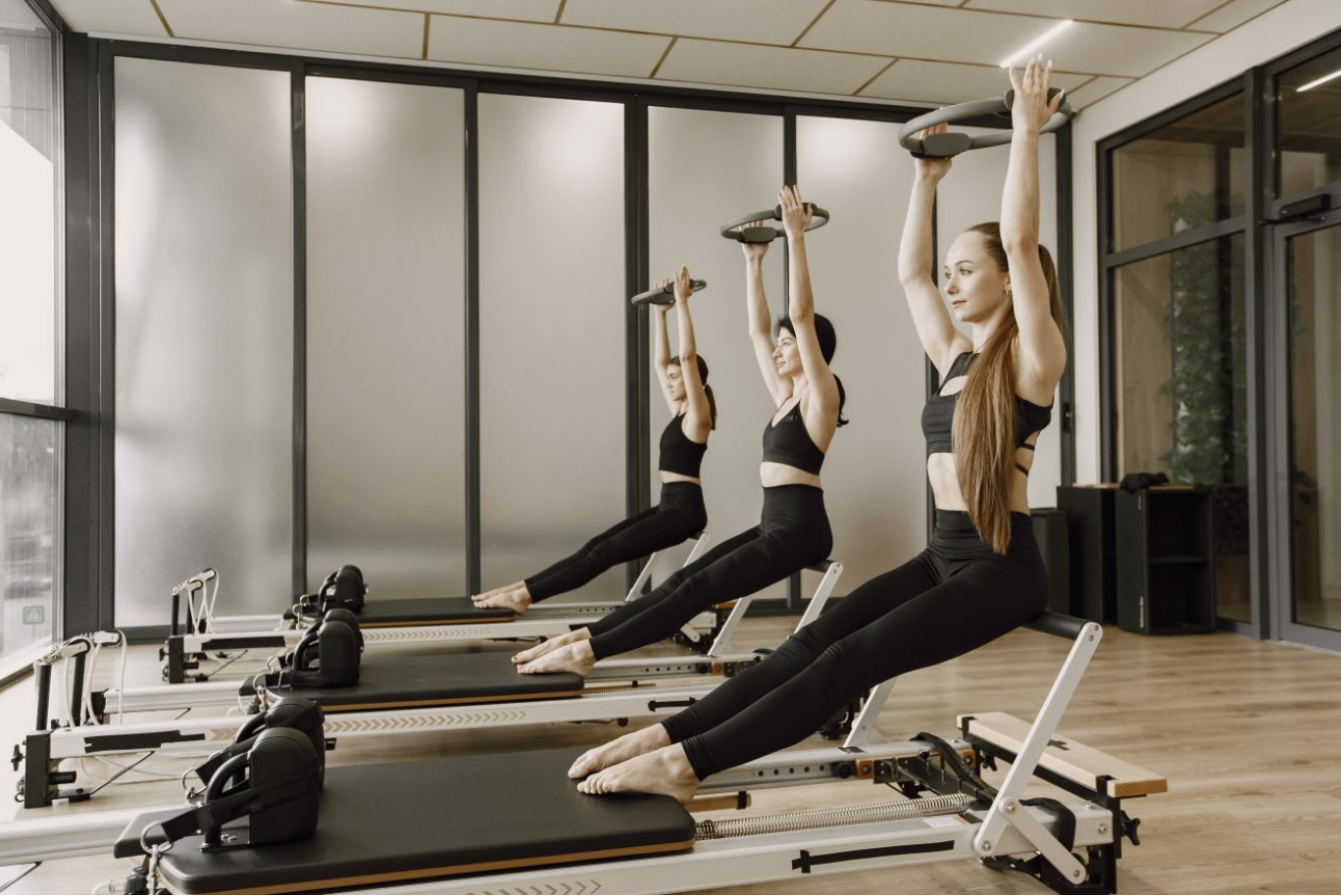
Starting a new fitness journey can feel exciting and intimidating at the same time, especially when the equipment looks more complex than a standard gym machine. If you’ve been curious about reformer Pilates but aren’t sure where to begin, you’ll discover what to expect from training, how to build confidence, and which skills matter most as you progress.
Understanding the learning process makes every session more rewarding, whether you want to achieve personal fitness or become a qualified instructor. With the right guidance, you’ll gain confidence while developing safe, effective movement habits that last.
Build Strong Foundations Before Chasing Advanced Skills
A Pilates reformer is designed to provide controlled resistance, helping you perform movements with precision rather than speed. Unlike many gym machines that isolate individual muscles, the reformer encourages your entire body to work together. That makes it an excellent tool for improving posture, stability, flexibility, and core strength.
Resist the urge to compare yourself with experienced participants. Pilates rewards quality over quantity, and mastering basic movement patterns will make advanced exercises feel much more natural later. Small improvements in control often produce better long-term results than rushing through complicated routines.
Find Beginner-Friendly Guidance
Many newcomers get discouraged because they attend sessions that move too quickly and feel pressured to memorise long exercise sequences straight away. Without enough guidance, it’s easy to lose confidence or develop habits that are difficult to correct later.
Choosing classes designed specifically for beginners makes a noticeable difference. Reformer Pilates in London, for instance, has become increasingly popular, with many studios offering introductory reformer classes that focus on technique, breathing, and safe progression instead of intensity. Smaller class sizes also give your Pilates instructor more opportunities to provide individual feedback.
Don’t hesitate to ask questions throughout your sessions. Understanding why you’re performing a movement often leads to faster improvement than simply copying the person beside you. Good instructors welcome curiosity and adjust exercises for different fitness levels, injuries, and special populations so everyone can learn safely.
Learn the Skills That Matter Most
Your biggest challenge as a beginner isn’t building strength but learning how to move well. Pilates emphasises precision, breathing, and control, so each exercise teaches you how your body should feel during movement rather than encouraging repetition for its own sake.
You’ll gradually explore different Pilates movements while becoming familiar with changing spring settings. Understanding how resistance affects each exercise helps you perform movements more smoothly and with greater confidence.
Your instructor will also demonstrate proper body positioning, appropriate spring choices, and the importance of load awareness, allowing you to challenge yourself without sacrificing technique.
Pay close attention to posture, breathing, and smooth transitions between exercises. These details form the foundation for every future progression. Consistent practice develops coordination, body awareness, and confidence far more effectively than trying to advance too quickly.
Considering Instructor Training
Comparing course content carefully is worthwhile because not every qualification follows the same structure. Some providers offer training online, while others prioritise face-to-face teaching from the beginning.
High-quality programmes still include practical exams, ensuring graduates demonstrate safe teaching standards rather than simply passing written assessments. During training, you’ll often work on respected balanced body reformers, allowing you to become familiar with widely used exercise equipment found across the industry.
You’ll also gain experience using other types of studio equipment commonly found in professional Pilates studios, preparing you for employment in different settings.
Many graduates eventually teach in corporate fitness facilities, wellness centres, or public/private health clubs, where adaptable teaching skills are highly valued.

What You’ll Learn During Instructor Education
A strong comprehensive Pilates education program introduces the entire Pilates system rather than focusing on one machine alone. This often includes full apparatus training, giving you confidence across multiple pieces of equipment.
You’ll usually begin with a mat module, followed by a chair module, allowing your teaching knowledge to develop progressively. Some providers also recommend holding a group exercise instructor certification before expanding your qualifications, while others package everything into a mat + full reformer instructor certification pathway.
Alongside equipment work, you’ll practise advanced mat work, attend dedicated mat courses, and complete specialist reformer courses that steadily expand your teaching toolkit.
Turn Knowledge Into Real Teaching Confidence
Movement skills improve fastest through in-person training supported by regular coaching. Every session provides opportunities to apply theory in realistic situations. You’ll complete numerous practical exercises that challenge your observation and communication skills. Many aspiring instructors come from careers as personal trainers, although previous fitness experience isn’t essential for success.
As your confidence grows, you’ll learn to assess different client abilities while performing accurate form analysis. Continued in-studio practice reinforces your teaching style and prepares you for working with a wide range of clients.
One of your most valuable skills becomes selecting appropriate exercise modifications, ensuring everyone can participate safely regardless of fitness level, injury history, or mobility limitations.
As your experience grows, you’ll also become better at explaining the multiple wellness benefits of reformer Pilates, from improved posture and balance to increased strength, mobility, coordination, and body awareness. Helping clients understand these long-term outcomes keeps them motivated and encourages consistent participation.
The Future of Reformer Pilates
The industry is expanding beyond traditional studios into workplaces, rehabilitation settings, and communities, creating opportunities for qualified instructors across a wider range of environments.
Demand for Pilates continues to grow throughout the UK as more people look for sustainable, low-impact ways to stay active. Calls for more public investments in physical health could further support this momentum by improving access to evidence-based exercise routines and preventive wellbeing initiatives.
Your First Step Is the Most Important
Beginning reformer Pilates doesn’t require perfect flexibility or previous experience. It requires curiosity, patience, and a willingness to learn each movement with care.
As you build knowledge, practise consistently, and choose quality instruction, your confidence will naturally grow alongside your skills. Every well-executed session brings you one step closer to your goal, whether it’s improved fitness, better movement, or a rewarding teaching career.