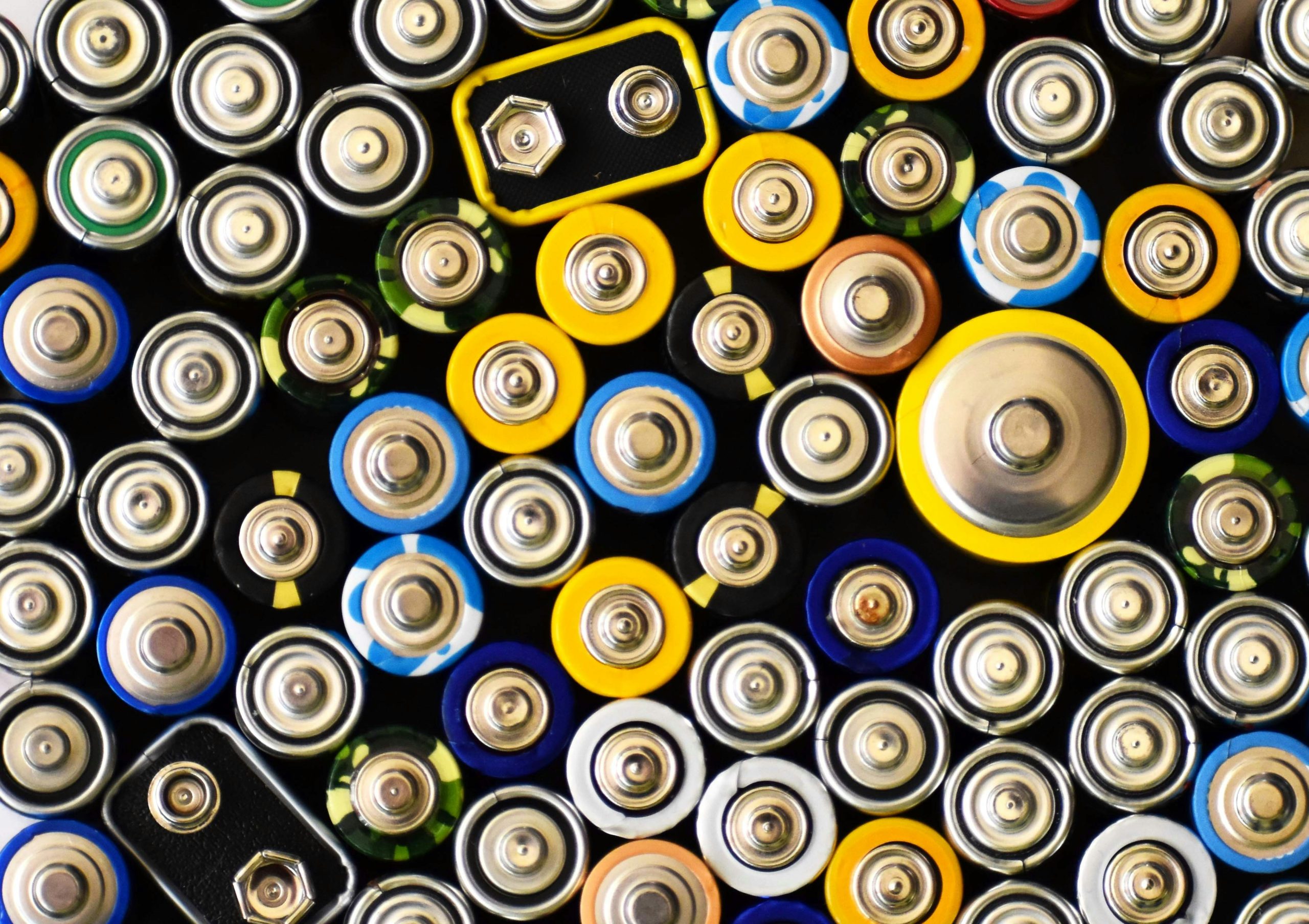
We rely on batteries for an enormous range of everyday devices, from remote controls and clocks to cameras, alarms and specialist medical equipment. But not all batteries are designed to perform in the same way.
Long-life batteries deliver dependable power over extended periods, making them particularly useful in devices that need to keep running without frequent battery changes. But what actually makes one battery last longer than another?
It starts with the battery chemistry
Every battery produces electricity through a chemical reaction between materials inside the cell. Different battery chemistries behave differently based on their reactions.
- Standard alkaline batteries, for example, are commonly used in household devices because they provide a good balance between cost, capacity and reliability.
- Lithium batteries are another popular long-life option. They have high energy density, meaning they can store relatively large amounts of energy in compact packages.
- Some specialist lithium batteries are specifically designed for applications such as memory backup systems and electronic equipment where long shelf life and dependable power are especially important.
Slow self-discharge makes a difference
A battery does not only lose energy when it is powering something. Batteries can gradually discharge even while sitting unused. This is known as self-discharge. Long-life batteries are designed to minimise this process, retaining more of their stored energy while sitting in a drawer or inside a device that only occasionally draws power.
This is particularly useful for items such as smoke alarms, clocks, sensors and emergency equipment, where the battery may remain installed for long periods.
Consistent power matters too
Battery life is not simply about keeping a device switched on for as many hours as possible. Many electronics need stable power to operate correctly. As batteries discharge, their voltage gradually falls. Battery manufacturers therefore design long-life cells to maintain useful performance for as long as possible.
The exact discharge pattern depends on the chemistry and the device itself. A television remote requires very little power at any one time, for example, while a camera flash or powerful torch can place much greater demands on a battery. That is why choosing the right type matters just as much as choosing a battery labelled as long-lasting.
Some batteries are designed for different drain levels
You may sometimes see devices described as low-drain or high-drain.
- Low-drain devices use relatively small amounts of power over long periods. Wall clocks and basic remote controls are good examples.
- High-drain devices demand more energy, either continuously or in short bursts.
Manufacturers can optimise batteries for these different requirements. Varta, for example, produces batteries intended to provide long-lasting power across both low and high-drain applications, while Ultralife Batteries are generally designed for more demanding equipment.
Storage conditions can affect lifespan
Even a high-quality battery can perform poorly if it has been stored incorrectly. Batteries should generally be kept somewhere cool and dry and away from excessive heat. They should also be stored in a way that prevents their terminals from accidentally coming into contact with metal objects.
Always check the expiry or best-before when buying batteries for equipment that may not be used immediately.
Match the battery to the job
There is no single battery that is automatically the longest-lasting choice for every device. A lithium coin cell may be ideal for a small electronic device, while alkaline AA or AAA batteries may make more sense for common household equipment.
Ultimately, long-life batteries work because their chemistry, construction and discharge characteristics are designed to make better use of the energy stored inside them. Choose the right type for the device, store it properly and use reputable batteries, and you can keep equipment running reliably for much longer between changes.