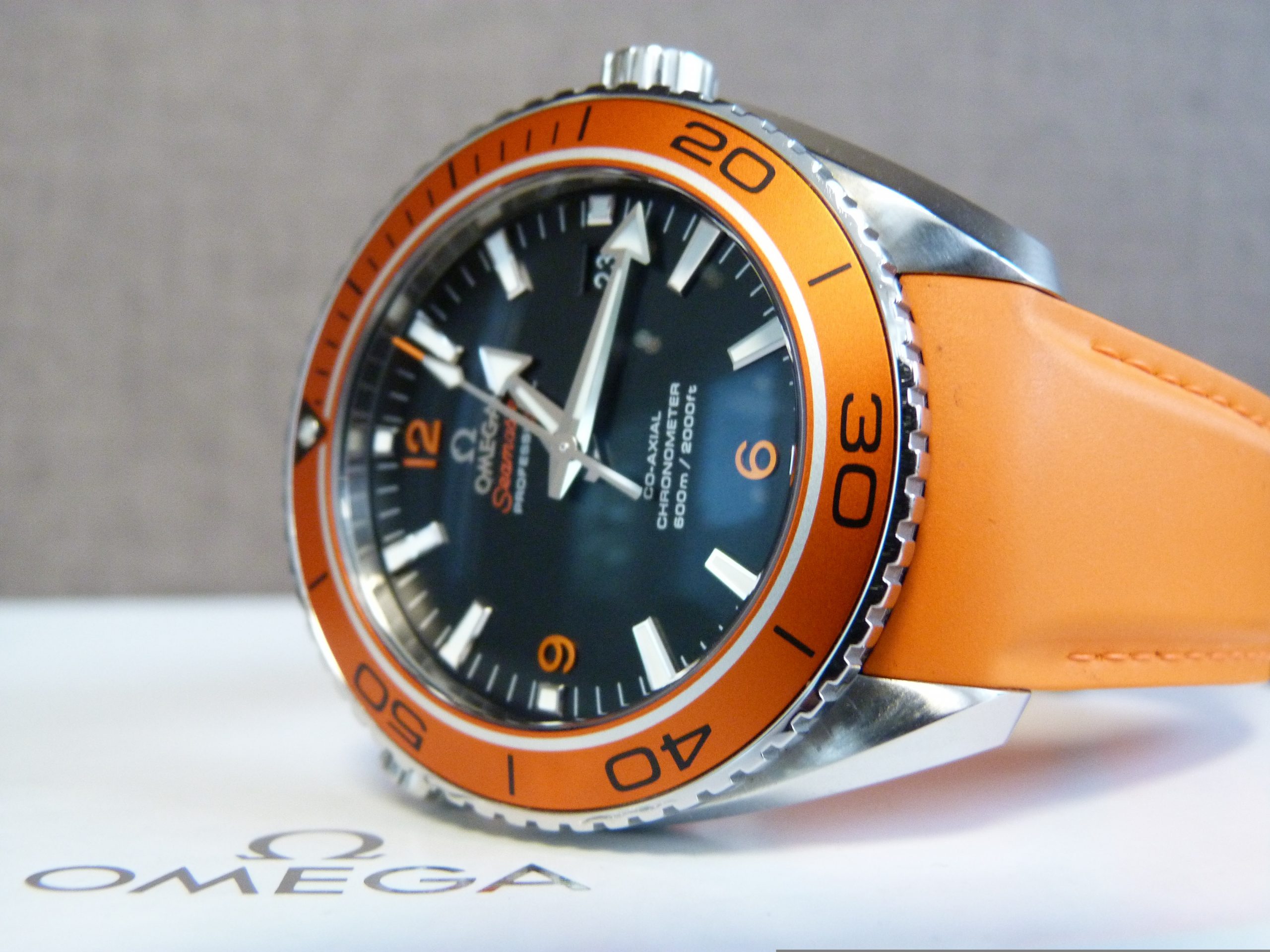
When comparing luxury timepieces such as omega watches, it pays to understand what actually separates a well-made watch from one that simply looks the part. The luxury watch market is crowded with options where appearance, branding, and technical quality don’t always line up. Building a practical framework—one that covers craftsmanship, movement quality, materials, fit, and long-term ownership value—gives any buyer a much clearer path to a decision they can feel confident about.
What Makes a Luxury Watch Worth Considering?
Not every expensive watch earns the luxury label. Fashion watches lead with aesthetics, premium watches step up the materials, but genuine luxury timepieces such as omega watches bring all three together: refined movement engineering, precise finishing, and meaningful long-term serviceability. Price alone tells you surprisingly little. Brand heritage, the quality of internal components, and a manufacturer’s commitment to after-sales support matter just as much as the number on the price tag—sometimes more.
Key Features to Evaluate Before Buying
Movement Type and Accuracy
Think of a watch’s movement as its engine—everything else is just the body around it. Quartz movements run on battery power and deliver excellent accuracy with minimal upkeep. Automatic movements wind themselves through the natural motion of the wrist, offering a more mechanical experience but requiring periodic servicing. Manual-wind movements need daily attention, yet reward the wearer with a more direct, tactile connection to the mechanism. One thing worth remembering: a higher price doesn’t automatically mean better timekeeping. A well-regulated quartz can easily outperform a poorly adjusted automatic.
Case Materials and Durability
Stainless steel remains the most practical choice for daily wear, striking a solid balance between durability and cost. Titanium brings lighter weight to the equation, while ceramic holds up exceptionally well against scratches. Gold carries obvious prestige but calls for more careful handling. Above the dial, sapphire crystal offers far greater scratch resistance than standard mineral glass. Water resistance ratings deserve a careful read, too—they reflect controlled laboratory conditions, not the unpredictability of real-world use.
Key Takeaway: Water resistance ratings are practical guidance, not a blanket guarantee. A watch rated to 30 metres is generally splash-resistant—not something you’d want to take swimming.
Dial, Lume, and Legibility
Readability matters more than many buyers initially realize, particularly for a watch worn every day. Sports watches benefit from high-contrast dials and strong luminous material on both hands and markers. Dress watches may lean toward elegance at the slight expense of instant legibility. Before committing, take a moment to evaluate how the handset, dial layout, and index design work together across different lighting conditions—it’s easy to overlook in the excitement of the moment.
Bracelet, Strap, and Fit
Even the finest movement loses its appeal if the watch doesn’t sit right on the wrist. Pay close attention to clasp quality, adjustability, and how the lug-to-lug length relates to your wrist size. A well-fitted watch feels secure without pinching and stays flush against the wrist throughout the day—something that only becomes obvious once you’ve worn a poorly fitted one.
How to Assess Quality Without Being an Expert
You don’t need to be a horologist to spot the signs of quality. Inspect the visible finishing: crisp case edges, even polishing, clean dial printing, and precisely aligned hour markers all reflect broader manufacturing standards. Ask for technical specifications—movement reference, power reserve, and recommended service intervals—and pay attention to how readily a seller provides them. Reputable brands and dealers offer clear, consistent documentation without vague answers or contradictory claims.
Authentication and Buyer Confidence
Always verify serial numbers, review the original documentation, and take a close look at packaging integrity. Inconsistent printing, suspiciously low pricing, or incomplete provenance are all reasons to pause. First-time buyers can significantly reduce their risk by sticking to established, verifiable sources and cross-referencing specifications against official manufacturer documentation before any money changes hands.
Matching the Watch to Your Lifestyle
For everyday wear, scratch resistance, a reliable clasp design, and versatility across casual and formal settings should sit near the top of your priorities. In a professional office environment, slimmer cases and restrained dials tend to read better than bold, oversized designs. For travel or active use, shift your focus toward shock resistance, clear legibility, and how easily the strap can be adjusted on the fly.
Practical Checklist Before Buying
- Confirm movement type and core technical specifications
- Check case material, dimensions, and water resistance rating
- Review warranty terms and realistic service costs
- Verify seller credibility and documentation completeness
- Assess whether the watch genuinely suits your primary use case
The Bottom Line
The best luxury watch isn’t necessarily the most expensive one. It’s the one that balances quality, fit, reliability, and long-term ownership value for the specific person wearing it. Use the checklist above as a calm, practical decision-making tool—and choose based on durability and genuine usability rather than impulse or brand appeal alone.