Tag: Bike

  • Hurt in a Bike Accident? Here’s a Guide to Safeguarding Your Rights

    Hurt in a Bike Accident? Here’s a Guide to Safeguarding Your Rights

    Cyclists are at grave risk every time they hit the road. A pothole, distracted motorist, or poor equipment can instantly alter your life. You don’t have time for filler or general guidelines if you’ve been injured in a bike crash. You require facts, tactics, and decisiveness. This guide is for individuals who want straightforward answers on what to do after a bike injury without beating around the bush or avoiding reality.


    Put Medical Attention First, Always

    Don’t walk it off or brush it off. Even if you are conscious and can move, adrenaline may hide the severity of internal damage. Get medical help immediately, either where you are now or at the nearest hospital. Medical records aren’t just necessary for your health, they are central evidence if you pursue a claim afterward.

    Postponing days to see a doctor loses your case. Insurance companies will argue the injury was not serious or was not caused by the accident. Have a professional document every bruise, scrape, or break as quickly as possible.


    Get a Bike Accident Attorney

    If you’re injured on a bicycle, you need a lawyer who understands the unique challenges and laws that apply specifically to cyclists. You need someone who knows the traffic laws that protect cyclists and isn’t afraid to push back against the unfair bias riders sometimes face. A good lawyer will also bring in the right experts, crash investigators, doctors, and others, to help strengthen your case. The best part? Most of them don’t charge anything upfront. If they don’t win, you don’t pay.


    Get the Scene and Evidence Secured Right Away

    If possible, take pictures of everything. Document the scene, your bike, the other vehicle if applicable, your injuries, road conditions, and anything relevant. Use wide shots and close-ups. Please don’t count on police or bystanders getting it right.

    If you cannot move, have a witness or someone you know help keep this evidence in its condition. Something that won’t matter now may be the deciding factor later. That sloppy curb or missing street sign may seal the deal for negligence.


    Never Admit Fault to Anyone

    Emotions run high following a crash, especially if you’re hurt or fee like you have caused the accident. No matter what never admit fault. Statements like “I’m sorry” or “I didn’t see them” can return to haunt you later. Keep your words short and sweet. Follow police instructions, but don’t speculate or apportion blame, just make your statement and leave.

    The other party’s insurance adjuster may attempt to contact you, but do not talk to them. Have them talk to your attorney or simply refuse to. Their purpose isn’t to assist you but to decrease what they pay.


    Talk to Witnesses and Get Written Statements

    Witnesses do win or lose cases. Before memories fade and witnesses disappear, get contact information from everybody who saw the crash or its aftermath. Something in writing—a note written or an email—is preferable to a blank page.

    Testimony can verify car speed, driver behavior, or road conditions. Jurors and insurers are more likely to credit third-party perceptions than victim memories.


    Identify All Responsible Parties

    The driver is not necessarily solely responsible. Faulty parts on bicycles, subpar road conditions, or even construction companies that leave behind hazards are all potential areas of shared blame. Do not assume there is a single way to find compensation.

    An experienced attorney can help delve deeper and reveal hidden donors. If the reason for your accident was a tire blowout, for instance, the tire maker may be liable under product liability law. Multiple claims yield multiple chances to recover damages.


    Don’t Rush Into Settlements

    Bicycle crash injuries may get worse with time. What may initially seem like minor back pain may become a chronic injury. Insurance providers know this. They may offer a quick settlement in hopes that you will accept it before you realize the severity of your injuries.

    Don’t sign or settle until you’ve undergone a complete medical evaluation and consulted attorneys. The case is closed as soon as you accept a settlement. There are no second chances.


    Know What Damages You Can Claim

    Your recoverable entitlements are much more than medical costs. You may be entitled to lost work time, pain and suffering, future medical emotional distress, loss of use of a limb or body part, and even loss of quality of life. If you were riding a special bike or an expensive one, detail the replacement or repair cost.

    Document it all. Save receipts, appointment notes, medication records, and other evidence of how your life changed. Every detail adds more muscle to your claim.


    Report the Police Even If It Seems Small

    In certain areas, this is legally required. However, even where it’s not, a formal report lends your complaint more credibility. Ensure your version of events is included in the report and ask for a copy upon filing the report.

    Don’t rely on verbal assurances made by the other party. People do change their statements. Without a report, it is your word against theirs.


    Don’t Delay Legal Action

    Every state has a statute of limitations, establishing the time limit for a lawsuit. In most jurisdictions, it’s only two or three years. However, in some instances, there are governmental actors such as city employees or public road crew personnel, and the clock is ticking for 60 days before a suit must be filed against them. Taking too long to act may cause you to forfeit your right to sue, no matter how good your case is. Don’t think you can wait—check now.


    Know Your Rights As a Cyclist

    Cyclists are not second-class citizens on the road. According to most jurisdictions’ laws, bikes have the same rights and responsibilities as cars. Drivers are supposed to give space, yield where needed, and avoid your lane.

    If you are the person who violated them, you are not guilty of riding a bike. Learn about your local bike laws. Knowing them makes you stronger in law and allows you to say clearly when questioned.

    A bike accident jolts you physically, emotionally, and economically. But your rights aren’t washed away with crash. Do what needs to be done first, don’t rush, and get the right experts. It’s not always fair and quick, but it’s worthwhile. The law is there for you, but only if you’re doing your part. Your recovery starts with information.
     

  • The Growing Popularity of Gravel Cycling: What You Need to Know

    The Growing Popularity of Gravel Cycling: What You Need to Know

    Gravel cycling is the perfect middle ground between off-road adventures and high-speed pursuits on the road. When you pair a lightweight yet rugged frame with the most durable wheels, tyres and chain sets on the market, you can ride anywhere you want!

    More than just a trend, gravel embodies newfound freedom for cyclists across the globe. Below, we’ve covered all the basics for new gravel riders.


    What is gravel cycling?

    Gravel cycling is a unique discipline that blends elements of road and mountain biking. Whether you’re venturing onto local bridleways or exploring new trails on holiday, a gravel bike promises a versatile experience.

    Gravel means cruising seamlessly from smooth tarmac onto dusty tracks without needing to change your setup – or swap your bike!

    Lightweight aluminium or carbon gravel frames deliver speed when you need it, while top-spec wheels and responsive handling keeps the ride feeling fast and smooth. And when you buy a gravel bike fitted with quality offroad tyres, you can conquer any terrain!


    What sets gravel riding apart?

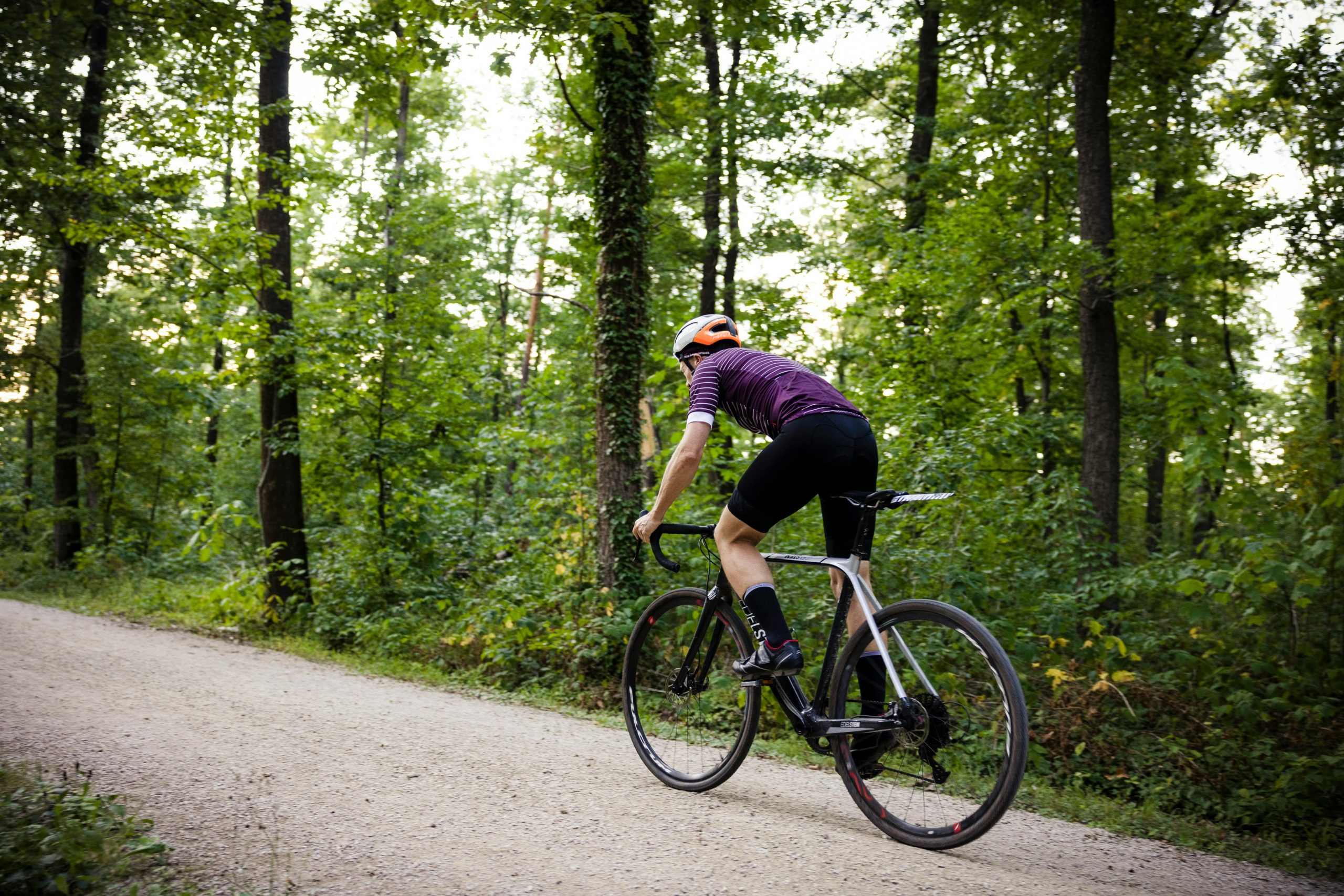
    It’s easy to mistake a gravel bike for a road bike: with drop handlebars, aggressive geometry and superior components, the best gravel bikes could easily compete with their race-focused counterparts.

    But the biggest differences lie within intention. Gravel bikes are developed to be strong, stable and capable over technical ground. Additionally, they need to keep riders feeling comfortable over longer distances.

    In summary, road bikes are typically lighter, faster, and more advanced. If you’d like to challenge yourself and join a cycling club to get competitive, road riding could be for you. But if you’re after solo or small-group adventures off the beaten path, nothing comes close to gravel riding.


    How to choose the right gravel bike for you

    • Frame material

    Gravel bikes are typically available with either carbon or aluminium frame. This will be the most significant factor where cost is involved: if you’ve got a bigger budget, you could go for some of the most high-spec carbon options. This means a smoother ride and lighter weight. Aluminium is cheaper, but often more durable and a bit stiffer too.

    • Brakes and gears

    Most modern gravel bikes come with disc brakes – this gives them unrivalled stopping ability, even on uneven ground. Top-end models boast hydraulic brakes, while entry-level bikes feature mechanical disc brakes.

    Another deciding factor will be the gears and chain set. Shimano and SRAM are the leading manufacturers in this niche, with multiple offerings that cater to different demands and riding styles. Many gravel bikes feature a single chainring, known as one-by, which is simple to use and maintain.

    • Tyres and clearance

    Gravel bikes come with chunky tyres to give you more grip. The larger the clearance on the bike frame, the larger tyres you can fit!

    This could be invaluable if you’re planning to ride on rocky trails or through winter conditions in the UK. If you’re going to spend a lot of time riding off road, make sure you don’t compromise on tyres.


    Getting started

    Ready to tighten your shoes and hit the trails? If so, gravel riding promises a new world of opportunities. Don’t forget to download a route-planning app like Komoot, which will help you to stay organised, keep on the trails, and track your progress.

    It’s always challenging at the start, but after every ride, you’ll push your limits and discover an unbridled sense of adventure.


  • The Ultimate Checklist for Your Next Cycling Trip

    The Ultimate Checklist for Your Next Cycling Trip

    Embarking on a cycling holiday, especially in the vibrant landscapes of Europe, offers an unmatched adventure. The continent’s diverse terrains, from the rolling hills of Italy to the rugged coastlines of the UK, provide a canvas for memories that last a lifetime.

    Cycling holidays not only challenge your physical limits but also immerse you in the local culture, cuisine, and breathtaking vistas that only bikers can access.

    Whether you’re embarking on a family holiday abroad or a solo trip, you may not know what to pack for a cycling adventure – especially if you’re a beginner! Regardless of your experience, a good rule of thumb to remember is to pack light and purposefully.


    Bike and Maintenance Tools

    Ensure your bike is in top condition before setting off. This includes checking the brakes, gears, and tyres. A well-maintained bike enhances your riding experience and minimizes the risk of breakdowns. You need tools that can handle any situation so essential equipment and spares like a multi-tool, spare tubes, a pump, and a patch kit should be packed.

    Chain lubricant, a spare brake light, and a first aid kit should also be included on your packing list for a cycling holiday abroad.


    Clothing and Accessories

    Weather can be unpredictable, so layering is crucial, for example cycling in Italy  especially in the mountains where the weather can change quickly.

    Start with a moisture-wicking base layer, add a thermal layer for cold days, and always carry a waterproof jacket. Don’t forget cycling gloves and padded shorts for comfort, along with a sturdy helmet. Reflective clothing or accessories are a must for visibility, especially during dawn, dusk, or in poor weather conditions.

    While cycling holidays in Europe are a guaranteed adventure, some countries have laws about what clothing and accessories are required, especially when it comes to children. For example, helmets are mandatory for children under a certain age in Croatia, Austria, and Slovakia.


    Hydration and Nutrition

    Long rides demand a lot from your body, making hydration and nutrition paramount. Carry water bottles or a hydration pack, and plan for regular refills along your route. Energy bars, gels, and electrolyte drinks or tablets help maintain energy levels and hydration.

    You can also sample regional delicacies to stay fuelled on your journey or you can travel with some high-energy snacks such as nuts, fruits, jelly sweets, and cereal bars. If you’re camping, you will need to bring a portable cooker, lightweight stove, and cooking utensils with you.


    Care and Hygiene

    Long hours on the saddle under various weather conditions can take a toll on your skin. Pack chamois cream to prevent saddle sores, sunscreen for protection against UV rays, and hand sanitiser.

    Bike locks are another cycling holiday essential to keep your bike safe while you’re away from it. You should also bring any personal toiletries and medications, as well as GPS maps, portable chargers, and a phone holder.