Tag: Electric Vehicles

  • The Electric Vehicle Revolution: Swapping Petrol for Power

    The Electric Vehicle Revolution: Swapping Petrol for Power

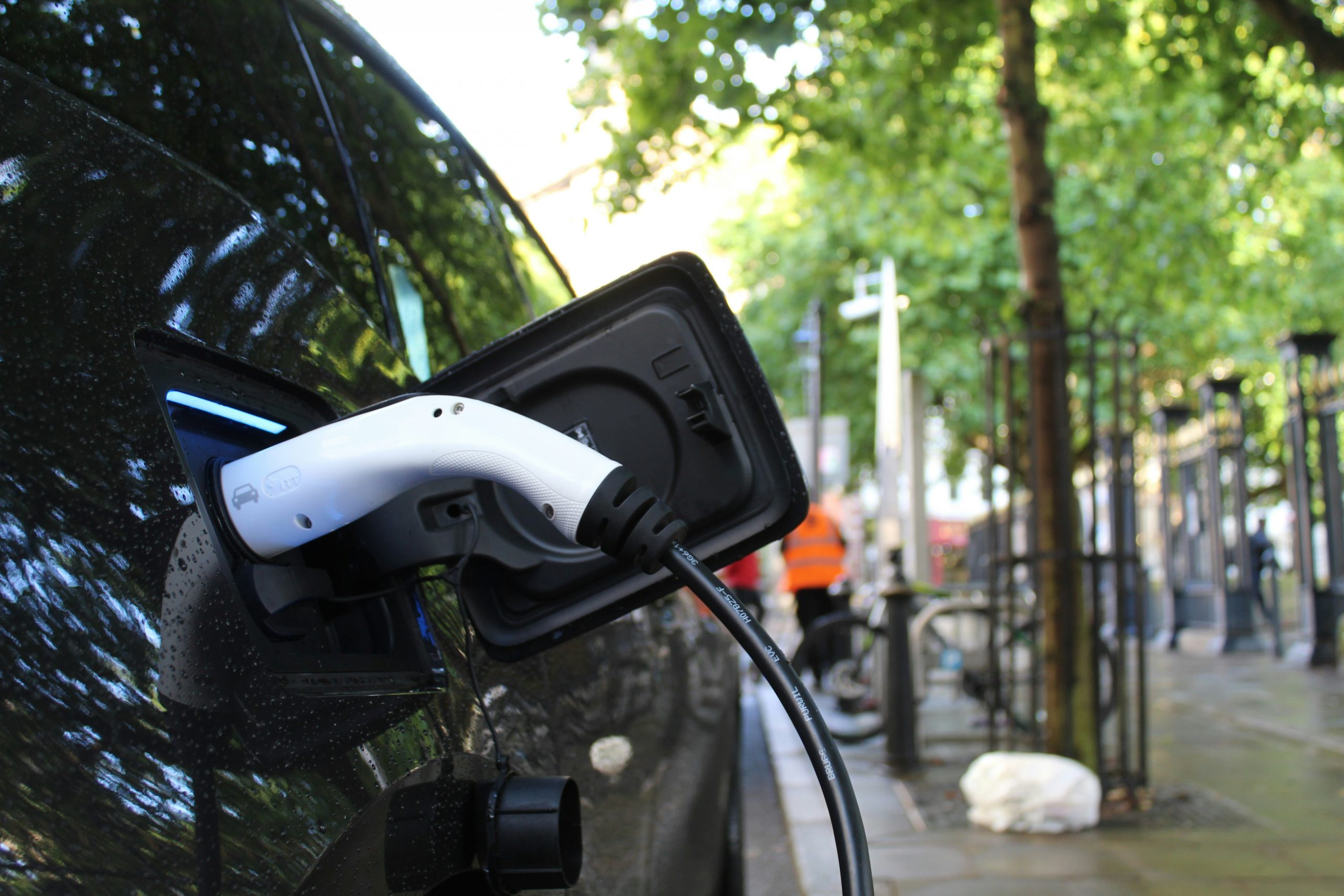
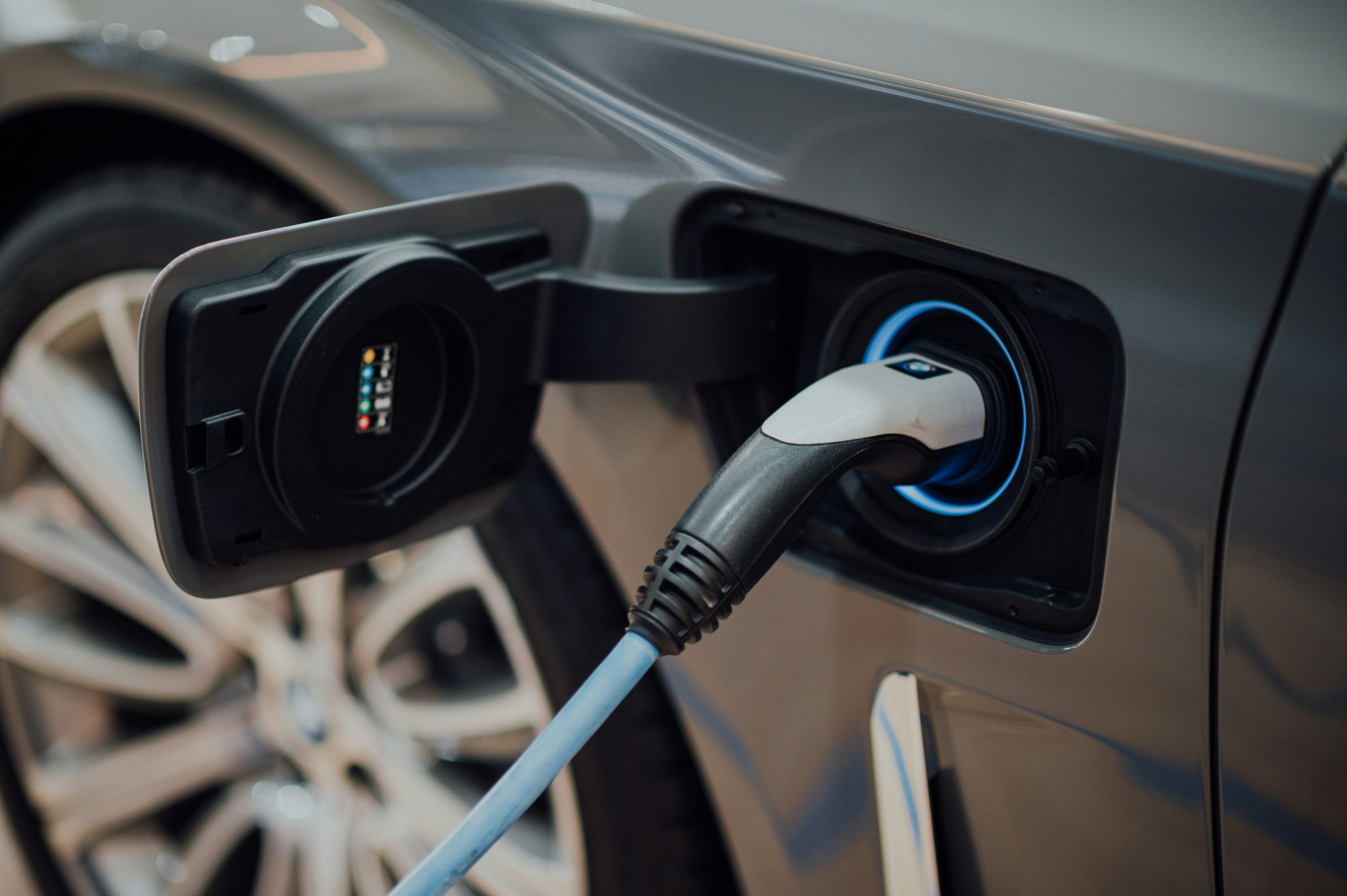
    Switching from a petrol powered car to an electric vehicle (EV) is more than just swapping nozzles for charger plugs; it represents a whole new driving philosophy, the entire ownership experience changes – how you refuel, how you maintain the vehicle and how you think about range and long trips.

    EVs are mechanically simpler as they don’t need oil changes, spark plug replacements or transmission fluid flushes. Instead, EV owners deal with kilowatt‑hours, managing charge levels and mastering range habits.

    If you’re considering making the switch from a traditional gasoline-powered car to an electric vehicle (EV) you’re not alone. I am seriously considering the switch within the next year. With governments around the world tightening emissions regulations and manufacturers investing billions into electric technology, the future of driving is undeniably electric but the elephant in the room has often been about the battery and range…


    Battery & Range Anxiety

    When you start talking to someone about electric vehicles, the first thing that usually comes up is the battery and range. Electric car batteries are the beating heart of any EV, they’re what separate these vehicles from the gas-guzzling machines we’ve relied on for more than a century and understandably they’re also one of the most talked about and misunderstood components of the EV revolution.

    Range anxiety (the fear of running out of battery mid-trip) is a major concern for many people. This is where understanding battery technology becomes crucial. Battery size, charging infrastructure, battery degradation and warranties all come into play when comparing the EV experience to a traditional car.

    So if you’re weighing your options or just curious, here’s what you need to know about electric car batteries.


    What is an EV battery?

    An electric vehicle battery, often referred to as a lithium-ion battery, is a complex pack made up of thousands of individual battery cells. These cells store electricity, which is then delivered to the motor(s) when you press the accelerator.

    Battery capacity is measured in kilowatt-hours (kWh), much like a gas tank is measured in gallons or liters. A typical EV battery today ranges from about 40 kWh (Nissan Leaf) to over 100 kWh (Tesla Model S). The larger the kWh, the longer the range—though other factors like vehicle weight and aerodynamics also play a role.

    These batteries are managed by a sophisticated Battery Management System (BMS) that monitors temperature, state of charge, cell health, and more to optimize performance and lifespan.


    Battery degradation

    One of the biggest concerns people have about EVs is battery degradation. Unlike a gas engine, which can keep running indefinitely with the right maintenance, EV batteries do slowly lose capacity over time.

    But here’s the good news: battery technology has come a long way. Early electric cars, like the first-generation Nissan Leaf, did see noticeable degradation due to lack of thermal management. However, modern EVs have much better battery cooling systems and software that protects the battery from overcharging or overheating.

    On average, an EV battery loses about 1–2% of its capacity per year. For most drivers, that means the battery will still have 80–90% of its original capacity even after 8–10 years. Some Tesla models on the road today have racked up over 300,000 miles with their original battery pack still functioning adequately.

    To ease concerns further, many manufacturers offer warranties of 8 years or 100,000 miles (whichever comes first) specifically on the battery, and in some cases even longer. If a battery does fail, replacement costs are decreasing rapidly thanks to advancements in manufacturing and recycling.


    Battery recycling and environmental impact

    Another common worry is environmental: What happens when these massive batteries die? Aren’t we just trading one pollution problem for another?

    While it’s true that producing EV batteries has a larger carbon footprint than building a gasoline engine, studies show that EVs quickly offset that impact through zero tailpipe emissions. Over the lifespan of the vehicle, EVs are significantly cleaner.

    As for battery disposal, the good news is that most lithium-ion batteries can be recycled. Companies like Redwood Materials and Li-Cycle are already scaling up facilities that can recover over 90% of the metals (lithium, nickel, cobalt) used in batteries. There’s also a growing market for second-life battery applications—like storing solar energy at home—before recycling even becomes necessary.


    Range and infrastructure

    Range is one of the most important battery-related concerns for prospective EV buyers. Early EVs struggled with short ranges, but that’s changed dramatically in recent years. Today’ EV batteries commonly offer 250 to 350 miles of range on a single charge, which comfortably covers most daily driving needs.

    Charging infrastructure is expanding quickly too. Public fast-charging networks make long road trips much more feasible. Fast chargers can replenish 80% of battery capacity in as little as 20–30 minutes, depending on the vehicle.

    At home, Level 2 charging stations (installed in your garage or driveway) can fully charge most EVs overnight, making it as convenient as charging your smartphone.


    Battery tech of the future

    Battery technology is evolving at a staggering pace. Researchers are working on solid-state batteries, which promise higher energy density, faster charging, and improved safety. While not commercially available yet, major automakers are investing heavily in this space and plan to roll out solid-state batteries later this decade.

    Other innovations include lithium-iron-phosphate (LFP) batteries, which are already used in some EVs. While LFP batteries have slightly lower energy density, they’re cheaper to produce, longer-lasting, and less prone to overheating—making them ideal for mass-market EVs.


    Battery capacity & real‑world range

    EV battery sizes vary considerably. Compact models like the Mini Electric may pack around 33 kWh, offering roughly 110 miles of range. By contrast, premium cars or Tesla models can exceed 100 kWh and over 300 miles on a single charge.

    Manufacturers typically advertise the “up to” range figure, but real‑world driving—affected by weather, speed, accessories, and cargo—often yields around 80 percent of that number nationwidevehiclecontracts.co.uk. A 60‑kWh battery rated for 250 miles might realistically deliver closer to 200 miles under everyday British conditions.


    Best Practices to Maximise Battery Life

    1. Stick to 20–80 Percent for Daily Use

    Charging to 100 percent or letting the battery drop to zero stresses the cells. Most guidelines recommend keeping the state of charge (SoC) between 20–80 percent for normal driving.

    1. Mix Charging Speeds

    Frequent use of DC fast chargers can accelerate battery wear. Opt for slower, overnight AC charging at home where possible, using fast chargers judiciously for long trips.

    1. Manage Temperature & Storage

    Extreme heat or cold can impair battery performance. Park in shade during heat waves, garage the EV in winter, and maintain SoC around 30–60 percent if storing long‑term.

    1. Drive Smoothly & Use Regenerative Braking

    Strict driving helps battery life. Gentle acceleration, maintaining steady speeds, and maximising regen braking all conserve energy and reduce stress on the battery.


    Battery Management: How EVs Do It

    A sophisticated BMS plays a critical role in extending battery life. It regulates charge/discharge cycles, maintains optimal cell balance, monitors pack temperature, and even manages tapering during fast charging to avoid over-voltaging. These systems allow decades of reliable service from lithium‑ion packs.


    What happens when EV batteries die?

    Second‑Life Storage

    Even after batteries fall below vehicle‑ready capacity (~70–80 percent), they’re still useful. Many retired EV packs are repurposed for home solar systems or grid‑storage facilities, extending their life before recycling.

    Recycling for Materials

    When batteries are fully spent, recycling recovers lithium, cobalt, nickel, and other metals. Recycling firms already recapture over 90 percent of these elements, and research continues to improve efficiency and reduce processing energy arxiv.org.


    Battery Tech: on the horizon

    LFP Batteries (Lithium‑Iron‑Phosphate)

    Destabilising reliance on cobalt, LFP chemistries are cheaper, safer, and have incredible lifecycle potential (3000–7000 cycles). While lower in energy density, they’re ideal for cost-effective, long-lasting fleets.

    Solid‑State Batteries

    Solid-state batteries (often called “super‑batteries) are solid‑state cells which use a solid electrolyte and are a promising technology in electric mobility. Providers are aiming for mass-production by 2027. The promised benefits include longer range, faster charging (~10 minutes), higher durability and better safety under stress.


    The EV Buyer Takeaway

    1. Range Anxiety?
      Not so much with a good charging routine and home charger. Fast chargers fill 80 percent in 20–40 minutes, forestalling panic.
    2. Battery Longevity?
      Expect ~10 years of service, and warranties back 8 years / 100k miles. Post‑warranty battery health is often still strong.
    3. Environmental Consideration?
      EVs remain cleaner than petrol cars over their lifecycle. Mining and recycling issues exist—but technology and regulations are improving .
    4. Future‑proofing?
      Go for LFP if you want robust and low‑cost performance. Keep an eye out for the rollout of solid‑state batteries in the latter half of the decade.


    In summary

    EV batteries have come a long way and there are pros and cons of buying an electric car but they are more reliable, longer-lasting, and far more sustainable than most critics believed in the days when the first EVs hovered around 100 miles of range. Today’s EVs routinely exceed 250–300 miles paired with increased fast charger access and smarter battery tech that guards against degradation and overheating.

    Yes, mining and recycling carry environmental costs, but these are offset by operational efficiencies and improved materials recovery. And as the market shifts toward safer, recyclable, and more powerful chemistries like LFP and solid-state, the next generation of EVs will be cleaner and more capable than ever before.

    In short, if you’re thinking of swapping your petrol car for an EV, rest assured: the battery, the heart of the system, is ready to deliver. Quiet power, minimal upkeep, and declining environmental impact all signal that the electric future isn’t just near, it’s here.


  • Balancing Performance and Efficiency in Electric Cars

    Balancing Performance and Efficiency in Electric Cars

    The automotive industry has experienced substantial evolution over the last decade, with a massive change in the development and adoption of electric vehicles (EVs). For a long time, the main talking point was whether the performance and efficiency of electric cars could be as impressive as their petrol and diesel counterparts. With continuous technological advancements in battery technology, control systems, and material science, the manufacturers of EVs have been treading the tightrope of perfectly balancing performance and efficiency.


    The Efficiency and Performance narrative

    Efficient cars save energy and increase driving range, thereby reducing charging intervals. Performance, on the other hand, implies power, speed, and durability—vital elements for any vehicle. EVs need a remarkable balance of these divergent aspects to appeal to customers, including those interested in no deposit car finance deals and other buying preferences.

    While energy efficiency is attractive for long-distance driving and cost-effectiveness, many car enthusiasts are fascinated with car performance—speed and agility. However, efficient electric cars sometimes have lower acceleration or top speeds when compared to those petrol or diesel cars optimised for performance. In this context, models like the BYD Seal for sale offer an intriguing blend of both attributes, showcasing how modern EVs can meet diverse consumer demands without sacrificing essential performance characteristics.


    Performance-focused EVs – Unleashing the speed

    Electric vehicles have ingeniously redefined what it means to be a performance car. An essential element of EVs’ performance is acceleration. When performance cars such as Tesla Model S P100D achieve 0-60 mph in just 2.4 seconds, you realise that EVs are not slouches in terms of speed. Moreover, the performance of an EV is not just about accelerating quickly but also maintaining high speed, thanks to their superior torque.

    Another aspect to be noticed in performance EV’s is the use of regenerative braking system. It allows the vehicle to recover some of the energy used during deceleration, hence increasing the overall efficiency. Plus, the low centre of gravity in these vehicles due to the battery’s placement along the bottom of the car helps improve handling and stability.


    Efficiency-driven EVs: More mileage, fewer worries

    While speed and acceleration can be thrilling, they could lead to a lower range and frequent charging unless properly managed. On the other hand, efficiency-driven EVs focus on maximising the mileage per charge. This feature becomes especially attractive for longer trips, making EVs a strong competitor for many petroleum-based vehicles. 

    For example, models like the Hyundai Ioniq Electric and the Tesla Model 3 Long Range show that efficiency-focused electric vehicles can still deliver a robust performance. Indeed, these models have pushed the boundaries of what is achievable in terms of range and have proven the merits of focusing on efficiency.

    Additionally, the growth of commercial EV charging stations for various businesses is significantly enhancing the convenience and viability of electric vehicles. These stations enable drivers to recharge during work hours or while running errands, reducing the downtime associated with finding a charging point. The expanding infrastructure supports the daily use of EVs, addressing one of the major concerns of potential buyers. This development is crucial in making EVs a practical option for a wider range of consumers and businesses.


    The Art of Balancing

    A balance between performance and efficiency is fundamental for EVs’ wider acceptance and usability. This is where factors such as aerodynamics, weight reduction, smart power management, and innovative charging options come into play.

    Models including the Tesla Model S and the Porsche Taycan show that this balance is achievable, with remarkable speed and exceptional ranges. These cars have revved up the excitement for potential EV owners, with promising no deposit car finance deals being an added attraction. 


    The Race Continues

    Performance and efficiency should not be a choice for consumers – both can and should be delivered concurrently in electric cars. Indeed, some people may argue that this balance is still a work in progress. However, the signs are promising, and the momentum is undeniably building.


    As technology innovates and matures, the automotive industry is expected to strike a perfect balance between performance and efficiency in electric cars. For environmentally-conscious consumers and speed enthusiasts alike, this is an exciting era, brimming with potential. The EV revolution is not only showing its capacity to compete with internal combustion engines but also highlighting its potential superiority.