Tag: Fire

  • Essential Things to Look for in Fire Shutter Doors

    Essential Things to Look for in Fire Shutter Doors

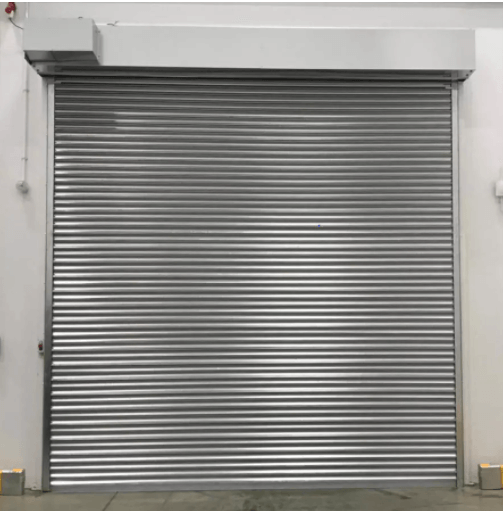
    Fire safety isn’t the kind of thing that you can scrimp on. The safety of your staff, clientele, stock and equipment calls for significant measures to be taken against the risk of blazes. Engineering, pharmaceutical, retail and food-based workplaces all come with distinct fire risks, with safety regulations your responsibility to follow. That’s why you need to install high-quality fire shutter doors

    But how do you tell a good fire door from a bad one? What are the features you should look to for certainty of safety? This article will explore some of the most essential features to keep an eye out for when door shopping. By the end, you should feel much more confident searching for blaze-proof barriers in your work setting. 


    Fire doors need strong radiant heat fortification

    Radiant heat fortification is the bare minimum you need from your fire shutters. This means following strict construction and material (generally powder-coated galvanised steel) principles that block fires and contain the heat itself. The way to check for the radiant heat reduction and fortification is through the use of kW figures. For example, high-quality construction will be able to reduce the radiant heat levels around the door from 65kW per square metre to just 2.7kW per square meter. 


    For context in a literal sense, this means combustible materials would be storable half a metre away from a 1,200°C blaze on the other side of the door. This sort of fortification is vital for compartmentalising fires and reducing spreads. This also allows for firefighters to tackle the blaze right next to the door, with escaping parties walking past without being at risk due to radiant heat. 


    Fire shutter doors need simple controls

    During a fire, you obviously can’t be handling internal fire doors manually. That’s why you need a dependable, simple control panel for reliable operation to open and close the door from a distance. These systems should be customisable, ensuring fire internal doors can work through a range of activation methods. Easy-to-use operation through custom control panels is essential for the smooth and efficient evacuation of workplaces in emergencies, along with further containing the fire itself. These control panels should also include manual override options, just in case. 


    Installations must meet fire door regulations

    It’s important that any fire shutter doors you install follow government fire door regulations. These guidelines aren’t just for compliance, but also set standards that will keep your workplace safer. Other compliance requirements to look out for include: 


    These requirements might not even all be related to fire safety, but all contribute to safer, higher-quality fire shutter doors overall. 


    Fire doors should have simple maintenance requirements

    Fire doors are supposed to be installed in service of you and your workplace, so you don’t want a set that requires excessive cleaning and maintenance. Check for low-maintenance models that you can mostly set and forget to ensure that minimal time is wasted on upkeep. 


    Look for a provider that offers fire door service, repair & maintenance

    Along with your own basic maintenance tasks, doors will occasionally need servicing, touch-ups and repairs. That’s why you need to seek out a supplier that offers comprehensive services in this field, including everything from regular check-ins to emergency call-outs. This kind of OEM knowledge is essential for after-care that maintains your fire shutter doors down the line. 


    Make sure to look for all of these elements when shopping for your next set of fire doors, as they could be the difference between a short emergency and a full-blown tragedy. Never compromise on quality when it comes to safety. 
     

  • Strategic Planning for Fire Risk and Safety

    Strategic Planning for Fire Risk and Safety

    When striving for absolute safety, one must confront the imminent threat of fire, which has the potential to cause severe damage to properties, businesses, and lives. The critical nature of strategic planning for fire safety becomes apparent in this sobering context, as this compels us to take deliberate action.

    Join us on this exploration as we undertake an investigation into the essential components and nuances that comprise a strategic framework designed to protect against the danger of fire.


    Essentials of a Strategic Fire Risk and Safety Plan

    1. Conducting A Fire Risk Assessment

    An intricate sequence of procedures, known as a fire risk assessment, systematically identifies and evaluates the causes and consequences of fire hazards within a specified area. Critical elements such as the layout of the premises, flammable materials, sources of ignition, escape routes, and people at risk (including employees, visitors, clients, and contractors) are all included in this scrutinising procedure.

    When the fire risk assessment is entrusted to a capable individual with the depth of knowledge, skills, and experience, the results are compiled into a documented manuscript that is routinely reviewed and revised to account for substantial changes in building structure, activities, and personnel.

    1. Implementing Fire Prevention Measures

    Fire prevention measures are implemented to safeguard life and property by averting the inception of fires. These measures encompass the strict maintenance of facilities, the secure disposal of flammable materials, the prudent use of electrical equipment, and the enforcement of a non-smoking policy.

    1. Installing And Maintaining Fire Detection and Suppression Systems

    As part of the arsenal against fire, suppression and detection systems remain resolute fire deterrents. Smoke and heat alarms, sprinkler systems, fire extinguishers, blankets, hoses, and reels constitute an impregnable safeguard against impending devastation. The implementation of these safeguards is characterised by regular inspections conducted by qualified personnel and strict adherence to fire safety regulations and standards.

    1. Training And Educating Staff and Occupants on Fire Safety

    In order to empower the guardians of safety, knowledge becomes the guiding light. Staff and occupants are informed through educational and training sessions regarding fire hazards, the correct use of personal protective equipment (PPE), fire prevention methods, evacuation procedures, and the art of conducting a safe and timely evacuation. This instruction, carried out by certified instructors, should be a recurring event that is performed periodically or whenever new personnel are employed.

    1. Developing And Practicing a Fire Emergency Plan

    When it comes to safety, the fire emergency plan takes centre stage. A document outlining roles, responsibilities, procedures, and resources, it serves to coordinate activities during a fire emergency by delineating fire safety responsibilities and protocols.

    Developed by a competent hand and communicated universally throughout the establishment, this emergency plan should undergo regular rehearsals, reviews, and updates.


    Final Remark

    To conclude, it is evident that businesses and individuals have a responsibility to devise safety strategies to mitigate fire hazards. However, it doesn’t have to be a tedious obligation. By following careful and systematic procedures and heeding professional advice, it is possible to successfully navigate the perilous landscape of fire hazards.

    Should you require assistance throughout this strategic endeavour, the offices of GF Fire Solutions are open to assessing your environment and formulating a fire safety plan. They are a professional fire risk assessments London firm well-equipped to help you achieve this goal.