Tag: Home

  • The Importance of Inline Duct Fans for Indoor Gardening

    The Importance of Inline Duct Fans for Indoor Gardening

    When plants are grown indoors, they miss out on the natural breezes they’d normally enjoy outside. Without proper airflow, the air can become stale and stagnant, creating the perfect environment for mold, mildew, and even pests. Poor ventilation can also trap heat and disrupt gas exchange, making it harder for plants to thrive.

    And that’s where inline duct fans come in. They keep the air moving, helping to regulate temperature, balance humidity, and ensure your plants get the fresh CO₂ they need for healthy growth. 


    What are inline duct fans

    Inline duct fans are compact, powerful fans that fit into ducting systems to move air in and out of your grow space. Unlike standard oscillating fans, which just circulate air within a room, inline fans actively pull stale air out and bring fresh air in. This helps keep the environment stable and prevents heat and humidity from building up.

    In addition, they can be connected to carbon filters to help remove odors or to ducting that leads outdoors, further improving air quality in your grow tent or room.


    Key benefits of inline duct fans

    Temperature Control

    Keeping a steady temperature is one of the biggest challenges in indoor gardening. Grow lights, especially powerful LEDs and HPS lamps, can quickly heat a small space. If it gets too hot, plants can become stressed, stop growing properly, or even die. 

    Inline duct fans help by removing hot air and pulling in cooler, fresh air from outside or another room. This steady air exchange keeps the temperature in the ideal range (usually 70–85°F or 21–29°C), depending on your plants. By preventing heat buildup, fans protect your plants and help them grow stronger and produce better yields.

    Humidity Management

    High humidity is a common problem in indoor gardens, especially when plants are actively transpiring or during flowering. Excess moisture can lead to mold, mildew, and other diseases that quickly ruin crops.

    Inline fans help manage humidity by pushing out moist air and bringing in drier air. When used along with a dehumidifier or humidity controller, they create a balanced environment that keeps your plants healthy. Proper humidity levels also help nutrients move more efficiently, supporting strong growth.

    Odor Control

    Some plants, like herbs and certain flowers, produce strong smells that might not be welcome indoors or around your neighborhood. Inline duct fans play a key role in controlling these odors, especially when used with a carbon filter.

    The fan pulls air through the filter, which traps and neutralizes smells before releasing the clean air outside or into another area. This helps keep your grow space discreet and your home smelling fresh and comfortable.


    Choosing the right inline fan

    Correct Airflow (CFM)

    Picking a fan with the right airflow is crucial for good ventilation. To figure this out, measure your grow space (length × width × height) to get the total cubic feet. Your fan should be able to replace all the air in the space every one to three minutes. Some trusted major brands can provide up to 205 CFM of airflow in a 4-inch inline fan

    Quiet Operation

    Noise can be a big issue, especially if your grow area is near living spaces. Many modern inline fans are designed to be quiet, with features like insulated housings and vibration-dampening mounts. A quieter fan keeps your space peaceful without sacrificing airflow.

    Energy Efficiency

    Inline fans usually run for long hours, so choosing an energy-efficient model can save you money on electricity bills. Look for fans with efficient motors and low power consumption to keep your setup cost-effective and eco-friendly.

    Variable Speed Controls

    A fan with adjustable speed settings lets you fine-tune airflow based on your plants’ needs. Young seedlings may need gentle airflow, while mature or flowering plants often benefit from stronger ventilation. Being able to control the speed also helps reduce noise and energy use when full power isn’t necessary.

    Compatibility and Installation

    Ensure the fan fits your existing ducting and filters. A properly sized and well-sealed setup ensures maximum efficiency and smooth operation. Selecting a fan that integrates seamlessly with your current system makes installation straightforward and helps maintain a stable environment.


    Final word 

    While they might not be the first thing you think about when planning an indoor garden, inline duct fans play a huge role in creating a healthy, productive environment. By improving airflow, controlling temperature and humidity, and helping manage odors, they support your plants’ growth from seedling to harvest. 

     

  • How to Build a Timeless Wardrobe with Trending Styles

    How to Build a Timeless Wardrobe with Trending Styles

    What if your wardrobe could effortlessly adapt to weddings, workdays, workouts, or nights out? That’s the power of a carefully curated capsule wardrobe! By combining timeless pieces with a sprinkle of trending styles, you can build a closet that’s versatile, stylish, and undeniably YOU.

    This guide will walk you through how to create a wardrobe that works for any occasion while staying relevant all year round.


    Why Build a Timeless Wardrobe?

    Imagine waking up, opening your closet, and finding the perfect outfit waiting for you every single day. With a timeless wardrobe, you get:

    • Consistency in your personal style across all occasions
    • Ease of dressing with mix-and-match pieces
    • Sustainability by focusing on high-quality, long-lasting items
    • Cost savings in the long run (fewer impulse buys = happy wallet!)

    The secret? Combine versatile staples with trend-forward details to keep your style looking fresh.


    Timeless Items to Suit Every Occasion

    A timeless wardrobe starts with pieces that can easily transition from one setting to another. Here’s how to pair classics with trending touches:

    Weddings and Special Events

    • Timeless Staple: A little black dress (LBD). Elegant, simple, and endlessly adaptable.
    • Trending Addition: This season, metallic belts or sequined mini-bags add a modern twist.

    Work Hours

    • Timeless Staple: A tailored blazer, preferably in versatile neutrals like black or beige.
    • Trending Addition: Try blazers with bold shoulder details or sleek satin finishes for a contemporary vibe.

    Workouts

    • Timeless Staple: High-waisted black leggings. Comfortable and universally flattering.
    • Trending Addition: Opt for a matching cropped sports top with bold patterns or color-block elements.

    Casual Days Out

    • Timeless Staple: Classic blue jeans with a straight-leg fit.
    • Trending Addition: Pair them with oversized graphic T-shirts or platform sneakers to lean into streetwear trends.

    Nights Out

    • Timeless Staple: A fitted black leather jacket. Rebel-chic that never goes out of style.
    • Trending Addition: Add a pop of color through bold earrings or glittery midi dresses worn underneath.


    Unlocking the Perfect Shoedrobe for Every Occasion

    Shoes can make or break your outfit, which is why no timeless wardrobe is complete without staple footwear. The key? Invest in versatile options, yet have fun with your choices.

    Must-Have Staples

    • Gold Heels

    You want a pair of gold heels that stands out without overpowering your look. Think weddings, cocktail parties, or even a casual dinner when you want to shine.

    • Black Heels

    The ultimate classic. Whether pointed-toe stilettos for work or block heels for all-day comfort, black heels are a non-negotiable must.

    • White Sneakers

    Dress them up with dresses or down with jeans, they’re the MVP of casual shoes.

    • Ankle Boots

    From edgy to bohemian, ankle boots are the go-to for colder months or when you want some extra flair.


    Expert Tips for a Timeless Capsule Wardrobe

    1. Start with Neutrals

    Neutrals like black, white, gray, and beige create the foundation of a capsule wardrobe. This palette makes it easier to mix and match pieces effortlessly.

    1. Add in Accent Colors

    Choose 1-2 bold colors that reflect your personality and bring your wardrobe to life. Think burnt orange, emerald green, or dusty rose for accent pieces.

    1. Mix Textures

    Pair smooth fabrics with rougher textures to add depth to your outfits. A satin top under a wool coat? A match made in wardrobe heaven.

    1. Invest in Quality over Quantity

    Timeless wardrobes prioritize pieces that LAST. Look for durable fabrics, well-crafted stitching, and classic designs.

    1. Seasonal Refreshes

    Every few months, assess what you’re wearing regularly. Replace worn-out staples with updated versions and inject trending pieces to stay relevant.


    Building Versatility with Accessories

    Accessories amplify your outfit and bring diversity to your wardrobe without requiring a complete overhaul.

    • Bags

    A timeless leather tote for work, a chic clutch for evenings, and an everyday crossbody for casual outings are non-negotiables.

    • Jewelry

    Gold hoops or a dainty pendant necklace? Accessories are key to transitioning an outfit from day to night.

    • Belts

    Try adding waist-cinching belts to dresses or oversized blazers for a flattering silhouette.


    Your Wardrobe, Your Rules

    A timeless wardrobe doesn’t mean boring or restrictive. It’s about crafting a collection of pieces that effortlessly suit any occasion while aligning with your personal taste.

    Feel overwhelmed? The key is to take small steps. Start by adding one or two quality staples, like a blazer or gold heels, and build from there. A closet full of timeless confidence is just a few good choices away.

    Happy styling!


  • The Art of Household Maintenance

    The Art of Household Maintenance

    Getting the best from your life at home is often a matter of abiding by a few fundamental principles and adopting a few healthy habits. In many cases, doing so will help you to drive down the cost of living and avoid unnecessary stress.

    So, what does an effective routine for household maintenance really look like? Let’s try to break it down.


    The Monthly Walk-Through

    Your house is much like a workplace in that it’s a source of risk. Getting the best from your house means taking steps to manage that risk, and the best way to do this is through regular assessments.

    Develop a checklist of things that you want to inspect every few months or so. You can find inspiration from online templates, but be sure to tweak the list to fit your needs. Your list might include things like windows, doors, and gutters, any of which might indicate the early signs of damp and mould.

    You might have a list for every month of the year. So, in autumn, the state of your gutters might be a concern, while in spring, after the weather heats up, the cracks in your patio might be worth looking at.

    By deciding what you’re going to check well in advance, you’ll make getting on top of the situation that much easier. Get the checklist set up, and set a reminder on your phone for the last weekend of every month. Then get to work!


    Seasonal Swaps and Checks

    There are a number of things that are worth doing at particular times of year. During summer, for example, you might perform tasks that are going to reduce your risk during winter. You might bleed radiators and get the boiler serviced in order to improve the efficiency of your heating system.

    During winter, you’ll want to stash your garden tools somewhere dry and out of the way and make sure that they’re in good condition. Doing so will extend their lifespan and give you more satisfaction when you come to use them the following year.


    Digital Maintenance: Cut the Clutter

    If you aren’t mindful of the digital services you’re using, you might find that you end up spending large amounts of money each month in order to enjoy benefits that you aren’t really using. The most notorious offenders tend to be broadband providers and streaming services, especially if you’re out of contract. Look to switch your broadband provider, and you might be surprised at how you can lower your bills – and improve the speeds you enjoy at the same time.


    Filters, Batteries, and Quiet Failures

    Some entries on your checklist will be easily overlooked if you don’t make an explicit point of checking them. It takes mere seconds to check that your smoke alarm is working properly – and doing so could save your life.

    Also in this category we might place the filters on your extractor fan. Often, these can be cleaned in the dishwasher, which means there’s no excuse for allowing the grime to build up.

    Another point of concern might be the coils in your fridge. Often, ice can form on these coils, to the point that air can’t actually pass through them. This will, over the long term, severely impact the performance of the device and cause it to run harder for longer. Defrosting the fridge is often a good way to solve this problem. When that doesn’t work, you might decide to turn the appliance off and let it defrost naturally. Do this when it’s empty.


    Kitchen and Bathroom TLC

    In the kitchen, there are a number of specific problems to address. These mostly relate to moisture and appliances. Make sure that the sealants around the counter are in good condition and that sinks are able to drain properly. Get a good look at the pipework around the sink, too. Sometimes, the symptoms of a small leak can be easily missed.


    Garden and Outdoor Upkeep

    Larger gardens and patios might require constant attention. But even smaller ones can fall into disrepair if they’re neglected. Make a point of weeding paths and patios and occasionally refinishing wooden fixtures. Blocked drains can be disastrous, so be sure to check those, too.


    When to Call the Professionals

    Not all household tasks can be accomplished by even a very determined DIYer. It’s important to recognise your limits and understand when a professional is required. In some cases, this is a matter of ensuring minimal stress and quality results. In others, it’s a matter of safety!


  • The Home Styling Touches Buyers Notice First

    The Home Styling Touches Buyers Notice First

    First impressions matter — especially in property. Whether someone is walking through the front door or scrolling through listings online, the initial impact of a well-styled home can be the decisive factor in capturing interest. For homeowners looking to sell, styling is no longer just a nice-to-have; it is a strategic asset that can influence both sale price and time on the market.

    In the highly competitive Australian property market, particularly in cities like Melbourne, thoughtful home styling isn’t about simply decorating — it’s about creating an emotional connection. Buyers want to imagine themselves living in a space, and the right visual cues can make that vision clear, compelling, and desirable. But what exactly are the styling touches that buyers notice first? Let’s explore the elements that matter most.

     

    Kerb Appeal and Entryways

    It all starts on the street. A property’s kerb appeal — the attractiveness of a home’s exterior when viewed from the street — sets the tone for what’s inside. Well-maintained landscaping, fresh paint, clean windows, and a tidy path to the entrance make a striking first impression. For buyers, the entryway often reflects the care and attention given to the rest of the home.

    Inside, the foyer or entrance should immediately feel inviting. Decluttered spaces, tasteful lighting, and even a simple statement mirror or artwork can instantly signal style and sophistication. This initial moment frames the rest of the viewing experience.


    Cohesive Colour Palette

    One of the most subtle yet powerful styling touches is the use of a cohesive colour palette throughout the home. Buyers respond positively to spaces that feel harmonious. Using complementary tones across walls, soft furnishings, and décor helps create a consistent visual flow from room to room.

    Neutral tones such as soft greys, whites, and warm beiges are particularly effective, providing a blank canvas that allows buyers to mentally project their own lives into the space. Strategic use of accent colours can highlight architectural features or inject personality without overwhelming the senses.


    Furniture That Fits the Space

    Oversized or mismatched furniture can make even large rooms feel cramped or awkward. Home styling, when done right, uses appropriately scaled furniture to enhance room proportions and functionality. This helps buyers see the potential use of a space, whether it’s a cosy reading nook or a versatile dining area.

    Placement is just as important as size. Smart layout choices emphasise flow and openness, subtly guiding the buyer’s movement through the home and encouraging them to linger in each room.


    Lighting and Ambience

    Lighting dramatically influences mood and perception. Natural light is always preferred — clean windows, light curtains, and well-placed mirrors can help maximise it. However, artificial lighting also plays a key role.

    Layered lighting schemes — a combination of ambient (general), task (functional), and accent (decorative) lighting — can elevate the perceived warmth and usability of a space. Dimmable lights, warm-toned bulbs, and stylish fixtures all contribute to creating a welcoming environment.


    Lifestyle-Oriented Décor

    Styling is not just about aesthetics — it’s about selling a lifestyle. Carefully chosen décor can suggest how each room could enhance everyday living. A set breakfast bar implies morning routines. A soft throw and books by a fireplace hint at winter relaxation. A well-dressed guest bedroom speaks to hospitality and comfort.

    Importantly, décor should be targeted but not overly specific. Buyers should feel inspired rather than distracted. The goal is to make rooms feel aspirational yet attainable.


    Decluttered and Depersonalised Spaces

    Buyers want to picture themselves in the home — not its current owners. Removing excessive personal items, bulky furniture, and general clutter helps create a clean slate. This also makes rooms appear larger and more usable.

    While completely sterile spaces can feel cold, a minimal yet curated approach strikes the right balance. Think of it as creating a lifestyle showroom: lived-in enough to feel real, styled enough to feel exceptional.


    Kitchens and Bathrooms: The Showstoppers

    Regardless of the overall layout, kitchens and bathrooms are often deal-makers. Styling these spaces should highlight their best features. In kitchens, this might mean clear benchtops, fresh fruit bowls, and updated cabinet handles. In bathrooms, fluffy towels, sleek dispensers, and greenery like a potted fern can transform the space from functional to spa-like.

    Even small touches — such as the scent of fresh linen or a soft diffuser aroma — can influence perception more than sellers realise.


    Professional Touches That Make the Difference

    Ultimately, while DIY styling can go a long way, many homeowners lack the time, experience, or eye for detail needed to achieve truly standout presentation. That’s where working with professionals can add considerable value. Experienced property stylists understand the psychology of buyers, market trends, and spatial design — and know exactly how to make a property shine.

    Many Melbourne homeowners, for instance, turn to trusted home staging services in Melbourne to ensure their homes are styled to meet buyer expectations while maximising sale outcomes. The expertise and tailored guidance provided can elevate a property’s appeal far beyond what most can accomplish alone.


    The Story Your Home Tells

    When selling a home, styling is about more than just looking good — it’s about telling a story buyers want to be part of. From the front garden to the final room, every styling decision contributes to that narrative. By focusing on the touches that buyers notice first, sellers can create not just a visually pleasing space, but an emotionally compelling one that invites offers and closes deals.


  • How to Make Sure Your Home Is Always Ready for the Unexpected

    How to Make Sure Your Home Is Always Ready for the Unexpected

    Life is unpredictable, and when the unexpected happens at home—whether it’s a burst pipe, a blocked drain, or a sudden power outage—it can quickly turn into a nightmare. But with a bit of preparation, you can keep your home ready for anything. In this guide, we’ll show you simple steps to ensure your home stays safe, comfortable, and stress-free, no matter what surprises come your way.


    Maintain Your Plumbing System: Be Proactive

    A well-maintained plumbing system is key to preventing costly emergencies. Regularly check for signs of leaks, water stains, or low water pressure—issues that could lead to bigger problems down the line. It’s also important to know where your water shut-off valve is located, so you can act quickly if a pipe bursts. Scheduling annual inspections with emergency plumbers can help identify potential problems early, before they turn into disasters. Taking these simple steps will give you peace of mind, knowing that your plumbing is ready to handle whatever comes its way.


    Regular Drain Maintenance to Prevent Blockages

    Clogged drains can cause a major disruption, but simple maintenance can help prevent the hassle. Avoid pouring fats, oils, or coffee grounds down your sink, as these can easily lead to blockages. Use drain covers to catch debris and prevent hair from accumulating. If you start noticing slow drainage or unpleasant smells, it could be a sign that your pipes are becoming blocked. To keep things flowing smoothly, consider scheduling a professional inspection for your drains. Searching for “drainage near me” can help you find experts who can provide regular cleaning and keep your plumbing in top shape.


    Check Your Home’s Heating and Electrical Systems

    The last thing you want during a cold snap is a broken heating system, or worse, a fire hazard caused by faulty electrical wiring. Ensure that your heating system is serviced regularly, especially before the colder months, and update anything that’s aging. It’s also crucial to check your boiler and radiators to make sure everything is running efficiently. On the electrical side, inspect your wiring and outlets for signs of wear or damage. Don’t forget to know how to safely turn off your gas, water, and electricity in case of an emergency, giving you control when it matters most.


    Know Your Local Emergency Contacts

    Having the right emergency contacts on hand can save valuable time when disaster strikes. Keep a list of important local numbers, such as emergency plumbers, electricians, or gas engineers, so you’re never left searching in a panic. You can find these numbers online or through word-of-mouth recommendations. Also, don’t forget to include your local council’s contact information in case of flooding or other environmental emergencies. Keeping these contacts in your phone or on a printed list ensures you’ll have access to the help you need at a moment’s notice.


    Final word

    Being ready for the unexpected isn’t just about responding when things go wrong—it’s about proactively preparing your home to handle any challenge with ease. With regular plumbing maintenance, clear drains, electrical and heating system checks, you can protect your home and reduce stress in the face of unexpected events. Take the time today to ensure your home is ready for whatever comes your way, and you’ll rest easy knowing you’re fully prepared.


  • Transform Your Bathroom with PVC Ceiling Panels

    Transform Your Bathroom with PVC Ceiling Panels

    When you’re tackling a bathroom remodel, it’s easy to forget about the ceiling. But believe it or not, this often-overlooked area can be crucial for your space. If you’re on the hunt for something that’s not just stylish but also easy to care for, consider adding ceiling panels to your list. Let’s explore why these panels could be an addition to your next home improvement project.


    Why choose PVC ceiling panels?

    1. Waterproof and durable

    Bathrooms are well-known for their high humidity levels, a perfect recipe for pesky problems like black mould. What makes ceiling panels such a fantastic option is their completely waterproof nature. They are perfect for spaces that face constant dampness. Unlike plaster, PVC doesn’t warp or deteriorate over time, so your ceiling stays looking fresh and clean for years.

    2. Low maintenance

    One of the biggest advantages of PVC ceiling panels is their ease of maintenance. With no grouting to worry about, cleaning becomes a simple task. All you need is a damp cloth to wipe down the surfaces and remove any water spots or soap residue. This means less time scrubbing away at stubborn stains.

    3. Stylish designs

    No matter what your style is — be it contemporary, classic, or a mix of both — you’ll find a panel design that perfectly suits your taste. These panels come in a wide range of textures, and finishes, allowing you to achieve the appearance of wood, marble, or a glossy modern look.

    Whether you prefer the clean simplicity of white panels for a minimalist vibe or want to spice things up with unique patterns, the design options are virtually limitless.

    4. Easy installation

    If you’re looking for a DIY bathroom remodel, the ease of installation of PVC panels is a big plus. They typically come with a tongue-and-groove system that allows for straightforward installation, with no complicated tools needed. You can achieve a professional-looking finish in a fraction of the time.

    5. Cost-effective solution

    Remodelling a bathroom can be expensive, especially when considering all the materials and hiring a decorator. PVC panels are a budget-friendly option that doesn’t sacrifice quality for cost. In choosing them, you can produce a modern look without breaking the bank, making them an excellent choice for homeowners on a budget.


    The perfect addition to any bathroom

    Whether you’re creating a luxurious spa-like retreat or a practical space for daily routines, PVC ceiling panels can help you achieve the look and functionality you desire. They are particularly well-suited for wet rooms, shower areas, or spaces that require a little extra care against moisture.

    Installation tips

    While installing panels is relatively easy, there are a few things you can do to make everything go smoothly:

    1. Measure your space: Before purchasing your panels, make sure to measure the area you plan to cover. You don’t want to waste money on panels that don’t fit.
    2. Choose a style: Take time to consider the overall theme of your bathroom. Pick a colour and design that will complement your existing fixtures and decor.
    3. Prepare the surface: Before installing the panels, ensure the ceiling surface is clean and smooth. This will help the panels adhere better and prevent any issues down the line.
    4. Follow manufacturer instructions: Each brand may have specific installation guidelines, so be sure to adhere to those for the best results.


    Conclusion

    To wrap things up, PVC ceiling panels genuinely offer a brilliant way to elevate your bathroom aesthetics. They stand out not only for their water resistance and long-lasting nature but also for their ease of upkeep, a real bonus for anyone with a busy lifestyle. With a plethora of designs to choose from, you can effortlessly select something that resonates with your home’s style without straining your budget.

    If you’re considering injecting some freshness into your space, using PVC ceiling panels is a wise decision. Step into a stylish and functional bathroom that you will cherish for years to come.

  • Tips for Improving Your Home Security

    Tips for Improving Your Home Security

    Your home is your castle but that doesn’t mean you have to turn it into a fortress to keep it safe. With just a few practical steps and minimal expenditure, you can make your property a far less attractive proposition to intruders.


    Securing Doors and Windows 

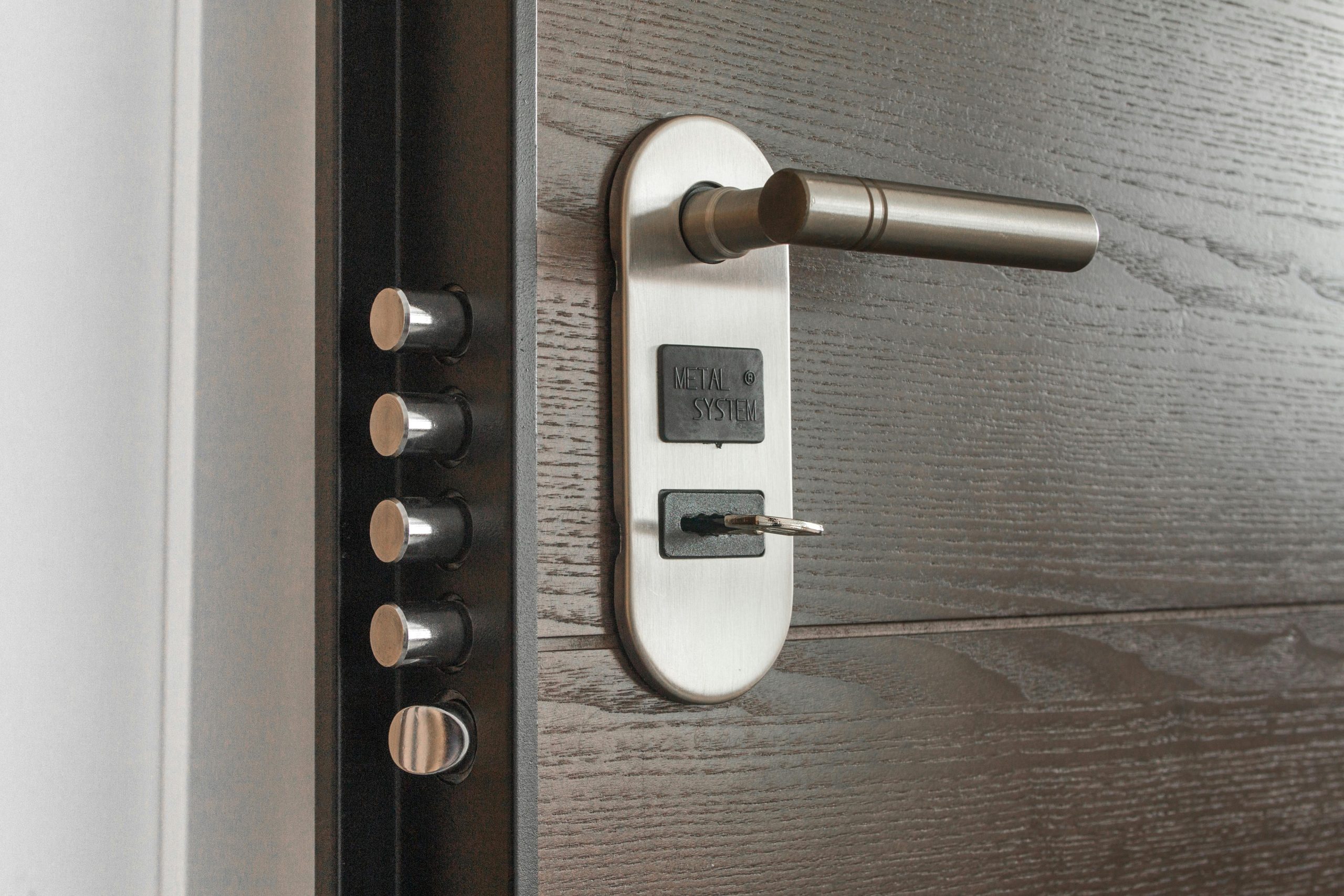
    Doors and windows are the most common entry points for burglars, so they’re always the best places to start when beefing up your home security. Start by ensuring all external doors are fitted with robust locks. A five-lever mortice deadlock that meets BS3621 standards is recommended by UK police and insurance providers alike and should be the bare minimum. Sliding doors, meanwhile, should have additional bolts or bars to prevent them from being forced open. All ground floor windows (and any easily accessible upper floors) should also have secure, key-operated locks and you should consider installing laminated glass or security film to your windows to make them that much harder to break.


    Installing Visible Security Measures

    Any burglar is making a calculated risk when invading a home so visible deterrents are often more than enough to make an intruder think twice. Security cameras placed around entrances and driveways not only record activity but also send a clear message that the property is monitored, and alarm systems, especially those with a prominent external box, are equally effective. Motion-activated lights, meanwhile, are not only convenient but can also expose anyone approaching after dark. Install them near doors, garages, and side passages as most burglars will be spooked by a light and leave before even attempting a robbery.


    Enhancing Garage Security

    Garages are often overlooked when it comes to home security, but they can be an easy target. Many garages contain valuable tools, bikes, and sometimes even direct access to the house, so it’s certainly not something you want to overlook. Upgrading to roller garage doors can help protect these areas as their sturdy construction, minimal gaps, and integrated locking systems make them harder to force open compared to traditional up-and-over designs. Of course, you should also always keep your garage locked, even when you’re at home.


    Maintaining Landscape and Exterior 

    Well-maintained exteriors do more than boost curb appeal—they can actually prevent crime. Overgrown shrubs and trees can provide hiding spots for burglars so keep them trimmed, particularly near doors, windows, and garden gates. It’s not just what you’re seeing either. Sound plays a major role in most home robberies. Gravel driveways and paths can add an extra layer of protection by creating noise underfoot, alerting you to movement.


    Final Thoughts

    Improving your home security doesn’t have to be complicated or costly. Focus on key areas like securing entry points, adding visible deterrents, upgrading vulnerable access points like garages, and maintaining a clear and well-lit exterior. Small changes can make a big difference in keeping your home safe and it doesn’t need to cost a fortune either.


  • Transform Your Home’s Atmosphere with Carefully Selected Colors and Features

    Transform Your Home’s Atmosphere with Carefully Selected Colors and Features

    Color is what gives life an added layer of interest, intrigue, and overall excitement. There is something comforting and joyful about seeing how the correctly paired hues can interact with their environment to create spaces that can boost your mood, relax your mind, and simply make you feel utterly at ease as soon as you walk into a room. By selecting the right colors for your home, you can create a space that matches your personality and offers all of the above, all with minimal effort on your part (as long as you’re handy with a paintbrush, of course!) Here, we’re looking at how you can transform your home by ensuring that you choose the right colors for whatever atmosphere you’re trying to achieve. 


    Understand Color Psychology Before Investing In Any Materials Or Hiring Contractors

    If you’re just browsing the web for a few pointers on how to start the process of painting your house, you might very well roll your eyes at the mention of color psychology. While that’s a fair reaction, after all, the web seems to be filled with unrelated slop these days, but the fact of the matter is that by spending a bit of time getting to know how different colors create different moods and feelings, you can avoid spending a fortune on hues that simply don’t sit well once they’re on the walls. So, when it comes to interior house painting, what are we talking about with regard to human psychology? Essentially, different colors have been shown to elicit differing emotions and responses in our minds, and as such, the colors you use in various rooms will have a considerable impact on the atmosphere and general “feel” of the space. 


    • Warm Colors (Reds, Oranges, Yellows): As you might imagine, warmer hues are primarily associated with passion, happiness, and general joy. Using these colors in a room will elevate the mood by boosting the feeling of energy.
    • Cool Colors (Blues, Greens, Purples): Generally speaking, cooler shades are associated with relaxation and calm, making them perhaps best in bedrooms and living rooms where unwinding is the name of the game. However, you can also use them in your kitchen to generate a feeling of space and freshness.
    • Neutral Colors (Whites, Grays, Browns): Neutral might sound dull to most folks, but they absolutely have their place. If you’re trying to create a minimal aesthetic, these colors will offer the best outcomes and help establish a sense of groundedness.

    The colors you choose will have a much more significant impact on how you feel about your space than you might think, so investing in the various hues and their subsequent associations will help you select the right option.


    Use Neutrals To Balance Vibrancy Where It Makes Sense

    To follow on ever so slightly from the previous point, neutral colors can contribute a lot more to an aesthetic than simply being a color that you choose because you can’t agree with your significant other! If your home is already a place of vibrancy and joy, a splash of brown, greys, and off-whites can help with balancing things and lower the energy. Why might you want to reduce the energy, you might ask? Well, obviously, this is up to you and how you live your life, but sometimes, an aesthetic can be too overpowering and never allow you to switch off and relax entirely. Your home is a place where you ought to feel most comfortable and at ease, and if there is too much color, you might discover that you’re never able to decompress. 


    Incorporate Natural Light To Really Show Off Your New Colors

    Now, we move on to what we can consider to be more of a feature than anything else. Incorporating natural light is an amazing idea for many reasons, but when we consider it in relation to the colors you choose, it can really help show them off in their best light. If you’re struggling to add more light or unable to increase your budget to extend to skylights, etc., you can utilize the famous mirror trick that is oh-so-popular among interior designers.  We are, of course, talking about using mirrors, which also happens to lead very nicely to our next point!


    Utilize Mirrors To Expand Spaces And Create A Feeling Of Openness

    Mirrors have long been used by all sorts of people and in all manner of homes for the purposes they’re intended for (to show your reflection), but also to generate the illusion of more light, openness, and airiness even when inside a tiny room. In many ways, when you use a mirror strategically, you are able to create entirely new spaces that hit differently. For instance, if you’re in a living room with only one small window, you can place a farmed mirror opposite it to reflect and bring some of the outdoors inside. It also means that you are amplifying the natural light that comes from that window, making it almost as though you have double the number of windows and reaping the benefits of having such.


    Create Accent Walls To Form Focal Points

    An accent wall might be a worn-out option for many who are seeking something a little more contemporary, but the fact is that when they’ve been crafted tastefully, you can really add a sense of symmetry and focus to any room. They usually work best in rooms that already have some sort of focus point, like a fireplace or indented or extruded wall, but with a bit of careful thought, they should work almost anywhere.


    Select Indoor Plants That Complement The New Style

    There is something exquisite about bringing in some of the outdoors inside (and not just in the sense of using the aforementioned mirror!) Plants can create a sense of freshness that you are generally unable to achieve from anything else, and if you opt for the species that are most straightforward to care for, you’ll find that they only require the most minimal of maintenance while providing you with something that you will never be able to acquire from artificial techniques.

    Transforming your home from the humdrum and decidedly average to a space that truly represents who you are needn’t be overly complex. These tips should get you started on the right track, and with a little more research, you’ll end up with a home you’re proud to have put in the effort.


  • Give Your Home Exterior The Wow Factor With These Stylish Front Door Details

    Give Your Home Exterior The Wow Factor With These Stylish Front Door Details

    An attractively designed front door can transform the facade of your house, setting the tone for the entire property. By focusing on a few key elements, you can enhance the appeal of your entrance, creating a welcoming and stylish doorway that reflects your personal taste and the character of your home.


    Colour Your World

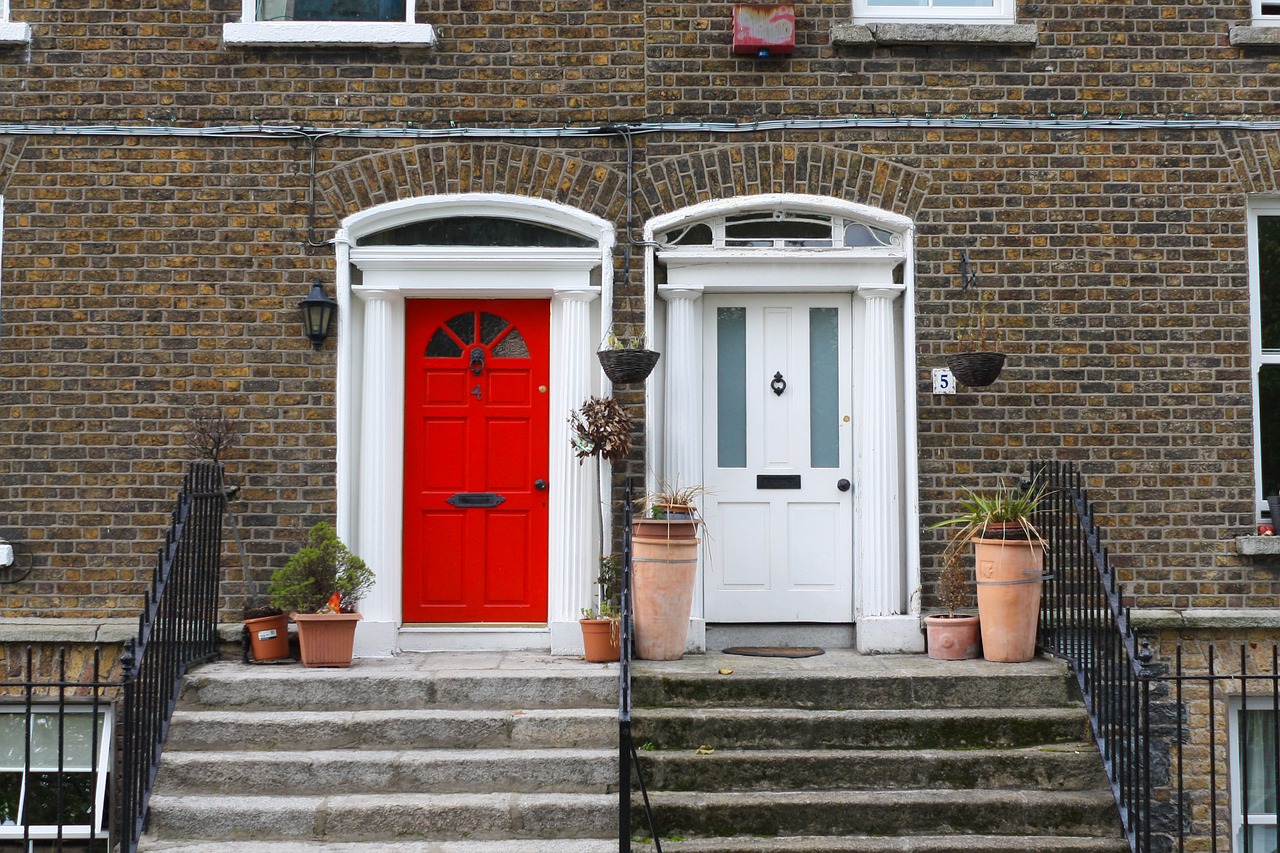
    Selecting the right colour for your front door is a decision that can dramatically alter the appearance of your home. Bold and vibrant hues such as deep reds or sunny yellows can inject personality and energy, making your home stand out. For a more understated elegance, consider classic shades like navy blue, forest green, or even a sophisticated black.

    On the other hand, if your home features neutral tones, a brightly coloured door can serve as a striking focal point. Think about the message you want to convey: a red door can signify a warm welcome, while blue might represent tranquillity.


    Lighting the Way

    Good lighting is essential for both safety and aesthetics. A well-lit front door is welcoming to guests and discourages potential intruders. Consider stylish fixtures that complement your home’s architecture. For a traditional home, classic lantern-style lights can add charm, while sleek, modern designs suit contemporary homes.

    Illumination is not just about the practicality of visibility; it’s an opportunity to create ambience. Soft, warm lights can create a cosy and inviting atmosphere, while brighter lights can make a bold statement. Positioning is key: lights should flank the door or be overhead, casting an even glow that highlights the door’s features. Thoughtful lighting enhances your door’s beauty at night, transforming it into a radiant focal point of your home’s exterior.


    Door Furniture with Flair

    The hardware on your door, such as handles, knockers, and letterboxes, is more than just functional; it’s an opportunity to inject style into your entrance. Sleek, modern designs with clean lines and minimalistic features suit contemporary homes, while ornate brass or wrought iron hardware can complement traditional properties.

    The finish of your door furniture plays a significant role in its overall impact. Polished brass or chrome can add a touch of luxury and shine, while matte black or brushed nickel offers a more modern, subtle look. Don’t forget about the smaller details like the doorbell or house numbers; these should also align with the overall style of your door, creating a cohesive and thoughtfully designed entrance.


    Handle It With Style

    The choice of door handle can have a significant impact on the overall look of your entrance. For those looking to add traditional charm, consider some attractive brass door furniture for a rustic yet elegant look. These handles offer functionality and serve as a focal point, injecting a sense of sophistication and style to your door.

    When selecting door handles, consider their ergonomics and ease of use, as well as their aesthetic appeal. The shape and size should feel comfortable in hand, and the mechanism should operate smoothly. Additionally, the finish of the handle should resist weathering and maintain its appearance over time, ensuring that your door continues to look stunning for years to come.


    Planters and Greenery

    Adding planters and greenery to your front door can instantly uplift the space, introducing colour, texture, and life. Symmetrically placed planters create a sense of balance and formality, ideal for traditional homes. Alternatively, a more eclectic arrangement with varying sizes and styles of planters can lend a relaxed, bohemian feel.

    Choose plants that complement the style of your home and the local climate. Evergreens offer year-round lushness, while flowering plants can add seasonal colour. Consider the maintenance requirements too; opt for low-maintenance varieties if you’re not an avid gardener. The right greenery can transform your front door into a verdant, welcoming entryway, full of life and natural beauty.


    Personalised Touches

    Your front door can reflect your personality with the addition of bespoke elements. A custom house number or a unique nameplate can make a world of difference, giving your home a distinctive identity. These small details, while often overlooked, can significantly enhance the aesthetic appeal of your entrance.

    Consider materials and designs that resonate with the overall theme of your home. A sleek, modern number plaque might suit a contemporary residence, while a hand-painted ceramic or carved wooden sign could complement a more traditional setting. This is your chance to be creative and express your individual style, making your home truly one-of-a-kind.


    Statement Door Mats

    A doormat is more than just a functional item to keep your floors clean; it’s an opportunity to make a style statement. Choose a mat that reflects your personal taste and the character of your home. From bold patterns and bright colours to witty messages and elegant designs, the right mat can set the tone for your home’s interior.

    The size and shape of the mat should fit your doorway and be appropriate for the amount of foot traffic it will receive. Durable, easy-to-clean materials are a practical choice, ensuring your mat stays looking great throughout the year. A well-chosen doormat can be a delightful greeting for your guests, adding both style and function to your entrance.


    Architectural Details

    Architectural elements like pediments, pilasters, or decorative moulding can elevate the look of your front door, adding depth and character. These features can enhance the door’s prominence and create a grand, sophisticated entrance. Consider elements that complement the architectural style of your home, whether it’s a classic Victorian, a modern minimalist, or something in between.

    Incorporating these details requires a thoughtful approach. The scale and design should be in harmony with the rest of the home’s exterior. For example, a classical pediment might be ideal for a Georgian-style home, while clean, geometric lines might suit a more contemporary property. These architectural details can transform a simple entrance into a striking, memorable facade.


    Seasonal Decor

    Embrace the changing seasons by decorating your front door area to reflect the time of year. In autumn, consider a wreath made of fall leaves and berries. For spring, fresh flowers and pastel colours can brighten your entrance. During the festive season, twinkling lights and holiday decorations add a magical touch.

    Seasonal decor is a wonderful way to keep your entrance looking fresh and inviting all year round. It’s also an opportunity to celebrate and participate in the festivities of each season. Be mindful of the scale and style of your decorations, ensuring they complement your home and create a welcoming atmosphere for your guests.


    Security with Style

    Security is paramount, but it doesn’t have to come at the expense of style. Choose a sturdy, well-fitted door with high-quality locks and security features that blend seamlessly with its design. Modern technology offers a variety of options where functionality and aesthetics meet, allowing you to protect your home without compromising on its appearance.

    Consider security elements that are in keeping with the style of your door and home. For example, a traditional home might suit a classic mortice lock, while a smart lock could perfectly fit a contemporary residence. Ensuring your home is safe and secure is crucial, but you can achieve this without sacrificing style with the right choices.


    Summing Up

    Transforming your home’s exterior with stylish front door details is an achievable and rewarding endeavour. By focusing on elements such as colour, lighting, hardware, and personal touches, you can create an entrance that is not only inviting but also a true reflection of your style. The front door is the focal point of your home’s exterior and deserves careful consideration and creative flair. With these tips, you can give your home the wow factor it deserves, making a lasting impression on all who visit.

  • Why Experience Matters: Choosing The Right Pipe Relining Professionals

    Why Experience Matters: Choosing The Right Pipe Relining Professionals

    Over time, underground sewer and water pipes can start to leak or clog up. Repiping an entire pipe system can be really messy and expensive. A great solution is trenchless pipe relining. This article explains what pipe relining is and why you need an experienced choosing pipe relining sydney professionals like thereliningcompany.com.au to do it right.


    What is Pipe Relining?

    Pipe relining can be a method to fix pipes, without digging. A lining that is flexible is put into the pipe. It binds strongly to the walls. This prevents leaks and lessens obstructions. The pipe stays underground which means that landscaping doesn’t need to be ripped up. Relining is far less costly than traditional pipe repiping.

    Relining of pipes involves exact cleaning of the pipe, video inspection, and liner installation. Having experienced trenchless pipe experts is crucial to achieving the success. This is how their expertise can make an impact.


    Thorough Cleaning is Crucial

    The first step of relining is to thoroughly clean the old pipe. Experts use specialized equipment with pressure water jets. This blasts away any dirt, grease, roots or debris. If the old pipe walls aren’t cleaned really well, the new lining won’t adhere right. An improper bond means leaks could happen again down the road. Only pros with high-power jet cleaners and skills know how to clean correctly for optimal adhesion. Doing this properly paves the way for long-term results.


    Inspection Experience Matters

    After cleaning the area, video cameras are sent further down the line to examine the entire process carefully. The company must use videos from multiple perspectives to ensure complete transparency. Professionally trained technicians know what problems to be looking for. They can identify problems areas, such as holes, cracks or sections that have collapsed and require repair.

    Inspections thorough enough to spot problems before they cause major issues. Only professionals know the complete state of the line and what to do about it.


    Precision Measurement is Vital

    Indicating the exact length and dimension of the pipes is vital. The new liner has to be designed to perfectly fit. Teams will record exact measurements and angles of the pipe. They will also consider conditions such as offsets, corrosion and so on.

    A careful measurement process makes a liner that is sealed well. A fraction of a millimeter off could result in leaks later on or obstructions. It is crucial to be precise.


    Methodical Installation Process

    The process of fitting the custom-fit liner requires taking care to feed the flexible material into the pipe. The precise equipment and the know-how keep the liner moving in a smooth manner to prevent wrinkles. Once properly in place it is possible to use various methods such as steam, hot water and UV lights to cure the material and make it harder. This binds it to the pipe’s walls.

    The proper tools and careful techniques create a seamless watertight seal to ensure long-term durability. Only professionals possess these crucial installation skills.


    Quality Materials Matter

    High-quality liner materials are built to last a lifetime. Many quality liners come with at least 50-year warranties. The right materials won’t corrode or loosen over time. Ask pros what brand and warranty options they offer. Go with an industry leader.

    Reputable companies only use liner products they trust and back confidently. Materials make a big difference in durability.


    Enhanced with Experience

    No two pipe relining jobs are exactly the same. Each pipe system has its own layout and issues. Experience enhances how problems get addressed. For example, seasoned pros may tweak curing methods or insertion techniques based on past jobs. Their knowledge adds finesse.

    Ask about a company’s number of years doing pipe relining and average staff experience. This shows who really knows their stuff.


    Conclusion 

    You shouldn’t make a mistake with pipe repairs. Finding experts who have proven their expertise reduces the risk of future problems and expenses. Find reliable locally-based trenchless pipe experts. They’re equipped with the right equipment, skills and experience to do the job properly.


  • 4 Smart Ways to Secure Your Home

    4 Smart Ways to Secure Your Home

    Home is where we feel safest, but it’s also a place that can be vulnerable to threats. Whether it’s theft, vandalism, or natural disasters, securing your home is essential for peace of mind and the safety of your loved ones. With the rise of smart technologies and modern solutions, home security has evolved beyond traditional locks and alarm systems. Today, there are a range of tools and strategies to make sure your home is as secure as possible. In this post, we’ll explore four smart ways you can secure your home and keep potential intruders at bay.


    Reinforce Doors and Windows

    Reinforcing your doors and windows is one of the most effective ways to secure your home. It’s important to start with your exterior doors, ensuring they are made from solid materials such as steel or solid wood. Installing high-quality deadbolts can make it much more difficult for intruders to break in. Windows are often a weak point in home security, so consider adding window locks or shatterproof glass to enhance their strength. For added protection, security screen doors in Perth have become a popular option for homeowners looking to reinforce entry points. These doors not only provide an extra layer of defense against intruders but also allow for better ventilation without compromising security. 


    Upgrade to Smart Security Systems

    A traditional security system isn’t enough to keep your home fully protected. Smart security systems provide a comprehensive approach to safeguarding your home. These systems come equipped with motion sensors, cameras, doorbell systems, and advanced features like facial recognition, all of which can be controlled from your smartphone. Remote monitoring allows you to access live footage, arm or disarm the system, and receive real-time alerts about suspicious activity no matter where you are. Some systems offer cloud storage, so you can easily review footage if necessary. With smart security, your home’s defense is just a few taps away, ensuring you’re always connected and informed.


    Install Motion-Sensor Lighting

    Lighting is a simple yet effective way to deter intruders and increase home security. Motion-sensor lights automatically illuminate when they detect movement, ensuring that your yard is well-lit, especially around entry points like doors and windows. This sudden burst of light not only makes it harder for burglars to approach unnoticed but also provides added visibility, reducing the likelihood of accidents in the dark. Installing motion-sensor lights around your home can be an easy and affordable upgrade to enhance both security and convenience. Whether you’re arriving home late or just walking outside, motion-sensor lighting ensures you always have a well-lit environment without the need for constant manual control.


    Use Neighborhood Watch and Community Apps

    Securing your home isn’t just about technology—it’s also about community. Neighborhood watch programs and community apps have become essential tools for enhancing local safety. These programs enable residents to look out for each other, share information, and report suspicious activities. Community apps take it a step further by offering real-time crime alerts, helping you stay updated on local incidents. Some apps even allow you to connect your security cameras to the community’s network, making it easier to spot and address unusual behavior. Being an active part of a neighborhood watch program or using apps dedicated to security helps create a safer, more aware environment for everyone involved.

    Securing your home requires a balanced approach that combines both technology and traditional safety measures. Smart security systems, motion-sensor lighting, reinforced doors and windows, and community watch programs all play a crucial role in creating a safe environment. By adopting these four smart strategies, you can drastically improve your home’s protection and peace of mind. Today’s security solutions are more advanced than ever, and they offer homeowners the opportunity to be proactive in safeguarding their homes. No matter where you live, these measures will help reduce the risk of break-ins and ensure your loved ones are always safe and protected within your home.

  • How Asphalt Paving Offers Cost-Effective Solutions for Residential and Commercial Projects

    How Asphalt Paving Offers Cost-Effective Solutions for Residential and Commercial Projects

    Asphalt paving stands out as a preferred choice for both residential and commercial projects due to its durability, affordability, and quick installation process. Many property owners today weigh the benefits of investing in asphalt over other paving options like concrete or stone. Understanding the advantages of asphalt paving can help homeowners and business proprietors make informed decisions that enhance the value and usability of their properties.


    Understanding the Advantages of Asphalt Paving

    Asphalt paving has been favored for its longevity and performance in various weather conditions. It can withstand heavy traffic loads while providing a smooth surface for vehicles and pedestrians. Additionally, asphalt is known for its flexibility, allowing it to adjust and bear the stresses from temperature changes without cracking, a common issue with concrete surfaces.

    Cost efficiency is another critical advantage. According to the National Asphalt Pavement Association, asphalt is approximately 20% less expensive to install than concrete. This lower initial cost, combined with the reduced maintenance and repair expenses, leads to significant savings over time for property owners. Furthermore, asphalt’s dark color aids in keeping surfaces free of ice and snow during winter months, thereby enhancing safety and reducing winter maintenance costs.


    Choosing A Local Company

    When selecting a paving company for your asphalt project, choosing a local provider is often beneficial. Local companies are familiar with regional weather patterns, soil conditions, and local regulations, which can significantly impact the performance of your paving. Whether you work with a Michigan asphalt company or one in Boston, local expertise can provide tailored recommendations that enhance the longevity of your investment. Opting for a local contractor often means better communication and faster response times. Establishing a connection with someone in your community can simplify the process of discussing your project’s needs. Local companies are more likely to prioritize customer satisfaction and maintain a solid reputation in their area, as positive word-of-mouth is essential to their business.


    Installation Process: What to Expect

    The installation process for asphalt paving typically involves several stages, ensuring a high-quality surface that lasts for years. Initially, the old surface or existing material is removed, allowing contractors to prepare a solid foundation for the new asphalt. Geological studies may be performed to evaluate soil conditions and drainage issues that could affect the project.

    Once preparations are made, the team applies a layer of hot mix asphalt. This method of heating ensures proper adhesion and durability. After the asphalt is laid, it is compacted to create a smooth, level surface. Once the dimensions and slope are finalized, a sealant is often applied after a curing period to protect against moisture and prolong its lifespan.


    Maintenance Tips for Asphalt Surfaces

    To maximize the longevity of your asphalt surface, regular maintenance is essential. Routine sealing is recommended every two to three years to protect against the elements and prevent cracking. Cleaning the surface of debris and dirt also helps maintain its visual appeal and functionality. Another critical maintenance tip is to promptly repair any cracks or holes as they appear. Neglecting small issues can lead to extensive damage over time, increasing repair costs significantly. 

    Oil spills and fluid leaks from vehicles should be cleaned immediately, as these substances can break down asphalt and lead to deterioration. Ensuring proper drainage around the asphalt surface can prevent water from seeping in and causing structural weaknesses. Avoiding heavy loads or sharp objects, such as motorcycle kickstands or heavy machinery, can also help prevent surface indentations. Lastly, regular inspections can help identify early signs of wear and tear, allowing for timely interventions that extend the life of the pavement.


    Environmental Considerations of Asphalt Paving

    Asphalt is increasingly recognized for its sustainability. Notably, asphalt can be recycled, often reused in new paving projects or road repairs. It has a significant recycling rate of over 80%, benefiting the environment by reducing waste. Many asphalt companies have adopted eco-friendly practices, ensuring a low carbon footprint during production and installation. Advancements in technology have led to the development of warm mix asphalt, which requires lower temperatures for production and reduces energy consumption. This innovation not only minimizes emissions but also contributes to creating safer and better-performing roads.

    Recycled asphalt also helps conserve natural resources by reducing the need for new raw materials like gravel and bitumen. Permeable asphalt options are being developed to improve water drainage and reduce runoff, helping to prevent erosion and manage stormwater more effectively. As sustainability continues to be a priority in construction, asphalt paving remains a viable choice for eco-conscious projects.


    Cost Comparisons: Asphalt vs. Other Paving Options

    When comparing asphalt to other paving materials such as concrete or brick, several factors come into play that highlight its cost advantages. While concrete tends to have a longer lifespan, its initial installation cost is generally higher. Property owners might find asphalt’s lower upfront investment more appealing, especially when considering budget constraints for large-scale projects.

    Further, asphalt paving usually offers faster installation than concrete, allowing property owners to utilize the surface sooner. This efficiency translates into less disruption for residential owners and businesses requiring quick turnarounds. For significant projects, the cumulative costs of downtime can greatly affect profitability, making asphalt a wise investment.


    Long-Term Value of Asphalt Paving

    The long-term value of asphalt paving is undeniable. Properly maintained asphalt can last up to twenty-five years, offering impressive durability and resilience. As previously mentioned, the combination of lower installation costs and reduced maintenance needs creates a favorable total cost of ownership. Asphalt surfaces better accommodate modern needs, including smooth transitions for heavy vehicles and added aesthetics through various finishes. For commercial projects, the curb appeal that asphalt provides can enhance the overall property value, attracting more customers due to its polished appearance.

    Asphalt’s flexibility allows it to withstand temperature fluctuations and shifting ground conditions better than some other materials. Its quick installation and repair times also reduce downtime, making it a cost-effective choice for businesses and municipalities. Over time, the ability to resurface asphalt rather than completely replace it further adds to its economic and practical benefits.

    Ultimately, asphalt paving presents numerous benefits for residential and commercial projects alike. From cost-effectiveness to environmental sustainability, its advantages are significant. By selecting a local provider and committing to regular maintenance, property owners can ensure their investment endures through the years. The combination of performance and affordability makes asphalt the smart choice for paving projects of all kinds.


  • 10 Secret Tips for Using Your Hedge Trimmer Like a Pro

    10 Secret Tips for Using Your Hedge Trimmer Like a Pro

    Hedge trimmers are one of those tools that can make a huge difference in keeping your outdoor space neat and tidy. But if you’re not using them correctly, you might end up with uneven cuts, damaged plants, or even safety concerns. Whether you’re new to hedge trimming or looking to refine your skills, these tips will help you get professional-level results every time.

    1.Choose the Right Hedge Trimmer for the Job

    Not all hedge trimmers are created equal. The type of hedge trimmer you choose depends on your hedges and how much trimming you plan to do. For small jobs, a corded electric trimmer is lightweight and easy to use. If you’re tackling larger areas, a battery-powered or gas trimmer might be a better choice. Always consider the blade length—shorter blades are great for precision, while longer blades can handle bigger hedges more efficiently.

    2. Keep Your Blades Sharp

    Dull blades don’t just make the job harder—they can damage your plants by tearing instead of cutting. Check your blades regularly and sharpen them when they start to lose their edge. Clean your blades after each use to remove sap, debris, and dirt, as these can cause rust and reduce their effectiveness over time.

    Quick Tip: Lubricate your blades before each use to keep them running smoothly and prevent wear.

    3. Know When to Trim Your Hedges

    Timing is everything when it comes to hedge trimming. Most hedges benefit from a trim in late spring or early summer, but this varies depending on the type of plant. For example, flowering hedges should be trimmed after they bloom to avoid cutting off buds. Regular maintenance trims can be done throughout the growing season, but avoid heavy trimming in late fall, as it can leave your plants vulnerable to winter damage.

    4. Use the Right Technique

    Proper technique is key to achieving a clean, even look. Always start trimming from the bottom and work your way up. This ensures that cut branches don’t fall into areas you’ve already trimmed. Hold the trimmer steady and move it in smooth, sweeping motions for a consistent cut. Avoid cutting too deep into the hedge—focus on trimming the outer growth to maintain its shape and health.

    Pro Tip: Angle the trimmer slightly toward the hedge to create a slightly tapered shape. This allows sunlight to reach the lower branches and keeps the plant healthy.

    5. Plan Your Shape in Advance

    Before you start trimming, take a step back and visualize the shape you want to achieve. Do you want a flat top, a rounded edge, or something more decorative? Use string or stakes as a guide if you’re aiming for straight lines. Taking a moment to plan can save you time and frustration later on.

    6. Safety First

    Using a hedge trimmer safely is non-negotiable. Always wear protective gear, including gloves, safety glasses, and sturdy footwear. If you’re using a corded trimmer, keep the cord behind you at all times to avoid accidentally cutting it. When working on taller hedges, use a stable ladder and never overreach—it’s better to reposition the ladder than risk losing your balance.

    Remember: Always turn off and unplug your trimmer before clearing jammed branches or performing maintenance.

    7. Take Breaks to Avoid Fatigue

    Trimming hedges can be physically demanding, especially if you’re working on a large area. Take regular breaks to rest your arms and prevent fatigue. This will not only help you work more efficiently but also reduce the risk of accidents caused by tiredness or loss of focus.

    8. Clean Up as You Go

    It might be tempting to leave the cleanup for the end, but tidying up as you go makes the process much easier. Use a rake or tarp to gather trimmed branches and leaves. This keeps your work area clear, reduces the risk of tripping, and makes it easier to see if you’ve missed any spots.

    9. Maintain Your Hedge Trimmer

    Regular maintenance keeps your hedge trimmer in top condition and extends its lifespan. After each use, clean the blades, check for damage, and store the tool in a dry place. For gas-powered trimmers, make sure to follow the manufacturer’s guidelines for fuel storage and engine care. Proper maintenance ensures your trimmer is always ready when you need it.

    10. Practice Makes Perfect

    The more you use your hedge trimmer, the better you’ll get at handling it. Don’t be discouraged if your first few attempts aren’t perfect—mastering the art of hedge trimming takes time and patience. With practice, you’ll develop a steady hand and an eye for detail, making it easier to achieve professional-looking results.

    Master the Art of Hedge Trimming

    Using a hedge trimmer like a pro isn’t just about having the right tools—it’s about understanding the process and applying the right techniques. By following these tips, you’ll not only keep your hedges looking their best but also make the job safer and more enjoyable.


  • How to Keep Your New Year’s Eve Party Noise-Free (and Neighbour-Friendly)

    How to Keep Your New Year’s Eve Party Noise-Free (and Neighbour-Friendly)

    New Year’s Eve parties are all about celebration – music, laughter, countdowns and cheer. But as the volume rises, so too does the risk of disturbing your neighbours. As much as we’d like to assume that everyone will be bringing in the new year with a bang, that may not be the case, and making too much noise may lead to some awkward conversations with neighbours. While soundproofing for walls is a fantastic long-term investment, implementing these solutions takes time and money, and it may not offer a quick fix for your New Year’s Eve festivities.

    Noise levels can often rise during holiday celebrations, and local councils may receive complaints about excessive disturbances. While New Year’s Eve is generally recognised as a time of celebration, it’s important to remain considerate of neighbours and adhere to local guidelines around noise levels. Fortunately, there are some more immediate measures you can take to keep the party lively for your guests and considerate towards your neighbours. Here are some practical steps you can take to keep noise levels in check without sacrificing the fun – or breaking the bank!

    Create a “Sound Barrier” with Furniture and Soft Furnishings

    Hard surfaces like floors, walls, and ceilings reflect sound, making your party noisier than it needs to be. Adding soft materials can help dampen the sound. Try these quick fixes:

    • Lay down rugs: If you have hardwood or tiled floors, throw down a large area rug to absorb sound.

    • Use cushions and throws: Scatter them around sofas and chairs to minimise echoes.

    • Move furniture strategically: Position bookshelves, sofas, or storage units against walls that connect to neighbouring properties. These act as buffers to block sound from escaping.

    Keep the Noise Away from Shared Walls

    Think about your party layout. Position the loudest parts of your celebration – like speakers, TVs, or karaoke machines – away from walls shared with neighbours. If your living room has an external wall or window, direct the sound that way instead.

    Turn Down the Bass

    Bass frequencies travel further and are harder to block than higher-pitched sounds. While it’s tempting to crank up the bass for that perfect party vibe, dialling it back slightly can make a big difference in how much sound leaks to your neighbours.

    Soundproof Windows and Doors Temporarily

    Noise often escapes through windows and doors, but you can reduce this with quick, DIY-friendly hacks:

    • Close curtains or blinds: Thick, heavy curtains are excellent at absorbing sound. If you have blackout curtains, even better.

    • Use draft excluders: Place them along the bottom of doors to stop sound travelling to hallways or neighbouring flats.

    • Seal window gaps: Adhesive foam strips or even towels can block small gaps where sound might escape.

    Set the Right Volume for Music

    Music is a key part of any NYE celebration, but volume control is essential. Instead of blasting a playlist through speakers, consider these alternatives:

    • Use a smaller sound system: Compact Bluetooth speakers can deliver great sound without excessive volume.

    • Create a party zone: Confine the music to one room and keep other areas quieter for conversations or relaxing.

    • Smart speaker features: Many modern devices have settings to limit maximum volume—use them to avoid accidental spikes.

    Talk to Your Neighbours in Advance

    One of the simplest ways to avoid complaints is to be upfront about your plans. Knock on your neighbours’ doors or leave a friendly note letting them know you’ll be hosting a party. Offer reassurances, like ending the loud activities at a reasonable hour, and consider inviting them – it’s harder to complain when you’re part of the celebration!

    Time Your Party Wisely

    Noise becomes more noticeable as the night wears on, especially after typical quiet hours (usually 11pm in most areas). Plan louder activities, like dancing or games, earlier in the evening. Transition to quieter moments—like a champagne toast or a firework watch—as midnight approaches.

    Create “Quiet Zones”

    Not every guest enjoys loud music or bustling energy. Designate quieter areas for people to chat, recharge, or enjoy snacks away from the noise. This naturally reduces the overall sound level in your home.

    Monitor Noise in Real-Time

    Using a smartphone app to measure decibels can help you keep tabs on how loud things are getting. Aim to stay below 70 decibels, which is roughly the volume of a normal conversation. Anything above 85 decibels could start disturbing your neighbours.

    What About Noise at Midnight?

    The countdown to midnight is the highlight of the evening, often involving cheering, music, and maybe even some outdoor fireworks. Here’s how to keep this moment celebratory but considerate:

    • Keep outdoor activities brief: If you’re stepping outside for fireworks or sparklers, keep the time outside short and gather guests back indoors quickly.

    • Limit group shouting: Encourage clapping or noisemakers over shouting or singing. These are just as fun and far less disruptive.

    • Have an indoor alternative: Play a pre-recorded countdown or project a light display indoors for a quieter but festive vibe.

    Post-Party: A Fresh Start with Happy Neighbours

    Once the party’s over, take a moment to reflect. Did anyone raise concerns about the noise? Was there a particular setup or approach that worked well? Use this insight to plan even better parties in the future. If you find noise continues to be a challenge, consider investing in more permanent solutions like acoustic panels or heavier curtains. These upgrades benefit not just future parties but also your day-to-day living.

    Celebrate Considerately and Welcome 2025 in Style

    Keeping the noise under control doesn’t mean dialling down the fun. With these quick, actionable tips, you can host a New Year’s Eve party that’s memorable for all the right reasons—great music, lively conversation, and no unhappy neighbours. Here’s to a fabulous start to 2025!

  • Important Party Wall Advice That Homeowners Should Know

    Important Party Wall Advice That Homeowners Should Know

    If you have any plans to make alterations to your home, then we advise that you first comprehend the potential party wall issues. This will help you to avoid any kind of hassle along the way as you make your expansion, conversion, or other applicable alteration. As long as the project involves a shared wall, then understanding the party wall advice is essential.

    If you are not sure where to start, we have provided this guide that contains party wall advice  for you to go through to have a successful project.

    Party Wall Definition

    As the name suggests, this is simply a shared barrier between two properties. For instance, it might be a wall between semi-detached or terraced homes. It might also include a garden wall constructed along the perimeter.

    If you are making any alterations that might touch these walls, you ought to adhere to the Party Wall Act of 1996 as this will save you from experiencing a variety of difficulties.

    Party Wall Advice: What Makes the Party Wall Act Crucial?

    During construction, the Party Wall Act helps keep you and your neighbours safe. The law guarantees that everyone is treated equally if your project impacts a common wall. The homeowners are legally obligated to abide by this act. Ignoring it may result in disputes, hold-ups, or even legal issues.

    Steps to Take Before Construction

    With some simple measures, you can set your project on the right track.

    Let your neighbours know

    You must notify your neighbours with a party wall notice if your project involves a shared wall. The work you want to conduct and its potential effects on the shared wall are described in this notification. It is a formal method of maintaining transparency and clarity.

    Hire a surveyor

    Hiring a party wall surveyor is a smart option for large projects. They can assess the circumstances and draft a party wall agreement. They can also offer the best party wall advice in Essex, for example, to help you through the process especially if this is your first time with a project that involves a party wall. Hiring a professional guarantees that you abide by the law and makes a positive impression on your neighbours.

    Understand the rights of your neighbours

    Your neighbours are free to accept or reject your notice. In the event that they do not agree, a surveyor will often be consulted in order to resolve the matter.

    Party Wall Advice: What Does a Party Wall Agreement Entail?

    Part of the professional party wall advice that you ought to comprehend is what a party wall agreement contains. The Party Wall Act shows the rights of each person with a shared wall. Therefore, the person undertaking a construction, repair, or extension project that will affect the party wall must notify their neighbour.

    First, this notice must include information about the intended work. This explains what type of project you would like to complete.

    Another major point is the construction schedule; where and when are you planning to start? And lastly, how will the shared wall or boundary be protected, and how will any damages be dealt with? This agreement decreases the likelihood of conflict and helps everyone understand their roles.

    Typical Obstacles You Could Face

    You may encounter problems such as unfriendly neighbours or delays in obtaining their approval when handling party wall matters. It may be simpler to hire a surveyor. Their expertise can help resolve conflicts and maintain the progress of your project.

    The Significance of Expert Assistance

    Handling party wall issues can be difficult, particularly when tensions are high. A qualified surveyor, however, guarantees that your project complies with the Party Wall Act since they are knowledgeable about its specifics. This lowers risks and protects your investment.

    Final Verdict

    You do not have to worry about solving party wall issues during your project. With the right information and party wall advice, you can navigate this project with ease. Avoid all kinds of project hiccups and keep your neighbors happy by following professional party wall advice today.

  • The Do’s and Don’ts of Creating a Timeless Bathroom

    The Do’s and Don’ts of Creating a Timeless Bathroom

    Creating a timeless bathroom isn’t about following trends. It’s about designing a space that remains stylish, functional, and fresh-looking year after year. But how do you achieve that balance? Many people think “timeless” means boring or overly traditional, but that’s not the case at all. Timeless design can be sleek, elegant, and even trendy—if you do it right. Here are the top do’s and don’ts to help you build a bathroom that stands the test of time, blending classic aesthetics with modern functionality.

    Do: Focus on High-Quality Fixtures and Materials

    Your fixtures and materials play a significant role in your bathroom’s longevity. Choosing high-quality options may require a bigger initial investment, but it pays off in the long run, saving you from constant repairs and replacements. Here’s why quality counts:

    1. Durability – High-quality materials like solid brass for taps or ceramic tiles are built to withstand moisture, heat, and wear.
    2. Timeless Appeal – Quality finishes often have a classic aesthetic, keeping your bathroom looking fresh and polished for years.
    3. Low Maintenance – Higher-grade materials usually require less upkeep, making your bathroom easier to maintain.

    Materials like marble, porcelain, and natural stone not only look elegant but also improve with age, acquiring a patina that enhances their charm over time. So, when selecting materials for bathroom renovations Newcastle, think about those that will stand up to daily use, humidity, and cleaning. Renovation experts will be able to advise you on the best choices for your home specifically.

    Don’t: Fall for Fast-Moving Trends

    Trends come and go, and while it’s tempting to follow the latest styles, it can date your bathroom quickly. Think of trends like statement colours, unusual tile patterns, or overly intricate designs. They might look stylish today, but will they still look great in five or ten years?

    Instead, stick to a more neutral colour palette. White, beige, grey, and soft earthy tones have a clean, classic appeal that pairs well with nearly any decor style. You can always add pops of colour or trendy touches through accessories like towels, artwork, or even houseplants. This way, you can update the bathroom’s look without committing to an overhaul.

    Do: Invest in Timeless Tiles

    Tiles are a critical aspect of bathroom design, and certain styles have a staying power that others don’t. Subway tiles, for example, are a classic choice that suits both traditional and modern bathrooms. Their clean lines and simplicity make them a versatile option. Hexagon tiles, penny tiles, and simple herringbone patterns are also enduringly popular for the same reason—they’re timeless without being boring.

    When choosing tiles, think about the following:

    1. Quality and Material – Porcelain and ceramic tiles are popular for their durability and ease of maintenance.
    2. Finish – Matte finishes tend to be more forgiving when it comes to smudges and water spots, while glossy finishes can create a more modern, reflective look.
    3. Scale and Layout – Avoid overly large or tiny tiles. Medium-sized options work well in most spaces and don’t overwhelm the room.

    Don’t: Overlook Storage Solutions

    An organised bathroom is a timeless one. Storage isn’t just practical—it can also enhance the look and feel of your space. Avoid cluttered countertops by building in ample storage options. Consider adding a built-in vanity, shelves, or even custom cabinetry if you have the budget.

    Floating vanities are a fantastic way to combine storage with a modern, airy look. Similarly, recessed shelves in the shower area can keep your toiletries accessible without encroaching on space. When everything has its place, your bathroom stays cleaner, which in turn helps it look newer and more sophisticated.

    Do: Use Classic Hardware Styles

    Your choice of hardware—think taps, drawer pulls, towel racks—can really define the look of your bathroom. Classic finishes like chrome, brushed nickel, and matte black have an enduring appeal. They’re subtle, stylish, and won’t look outdated within a few years.

    Keep the design consistent by using the same finish across all your hardware. This creates a cohesive look, making your bathroom feel polished and intentional. If you want to add a touch of luxury, consider classic brass fixtures; they’re back in vogue but have a timeless quality that complements a range of styles.

    Don’t: Skimp on Lighting

    Lighting is often an afterthought, but it’s essential for creating a timeless bathroom. Good lighting should be layered, including ambient, task, and accent lights to suit different needs.

    1. Ambient Lighting – This is your general lighting, typically from ceiling lights or a central fixture.
    2. Task Lighting – Focused lighting near the vanity mirror ensures you have enough light for grooming tasks.
    3. Accent Lighting – Subtle touches, like under-cabinet lights or sconces, create a warm, welcoming feel.

    Opt for LED bulbs, as they last longer and are energy-efficient. Classic wall sconces or pendant lights near the mirror can add a touch of elegance while serving a practical purpose. The right lighting makes your bathroom inviting and comfortable, enhancing every design element.

    Do: Keep It Simple and Functional

    A timeless bathroom design is all about simplicity and functionality. Avoid overcrowding the space with too many decorative items. Instead, focus on essentials that bring both beauty and function, like quality towels, a stylish soap dispenser, or a well-placed mirror. Less is more when it comes to creating a lasting design.

    Consider how you’ll actually use the space daily. Is there enough counter space? Do you have a place for each item? Timeless bathrooms work well because they’re designed for real life, blending practicality with aesthetic appeal.

    Rethinking the Essentials

    Creating a timeless bathroom is less about strict design rules and more about understanding your needs and how you use the space. With the right materials, storage, and finishes, your bathroom can be an elegant sanctuary that’s as functional as it is stylish. When you invest in quality and simplicity, you’re setting up a space that looks and feels great, no matter how trends shift. A timeless bathroom isn’t just about looks—it’s about creating a room that serves you well for years to come.


  • How Metal Clothes Pegs Keep Your Laundry Secure in Any Weather

    How Metal Clothes Pegs Keep Your Laundry Secure in Any Weather

    Have you ever hung your clothes out to dry only to find them scattered across the garden or worse, in your neighbour’s yard? Annoying, right? If you’re nodding along, you know the struggle of unreliable pegs. The good news? Metal clothes pegs might just be your laundry hero, especially when the weather decides to act up.

    Metal pegs may seem like a small detail, but they make all the difference when it comes to keeping your laundry secure, come rain or shine. Let’s dive into why they’re a must-have for anyone serious about protecting their clothes, regardless of the weather.


    Durability That Won’t Let You Down

    Think about those plastic pegs that break at the slightest pressure. They seem fine at first, but after a few months under the hot sun or in the rain, they become brittle and snap. Now, compare that to metal clothes pegs. Built to last, these pegs are designed to withstand the elements, from harsh sunlight to heavy rain and even frost.

    No more dealing with broken pieces of plastic or missing pegs. Metal clothes pegs are built to stick around for years, not just seasons. So, when that unexpected storm rolls in, your clothes won’t end up scattered across the yard.

    Rust-Resistant and Weatherproof

    One of the concerns with metal is rust. After all, no one wants rust marks on their clean clothes. Luckily, high-quality metal pegs are made from stainless steel or are coated with rust-resistant materials, meaning they’ll remain in top shape, even after constant exposure to rain.

    Stainless steel pegs, in particular, are your best bet. They’re strong, weather-resistant, and won’t rust or corrode, ensuring your laundry stays clean and intact. You can leave them on the line in any weather without worrying about them deteriorating.

    Strong Grip, Less Slippage

    We’ve all been there—those windy days when clothes start slipping off the line because the pegs just can’t handle it. Metal pegs offer a tighter grip than their plastic counterparts, ensuring that even heavier items like towels, blankets, or jeans stay securely fastened to the line.

    On a particularly windy day, you’ll be grateful for that extra grip. It’s peace of mind knowing your laundry will stay exactly where you left it, whether it’s a gentle breeze or a blustery day.

    Eco-Friendly and Sustainable

    It’s not just about convenience—there’s an eco-friendly factor to metal clothes pegs as well. Plastic pegs end up in landfills once they break, contributing to environmental waste. Metal pegs, on the other hand, are far more sustainable. Since they last longer, you’ll be using fewer pegs over time, and many are fully recyclable at the end of their life.

    For anyone looking to reduce their environmental footprint, making the switch to metal clothes pegs is a small but impactful way to cut down on plastic waste.

    Perfect for Any Weather Condition

    Depending on where you live, you may experience all four seasons in a week! One day it’s sunny, the next it’s pouring rain, and don’t get me started on the wind. Fortunately, metal pegs are up for the challenge.

    They’re built to handle everything, from scorching sun to heavy downpours. Even in high humidity, these pegs hold up. No more worrying about pegs warping or weakening in extreme temperatures. Whether you’re drying clothes on a hot summer day or during a cooler, breezy season, metal clothes pegs are reliable year-round.

    A Good Investment for the Long Run

    Let’s face it: we all want to get the most value out of the things we buy. While metal clothes pegs might have a higher upfront cost than plastic ones, they’re worth every cent. Think about it—how often have you replaced plastic pegs because they’ve broken, cracked, or just disappeared?

    With metal pegs, you won’t need to replace them nearly as often, making them a more economical choice in the long run. It’s a one-time purchase that keeps paying off, year after year.

    Versatility Beyond Laundry

    What’s great about metal pegs is that they aren’t just for clothes. Their strong grip makes them useful in other areas of the home too. Use them to clip together papers, close bags of food in the pantry, or even to hold up decorations. They’re a versatile tool that can do more than just keep your laundry in place.

    How to Care for Your Metal Pegs

    Caring for metal clothes pegs is pretty straightforward. If you want them to last even longer, a little maintenance goes a long way:

    • Clean them occasionally – Wipe them down if they’ve been left out in bad weather.
    • Store them properly – While they can withstand the elements, keeping them in a dry place when not in use can extend their life even further.
    • Inspect for wear and tear – Though durable, check them from time to time to make sure the springs and grip are still in good shape.

    Ready to Make the Switch?

    If you’re tired of chasing your laundry or replacing broken pegs, it’s time to consider metal clothes pegs. They’re durable, weatherproof, and eco-friendly, offering a solid grip that plastic pegs just can’t compete with. Plus, they’re a small but powerful upgrade to your laundry routine that’ll save you hassle and money in the long run.


  • 10 Unique Ideas to Modify Your Carport for Extra Functionality

    10 Unique Ideas to Modify Your Carport for Extra Functionality

    A carport isn’t just a place to park your car. Whether you want to maximize the space for practical use or add a bit of flair, here are ten unique ideas to modify your carport for extra functionality.

    1. Storage Solutions: Maximize Vertical Space

    One of the easiest ways to upgrade your carport is by adding storage, and the best place to start is by making use of the vertical space. Installing shelves, pegboards, or hooks on the walls can help you store everything from gardening tools to outdoor gear.

    Imagine having a place to hang your bikes, lawn equipment, or seasonal decorations. Not only does this clear the ground for your car, but it also gives you easy access to frequently used items. Wall-mounted cabinets can also be a great addition, keeping clutter out of sight while utilizing space that would otherwise go unused.

    2. Create a Multi-Purpose Workspace

    Why not turn a portion of your carport into a functional workspace? This is one of the best ways to transform your carport. Whether you’re into woodworking, crafting, or need a spot for DIY projects, setting up a workbench in your carport can be incredibly practical. You can install foldable tables or benches that tuck away when not in use, saving space but offering a sturdy area for projects.

    Don’t forget to add proper lighting! Carports typically aren’t well-lit, so consider adding overhead lights or task lighting to create a productive and safe workspace.

    3. Outdoor Kitchen and Dining Area

    If you’re a fan of outdoor gatherings, turning part of your carport into an outdoor kitchen or dining area can bring a whole new level of functionality to your space. Imagine setting up a grill, prep counter, and even some storage for cookware. With a bit of seating, you’ve got yourself an inviting spot for summer barbecues or casual get-togethers with friends.

    Adding outdoor-rated appliances and creating a cooking area might seem like a big task, but even starting small with a portable grill and a dining table can change how you use your carport.

    4. Convert It into a Home Gym

    If you’re tired of exercising indoors or want to make better use of the space, consider converting your carport into a home gym. This modification is a practical way to work out in the fresh air while still being protected from the elements. You can install rubber flooring, hang workout equipment, and even add a mirror to check your form.

    Whether you’re into yoga, weightlifting, or cardio, a carport gym can give you a dedicated space to stay fit without cluttering up your home.

    5. Turn It Into a Greenhouse or Garden Area

    For those with a green thumb, converting your carport into a greenhouse or a gardening space is a fantastic idea. The covered structure is ideal for protecting plants from harsh weather while still allowing sunlight to pour in from the sides. You can install racks for potted plants, hang planters, or even build raised beds if the carport floor allows.

    By setting up a potting station or storage for your gardening tools, your carport becomes a functional space where you can nurture your plants year-round.

    6. Add a Lounge or Entertainment Space

    Why limit your carport to just housing your car when it can double as an outdoor lounge or entertainment area? Set up outdoor furniture, add a few string lights, and maybe even a projector for movie nights. The covered area provides shade and protection, making it a cozy spot for reading, relaxing, or hosting friends.

    Think of it as an extension of your living space—perfect for both laid-back afternoons or lively evenings with guests.

    7. Transform It Into a Covered Play Area for Kids

    If you have kids, you know how valuable a safe, outdoor play area can be. Converting your carport into a play zone is a great way to keep them entertained, even when the weather isn’t ideal. Set up some outdoor toys, a sandbox, or even a small slide, and you’ve got yourself a protected area where they can play and get fresh air.

    You can also add storage bins for their toys, making it easy to keep things tidy when playtime is over.

    8. Install Solar Panels for Energy Efficiency

    If you’re looking for a more eco-friendly way to modify your carport, consider adding solar panels. By installing solar panels on the roof of your carport, you can harness the power of the sun to generate energy for your home. This upgrade not only adds functionality but can also help you save on electricity costs in the long run.

    Depending on your local regulations and the design of your carport, this could be a highly practical and environmentally conscious modification.

    9. Build an Enclosed Mudroom

    Sometimes a carport can be turned into more of an enclosed space, such as a mudroom. This is especially useful if your carport is located right outside your entryway. By adding a wall or some panels to enclose part of the space, you can create a mudroom area where wet shoes, jackets, and umbrellas can be left before stepping into the house.

    Adding a bench, coat hooks, and shoe racks can further enhance the organization and cleanliness of this area, making it a handy transition space.

    10. Carport to Guest Room Conversion

    If you’re feeling particularly ambitious, you can convert your carport into an extra guest room. By enclosing the structure with walls, adding windows, insulation, and flooring, you can turn it into a functional living space for visitors. Depending on the layout and design, this can become a cozy guest house that offers privacy while still being close to home.

    This is definitely a larger project, but it adds significant value to your home and can be a solution for accommodating guests without using up space inside the house.

    So, there you have it! Ten creative ways to transform your carport into a space that serves your needs in more ways than just housing a car. Whether you’re looking to create storage, set up a gym, or even accommodate guests, these ideas can breathe new life into an otherwise overlooked area. Which one will you try first?


  • Maximising Space with Multi-Functional Furniture

    Maximising Space with Multi-Functional Furniture

    Imagine a world where your furniture is like a secret agent, transforming and adapting to your every need. Do you need a sofa and bed? Get a sofa bed. Need more seating and storage? Get a storage Ottoman. With clever use of multi-purpose furniture, you’re able to fully leverage your space without letting go of style or cosiness. So say goodbye to cramped living quarters and hello to a world where your furniture is as versatile as you are. Unlock the hidden potential of your space with these innovative and space-saving solutions.

    Maximising space with multi-functional furniture

    Murphy Bed

    With a Murphy bed  at your disposal, you can easily transform your small living space into a functional and spacious area. No longer will your bed dominate your entire room, leaving you feeling like a sardine in a can. Instead, you can fold up your bed, and voila! Instant space. It’s like magic but without the rabbits and top hats. Now, I know what you’re thinking. Where can I find one of these magnificent contraptions? Fear not, my friend, because the answer is right at your fingertips. When you’re looking to maximise your living space, an online furniture shop is the perfect solution. Just hop on your computer, grab a cup of coffee (or tea, if you’re fancy), and browse through the endless options of Murphy beds. From sleek and modern designs to rustic and cosy ones, there’s a Murphy bed out there for everyone.


    Murphy Bed
    Murphy Bed


    Sofa Bed

    You can easily transform your living room into a cosy guest room by using a sofa bed. Not only does it serve as a comfortable sofa during the day, but it also effortlessly converts into a cosy bed for your guests at night. Here are four reasons why a sofa bed is a must-have for any space:

    • Space-saving magic: With a sofa bed, you don’t have to sacrifice precious square footage for a separate guest room.
    • Seamless transition: Gone are the days of awkwardly unfolding and setting up a guest bed. A sofa bed seamlessly transforms from a stylish couch to a cosy bed with just a few simple movements.
    • Unexpected sleepovers: Life is full of surprises, and sometimes unexpected guests show up unannounced. With a sofa bed, you’ll always be prepared for impromptu sleepovers or late-night movie marathons.


    Sofa Bed
    Sofa Bed


    Bunk Bed

    A bunk bed is a great option for comfortably accommodating two people. Picture this: one bed stacked on top of the other, with a sturdy ladder connecting the two. It’s like a sleepover every night, except you don’t have to worry about someone stealing your pillow. Bunk beds aren’t just for kids anymore. These beds come in all shapes and sizes. Some, like high sleeper beds, even feature built-in storage or study areas. It’s like having a mini apartment in your room.


    Bunk Bed
    Bunk Bed


    Storage Ottomans

    An ottoman with storage is a stylish and practical addition to any small home. Here are four reasons why storage ottomans are a must-have for maximising space in your home:

    • Hidden storage: With a storage ottoman, you can keep your living room looking clean and organised. Simply lift up the top, and voila! You have a secret stash for all those pesky remote controls and magazines.
    • Extra seating: When you have guests over and need some extra seating, your storage ottoman can come to the rescue.
    • Versatility: Storage ottomans are suitable in any room of the house.


    Storage Ottomans
    Storage Ottomans


    Nested Table

    Nested tables are an excellent solution for small homes because they save space by tucking under each other when not in use. With nested tables, you can have the convenience of multiple surfaces. These cleverly designed tables come in sets of two or three, with each table fitting neatly under the larger one. When you need an extra surface, simply pull out the smaller tables and voila! You’ve just expanded your table space in a matter of seconds. Nested tables are more than just functional; they’re also stylish. From sleek and modern to rustic and charming, there’s a nested table out there that will make your heart skip a beat.


    Nested Tables
    Nested Tables


    Tallboys

    You’ll love how Tallboys provides ample storage while maximising vertical space in your bedroom. Here are four reasons why tallboys are a must-have for any bedroom:

    • Space-saving design: With their vertical structure, tallboys can make the most of your available space. Unlike lowboys, which take up more horizontal space, tallboys maximise storage without sacrificing precious floor space.
    • Versatile storage: The combination of a chest of drawers and a wardrobe in one piece of furniture makes Tallboys incredibly versatile.
    • Organisation made easy: Say goodbye to clutter and hello to an organised bedroom. With multiple drawers, tallboys offer plenty of storage to keep your belongings organised and accessible. No more searching for that missing sock or favourite T-shirt!
    • Stylish and chic: Tallboys not only provide practical storage solutions but also add a dash of style to your bedroom decor. Available in a variety of designs and finishes, you can find a tallboy that matches your personal style and complements the overall aesthetics of your room.


    Tallboys
    Tallboys


    Folding Tables

    Folding tables are a game-changer for any outdoor activity or even indoor use. These nifty pieces of tables are like the superheroes of the furniture world. Set up your folding table, and you’ve got yourself a makeshift office or dining area. These tables are so versatile they could probably even double as a dance floor if you really wanted them to (although I wouldn’t recommend it). But the best part about folding tables is their ability to magically disappear when you’re done with them.

    With just a few simple folds, they transform from a functional table into a flat, compact bundle that can easily be tucked away in a closet or under a bed. It’s like they have a secret identity as a space-saving wizard.

    Folding Tables
    Folding Tables


    Frequently Asked Questions (FAQs)

    What are the different types of mechanisms available for Murphy beds?

    The two common types of mechanisms for Murphy Beds are spring lift and piston lift mechanisms. Spring lift mechanisms use steel springs, while piston lift mechanisms use hydraulic or gas mechanisms to control the bed’s weight and speed when opening or closing. Piston lift mechanisms are generally more expensive but have a sleeker design, while spring lift mechanisms are more affordable and adjustable.

    Can sofa beds be as comfortable as regular sofas?

    Sofa beds can indeed be as comfortable as regular sofas. Nowadays, you can find sofa beds with memory foam mattresses that provide excellent support and cushioning.

    What are the most common materials used for storage Ottomans?

    The most common materials used for storage ottomans include leather, velvet, linen, and microfiber. Leather ottomans are durable and easy to clean but may be more expensive than other materials. Velvet storage ottomans often have a more luxurious look and feel but may require more maintenance and cleaning. Ottoman materials such as linen can be a durable and affordable option. Microfiber ottomans can be easy to clean and offer a soft feel.

    Conclusion

    With these multi-functional furniture pieces, you can transform your abode into a spacious wonderland. Who needs tons of single-purpose furniture when you can have multiple purposes in one? Say goodbye to cramped spaces and hello to the ultimate space-saving solutions. It’s time to maximise your space while minimising furniture pieces. Get ready to revolutionise your home and bask in the brilliance of multi-functional furniture.


  • 7 Top Signs You Need an Electrical Inspection Right Now

    7 Top Signs You Need an Electrical Inspection Right Now

    When was the last time you thought about your home’s electrical system? Most of us don’t pay it much attention until something goes wrong—like a flickering light or a tripped breaker. But the reality is, your electrical system might be giving you subtle signals long before it leads to a bigger problem. Recognizing these signs early can help you avoid potential hazards and keep your home safe.

    So, how do you know when it’s time for an electrical inspection?

    Here are the top seven signs that should have you reaching for the phone to call a licensed electrician.

    1. Flickering or Dimming Lights

    Flickering lights aren’t just annoying—they can also be a red flag that something’s off with your wiring. This might happen when you’re running an appliance like a microwave or vacuum cleaner. If the lights dim every time you use a specific device, it could mean your circuits are overloaded or the wiring is starting to wear out. Either way, this is not something to ignore. An inspection from the likes of Milestone Electric, A/C, & Plumbing will let you know if it’s a simple fix, like moving some appliances to different circuits, or if there’s a deeper issue that needs attention.

    2. Frequent Circuit Breaker Trips

    Do you find yourself constantly heading to your breaker box to reset it? Breakers are designed to trip when circuits get overloaded, but if it’s happening too often, there’s a problem somewhere. A breaker tripping occasionally isn’t unusual, but if it becomes a weekly (or even daily) occurrence, you could have faulty wiring, an outdated electrical panel, or appliances that are demanding too much power.

    Getting an inspection will help pinpoint what’s causing those constant trips, and whether you need to upgrade your panel or rewire parts of your home.

    3. Outlets that Feel Warm or Have Burn Marks

    Have you ever touched an outlet and felt warmth, or worse, seen burn marks around it? This is a major red flag. Outlets should never feel warm to the touch. Warmth or discoloration can indicate faulty wiring or that your circuits are being overworked. In extreme cases, this could lead to an electrical fire.

    If you notice this, it’s critical to stop using that outlet immediately and get an electrician to inspect it. Ignoring the problem will only increase the risk of a serious incident.

    4. Strange Noises from Outlets or Switches

    Buzzing or sizzling sounds coming from your outlets or switches? That’s not normal. In fact, this is one of the more alarming signs that something isn’t right with your electrical system. These noises usually signal a loose connection or faulty wiring, both of which are serious issues.

    Electrical problems like these can lead to power surges or fires if not addressed promptly. If you hear any unusual noises, it’s time to schedule an inspection and find out what’s going on behind the scenes.

    5. Old or Outdated Wiring

    If your home is over 20 years old and you’ve never had the wiring inspected, it’s time to put it on your to-do list. Electrical codes and standards have changed over the years, and what was once safe might no longer meet today’s requirements.

    Older homes often have outdated wiring that wasn’t designed to handle the number of electronics and appliances we use today. Aluminum wiring, knob-and-tube wiring, or just general wear and tear over the years can make your system more vulnerable to problems.

    An inspection will tell you whether your wiring needs to be updated to keep up with modern electrical demands.

    6. Shocking Experiences

    Ever gotten a small shock when plugging something into an outlet? That’s not something you want to dismiss. While a static shock here and there isn’t unusual, a shock from an outlet indicates that there’s a wiring issue or that the outlet is faulty.

    This might be a sign of poor grounding or damaged insulation within the wiring. It’s best not to test your luck—call an electrician to investigate the issue. Safety first, always.

    7. You’re Renovating or Adding New Appliances

    Planning a home renovation or thinking about adding some new high-powered appliances? This is a perfect time to have your electrical system inspected. Adding appliances like an air conditioner, heater, or even a new fridge can increase the demand on your existing circuits. Without an inspection, you could easily overload your system, leading to bigger issues down the line.

    An inspection will ensure your electrical system can handle the extra load, or if you need any upgrades before plugging in those shiny new appliances.


    Why You Shouldn’t Put Off an Electrical Inspection

    If any of these signs sound familiar, it’s time to take action. Electrical issues aren’t just inconvenient—they can be downright dangerous. According to the National Fire Protection Association, electrical failures are a leading cause of home fires in the United States. By getting an inspection done, you’re not just fixing potential problems, you’re ensuring the safety of your home and family.

    Here are a few other reasons why an inspection is worth the time:

    • Prevention – Catching small issues early can save you a lot of money and hassle in the long run.
    • Peace of mind – Knowing that your electrical system is safe and up to date means one less thing to worry about.
    • Home value – If you’re thinking about selling your home, a modern and well-maintained electrical system is a big plus for potential buyers.


    Ready to Schedule an Inspection?

    Don’t wait for a small issue to turn into a bigger, more expensive problem. If you’ve noticed any of the signs above, it’s time to call a licensed electrician and schedule an inspection. Electrical safety is no joke, and a professional inspection will give you the peace of mind that everything is in good working order.


  • How to Choose the Right Fire Rated Roof Access Hatch

    How to Choose the Right Fire Rated Roof Access Hatch

    When it comes to safety, there’s no room for compromise. This especially rings true for buildings, where every choice you make can have lasting implications. One of those crucial decisions? Picking the right fire-rated roof access hatch.

    It’s easy to get overwhelmed by the options. After all, these hatches aren’t something we think about every day. But in an emergency, they could make all the difference. Let’s walk through what you need to know to choose the right one—without getting lost in the technical details.

    Why Fire Rating Matters

    First off, let’s talk about why fire rating is such a big deal. Fire-rated hatches are designed to resist fire for a specific period, providing a safe barrier that can help contain flames and smoke. This delay can be life-saving, giving people more time to evacuate and firefighters more time to control the blaze.

    The key here is time. A good fire rated roof access hatch doesn’t just withstand fire; it buys you precious minutes—time to get out, time for help to arrive, and time to prevent further damage.

    Consider the Hatch’s Fire Rating

    Fire ratings are typically measured in hours, such as 1-hour, 2-hour, or 3-hour ratings. The number refers to how long the hatch can resist fire before it starts to fail.

    Here’s a quick breakdown:

    • 1-Hour Rating – Ideal for buildings where a quick evacuation is possible or where the roof access hatch is in a less critical area.
    • 2-Hour Rating – A middle-ground option, suitable for most commercial buildings, offering a balance between cost and safety.
    • 3-Hour RatingThe highest standard, often used in high-risk areas where maximum fire resistance is essential.

    Your choice here should align with the building’s fire safety plan and local building codes. It’s not just about meeting regulations but about ensuring peace of mind.

    The Importance of Material

    The material of the hatch plays a huge role in both fire resistance and durability. Most fire-rated hatches are made from steel, but not all steel is created equal.

    • Galvanized SteelA popular choice due to its corrosion resistance. It’s tough, long-lasting, and can handle the elements.
    • Stainless SteelWhile pricier, stainless steel offers superior resistance to corrosion and is often chosen for buildings in harsher environments, like coastal areas.

    Your building’s location and specific needs will determine which material is best. For instance, if you’re in a humid area, stainless steel might be worth the investment. On the other hand, galvanized steel could be perfect for a more controlled indoor environment.

    Size and Access Requirements

    Roof hatches come in various sizes, and getting the right fit is crucial. Too small, and you’ll struggle to get large equipment or materials through. Too large, and you might end up with unnecessary heat loss or a hatch that’s cumbersome to use.

    Before settling on a size, consider what will be moving through the hatch. Is it just for maintenance personnel? Will it need to accommodate large tools or equipment? Also, think about the access method—do you need a ladder, stair access, or something more specialized?

    Insulation and Energy Efficiency

    In addition to fire resistance, think about insulation. A well-insulated roof hatch can prevent heat loss and improve your building’s energy efficiency. Look for hatches with built-in insulation that meets your building’s energy codes.

    • Insulated Panels Ensure the hatch doesn’t become a weak point in your building’s thermal envelope.
    • Weather Seals These keep out rain, snow, and drafts, further improving energy efficiency.

    The right insulation can mean lower energy bills and a more comfortable indoor environment. It’s a win-win.

    Ease of Operation and Security

    Don’t overlook how easy the hatch is to operate. In an emergency, the last thing you want is a hatch that’s difficult to open. Look for features like gas spring-assisted operation, which makes opening and closing the hatch smoother and easier.

    Security is another key factor. A roof hatch can be a potential entry point for intruders, so consider models with built-in security features like lockable handles or tamper-proof designs.

    Compliance with Building Codes

    Lastly, always ensure that the roof hatch you choose complies with local building codes and fire safety regulations. This isn’t just about avoiding fines—it’s about ensuring that your building is as safe as possible. Each region may have different requirements, so double-check what applies to you.

    Final Thoughts

    Choosing the right fire-rated roof access hatch is more than just a box to check off. It’s a critical decision that impacts the safety, efficiency, and durability of your building. By considering factors like fire rating, material, size, insulation, and ease of operation, you can make an informed choice that aligns with both your needs and safety standards.


  • Enhancing Your Home with House Extensions and Renovations

    Enhancing Your Home with House Extensions and Renovations

    Expanding and renovating your home is a significant investment that can dramatically improve your living space and increase the value of your property. Whether you’re looking to add more room with a house extension or modernize your existing layout through a home renovation, finding the right professionals is crucial to ensuring a successful project. If you’ve been searching for “house extensions near me,” “home extensions near me,” or “house renovation near me,” you’re likely considering how these services can transform your home.

    The Benefits of House Extensions

    A house extension is an excellent way to create additional living space without the hassle of moving. Whether you need an extra bedroom, a larger kitchen, or a new living area, home extensions allow you to tailor your space to suit your needs perfectly. For those residing in specific areas like house extensions Richmond, house extensions Kingston, or house extensions Epsom, the possibilities for enhancing your home are vast. House extensions not only provide practical space but also add significant value to your property. By expanding your home, you’re investing in its future marketability, which is especially beneficial in sought-after areas like house extensions Teddington and house extensions Weybridge. With the right design and construction, your home extension can seamlessly blend with the existing structure, creating a harmonious and functional living environment.

    Revitalize Your Space with Home Renovations

    A home renovation or house renovation is an opportunity to refresh and modernize your living space. Whether you’re looking to update a single room or undertake a comprehensive remodel, a well-executed renovation can breathe new life into your home. If you’ve been searching for “house renovation near me” or “home renovation near me,” you’re likely eager to improve both the aesthetics and functionality of your home.Renovations can range from minor updates, such as installing new flooring or updating fixtures, to major overhauls that involve reconfiguring the layout of your home. House refurbishment Weybridge is a prime example of how a thoughtful renovation can enhance both the charm and modernity of your home. Whether your goal is to create an open-plan living space, upgrade your kitchen, or modernize your bathrooms, a renovation allows you to tailor your home to your current lifestyle and needs.

    Choosing the Right Professionals: House Builders Near Me

    When planning a house extension or home renovation, finding reliable and skilled professionals is essential. Searching for “house builders near me” or “building company near me” is the first step toward identifying a team that can bring your vision to life. The right building company will have the experience and expertise to handle every aspect of your project, from initial design to final construction.Whether you’re interested in house extensions Richmond, house extensions Kingston, or house extensions Epsom, working with experienced house builders ensures that your project is completed to the highest standards. These professionals can provide valuable insights and guidance, helping you navigate the complexities of planning permissions, building regulations, and design choices.

    House Refurbishment: A Fresh Start for Your Home

    A house refurbishment is a comprehensive approach to transforming your home. It involves updating, repairing, and modernizing various aspects of your property, often focusing on restoring its original charm while incorporating contemporary elements. For those in search of “house refurbishment near me,” this process can dramatically improve the comfort, efficiency, and aesthetics of your home. In areas like house refurbishment Weybridge, where properties often have historical significance or distinctive architectural features, a thoughtful refurbishment can enhance the beauty of your home while ensuring it meets modern standards. Whether it’s restoring period details, improving energy efficiency, or updating the interior design, a refurbishment can revitalize your living space and make it feel brand new.

    Conclusion

    Whether you’re considering house extensions or a home renovation, these projects are an excellent way to enhance your living space and increase the value of your property. By searching for “house extensions near me,” “home extensions near me,” or “house renovation near me,” you’re taking the first step toward transforming your home. Whether you’re in Richmond, Kingston, Epsom, Teddington, or Weybridge, finding the right building company near me is crucial to ensuring your project is a success. A well-planned house extension or home renovation can provide the additional space, functionality, and modernity you need to enjoy your home to the fullest. With the help of experienced house builders near me, your dream home can become a reality. Start your journey today and create a home that truly reflects your lifestyle and aspirations.


  • Why Custom Roof Hatches Are the Best Choice for Unique Spaces

    Why Custom Roof Hatches Are the Best Choice for Unique Spaces

    When it comes to designing and constructing unique spaces, every detail matters. From the layout and materials to the finishes and fixtures, the success of a project often depends on those fine points that tie everything together. One of those underrated but crucial features is the roof hatch. And while off-the-shelf options may seem convenient, custom roof hatches are truly the best choice for non-standard or unique spaces.

    Understanding Roof Hatches: More Than Just Access

    Roof hatches are often seen as simple, functional tools—ways to access the rooftop for maintenance or emergencies. But in unique builds, they serve much more than that. The right roof hatch can offer additional benefits like improved safety, better insulation, and even enhanced aesthetics. And when it comes to bespoke designs, standard models often fall short.

    You see, not every roof is created equal. Different types of structures—whether they’re industrial buildings, residential properties, or specialised facilities—demand different solutions. And that’s where custom roof hatches come into play.

    Tailoring to Unique Roof Designs

    One of the biggest advantages of custom manufactured roof hatches is the ability to tailor them specifically to the architecture and design of your building. Whether you’re working with an unusual roof pitch, a non-standard size, or a particular material that isn’t supported by pre-fabricated options, customisation allows you to make the hatch fit seamlessly.

    Standard hatches come in fixed sizes and configurations, which can be a problem if your roof doesn’t fit the typical mould. Imagine working on a historical building where the roof features irregular angles or is made of unique materials. Off-the-shelf hatches won’t cut it in these situations—they either don’t fit properly, or they compromise the structure’s integrity. Custom roof hatches, on the other hand, can be designed to suit your exact specifications, giving you the perfect fit without sacrificing anything else.

    Flexibility in Materials

    The material of the roof hatch can have a significant impact on the overall performance of the building. This is especially true in industrial or commercial settings where durability, corrosion resistance, and insulation are critical. Standard roof hatches might offer a basic choice of materials, but they often don’t account for specific needs.

    Custom roof hatches offer flexibility in the materials used, meaning they can be designed to meet the exact needs of your project. For example, if you’re working in a coastal area, you’ll need materials that can withstand high levels of moisture and salt exposure. In contrast, a high-rise building in the city centre might prioritise soundproofing and thermal insulation. Whatever the requirement, custom options allow you to choose the right materials for the job, rather than settling for what’s available.

    Compliance with Safety and Building Regulations

    Safety should never be overlooked, especially in industrial and commercial spaces. Roof hatches often need to comply with stringent safety and building regulations, including fire ratings, load-bearing capacity, and security features. While standard hatches might meet the minimum requirements, custom hatches can be tailored to exceed them.

    For instance, in high-traffic areas, the hatch needs to be particularly robust and secure. Maybe your project requires a hatch that can support the weight of multiple people or equipment, or perhaps security is a top priority. Custom options can be designed with specific safety features like enhanced locking mechanisms, improved fall protection, or specialised materials to meet fire safety codes. This ensures peace of mind, knowing that the roof hatch will perform as expected in the event of an emergency.

    Aesthetic Considerations: The Finishing Touch

    It’s not all about function—sometimes, the look and feel of the hatch are just as important, especially in spaces where every detail counts. Custom roof hatches give you the flexibility to choose a design that complements the aesthetic of your space. Whether it’s matching the colour scheme, blending with the architectural style, or simply creating a sleek, unobtrusive look, customisation offers a level of design freedom that standard options can’t match.

    Imagine you’re working on a modern, minimalist building. A bulky, industrial-looking roof hatch could throw off the entire aesthetic. With a custom solution, you can create a design that fits seamlessly into the overall look, ensuring that the roof hatch isn’t just an afterthought, but an integrated part of the design.

    Enhanced Insulation and Energy Efficiency

    Energy efficiency is another critical factor in modern building design. Roof hatches are often overlooked when it comes to insulation, but they can be a significant source of heat loss if not properly designed. Standard hatches might not offer the level of insulation required for energy-efficient buildings, especially in unique spaces that demand higher performance.

    Custom roof hatches can be designed with enhanced insulation properties, helping to maintain a consistent indoor temperature and reduce energy costs. This is particularly important in environments where temperature control is crucial, such as data centres, laboratories, or any space where temperature-sensitive materials are stored.

    Choosing the Right Hatch for Your Project

    So, how do you decide if a custom roof hatch is the right choice for your unique space? Here are some signs that you should consider going bespoke:

    • Unusual Roof Design If your roof has non-standard angles, pitches, or materials, a custom hatch will ensure a perfect fit.
    • Specific Safety Requirements When safety is a priority, custom hatches can be designed to meet or exceed the necessary regulations.
    • Energy Efficiency Needs If energy efficiency and insulation are key concerns, a custom hatch can help prevent heat loss and improve overall performance.
    • Aesthetic Integration – In projects where design matters, customisation ensures the hatch complements the building’s look and feel.
    • Durability Demands – If your building is in a harsh environment, custom materials can ensure the hatch stands the test of time.


    Why Custom is Worth It

    While it may be tempting to opt for a standard roof hatch to save time and money, the long-term benefits of a custom solution far outweigh the initial investment. Not only will you get a roof hatch that fits perfectly with your unique space, but you’ll also enjoy the peace of mind that comes with knowing it meets your specific needs, whether that’s enhanced safety, improved energy efficiency, or simply a better overall design.


  • Why Custom Shower Doors Are Worth the Investment

    Why Custom Shower Doors Are Worth the Investment

    When it comes to bathroom upgrades, custom shower doors might not be the first thing that comes to mind. However, if you’re looking to elevate your bathroom from ordinary to extraordinary, they’re absolutely worth considering. Whether you’re renovating your entire bathroom or just wanting to add a touch of elegance, custom shower doors can be the perfect finishing touch.

    Tailored to Fit Your Space

    One of the biggest advantages of custom shower doors in Dallas is that they’re made to fit your unique space perfectly. No two bathrooms are exactly alike, and trying to squeeze a standard-sized door into a non-standard opening can lead to a host of issues, from unsightly gaps to water leaks.

    Custom doors are measured and designed to fit your specific shower dimensions, ensuring a flawless fit. This means no drafts, no awkward gaps, and no need for additional sealants or adjustments. The result? A seamless look that complements your bathroom’s design while also providing maximum functionality.

    Endless Design Possibilities

    Standard shower doors are just that—standard. They come in a limited range of styles, finishes, and glass options. If you have a specific vision for your bathroom, these options might not cut it. Custom shower doors, on the other hand, offer endless possibilities.

    • Glass options From clear to frosted, etched to tinted, the choice is yours. Want a bit more privacy? Go for frosted or textured glass. Prefer a sleek, modern look? Clear glass could be your best bet.
    • Hardware finishes – Whether you love the look of brushed nickel, polished chrome, or matte black, you can choose hardware that perfectly complements your bathroom fixtures.
    • Framing choices Whether you prefer frameless for a minimalist look, semi-frameless for a bit of structure, or fully framed for a traditional feel, you can select the option that aligns with your aesthetic.


    Enhanced Durability

    When you invest in custom shower doors, you’re investing in quality. These doors are typically made with higher-grade materials and craftsmanship than standard options. They’re designed to last, meaning you won’t be dealing with wobbly doors, rusting frames, or glass that easily shatters.

    This enhanced durability is particularly important in a bathroom, where moisture is a constant factor. Custom doors are built to withstand the humid environment without deteriorating over time. This means fewer replacements and repairs, saving you money and hassle in the long run.

    Increased Home Value

    Thinking about selling your home in the future? Custom shower doors can be a significant selling point. Potential buyers notice the little details, and a beautifully designed, high-quality bathroom can make a lasting impression.

    Better Functionality

    Beyond aesthetics, custom shower doors are designed for optimal functionality. Standard doors might not account for unique needs, such as accessibility or specific opening preferences. Custom doors can be tailored to your lifestyle and needs, offering options like:

    • Sliding vs. swinging – Depending on your space and preference, you can choose a door that slides smoothly or swings open.
    • Handles and towel barsCustomize the hardware to include integrated towel bars or handles that suit your daily routine.
    • Accessibility features If accessibility is a concern, custom doors can be designed with wider openings or handles that are easier to grip.


    When you go custom, the door functions exactly how you need it to, adding convenience and ease to your daily routine.

    Easy Maintenance

    Custom shower doors aren’t just about looks—they’re also designed with ease of maintenance in mind. Because they’re made to fit perfectly, there are fewer areas where water can seep through, reducing the likelihood of mold and mildew buildup. Additionally, you can choose glass options with protective coatings that repel water, soap scum, and hard water stains, making cleaning a breeze.

    This level of customisation ensures that your shower door not only looks good but stays looking good with minimal effort on your part. No one wants to spend hours scrubbing their bathroom, and with a custom shower door, you won’t have to.

    Personal Satisfaction

    Let’s be honest—there’s something deeply satisfying about having a space that’s uniquely yours. When you choose a custom shower door, you’re not just picking out a product; you’re making a statement about your style and preferences. It’s a small but significant way to express yourself in your home, and every time you step into your shower, you’ll get to enjoy that personal touch.

    Your bathroom is one of the most personal spaces in your home. It’s where you start and end your day, and it should reflect your taste and cater to your needs. Custom shower doors allow you to create a space that feels like you—a space that’s both functional and beautiful.

    The Cost Factor

    It’s true that custom shower doors typically come with a higher price tag than off-the-shelf options. However, when you consider the long-term benefits, the investment makes sense. The durability, the increase in home value, the enhanced functionality, and the satisfaction of having a space tailored to your needs all contribute to the overall value.

    In many cases, spending a bit more upfront on a custom solution can save you money down the road. Standard doors may need to be replaced or repaired more frequently, and they may not add as much value to your home. With custom doors, you’re investing in a long-lasting, high-quality product that’s worth every penny.

    Final Thoughts: Make It Yours

    Your home is your sanctuary, and every detail matters. Custom shower doors might seem like a small element, but they have the power to transform your bathroom, making it a space that’s both beautiful and functional. From the perfect fit to the endless design possibilities, the enhanced durability to the added home value, the benefits are clear.


  • Upgrade to Vibrant, Toughened Kitchen Glass Splashbacks Today

    Upgrade to Vibrant, Toughened Kitchen Glass Splashbacks Today

    In the ever-evolving world of home design, one trend stands out for its combination of aesthetic appeal, functionality, and durability: toughened glass splashbacks. Whether renovating your kitchen, updating your bathroom, or adding a modern touch to your workspace, these kitchen splashbacks offer a perfect solution that blends style with practicality. In this extensive guide, we’ll explore the myriad benefits of toughened glass splashbacks and why they are an essential upgrade for any contemporary space.


    The Beauty of Vibrant Toughened Glass Splashbacks

    Aesthetic Appeal

    One of the most compelling reasons to choose toughened glass splashbacks is their undeniable aesthetic appeal. These splashbacks can be customised to fit any design vision and are available in various colours, finishes, and patterns. Whether you prefer a minimalist monochrome look, a bold statement with bright colours, or an intricate design that adds a touch of elegance, toughened glass splashbacks can be tailored to match your style.

    Colour Options

    The colour options for glass splashbacks are virtually limitless. From vibrant reds and blues to subtle pastels and neutrals, there’s a shade to complement every décor. You can opt for solid colours for a uniform look or choose colour gradients for a more dynamic visual effect. Additionally, you can incorporate metallic finishes to add a touch of luxury and sophistication to your space.

    Custom Designs

    Beyond solid colours, toughened glass splashbacks offer the possibility of custom designs. Thanks to advanced printing technology, any image or pattern can be printed onto the glass, opening up endless possibilities for personalisation. Imagine a beautiful landscape, an abstract art piece, or even a family photo adorning your kitchen or bathroom wall. These custom designs can turn a functional element into a focal point that enhances the overall aesthetic of your space.

    Reflective Properties

    Another significant advantage of glass splashbacks is their reflective properties. The glass surface reflects light, which can help brighten up your space and make it feel larger. This is particularly beneficial in smaller kitchens or bathrooms where maximising light is crucial. The reflective quality of glass can add a sense of depth and openness, creating a more inviting and pleasant environment.

    Seamless Integration

    Toughened glass splashbacks can be seamlessly integrated into any design scheme. Their sleek, smooth surface and ability to be cut to fit any space make them an ideal choice for modern interiors. Whether you have a contemporary kitchen with clean lines and minimalistic features or a traditional setting that requires a touch of modernity, glass splashbacks can complement and enhance your existing décor.

    Edgeless Finish

    One of the hallmarks of toughened glass splashbacks is their edgeless finish. Unlike traditional tiles that require grout lines, glass splashbacks offer a smooth, continuous surface. This looks more elegant and eliminates the problem of dirt and grime accumulating in grout lines. An edgeless finish provides a more hygienic and easier-to-clean surface, contributing to the overall cleanliness of your space.

    Versatility in Application

    Toughened glass splashbacks are incredibly versatile in their application. They can be used in various areas of your home or workplace, including:

    • Kitchens: Protect your walls from cooking splashes and spills while adding a stylish element to your kitchen.
    • Bathrooms: Create a modern, easy-to-clean surface around your sink and shower areas.
    • Commercial Spaces: Enhance the aesthetics of your office, restaurant, or retail store with custom-designed splashbacks.

    Their ability to be cut to any size and shape means they can fit perfectly into any space, providing a tailored look that enhances the overall design.


    The Durability of Toughened Glass Splashbacks

    Strength and Safety

    When choosing materials for your home or workspace, durability and safety are paramount. Toughened glass splashbacks excel in both these areas, making them a wise investment for any property owner.

    Toughened Glass Benefits

    Toughened glass, also known as tempered glass, is treated to be significantly more robust than regular glass. The toughening process involves heating the glass to high temperatures and then rapidly cooling it. This process increases its strength, making it more resistant to impacts and temperature changes. As a result, toughened glass splashbacks are highly durable and can withstand the demands of daily use in busy kitchens and bathrooms.


  • 7 Ways to Create a Stress-Free Environment at Home

    7 Ways to Create a Stress-Free Environment at Home

    A stress-free environment at home can help to create better mental health and improve your comfort levels. Whether you’re battling addiction or other mental disorders, you are entitled to a safe space, which should be your home. Here are several effective ways that you can redesign your home into a sanctuary.


    The Role of a Stress-Free Environment in Recovery

    Getting rid of stress is important for everyone and those in recovery from substance use disorder in particular. Stress is a factor that can cause the patient to relapse, and establishing a friendly environment at home free from stress will go a long way in the healing process.

    You can establish an environment that will help your sober and sound mind project with these strategies.

    Currently, many local Georgia rehab centers can provide clients with various kinds of treatment, starting with detoxification and ending with therapy and other additional services. It’s important to seek professional help when dealing with an addiction issue.


    1. Declutter Your Space

    Cleaning is the key to maintaining a quiet and structured setting, which, in turn, helps eliminate all the noise of this world and gives you a clear vision of what is important in life.

    Removing items and factors that complicate your life is a great way to have a clean mind and environment to enhance rest. It can reduce stress and normal fatigue and put you in charge of our daily living spaces.


    1. Create a Relaxation Corner

    Make a specific room in your home into a relaxation-only zone. It could be a reading nook, meditation space, or simply a place to sit by the window with a nice view. Get cosy, cuddle up with the softest pillows and a warm blanket, and read your favourite books or play calming music.

    You may pick a part of your apartment for relaxation that helps you to define your space – helping you to split well-structured downtime from getting things done.


    1. Incorporate Nature

    Get houseplants and fresh flowers, or even pictures of nature scenes, to reduce stress and lift your mood.

    You can even open the windows to get some fresh air and natural light. They’ll help improve your space even more. All of this will create a calm environment that’s nice and inviting for guests.


    1. Use Soothing Colours

    Simply looking out the window at your surroundings can affect your emotional state and stress levels. Use soothing colours like light blues, greens, and white to decorate your home.

    These hues can evoke a feeling of calm and tranquillity. Avoid overly bright or harsh colours, as they can create a chaotic and over-stimulating environment.


    1. Establish a Daily Routine

    Following fixed daily patterns can bring solace and a sense of order when people are going through stress or uncertain times.

    Also, you should try to forget about work for a while, even during a packed schedule, or take time to relax at night. You can do this by integrating exercise into your everyday programs as this helps reduce stress levels and lift mood.

    Socializing is also important and should be planned for, whether with family, friends, or community members. This balanced approach ensures you manage stress more effectively and make time for essential self-care.


    1. Practice Mindfulness and Meditation

    Mindfulness and meditation are powerful practices for mental health. Including these activities in your daily routine may help you to manage stress by improving your general well-being.

    Mindfulness is the act of paying full attention to the present without passing judgment. It works on the mechanisms of reducing anxiety, increasing self-awareness, and other factors.

    It allows us to focus on breath and peace, either by guided meditation or in silence. Both practices can be helpful in many ways for bringing about mental clarity and improving emotional balance.


    1. Limit Technology Use

    Too much screen time causes stress and interferes with good sleep. Establish no-tech zones in your home—the bedroom and dinner table are good places to start—and limit tech use. Encourage face-to-face activities and other non-screen activities like reading, making dinner, or simply being outdoors.


    1. Create a Sleep-Friendly Environment

    A good night’s sleep may help keep your stress at bay and keep your mind healthy.

    Create a sleep haven: Keep your bedroom calm, dark, and quiet.

    Have a good mattress and comfortable pillows. Develop a relaxing bedtime routine. Try to avoid having too much coffee or using an electronic gadget just before going to sleep, as these will increase your energy levels.

    Follow a nightly routine to help your body get into the habit of knowing it’s time for sleep. Your routine can include reading a book, taking a warm bath, or even relaxation techniques like deep breathing or meditation.

    Go to bed and wake up at precisely the same time every day (that can include weekends).


    Frequently Asked Questions (FAQs)


    How can physical activity contribute to stress management?

    Physical activity helps manage stress. It can be yoga, brisk walking, dancing, or even swimming. Exercise can help release endorphins, chemicals in the brain that can help to boost mood.

    You can capitalise upon the relief that comes with exercise once the activities you enjoy are found and incorporated into the daily regime.


    Why is seeking support crucial for addiction recovery or mental health challenges?

    A sound support system needs to be the first place one would run to if they are facing addiction or mental complications. Friends, families, or support groups offer a helping hand in terms of encouragement, compassion, and helping someone deal with the things that are worrying them.

    Getting professional counselling from a therapist for personalised guidance and support for your recovery is really important too. For example, a lot of people suffer from ADHD, and finding an ADHD therapist in San Diego for California residents can help you to feel more in control. A specialised counsellor will be able to help you take the right steps.


    How can personalising your space contribute to a stress-free environment?

    Making a personalised and meaningful environment in your home can work wonders to decrease stress. Items such as family photos, pictures, artwork, or other souvenirs or mementoes of positive experiences and moments can remind you of the positive memories, good feelings and comfort you experienced.

    All these things are extremely helpful in creating an atmosphere of joy and peace.


    Why are healthy relationships meaningful for managing stress?

    Dealing with stress also involves healthy relationships, as good interactions and connections that offer support can keep us going. Having a sense of belonging and emotional support is an essential ingredient for mitigating stress.


    Conclusion

    A stress-free home environment is central to mental well-being, especially for those looking to recover from addiction. Declutter the house, bring some nature inside, use calming colours, and make routines to put your mind at ease and support your healthy living process.

    Also, remember that it is perfectly fine to ask for help if you need it. Make sure that you take good care of yourself, and peace of mind will come more easily.

  • What Factors Affect the Cost of Home Insurance Premiums?

    What Factors Affect the Cost of Home Insurance Premiums?

    Home insurance is a critical investment for homeowners in Ireland, providing financial protection against potential damages and losses. However, the cost of home insurance premiums can vary widely based on several factors. Understanding what influences these costs can help you make informed decisions and potentially save money. In this article we will explore the key factors that affect the cost of home insurance premiums in Ireland.


    1. Location of the Property

    Geographic Risk

    The location of your home significantly impacts your insurance premiums. Homes in areas prone to flooding, subsidence, or high crime rates will attract higher premiums due to the increased risk.

    Example: A house in a flood-prone area along the River Shannon will generally have higher premiums compared to a property on higher ground.

    Proximity to Emergency Services

    The proximity of your home to fire stations, police stations, and other emergency services can also influence your premiums. Homes closer to these services are perceived as lower risk, potentially leading to lower premiums.

    2. Property Characteristics

    Type and Age of the Building

    The construction type and age of your home are crucial factors. Older homes or those built with non-standard materials may be more expensive to insure due to higher repair or replacement costs.

    Example: A newly built, modern home with fire-resistant materials will typically have lower premiums than a century-old cottage with thatched roofing.

    Size and Value of the Property

    Larger and more valuable properties generally have higher premiums. This is because the cost to repair or rebuild such homes is higher.

    Example: Insuring a large, multi-story home will cost more than insuring a small bungalow.

    Security Features

    Homes equipped with security systems, alarms, and secure locks can benefit from lower premiums. Enhanced security reduces the risk of burglary, making the home less risky to insure.

    Example: A home with an advanced security alarm system and CCTV cameras is likely to receive a discount on insurance premiums.

    3. Coverage and Deductibles

    Coverage Amount

    The amount of coverage you choose directly affects your premiums. Higher coverage limits provide more protection but come with higher premiums.

    Example: Opting for a policy that covers the full replacement cost of your home will cost more than a policy covering only the market value.

    Deductibles

    A deductible is the amount you agree to pay out-of-pocket before your insurance policy covers the rest. Higher deductibles typically result in lower premiums.

    Example: Choosing a €1,000 deductible will lower your premium compared to a €500 deductible, as you are assuming more financial responsibility in the event of a claim.

    4. Personal Factors

    Claims History

    Your claims history can affect your home insurance premiums. A history of frequent claims suggests higher risk, leading to increased premiums.

    Example: A homeowner who has made multiple claims for water damage may face higher premiums than one with no claims history.

    Credit Score

    In some cases, insurers may consider your credit score when determining your premiums. A higher credit score can lead to lower premiums, reflecting responsible financial behavior.

    5. External Factors

    Market Conditions

    Insurance premiums can be influenced by broader market conditions, including the overall cost of claims in the insurance market. Natural disasters, economic changes, and industry-wide losses can lead to adjustments in premium rates.

    Regulatory Changes

    Changes in regulations and policies by the Central Bank of Ireland or other regulatory bodies can impact home insurance premiums. For example, new building codes or safety regulations may affect the cost of insuring homes.

    Tips to Lower Your Home Insurance Premiums

    Shop Around

    Compare home insurance quotes from multiple insurance providers to find the best rates and coverage options for your needs. 

    Bundle Policies

    Consider bundling your home insurance with other policies, such as car insurance, to receive multi-policy discounts.

    Improve Security

    Invest in security systems and safety features to reduce the risk of theft and damage, potentially lowering your premiums.

    Increase Your Deductible

    Opt for a higher deductible to reduce your premium, but ensure you can afford the out-of-pocket expense in the event of a claim.

    Maintain a Good Credit Score

    Keep your credit score in good standing to benefit from potential premium reductions based on financial responsibility.

    Conclusion

    Understanding the factors that affect the cost of home insurance premiums in Ireland can help you make informed decisions and find the best coverage at a reasonable price. By considering the location, property characteristics, coverage options, personal factors, and external influences, you can better navigate the home insurance market.

    For personalized advice and competitive quotes, consider consulting with an insurance broker or directly with reputable insurance providers. This can help you secure the right coverage to protect your home and financial well-being.


  • Types of access panels: fire-rated, plasterboard, bespoke & more

    Types of access panels: fire-rated, plasterboard, bespoke & more

    Access panels are essential components in building construction and maintenance, providing discreet access to areas that require occasional servicing. These panels are pivotal for concealing electrical, plumbing, and HVAC systems, ensuring that they are readily accessible for maintenance while maintaining the aesthetic and functional integrity of the building. In this comprehensive guide, we’ll explore the different types of access panels available, including fire-rated, plasterboard, bespoke options, and more.

    What is an Access Panel?

    An access panel is a door, panel, or gateway allowing access to an area that might otherwise take some effort to reach. Typically, these are used in areas where plumbing, electrical, or mechanical systems are housed behind walls or ceilings.

    Types of Access Panels

    1. Fire-Rated Access Panels

    Purpose and Importance: Fire-rated access panels are designed to withstand fire under specific conditions, helping to contain fires and prevent the spread of flames and smoke. They are crucial in commercial buildings, hospitals, and residential areas where enhanced fire safety is necessary.

    Key Features:

    Integrity and Insulation: These panels provide a certain period of fire resistance, usually denoted as 30, 60, 90, or 120 minutes, indicating the time the panel can withstand fire without losing structural integrity.

    Materials: Typically made from robust materials like steel or reinforced gypsum.

    Usage Locations:

    • Areas near fire-prone equipment
    • Locations requiring stringent fire codes compliance

    2. Plasterboard Access Panels

    Purpose and Importance: Plasterboard access panels blend seamlessly with the surfaces where they are installed, typically in drywall. They are perfect for areas where a visual appeal is necessary without compromising the functionality.

    Key Features:

    Aesthetic Compatibility: Made to match the surrounding plasterboard, these panels ensure a clean and uninterrupted look.

    Ease of Installation: They are lightweight and easy to fit, requiring minimal tools.

    Usage Locations:

    • Residential and commercial buildings
    • Places where access is needed without disrupting the visual flow of the wall or ceiling

    3. Bespoke Access Panels

    Purpose and Importance: Bespoke access panels are custom-made to fit unique or irregular openings. They cater to specific aesthetic requirements or dimensions that standard panels cannot meet.

    Key Features:

    Customization: Tailored to specific sizes, colors, or finishes.

    Versatility: Can be made to fit any area, ensuring a perfect match for unusual or aesthetically focused projects.

    Usage Locations:

    • Heritage buildings requiring a particular look
    • Highly customized architectural areas

    4. Security Access Panels

    Purpose and Importance: Security access panels are designed to prevent unauthorized access to sensitive areas. They are typically used in locations where security is a paramount concern, such as in banks, government buildings, or pharmaceutical facilities.

    Key Features:

    Enhanced Locking Mechanisms: These panels often feature high-security locks that are not easily tampered with.

    Durable Materials: Constructed from heavy-duty materials to resist tampering and forced entry.

    Usage Locations:

    • High-security areas where restricted access is necessary
    • Places storing sensitive or valuable equipment

    5. Acoustic Access Panels

    Purpose and Importance: Acoustic access panels are used in environments where sound insulation is crucial. They help maintain the integrity of soundproofed spaces by providing access without compromising the acoustic barriers.

    Key Features:

    Sound Insulation: These panels are designed with materials that absorb or block sound.

    Sealed Edges: Often equipped with gaskets to prevent sound leakage.

    Usage Locations:

    • Recording studios
    • Conference rooms
    • Buildings close to noise sources, such as airports or busy streets

    6. Exterior Access Panels

    Purpose and Importance: Exterior access panels are built to withstand outdoor environments, providing access to areas that might be exposed to the elements. They are crucial for buildings that require frequent outdoor maintenance or access.

    Key Features:

    Weather Resistance: These panels are made from materials that resist corrosion, water, and UV damage.

    Insulation and Seals: They often feature weatherproof seals to prevent moisture and drafts from entering.

    Usage Locations:

    • Exterior walls for utilities or equipment access
    • Roof spaces for ventilation or equipment maintenance

    Choosing the Right Access Panel

    Selecting the right access panel involves considering several factors:

    • Location and Purpose: Where will the panel be installed? Does it need to be fire-rated or waterproof?
    • Aesthetic Requirements: Does the panel need to blend with the existing décor?
    • Frequency of Access: How often will you need to use the panel? This determines the durability required.

    Installation Tips

    Installing an access panel might seem daunting, but here are some simplified steps to guide you:

    1. Measure and Mark: Measure the exact size of the panel and mark the area where it will be installed.
    2. Cut the Opening: Using the right tools, cut the wall or ceiling carefully along the marked lines.
    3. Fit the Panel: Place the panel into the opening, ensuring it fits snugly.
    4. Secure the Panel: Use screws or adhesive to secure the panel in place.
    5. Finishing Touches: Apply paint or finish as needed to integrate the panel into the surrounding area seamlessly.


    Maintenance Tips

    • Regular Inspection: Check the panels regularly for any signs of wear or damage.
    • Keep It Clean: Dust and clean the panels periodically to maintain their appearance and functionality.
    • Lubricate Hinges: If your panel has hinges, keep them lubricated to ensure smooth operation.

    Conclusion

    Access panels are not just utilitarian components but can be integrated thoughtfully into your building’s design, preserving aesthetic integrity while ensuring functionality. Whether you need a standard fire-rated panel, a visually discreet plasterboard panel, or a custom solution, understanding the options available can help you make an informed decision. Remember, the right access panel not only enhances safety and access but also contributes to the overall efficiency and beauty of your space.


  • Finding Your Dream Home: Essential Steps for Buyers

    Finding Your Dream Home: Essential Steps for Buyers

    Discovering the perfect home isn’t just about scrolling through listings and hoping for the best. It’s a journey that requires patience, strategy, and a bit of soul-searching. Whether you’re a first-time buyer or looking to upgrade your living space, the path to finding your dream home can be thrilling yet daunting. Fear not, intrepid homebuyer!

    We’ve compiled a guide to help you navigate the twists and turns of the real estate market with confidence and savvy. Whether you’re interested in setting up in the center of Toronto or you’re buying a home in Vaughan, this will help.

    Understanding Your Needs and Wants

    Self-Reflection Time: What Do You Truly Desire?

    Before diving into the ocean of listings, take a moment to reflect on what you’re really looking for in a home. It’s not just about the number of bedrooms or the presence of a fancy kitchen island. Think about the lifestyle you envision. Do you crave a quiet suburban retreat or the hustle and bustle of city life? Are you dreaming of weekend barbecues in a spacious backyard or cozy evenings in a compact, easy-to-maintain space?

    Key Considerations:

    • Location: Urban vibrancy or suburban tranquility?
    • Space: How much room do you need to live comfortably?
    • Style: Modern minimalism or charming traditional?

    Prioritizing Your Wishlist

    Now that you’ve pondered your ideal lifestyle, it’s time to get practical. List down your must-haves, nice-to-haves, and deal-breakers. Remember, flexibility is your friend in the real estate game.

    Financial Fitness: Getting Your Ducks in a Row

    Budgeting Like a Boss

    Before you start house hunting, understanding your financial landscape is crucial. This isn’t just about knowing what you can afford; it’s about ensuring you can comfortably live with your mortgage payments.

    • Assess your income and expenses: A simple budget can reveal a lot about your financial health.
    • Get pre-approved for a mortgage: This not only gives you an idea of what you can afford but also shows sellers you’re serious and ready to go.

    Saving for the Down Payment

    Ah, the down payment—a critical piece of the homebuying puzzle. The more you put down, the less you’ll owe, and the better your mortgage rates could be.

    The Hunt: Navigating the Market with Finesse

    Leveraging Technology: Your Digital Ally

    In today’s world, your dream home is just a click away. Utilize online platforms and apps to filter through listings, but don’t forget the power of a good old-fashioned drive around your desired neighborhoods.

    The Value of a Stellar Real Estate Agent

    A knowledgeable agent can be your guide, your negotiator, and sometimes even your therapist through this emotional process. They’ll offer insights into the market, help you make competitive offers, and steer you clear of potential pitfalls.

    The Viewing: Seeing Beyond the Surface

    When you step into a potential home, try to look beyond the staging or the current owner’s decor. Imagine your life in the space. Does it flow with your daily routine? Is there enough light for your indoor plant collection? These little details can make a big difference.

    Making the Offer: The Art of the Deal

    Once you’ve found a place that ticks most of your boxes, it’s time to make an offer. Your agent will help you determine a fair price based on comparable homes in the area. Be prepared for a bit of back-and-forth—it’s all part of the process.

    The Final Stretch: Inspections and Closing

    Congratulations, your offer has been accepted! But hold the champagne for now. A thorough home inspection can uncover hidden issues that might need addressing before you seal the deal.

    Closing Time: The Final Countdown

    Closing is the grand finale of your home-buying journey. This is when you’ll finalize the paperwork, make the necessary payments, and get the keys to your new abode. It’s a process that requires patience and attention to detail, but once it’s done, the celebration can truly begin.

    FAQs for the Curious Buyer

    Q: How long does the home-buying process take? A: It varies widely, but generally, it can take anywhere from a few months to a year, depending on the market and your specific circumstances.

    Q: Should I buy a home in a seller’s market? A: It’s challenging, but not impossible. Be prepared to act quickly and possibly face bidding wars.

    Q: Can I buy a home with a low down payment? A: Yes! There are various programs available, especially for first-time buyers, that allow lower down payments.

    Wrapping It Up

    Finding your dream home is a journey filled with excitement, anxiety, and a whole lot of decision-making. But with the right approach, it can be a fun process, which leads to the best possible outcome!


  • Declutter Your Life: Tips for Maximizing Space with Self Storage Solutions

    Declutter Your Life: Tips for Maximizing Space with Self Storage Solutions

    Living in a clutter-free space can do wonders for your mental well-being. But let’s face it, finding room for all your stuff in a small apartment or a cozy home can be a real challenge. That’s where self-storage solutions come in handy. Whether you’re downsizing, moving, or just need some extra space, self-storage units offer a convenient way to declutter your life and maximize your living area. In this post, I’ll share some practical tips on how to make the most out of self-storage solutions to reclaim your space and regain your peace of mind.

    Assess Your Needs

    Before diving headfirst into the world of self-storage, take some time to assess your needs. What items do you want to store? Are they seasonal belongings, sentimental items, or things you rarely use but can’t bear to part with? Understanding what you’re storing will help you determine the size and type of storage unit you need. Make a list of the items you plan to store and prioritize them based on importance and frequency of use. Once you’ve done this, you can find out more about the best storage options available.

    Choose the Right Storage Unit

    Not all storage units are created equal. When selecting a storage facility, consider factors such as location, security, and climate control. Choose a facility that’s conveniently located near your home or workplace for easy access. Look for features like surveillance cameras, gated access, and on-site staff to ensure the safety of your belongings. If you’re storing temperature-sensitive items like electronics or wooden furniture, opt for a unit with climate control to prevent damage from extreme temperatures and humidity.

    Maximize Vertical Space

    When it comes to packing your storage unit, think vertical. Use sturdy shelving units or stackable bins to make the most of the vertical space available. This will not only help you fit more items into your unit but also make it easier to access them when needed. Place heavier items at the bottom and lighter ones on top to prevent crushing and damage. Don’t forget to leave a clear pathway down the center of the unit for easy navigation.

    Label Everything

    Labeling is key to staying organized when using self-storage. Invest in a pack of adhesive labels or colored markers and clearly label each box or bin with its contents. Be specific with your labels to make it easier to find what you’re looking for later on. Consider creating an inventory list of all the items in your storage unit and keep it handy for reference. This will save you time and frustration when you need to locate a particular item.

    Rotate Your Items

    To make the most of your storage space, consider rotating your items seasonally. Store off-season clothing, holiday decorations, and recreational gear in your storage unit during the months when you’re not using them. This will free up valuable space in your home and keep your belongings organized year-round. Be sure to pack seasonal items in durable containers to protect them from dust, moisture, and pests.

    Declutter Regularly

    Don’t let your storage unit become a black hole of forgotten belongings. Make it a habit to declutter and purge items you no longer need or use on a regular basis. Set aside time every few months to go through your storage unit and identify items you can donate, sell, or toss. Not only will this free up space in your storage unit, but it will also prevent clutter from creeping back into your life.

    FAQs About Self-Storage Solutions

    Q: How much does self-storage cost? A: The cost of self-storage varies depending on factors such as location, unit size, and amenities. On average, expect to pay anywhere from $50 to $200 per month for a standard storage unit.

    Q: How do I choose the right size storage unit? A: Start by making a list of the items you plan to store and estimate their total volume. Most storage facilities offer units in a range of sizes, from small lockers to large warehouse-style spaces. If you’re unsure, ask the facility manager for guidance based on your needs.

    Q: Can I access my storage unit anytime? A: Many storage facilities offer 24/7 access to their units, while others have limited hours of operation. Be sure to check the facility’s access policy before renting a unit to ensure it aligns with your schedule.

    In Conclusion

    Self-storage solutions offer a convenient and flexible way to declutter your life and maximize your living space. By following these tips and guidelines, you can make the most out of your storage unit and enjoy a clutter-free environment. Remember to assess your needs, choose the right storage unit, maximize vertical space, label everything, rotate your items seasonally, and declutter regularly. With a little planning and organization, you’ll be well on your way to reclaiming your space and achieving peace of mind.