Tag: Poker

  • The Logistical Challenges of Traveling Internationally With Poker Gear

    The Logistical Challenges of Traveling Internationally With Poker Gear

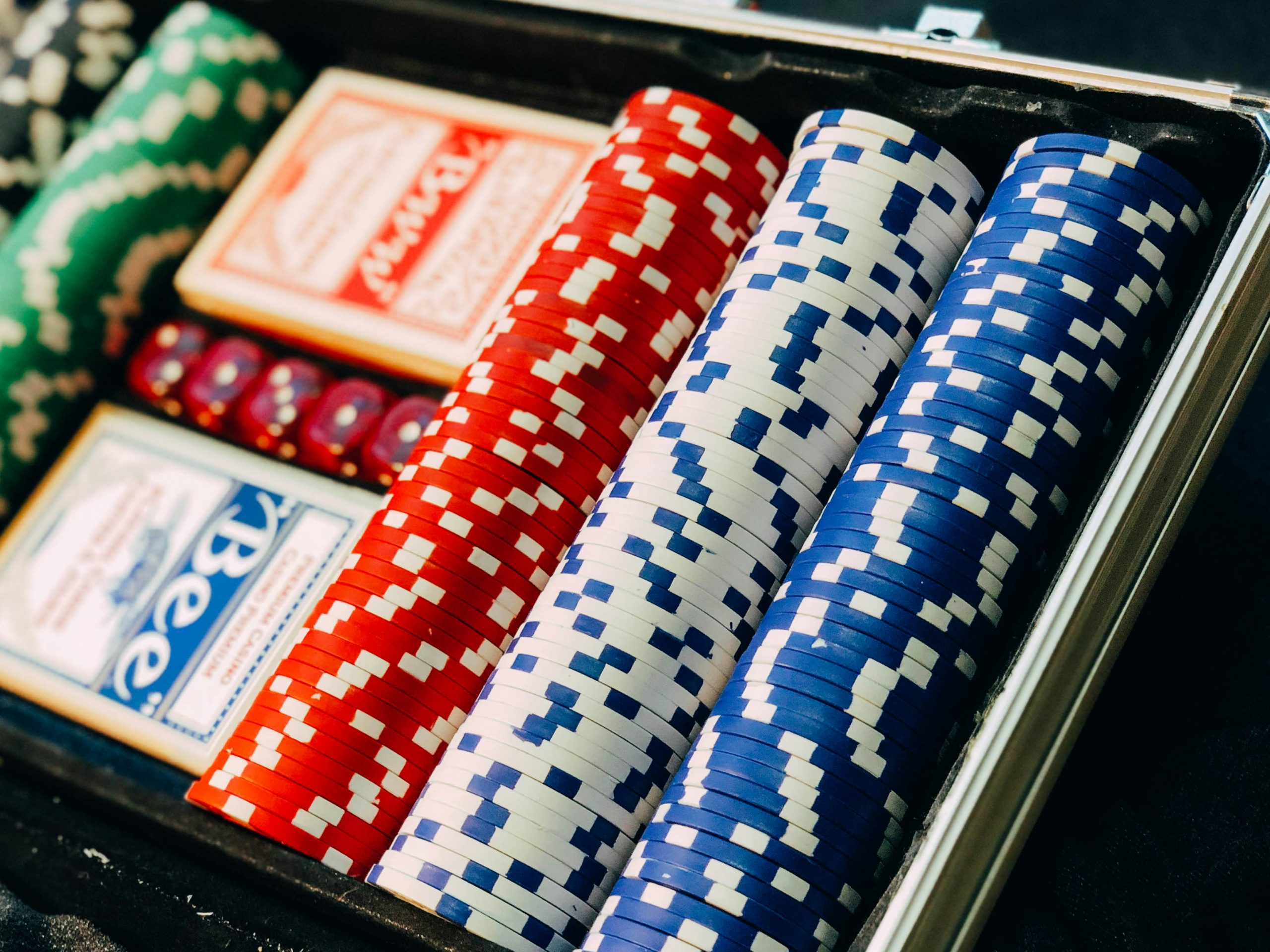
    Transporting poker gear across borders means following strict airport regulations. Standard equipment like chips and card shufflers can draw attention at security checks. Many players report delays when poker chips, due to their weight and density, are flagged as suspicious items in carry-on luggage. Larger items like foldable table tops or poker tables must be checked in. This avoids immediate inspection issues and introduces concerns about weight limits and extra fees.

    Take electronic devices as an example. Card shufflers and poker timers may require separate declarations. These items risk being confiscated by airport security without enough documentation to prove their intended use. Ensuring batteries are stored properly or demonstrating the functionality of electronic devices are often necessary steps to avoid problems. Players who overlook these precautions may face delays or lose essential equipment.


    Accommodation and Cost Management

    Tournament poker is costly, even before factoring in gear transportation. Experienced players often book accommodations near tournament venues. This reduces both transportation costs and commuting time. One common strategy is sharing living spaces with other poker players. Group rentals for short-term stays close to tournament locations have become popular for players without a permanent home base.

    However, cutting costs involves more than simply choosing the cheapest accommodations. Properties with reliable amenities like stable internet and suitable workspaces are more practical for those who rely on online play. Quiet environments for rest and nearby convenience stores to sustain long tournament sessions are also essential when selecting accommodations.


    Travel Preparation and Local Logistics

    Effective preparation can make international travel smoother. Booking flights, accommodations, and transport far in advance keeps expenses manageable. Having local insights also adds practical value. For instance, identifying nearby shops or venues where local poker players gather can save both time and effort while offering useful advice.

    Internet access quickly becomes a logistical priority once you arrive. A stable connection is indispensable for online participants in international poker events. Advanced planning is often necessary in areas with less reliable networks. Purchasing a local SIM card upon arrival or scouting out Wi-Fi locations is a must.


    Unpacking the Role of Luggage Choice

    Choosing the right luggage can make or break the travel experience for poker players. Hard-shell suitcases offer better protection for fragile items like poker chips and compact poker clocks. On the other hand, soft cases with extra compartments work well for organizing smaller essentials like card decks or portable shufflers. Regardless of the type, picking luggage with durable zippers and secure locks is essential.

    Some players distribute their poker gear between checked luggage and carry-ons. Larger items, such as foldable table tops, are better suited for checked bags, while lighter items, like card protectors or notebooks, are ideal for carry-ons.


    Customs, Tax, and Legal Concerns

    Customs regulations for gambling-related items differ by country. Poker chips and other gear may be categorized as gambling tools. This could lead to tariffs or heightened scrutiny during border checks. Researching the specific rules of your destination beforehand is important. Being unprepared can result in unexpected fees or, even worse, your gear might be denied entry.

    Prize winnings present additional legal challenges for foreigners competing in U.S.-based tournaments. Players often need an Individual Taxpayer Identification Number to collect prizes and comply with tax laws. In some cases, this involves submitting specific documentation at the event, and winnings may be subject to tax withholding on-site. This is yet another expense tied to playing abroad.


    Fatigue as a Hidden Cost

    Long-distance travel can quickly take a toll on professional poker players. Extended flights paired with adjusting to new time zones deplete the energy needed for clear decision-making during tournaments. To counteract this, some players incorporate recovery time into their schedules and rest for several days before major events or limit re-entries to avoid mental exhaustion. Skipping early satellite tournaments may conserve energy but can also reduce valuable practice opportunities.

    Transporting poker gear internationally is far from seamless. Players face a host of logistical hurdles. Preparing for each challenge in advance is vital for minimizing disruptions and keeping the focus on the game.
     

  • Everything You Need to Know About Poker

    Everything You Need to Know About Poker

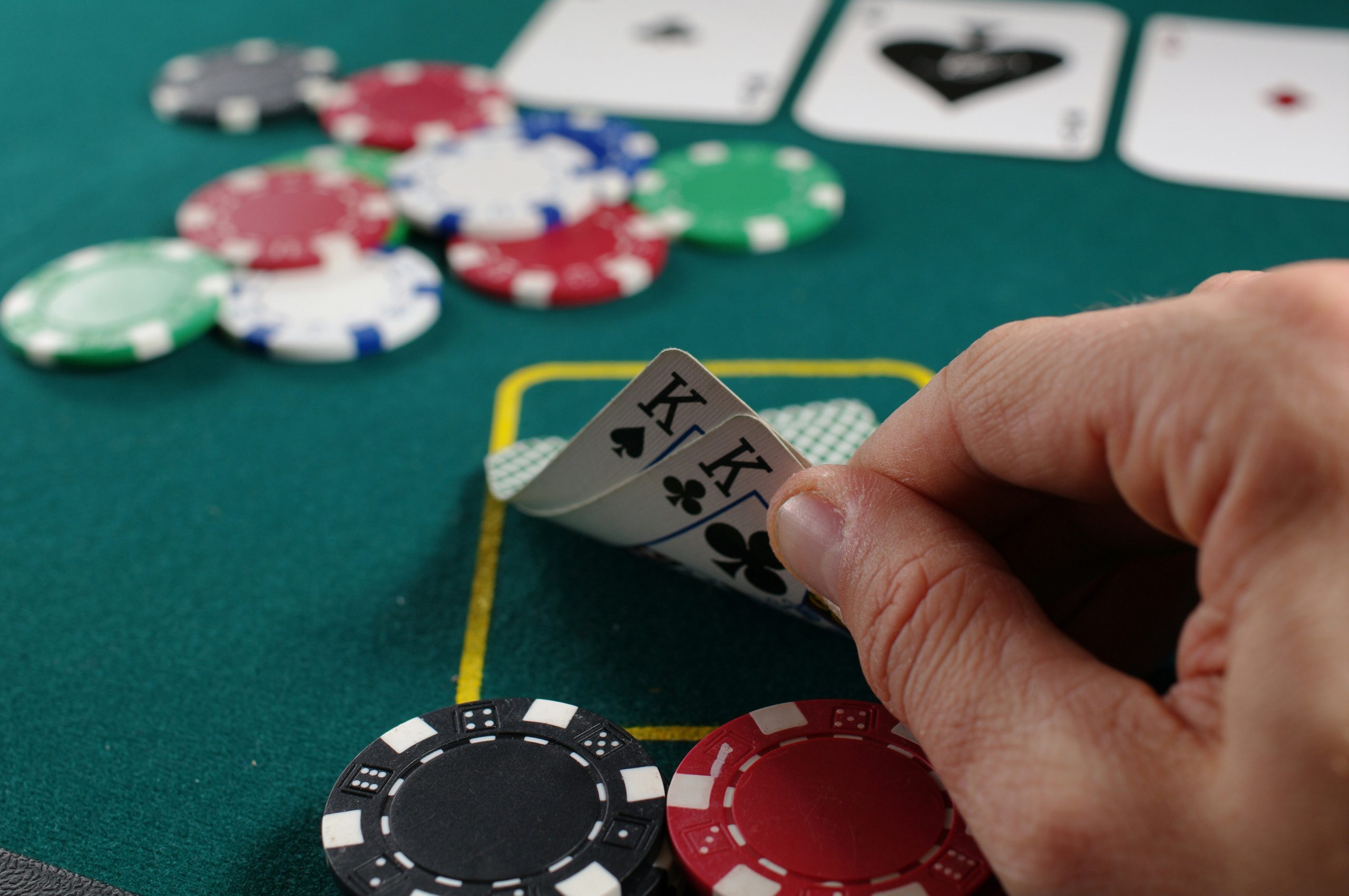
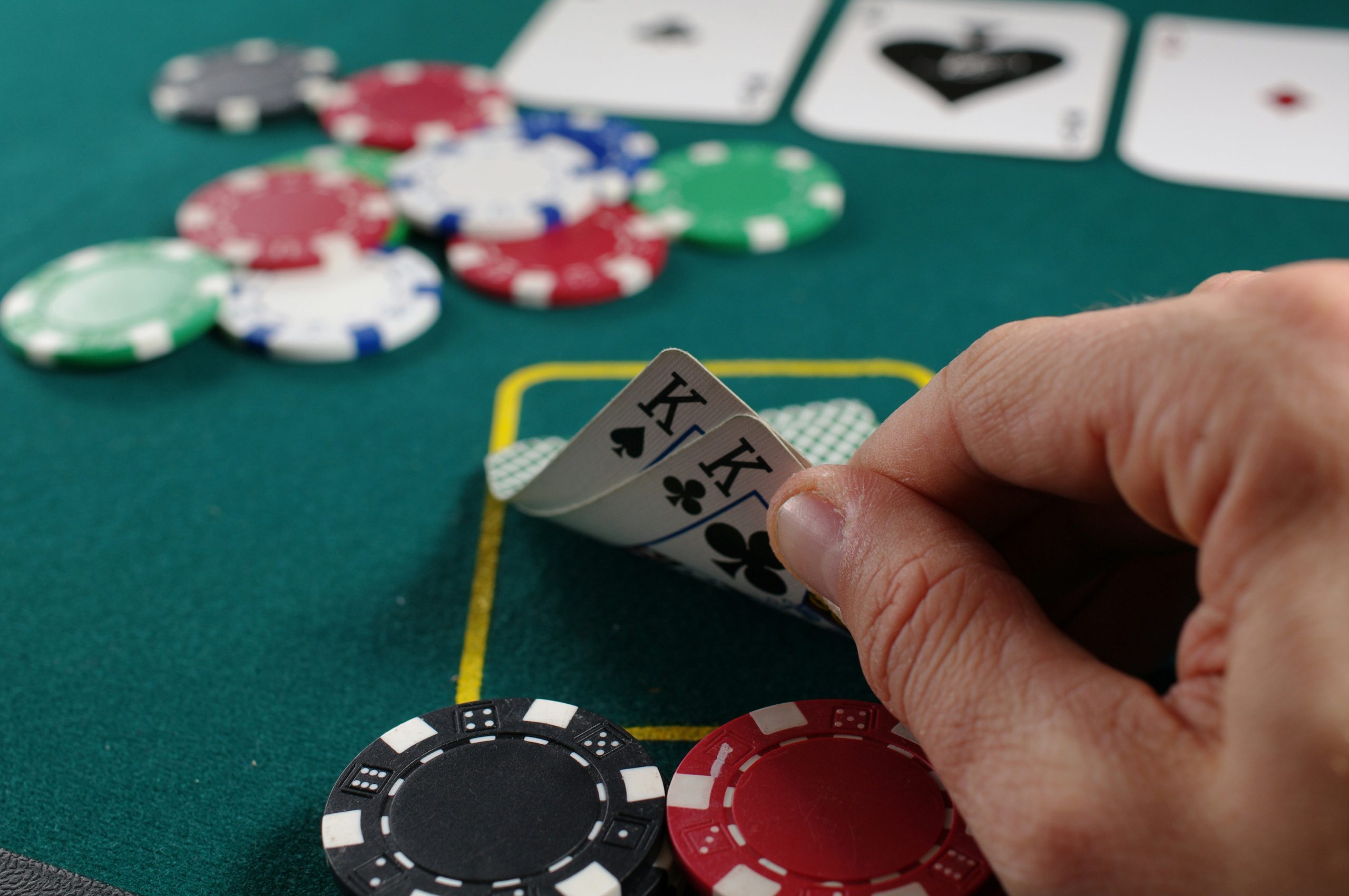
    Poker is arguably the world’s most popular card game, combining skill, strategy, and chance. It comes in many different forms, with Texas Hold’em, Omaha, Seven-Card Stud, and more being some of the most well-known versions. The game typically involves betting as a fundamental part, and the goal is to have the best hand or to bluff other players into folding. Interested in getting involved? Have a read of our article for a crash course on the world of poker to understand the basics of this exciting game.

    The Rules

    The rules of poker can vary depending on the specific variant being played, but some common elements include:

    Hand Rankings

    Hands are ranked from highest to lowest. The Royal Flush (A, K, Q, J, 10 of the same suit) is the highest-ranking hand, while a high card is the lowest.

    Betting Rounds

    Players bet based on the strength of their hand or their ability to bluff. Common betting structures include limit, no-limit, and pot-limit.

    Blinds and Antes

    In many variants, players contribute to the pot through blinds (forced bets made by players to the left of the dealer) or antes (forced bets from all players).

    Community Cards

    In games like Texas Hold’em and Omaha, community cards are dealt face up in the centre of the table and are shared by all players.

    Showdown

    If more than one player remains after the final betting round, a showdown occurs. The player with the best hand wins the pot.


    Strategy

    Like many aspects of life, such as business, relationships, trading, strategy is essential to success. Successful poker play requires a combination of skill, psychology, and strategic thinking. There is lots of different aspects to consider when strategizing for a game, but here are some of the key elements for when you’re starting out:

    Starting Hands

    Knowing which hands to play is crucial. Experienced players understand the importance of position and adjust their starting hand selection accordingly.

    Positional Awareness

    Being aware of your position at the table is essential. Players in later positions have more information about opponents’ actions before making their decisions.

    Reading Opponents

    Observing opponents’ behaviour and betting patterns helps in making informed decisions. Recognizing tells (physical or behavioural cues) can also be advantageous.

    Bluffing

    Bluffing is a key element of poker. Successful bluffing involves understanding the situation, opponents, and creating doubt about the strength of your hand.

    Bankroll Management

    Managing your bankroll effectively is crucial to long-term success. This involves setting limits, understanding risk, and avoiding going on tilt (letting emotions affect your play).


    Poker Tournaments

    In addition to cash games, poker is also widely played in tournament formats, which have become a major part of the game’s popularity and growth. Poker tournaments come in various structures and buy-in levels, catering to both recreational players and professionals alike.

    Multi-Table Tournaments

    One of the most common tournament formats is the multi-table tournament (MTT). These events start with a large field of players, divided across multiple tables. As players get eliminated, the remaining players are consolidated onto fewer tables until a final table is reached. The last player remaining wins the tournament and claims the largest share of the prize pool.

    The World Series of Poker (WSOP) Main Event is perhaps the most famous multi-table tournament, attracting thousands of players from around the globe each year with the promise of life-changing prize money for the winner.

    Sit and Go Tournaments

    For a more condensed and fast-paced experience, Sit and Go Poker tournaments offer a unique format. In a Sit and Go, a predetermined number of players (typically 6-10) are seated at a single table, and the tournament begins immediately once the table is full. These events progress rapidly, with escalating blind levels, and a winner emerges in a matter of hours or even minutes.

    This format of poker tournaments is popular for its convenience and time-efficiency, appealing to players who prefer a more intense poker experience without the lengthy time commitment of traditional multi-table tournaments.


    Poker in Film

    Poker has transcended the confines of the gaming table to become a captivating theme in the world of cinema. The silver screen has artfully captured the drama, tension, and psychological intricacies inherent in the game, making poker a central element in various films.

    Rounders

    “Rounders,” a cult classic, delves into the gritty underground poker scene, exploring themes of friendship and redemption against the backdrop of high-stakes poker games. The film not only portrays the strategic aspects of the game but also delves into the psychological battles that unfold during intense poker sessions.

    Casino Royale

    “Casino Royale,” a James Bond film, takes a glamorous approach to poker, featuring the iconic spy in a high-stakes poker tournament. The poker scenes in the movie are not only visually spectacular but also contribute to the overall suspense and sophistication of the narrative. The film showcases how poker can be a tool for espionage, blending action and strategic gameplay in a way that has resonated with audiences worldwide.

    Molly’s Game

    “Molly’s Game” provides a real-world glimpse into the glamorous yet clandestine world of high-stakes poker games hosted by Molly Bloom. Based on a true story, the film explores the legal and personal challenges faced by Bloom, adding an extra layer of complexity to the poker narrative. The movie captures the allure of the poker world, highlighting the highs and lows that come with hosting games for celebrities and billionaires.


    Online Poker Features

    Poker is more available today than ever before, you can play in real life with friends, but also in the comfort of your own home with fun at your fingertips. Poker competitions are another chance for people to show off their skills, and they serve as the battlegrounds where the world’s top players showcase their skills, compete for massive prizes, and etch their names into poker history.

    The biggest features that online poker offers in comparison to its traditional, in-person alternative lies in the user experience, which is embedded in a fast, smooth, and mobile-friendly digital interface. With mobile poker gameplay, all-in percentage option, anonymous digital tables, and interactive chat features, digital poker engages players in various poker tournaments around the world.


    Famous Poker Players

    Doyle Brunson

    A legendary figure in poker, known for his contributions to the game and his back-to-back wins in the WSOP Main Event in 1976 and 1977.

    Phil Ivey

    Considered one of the best all-around players, Ivey has won numerous bracelets at the WSOP and achieved success in high-stakes cash games.

    Daniel Negreanu

    A charismatic and skilled player, Negreanu has multiple WSOP bracelets and is known for his ability to read opponents.

    Stu Ungar

    Widely regarded as one of the greatest poker players ever, Ungar won the WSOP Main Event three times but faced personal challenges.

    Jennifer Harman

    A highly respected female player, Harman is known for her success in cash games and tournaments.


  • How to Begin Your Poker Journey

    How to Begin Your Poker Journey

    I absolutely love poker. This popular card game has been played for many years. There is no consensus among experts on when exactly poker appeared. However, it is personally interesting for me that poker has a long history and traditions. Over the years its rules and essence have changed to this day. In this regard, poker was played only in the traditional way: participants went to a special place where everyone played, that is, in casinos. Because the Internet has appeared, poker has become much more accessible, which is also an advantage for me. Today, I’ll explain to you as easily as I can how you can start your poker journey.


    What luck has to do with it

    Luck is probably the first thing that will come to your mind when you think about poker. I also thought that when I thought about how to play poker. The reality is when you play poker, you play with a deck of cards, and they dictate your fate or the opponent’s. What do I mean by that? Once I’ll get a set of cards that can be strong and fit with the table. That would help me win the hand without putting any effort. On the other hand, I can get awkward or simple cards, which would reduce my chances.

    The point I am trying to make is luck is, by definition, is a factor that will always play a role in poker. However, it will be difficult for it to be decisive in playing. The point is luck can be random. Perhaps sometimes the cards will play in my favour, while sometimes I will suffer a series of defeats. I’m emphasising that luck is not a justifying circumstance for either of us. There are only two factors that can change this situation completely and increase my chances noticeably: a successful strategy and practical experience. Therefore, in my view, luck is a factor that will substantially determine the outcome but not only.

    Experience as a determining factor

    It’s important for me to tell you that I see experience as much more critical in this way. I already know many strategies for any situation due to my knowledge of poker. Meaning, I know certain probabilities and how to affect others.

    However, in this regard, my experience should have told you that I have a betting mania when I cannot see the pattern of what can happen. Experience also taught me to manage my budget.

    I can say that with the help of experience, I can understand the math of poker: what hands, what was certain probability, and its expected value. It can and does everything better for me.


    How I’ve figured out strategies

    It hardly seems logical to fight against strategy. In my opinion, it develops over time and with experience. Poker has so many styles and so many strategies when it comes to random approach, and you can tell what your favorite plays are, too.

    Most professional poker players get their own playing style, which gradually suits them. Below are some of my often-used strategies –

    • Passive style. Such poker people boldly await the decision of the opponent. Most often, they choose a more aggressive style of play in their next moves.
    • Here, alternatively, the participant places a large bet in the bank, and then often raises the rival. This kind of playing can easily throw an opponent from its trail.
    • Bluffing – this strategy can be extremely effective if you’re skilled at it. With it, sometimes you can win a round even if you don’t have a strong hand. Of course, if opponents truly believe you have a better hand than them.
    • Reading opponents. This tactic helps you successfully recognise signs of nervousness or confidence in opponents and then adjust your strategy accordingly.


    No one finds it difficult to learn the basics of poker and start playing it. That’s something I’m sure of. But it is important to know that it takes a long way from learning the basics of poker to achieving significant success in poker.

    For that purpose, I’ve prepared a few steps that I’m sure will be useful on your poker journey –

    • Learning basics and strategies
    • Practice and analysis
    • Money and emotion management

    The only further recommendation I can come up with is to define a particular amount of money one is ready to push into poker and stick to it. For someone more risky, poker may include avoiding some substantial amount of money one may afford to lose otherwise. The rest is up to your discretion on how you might like riding. That is the major thing I love about poker. I also believe it is crucial to play as many poker hands as you can afford to get some experience. So those are the basic steps I would suggest for your launch into the poker journey. The rest is your choice. Good luck as well – it always helps!


  • The best games that are as relevant now as they were 50 years ago thanks to technology

    The best games that are as relevant now as they were 50 years ago thanks to technology

    Lots have changed over the past half a century. Millennials won’t even remember what life was like without the internet, while the iPhone is now a teenager. Technology has drastically changed how we entertain ourselves, yet many games have remained as relevant now as they did 50 years ago. In some cases, as relevant as when they were first invented well over a century ago.

    It’s a testament to how enjoyable these games are that they’ve stayed so relevant down the years, but perhaps more so how they’ve adapted to new technology, the invention of the smartphone, and now the likes of augmented and virtual reality. But what are the best games that are as relevant now as they were half a century ago?

    Bingo

    Bingo is a game that dates back hundreds of years and can be traced back to an Italian lottery game named Il Gioco del Lotto d’Italia, which first started around the 1530s. It was 1960s Britain which contributed to its meteoric rise, however. Bingo halls began to crop up in every town centre and playing the game peaked in the 1980s. In the early 2000s there was a lull in the industry, but the growth of online gaming has resurrected bingo to the point where it’s as big as it has ever been.

    In fact, you’ll find many online bingo brands today have diversified to become all singing, all dancing sites where you’ll find there are a variety of slots to choose from as well as bingo, with the two also combining to create slingo bingo, a new variation of bingo. It’s this use of technology that is helping bingo really thrive and making it as relevant as it was during the huge bingo boom of the 1980s.

    Football

    Football has always been the beautiful game, and it would still be popular today without technology, but it certainly wouldn’t be quite the same without it. The sport has long been among the first to adopt new technology, and you’ll find that games for players to play off the field have always been particularly popular.

    Subbuteo was the big game to play in the 1970s, but as we moved into the digital age, the FIFA Franchise took over. Since its arrival on the video gaming market each edition has been among the year’s best and has sold well over 280 million copies throughout the series. Each year, EA Sports adds more features and FIFA tournaments are watched by as many people as actual matches, which is some feat.

    Poker

    Poker is one of the most widely known games across the world. Developed in the US during the early 19th century, it was in fact online poker that helped the game welcome an unprecedented spike in players and viewers. On the television, the introduction of hole-card cameras helped, while Chris Moneymaker’s World Series of Poker win really helped shoot the game to new levels. Moneymaker earned his place in the tournament through playing online, which encouraged many more to take up the game.

    Today, online poker is huge and has taken over the physical game in terms of its popularity. It is, in fact, more relevant than when you could only play in casinos and in the bright lights of Las Vegas, with the ability now to play on your smartphone anytime, anywhere.