Tag: School

  • Smart Safety Tech Schools Shouldn’t Overlook

    Smart Safety Tech Schools Shouldn’t Overlook

    School safety has always been a priority, but today’s challenges demand smarter, faster, and more adaptive solutions. Gone are the days when a locked door and a hall monitor were enough. From vaping to violence, modern threats require modern answers—and technology is stepping up to meet the moment.

    Today’s tech isn’t about replacing people—it’s about equipping educators, administrators, and resource officers with tools that improve response times, reduce risks, and create safer learning environments for students of all ages.


    Why Schools Are Turning to Tech

    The rise in campus safety concerns isn’t just media hype. According to the National Center for Education Statistics, over 70% of public schools reported increased security measures in 2022, including cameras, controlled access, and threat reporting systems.

    But physical barriers and traditional monitoring only go so far. Tech-driven solutions provide the precision, data, and real-time responsiveness that older systems can’t match.


    Innovations Making a Real Difference

    Modern school safety isn’t just about surveillance—it’s about integration, automation, and proactive detection. Here are some key technologies schools are adopting:

    • AI-powered surveillance cameras that detect unusual behavior or unauthorized access

    • Visitor management systems with instant ID verification and alerts

    • Anonymous reporting apps that let students report threats or bullying confidentially

    • Smart door locking systems that can be remotely engaged during emergencies

    • Environmental sensors like vape detectors to monitor air quality in restrooms and hallways

    Let’s pause on that last one: Vaping isn’t just a discipline issue—it’s a health and behavioral concern that can signal deeper problems like substance abuse or peer pressure. School vape detectors are helping institutions quietly monitor and address the problem without resorting to invasive searches or accusations.


    Data and Dashboards: Preventive Tools, Not Just Reactive

    It’s not enough to respond to incidents—schools need tools to predict, prevent, and prepare. That’s where smart dashboards come in. Integrated platforms now collect and analyze everything from attendance trends and visitor logs to air quality and noise levels.

    Benefits of using data dashboards include:

    • Spotting behavior patterns that indicate bullying or disengagement

    • Identifying frequent “hotspots” for disruptive behavior

    • Tracking safety drill effectiveness and staff response times

    • Measuring the impact of interventions like counseling or schedule changes

    These insights let schools shift from reactive policing to proactive planning—stopping problems before they escalate.


    Mental Health Meets Machine Learning

    Safety isn’t just physical—it’s emotional. And schools are starting to integrate mental health tools with their safety protocols. AI-powered check-in systems, for instance, ask students to rate their mood or energy level when they arrive each day. If red flags are raised, counselors are notified immediately.

    Other innovations include:

    • Chatbots that allow students to access mental health resources anonymously

    • Automated alerts for self-harm-related searches or social media posts (when privacy policies allow)

    • Virtual reality training for teachers to practice de-escalation techniques

    This tech doesn’t replace human care—it enhances it, making sure no student slips through the cracks.


    Balancing Privacy and Protection

    One major concern with school safety tech is overreach. No one wants students to feel like they’re being watched every second. The best solutions are those that operate quietly in the background—alerting staff when needed but not creating an environment of fear.

    To strike the right balance:

    • Be transparent with parents and students about what’s being monitored

    • Choose tools like school vape detectors that target specific risks without general surveillance

    • Offer opt-outs or alternatives when appropriate

    • Involve the student body in feedback and decision-making on safety tools

    When students understand that tech is being used to protect—not punish—they’re more likely to engage positively with the process.


    Final Thoughts

    Tech isn’t a silver bullet—but it is a powerful ally. From vape detection to mental health monitoring, modern safety tools give schools the insight and speed they need to handle today’s challenges with care and precision.

    The schools that thrive won’t be the ones with the fanciest cameras—they’ll be the ones that use tech wisely, transparently, and humanely to build trust and protect their communities. It’s not just about safety—it’s about creating an environment where every student feels secure enough to focus, grow, and thrive.

     

  • 6 Items Every Classroom Needs to Have for Proper Education

    6 Items Every Classroom Needs to Have for Proper Education

    In the ever-evolving landscape of education, creating an environment conducive to learning is of paramount importance. A well-equipped classroom can make a significant difference in engaging students and facilitating effective instruction. With this in mind, let’s delve into the essential items every classroom needs to foster a proper education environment. This guide will provide a comprehensive list of must-have items in every classroom, from elementary to high school levels.


    The Right Furniture

    A fundamental component of any classroom is the furniture it houses. This includes not just desks and chairs, but also storage units, library shelves, and sometimes, specialty furniture like lab tables or art easels. The right furniture should be subject-specific and should cater to the needs of students based on their grade level. For instance, lab stools for science classrooms cater to flexibility and movement, while kindergarten classrooms need tables and chairs in different sizes to accommodate their students’ varying heights. This ensures that students are comfortable and can focus on their studies rather than being distracted by discomfort or inadequate seating arrangements. When selecting furniture, durability, and functionality should also be considered to ensure longevity and practicality.

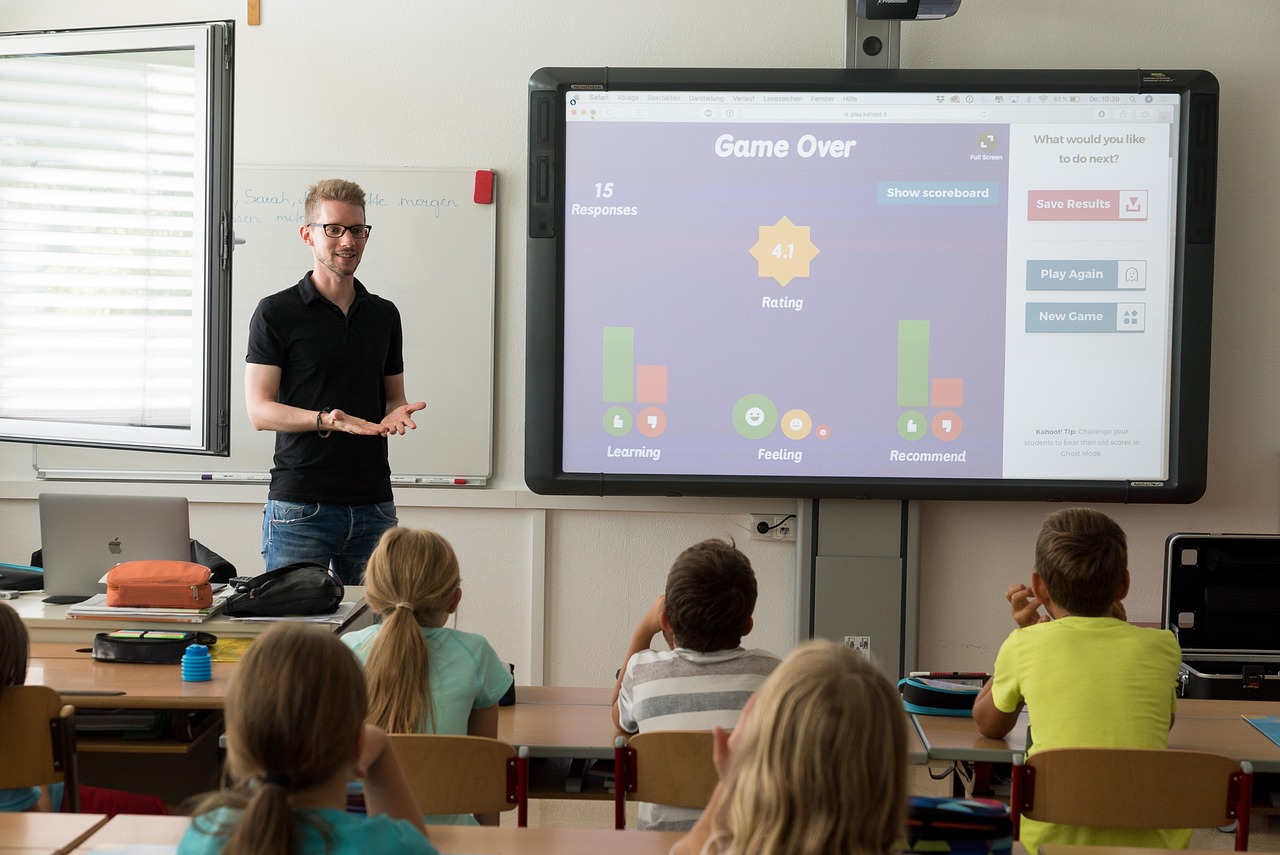
    Interactive Whiteboards and Projectors

    Interactive whiteboards and projectors have become indispensable tools in the classroom. They facilitate dynamic, engaging lessons by bringing images, videos, and interactive content to life right before students’ eyes. With these tools, teachers can illustrate complex concepts understandably and engagingly, fostering a deeper level of comprehension among students. Interactive whiteboards allow for real-time editing and manipulation of the visual content, making the learning process more participative. 

    Projectors, on the other hand, are versatile tools that can display everything from PowerPoint presentations to documentaries, providing visual reinforcement to the traditional lecture. It’s important to note that the choice between interactive whiteboards and projectors would depend on the school‘s resources and the specific needs of the classroom.

    Diverse Learning Resources

    Educational resources are another critical component of a well-equipped classroom. Having a diverse array of learning materials caters to different learning styles, thereby promoting inclusivity and ensuring every student can thrive. Traditional resources like textbooks and workbooks should be complemented with digital resources such as educational software, e-books, and online databases. 

    Interactive learning tools, such as educational games and puzzles, can also contribute to an engaging learning environment. It’s essential to include sources that promote critical thinking, creativity, and problem-solving skills. Providing access to different types of resources not only enriches the learning experience but also helps to prepare students for the demands of the 21st-century world. Whichever resources are chosen, they should be updated regularly and aligned with the curriculum to ensure relevance. This will also enable teachers to supplement their lessons with relevant and current material.

    Organizational Tools

    Organization is a key aspect of a well-functioning classroom. It encourages productivity, minimizes distractions, and creates a safe and efficient learning environment. Organizational tools such as cubbies, bookshelves, and filing cabinets are essential for managing supplies, assignments, and other classroom materials. 

    Color-coded bins can be used to sort items by subject or student, making it easy for students and teachers to find what they need. Furthermore, label makers can aid in maintaining order and ensuring each item has its designated place. 

    Bulletin boards and chart stands can serve as central information hubs for displaying announcements, and schedules, or showcasing student work. Additionally, digital organizational tools, such as online calendars or project management apps, can be used for planning lessons, tracking assignments, and communicating with students. Implementing these tools effectively can foster a sense of responsibility among students and streamline classroom operations.


    Art Supplies

    Art supplies are an often-overlooked, yet essential part of a comprehensive classroom. Creativity plays a crucial role in child development, and art supplies provide an avenue for students to express themselves, enhancing their cognitive skills and fuelling imagination. Basic art supplies such as colored pencils, paints, sketchbooks, and craft paper should be readily available. More specialized items like clay for sculpting, fabric for textile projects, and a variety of craft items like beads and feathers can be included based on the age and skill level of students. 

    Several studies have shown that using art supplies in the classroom can help students better understand complex topics, as they can draw, model, or craft representations of what they are learning. Hence, having a wide range of art supplies not only contributes to a versatile learning environment but also supports a more comprehensive understanding of various subjects. Get creative and encourage students to think outside the box with different art materials. In addition, these supplies can also be used for various school events and projects, making them a valuable investment.

    Comfortable Reading Nooks

    Reading nooks are another essential feature that every classroom should consider incorporating. These cozy corners serve as a quiet, comfortable space where students can dive into a book and enhance their literacy skills. Equipped with soft seating options like bean bags, cushions, or lounge chairs, and surrounded by bookshelves filled with a variety of literature, these nooks can become a sanctuary for students, encouraging a lifelong love of reading. 

    They provide an inviting atmosphere that fundamentally differs from the traditional desk-and-chair setup, offering a change of scenery that can help students focus and stimulate their imagination. Care should be taken to place these nooks in well-lit areas or provide adequate lighting, ensuring students can read comfortably without straining their eyes. Reading nooks aren’t just spaces for individual silent reading; they can also serve as locations for small group discussions or one-on-one sessions with teachers, further enhancing their utility in a classroom setting.


    In conclusion, a well-equipped classroom should cater to the diverse needs of students, promote engagement and creativity, and facilitate efficient organization. These six essential items contribute to creating an optimal learning environment that can positively impact students’ education journey. As we continue to evolve in our approaches to education, it’s vital to continuously assess and update the resources available in our classrooms to provide the best possible learning experience for our students.  So, in addition to these six items, be open to exploring and incorporating new tools and resources that can further enhance the educational experience for both teachers and students.