Tag: Sheds

  • 5 legal considerations when installing a garden shed

    5 legal considerations when installing a garden shed

    You’ve made the decision to add a garden shed to your property, and now you’re relishing the prospect of much-needed additional storage space and an improvement to your outdoor area. However, before you dive straight into the project, it’s important to consider the legal aspects of your venture. Ensuring you comply with local regulations avoids potentially tricky issues further down the line. In fact, as a landowner, you are responsible for ensuring that any structure built meets all the relevant planning rules and building regulations. Read on to find out what you need to consider prior to installing a garden shed.


    1.   Everything revolves around its purpose

    A new 2008 law introduced “permitted development rights” for outbuildings. Put simply, you don’t need to apply for planning permission for your shed as it will automatically be granted – as long as the reason it is erected is “incidental.” This means the outbuilding – whether you’re dreaming of steel garden sheds, wooden studios, workshops or perhaps greenhouses – has to add to the property, and not be necessary to its functioning. If this is the case, the structure won’t be classed as self-contained and will require a planning permission application. In other words, don’t get any ideas about installing an extra bedroom in your shed!

    2.   Size matters

    Before your imagination runs wild with visions of a colossal warehouse for tool storage, take a moment to reconsider. Not counting the area of the house, your shed or outbuilding must not cover more than half the area of the remaining outdoor space. What’s more, don’t entertain thoughts of a two-storey shed (although that would be impressive!) as it must be all on one level. Factor in the internal floor area, too, as this usually can’t exceed 15 square metres, unless other criteria are met.

    3.   Respecting limits

    Another factor to weigh is the shed’s proximity to the property boundary. If it’s within two meters, the height must not exceed 2.5 meters. Even when situated farther from the boundary, the height restriction stands at 3 meters (or 4 meters for structures with a dual-pitched roof).

    4.   Location, location, location

    Satisfying size and purpose requirements doesn’t exempt your shed from specific placement restrictions on your land. In order to qualify as permitted development, it can’t be “situated on land forward of a wall forming the principal elevation of the original dwellinghouse”. In other words, it must be behind your house, not in your front garden.

    5.   No verandas or balconies

    In addition to being a single-storey structure, your shed or outbuilding sadly can’t have a veranda or balcony. You are, however, allowed to add decking to the structure, provided that it is not more than 30 centimetres above ground level.

    Integrating structures like a steel garden shed or greenhouse can significantly enhance the functionality of your property, providing valuable additional space for outdoor projects or expanding your storage capacity. The good news is that most of these will count as permitted development – as long as you adhere to the correct size specifications, positioning and general purpose. If you’re still not sure, check out the government document, which goes into even more detail. In the meantime, enjoy maximising the use of your outdoor space!


  • How Can Your Garden Shed Be a Glamorous Item in Your Garden?

    How Can Your Garden Shed Be a Glamorous Item in Your Garden?

    The possibilities are endless when it comes to glamming up a garden. Aside from the most typical methods of sprucing up a garden such as beautiful flowers and themed fencings, one popular way to get the most out of your garden is to invest in a new shed or make improvements to your existing shed. With waves of cute little garden sheds making their way into everyone’s gardens serving both aesthetic and functional purposes, there are number of ways to style a garden shed and level up your garden…

    Go Rustic

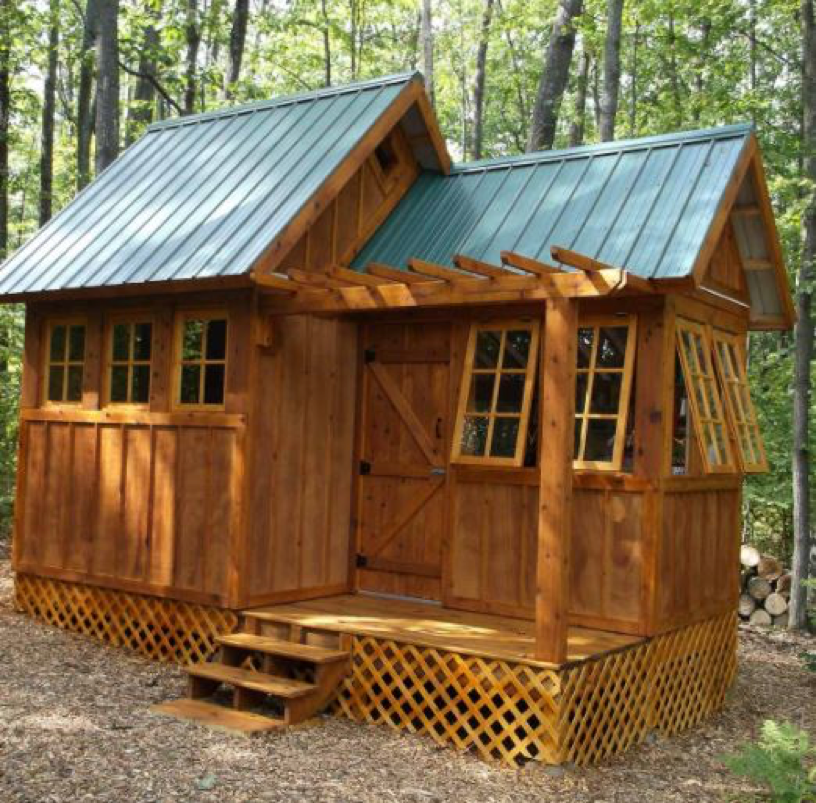
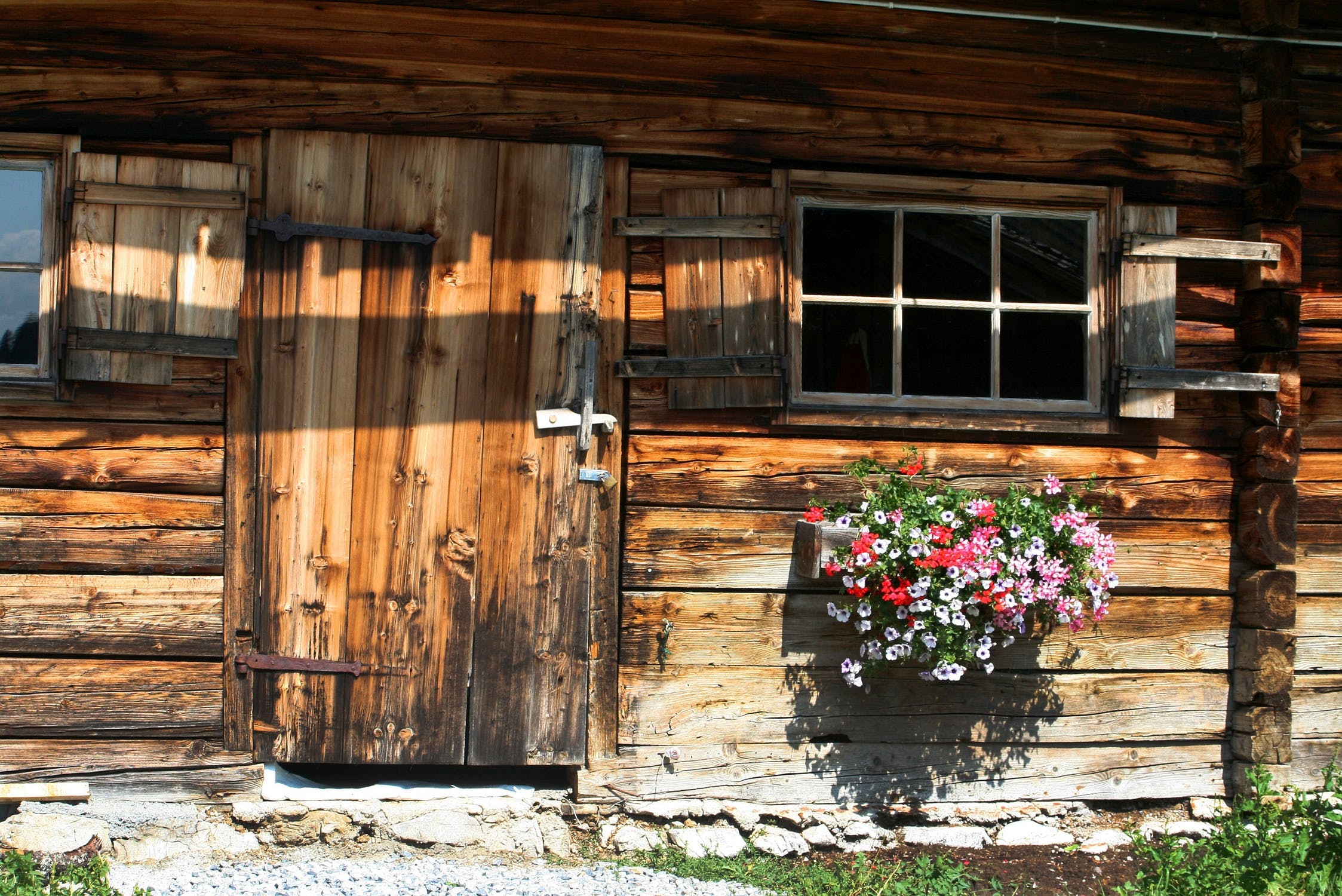
    Going rustic as a design is getting more and more popular these days. Nothing beats the simple rustic feeling that can be brought about by the natural look of basic materials such as wood. Moreover, having a shed don the rustic look will blend seamlessly in the outdoors. However, not all gardens will be able to pull this design off. To get the most out of a rustic-looking shed, the garden must also look a little rugged so that they will match.

    rustic shed


    Using Wooden Pallets and Crates

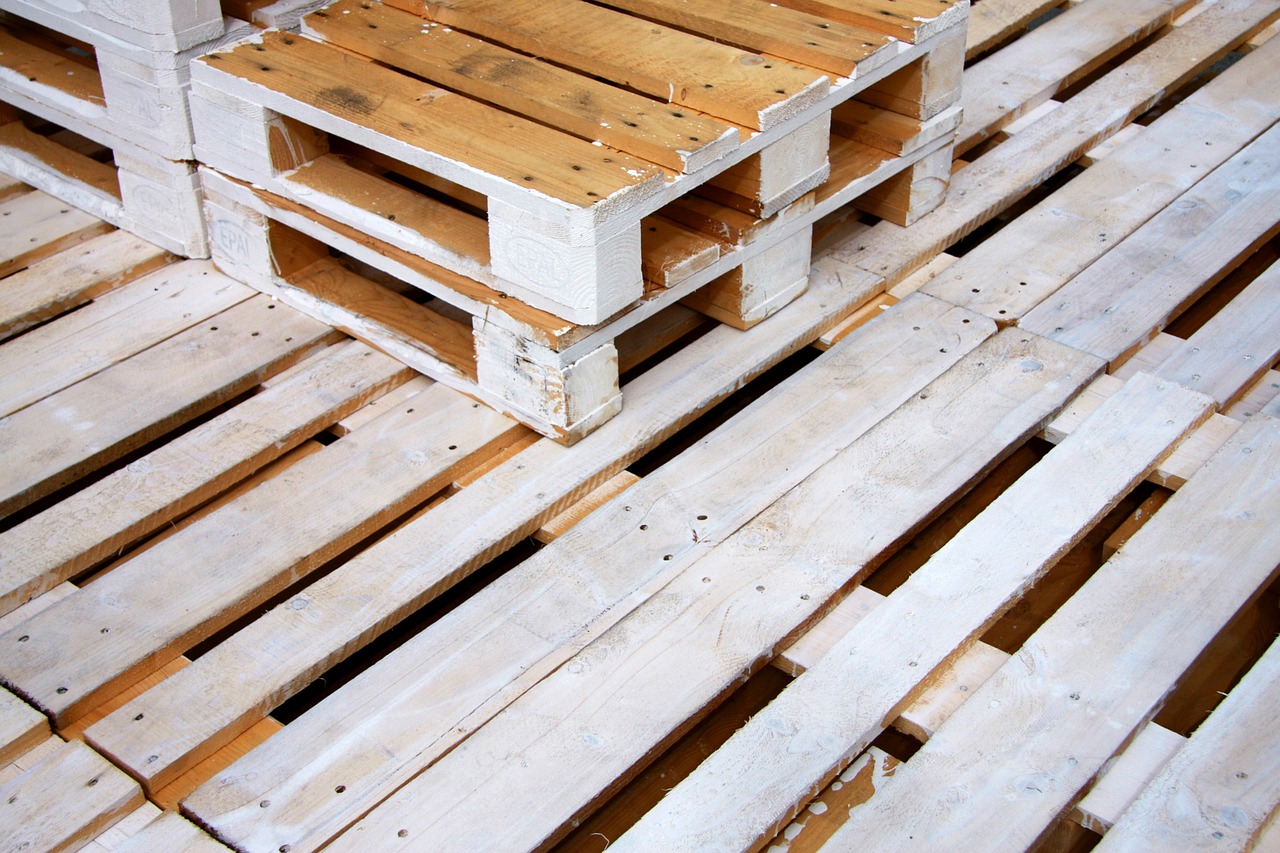
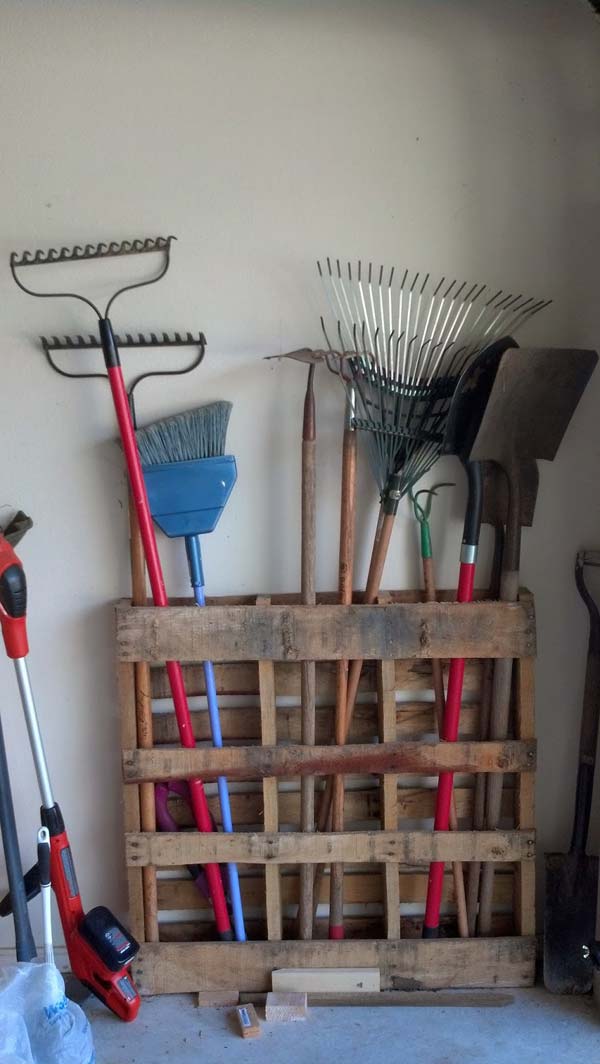
    Only a few things go hand in hand as perfectly as peanut butter and jelly; sheds and wooden pallets or crates is another. Wooden pallets make great platforms, dividers, or whatever your mind can come up with. Similarly, wooden crates make for the best storage option inside a garden shed. You are able to put anything in it – from gardening tools to supplies. Whatever it is, it’ll surely look perfectly in place.


    Adding a Trellis

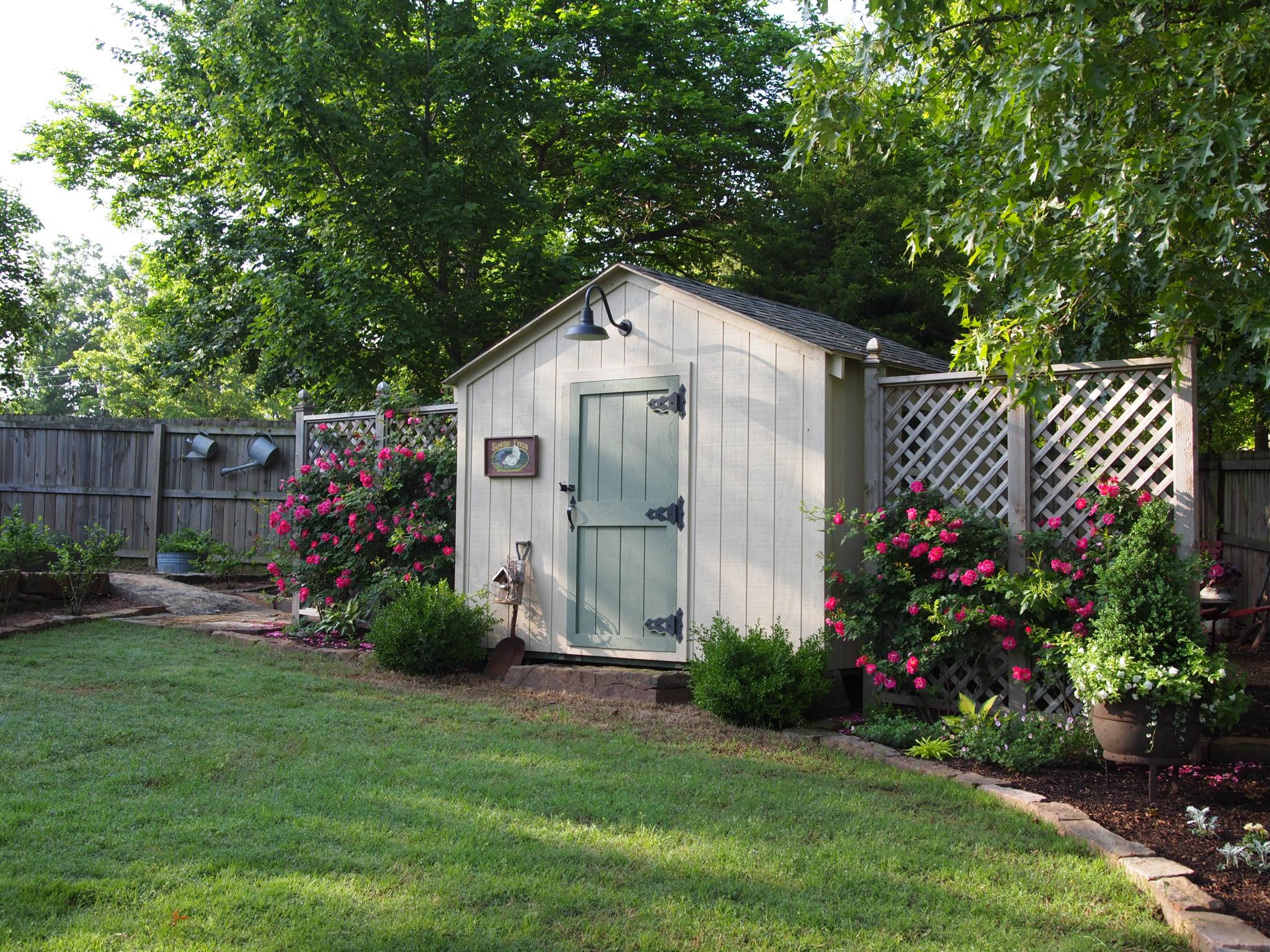
    An easy way to blend a shed in your garden is to prop a trellis right up against the side of it. A trellis will serve as a foundation for climbing plants, such as vines and other epiphytes. On top of that, this easy trick can make the side of a shed look like it’s literally part of the garden. While you may decide to place climbing plants with pretty flowers, you may also decide to plant something more productive like beans.

    Trellis Shed


    Contrast

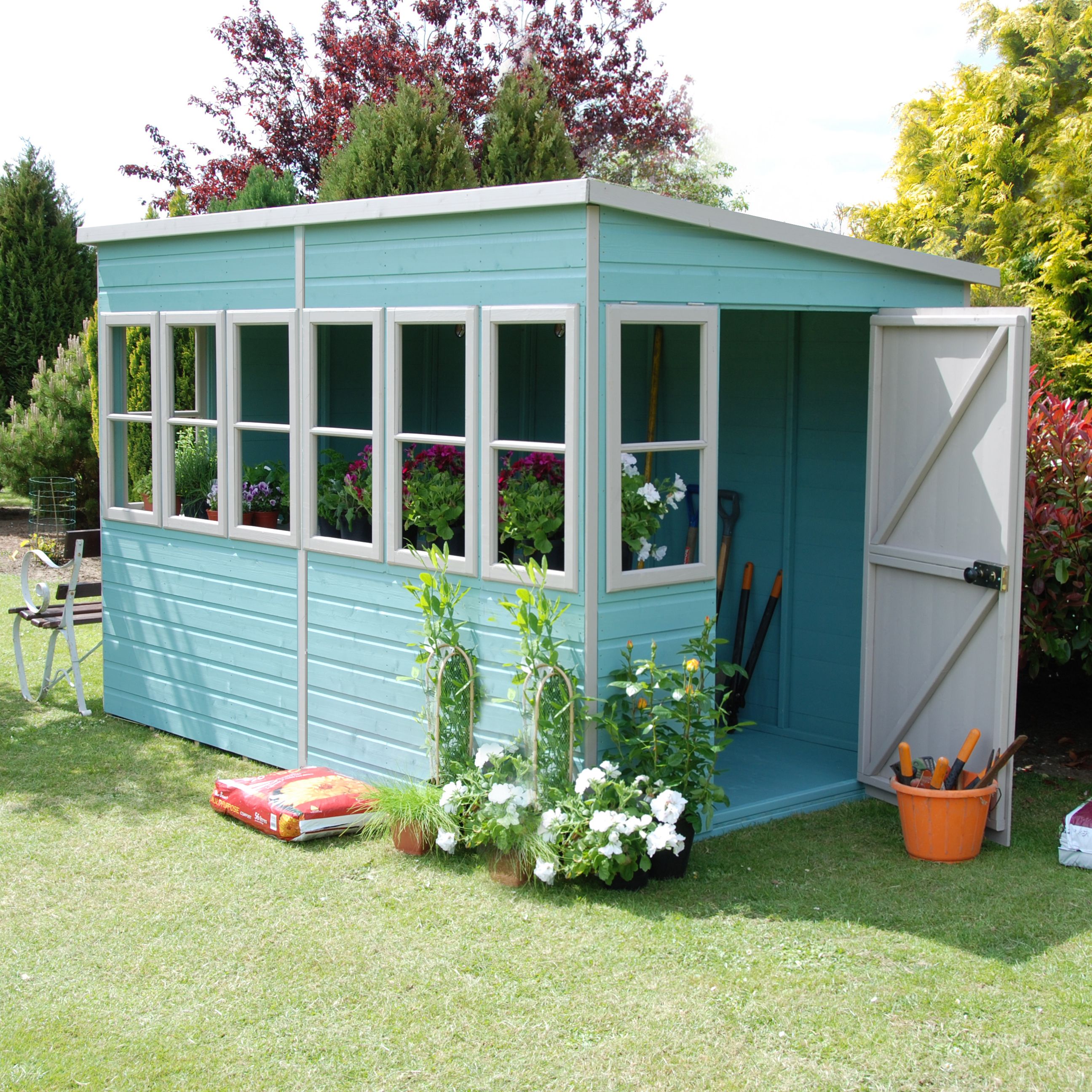
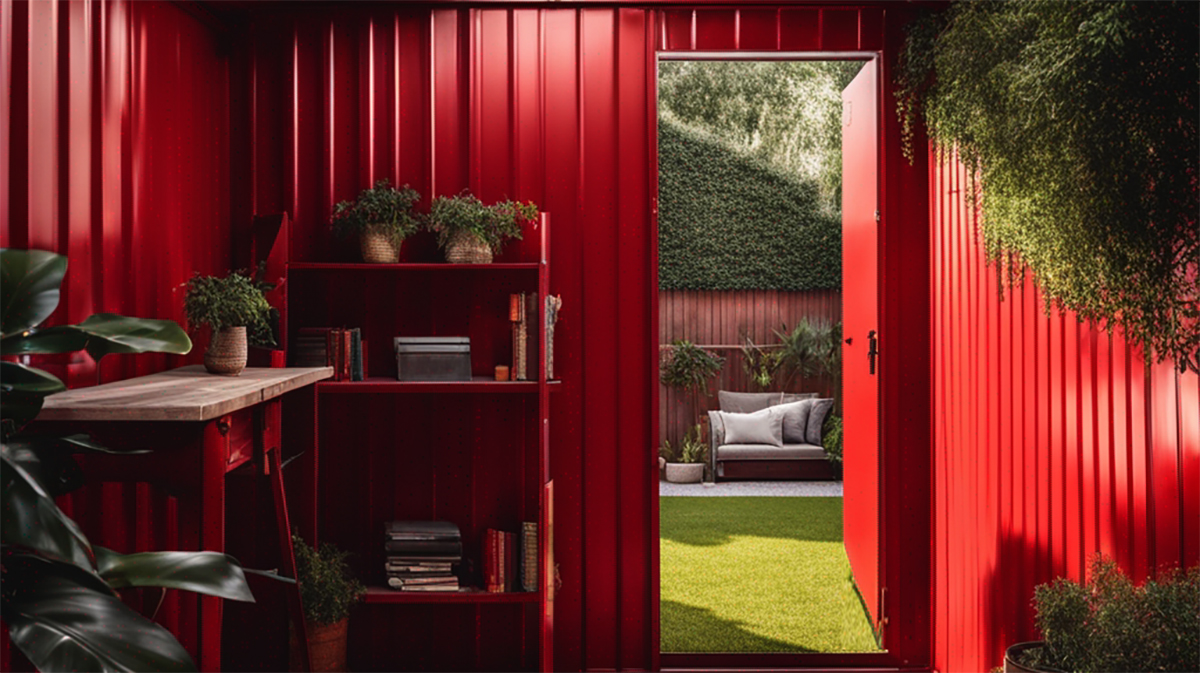
    An amazingly easy way to make your garden shed pop is to slather on a nice coat of contrasting paint. It’s an easy thing to do and the results are absolutely amazing. For example, a typical garden might have a healthy shade of green from all the grass and leaves. So, instead of painting the shed something that will make it blend in, a colour like yellow, light blue, or even white will be sure to make your garden shed stand out. However, a word of warning: making a shed stand out in contrast is a tightrope between tasteful and tacky. So, make sure to paint the shed something that will make it stand out in a good way and not just be an eyesore.


    Large Windows

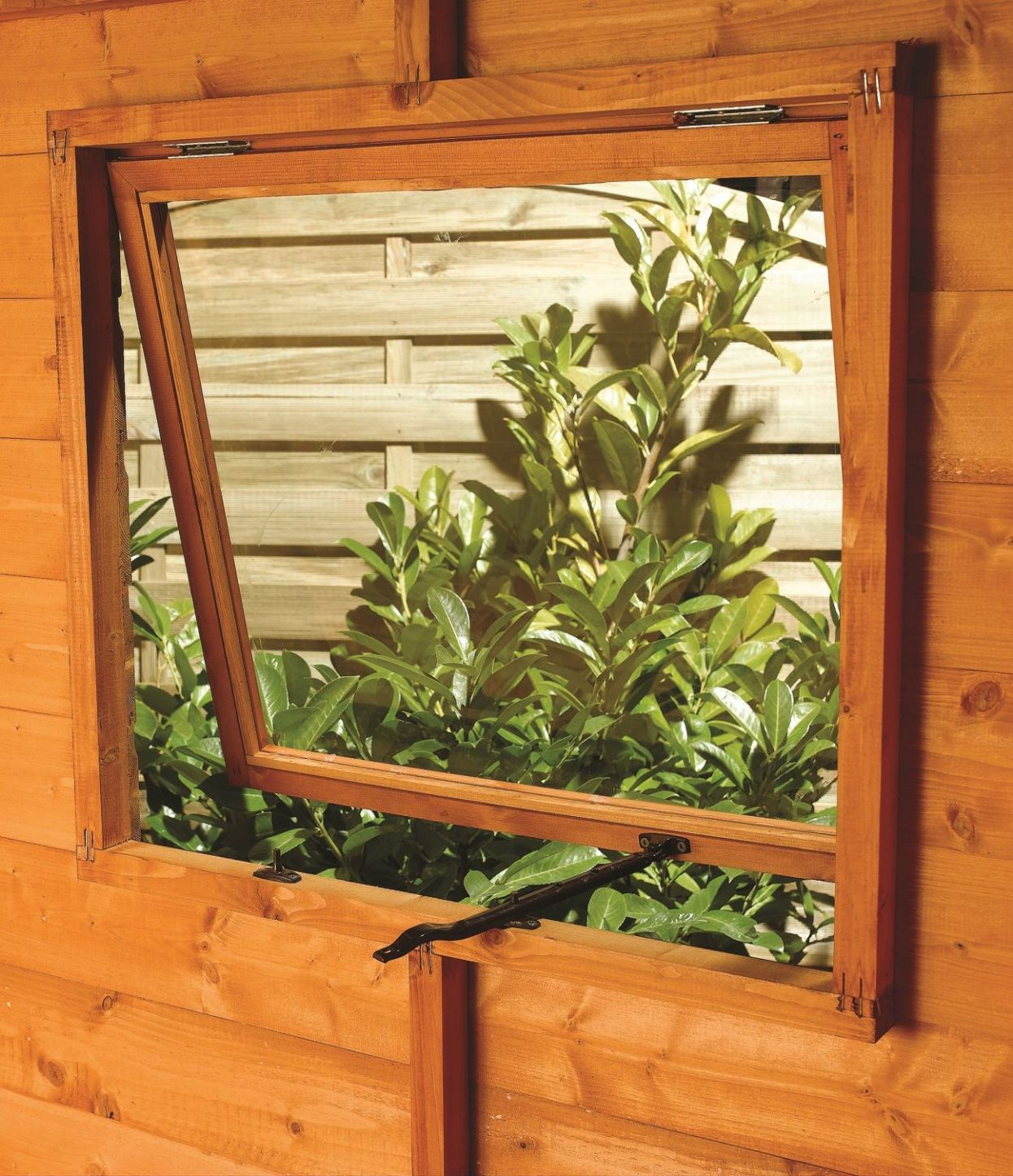
    If there’s one thing plants and trees need besides water and air, it’s sunlight. It’s safe to say that there is a sufficient amount of sunlight falling on your garden. One way to make use of the free sunlight is to place large windows in your shed. Large glass windows will ensure that ample amounts of natural light will come flooding in your shed, illuminating the beautiful interior that you have probably painstakingly designed.


    Let There Be Light

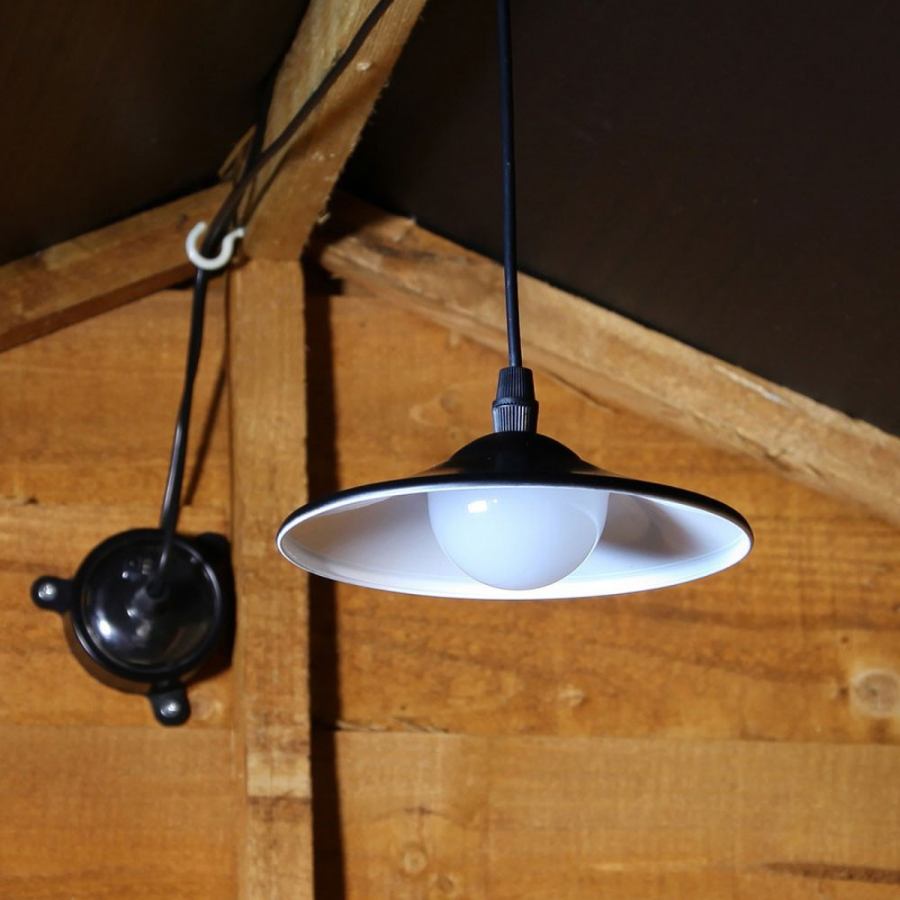
    A garden shed is supposed to house items and equipment that are needed for gardening. However, more often than not, it becomes extra storage for additional items that can’t fit in your house anymore. When this happens, you will eventually find yourself going to the garden shed late at night to get something. When that does take place, you’ll be thanking yourself for taking the time out of your busy schedule to put some form of light inside your shed, whether a motion sensor battery operated shed light or a solar shed light. A simple light will save you minutes of reaching out and feeling for your surroundings in the dark. It’ll also save you from stubbing your toes on random equipment here and there.