
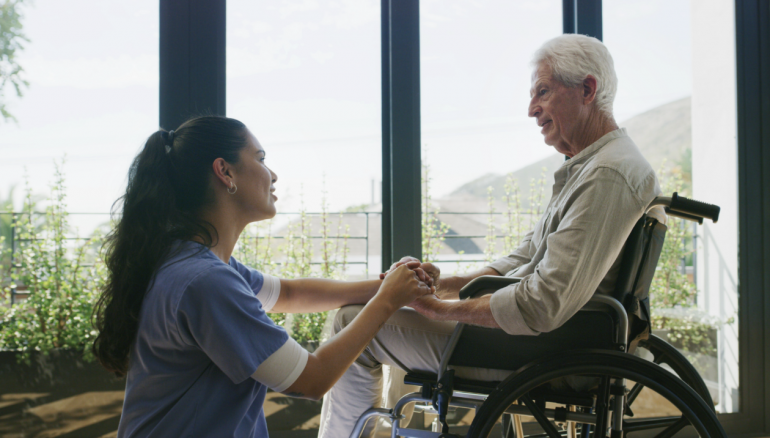
Your home should reflect how you live, move, rest, and feel safe. For people receiving disability support, the environment shapes independence, confidence, and daily routines. A personalised space can help you manage a health condition more easily, maintain privacy, and stay connected to the people and activities that matter most.
A well-designed environment considers physical needs, emotional well-being, and practical routines. Some people require adjustments for a long-term health condition or sensory impairment, while others may want changes that make daily living smoother and less stressful.
Personalising your space starts with understanding what works for you and adapting the environment so it supports your choices, habits, and goals.
Assess Your Needs and Set Clear Priorities
Every personalised environment begins with honest reflection. Consider how your health condition affects movement, rest, focus, or communication. Needs assessments carried out by professionals can help identify areas where additional disability support might improve safety and independence.
Ideally, you can work with an aged care disability service and discuss how your living space currently supports you and where improvements might help. Some people benefit from changes that reduce fatigue, while others require support options that address mental ill health or the emotional impact of long-term conditions.
You might notice that certain areas of the home create unnecessary barriers. A narrow hallway, poor lighting, or inaccessible storage can make daily routines more difficult. Writing down challenges you face throughout the day can help shape a practical plan.
Adapt Your Space to Improve Comfort and Safety
Thoughtful home adaptations can transform how you use your living space. Start with simple adjustments before considering major structural changes. Rearranging furniture, improving lighting, or adding supportive seating can reduce strain and increase confidence.
For people with physical impairment or visual impairment, clear walkways and consistent layouts help prevent accidents. If hearing impairments are part of your experience, visual alerts or vibration devices can support communication and safety. Those living with a learning disability may benefit from labelled storage areas, colour coding, or predictable room layouts that encourage independence.
Reasonable adjustments don’t have to feel clinical. Choose textures, colours, and furnishings that reflect your personality while still supporting care and support needs. Assistive technology can help manage daily living tasks, from reminders to automated lighting or communication tools. When these systems blend naturally into your environment, the home feels less like a care setting and more like a personal sanctuary.
Create Routines That Support Daily Living
Personalising your environment also involves shaping routines that align with your lifestyle. A structured layout can help maintain consistency, especially if you’re managing chronic diseases or a long-term health condition.
Consider how different areas of the home support different activities. A quiet corner might help manage mental ill health by offering space for rest or reflection. A well-organised kitchen can make meal preparation easier and safer. Daily living routines often become smoother when items are stored at accessible heights or grouped by activity.
Support people, including a family member or professional carers, may assist with personal support or practical help. Creating shared routines ensures everyone understands how the environment works. For example, clear labelling or colour coding can help during hospital discharge, when routines might need to be adjusted quickly to new circumstances.
Use Technology to Enhance Independence
Technology can expand independence without overwhelming the space. Assistive technology includes tools that help with communication, mobility, or reminders. These systems can reduce reliance on constant supervision and allow you to manage tasks at your own pace.
Voice-activated devices, reminder apps, or support by videophone may improve communication for people with sensory impairment. Some individuals use accessible vehicle technology to maintain community access, while others rely on devices that help with medication schedules or emergency contact alerts.
It’s helpful to choose technology that matches your routine rather than adding complexity. Start with one or two tools and assess how they fit into your day. If a device feels intrusive or confusing, it might not suit your needs. The goal is to create a balanced environment where technology supports independence without dominating the living space.
Build Emotional Connection and Reduce Isolation
A personalised environment should nurture emotional wellbeing as much as physical safety. Loneliness and isolation can increase when a space feels restrictive or impersonal. Adding meaningful items, favourite colours, or creative outlets can help strengthen your connection to the home.
Peer support groups, social services, and community programmes may offer ideas for creating welcoming environments that reflect personal identity. People managing mental ill health or a learning disability often benefit from familiar surroundings that reduce stress and support routine.
Consider how visitors and carers interact within the space. Comfortable seating, accessible entryways, and clear communication areas make it easier to stay socially connected. Even small changes, such as a well-lit seating area for conversations or hobbies, can help maintain emotional balance and encourage regular interaction.
Review and Adjust as Your Needs Change
Personalisation isn’t a one-time project. Your environment should evolve alongside changes in health, lifestyle, or transition into adulthood. Regular reviews help ensure your space remains practical and supportive.
Changes in a long-term health condition, mental capacity, or mobility may require new reasonable adjustments. Scheduling periodic needs assessments or informal reviews with carers helps identify areas that no longer work effectively.
Keep communication open with professionals and support people involved in your care and support. Reporting abuse or safety concerns promptly ensures the environment remains respectful and secure. Reviewing routines, technology, and home adaptations can prevent small challenges from becoming larger barriers over time.
Takeaway
Personalising your disability support environment gives you greater control over how you live each day. By assessing your needs, adapting your space, and using the right tools, you can create a home that supports independence, comfort, and emotional well-being. Thoughtful planning, regular reviews, and access to practical support ensure your environment grows with you, helping you maintain confidence and stability while managing changing health and lifestyle needs.