Pedestrian safety is critical for all age groups, but elderly individuals face unique challenges that make them particularly vulnerable. As cities become more crowded and traffic patterns grow increasingly complex, ensuring the well-being of pedestrians over the age of 65 is essential. With slower walking speeds, diminished reflexes, and sensory impairments, seniors are at a higher risk of injury or fatality when navigating busy streets.
Why Are Elderly Pedestrians at Greater Risk?
Aging affects mobility and the ability to respond quickly to potential dangers. Many older adults walk at a slower pace, making it difficult to cross streets within standard traffic signal times. Reflexes also tend to decline with age, which can delay their response to sudden hazards, such as a vehicle turning unexpectedly or running a red light.
Furthermore, diminished senses are more common among seniors. Poor eyesight may make it harder to see traffic signals or spot oncoming cars, while hearing loss can prevent them from detecting honking horns or police sirens. In addition, cognitive issues such as memory loss or difficulty concentrating can impair decision-making at intersections or crosswalks.
These factors create a heightened risk of accidents for elderly pedestrians, particularly in areas with heavy traffic or poorly designed pedestrian infrastructure.
What’s Being Done to Protect Elderly Pedestrians?
Several major cities recognize the need to address these risks and have implemented strategies to improve pedestrian protections for seniors. These measures focus on creating safer environments and giving older pedestrians the time and space they need to navigate streets more confidently:
- Longer Crossing Times: One of the most effective changes has been adjusting traffic signal timings to account for slower walking speeds. Many cities now have a standard walking speed of 3 feet per second (rather than 4 feet per second) when setting these times at intersections. This adjustment gives seniors more time to cross safely without feeling rushed or stranded in the middle of the street.
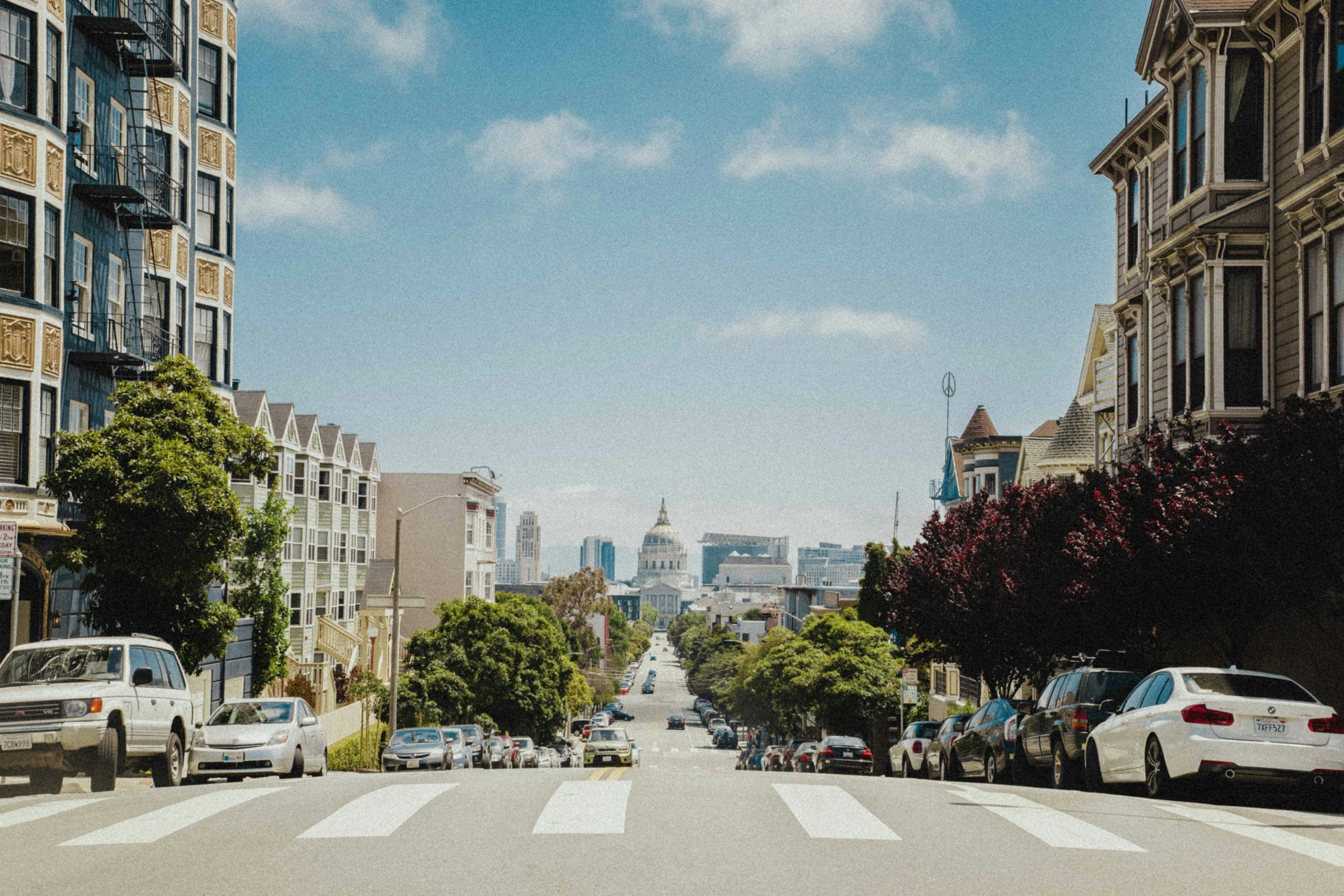
- Improved Crosswalk Design: High-visibility crosswalks with bold markings make it easier for drivers to see pedestrians, especially in areas with high foot traffic from seniors. Some cities have also installed flashing lights or pedestrian-activated signals to alert drivers when someone is in the crosswalk.
- Curb Extensions and Raised Crosswalks: Curb extensions shorten the distance pedestrians need to cross while also making them more visible to drivers. Raised crosswalks, which are level with the sidewalk, naturally slow down vehicles and reduce the risk of collisions.
- Better Lighting: Poor visibility is a significant factor in pedestrian accidents, particularly during early morning or evening hours when seniors may be out walking. Enhanced lighting at intersections and along sidewalks helps make pedestrians and vehicles more visible.
- Pedestrian Safety Zones: Some cities have senior pedestrian zones with additional measures. These are often near nursing homes, senior centers and other areas with a higher percentage of senior citizens.
One example of a senior pedestrian zone is New York City’s Vision Zero program, which has created over 700 zones, incorporating longer crossing times, clearer signage, and improved infrastructure in targeted neighborhoods.
The Path Forward
While there has been progress, much work is still needed to ensure elderly pedestrians can navigate streets safely and confidently. If you or a loved one suffered serious injuries in a pedestrian accident, attorney J.J. Dominguez of The Dominguez Firm advises, “Most pedestrian accident victims suffer serious injuries. If the person is elderly, this is especially true. Should the worst happen, they or their loved ones should seek the services of an experienced pedestrian accident attorney immediately.”
By investing in these solutions, communities can protect their aging populations while fostering inclusive environments where everyone—regardless of age—can move freely and safely through public spaces. Addressing these challenges is not just about urban planning; it’s about valuing and safeguarding our elders as vital members of society.