Tag: Art

  • Why Homeowners Are Replacing Generic Art With Aboriginal Pieces

    Why Homeowners Are Replacing Generic Art With Aboriginal Pieces

    There’s something about how people decorate their walls that’s shifting. Walk into a new construction or a recently redecorated home and take a look at what’s not there. Gone are the mass produced prints from the big box furniture stores. Instead, more and more owners are getting more of a taste for authentic Aboriginal art.

    This isn’t a hipster trend to show sophistication, either. There’s a practical element about what most wall art does versus what people want when they buy it in the first place.


    The Generic Art Everyone Talks About But No One Acknowledges

    Here’s how the process goes, usually. Someone moves into their new digs. Someone needs to give their living room a fresh coat of paint, or no paint but some furniture changes. They head over to their friendly neighborhood big box furniture store or look online and boom! They’ve got themselves a giant abstract print. It’s got some splotches of blue and gray that may match the couch. It’s got a creative cursive font that displays “life is an adventure.” It’s a black and white photo of a beach/forest.

    It’s huge and fills up the wall. That’s all it needs to do.

    These pieces aren’t horrible per se. They’re just boring. Three weeks in, friends and family don’t notice it anymore, and the homeowner never even sees it again anyway. The wall is technically decorated, but it doesn’t feel decorated. It feels like the person is wearing clothes, not wearing an outfit.

    What’s worse is that these horrible pieces don’t stand the test of time. Style change, renovations change colors, and suddenly that piece that seemed so right three years ago now looks obnoxious or dull. Back to square one it goes for a cheap replacement.


    What Aboriginal Art Actually Does

    This is not the case for Aboriginal art from Australia. These are pieces not intended as decoration to appeal to the masses but pieces with culture, background, and framed meanings with techniques that span centuries.

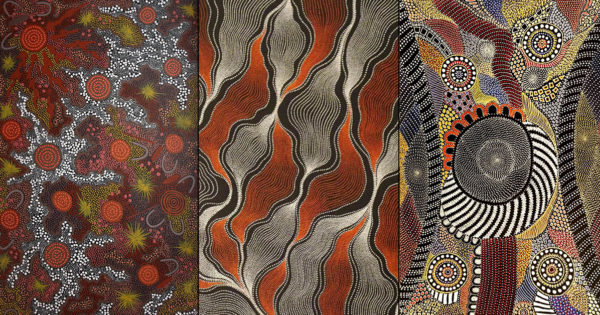
    The centuries play into the pieces themselves. The dot painting style, the earth tones, the designs, symbolic or simple, have meanings that generic pieces won’t have anywhere near them. Someone asks someone else, “Why do you have that piece in your dining room?” And there’s something to talk about: the artist’s community, the story the piece tells, the tradition in which it’s grounded, beyond “I like the colors.”

    But the visual work these Aboriginal pieces present can solve everything that generic prints create as problematic spaces filled with oversized prints as well. Patterns are often organic with natural palettes which work better with spaces than just fill spaces. One piece may ground an entire room in effortlessness. Modern design may catch a bad rap as appearing too stark with clean lines, but without color, they can feel harsh; Aboriginal art helps thaw out spaces without looking forced.


    The Authentication Issue

    It used to be difficult to find authentic Aboriginal art, but now it’s easier than ever to acquire these works from reputable sellers who provide complete provenance information to ensure buyers receive genuine pieces. Homeowners can look at their aboriginal gallery and discover a diverse range of artwork, from emerging artists and smaller pieces to substantial creations from established members of the community. When exploring galleries online, collectors can browse by price range, artistic style, or regional origin to find pieces that resonate with their preferences and budget.

    Why does this matter? Because there are numerous inauthentic Aboriginal-style works in the market. Mass-produced prints that imitate traditional dot painting techniques but lack any connection to genuine Aboriginal artists or communities. This undermines the purpose of collectors seeking to move beyond generic wall art, as these pieces are simply generic artwork disguised with Aboriginal aesthetics.

    Authentic masterpieces come with certificates of authenticity. You’ll know who created the piece, their cultural background, and often the meaning behind each symbol and pattern, as this symbology spans thousands of years. While this documentation may be important for insurance purposes, what’s most significant is understanding why someone displays this art on their wall versus treating it merely as decoration.

    Why People Are Actually Shifting To Aboriginal Pieces Instead

    One part that comes up frequently is money. Authentic Aboriginal art costs more than generic prints from big box furniture stores, and there’s no arguing with the starting price. However, over time when you consider replacements and potential resale value, the systems of belief change.

    Generic prints depreciate and basically become worth nothing as soon as they leave the store. They are worth zero once they enter a home setting. However, Aboriginal masterpieces from respected artists often hold value; they may appreciate. This isn’t to say people should buy art for investment; rather, it’s foolishness to buy something disposable, only throwing money away without a benefit behind it.

    For people who want to live in their home for an extended period of time, this makes sense.

    There’s also a satisfaction factor that’s difficult to quantify until lived through by a homeowner. A home filled with meaningful items feels different than one filled with placeholders; it’s just one of those things anyone will acknowledge until they experience it, then it’s life-changing. The difference creates a more intentional space, a space that’s finished that looks as though one has good taste instead of merely looking like they needed to fill blank spaces on their wall.


    How It Changes The Space

    Aboriginal artwork visually presents itself differently than all other styles for one reason: thickness. Textured pieces catch light at various points throughout the day; layered paintings reveal sub-levels based on where the person stands or how much light permeates through them from windows or overhead lights. This makes it visually interesting unlike flat prints ever could.

    Scaling matters; Aboriginal art looks best slightly larger than initially perceived (good sized canvases against an empty wall) requires no companion pieces surrounding them. This goes against all decorating advice, which suggests filling surfaces up, but it works! It becomes the most important element of the room in grounding it.

    Furthermore, color coordination isn’t as effective either; earth tones work universally with what already may exist in a room without conflict. This means no mismatching when furniture changes or renovations take place down the line, and when something doesn’t match, it’s adaptable for working with people who care more about cohesion.


    The Cultural Responsibility Factor

    Buying Aboriginal art isn’t necessarily more problematic than getting other forms of decorations, but it does carry pressure more so than general pieces because these works come with meaning to existing communities and knowing even just surface level information prevents wrong assumptions made about what’s hanging on walls.

    Reputable sellers include this information as part of their package. They explain who created it (the artist), where (the community), what (the story or symbolism). This isn’t about becoming an expert into Aboriginal culture but respecting what hangs on one’s wall for what’s beyond aesthetic appeal.

    This is why authentication matters most; buying fake aboriginal-esque art doesn’t just get low-quality art out of it but supports an avenue that twists cultural developments into profit making instead of serving the actual artists and communities involved. This is important for homeowners who care where their dollars go.


    Practical Considerations For Homeowners

    Lighting gets little credit, but it’s more accessible than given when it comes to Aboriginal works. Proper lighting exists if it’s showcasing textured works: from track lights/picture lights no natural light exceeds during daytime hours, taking caution with direct exposure if valuable help put together unknown factors, but indirect exposure improves things greatly.

    Placement depends on where it’s appropriate for dimensions and style generalizations; they work best anywhere as focal pieces. Dining rooms and living rooms are easy spots, hallways are good for attractant purposes before entering any other room, entryway spaces even work well for immediate impact, and can even work well in bedrooms, too, though those are subjective unless color palettes are demure.

    Other styles mix easily with Aboriginal art but aren’t necessarily identified as co-matching styles unless that’s what is desired; it’s important but only if unnecessary efforts become disabled.


    Where This Leaves Generic Art

    Shifting away from mass-produced wall art doesn’t mean they’ll vanish entirely; they serve their purpose well enough for rented housing situations where it’s not necessary to invest or places where art really doesn’t matter much (think student flats or guest bedrooms that aren’t used).

    However, shift away from them in primary residential situations where people will stay forever and call them home as comfort levels change over time.

    Using impactful visuals, cultural relevance, financial appreciation and basic convenience appeal changes minds as more homes transition into ones that feel authentically lived in rather than simply decorated.

    Authentic Aboriginal art has never gained footing as much as now; it offers something special compared to generic pieces and provides a genuine alternative to mass-produced decorations.


    Making The Choice

    Replacing generic art with Aboriginal pieces isn’t about expense comparison or bragging rights; it celebrates what’s practical within one’s living space and adds meaning that generic prints simply cannot provide.

    Spaces filled with meaningful items feel different compared to ones filled with convenient ones; it’s hard to explain until experienced regularly, but the difference is undeniable. The distinction becomes clear between a constructed house and a proud home that reflects the people living there.

    For those unwilling to redecorate after every few years because nothing feels right, authentic Aboriginal art serves alternative purposes. It’s not impulsive buying but purposeful settling into comfort found over time.

    It’s intentional purchasing instead of frivolous filling efforts, serving substance over convenience. And increasingly, homes need pieces that make them feel genuinely finished rather than merely furnished with whatever was convenient at the time.
     

  • Building Your Art Career: Essential Steps for Emerging Artists

    Building Your Art Career: Essential Steps for Emerging Artists

    For emerging artists, navigating the contemporary art world can feel overwhelming. Between creating work, building an audience, and finding exhibition opportunities, it’s easy to lose sight of the practical steps that can accelerate your career growth. However, with the right approach and resources, you can establish a strong foundation for long-term success.


    Finding Exhibition Opportunities

    One of the most critical aspects of building your art career is gaining visibility through exhibitions and competitions. Many artists struggle to find legitimate opportunities that align with their practice. The key is to stay informed about current openings and deadlines. Regularly checking for a call for entry can help you discover juried shows, gallery exhibitions, and competitions that match your artistic vision. These opportunities not only provide exposure but also help you build a professional portfolio and establish credibility within the art community.


    Articulating Your Vision

    Beyond creating compelling artwork, artists must be able to communicate their concepts and intentions effectively. This is where many talented artists fall short. Gallery owners, curators, and collectors want to understand the story behind your work. Learning how to write artist statement is an essential skill that can significantly impact how your work is received. A well-crafted artist statement serves as a bridge between your creative process and your audience, providing context that enhances the viewer’s experience.


    Consistency and Professionalism

    Success in the art world rarely happens overnight. It requires consistent effort, professional presentation, and strategic planning. Maintain an updated portfolio, engage with your local art community, and don’t be discouraged by rejection. Every application, every exhibition, and every connection you make contributes to your growth as an artist. Focus on developing your unique voice while staying open to feedback and new opportunities.

    Remember, building an art career is a marathon, not a sprint. By actively seeking opportunities, clearly communicating your vision, and maintaining professionalism in all your interactions, you’ll create a sustainable path forward in your artistic journey.


  • Creating Personalised Wall Art for Your Home

    Creating Personalised Wall Art for Your Home

    When it comes to decorating your home, personalisation is key. Adding unique and personalised touches to your space brings character and charm and creates a sense of ownership. One of the best ways to achieve this is by incorporating personalised wall art into your décor. In this guest post, we will explore how you can create customised wall art for your home, making it a true reflection of your personality and style.

    1. Choose a Theme

    Before creating custom wall art, it is important to choose a theme that resonates with you. Whether nature-inspired, vintage-inspired, or minimalist, selecting a theme will allow you to create a cohesive look throughout your space. Consider elements that bring you joy or remind you of special memories.


    2. Customized Prints

    One of the most popular options for personalised wall art is customised prints. These prints can feature anything from family photographs to meaningful quotes or artwork created by yourself or loved ones. Numerous online platforms offer user-friendly tools that allow you to upload images, add captions or text overlays, choose specific sizes and formats, and select frames or canvases that complement your aesthetic.

    3. DIY Wall Hangings

    If you prefer a hands-on approach, why not try creating your DIY wall hangings? From macrame tapestries to woven textile pieces, countless tutorials are available online to guide you through the process step by step. DIY wall hangings allow you to experiment with different materials such as yarns, fabrics, beads, feathers—even pressed flowers—all while incorporating colours and textures that match your overall theme.

    4. Showcase Your Support for Local Artists

    Supporting local artists is a fantastic way to contribute to your community’s creativity and an opportunity to acquire truly unique pieces of personalised wall art. Instead of purchasing mass-produced posters from big-box stores, explore local art festivals, galleries, or online platforms that connect buyers with artists. You may discover hidden gems that align perfectly with your tastes and bring a touch of originality to your home.

    5. Collages

    If you have a collection of photographs or magazine clippings that hold sentimental value, creating collages can be an ideal way to display them. Collages allow you to combine different images and mementos visually appealingly. You can select theme-related images or organize them chronologically, highlighting important moments in your life journey. Frame the collages with matching frames for a polished look that adds personality to any wall.


    6. Wall Decals and Stickers

    Wall decals and stickers are an excellent choice if you want personalised wall art without the commitment of permanent fixtures. They come in various designs, sizes, and styles, offering endless options for customisation. Whether you choose geometric shapes, inspirational quotes, or intricate patterns, wall decals make it easy to add charm and personality to your space while allowing for flexibility if you decide to change up your décor down the line.

    7. Customised Vinyl Records

    For music enthusiasts looking for a one-of-a-kind piece of personalised wall art, customised vinyl records are an outstanding option. Many companies offer the service of laser engraving custom designs directly onto vinyl records, giving them a unique and artistic appeal. From song lyrics that hold special meaning to symbols related to musical genres or album covers designed by you, these customised vinyl records add a touch of nostalgia and creativity to any room.

    Conclusion

    Personalised wall art can transform any space into something truly special—your piece of paradise within four walls. Be it customised prints infused with memories or handmade DIY projects showcasing your creativity, these elements allow you to express yourself while creating an attractive environment that reflects your style and personality.

    Remember: be imaginative! Think outside the box when considering materials and techniques for personalised wall art—you’ll be amazed at the results! So, unleash your creativity and embark on a journey to craft personalised wall art that brings joy, character, and inspiration to your home.


  • How to get started in art sales

    How to get started in art sales

    Buying and selling art can be a rewarding venture for those passionate about both art and business. Whether you’re an artist looking to sell your work or an enthusiast eager to delve into the art business world, getting started requires a blend of creativity, strategy, and business acumen.

    Here’s a brief guide to help you embark on your journey into the art market.

    Educate yourself

    Before diving into art sales, take the time to educate yourself about the industry. Familiarise yourself with different art styles, mediums, and techniques. Research prominent artists and art movements to understand market trends and buyer preferences.

    It’s always worth attending art exhibitions, auctions, and workshops to gain firsthand experience and insights into the art world. Don’t forget to consider the legal considerations of the art industry, from transaction processes to fraud. If you’ve already got the expertise to work with, all the better!

    Define your niche and understand your market

    Determine your niche within the art market. Consider factors such as the type of art you want to sell, whether that’s paintings, sculptures, or photography, your target audience, and your unique selling proposition.

    Focusing on a specific niche allows you to establish expertise, build a cohesive brand, and effectively market your offerings to the right customers. You might want to delve deeper into something you’re already interested in or passionate about to give yourself a head start.

    Build your inventory

    You’ll need work to sell if you’re to get a foothold in the art sales world. For artists, create a portfolio of your artwork that showcases your style, versatility, and skill. Invest time in producing high-quality pieces that resonate with your target audience.

    If you’re an aspiring art dealer, source artwork from emerging and established artists, either through direct partnerships or by attending art fairs and exhibitions. Curate a collection that appeals to a wide variety of different tastes and preferences or specifically to your target market.

    Establish an online presence

    Today’s digital age demands that businesses have a strong online presence. This allows you to reach a wider audience and drive enquiries and sales through various channels.

    Create a professional website or online gallery to showcase your art collection and utilise social media platforms like Instagram, Facebook, and Pinterest to share visually engaging content, connect with potential buyers and build a community around your brand.

    Network and collaborate

    Networking is invaluable in the art world. Attend art events, gallery openings, and networking mixers to connect with artists, collectors, gallery owners, and industry influencers.

    Collaborate with other artists, galleries, and organizations to expand your reach, gain exposure and explore new opportunities for selling and promoting art. A little creativity usually goes a long way when it comes to forging relationships and striking collaborations.

  • Why Optical Illusion Art Is Popular with Graphic Designers

    Why Optical Illusion Art Is Popular with Graphic Designers

    Optical illusions have long captured our imagination with their mind-bending tricks on our perception. From impossible objects to shapes that seem to vibrate or move, illusion art intrigues us by exposing the subjectivity of what we see. In recent years, graphic designers have increasingly embraced optical illusions as a fresh and stimulating style for their projects and personal work. But what’s behind the surging interest from designers? Keep reading to find out.

    The Creative Challenge of Deception

    For designers seeking inspiration or wanting to flex their skills, few projects offer more creative freedom than crafting optical illusions. Unlike more conventional graphic design that focuses on clarity in visual communication, illusion art is all about deliberately deceiving the eye.

    Designing a convincing optical illusion requires carefully balancing multiple elements like colour, line, dimension, negative space, and perspective to construct the right perceptual triggers in the viewer’s mind. It’s a complex challenge that demands both solid foundational design abilities and plenty of experimentation through trial and error. When a designer pulls it off, the impact and “wow factor” is hugely rewarding.

    Expanding Perspectives on Reality

    On a deeper level, illusion imagery resonates with graphic designers because it encapsulates a recurrent theme in visual arts – exploring different vantage points, perceptions, and expressions of reality. Surrealist painters like M. C. Escher and Salvador Dalí brought dream symbolism and subconscious perspectives into their work to reframe our idea of reality. Artists like Bridget Riley and Victor Vasarely used high-contrast patterns to trigger sensations of motion on static canvases. Today, illusion artists produce designs that question reality by presenting multiple conflicting viewpoints at once.

    For graphic designers, incorporating optical illusions becomes a way to suggest realities beyond the image frame or defy the usual limits of static graphics to engage viewers’ imagination. The style also brings abstract ideas and subjective experiences, like visual perception itself, into the designer’s toolkit for conveying messages and emotions. This is something that not a lot of graphic designers can do, and it’s also really fun to create. Standing out from the crowd while enjoying your work is something that many graphic designers appreciate.

    Fresh Approaches to Communication Goals

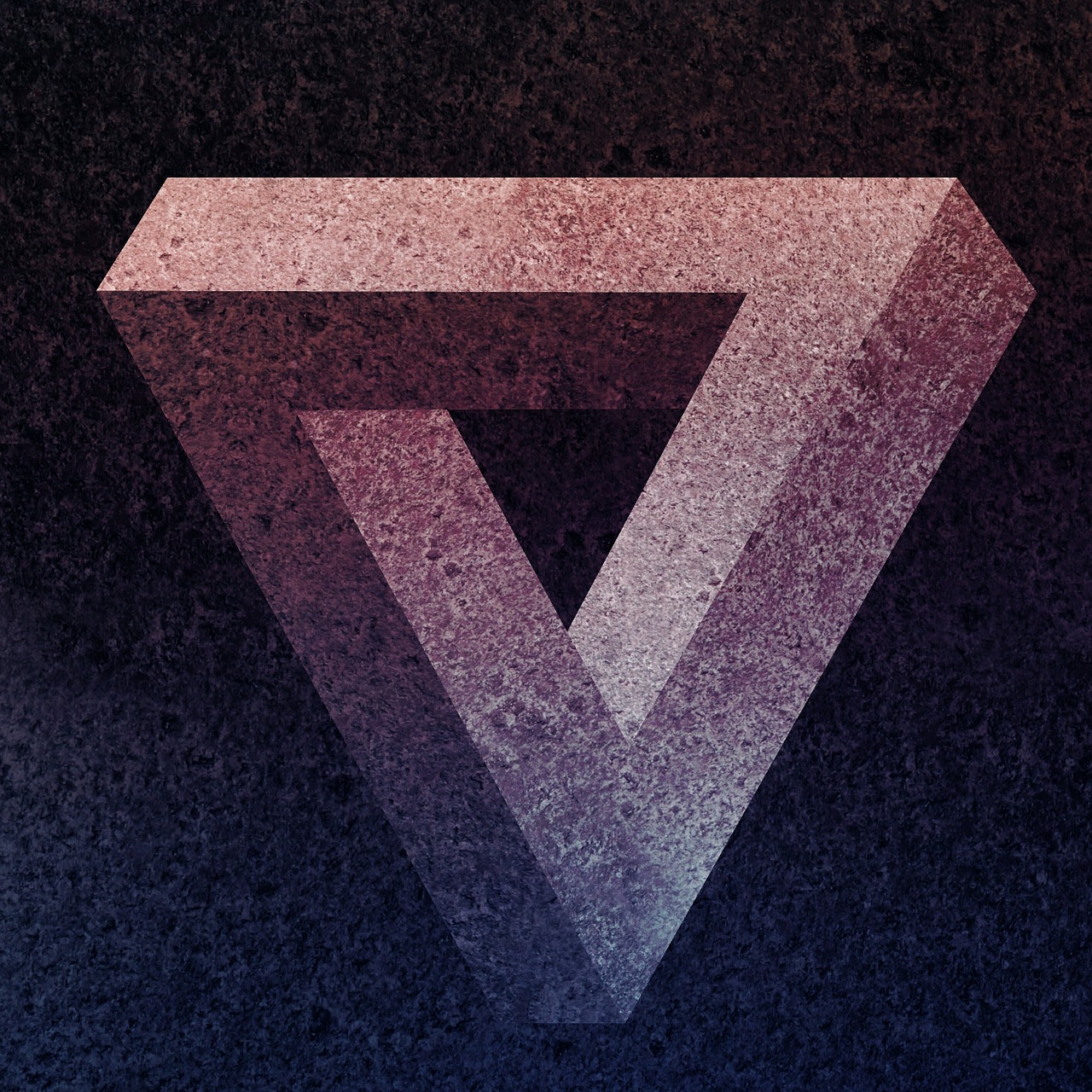
    While deception may be the means, optical illusions still serve communication goals that align with design principles. Many iconic illusion graphics like the impossible triangle (otherwise known as the Penrose Triangle) or café wall illusion trace back to scientists studying quirks in visual perception. Today’s designers co-opt these effects for more artistic aims yet still leverage the innately attention-grabbing nature of such odd imagery.

    Unexpected visuals that appear to bend reality offer exciting new avenues for designers to catch eyes, prompt curiosity, communicate memorable ideas, or encourage closer inspection according to the purpose at hand. For brands wanting to highlight uniqueness, illusions can suggest forward-thinking approaches inside and outside the box. Playful illusions also lend friendly, accessible tones for public information and community campaigns. Even subtle touches of the style introduce intrigue and vibrancy to otherwise ordinary designs.

    Pushing Creative Boundaries

    Optical illusion art represents a rich design niche that top graphic artists continue pushing into new creative territory. Digital tools now help generate photorealistic distortions once impossible physically. Animators bring illusions to life with transforming shapes and perspectives in motion graphics. Spatial installations like the blocked-out room at Canada’s McMaster Museum of Art scale optical effects to architectural environments we can physically enter.

    Yet, as technology expands the scope for illusion art in design, the old-school principles behind successful tricks on the eye endure. Graphic designers may have software to mimic effects at the click of a button, but they need true visual craftsmanship to imagine and compose designs that fully captivate viewers. Mastering the style calls for just as much foundational art knowledge as other fields like typography or composition – another draw for talented designers seeking to grow artistically.

    Optical illusion art is an appealing niche within the graphic design that blends science and art to create perceptually intriguing imagery. Like architecture or product design, crafting seemingly impossible yet believable visuals requires left-brained spatial reasoning and logic as much as right-brained creativity. The analytical side of optical illusion design offers another avenue for detail-oriented graphic artists to exercise their skills.

    A Change of Perspective

    From M.C. Escher’s impossible staircases to Brusspup’s mind-blowing YouTube animations, illusion art offers graphic designers a portal into unseen worlds that engage our senses, change perspectives, and expand reality beyond the canvas. By tricking the eye, optical illusions reveal deeper truths – that seeing itself is subjective, constructed by our brains as much as light entering our eyes. Incorporating such fresh visual metaphors creates new avenues for designers to connect profoundly with modern audiences. In graphic design’s continual quest for originality, illusion art’s ability to stop viewers in their tracks continues, making this deceptive style irresistibly compelling.

  • Oil On Canvas Paintings By Greek Artist Angelos

    Oil On Canvas Paintings By Greek Artist Angelos

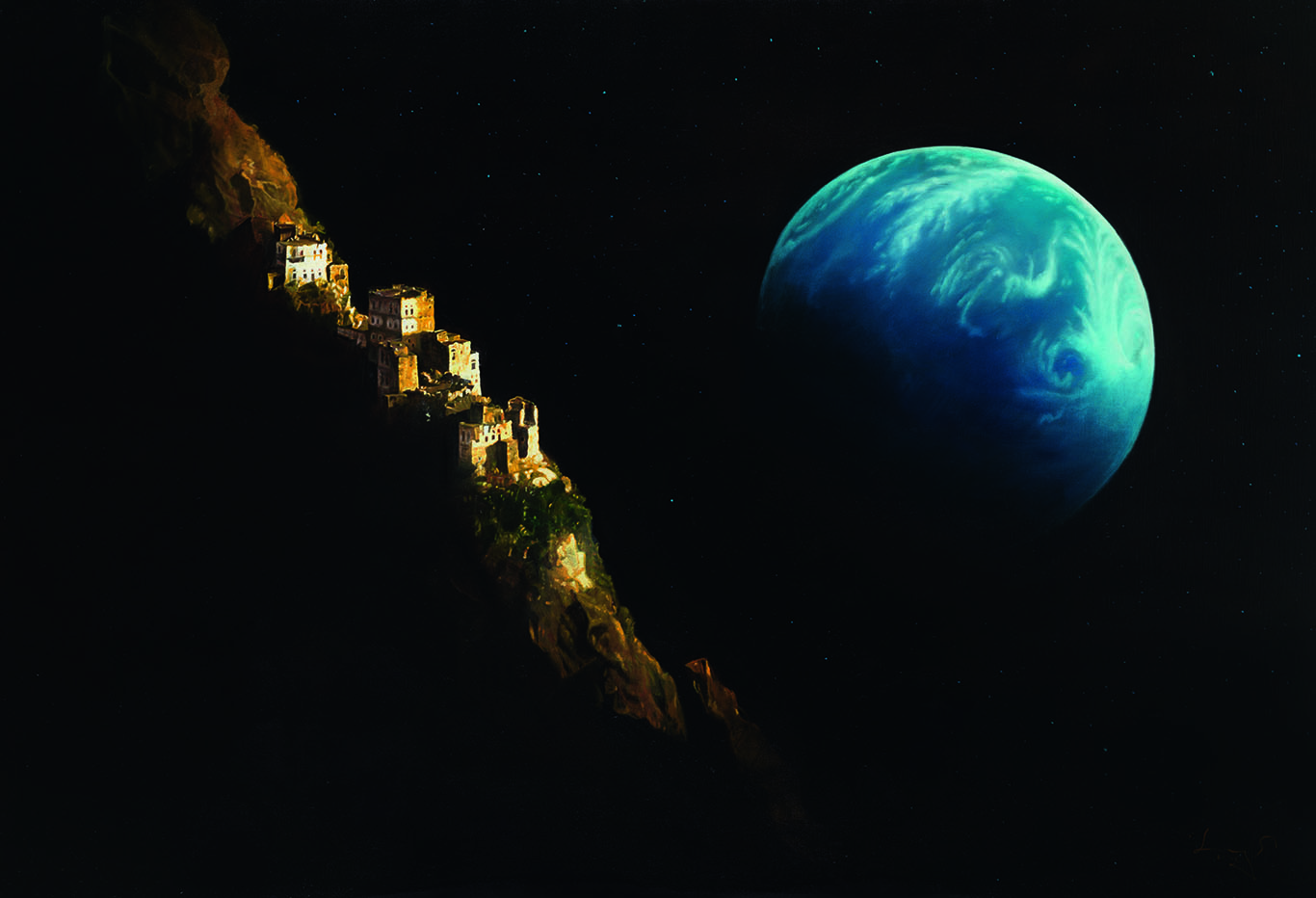
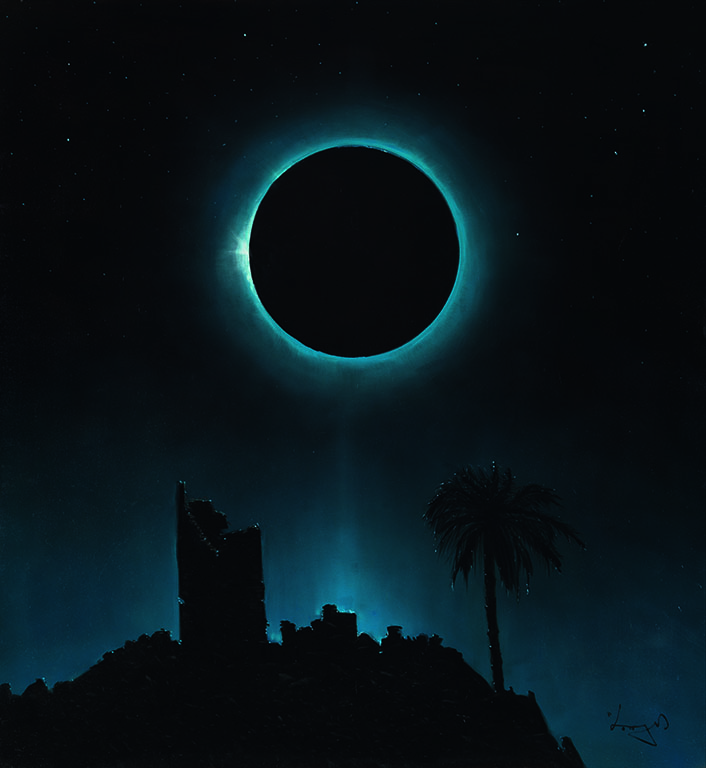
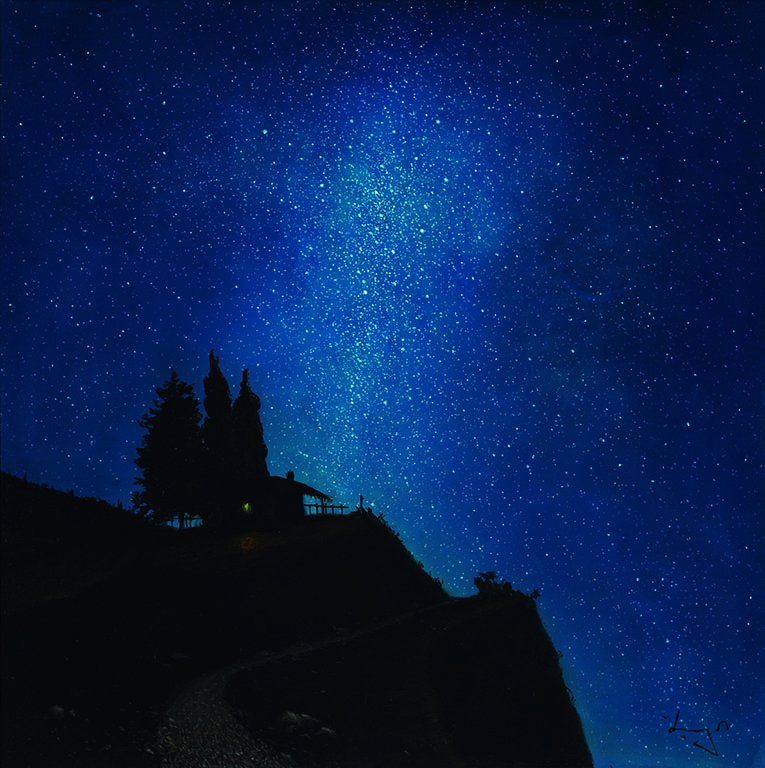
    Renowned Greek artist Angelos has a show opening 28th April to 8th May in London, set in a pitch black room with spotlit paintings and a huge mirrored column stretching from the ceiling reflecting the work around the space, this immersive exhibition will also include a specially curated soundscape which the viewer will engage with via headphones next to each artwork. This is Angelos’ first solo show in London in over two decades, his first since his painting Girl with a pair of doves sold at Bonhams for over £106,000 (over its estimate of £12,000) in London in April 2017. Here are a few of our favourite oil on canvas paintings created by Angelos:

    Angelos, Yemen, Oil on Canvas
    Angelos, Yemen, Oil on Canvas


    Angelos, Yemen, Oil on Canvas
    Angelos, Yemen, Oil on Canvas


    Angelos, The Philosopher's Home, Oil on Canvas
    Angelos, The Philosopher’s Home, Oil on Canvas


  • Street Artist Highlights Mass Extinction & Climate Change – Louis Masai

    Street Artist Highlights Mass Extinction & Climate Change – Louis Masai

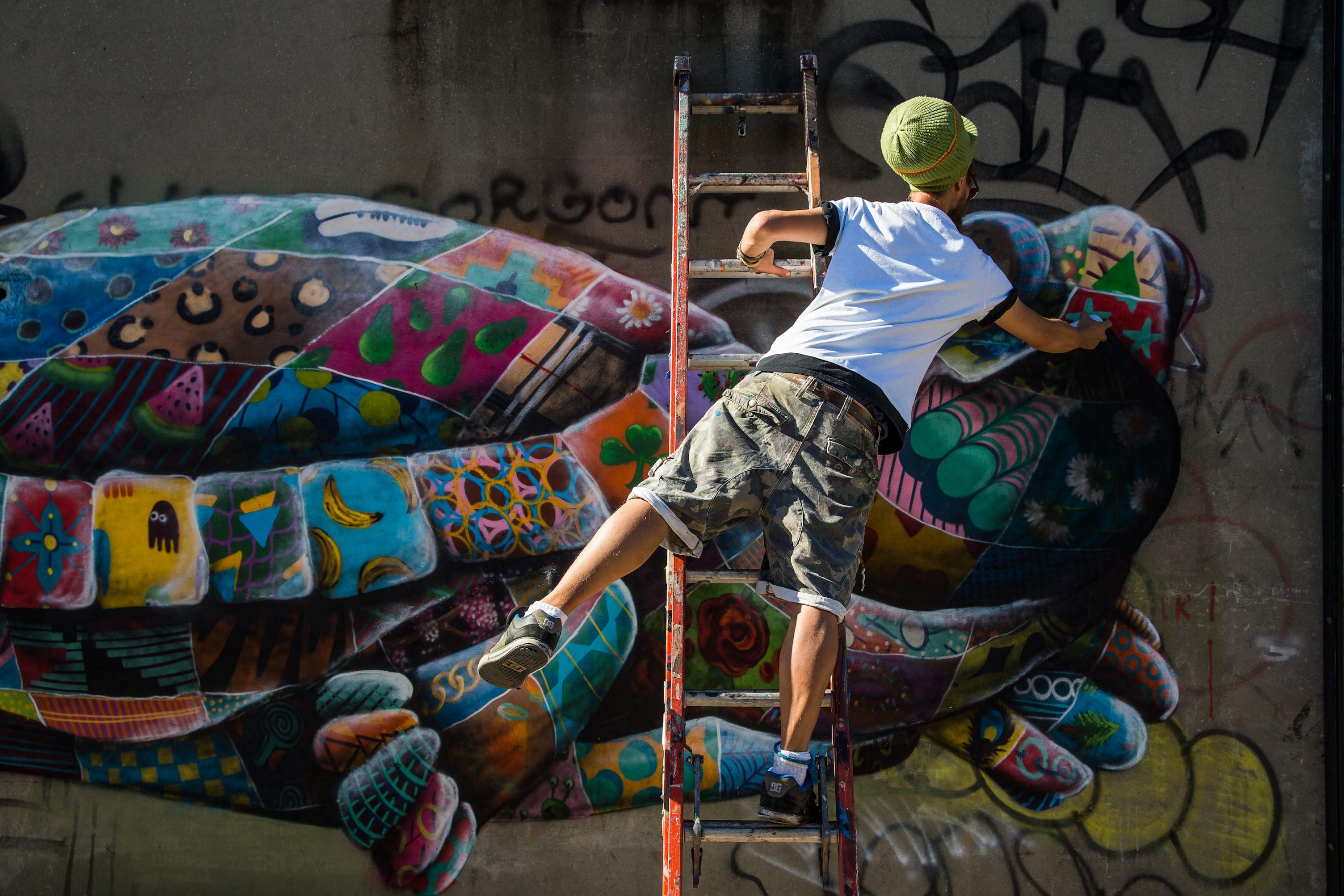
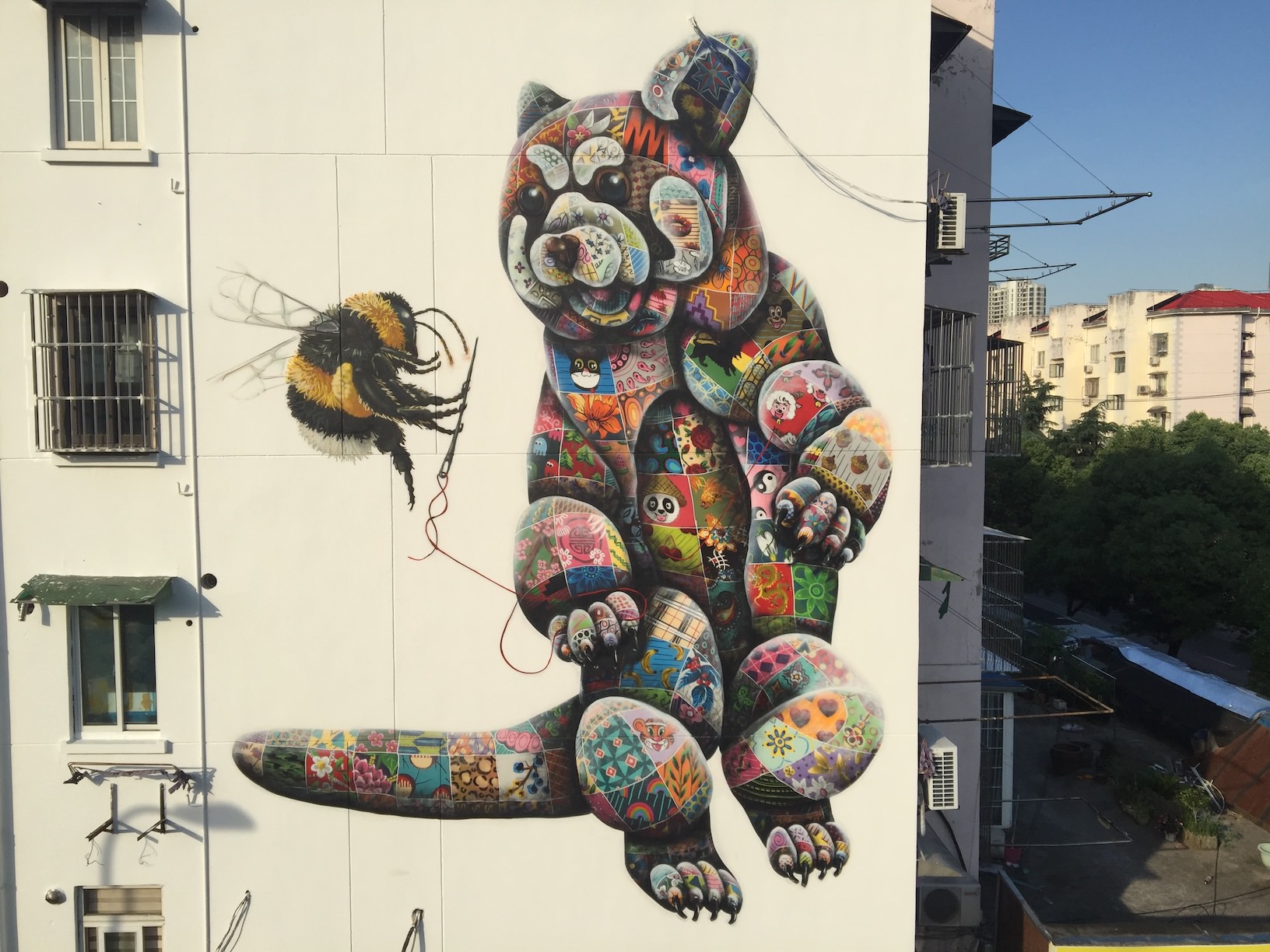
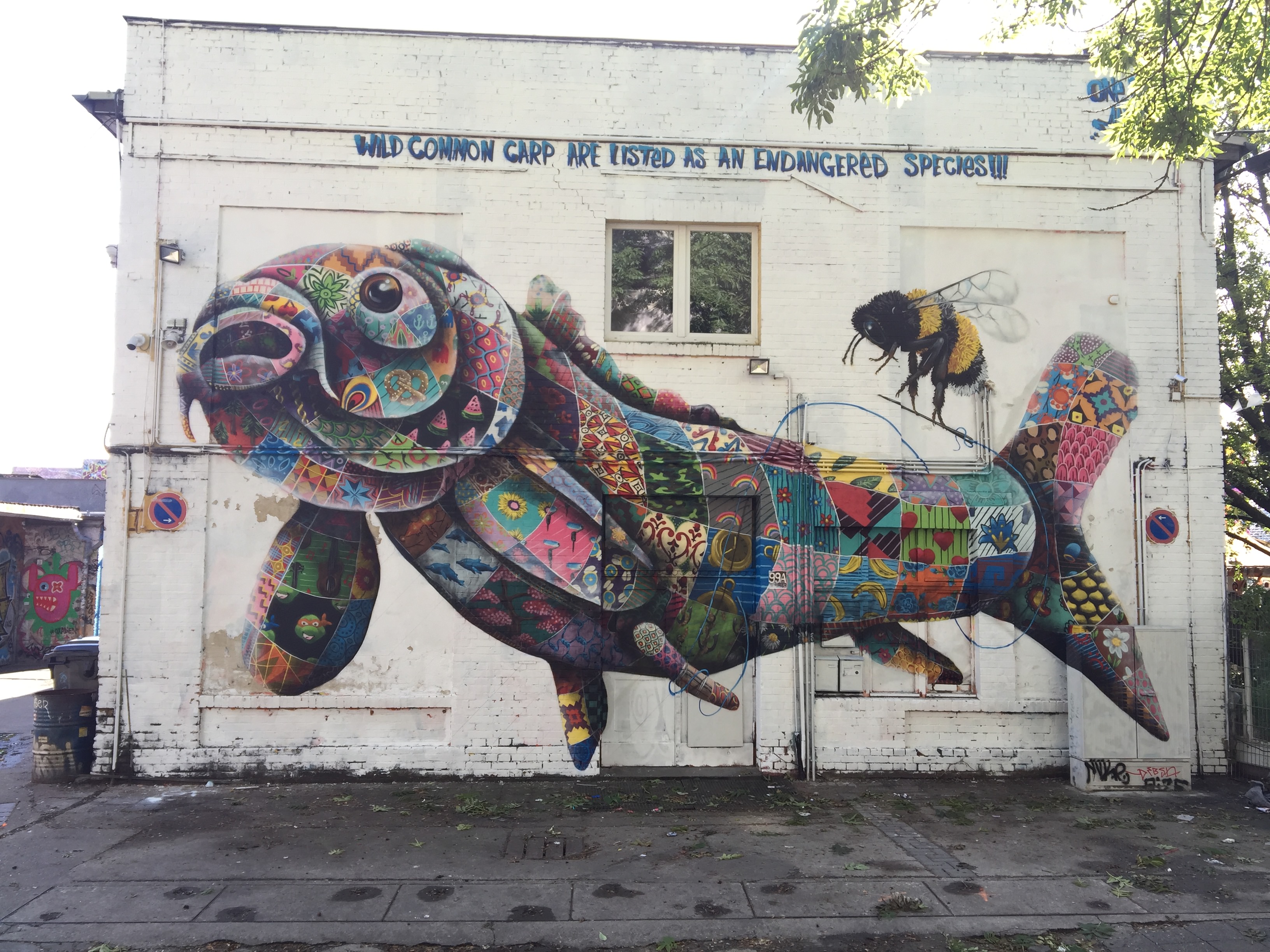
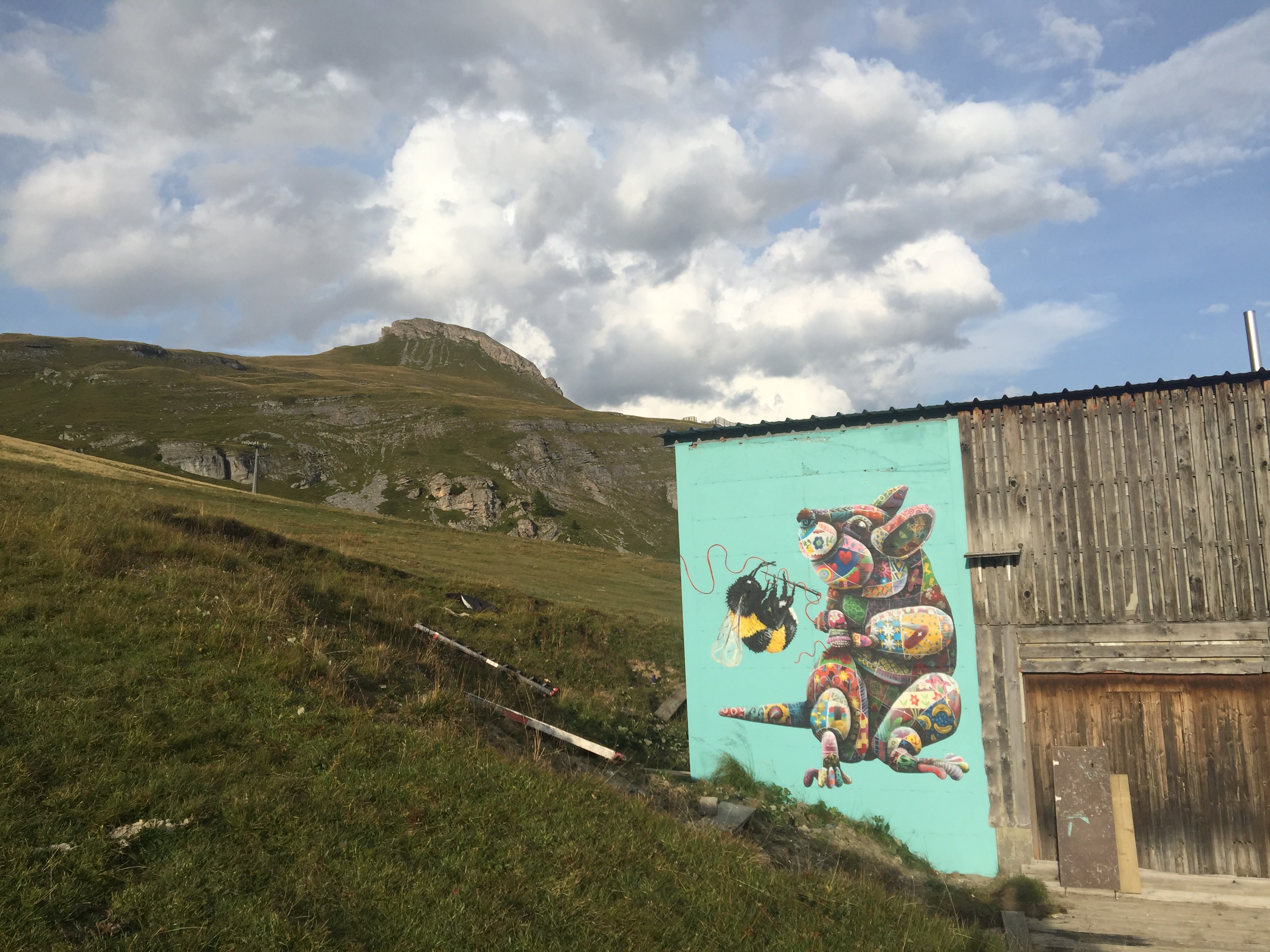
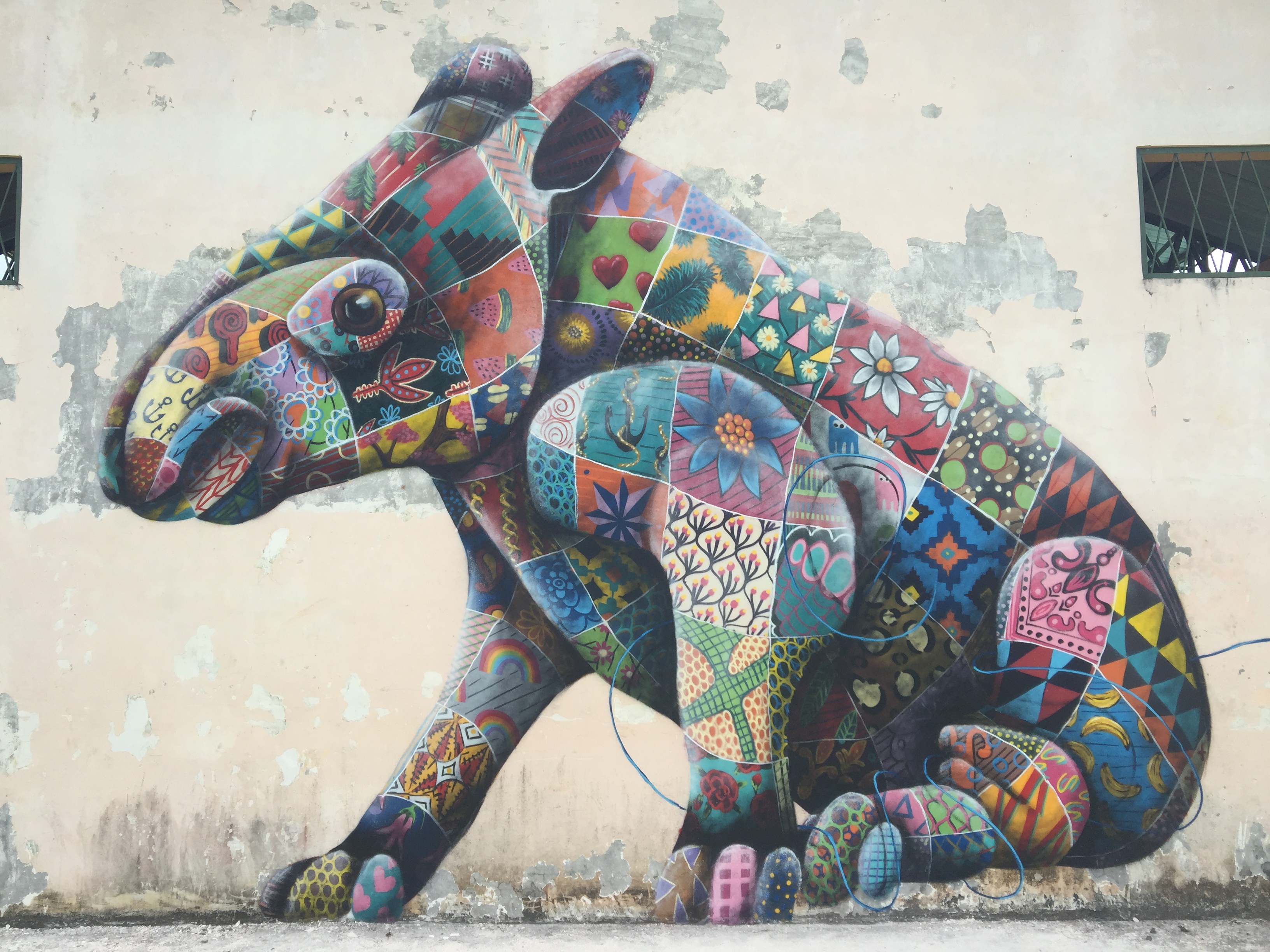
    Louis Masai is a painter, sculptor and muralist and uses his work to highlight the 6th mass extinction, climate change and species equality. Current his works deal with endangered species, created into patchwork of plush toys stitched up by bees. A profoundly proactive and environmentally engaged artist, Louis Masai’s work touches on poignant endangerment issues, questioning our relationship to the wildlife with whom we share our world.

    Louis Masai, Red Panda, Shanghai
    Louis Masai, Red Panda, Shanghai


    In his new and first solo show in London, titled Missing, Masai will show a selection of brand new works – paintings and sculptures, each with a specific continent focus through an animal indigenous to that region and now endangered, those that will soon be ‘missing’ from our biodiversity. From graffiti to canvas, Masai’s patchwork animals are created with a genuine passion and respect for animals in the wild, from the South African penguin to the humble bumble bee. As a painter, sculptor and muralist, Masai uses his work as a way to highlight the 6th mass extinction, climate change and species equality.

    Held in the one of the most atmospheric exhibition spaces in London, Euston’s Crypt Gallery, the show will run between the 24th to the 27th May, opening to the public on the 25th. Masai will combine displayed works with elements of interaction and immersion, plunging the viewer into a forest of trees, full of the scent and buzz of live honeycombs. These elements help to highlight one of the artist’s key messages, that these interventions and endangerment issues are much closer than we might otherwise think. Held in a space associated with death and burial, Masai’s work takes on a poignant urgency; if we do not act, these animals too may soon be nothing more than ashes and dust.

    Works in the show include a specially created animatronic penguin, built with a robotics specialist, that stands atop an oil drum, a slick black pool collected at the base. Strewn across the floor next to another work, a painted elephant, an AK47 lies surrounded by empty shells, a poignant reminder of the cost of the ivory trade. Central in the show are sculptures depicting a bee, an animal whose very existence in the ecosystem supports our own ongoing survival and is yet slaughtered in the millions through pesticide waste. Three distinct sculptural iterations of this bee stand in the gallery space, a bronze cast, a gold-plated edition and large, provocative resin transparent casts.

    Speaking about the exhibition, Masai says:

    Climate change is in full effect, with one of the major factors being the ‘6th Mass Extinction’. Species are becoming extinct or missing in our biodiverse world. This is a real issue that we face as humans, and as an artist, I feel it’s my duty to draw attention to this issue. Through my work I hope to remind people of the urgency we face, highlighting our place amongst creatures who are a critical part of our delicate ecosystem

    As humans, we divide continents, we put up barriers and borders that are not understood by animals, whose survival often relies on nomadic crossbreeding. Our impact is vast, and Masai’s work highlights this, expressing the true cost of our place in this world.

    Missing will be in The Crypt Gallery, Euston. The exhibition will run from Friday 25th May to Sunday 27th May 2018.


  • 7 Destinations In The World To See The Best Street Art

    7 Destinations In The World To See The Best Street Art

    Street art tends to be the one type of contemporary art that you don’t actually have to pay to go see. That is, unless you count the travel costs of getting to the place in question, of course! Not that you usually have to travel far – street art is (quite literally) everywhere. From the odd splatter of graffiti to the Banksy murals that go on to sell for millions, it’s always somewhere close by, if you’re willing to look for it.

    But what if you were willing to look a little further afield? Say you had the whole world at your doorstep and could go anywhere you wanted…where would you find the best street art?

    Well, what makes for the ‘best’ street art in the world is a debate we’re not going to be getting into right now. It’s just too complex, divisive and impossible to settle. Instead, we thought we’d highlight what are undoubtedly seven of the best destinations in the world to see outstanding street art – all of which should make it onto your list…if your travel budget is rather on the generous side!


    Rishikesh, North India

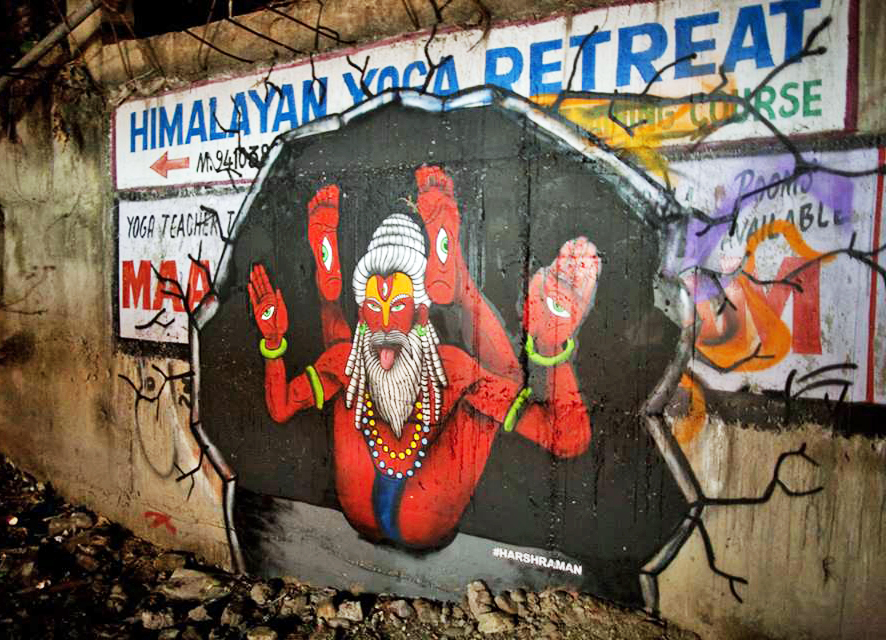
    First up, this place is often referred to as the yoga capital of the World by those who are into that sort of thing. Aside from this, it’s also renowned for playing host to some of the most incredible street art on Earth. And it’s not just confined to streets, either – you’ll find it all over the place. Bridges, buildings, broken tin roofs – all part of a street art movement that’s captured the world’s imagination. Time your visit right and you could also check out the annual Rishikesh Street Art Festival. ‬‬


    Rishikesh Street Art Festival


    Toronto, Canada

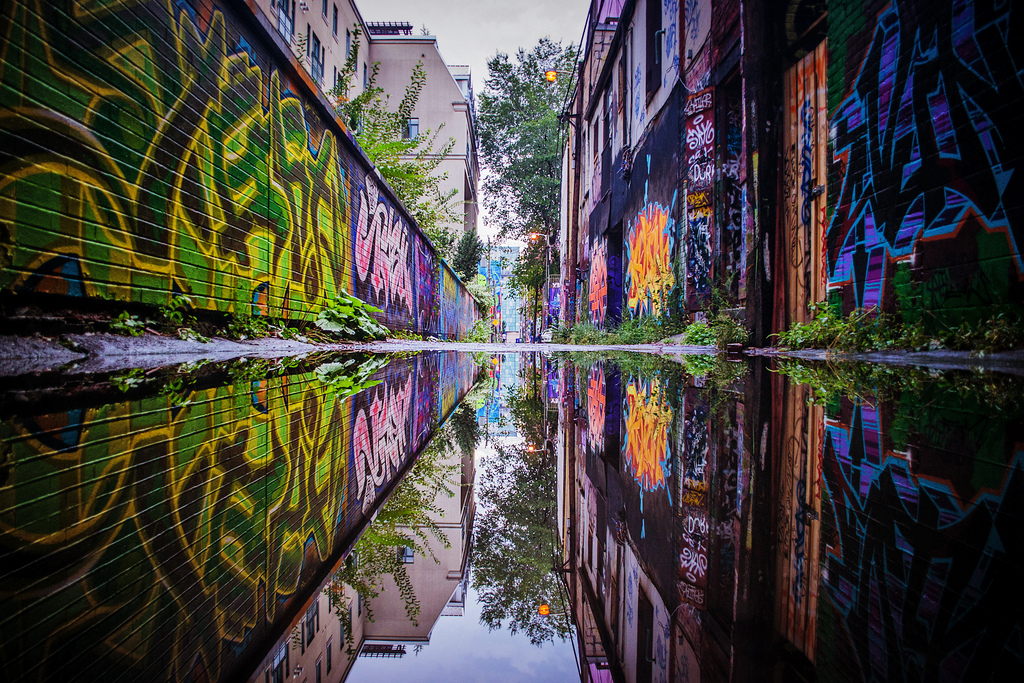
    A city with a reputation for being as culturally diverse as Toronto was always going to have a spectacular street art scene. And it has – particularly if you head over to Graffiti Alley – aka Rush Lane. The kilometre-long modern street art masterpiece is once again painted over to produce a blank canvas every year, pulling in artists from all over the world who want to make their mark on the city. Albeit, a temporary one.

    Graffiti Alley Rush Lane

    Flickr

    Granada, Spain

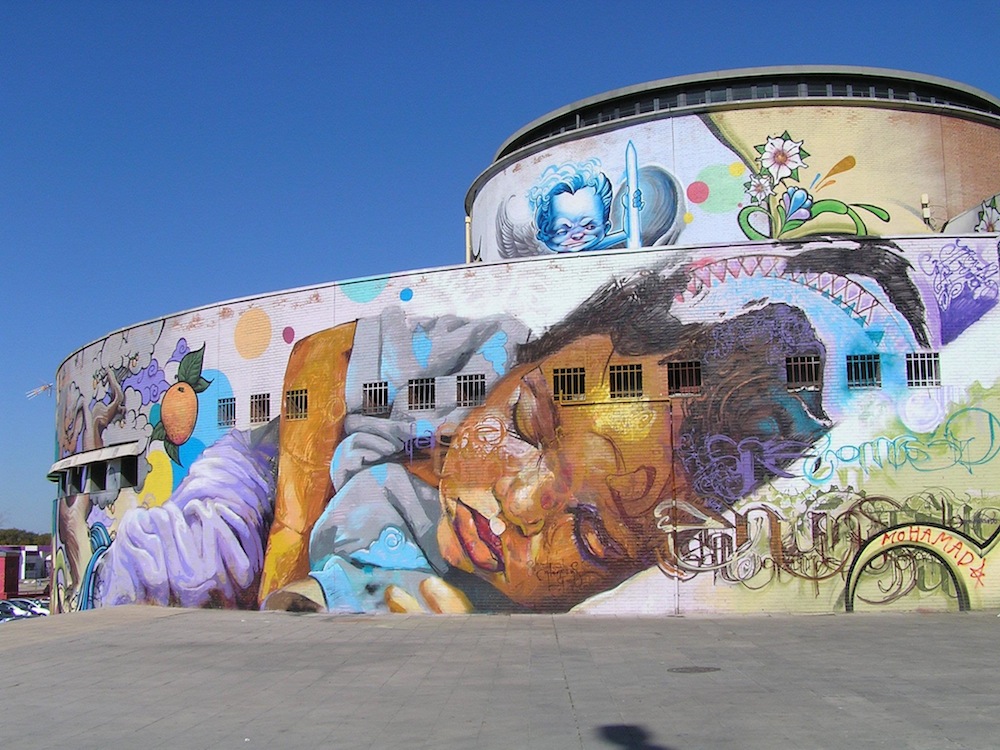
    An artist known locally as El Niño de las Pinturas – often dubbed the ‘Spanish Banksy’ – has done a great job transforming the Realjo quarter of Granada into something of a living, breathing masterpiece. Less spray scribbles, more thought-provoking watercolour murals the likes of which pull in art lovers from all over Spain and beyond. Things become even more mind-blowing at night, as it’s not until the shops close and pull down their shutters that you get to see the incredible artwork that’s hidden during the day.

    street_art_february_2012_10

    Image source

    Lisbon, Portugal

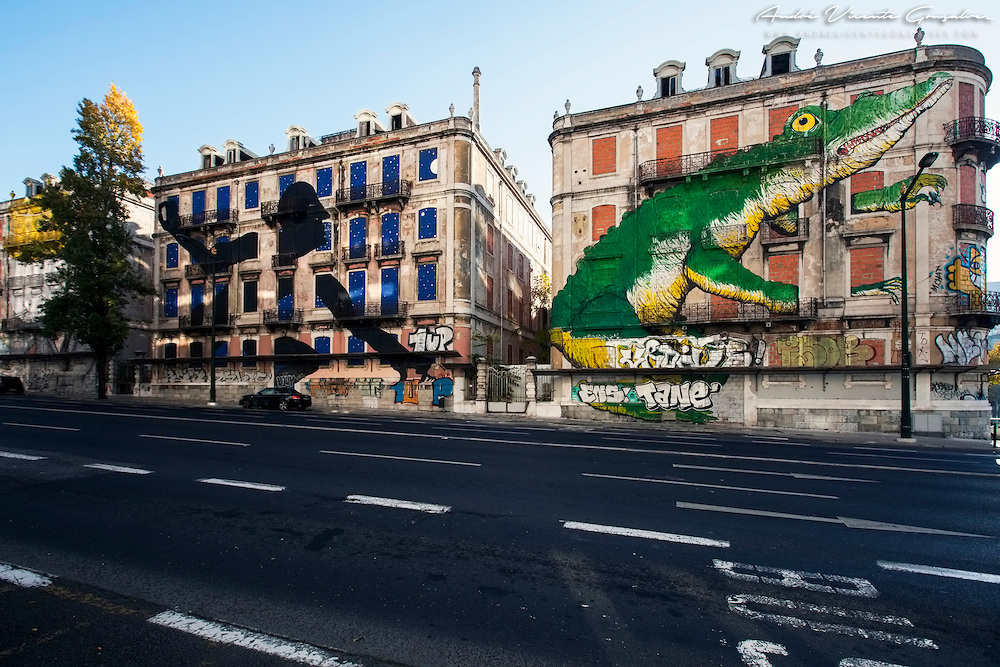
    Local authorities in Lisbon have done what basically any major city should do these days – they’ve designated specific areas of the city where street art is both permitted and encouraged. Which is great, because it means that if you’re out and about at the right time, you can watch local artists at all levels turning graffiti paint markers into modern masterpieces. Which they do with gusto – most of the areas where street art is permitted are covered in stunning artwork, right down to the last available inch!

    Street art at Picoas in the streets of Lisbon made by the graffiti artists Os Gemeos, Portugal, Europe
    Street art at Picoas in the streets of Lisbon made by the graffiti artists Os Gemeos, Portugal, Europe


    Bristol, UK

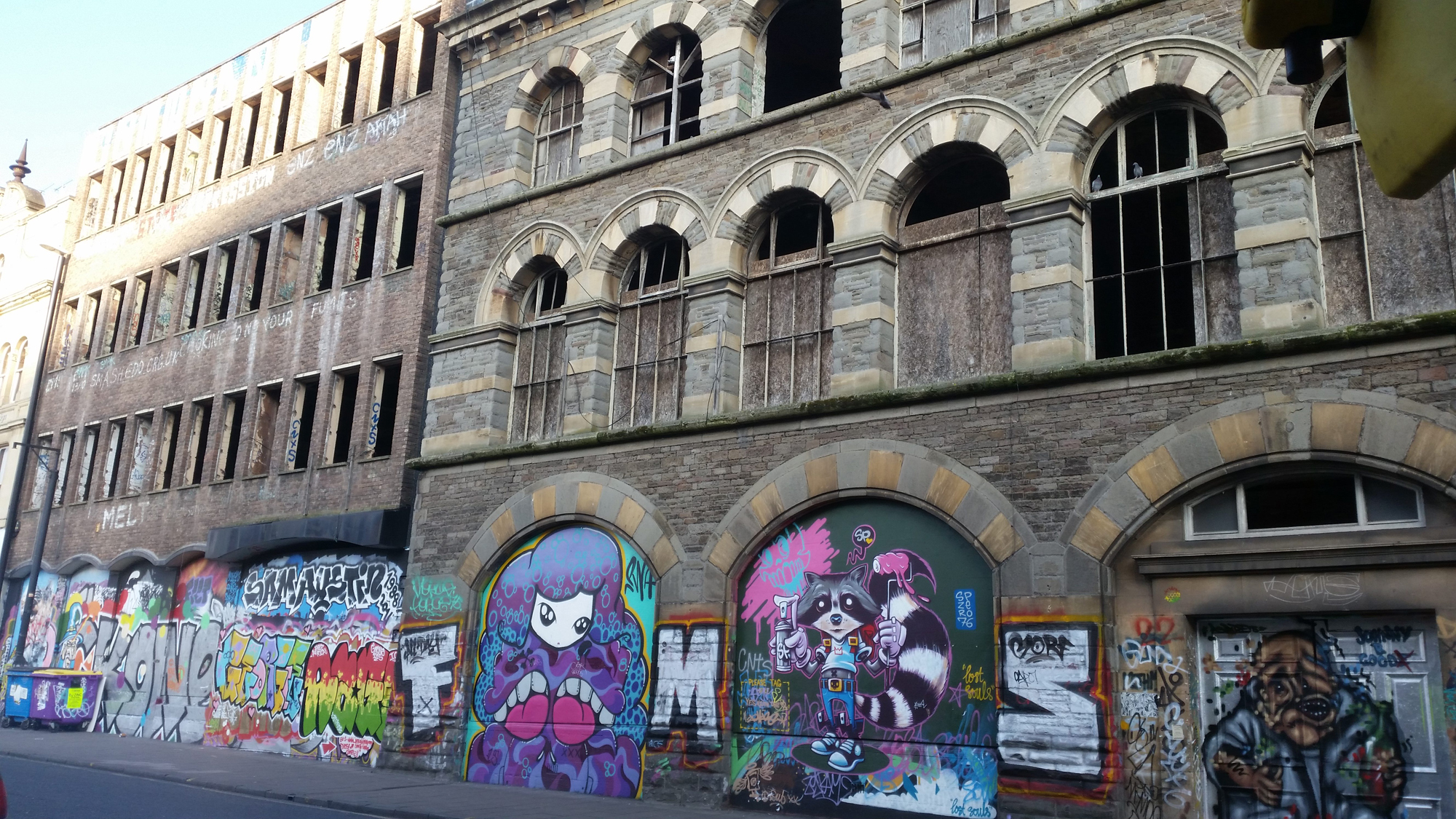
    If you’re quite happy to tolerate an ever-expanding crowd of painfully-cool hipsters and a fair few squatters, Stokes Croft is where to head in Bristol. Banksy might be from Bristol and there’s always the chance of stumbling over his work, but it’s the local artists that really steal the show as you wander the once-foreboding alleyways at all hours of day and night.

    Stokes-Croft-Street-Art


    Hongdae — Seoul, South Korea

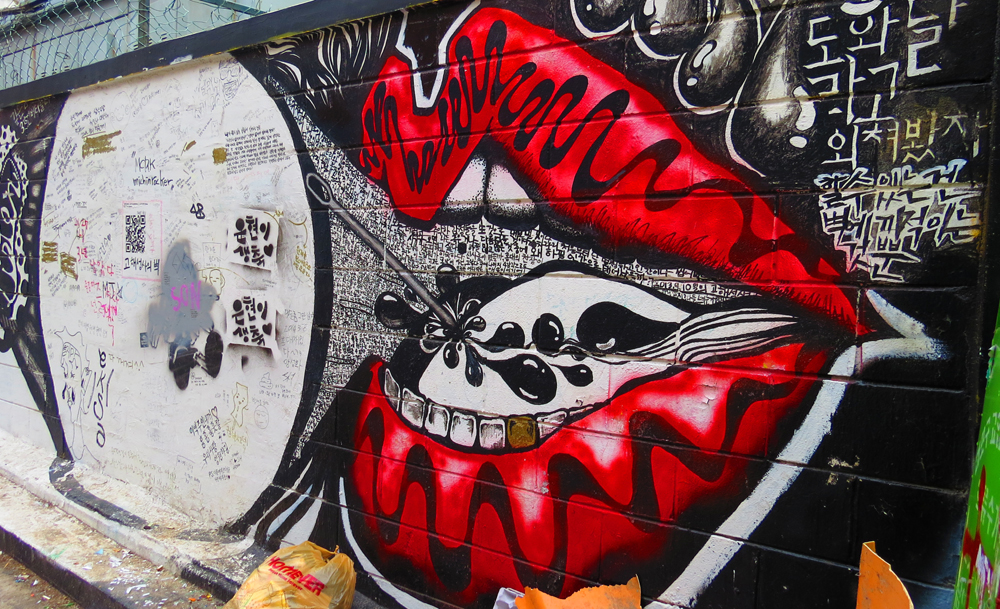
    Slightly further afield, there’s a vibrant student population about the place here and Hongdae is known across the country as the place to head for epic nights on the town. Creative art students have decided to make the area surrounding the university their own, getting busy with walls, shutters and freestanding concrete blocks in a constant state of change.

    Hongdae4


    Melaka, Malaysia

    Last up, if you happen to be over in East for a while, Melaka has recently taken the torch from Penang as the kind of place any street art fan simply has to see. Drab, deteriorating properties and once-thriving riverside areas blasted with colourful murals and artwork, which perfectly represent how the place and its people have changed over the generations.

    Melaka-Street-Art