Tag: Travel

  • The Freedom of the Steppe: Why Car Rental is the Ultimate Game Changer for Your Kazakhstan Trip

    The Freedom of the Steppe: Why Car Rental is the Ultimate Game Changer for Your Kazakhstan Trip

    Kazakhstan is a land of impossible scales. As the ninth-largest country in the world, its beauty is not concentrated in single city blocks, but scattered across vast distances—from the turquoise alpine heights of the Tian Shan to the subterranean mosques of the western deserts. For the modern traveler, the traditional constraints of group tours and rigid train schedules often clash with the desire for authentic discovery.

    In 2026, the shift toward “slow travel” and personal autonomy has made one thing clear: to truly see Kazakhstan, you need to be in the driver’s seat. Here is why opting for a private vehicle is the most convenient, efficient, and rewarding way to navigate this Central Asian giant.


    1. Breaking the “Public Transport Barrier”

    While Kazakhstan’s rail network is legendary for its nostalgic Soviet-era charm, it is designed to connect major industrial hubs, not natural wonders. Many of the country’s most iconic “bucket list” locations—such as Lake Kaindy with its sunken spruce trees or the jagged “Valley of Castles” in Charyn Canyon are located hours away from the nearest train station.

    Charyn Canyon

    Relying on “marshrutkas” (shared minibuses) often involves long wait times, multiple transfers, and a lack of air conditioning. By choosing to renting a car in kazakhstan you bypass these logistical hurdles. You gain the ability to depart at sunrise, beat the tour buses to the scenic viewpoints, and stay long after the crowds have left to capture the perfect golden hour photograph.

    2. Tailored Comfort for Diverse Climates

    Kazakhstan’s weather is notoriously continental. On a single trip, you might experience the humid warmth of Almaty, the biting winds of the northern steppes, and the dry heat of the Caspian depression.

    A rental car provides a controlled environment. You have the space to store essential gear—heavy jackets for the mountains, plenty of water for the desert, and camping equipment for the national parks—without the burden of hauling it through crowded stations. Modern rental fleets in cities like Astana and Almaty offer vehicles equipped with high-performance climate control and GPS, ensuring that the journey between destinations is as comfortable as the stay itself.

    Almaty


    3. Cost-Efficiency for Groups and Families

    While solo travelers might initially look at taxi prices, the math quickly shifts when traveling as a pair or a family. Long-distance taxis (known as “intercity” cars) can be expensive and offer little flexibility for stops.

    When you calculate the cost of multiple individual tickets for trains, buses, and local excursions, a rental car often emerges as the more economical choice. It essentially serves as your private transport, luggage storage, and mobile basecamp all in one. Furthermore, it allows you to choose accommodation slightly outside the expensive city centers, as “location” becomes irrelevant when you have your own wheels.


    4. Spontaneity: The Heart of the Kazakh Experience

    The most memorable moments in Kazakhstan often happen “in between.” It’s the roadside yurt where a nomadic family invites you for shubat (camel milk), the sudden view of a wild camel herd crossing the horizon, or an unmarked dirt path that leads to a hidden canyon.

    Fixed itineraries kill this spontaneity. With a rental car, a “quick photo stop” can turn into a two-hour exploration of a local village or a detour to a remote waterfall. This level of immersion is what separates a tourist from a traveler.

    5. Safety and Privacy in a Post-Digital World

    In an age where privacy and health-conscious travel are prioritized, a rental car offers a personal sanctuary. You control who you travel with and the cleanliness of your environment. Additionally, having a vehicle provides an extra layer of safety in remote areas; it is your “escape pod” and your shelter should the weather turn or should you need to reach a town quickly for supplies.


    Essential Tips for the Kazakh Road

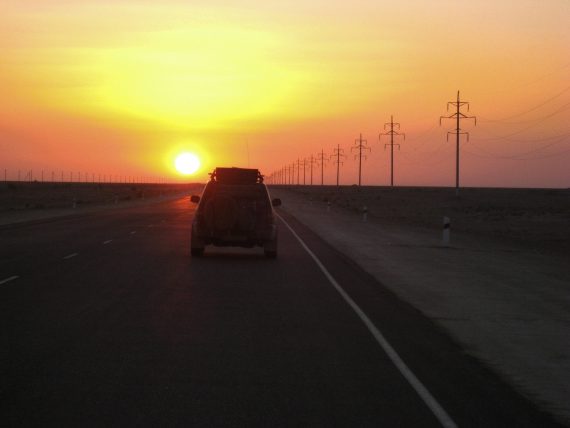
    To ensure your experience is as smooth as the new Western Europe-Western China highway, keep these practicalities in mind:

    • Choose the Right Tool: If you are sticking to the Almaty-Astana-Shymkent triangle, a standard sedan is fine. However, if your heart is set on the “singing dunes” of Altyn-Emel or the rugged Mangystau, a 4WD (4×4) is non-negotiable.

    • Fuel Strategy: Major petrol stations like Qazaq Oil or Helios are reliable. In remote areas, the “half-tank rule” applies: if you see a station and you are at half a tank, fill up.

    • Navigation: While Google Maps works in cities, download 2GIS or Yandex Maps for more accurate local data and offline capabilities in the mountains.

    Conclusion: The Road is Calling

    Kazakhstan is not a country you simply “visit”; it is a country you navigate. The convenience of a car rental isn’t just about getting from Point A to Point B—it’s about the hundreds of miles of soul-stirring scenery that lie in between. It is the key to unlocking the true spirit of the steppe, giving you the freedom to chase the horizon on your own terms.

    On your next trip, don’t just follow the beaten path. Take the wheel, set your own pace, and let the vastness of Kazakhstan unfold before you.


  • The appeal of cities that offer more than nightlife when traveling

    The appeal of cities that offer more than nightlife when traveling

    The temptation is to chase destinations known purely for nightlife, places that promise endless clubs, cheap drinks and little else. At first glance, it sounds ideal. In practice, many travellers end up feeling that something is missing. Days blur together, memories revolve around the same bars, and the city itself becomes little more than a backdrop.

    More and more travellers are starting to look for cities that feel alive beyond the evening hours. Places where culture, history, food and local character matter just as much as the night scene. This shift is especially noticeable when planning group trips with a clear purpose, such as a pre wedding celebration. The challenge is finding a destination that balances fun with substance, energy with authenticity, and spontaneity with meaning.

    When nightlife alone is not enough

    Nightlife driven travel often follows a predictable pattern. Arrive, drop bags, head straight to the bars. The next day is spent recovering, with little motivation to explore beyond the hotel or apartment. By the third night, venues start to feel interchangeable, and the city loses its distinct identity.

    This approach can be particularly limiting for group trips. Different personalities within the group want different things. Some enjoy late nights, others prefer daytime experiences, and most appreciate a mix. When a destination offers little outside its nightlife, compromise becomes harder, and the trip risks revolving around a single rhythm that does not suit everyone.

    Cities with depth solve this problem naturally. They provide options without forcing choices. A morning coffee in a neighbourhood café can turn into a walk through historic streets. An afternoon activity can bring the group together before the evening begins. The nightlife becomes an extension of the experience, not the only reason for being there.

    What travellers increasingly value is context. Knowing where you are, understanding a bit of local culture, and feeling connected to the place. These elements create stories that last longer than a list of clubs visited.

    Culture, contrast and the pleasure of discovery

    Cities that offer more than nightlife tend to reward curiosity. They are places where contrasts exist side by side. Old and new, relaxed and intense, familiar and surprising. This mix allows visitors to shape their own experience rather than follow a pre written script.

    Exploring during the day adds layers to a trip. Architecture tells stories about the past. Markets and food scenes reveal everyday life. Parks and public spaces offer moments to slow down and reset. These experiences change how the city feels once night falls. Streets walked in daylight feel different after dark, and venues gain character when you understand their surroundings.

    Another advantage is flexibility. When plans change, as they often do with groups, cities with varied offerings adapt easily. A cancelled reservation can turn into a spontaneous food crawl. A slow morning can become a guided tour or a casual wander. The destination supports the mood of the group instead of dictating it.

    This kind of travel suits people who want memories that feel personal. Not just photos under neon lights, but moments of laughter in unexpected places. A conversation with a local. A view that catches everyone off guard. These are the details that elevate a trip from entertaining to meaningful.

    Why Bucharest fits the modern celebration mindset

    In recent years, Bucharest has quietly become one of those cities that delivers far more than first impressions suggest. Often underestimated, it blends a lively social scene with history, creativity and a strong sense of place. For groups looking to celebrate without sacrificing substance, this balance matters.

    The city offers a diverse daytime experience. Wide boulevards sit alongside narrow streets filled with character. Cafés and restaurants range from traditional to contemporary, often within the same block. Cultural sites are accessible without feeling overwhelming, making exploration feel casual rather than touristic.

    What sets Bucharest apart is how naturally it accommodates group dynamics. There is room for shared activities that bring everyone together, as well as space for individuals to branch off and regroup later. This flexibility makes it especially appealing for those planning a Bucharest Bachelor Party, where expectations often include both memorable nights and quality time as a group.

    Evenings in the city feel earned rather than forced. After a day spent exploring, the nightlife becomes part of a broader narrative. Bars and clubs reflect the local personality instead of copying trends from elsewhere. Music, atmosphere and crowd mix in a way that feels organic, not manufactured for visitors alone.

    Importantly, the city allows celebration without disconnecting from reality. Prices remain reasonable, but the experience does not feel cheap. Hospitality is warm, and the pace encourages enjoyment rather than excess. This combination helps groups stay present and engaged, rather than rushing from one venue to another.

    A destination that respects both fun and meaning

    Travel choices often reflect changing priorities. Many people still want fun, but not at the cost of depth. They want destinations that respect their time, energy and curiosity. Cities that offer more than nightlife answer this need by creating space for genuine connection, both within the group and with the place itself.

    Choosing such a destination shifts the tone of the entire trip. It becomes less about ticking boxes and more about shared moments. Conversations last longer. Laughter comes easier. The city contributes to the experience instead of competing with it.

    For those planning a celebration with friends, this approach feels especially relevant. A well chosen city can enhance relationships rather than distract from them. It offers stories that everyone can relate to, regardless of how late they stay out or how early they wake up.

    If you are drawn to the idea of travel that balances energy with authenticity, consider destinations that surprise you. Cities that invite exploration as much as celebration tend to leave a lasting impression. Bucharest is one of those places, quietly proving that the best trips are often the ones that offer more than expected.


  • Lanzarote on Arrival: What to Know About Airport Transfers, Taxis and Public Transport

    Lanzarote on Arrival: What to Know About Airport Transfers, Taxis and Public Transport

    Touching down in Lanzarote is a little like landing on another planet. The island’s dramatic volcanic landscape, black-lava fields and whitewashed villages feel strikingly different from mainland Spain. Once you’ve stepped off the plane at César Manrique–Lanzarote Airport (ACE), though, the first practical question is a familiar one: how do you get to your accommodation smoothly and stress-free? Whether you’re heading to a beach resort, a rural finca or a lively coastal town, here’s what to know about airport transfers, taxis and public transport in Lanzarote.


    Getting Your Bearings at Lanzarote Airport

    Lanzarote Airport is relatively small and easy to navigate. It’s located just outside Arrecife, the island’s capital, making it one of the more conveniently placed airports in the Canary Islands. International arrivals usually come through Terminal 1, where you’ll find car hire desks, cafés, ATM machines and clear signage for taxis and buses. Within minutes of exiting arrivals, you’ll already be choosing your onward transport.


    Airport Transfers: Easy and Pre-Booked

    For many visitors, especially first-timers or families, a pre-booked airport transfer is the simplest option. You can arrange your Lanzarote Airport Transfers through your hotel, a tour operator or an independent transfer company. A driver meets you in arrivals, helps with luggage and takes you directly to your accommodation.

    This option is particularly appealing if you’re staying in popular resorts like Puerto del Carmen, Costa Teguise or Playa Blanca, or if you’re arriving late at night. Prices are usually fixed in advance, which removes any guesswork, and shared transfers can be a budget-friendly choice if you don’t mind a few drop-offs along the way. Private transfers cost more but offer speed, comfort and peace of mind after a long flight.


    Taxis: Convenient and Widely Available

    Taxis in Lanzarote are plentiful, reliable and regulated. Official taxis are white with a green stripe and display their license number clearly. You’ll find a taxi rank directly outside the arrivals area, and queues generally move quickly, even during busy periods.

    Fares are metered, with supplements for airport pickups, late-night travel and luggage. As a rough guide, a taxi from the airport to Puerto del Carmen usually takes around 10 minutes, while Costa Teguise is about 15 minutes away. Playa Blanca, on the southern tip of the island, is the longest journey at around 30–40 minutes.

    Most taxi drivers speak at least some English, but having your hotel name or address written down is always helpful. Tipping isn’t expected, although rounding up the fare is appreciated for good service.


    Public Buses: Budget-Friendly but Limited

    If you’re travelling light and watching your budget, Lanzarote’s public bus network—known locally as “guaguas”—offers a low-cost way to leave the airport. Bus stops are clearly signposted just outside Terminal 1, and services connect the airport with Arrecife, Puerto del Carmen and other key areas.

    The main routes from the airport include services to Arrecife’s central bus station, from where you can transfer to buses heading across the island. Buses are clean, air-conditioned and very affordable, making them popular with locals and long-stay visitors.

    However, buses are not always the most convenient option if you have lots of luggage, are travelling with young children or are staying in more remote locations. Timetables can be less frequent in the evenings and on Sundays, so it’s worth checking schedules in advance.


    Car Hire as an Alternative

    While not strictly an arrival transfer, car hire is another popular option to consider straight from the airport. Lanzarote is compact, roads are well maintained, and driving is relatively stress-free. If you plan to explore beyond the main resorts—think Timanfaya National Park, Mirador del Río or hidden beaches along the coast—having your own car can be incredibly freeing.

    Car hire desks are located inside the terminal, and many companies allow you to pick up your vehicle immediately after landing. Just be sure to book ahead during peak travel seasons.


    Choosing What’s Right for You

    The best way to get from Lanzarote Airport ultimately depends on your travel style. Transfers offer simplicity, taxis provide flexibility, buses save money and car hire opens up the whole island. The good news is that Lanzarote makes arriving easy, with clear options to suit every budget and itinerary.

    Once you’ve sorted your transport, all that’s left to do is soak up the sunshine, admire the volcanic scenery and start enjoying the unique rhythm of island life. Your Lanzarote adventure begins the moment you step outside the airport doors.


  • How to Plan a Family Holiday Without Losing Your Mind or Your Budget

    How to Plan a Family Holiday Without Losing Your Mind or Your Budget

    Planning a family holiday shouldn’t feel like a military operation, but somewhere between everyone’s availability, holiday accommodation prices, and guessing what will make kids happy, it usually does.

    The fact of the matter is that families are guilty of complicating their arrangements and choosing ways to spend exorbitant amounts on things and at locations that don’t even appeal to their family dynamic. Or they select a destination that looks great on paper only for it to be the most stressful environment possible.

    But a happy medium exists somewhere between winging it and planning a day-to-day minute-to-minute itinerary that nobody will follow anyway.


    Start with What’s Important to You as a Family

    This is where most people go wrong from the beginning. They select a holiday based on its appeal or what everyone at work has said about their holidays this year without considering whether it fits their family flow. A Tuscan villa sounds divine for one family, and a nightmare for another.

    First, think about your kids’ ages and activity levels. Toddlers need different accommodations than teenagers. The family with the active eight-year-old and the sleepy teenager who loves to sleep in needs different holiday considerations than the family with three children all under the age of five. Some families are highly active and exploratory, others want safe places for children to run free while parents finally have the time to have an adult conversation.

    Sometimes, the accommodation type beats the destination. Many families find that caravan parks along the British coastline hit that fine line between structure and freedom, kids can run without parents having to supervise 24 hours a day, and parents can partake in adult recreational activities without feeling bad for ignoring their kids every second. With multiple children at various stages in development, how best to accommodate them often makes or breaks a holiday.


    The Budget No One Wants to Face

    Most families put a budget in place for their holiday accommodations then promptly ignore it once they’re in booking mode. The problem isn’t discipline; it’s an oversight that makes sense. People save up for their travel needs but neglect everything else.

    Yes, accommodations per person and transport should be factored in—no doubt about it. But what about the £6 ice creams? What about the contingency rainy day plan for indoor activities? What about the one-time meal out because no one can face eating another sandwich packed from home? These are not niceties but necessities—but they add up fast.

    The average family holiday budget should be roughly 30% more than accommodations and transport. This additional cushion covers food, activities and emergencies (because someone will forget their favorite toy at home or children’s shoes will disintegrate halfway through the trip) and the spontaneous moments that end up being some of the best memories.

    Some families swear by the envelope budgeting method. They save cash for food purposes, activity purposes, emergencies and treats. When each envelope is empty, that’s it. It sounds old-fashioned but it’s effective; swiping cards doesn’t feel real, or feels more real when tired children are whining.


    Picking the Right Week Without Playing Tetris with Schedules

    School holidays are more expensive, but everyone knows this. However, not everyone considers that often the first weeks and last weeks of school holidays feel worlds apart from the middle weeks. The last week of August is often dramatically cheaper than the first two weeks, and many holiday options are less crowded since families are gearing up to return to school.

    Furthermore, there’s always a gamble with weather in the UK; choosing what’s presumed to be the “perfect” week seldom works. June is sometimes just as lovely as September, and August can surprise everyone (in either direction). It’s better to consider accommodations and activities that work anyway regardless of weather conditions than trying to hedge bets on what’s going to be nicer.

    Also, if people have flexible schedules due to work commitments, consider long weekends or midweek trips. Sometimes four days will be less chaotic than seven, and half the cost, and everyone returns feeling genuinely refreshed instead of holiday-exhausted.


    The Accommodation Question Everyone Gets Wrong

    Hotels or cottages? Holiday parks? Camping? Each has a downside that depends solely on family pain tolerance levels. Hotels sound easy until you’re crammed into one or two rooms together with children who wake up at 6 AM with no outlet for energy. Cottages seem spacious but can charge extra for nicety breaches, especially if someone else owns it and you have to keep someone else’s perfect property just so while your kids exist in it.

    Self-catering seems financially viable but requires planning (replenishing supply runs), cooking and cleaning while you’re supposed to be on holiday. All-inclusive options are more expensive but save headache when every morning brings about “what’s for breakfast” arguments.

    The best accommodation type is the one that gives you peace of mind. If cooking conserves energy at home, it’ll drain it on holiday when trying to navigate an unknown kitchen space. If kids need routine and familiar foods from home, self-catering might work better (despite planning). If people are flexible or all adults want responsibility, meals included is better.

    Location matters too, especially when considering crowds, parking costs and noise. Proximity sounds better until it’s noisy at 3 AM; being further away means cheaper accommodations, more space, and kids will actually sleep because it’s quieter.


    Activities: Scheduling vs. Spontaneity

    This is where families either get it right or set themselves up for failure. Overscheduling means constantly checking the time (stressful) to rush a child (more stressful) into someone’s interest (this kid now doesn’t want to participate anymore) and hurrying to get from Point A to Point B knowing fully well that it’s highly unlikely that everyone will get everything done before heading home early or for lunch.

    Under-scheduling means added costs for boredom when children ask “what are we doing today?” while parents try to scramble suggestions together over high-cost meals.

    The happy medium exists by selecting two or three activities for the week—things that are on a tight schedule or definitively booked, and leaving the rest open-ended. Monday can be beach day, Wednesday can be Castle Day, but Tuesday and Thursday can either be whatever works best based on weather or what everyone feels like doing that day.

    Use research as a guide instead of bringing along rigid plans. Know what’s available, what’s costs and roughly how long anything should take so plans can be made based on energy levels, weather conditions or what people actually want vs how they planned everything three months prior.

    Free activities also deserve more credit than they receive. Beach days, picnics in parks, exploring a new town and letting kids play often outweigh expensive alternatives where admission fees could have been avoided altogether. Children remember spending an entire afternoon making intricate sand structures more than they remember spending half of one day at an amusement park standing in line for three hours.


    What to Pack (And What Not to)

    Every family overpacks their first few holidays. It’s part of the rite of passage. But here’s the thing: kids do not need three changes of outfits for a week away—and neither do you. Most holiday destination accommodations have washing facilities, or one can wash essentials in a sink if need be.

    Pack based on planned activities plus one back-up outfit per person. Bring layers instead of bulkiness if need be. Everyone needs comfortable shoes they’ve worn out already, not new shoes blisters forming on day two.

    Entertainment is also situational based on parenting philosophy, consider screens, but understand screens can bring peace during travel times or rainy play times in accommodations. Don’t feel bad about tablets during a five-hour car trip (for those without travel sickness). Don’t feel bad about limiting screen time once all have arrived at destination either, even extremes have situational justification.

    Medical supplies deserve their own checklist: pain relief for adults and kids, plasters, antihistamines, sun cream/after sun moisturizer, any prescription medication plus car sickness remedies; these all need packing but can also be obtained at holiday destinations for higher prices, and require you to seek out a pharmacy, which takes time away from something you’d likely prefer to do instead.


    The Day Before: Setting All Up for Success

    The day before sets the tone for everything. Don’t leave packing until last minute; don’t stay up until midnight preparing; don’t schedule an absurdly early departure to get everyone angry and exhausted before even starting what should be one of the best experiences of the year.

    Get everything organized the afternoon before; get into bed early; get on the road with realistic expectations of traffic if traveling by vehicle or what might play out if traveling by train or aeroplane (children needing bathroom breaks, and not everyone can pee simultaneously).

    Inform those going along what’s going down generally, transitions often help kids understand better what’s going on so they can mentally prepare how involved they need to be even if they’re excited about what’s planned.

    Holiday planning well means appealing to why it might stress anyone less, and looking good for the “gram” isn’t at all what anyone’s after nor should stress levels rise if they forget something in this picturesque checklist of processes from another fantastically curated article.

    Planning a family holiday means making choices that help de-stress rather than aiming to impressive somewhere down the line where it ultimately fails. Choose convenience instead of perfection; build in flexibility instead of rigid structure; keep in mind that this is quality time together, not an exclusionary need-to-do list, and when these basics get handled right, budgeted realities/nerve handling all take care of themselves automatically.


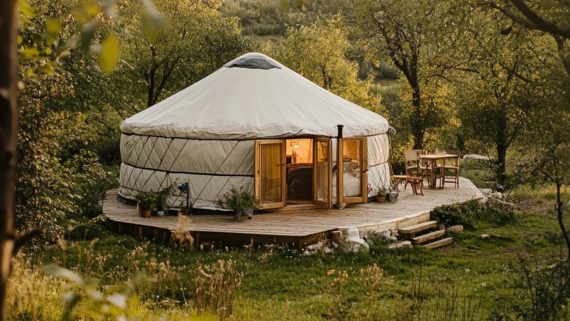
  • Yurt Stays vs Traditional Camping: Which Experience Is Right for You?

    Yurt Stays vs Traditional Camping: Which Experience Is Right for You?

    Are you planning a getaway where you can enjoy the great outdoors? Ultimately, it all depends on your tolerance for comfort and reliance on Mother Nature to provide what you want. On one hand, there is traditional camping; tents, sleeping bags, and lots of work to be done before fun can be had. On the other hand, there’s glamping; tents in the forms of yurts, complete with beds (and electricity, sometimes). While both get you outside, the experiences are worlds apart.

    It’s not about which one is better; it’s about which one meets your needs. Those who want simple adventure will answer one way. Those who want nature but want to sleep and stay warm will answer another.


    Set-up and Breakdown

    Traditional camping means you put it all together. Tents must be pitched, sleeping pads rolled out, camping chairs set up, and gear organized. This is the appeal for some; the ability to construct a makeshift home from nothing provides a sense of satisfaction. For others, it’s just added work before relaxation can be had.

    Yurt stays negate this entire situation. You arrive and the structure is there. You walk in and everything is ready to go. There’s no issue with wind holding up the assembly of tent poles or forgetting a stake. This is more critical than most people think as people rarely arrive at their destination early enough to account for bad weather or long drives.

    Also, there is a different method of leaving. With traditional camping, everything must be repacked and that usually occurs when things are damp or dirtied. With yurts, people need only take their personal belongings and leave. The difference in mental exertion is substantial.


    Sleeping Conditions

    Let’s be honest – sleeping in tents is not comfortable. Even if you have nice sleeping pads and make your tent as comfortable as possible, you’re still sleeping on the ground. Heat and cold are up to Mother Nature to control. The smallest sounds seep through porous materials. Condensation from the morning dew drips in your face; you either wake up stiff or soaked through.

    Yurts often have real beds with real mattresses; this makes all the difference. Elevated off the ground, insulated from the cold and formed more adeptly than a traditional tent, yurts provide sleep advantages not found elsewhere. Waking up actually rested as opposed to stiff and cranky contributes to a quality trip.

    Temperature control is another major factor. While tents have no insulation at all (save a good sleeping bag), yurts have insulated walls and many others come with heaters of wood or electric variety. This distinction is important overnight when the temperature drops – what was once optional becomes necessary when people’s comfort levels are on the line.


    Weather Issues and Reliability

    Traditional camping is weather-permitting. Rain complicates things. Wind knocks tents askew and keeps campers up all night. Extremes of temperature pose exertion tests instead of relaxing escapes. Veterans know how to combat these challenges, but it takes consistent adjustment and sometimes just plain stubbornness to make it through.

    Yurts are much better equipped for weather. Rain becomes a sound on top of a roof instead of an immediate concern about wet fabric. Wind is something observed from the inside rather than a potential threat to topple something over; trusted providers like Beyond Yurt provide those things that prevent doors from blowing off their hinges in high winds – guests can enjoy storms from inside instead of dreading being outside.

    This reliability translates into trip planning as well; with traditional camping, bad weather can put a damper on the weekend (no pun intended). With yurts, not only might the same precipitation aid in aesthetic appeal but there’s nothing quite comforting than being cozy while Mother Nature does her thing outside.


    Nature Engagement

    Here’s where traditional camping actually makes a fair argument; with tent camping, there’s an immediacy that no yurt can replicate. You’re down at ground level, exposed to sounds, smells, and other things more acutely than in a separate structure. When one opens the zippers in their tent upon sunrise, they’re literally right there.

    Yurts create separation; one is surrounded by nature and gets great views through windows but there’s no literal cover over one’s head instead of a yurt’s top structure. For some travelers, this defeats the purpose entirely; for others, it’s the best of both worlds – connected during daylight hours and comfortably separated at night.

    The reality is that both experiences provide peace through nature connection but in different ways; one is almost forced into the immersion of traditional camping (whether they want it or not) while yurts allow one to determine how engaged they want to be which makes it far easier for those who otherwise get overwhelmed by constant outdoor exposure.


    Cost Factors

    Traditional camping costs less – substantially less, in some cases. Campgrounds cost per night anywhere from free to $30-$40 at most. Ultimately, people pay for food and gear (with the understanding that gear will be used more than once). For someone who already has camping gear at their disposal, a weekend trip may cost $100 at most.

    Yurts rarely dip beneath $100-150 per night or higher depending on the location and amenities available inside. An additional arbitrary fee may be mandatory adding investment potential per stay. However, there’s additional comfort so what isn’t gained in convenience may be made up for comfort.

    This begs the question of whether it’s worth it for what people get in return. For those who merely sporadically travel outside and don’t want to pay for camping gear, getting a yurt is much more affordable long-term. For those who consistently camp with resources available, it’s harder to justify comfort over personalization unless comfort trumps requirements.


    Skill Level Required

    Traditional camping has skills associated with it – tent construction skills (so they don’t blow away overnight), camp management knowledge (how far away should food be?), cooking outdoors (any experience?), appreciating wildlife (both observing and avoiding) – the learning curve makes first-time traditional campers novices who struggle with basic tasks veterans don’t even bat an eye about anymore.

    Yurts are much more accessible without skill or complex access required. Families with young children, older travelers or anyone with mobility issues can enjoy outdoor accommodations much easier than if they were tasked with pitching their own tent and making food.

    This grants an entire group of individuals opportunities to appreciate outdoor accommodations that otherwise wouldn’t be possible without proper accessibility considerations.

    No one should ever look down on someone who prioritizes accessibility over authenticity. Not everyone needs to prove their status as outdoorsmen by suffering through discomfort with hopes for mastery later down the road; sometimes just being outdoors, breathing fresh air, and sleeping out (instead of at home) is enough appreciation.


    What Ultimately Matters Most

    Ultimately it comes down to personal preference for what choice is right for you – the best one! If you prefer a challenge and making due with necessity, make your tent as comfortable as possible while feeling the pride of self-sufficiency afterward, traditional camping makes sense; if you’d rather have an outdoor experience without sacrificing quality sleep and basic comforts of home in addition to exorbitant travel fees, yurt accommodations make far more sense.

    Consider your group as well; if it’s mixed abilities, yurt stays are ideal; if everyone is used to being outside all day every day, then yurt accommodations will feel too tame…even seasoned outdoor enthusiasts might enjoy yurt accommodations if they’d like but they wouldn’t have the same level of awe compared to someone out in nature in a traditional setting.

    Consider the weather too; if you’re going in summer in areas where traditions aren’t hot or unbearably cold (with high humidity), then yurt fees render them useless as there’d be no difference other than convenience for setup – however, when winter hits or sporadic surprises are involved, a solid shelter option likely trumps anything other than overheated stubbornness to avoid packing everything away until spring.

    The beauty is that both options have their merits at different times – they fill different roles based on what someone wants to do effectively; sometimes you want simplicity stripped down and other times you want outdoors but also want quality sleep and warmth – there’s nothing wrong with each option – but they’re two different tools for different jobs.

    Ultimately, those who appreciate outdoor adventures most are ones who take advantage of accommodations that best suit their needs instead of what they think they’re missing out on instead of their values – it’s about preference!


  • How Travel Agencies Enhance Cultural Immersion Experiences

    How Travel Agencies Enhance Cultural Immersion Experiences

    Modern tourists do not need the usual sightseeing tourism, they want to experience genuine relationships with the local communities, their culture and traditions. Travel agencies have changed the process of hotel and flight booking and turned into the cultural designers who structure immersive experiences to make the vacations meaningful journeys. Such professional people open the gateway to authentic cultural experiences and leave memories that are far more likely to last than destination photography and tourist attractions.


    Moderating Real Local Experiences

    The professional travel agencies use intimate knowledge about their destinations to connect with the real cultural experiences of their destinations. They do not follow generic group tours but organise a meeting with artisans, local historians, and leaders in communities. Agencies organize cooking workshops with local chefs in family kitchens, traditional craft workshops and neighborhood walking tours with residents. This insider experience shows the real life of communities not with the glossy layers produced to be seen in mainstream tourism. The travel agencies have contacts with the local guides and cultural leaders and keep the visiting travelers exposed to their authentic traditions and not the ones that are commercially packaged to impress the visitors.


    Planning Customized Itineraries

    Tours that fit all have very low chances of giving significant cultural experiences. Travel agencies are the professional ones that create tailored itineraries that are according to their individual interests, learning objectives and the styles of traveling. Travelers may desire to visit religious rituals, to learn about traditional music, to study local cuisine, to be informed about historical stories and the agencies create such experience. This customization will make each day meaningful in terms of cultural learning instead of just checking items on a list. The agencies factor in the speed of the traveler, physical capabilities, language choices, and comfortability, and build trips that do not seem tiring but meaningful to them.


    Languages and Communication Aid

    Real cultural ties are usually hampered by language barriers. Travel agencies are filling this gap with the help of organizing professional interpreters or attaching language preparation materials. Some of them provide language coaching before the trip, and thus the travelers are capable of having meaningful discussions other than saying hello and thanks. Interpreters do not simply translate the words, they interpret cultural context, humor and local references that will help to better understand. This communication support allows traveling to ask questions, stories, and establish real relations with the local population. The agencies also train the travelers on cultural etiquette, so that they can relate well with them respecting the culture and traditions.


    Developing Significant Community Relationships

    Extraordinary travel agencies are known as the agencies that help in bridging the gap between the travelers and the local communities in the form of homestays, volunteer programs and cultural exchange. The travelers may also be housed in a local family rather than being isolated in a hotel, they will share meals and daily activities. These set ups generate natural bonds that make the participants and hosts more enriched. Others facilitate volunteer activities they may include teaching English or helping in environmental conservation or community construction projects so that travelers can learn as they give back. 

    When you visit websites such as shaibarilan.co.il, you will see how specialized travel agencies build relationships with communities all over the world and provide people with an opportunity to experience each other culture and understand each other.


    Offering Cultural Background and Education

    Travel is not about going to locations but knowing about them. Pre-trip education materials such as history, politics, social issues, and cultural dynamics are offered by professional agencies. Tourists come with background knowledge that adds depth to their experiences and discoveries. On the trips, organizations organize lectures by professionals, documentaries, and discussion groups which enhance the knowledge. This learning base is turning the visit into learning cultural content and it is what people carry on as they head on to the tour.


    Embracing Responsible Tourism

    The cultural immersion requires ethics that value the integrity of the community. Travel agencies use responsible tourism practices which means that the impact of the visitor to the local community positively influences them instead of exploiting them. Cultural authenticity is preserved by the fair payment of guides and local partners, small groups, and the respect to the sacred sites and rituals. The agencies also inform tourists on how they can be responsible in order to avoid the ecological and social deterioration that mass tourism usually causes.


    Conclusion

    Cultural immersion travel agencies turn vacations into life-changing events. These professionals design trips that respect cultures and add value to the views of travelers through genuine local experiences, custom-made itineraries, language assistance, and the learning experience. In a more and more globalized world, culturally immersive travel creates empathy, insight, and real appreciation among human difference. Travel agencies do more than just do the logistics, they act as cultural ambassadors facilitating meaningful world connections.


  • Where Convenience Meets Modern Comfort for Travelers

    Where Convenience Meets Modern Comfort for Travelers

    Skip the city-center commute and regain time. If you’re landing late or taking off early, finding the perfect hotel means minimizing transfers and maximizing rest. Proximity reduces stress—you’re minutes from check-in, security, and your gate, so plans stay simple. Modern rooms and reliable amenities mean you focus on your trip, not logistics. Value is clearer when you count saved taxi fares and extra sleep. Bottom line: convenience and comfort meet right where you need them—that’s what Hotel Stáció provides for travelers.

    What is the real transfer time?

    Measure travel in minutes, not miles. From the airport district, reaching Terminal 2 typically takes only a short transfer window—ideal when every minute before boarding matters. Predictable timing beats traffic-prone routes, helping you keep connections calm and smooth. Clear signage and straightforward routes reduce friction if you’re traveling with kids or heavy luggage. Flight changes feel less daunting when your base is near the terminal. In practice, “next to the airport” means faster departures and easier arrivals.


    What does “early check-in, late check-out” mean for today’s travelers?

    Flex windows protect your sleep and schedule. Early check-in can absorb red-eye arrivals, while late check-out supports afternoon flights and meetings. You unpack once and relax, instead of killing hours in crowded halls. Front-desk coordination matters, so share your ETA early to align housekeeping and room readiness. These extras are trip-savers for jet-lagged travelers and families. In short, flexibility converts downtime into real rest.


    How does the wellness & spa help you reset between flights?

    Recovery starts with ritual. A quiet swim or sauna session settles body clocks better than another coffee. Gentle movement, warm water, and calm lighting cue your nervous system to downshift. Wellness areas double as focus zones, helping you think clearly before a presentation or a long drive. Hydration and unhurried pacing beat the rush of terminal life. Treat the spa as a reset button between takeoff and touchdown.


    Which room types fit a family-friendly airport hotel stay?

    Match the room layout to your itinerary. Families often benefit from interconnecting rooms or larger configurations, keeping bedtime smooth and packing easy—thoughtful storage and charging points tame device chaos before and after flights. Cribs, extra bedding, and clear policies reduce guesswork at the door. Choose the setup that supports how your group actually moves.


    What dining and on-site conveniences make a short stay smoother?

    On-site breakfast keeps mornings predictable. When departure times shift, having food downstairs beats searching unfamiliar streets. All-day snacks and coffee help with odd-hour arrivals. A practical lobby layout—seating, plugs, Wi-Fi— turns waiting into productive time. Clear information on local transport and rides prevents last-minute scrambles. For a stay that “just works,” keep amenities within arm’s reach in your Budapest airport hotel—such as Hotel Stáció.


    When is a hotel the smartest base for city breaks and layovers?

    Use the airport area as a strategic hub. If you’ve got a tight layover, you’ll rest more and worry less close to BUD, then dip into the city when time allows. For early tours or late concerts, staying near the airport simplifies both ends of the day. Weather delays and schedule changes are easier to handle when your bed is close to your next flight. Link your plans to transit nodes, not just sights. That’s smart travel math.


    What should you know before booking—policies, tips, and quick FAQs

    • Confirm transfer details and timing first.
    • Ask about exact pick-up points, overnight availability, and early-morning coverage.
    • Share flight numbers so reception can anticipate late arrivals.
    • Check room features that matter to you—blackout curtains, desk space, or a bathtub for kids.
    • Note flexible rates vs. advance purchase if your plans might change.
    • Finally, keep your essentials handy (chargers, meds, IDs) so check-in stays quick and calm.

    If you want a seamless stay in a Budapest airport hotel, Hotel Stáció remains a dependable choice.


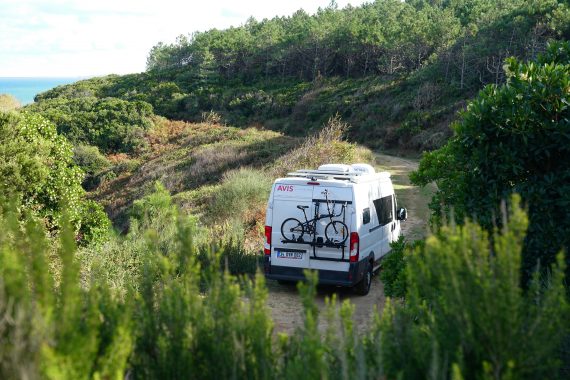
  • How to Plan a Family Road Trip Without the Stress

    How to Plan a Family Road Trip Without the Stress

    A road trip with the whole family can be an amazingly rewarding way to spend a few days. But at the same time, there’s the potential for stress – especially if you’ve failed to prepare for what’s coming. Let’s take a look at how you might plan the experience, and thereby make life easier for everyone.


    Set the Direction: Define Your Trip Vision

    Every element of your trip should hang off a basic framework. Set the parameters in advance, and you’ll be able to more easily avoid straying beyond them. You’ll be able to define what a great trip looks like to you and your family, and then choose your destination and time on the road accordingly. This will also allow you to keep your expectations realistic.


    Choose the Right Motorhome Setup & Pack Smart

    The success of your motorhome trip will often depend on vehicle itself. When every element comes together smoothly, the entire experience will be much more pleasant. Make sure that the storage, beds, and general layout are acceptable, and then move on to packing concerns.

    A list of essential supplies might be worked through, box by box. A first aid kit, plenty of phone chargers, cooking utensils and spare bedding might all come in handy. Compose a checklist, or modify one that you find online, and then work your way through it.


    Plan the Route & Make Time for Stops

    When you understand the route and where you’ll be going, it will often be much easier to deal with the problems you encounter along the way. Decide on your destinations, then plot the route. Make sure that you leave time for diversions, and that you’re familiar with any alternative routes you might need to take. It’s usually a good idea to book your accommodation, including campsites, well in advance – especially during summer, when spots are in high demand.


    Manage Budget, Safety & Documentation

    Getting the trip right will often mean getting your budget in order. Factor in all of the expected costs, like fuel, campsite fees, and toll roads. But make sure that you also have spare cash to deal with unexpected costs.

    Before you set out, you’ll want to perform a few basic checks to ensure that the vehicle is in good shape. Check the tyres, lights, and brakes, and ensure that your motorhome insurance is in date.


    Keep the Family Engaged & Flexible On-the-Road

    When the family is cooped up in a vehicle for a long period, you’ll get a chance to bond like never before. But while you’re on the road, you might choose to resort to screen time in order to keep everyone sane. Make sure that there’s time to stop off and stretch your legs, and for spontaneous distractions. Part of the fun of a road trip is the chance it gives you to explore, so leave yourself with the opportunity to do it!


  • The Outdoor Equipment That Pays for Itself

    The Outdoor Equipment That Pays for Itself

    Outdoor gear can get expensive fast. Walk into any camping or outdoor store and it’s easy to drop hundreds of dollars on equipment that promises to enhance adventures, improve comfort, or increase safety. But here’s the thing—a lot of that gear ends up used once or twice before being shoved into a closet or garage where it collects dust for years.

    The equipment that actually pays for itself is different. It gets used regularly, lasts for years, and provides value that far exceeds the initial cost. These are the items that people reach for constantly, that solve real problems, and that prove their worth over and over. Understanding which gear falls into this category versus what’s just clever marketing saves money and reduces clutter.

    The difference often comes down to versatility and build quality. Gear that only works in one specific situation rarely gets used enough to justify its cost. Equipment that breaks after a few uses obviously doesn’t pay for itself no matter how cheap it was initially. The sweet spot is durable, versatile gear that solves problems people actually encounter regularly.


    Lighting That Goes Everywhere

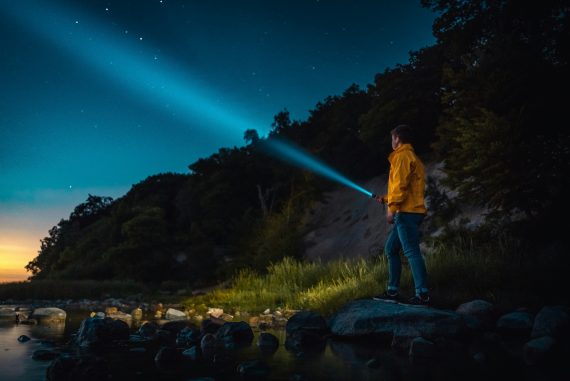
    Quality lighting equipment might be the best example of gear that pays for itself through constant use. Not the massive spotlight that gets pulled out twice a year, but reliable, portable lights that handle everything from nighttime walks to power outages to camping trips to car repairs.

    The key is versatility and reliability. A light that works in multiple situations gets used far more than specialized equipment. One that turns on every time it’s needed, regardless of weather or how long it’s been sitting unused, proves its value during emergencies and everyday tasks alike. When searching for dependable options, the best flashlights combine durability with practical features that suit various situations rather than just maximum brightness.

    People who invest in quality lighting use it constantly in ways they didn’t initially anticipate. Looking for something that rolled under the car. Checking the attic or crawl space. Walking the dog after dark. Reading when camping. Navigating during power outages. Each use adds value, and over years of reliable service, even an expensive light costs pennies per use.

    The alternative is constantly buying cheap lights that fail when needed, eat through batteries, or break after minimal use. That cycle of replacement actually costs more over time while providing worse performance when it matters most.


    The Backpack That Handles Everything

    A truly good backpack might seem expensive initially, but the cost per use over a decade of service makes it one of the best gear investments. The key is finding one that’s comfortable, durable, and sized appropriately for actual use rather than worst-case scenarios.

    The mistake people make is buying either too cheap or too specialized. The $20 backpack falls apart after one season. The $400 technical mountaineering pack sits unused because it’s overkill for day hikes and weekend trips. The middle ground—a well-made pack from a reputable manufacturer designed for general outdoor use—gets used for years across countless activities.

    This applies to daypacks for hiking, larger packs for camping trips, and even quality travel backpacks. The ones that pay for themselves are comfortable enough to use regularly, tough enough to handle rough treatment, and practical enough to work for multiple purposes. They become the default choice for outdoor activities, travel, and even everyday use.


    Clothing That Performs Season After Season

    Quality outdoor clothing represents another category where spending more upfront saves money long-term. Not fashion-focused outdoor wear, but functional pieces that regulate temperature, shed water, and hold up to repeated use and washing.

    A good rain jacket used for years costs less per wear than cheap rain jackets replaced every season. Quality base layers that wick moisture and regulate temperature work for hiking, camping, winter sports, and even everyday wear. Durable hiking pants or shorts that don’t tear, fade, or lose their water resistance after a few trips outlast multiple cheaper alternatives.

    The challenge is distinguishing genuinely durable, functional clothing from expensive gear that’s more about brand names than performance. Reviews from people who’ve used items extensively matter more than marketing claims. Signs of quality include reinforced stitching, proven materials, warranties, and designs that prioritize function over fashion.

    People who invest in a core wardrobe of quality outdoor clothing often find they reach for these pieces constantly, not just during outdoor activities. A good fleece jacket works for hiking and running errands. Quality base layers serve as everyday cold-weather wear. Water-resistant pants handle rain whether someone’s on a trail or walking around town.


    Multi-Use Tools and Knives

    A quality multi-tool or knife might seem like a luxury purchase, but people who carry one daily quickly realize how often it gets used. Opening packages, making repairs, cutting cord, tightening screws, opening bottles—the list of small tasks that a good multi-tool handles is surprisingly long.

    The equipment that pays for itself here is tough enough to handle actual work without breaking, comfortable enough to carry daily, and useful enough to reach for regularly. Cheap multi-tools with loose joints, dull blades, and tools that don’t work well frustrate users and end up abandoned. Quality tools become everyday carry items that solve dozens of small problems.

    The same applies to knives for outdoor use. A reliable knife that holds an edge, opens easily, and handles everything from food prep to gear repairs gets used constantly. The expensive knife that’s too precious to actually use or the cheap knife that dulls immediately both fail to provide value.


    Water Filtration and Hydration

    For people who spend time outdoors regularly, quality water filtration and hydration equipment pays for itself quickly. This could mean a good water filter for camping and hiking, quality water bottles that don’t leak or break, or hydration bladders that actually last more than a season.

    The value comes from reliable access to clean water during outdoor activities without buying disposable bottles or risking illness from untreated sources. A water filter that costs $40 but lasts for years and processes thousands of liters pays for itself many times over compared to buying bottled water or dealing with cheaper filters that clog or break.

    Similarly, durable water bottles that don’t leak, retain temperature, and survive being dropped or thrown in packs provide value through years of daily use. The cheap bottle that leaks in a backpack or cracks after a few months costs more in the long run despite its lower initial price.


    Sleeping Systems That Last

    For anyone who camps regularly, quality sleeping equipment—pads, bags, quilts—represents a worthwhile investment. The difference between sleeping comfortably and sleeping poorly affects enjoyment of outdoor activities significantly, and good sleep gear lasts for many years of use.

    A quality sleeping pad that provides actual insulation and cushioning, packs down reasonably, and doesn’t puncture or leak makes camping more pleasant. Using it dozens of times over multiple years reduces the per-use cost to minimal levels. The cheap pad that provides poor insulation, develops leaks, or becomes uncomfortable ensures bad sleep and frequent replacement.

    Sleeping bags or quilts follow the same pattern. Quality options with appropriate temperature ratings, durable materials, and good construction last for years of camping trips. They pack efficiently, maintain loft over time, and continue providing warmth season after season. The budget option that loses loft, develops cold spots, or tears easily ends up replaced repeatedly.


    What Actually Matters for Value

    The outdoor equipment that truly pays for itself shares common characteristics. It’s durable enough to last for years of regular use. It’s versatile enough to serve multiple purposes rather than one narrow function. It’s reliable enough to work when needed without constant maintenance or replacement. And it’s appropriate for how someone actually spends time outdoors rather than aspirational activities that rarely happen.

    The $500 tent used for two camping trips over five years doesn’t pay for itself. The $200 tent used fifty times absolutely does. The specialized technical jacket for alpine mountaineering sits unused by someone who day hikes. The quality rain jacket used year-round in various conditions proves its value constantly.

    Making smart gear choices means honestly assessing what equipment will actually get used regularly versus what sounds good but will collect dust. It means investing in quality for gear that sees frequent use while saving money on items that serve occasional needs. And it means recognizing that sometimes spending more initially results in lower long-term costs and better performance over years of use.

    The best outdoor equipment isn’t necessarily the most expensive or the most technical. It’s the gear that gets used constantly, lasts for years, and provides consistent value through reliability and versatility. That equipment doesn’t just pay for itself—it enhances every outdoor experience along the way.


  • Flavours That Remind You to Keep Exploring

    Flavours That Remind You to Keep Exploring

    Some flavours don’t just linger on your palate — they stay with you for years, tucked away in the corners of memory, ready to reawaken your curiosity with a single bite. It’s not just about taste, but about the places we’ve been, the people we’ve met, and the stories we’ve gathered along the way. And sometimes, a single spoonful can be a quiet reminder that the world is still full of secrets waiting to be uncovered.

    Why We Travel Through Food

    There’s something about paprika – not the bland supermarket kind, but the deep, smoky essence of it – that does this every time. It whispers stories of bustling markets and Sunday kitchens, of time-honoured recipes and unexpected friendships. We often think of travel in terms of landscapes and monuments, yet so much of our journeying happens through food. A new dish can be the reason we step out of our comfort zone; a familiar taste is the reason we keep moving.

    Where Curiosity Finds Its Table

    It’s this quiet urge to explore that led us, more than once, to seek out a Hungarian restaurant Budapest could proudly call its own, not merely for a meal, but for a taste of tradition that still knows how to surprise. The first time, it was a bowl of goulash so rich and layered it felt like a short story in itself. Next, a chimney cake so sweet and fragrant it brought with it a sense of celebration. Each time, the kitchen offered something that felt both known and brand new.

    Tradition That Dares to Play

    In a world saturated with fusion, reinvention, and speed, authenticity has become a rare luxury. Yet, authenticity doesn’t mean static. The best culinary experiences are often the ones that respect tradition while still daring to play. It’s what we found again and again when sitting down at a Hungarian restaurant Budapest locals would recommend with a knowing smile. These are not just places to eat – they’re places that celebrate history, creativity, and the sheer joy of sharing food.

    Flavours That Open Doors

    Some flavours demand to be explored, not explained. Fermented pickles with their sharp tang. Creamy túrós csusza balanced with smoky bacon. The delicate crispness of lángos, especially when enjoyed fresh from the fryer, at a festival or a riverside stand. Every dish becomes a portal – to childhood, to heritage, to a place we’ve never been. And the best part? These tastes are always evolving, depending on where we find them and how open we are when we arrive.

    When a Dish Becomes a Memory

    Memory, after all, is a funny thing. We think we remember places, but more often, we remember how those places made us feel. And food, with all its richness and comfort, becomes a vessel for that emotion. It’s not just the gulyás we recall, but the warmth of the place, the laughter between bites, the clink of glasses raised to nothing in particular – just to be there.

    Letting the Table Lead the Way

    Curiosity, too, can be cultivated at the table. Sometimes, the most surprising dish isn’t the flashiest, but the one we almost overlooked. A simple stew. A slice of Dobos cake. A sip of pálinka that warms from the inside out. These are the reminders: to slow down, to pay attention, to appreciate craftsmanship. To choose a side street over a main road, a small family-run eatery over the usual crowd. And perhaps most importantly, to remain open to surprise.

    Exploration Is Always On the Menu

    Travel doesn’t always require a plane ticket. Sometimes it’s enough to book a table at a Hungarian restaurant Budapest offers just a few blocks from where we live in Hungary’s capital. To sit down without expectations. To try something new. Or to return to a dish we’ve loved before, only to find it has changed – or we have.

    The Flavour of What Comes Next

    Flavour is a form of storytelling, and the best stories invite us in, let us stay a while, and gently nudge us to keep going. Some tastes fade, others endure. But the ones that matter most? They remind us that exploration is never truly finished – it’s simply waiting for the next course.


  • Top Holiday Ideas In Portugal

    Top Holiday Ideas In Portugal

    If you’re looking for a holiday destination that has something for everyone, Portugal is a great place to go. Whether you are wanting a trip away with friends, a romantic break with your other half, or perhaps a solo trip, there are so many reasons to add it to your list. A lot of people know Portugal for the Algarve and the coast, but while this is a fantastic reason to visit, there are plenty of other great things to do there as well.

    In this article we take a look at a handful of different holiday types that Portugal is perfect for. Keep reading to find out more and get inspired.


    Go on a leisure & coastal getaway

    Explore sun‑soaked Algarve beaches, UNESCO sites in the Algarve and Alentejo, and UNESCO-listed cities like Évora and Elvas, both of which are great for relaxing, sightseeing, or family fun. The Costa Verde and Minho regions offer cooler lush escapes perfect for scenic coastal walks and birdwatching and you want to take the time to immerse yourself in the wildlife and see the beautiful sights. Be sure to pack mosquito spray, a water bottle and bring a picnic lunch as you will find so many stunning places to eat al fresco surrounded by nature.


    Cultural & historical tourism

    Visit Lisbon’s pastel‑adorned quarters with medieval hill towns like Sintra and Tomar, Óbidos with its castle walls, and Porto’s tile‑clad architecture and wine cellars. Portugal is a real gem of a place for cultural and historical things to do, so you want to make the most of every moment.

    Make a note of all the things you want to see before you go and decide if you want to stay in one destination, or if you want to make more of a road trip out of it. This can depend on your budget, where you want to go, the time of year and how slow or fast paced you want the trip to be.


    Take a walking holiday

    Portugal is a walker’s dream, offering diverse landscapes that vary by region. If you want to be at one with nature and see the best of Portugal in a more unique way, a walking holiday in Portugal is an effortless choice. Orbis Ways is a recommended company who can help you book every element of your trip and have excellent 5* ratings.

    Some walking holiday ideas include:

    • The Algarve & Alentejo: Rota Vicentina (Fishermen’s Trail)

    A dramatic coastal path along rugged cliffs, beaches, and traditional fishing villages. Routes typically cover 15–25 km per day, with luggage transport for self‑guided trips.

    • Camino Português (Portuguese Way)

    Pilgrimage routes starting in Porto or Lisbon that lead to Santiago de Compostela. Choose the Coastal Way or inland Central Way, ranging from ~260 km (Porto) to ~620 km (Lisbon).

    • Madeira: Levada Trails & Mountain Paths

    Island hikes along levadas (irrigation channels), through lush forests, waterfalls, and up to Pico Ruivo, Madeira’s highest peak. These small‑group guided trips offer dramatic volcanic terrain.


    Portugal is a really great place for nature, food, drink and things to do. Consider what sort of trip you want before you go and book your activities well in advance.


  • What to do if your flight is cancelled

    What to do if your flight is cancelled

    There’s nothing like the buzz of arriving at the airport, suitcase rolling behind you, boarding pass in hand – only to glance up at the departure board and see that dreaded word: cancelled

    Whether it’s due to weather, mechanical issues or air traffic control disruptions, cancelled flights are an unfortunate reality of modern travel. But with the right mindset and a few practical steps, you can turn a frustrating delay into an unexpected adventure. Here’s what to do if your flight is cancelled.

    1. Act Quickly, But Stay Calm

    The first few minutes after a cancellation are crucial. Everyone around you will be scrambling for solutions, and acting fast can mean the difference between a same-day rebooking or a hotel voucher… or a long night on the airport floor.

    Immediately open your airline’s app or website. Many major carriers now allow you to rebook right from your phone. While you’re doing that, get in line at the service desk—and if you’re traveling with someone, divide and conquer: one stays in line while the other calls customer service.

    Tip: Use social media to reach your airline. Some travelers report faster responses via Twitter/X or Facebook than by phone.

    2. Know Your Passenger Rights

    Passenger rights vary by country and airline, but knowing the basics can give you leverage. In the U.S., airlines are not legally required to compensate for canceled flights caused by weather, but if it’s a mechanical issue or staffing problem, you may be eligible for compensation or accommodation.

    In the European Union, under EU Regulation 261/2004, passengers may be entitled to meals, hotel stays, and up to €600 in compensation, depending on the length of delay and distance of flight. Canada and the UK have similar regulations with canceled flights and Airhelp are a recommended online service that allow airline passengers to seek compensation for flight cancellations, delays or over bookings.

    Tip: Take note of the reason given for the cancellation—it can determine whether you’re owed compensation.

    3. Ask About Alternatives

    When rebooking, be flexible. Ask if the airline can rebook you on a partner airline or a different route. If you’re flying with a major alliance (like Star Alliance, SkyTeam, or Oneworld), there may be multiple options they won’t initially offer unless you ask.

    Also, don’t overlook nearby airports. A flight into or out of a neighboring city might get you on your way sooner.

    Tip: Use Google Flights or Skyscanner to see what flights are actually operating—this gives you more power when negotiating with agents.

    4. Secure Food and Accommodation

    If your flight is cancelled overnight, ask the airline for a hotel voucher and meal credits. Even if they say they’re not responsible, push politely. They may offer something as a goodwill gesture.

    If the airline offers nothing and you’re stuck, consider using hotel booking apps like HotelTonight or Booking.com for last-minute rates. Many airport hotels also offer free shuttles.

    Tip: Save all receipts—some airlines or travel insurance plans will reimburse your out-of-pocket costs later.

    5. Contact Your Travel Insurance Provider

    If you purchased travel insurance (or if it’s included with your credit card), contact them as soon as your flight is cancelled. Policies often cover delays, cancellations, and unexpected accommodation costs.

    Not sure if your credit card offers travel protection? Most premium cards like Chase Sapphire Preferred, Amex Platinum, and Capital One Venture X offer robust travel interruption coverage.

    Tip: Keep documentation of your cancelled flight, including emails, text alerts, and photos of the departure board.

    6. Make the Most of the Delay

    Being stranded doesn’t have to be a total loss. If you’re stuck for several hours or overnight, look into exploring the local area. Many airports are connected to city transit, and a few hours can be enough to try a new cuisine, visit a museum, or catch a sunset.

    If leaving the airport isn’t possible, get creative. Catch up on reading, write postcards, binge that series you’ve been meaning to watch, or sample local snacks in the terminal. Some international airports even have spas, lounges, or art installations worth checking out.

    Tip: Many airport lounges accept day passes or credit card access. A hot shower, buffet, and Wi-Fi can turn your delay into a mini-retreat.

    7. Learn for Next Time

    Flight cancellations can be disruptive, but they’re also learning experiences. For future trips, consider booking earlier flights (which are less likely to be cancelled), avoiding tight connections, and keeping an emergency essentials kit in your carry-on (think charger, snacks, toiletries, a change of clothes).

    Better yet, consider building in buffer days into your itinerary if your travel plans hinge on time-sensitive events.

    In Summary

    While a cancelled flight can feel like the end of the world, especially after months of planning, it doesn’t have to ruin your trip. Stay calm, act quickly, know your rights, and embrace the detour. Who knows—you might just end up with a travel story better than the one you originally planned.


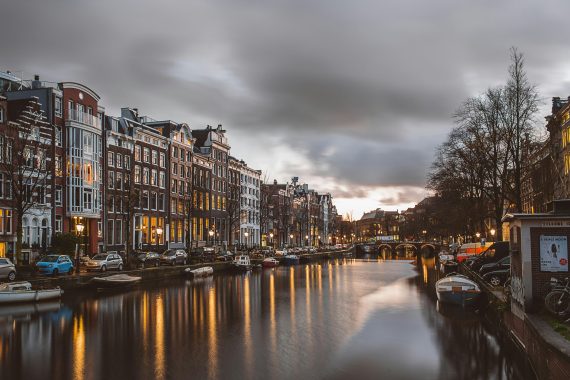
  • Amsterdam Beer Bike vs. Traditional Tour: What’s the Real Difference?

    Amsterdam Beer Bike vs. Traditional Tour: What’s the Real Difference?

    Amsterdam is far more than conventional museums, canals, and endless bicycles. It is a deep, vibrant, layered city full of contrast and surprise, even when it comes to how you explore it. While standard city tours stick to the traditional script and well-known historical facts, the Amsterdam beer bike completely rewrites the experience. At first, it might just look like a bike with a bar, but in reality, it is a dynamic blend of sightseeing, socialising, and celebration. So, what makes it different and popular, and why are so many modern travellers choosing beer bikes over old-school guided tours?

    In an era where travellers seek genuine emotions and shared moments, the Amsterdam beer bike delivers exactly what they need. Rather than memorising complicated historical timelines, you feel the pulse of the city through pleasant movement, cheerful laughter, and the joy of being present.


    1. From Passive Viewer to an Active City Explorer

    Standard tours position you as a passive onlooker, as you are required to follow the route, always listen to a guide, and snap a few obligatory photos near famous landmarks. It is informative, for sure, but often lacks basic emotions. A ride on the Amsterdam beer bike flips that concept upside down. You pedal alongside friends, choose your tempo, turn up your party playlist, and see the city come alive around you. You shape the experience yourself, and every pedal stroke adds to the story.


    1. Some Spontaneity Over Scripted Speech

    Guided tours follow a set script, led by someone reciting impersonal facts. The Amsterdam beer bike replaces the formal voiceover with a real human connection. You chat, laugh, raise glasses, and even exchange smiles with curious locals. No wonder beer bike rides are such hits for birthdays, stag events, and friend groups looking to add energy to their day.


    1. The Route Is Yours to Shape

    Unlike tightly timed walking or bus tours, the Amsterdam beer bike gives you more flexibility. Do you want to pause for a group photo near a scenic canal? Ask the driver to make a stop. Or do you want to take a slower pace through a charming neighbourhood? No problem. With the city unfolding around you at street level, you are fully immersed in the sensory experience: the sounds, the breeze, and the energy of the streets.


    1. Safe, Comfortable, and Fun

    Some might think you can’t combine safety with fun. That is where the Amsterdam beer bike tours prove otherwise. A trained, sober driver takes care of steering and navigating, leaving you free to relax and enjoy the moment. The bike is equipped with a canopy to shield you from sudden rain and even features a built-in sound system. Whether it is bright sunshine or pouring rain, you stay comfortable without sacrificing the outdoor vibe.


    1. You are Filled With Emotions

    Traditional tours might leave you with trivia, but the Amsterdam beer bike fills you with feelings and emotions. A year later, you may not recall the date that statue was built, but you will remember the clink of glasses, the spontaneous, friendly laughter, and how it felt to cruise the city with friends. This isn’t just sightseeing, it’s memory-making at its best.

    Trying to compare a traditional guided tour with a beer bike is like weighing a lecture against a night out with friends: both have their pros and cons, but only one brings the city to life. The beer bike invites you into the story, adds rhythm to your exploration, and wraps sightseeing in music, movement, and human connection.


  • Your guide to spending a magical holiday in Turkey

    Your guide to spending a magical holiday in Turkey

    Turkey is a land of striking contrasts. Ancient ruins stand alongside bustling modern cities and stunning beaches sit against dramatic mountain backdrops. Whether you’re admiring the grandeur of the Hagia Sophia or unwinding by the warm Mediterranean coast, Turkey offers an unforgettable experience.


    Istanbul

    Istanbul sits at the intersection of Europe and Asia, merging the history of the Ottoman Empire with the energy of a contemporary city.

    Set off on a Bosphorus cruise to experience the capital from a different perspective. As you glide along the strait, you can spot the city’s iconic landmarks, from the towering Hagia Sophia to the majestic Topkapi Palace. Don’t forget to experience the heart of Istanbul at Taksim Square. Known for its lively atmosphere, it’s a great spot to soak up the energy of the city. Watch street performers and enjoy a local coffee.

    For an unforgettable night out, head to Ortaköy. This trendy district is famous for its chic cafes, bars and clubs, where you can enjoy delicious food and great cocktails while taking in spectacular views of the Bosphorus Bridge.

    Istanbul


    Cappadocia

    The ultimate way to take in Cappadocia’s otherworldly scenery is by hot air balloon. Rising at dawn, you’ll float above the valley, gazing down at the striking rock formations and ancient cave dwellings.

    Back on the ground, you can stay in a cave hotel for a truly unique experience. These accommodations are carved into the soft volcanic rock, creating a truly unique setting. While the outside may look ancient, the interiors are filled with modern comforts. Enjoy the quiet serenity of the region, with its peaceful atmosphere and striking scenery.

    Immerse yourself in the local culture by attending a traditional Turkish Night. Enjoy a delicious dinner of local dishes, then watch as performers take the stage, dancing to lively folk music. The rhythmic beats and colourful costumes make this a night to remember.

    Cappadocia


    Antalya

    Antalya is the jewel of Turkey’s Mediterranean coast. Relax on the golden sands of Antalya’s beautiful beaches, where the warm climate offers a perfect escape year-round. You might prefer the bustling resorts or quieter spots – either way, there’s no shortage of places to unwind and soak up the sun.

    End your trip with a spectacular fireworks display over the Mediterranean Sea – find a great vantage point on the beach or in one of the city’s rooftop bars to witness the stunning show.

    Antalya


    Tips for a memorable holiday

    Turkey’s popular destinations tend to get busy, especially in the summer months. To ensure you get the best accommodation and activities, it’s a good idea to book holidays to Turkey well in advance. This will save you time and allow you to secure the dates and experiences you want.

    While many people in Turkey speak English, learning a few basic Turkish phrases can go a long way in showing respect for the local culture. Learn simple greetings, such as “Merhaba” (hello) or “Teşekkür ederim” (thank you).

    The local cuisine is full of flavour, from the sizzling kebabs to the mouthwatering baklava. Don’t forget to indulge in a cup of Turkish coffee or tea to experience the local café culture. Respecting local customs is key to having a smooth and enjoyable trip. Dress modestly when visiting religious sites, such as mosques, and be mindful of cultural differences.


  • Why More Commuters Choose Electric Bikes Over Cars

    Why More Commuters Choose Electric Bikes Over Cars

    Electric bikes are becoming the go-to choice for daily commuting, weekend trips, and even grocery runs. They combine the freedom of cycling with the efficiency of modern technology. If you’re comparing options for your daily commute or want to reduce your car use, electric bikes could be your perfect match.


    What Makes Electric Bicycles a Great Choice?

    An electric bike supports your pedalling with motor assistance, making each ride smoother and faster. Most e bikes come with pedal assistance that helps you tackle steep hills without breaking a sweat. The standard speed limit for legal ebikes in the UK is 25 km/h with pedal assist. That’s enough for city traffic and short countryside rides.

    Modern electric bikes use lithium ion batteries that are lightweight and offer a decent range — ideal for trips to the office, the store, or out into the country. Some riders prefer a throttle, but most commuters opt for the simplicity of pedal assist for more control and safety.


    Choosing the Right E Bike for Your Needs

    There are several models to choose from. If you often travel with kids or groceries, an e cargo bike is a practical and cost effective solution. Love long rides and gravel roads? Look into gravel bikes or off road adventures with powerful motors and wide tyres. Prefer something light and agile? A lighter frame with a compact hub motor will suit your commuting needs.

    The perfect electric bike should match your riding experience and destination. For example, if you take public transport regularly, folding models help save time and space. For long, fast rides, make sure to check the maximum speed, disc brakes, and motor power.


    How to Test and Buy the Perfect Bike

    Don’t guess — test ride before you buy. A good shop will let you try different sizes and styles so you don’t overpay for a bike that doesn’t fit. Look for stores that stock your favourite brands, offer reliable servicing, and clearly explain the speed limits, battery life, and safety features.

    Price matters, but so does support. Research the warranty, repair services, and whether you can pay in instalments. Some retailers include basket options, frame styles, and accessories in the deal — others don’t.


    Explore More Options and Expert Help Online

    If you’re not sure where to start, visit CycleSuperStore.ie to browse a wide range of tested ebike models. Whether you’re looking for a high-performance mountain bike, a compact commuter, or a reliable e cargo bike, their team can provide expert advice to help you choose the right e bike. You’ll find bikes from top brands, clear specs on motor, battery, and range, as well as great value options that fit your lifestyle and budget. Save time, make smarter decisions, and find your perfect bike in just a few clicks.

    Before you buy, ask yourself: What type of terrain do I ride on? Do I need more power for hills? Will I be running errands or just heading to the office?


  • Beyond the Horizon: Exploring the Charms of Tenerife

    Beyond the Horizon: Exploring the Charms of Tenerife

    When you think of Tenerife, the image that often springs to mind is a sun-drenched island sprinkled with holidaymakers lounging by pools or on sandy shores.

    Step beyond the familiar resorts and you’ll discover a land sculpted by nature’s raw forces and a way of life shaped by centuries of history.

    Each part of the island invites you to explore in your own way, whether that means trekking up a volcanic peak or soaking up the pace of daily life in a quaint village.


    Navigating Tenerife’s weather

    The south generally enjoys warmer and drier conditions, perfect for sunseekers who want to bask on beaches or swim in calm waters.

    If you prefer cooler temperatures and greener landscapes, the north offers lush forests and dramatic coastlines, thanks to frequent mists and showers.

    To avoid disappointment, check weather forecasts for both regions before booking activities. If you plan a mountain hike up Mount Teide, pack layers. Temperatures can plunge sharply at altitude, even in summer.


    A deep dive into Tenerife’s gastronomy

    Rather than sticking to tourist menus, seek out family-run eateries, particularly in smaller towns. Here, you’ll find dishes like papas arrugadas – wrinkled potatoes boiled in salty water – paired with vibrant mojo sauces that perfectly balance spice and tang.

    Sampling fresh seafood is a must: grilled sardines and octopus often feature prominently. Visit local markets such as Mercado de Nuestra Señora de África in Santa Cruz, where you can taste cheeses, cured meats, and tropical fruits straight from producers.

    Approach dining as a discovery process rather than a rush, and you’ll uncover flavours that stay with you long after the trip ends.


    Understanding local customs and lifestyle

    To appreciate Tenerife beyond its tourist facade, engage with the rhythms of everyday life. Islanders tend to value family connections and community, so taking the time to greet shopkeepers or chat in cafés can open doors to genuine interactions.

    Festivals remain central to social life, with events like the vibrant Carnival in February showcasing the island’s zest for celebration.

    Observe how locals pace their day – siestas still hold sway in many places, meaning some shops or businesses close in the early afternoon. Respecting these patterns shows sensitivity and enhances your experience.

    Try to learn a few basic phrases in Spanish or Canarian dialect; even simple greetings are met with warmth and often spark friendly exchanges.


    Choosing the right base for your stay

    Holidays to Tenerife can suit a wide range of tastes, so selecting where to stay is crucial. If you crave lively nightlife and easy access to amenities, the south coast towns such as Playa de las Américas and Los Cristianos offer vibrant scenes alongside sandy beaches.

    For tranquillity and a more authentic feel, the north’s towns like Puerto de la Cruz provide charming streets and botanical gardens. Alternatively, consider a central location near La Laguna or even a rural villa, which offers peace and a window into traditional life.

    Whichever base you choose, booking early, especially in peak season, helps secure better rates and availability. Think about your priorities, whether that’s relaxation or adventure, to help guide your decision.


  • What to see in Valencia

    What to see in Valencia

    With more than 2 million tourists, Valencia is one of the main tourist destinations in Spain. More and more nationals and foreigners are opting for this Mediterranean city to spend their vacations. Beaches with blue flags, mountainous landscapes, a gastronomy awarded at international level. Valencia has everything you need to enjoy a good trip and experience. Recognised as the European Green Capital 2024, it highlights its commitment to sustainability and quality of life. Valencia will welcome you with sun, culture and unparalleled hospitality.


    Why Valencia should be on your travel list

    With more than 300 days of sunshine a year, Valencia has everything you need to make it your next vacation destination: sea, mountains, leisure plans, museums, history and traditions. It is a city where you can lose yourself in its streets and discover every corner of the city of the Fallas. From wine tasting in Valencia, Spain, to tasting paella on the shores of the Mediterranean. Traveling to Valencia is an experience to be lived with all five senses.


    Must-see landmarks and attractions

    If you go to Valencia, you can’t miss these points in your itinerary:

    The City of Arts and Sciences

    Designed by the architect Santiago Calatrava, in this space you will find the Oceanogràfic, the Science Museum and the Hemisféric, where both children and adults will enjoy.

    Valencia Cathedral and El Miguelete tower

    Located in the heart of the old town, between the squares of the Queen, the Virgin and the Almoina, the Cathedral of Valencia is an architectural jewel that combines Romanesque, Gothic, Renaissance, Baroque and neoclassical styles, reflecting the different periods of its construction, which began in the thirteenth century.

    El Celler de Proava

    Considered the oldest winery in Valencia, the Celler de Proava is located in the heart of the Carmen neighbourhood. Within its walls you can learn about the winemaking tradition of the area, enjoy the best taste vermouth in Valencia or learn about the different wines of the area. El Celler de Proava where time has stopped, where you can enjoy the past while being in the present.

    La Lonja de la Seda

    Declared a World Heritage Site by UNESCO in 1996, the Lonja de la Seda de Valencia is one of the most impressive and representative monuments of European civil Gothic architecture.


    The best neighbourhoods to explore

    Some of the best neighbourhoods to enjoy Valencia and get to know the culture of the area are

    •         El Carmen: here you can find urban art, history in every corner of the neighbourhood and nightlife in the heart of the old town.
    •         Ruzafa: It is the most alternative area of Valencia, where you can find a great variety of gastronomic offers that combine tradition with modernity.
    •         Cabanyal: The seafaring area par excellence of Valencia. One of the most beautiful neighbourhoods to enjoy the Mediterranean.


    Beaches and green spaces

    Another of the main tourist attractions of Valencia are its beaches and mountainous areas.

    La Malvarrosa and La Patacona are some of the best beaches in Valencia. Here you will not only enjoy turquoise waters and an area for sunbathing, you can also enjoy beach bars and a good family atmosphere.

    But if you are looking for nature in its purest form, you can not miss the Albufereta Natural Park, just 10 kilometers from the center of the city of Valencia. Here you can put the finishing touch to your vacation with one of the best sunsets you can see.


    Local gastronomy you can’t miss

    But, if there is something that characterises Valencia is its gastronomy. Valencia makes you fall in love through your stomach and you will want to repeat every dish.

    Paella Valenciana

    It is the emblem par excellence of the local cuisine. Made only with local ingredients you will enjoy the authentic Valencian paella. You can do it on the beachfront or at the foot of one of its mountains.

    Paella Valenciana

    Horchata and fartons

    A refreshing and sweet combination very typical of the Valencian summer. Made from tigernut, its flavour will delight you and will make your summer more bearable.

    Tapas and wines from the Valencia region

    The Valencian Community is much more than paella: its tapas gastronomy is an exquisite sample of the Mediterranean richness, such as Esgarraet, tellinas, grilled cuttlefish or All i Pebre.


  • Choosing The Right Type Of Holiday For You

    Choosing The Right Type Of Holiday For You

    Getting the best from your holiday often means picking a kind of break that’s suited to your particular tastes, interests, and budget. If you’re an adventurous person, you might be looking for a high-octane activity holiday; if you’re exhausted, then you might want to spend time relaxing beside a pool, or even taking guided meditation classes in a specialised retreat.


    Understanding Your Holiday Preferences

    It might be that you don’t fully understand your own preferences, and that you’re just clinging to the same holiday-booking pattern that you always have done. It’s worth taking a step back and asking what you really want from your holiday. Do you have a family to entertain? Do you want to explore strange new cultures and environments, or do you crave the familiar? The answers to these questions might help to shape your holiday plans.


    Budget and Timing Considerations

    The time at which you travel might have a big influence on the amount you spend. For example, travelling during term time tends to be more expensive. In some cases, the difference can be significant. Try to identify the peak times for your chosen destination, and work out whether you can get a good experience by travelling outside of these times. If you’re able to save money, you’ll have more of it to spread around the rest of your holiday.

    For many families, the certainty that comes with an all-inclusive break can be a major advantage. All-inclusive holidays tend to remove the need to worry about unforeseen costs – though, of course, you should still invest in travel insurance.


    Popular Types of Holidays to Consider

    Holiday destinations take many forms. For the most part, however, they can be lumped into a handful of categories. City breaks, beach holidays, and adventure travel can often overlap – but most holidaymakers will look to prioritise one of these over the others.

    Pre-planned holidays will often cater to the needs of specific kinds of holidaymakers. What might be appreciated by a group of retirees might be a little too sedate for an adventurous bunch of twentysomething backpackers. The same goes for family-friendly resorts. If the experience hasn’t been designed with the needs of children and parents in mind, then the chances are it won’t be suitable.


    Specialised and Niche Holidays

    As well as the major, obvious holiday categories, it’s worth looking into the more niche options. Wellness retreats, for example, might provide instruction in yoga, or take you through an intense, military-style fitness boot camp. Cruises, on the other hand, might provide a means of touring many different coastal destinations over the course of a single week. Then, of course, there’s the skiing holiday.

    When choosing your holiday, it’s worth being a little bit adventurous, and willing to try new things. It might be that your dream holiday, and the one you’ll really enjoy, are very different.


  • How to Find Shipwreck Riches: A Comprehensive Guide

    How to Find Shipwreck Riches: A Comprehensive Guide

    Life is far too short to live a boring life stuck behind a computer and inside a six-by-six cubicle. While we all need to make money to finance our lifestyles, there are still ways to live our best lives without ending up at Disneyland yet again and paying for the pleasure of spending yet more of our short lives stuck in a queue. However, while it’s all good channeling our inner Chuck Palahniuk in order to add reason to our existential misery, what is a person supposed to do if they want to add a little more excitement and je ne sais quoi into their life? Well, the answer may surprise those who haven’t spent time reading the title, but it lies in getting up from your couch, stopping the incessant scrolling of TikTok, and figuring out how to head out in the world to go treasure hunting!

    In this guide, you are going to go on an initial exportation to gain a decent understanding of what’s involved in the shipwreck hunting game so that when you’re vacation time finally rolls around, you’ll be fully prepared to head out to find some of the most interesting and exciting wrecks in the most exciting locations of the world.


    Learn About The Various Wrecks And Research Some Of The Treasures Found

    Before you choose to spend your life savings on what will very likely be the trip of a lifetime, you might want to spend some time learning about the various shipwrecks around the world and what sorts of treasures have been found. Throughout your research, you will come across a massive range of shipwreck coin jewelry and other items that were part of empires lost to time and discover some of the more mysterious examples that have never been found. This step isn’t purely to get you in the mood and raring to go but will also provide you with valuable information regarding the best spots to explore and even if there happens to be anything closer to home that you can choose from your preliminary attempts as this will cost you a lot less than traveling to the visual lectins (the Caribbean, Mediterranean, etc.), and give you a taste of whether you actually want to continue. 


    Researching Potential Shipwreck Locations

    Finding some possible locations that are most conducive to this activity will be a part of the process, and you really want to spend as much time as is reasonable at this stage. Because you are going to spend a not insignificant amount of money to book this kind of trip, not to mention the airfare, getting it right the first time is vital. To give you somewhere to start, the following regions are generally considered to harbor the highest number of historically significant wrecks:


    • The Caribbean Sea: You might have heard of that little film franchise called The Pirates of the Caribbean. Well, although that is ostensibly fiction, the fact was that this was a place of enormous interest for the major seafaring nations during the ages of empire and, as a result, is home to vast numbers of ships that ran aground or were attacked and subsequently suck. 
    • The Mediterranean Sea: With a history that counts in millennia rather than centuries, this entire region is chock-full of history. Here, you can find ancient Roman and Greek galleys (some that may even have sunk on the way to famous battles like the Trojan War) and the more modern battleships that were victims of the world wars that ravaged the region.
    • The Outer Banks, North Carolina: Known as the “Graveyard of the Atlantic,” the Outer Banks have a dangerous combination of shifting sandbars, strong currents, and unpredictable weather, leading to numerous shipwrecks. 
    • Scapa Flow, Scotland: If modern history is more your speed, then you will want to explore what Scapa Flow has to offer. This was the site of major World War 2 battles, including those from the German High Seas Fleet.
    • The Red Sea: The Red Sea has many very popular wreck diving locations known for well-preserved wrecks thanks to the preserving nature of salt water (which creates a protective layer of mineral deposits that encapsulate the wood).


    Legal Considerations For Shipwreck Recovery

    If you have plans of finding your fortune on these expeditions, you might need to think again. Stringent laws govern the finding and use of shipwrecks and the treasures found on board. There are numerous legal concepts that surround this activity, but the main one you ought to familiarize yourself with first is known as the law of finds. This applies when a shipwreck is considered abandoned and might entitle you to claim ownership of the vessel and its cargo. However, you need to be aware that it can be legally complex to determine abandonment, and if the ship belongs to a country, you could find yourself at the center of an international legal battle. And you shouldn’t expect the fact that you might be American to save you as many nations will initiate legal action within your country, which does abide by most of these rules.


    Analyzing Weather And Tides Before Heading Out

    Your life is more important than the priority of finding sunken treasure, and as such, you need to learn how to analyze the weather before heading out. If there’s any hint of anything remotely inclement, you should consider calling off the dive, at least for that day. Learning about weather patterns is a vital skill and one that will benefit you in other ways in life, so making this a priority is only advantageous.


    Choosing A Reputable Shipwreck Tour Operator

    If you’re serious about this but have no prior experience with diving, safely navigating shipwrecks, or all of the above, you needn’t worry. They are our operators that specialize in this kind of tourism, and when you book with them, they will have dedicated guides that take you around the most sought-after wrecks and explain the history-making things even more enjoyable. It’s worth noting, however, that many will require that you are at least the most basically certified by PADI in order to perform the more complicated and deeper dives. Nevertheless, even if you’re not PADI-certified, there are still shallow wrecks you can explore using a snorkel.

    If you’re hankering for some adventure in your life, then you can’t really go wrong with treasure-hunting wrecked ships! As long as you understand the risks involved and are prepared to learn how things are done, you may very well end up having the most memorable trip of your lifetime.


  • Coolest Luxury Destinations for 2025: Where to Go and How to Travel in Style

    Coolest Luxury Destinations for 2025: Where to Go and How to Travel in Style

    As the world of luxury travel continues to evolve, 2025 promises to be a year of discovery, indulgence, and exclusive experiences in some of the most breathtaking destinations on Earth. From underrated islands to redefined cities, 2025 will bring an array of exciting new places that are ready to offer travelers an unforgettable experience. Whether you’re seeking secluded beach retreats or cultural exploration with a luxurious twist, the following destinations are the perfect blend of style, comfort, and adventure.

    And when it comes to getting there in the utmost luxury, cruising remains the best way to travel in style—especially with the amazing 2025 luxury cruises that will take you to these exceptional locations. Let’s dive into the hottest destinations to visit in 2025 and how you can reach them in the lap of luxury.


    1. The Maldives: A Timeless Retreat with a New Twist

    The Maldives has long been a symbol of luxury, with its overwater bungalows, pristine beaches, and crystal-clear waters. However, in 2025, expect this tropical paradise to evolve into something even more exclusive.

    With new private island resorts opening and a continued focus on eco-luxury, the Maldives will be the ultimate destination for those seeking serenity and high-end experiences. Indulge in private yacht charters, underwater dining experiences, and overwater villas with private pools and direct access to the ocean.

    Many luxury cruise lines are incorporating the Maldives into their itineraries, offering an exceptional way to explore the islands in ultimate style. Whether you’re cruising on a private yacht or aboard a six-star cruise ship, the Maldives will be one of the top destinations to visit in 2025.

    For a more immersive experience, check out the range of 2025 luxury cruises that include the Maldives as a port of call, combining luxury cruising with private island exploration.

    Maldives
    Maldives


    2. Greenland: The Ultimate Adventure with Luxury at Every Turn

    As the world embraces more sustainable travel in 2025, Greenland has emerged as one of the most intriguing and exclusive destinations. Known for its stunning glaciers, rugged terrain, and vibrant Arctic landscapes, Greenland offers something truly unique for luxury travelers.

    In addition to the awe-inspiring natural beauty, expect a growing number of luxury lodges and expedition-style cruises designed to offer comfort while exploring this remote destination. Luxury cruise routes visiting Greenland will take you along its stunning coastline, through ice fjords, and to the world’s largest national park, where you can experience polar wildlife and dramatic landscapes without compromising on style.

    Many luxury expedition cruises will be available to take you through the Arctic Circle, offering access to exclusive locales and custom excursions, all while enjoying the best in luxury service and amenities.

    Greenland
    Greenland


    3. Montenegro: The Rising Jewel of the Adriatic

    For travelers seeking a combination of culture, stunning landscapes, and Mediterranean charm, Montenegro is one to watch in 2025. This hidden gem along the Adriatic coast has become a sought-after destination for those in the know.

    From its charming medieval towns like Kotor to its beautiful bay, mountains, and beaches, Montenegro is perfect for those who want to blend relaxation with exploration. For a truly unique experience, consider yachting or cruising along Montenegro’s coast.

    Many luxury cruises are adding Montenegro to their itineraries, offering high-end cruise ships that stop in Kotor and other stunning ports. Experience this Adriatic beauty from the comfort of a luxury yacht or a five-star cruise liner, all while soaking in the incredible landscapes of this up-and-coming destination.

    Montenegro
    Montenegro


    4. Japan: Cultural Heritage Meets Modern Luxury

    Japan continues to be one of the most exciting destinations on the luxury travel circuit, and 2025 will only amplify its allure. From the neon-lit streets of Tokyo to the peaceful temples of Kyoto, Japan offers a mix of modern luxury and timeless tradition.

    For those seeking a more unique perspective, luxury cruises are the perfect way to experience the country’s beauty and culture. Explore Japan’s stunning coastline and ports like Shimizu, Kobe, and Osaka while enjoying world-class service, fine dining, and guided tours.

    Luxury cruise itineraries in Japan often combine stops in luxurious cities with visits to more remote, serene destinations, creating an experience that’s both indulgent and culturally enriching.

    Japan
    Japan


    5. Seychelles: A Picture-Perfect Escape

    The Seychelles is an iconic destination that will continue to shine in 2025. This group of islands is a haven for those seeking pristine beaches, crystal-clear waters, and lavish resorts. While the Seychelles has been a popular luxury travel destination for years, new eco-luxury resorts and exclusive beach clubs are set to redefine the experience in 2025.

    Whether you’re seeking a private villa, a luxury yacht, or a personalized cruise experience, the Seychelles offers plenty of options for indulgence and relaxation. The luxury cruise routes in this region will allow you to visit various islands, each offering its own secluded retreat.

    Luxury cruises are the ideal way to explore the Seychelles, with routes that allow for unparalleled access to hidden coves, private beaches, and vibrant marine life—all while enjoying five-star service.

    Seychelles
    Seychelles


    How to Travel in Style: 2025 Luxury Cruises

    For each of these exceptional destinations, luxury cruises provide the ultimate way to explore. Whether you’re boarding a luxury yacht for a private island adventure or setting sail on a five-star cruise liner, these vessels offer an unparalleled experience. From exclusive suites to Michelin-star dining, every detail is tailored to ensure comfort and elegance throughout your journey.

    For the best options, discover the 2025 luxury cruises that will transport you to these top destinations in total style.


  • Beyond the Big Cities: The Best Small Towns and Villages to Visit in the UK

    Beyond the Big Cities: The Best Small Towns and Villages to Visit in the UK

    Discover Hidden Gems Across the UK

    The UK has plenty of picturesque small towns and villages that lie beyond the well trodden streets of London, Edinburgh and Manchester. These lesser known destinations therefore provide an escape from the crowds, in small towns which make you think that Britain is as untouched by time as any place. My Hotel Break lets you find the cobbled streets, awe inspiring landscapes, or the cozy tearooms you want to visit.


    Rye: A Medieval Masterpiece

    Timber-Framed Buildings and Cobbled Streets

    Rye is a step back in time, nestled in East Sussex. It has narrow passageways with centuries old homes that create a fairy tale atmosphere. The famous Mermaid Street, with its half-timbered houses and antique shops, offers an enchanting experience.

    A Haven for Art and Literature

    Rye has always attracted creative minds. Its timeless beauty was a source of inspiration for artists and writers and also reflected by local galleries and independent bookshops through the town’s literary connections.


    Rye


    Portmeirion: A Mediterranean Dream in Wales

    Italianate Elegance on the Welsh Coast

    Portmeirion’s pastel colored buildings, lush gardens and coastal views take visitors far from Wales’ rugged landscapes. This architectural marvel is designed by Sir Clough Williams-Ellis and contrasts it with its natural surroundings.

    Tranquility and Scenic Beauty

    Nearby woodlands are available for visitors to explore and there is a place to relax by the estuary with panoramic views that change with the tides. Portmeirion is a sensory delight that blends vision with nature.

    Portmeirion


    Stow-on-the-Wold: The Heart of the Cotswolds

    Golden-Hued Stone and Rolling Hills

    It is perched atop a hill with the iconic Cotswolds countryside in the background. Stow on the Wold has honey colored limestone buildings and inviting antique shops and exudes a timeless charm.

    Cosy Pubs and Traditional Markets

    Hearth massive meals in historic coaching inns; market square has regular events in which local produce is on display. This delightful town is full of rural England in every corner.

    Stow on the Wold


    Robin Hood’s Bay: A Seaside Retreat with Character

    Dramatic Cliffs and Winding Alleyways

    Robin Hood’s Bay perches on the Yorkshire coast with steep, winding streets and a rugged shoreline. Smuggling was once an industry for the village, and its narrow passages and hidden doorways attest to its past.

    Fossil Hunting and Coastal Walks

    There is much to see for beachcombers and nature lovers. Fascinating fossils lie in the surrounding cliffs that also give wonderful views over the North Sea on the coastal path.

    Robin Hood’s Bay
    Robin Hood’s Bay


    Tobermory: Scotland’s Most Colourful Village

    Vibrant Houses Along the Harbour

    Tobermory’s waterfront is a bright burst of colours situated on the Isle of Mull. Green hills back drop the harbor with boats bobbing in and out of view.

    Wildlife Encounters and Island Adventures

    Boat tours are also available to look for dolphins, seals, and puffins for the wildlife enthusiasts. Stunning beaches, ancient castles, and unspoiled landscapes are not far beyond the village.

    Tobermory


    Embrace the Beauty of the UK’s Smaller Destinations

    Away from busy city centrrs are worlds of beauty, history, and warm hospitality. These charming towns and villages are all a lifetime away from elegant streets, gorgeous coastlines and spectacular local delicacies. With My Hotel Break, you can explore with an enriching journey into the heart of UK’s most delightful hidden treasures and enjoy the best accommodation.


  • Where to Find the Best Currency Exchange: A Comprehensive Guide

    Where to Find the Best Currency Exchange: A Comprehensive Guide

    Finding the best currency exchange can significantly impact financial travel plans. Local banks and established exchange services often offer competitive rates, ensuring travelers maximize their funds. It’s important to consider not just the exchange rate, but also any associated fees that could affect the overall value.

    Residents and visitors alike have various options at their disposal, including international banks, post offices, and dedicated currency exchange offices. Many of these establishments provide online tools for comparing rates, which can lead to better decision-making.

    In an increasingly interconnected world, understanding where to get the best rates can make a meaningful difference. Choosing the right exchange option can enhance the overall travel experience by allowing for more spending power during trips.


    Understanding Currency Exchange 

    Currency exchange involves several key factors and a variety of services. Grasping these elements helps individuals make informed decisions when converting currencies.

    Factors Influencing Exchange Rates

    Exchange rates fluctuate based on various factors. Key influences include:

    • Economic Indicators: Metrics such as GDP, unemployment rates, and inflation impact currency strength.

    • Political Stability: Countries with stable governments tend to have stronger currencies.

    • Market Speculation: Traders’ perceptions about future events can cause rapid changes in currency values.

    • Interest Rates: Higher interest rates generally attract foreign capital, increasing currency value.

    • Supply and Demand: If more people want to buy a currency, its value rises. Conversely, an oversupply can decrease its worth.

    These factors collectively determine the rates at which currencies are exchanged. Understanding them is essential for securing favorable trades.


    Types of Currency Exchange Services

    Various currency exchange services provide different options. Common types include:

    • Banks: Traditional banks often offer competitive rates but may charge extra fees. They are reliable for larger amounts.

    • Exchange Bureaus: These often provide better rates for tourists and travelers, promoting more accessible conversions.

    • Online Platforms: Digital services can offer low fees and advantageous rates. They are convenient for users familiar with technology.

    • Peer-to-Peer Exchanges: These platforms connect individuals for direct trades, potentially yielding better rates without intermediary costs.

    Evaluating each service type helps individuals choose the best method for their exchange needs.


    Top Rated Currency Exchange Outlets

    Finding a reliable currency exchange outlet simplifies the process of exchanging money for travel or investment purposes. The following options highlight some of the top-rated places to consider.

    Banks and Financial Institutions

    Banks are often the most trusted places for currency exchange. They typically offer competitive rates and a high level of security.

    • Barclays Bank: Known for efficient service and good rates.
    • Lloyds Bank: Offers favorable exchange fees for account holders.

    Customers should check for any exchange fees, as they can vary significantly. Additionally, banks often require people to order currencies in advance, especially for less common ones.

    Local Bureaus and Currency Kiosks

    Local bureaus and kiosks provide convenience and immediate access to currency exchange. Many of these outlets operate without the need for prior arrangements, making them ideal for last-minute needs.

    Prominent options include:

    • The Currency Exchange: This bureau is known for its competitive rates and relaxed atmosphere.
    • Global Exchange: A trusted name with multiple locations, offering a variety of currencies.

    These outlets might offer slightly less favorable exchange rates compared to banks, but they compensate with convenience and accessibility.

    Online Exchange Platforms

    Online currency exchange platforms have gained popularity due to their ease of use and accessible rates. They allow users to compare different rates and make transactions from home.

    Some notable online services are:

    • Revolut: Offers real-time exchange rates and low fees for various currencies.
    • Wise (formerly TransferWise): Known for transparent pricing and mid-market rates.

    Users should ensure that they have a secure internet connection and verify the legitimacy of the platform before executing transactions.


    Maximizing Value for Your Money

    Finding opportunities to enhance the value received from currency exchange involves strategic timing and careful attention to fees. Understanding these factors can make a significant difference in the amounts exchanged.

    Timing Your Currency Exchange

    Timing can have a substantial impact on currency exchange rates. It is crucial to monitor the market and identify periods when rates are favorable. Exchange rates fluctuate regularly due to economic conditions, geopolitical events, and market sentiment.

    To maximize value, consider the following tips:

    • Research Historical Rates: Look at historical data to identify trends and patterns.
    • Stay Informed: Use financial news outlets to keep updated on economic developments.
    • Flexibility: If possible, wait for a time when rates improve before exchanging.

    Utilizing technology, such as currency tracking apps, can also help in making informed decisions about the right time to exchange.

    Avoiding Hidden Fees and Charges

    Hidden fees can significantly affect the overall value received during currency exchange. It is important to understand all potential charges associated with the exchange process.

    When comparing exchange options, keep an eye out for:

    • Service Charges: Some places may index higher charges for exchanging currency.
    • Exchange Rate Markups: Check if the offered rate is considerably lower than the market rate.
    • Transaction Fees: Be aware of fixed fees per transaction that can add up.

    Reading the fine print and asking questions can help uncover these hidden charges. By doing thorough research, it is possible to find service providers that offer transparent pricing and better overall rates.

  • Your guide to budget-friendly family holidays in Benidorm

    Your guide to budget-friendly family holidays in Benidorm

    Benidorm has long been a favourite for Brits seeking cheap getaways. Hundreds of thousands of us visit each year, drawn to its golden beaches, vibrant nightlife and non-stop sun. Plus, being on a budget doesn’t mean you have to compromise on fun or comfort!

    With savvy planning, you can create a fantastic Spanish break that suits your pocket. Discover how to save money on almost everything along the way and still have an unforgettable experience.


    Affordable accommodation

    Finding a place to stay is easy thanks to a wide range of family-friendly hotels, apartments and hostels. Search for cheap Benidorm holiday package deals combining flights and accommodation. With self-catering apartments such as those in the Rincon de Loix area, you can prepare some of your own meals to save on dining out every night.

    Booking early is the best way to lock in discounts – particularly during the shoulder seasons when demand is lower.


    Free and low-cost family activities

    The area provides plenty of entertainment without draining your cash. Spend your days soaking up the sun on Levante or Poniente beaches, where soft sands and shallow waters make them ideal for kids.

    For a change of pace, older children will love hiking up to the Cross of Benidorm for panoramic views, while younger ones might enjoy the swings, slides and flock of doves at Parque de Elche.

    On Wednesdays and Sundays, hit the local markets for souvenirs and snacks – soaking up Spanish culture along the way.


    Great value dining

    Eating out in Spain doesn’t have to break the bank when you know where to go. Head to local tapas bars, where you can sample a range of dishes and flavours at reasonable prices. For a hearty, affordable meal, try a menú del día (menu of the day), which often include three courses and a drink.

    The Old Town, with its cobbled streets, is a great spot to enjoy fresh paella or a plate of patatas bravas. Many restaurants offer kids portions or shareable dishes, so you can avoid ordering extra.


    Cost-effective travel planning

    Getting to and around the city can be surprisingly economical if you plan well. Alicante Airport, just 60 km away, serves as the main gateway, and budget airlines often advertise low fares. Use public transport for transfers; buses are reliable and much cheaper than private taxis.

    Once you arrive, the local bus network makes getting around easy, while walking or renting bikes are easily doable too.

    By making smart choices, you’ll find a fabulous experience for everyone without emptying your bank account. And of course, the memories you’ll create will be priceless!


  • The Transformative Power of International Volunteering: Travel with Purpose

    The Transformative Power of International Volunteering: Travel with Purpose

    In an increasingly interconnected world, the concept of international volunteering has gained immense popularity. Many people are discovering the profound benefits of combining their love for travel with the opportunity to make a meaningful impact on communities across the globe. International volunteer work allows individuals to immerse themselves in new cultures, develop valuable skills, and contribute to causes that align with their interests and abilities. Whether you’re passionate about education, environmental conservation, healthcare, or community development, volunteering abroad offers a unique and fulfilling experience that goes beyond traditional tourism.

    The Main Reasons to Engage in International Volunteering

    1. Making a Positive Impact: One of the most compelling reasons to volunteer internationally is the opportunity to make a tangible difference in the lives of others. Many communities around the world face challenges such as poverty, lack of access to healthcare and education, and environmental degradation. By volunteering, individuals can help address these issues by contributing their skills and time to meaningful projects.
    2. Personal Growth and Development: International volunteering pushes individuals outside their comfort zones, encouraging them to adapt to new environments and challenges. Whether it’s overcoming language barriers, learning new skills, or navigating unfamiliar cultural landscapes, volunteers experience personal growth and a greater sense of self-awareness. These experiences often lead to increased confidence, resilience, and a more open-minded perspective.
    3. Cultural Immersion: Unlike typical tourism, volunteering allows travelers to engage deeply with local communities and cultures. Living and working alongside locals provides a firsthand understanding of their way of life, traditions, and values. This cultural exchange fosters mutual respect and appreciation, broadening one’s worldview and fostering global citizenship.
    4. Skill Enhancement and Career Advancement: Volunteering internationally can be a valuable addition to one’s resume or professional portfolio. Depending on the project, volunteers can acquire new skills such as teaching, project management, leadership, and cross-cultural communication. These experiences demonstrate adaptability and a commitment to social responsibility, which are highly valued by employers and academic institutions.
    5. Building Lifelong Connections: Volunteering abroad often leads to meaningful relationships with fellow volunteers, local community members, and project coordinators. These connections can lead to lifelong friendships, professional networking opportunities, and a sense of belonging within a global community dedicated to making the world a better place.

    The Benefits of Traveling While Volunteering

    1. Combining Travel with Purpose: Many travelers seek more meaningful experiences beyond sightseeing and leisure. Volunteering offers an opportunity to explore new destinations while simultaneously giving back to the community. This purposeful travel experience enhances the overall trip, leaving volunteers with a greater sense of fulfillment and connection to the places they visit.
    2. Affordable Travel Opportunities: International volunteering programs often provide affordable travel options, including accommodation, meals, and local transportation. Many organizations offer volunteer placements at a lower cost than traditional vacations, making it an attractive option for budget-conscious travelers who want to explore the world while contributing to a cause.
    3. Discovering Hidden Gems: Volunteers often find themselves in off-the-beaten-path locations that traditional tourists rarely visit. This allows them to explore lesser-known destinations, experience authentic local culture, and participate in unique community events that provide a richer and more authentic travel experience.
    4. Developing a Deeper Appreciation for Different Lifestyles: Traveling while volunteering exposes individuals to diverse ways of living, often in resource-scarce environments. This fosters gratitude and a deeper appreciation for their own lives while inspiring a greater sense of responsibility towards global challenges such as poverty and environmental sustainability.
    5. Learning New Languages: Immersing oneself in a foreign culture provides an excellent opportunity to learn or improve language skills. Volunteers often interact daily with locals, enhancing their communication abilities and deepening their cultural understanding. Learning a new language can also open doors to future opportunities in both personal and professional contexts.

    Choosing the Right International Volunteer Program

    With numerous international volunteer organizations available, it’s essential to choose a program that aligns with your interests, skills, and values. Consider the following factors when selecting a program:

    • Assess Your Skills and Interests: Identify the causes that resonate most with you, such as teaching, wildlife conservation, healthcare, or community development.
    • Research Organizations: Look for reputable organizations with transparent goals, ethical practices, and positive volunteer reviews.
    • Understand Program Costs: Be aware of program fees and what they cover, such as accommodation, meals, and training.
    • Consider Duration and Commitment: Some programs require short-term commitments, while others may need long-term dedication.

    Conclusion

    International volunteering offers an incredible opportunity to combine travel with meaningful contributions to society. Whether you’re seeking personal growth, cultural immersion, or professional development, volunteering abroad can provide unforgettable experiences that leave a lasting impact on both the volunteer and the communities they serve. By choosing a program that aligns with your interests and abilities, you can embark on a transformative journey that broadens your horizons, deepens your understanding of global issues, and creates positive change in the world. So, why not take the leap and make your next trip an adventure with purpose?


  • 10 Must-Do Activities on an Isle of Wight Trip

    10 Must-Do Activities on an Isle of Wight Trip

    The Isle of Wight, a picturesque gem off England’s south coast, offers a blend of stunning natural beauty, historic landmarks, and family-friendly activities. Whether you’re seeking adventure, relaxation, or a bit of both, here are ten must-do activities to make your Isle of Wight trip unforgettable.


    1. Explore The Needles Landmark

    The Needles are iconic chalk sea stacks rising majestically from the water. Take the chairlift down to Alum Bay, famous for its multicolored sand cliffs, and enjoy a boat ride for an up-close view. The Needles Landmark Attraction also offers fun rides, a glass-blowing workshop, and sweet shops for families.


    2. Visit Osborne House

    Once Queen Victoria’s summer residence, Osborne House is steeped in history and elegance. Stroll through its beautifully manicured gardens, admire the lavish interiors, and relax on the private beach that the royals once enjoyed.


    3. Hike the Tennyson Trail

    Named after poet Alfred Lord Tennyson, this trail offers breathtaking views of the countryside and coastline. It’s perfect for nature lovers and photographers alike. The route leads you to Tennyson Down, where the sea breeze and panoramic scenery are unforgettable.


    4. Discover Shanklin and Sandown Beaches

    For a classic British seaside experience, head to Shanklin or Sandown. Both beaches feature soft sands, safe swimming spots, and charming beachfront cafes. Shanklin Chine, a historic gorge with waterfalls and lush greenery, is a magical spot to explore nearby.


    5. Ride the Isle of Wight Steam Railway

    Step back in time on the Isle of Wight Steam Railway. This heritage railway lets you experience vintage train travel while passing through idyllic countryside. A perfect outing for families or train enthusiasts.


    6. Explore Carisbrooke Castle

    Dive into history at Carisbrooke Castle, a medieval fortress with incredible views, a working donkey-powered well, and plenty of tales about its royal past. Kids will enjoy the interactive exhibits and the chance to walk the castle walls.


    7. Visit the Isle of Wight Zoo

    Located in Sandown, this wildlife haven focuses on conservation and is home to a variety of exotic animals. The zoo specializes in big cats, lemurs, and other fascinating creatures, making it a must-visit for animal lovers.


    8. Try Watersports at Ryde or Cowes

    The island’s pristine waters are perfect for kayaking, paddleboarding, or sailing. Ryde and Cowes are popular spots for watersports enthusiasts, offering equipment rentals and lessons for beginners. Cowes also hosts the famous Cowes Week sailing regatta.


    9. Walk Through Ventnor Botanic Garden

    Nestled in the island’s warmer microclimate, Ventnor Botanic Garden boasts an impressive array of exotic plants from around the world. The garden offers peaceful walks, a café with local produce, and frequent events for all ages.


    10. Shop and Dine in Godshill

    This charming village is a quintessential English postcard with its thatched cottages, quaint tea rooms, and independent shops. Don’t miss The Old Smithy and the model village, which are both delightful and unique experiences.


    Plan Your Trip

    With its combination of natural wonders and cultural treasures,we can make an easy prediction in saying that the Isle of Wight is an island that caters to all interests. Whether you’re adventuring with family, seeking tranquility, or diving into history, these ten activities are guaranteed to create lasting memories. Pack your bags and set sail for an unforgettable getaway!


  • A Guide to the Best Things to See and Do in Pisa: Exploring Italy’s Iconic City

    A Guide to the Best Things to See and Do in Pisa: Exploring Italy’s Iconic City

    While most people associate Pisa with its iconic Leaning Tower, the city offers so much more than this world-famous monument. Located in the Tuscany region of Italy, Pisa is a charming city steeped in history, art, and culture. From its medieval architecture to vibrant piazzas and nearby natural beauty, there are plenty of things to explore in this historic gem. This guide provides a comprehensive overview of the best things to see and do in Pisa, along with essential information on how to travel from Pisa International Airport (Galileo Galilei Airport) to the city center.

    Top Things to See and Do in Pisa

    Pisa may be best known for its Leaning Tower, but there is so much more to this beautiful city. From historical monuments to lively piazzas, natural parks, and art, there’s plenty to explore in Pisa beyond the Leaning Tower.


    1. The Leaning Tower of Pisa (Torre Pendente di Pisa)

    Without a doubt, the most iconic landmark in Pisa, the Leaning Tower, is a must-see. Located in the Piazza dei Miracoli (Square of Miracles), the tower is part of the Cathedral of Pisa complex and is one of the most recognized structures in the world. Visitors can climb the 294 steps to the top of the tower, where they will be rewarded with spectacular views of the city and the surrounding Tuscan countryside.

    Tip: If you want to avoid long lines, consider booking a ticket in advance or visiting early in the morning.


    2. Piazza dei Miracoli (Square of Miracles)

    The Piazza dei Miracoli is the heart of Pisa and home to several other important monuments. Besides the Leaning Tower, the square houses the Cathedral of Pisa (Duomo di Pisa), the Baptistery of St. John, and the Camposanto Monumentale (a monumental cemetery). The square itself is a UNESCO World Heritage Site, and the combination of white marble buildings, lush lawns, and the Leaning Tower creates a stunning visual experience.

    • Cathedral of Pisa: The Duomo di Pisa is an exquisite example of Romanesque architecture. Inside, you’ll find beautiful mosaics, a carved wooden pulpit by Giovanni Pisano, and a stunning marble floor. The cathedral is free to visit, though there are fees to access the tower and other buildings.
    • Baptistery: The Baptistery is the largest in Italy and is known for its acoustics. Take a moment to listen to the beautiful echoes inside. You can also climb to the top for another fantastic view of the square and the Leaning Tower.
    • Camposanto Monumentale: This monumental cemetery, often referred to as the “Holy Field,” is home to a series of impressive frescoes and a tranquil atmosphere.


    3. Pisa’s Botanical Gardens (Orto Botanico di Pisa)

    Just a short walk from the main square, the Orto Botanico di Pisa is one of the oldest botanical gardens in Europe. Founded in the 16th century, the garden is home to more than 1,000 species of plants from around the world. It’s a peaceful place to relax and take in the beauty of nature. The garden is also part of the University of Pisa and is open to the public year-round.

    4. Borgo Stretto and Pisa’s Historic Center

    Pisa’s historic center is full of charming streets, lively squares, and picturesque alleys. Borgo Stretto, one of the main streets, is lined with beautiful medieval buildings, cafes, and boutiques. Take a stroll and enjoy the atmosphere, and stop for an espresso or gelato at one of the many cafés. The Piazza dei Cavalieri is another must-see square, surrounded by beautiful Renaissance-era buildings, including the Palazzo della Carovana, home to the prestigious Scuola Normale Superiore.

    5. Museo Nazionale di San Matteo

    If you’re interested in art, the Museo Nazionale di San Matteo is a must-visit. Housed in a former monastery, the museum boasts an impressive collection of Tuscan medieval and Renaissance art, including works by renowned artists like Giotto and Lorenzo Ghiberti. It’s an excellent spot for those looking to explore Pisa’s artistic history in more depth.

    6. Take a Walk Along the Arno River

    The Arno River runs through Pisa, and walking along its banks is a pleasant way to enjoy the city’s atmosphere. You’ll pass picturesque bridges, lovely parks, and historic buildings, including the Ponte di Mezzo, a historic bridge that divides the city into two halves. The riverbank is also home to several cafes and bars, making it an excellent spot for a drink at sunset.

    7. San Rossore Natural Park

    Located just outside the city, San Rossore Natural Park offers a scenic escape into nature. The park is home to lush woodlands, wildlife, and tranquil lakes. It’s a perfect destination for a relaxing day out, with hiking, cycling, and birdwatching opportunities. The park is also home to Villa San Rossore, a historic villa that once served as a royal residence.

    8. Pisa’s Nightlife and Dining Scene

    Pisa has a vibrant nightlife scene, with plenty of bars, restaurants, and pubs to choose from. In the historic center, you’ll find traditional Tuscan trattorias serving up local dishes like pappa al pomodoro (tomato bread soup) and cacciucco (seafood stew). Be sure to try cecina, a savory chickpea pancake that’s a local specialty. For a night out, head to the Borgo Stretto area, where you’ll find a mix of cozy wine bars and lively pubs.

    Day Trips from Pisa

    Pisa is perfectly situated for exploring the rest of Tuscany. If you have time, consider taking a day trip to nearby Lucca, just 30 minutes by train, or Florence, which is about an hour away. The Cinque Terre region, with its colorful coastal villages, is also easily accessible by train from Pisa.

    Getting to Pisa: Airport Transfers and Travel Options

    Pisa International Airport (PSA), known as Galileo Galilei Airport, is the primary airport serving the city. It’s located just 1.5 kilometers (about 1 mile) from Pisa’s city center, making it incredibly convenient for travelers. With excellent transport links, getting from the airport to the city is straightforward and efficient.

    1. From Pisa International Airport to City Center

    • Walking: The distance between the airport and the city center is only about 15–20 minutes on foot. If you’re traveling light, walking is a convenient and free option. Simply head out of the terminal, follow the signs, and you’ll be in the heart of Pisa before you know it.
    • Taxi: Taxis are readily available outside the airport terminal. A ride to the city center, including the famous Piazza del Duomo, takes approximately 10 minutes, depending on traffic, and costs around €10–€15. Taxis are an ideal choice if you’re carrying luggage or simply prefer a more direct and comfortable ride.
    • Airport Shuttle Bus: The PisaMover Shuttle is a convenient way to travel between the airport and Pisa’s central train station, Pisa Centrale. The shuttle operates every 5–8 minutes, and the journey takes about 5 minutes. A one-way ticket costs around €1.30, making it a budget-friendly option for solo travelers or couples.
    • Private Transfers: For added comfort, you can book Pisa airport transfers in advance. This is an especially good option for families or groups, as it offers door-to-door service and the convenience of a car waiting for you upon arrival. Prices vary depending on the destination, but expect to pay around €25–€40 for a transfer to the city center.

    2. By Train

    Pisa is well connected to other cities in Tuscany and beyond by train. If you’re planning to explore the wider region, Pisa’s central train station (Pisa Centrale) is just 1.5 km from the airport, easily accessible by bus, taxi, or even on foot. From here, you can catch trains to places like Florence, Lucca, and Livorno.

    Conclusion

    Pisa may be famous for its Leaning Tower, but this beautiful Tuscan city has so much more to offer. Whether you’re marveling at architectural masterpieces in the Piazza dei Miracoli, strolling along the Arno River, or enjoying a relaxing afternoon in the San Rossore Natural Park, Pisa offers a perfect mix of history, culture, and natural beauty. With easy access from Pisa International Airport, it’s an ideal base for exploring the heart of Tuscany. Don’t miss the chance to experience this iconic yet charming city for yourself!


  • Cool things to see and do in Milan

    Cool things to see and do in Milan

    Milan, Italy’s fashion capital and economic powerhouse, is a city that dazzles visitors with its unique blend of historical grandeur, modern elegance, and cutting-edge innovation. Whether you’re here to explore its art and culture, indulge in shopping, or simply soak up the vibrant atmosphere, Milan has something for everyone. This travel guide highlights the must-see attractions and experiences, along with essential transport tips from Milan’s airports to help you get around smoothly.

    Milan is a city of contrasts, where history meets modernity, and fashion intersects with art and culture. Here are the top things to see and do:

    1. The Duomo di Milano (Milan Cathedral)

    No visit to Milan is complete without a stop at the Duomo, the largest cathedral in Italy. Its stunning Gothic architecture and intricate details will leave you in awe. Climb the cathedral’s 250 steps or take the elevator to the rooftop for panoramic views of the city, including a breathtaking sight of the Alps on clear days. Don’t forget to visit the interior, which features beautiful stained glass windows and impressive sculptures.

    Tip: If you want to skip the lines, you can purchase a skip-the-line ticket or book a guided tour.

    2. Galleria Vittorio Emanuele II

    Just a short walk from the Duomo is the Galleria Vittorio Emanuele II, one of the world’s oldest shopping malls. This grand 19th-century arcade is home to luxury boutiques, cafes, and restaurants under its glass-domed roof. Even if you’re not shopping, it’s a stunning place to stroll, sip an espresso, and admire the ornate mosaics on the floor.

    3. The Last Supper (Cenacolo Vinciano)

    One of the most iconic art pieces in the world, Leonardo da Vinci’s Last Supper is housed in the Convent of Santa Maria delle Grazie. Booking tickets in advance is essential, as the attraction is often sold out weeks in advance. The painting is considered one of the most important works of the Renaissance, and viewing it in person is an unforgettable experience.

    4. Sforza Castle (Castello Sforzesco)

    This historic fortress dates back to the 15th century and was once home to the powerful Sforza family. Today, it houses several museums and art collections, including works by Michelangelo and Leonardo da Vinci. Stroll through the castle’s courtyards, visit the museums, and relax in the Parco Sempione, the large park located behind the castle.

    5. Brera District and Pinacoteca di Brera

    The Brera district is one of Milan’s most charming neighborhoods, filled with narrow streets, art galleries, boutiques, and quaint cafes. At the heart of the district is the Pinacoteca di Brera, one of Italy’s most important art galleries, which boasts masterpieces by Caravaggio, Raphael, and Titian. After exploring the gallery, enjoy a leisurely walk through the cobbled streets or relax at one of the local cafés.

    6. Navigli Canals

    For a change of pace, head to the Navigli district, where Milan’s historic canals offer a picturesque setting for an afternoon stroll. The area is lined with trendy bars, restaurants, and galleries, making it an ideal spot for an evening aperitivo (pre-dinner drinks). The canals were originally designed by Leonardo da Vinci, and today they provide a scenic escape from the city’s bustle.

    7. Pinacoteca Ambrosiana

    If you’re an art lover, the Pinacoteca Ambrosiana is another must-visit. Founded in the early 17th century, this gallery houses a rich collection of art and manuscripts, including works by Leonardo da Vinci, Caravaggio, and Raphael. The library’s collection is also notable, containing ancient texts and codices.

    8. La Scala Opera House

    For a dose of Milanese culture, a visit to the Teatro alla Scala is essential. This world-renowned opera house has hosted some of the most famous operatic performances in history. If you’re in Milan during the opera season, consider booking tickets for a performance. Otherwise, you can tour the museum inside, which displays costumes, instruments, and memorabilia from past performances.

    9. Modern Milan: Porta Nuova and Bosco Verticale

    Milan isn’t just about history—it’s also a hub for modern architecture and design. The Porta Nuova district is home to futuristic skyscrapers, while the Bosco Verticale (Vertical Forest) stands as a symbol of sustainable architecture. These green skyscrapers are covered in plants and trees, offering a stark contrast to the city’s more traditional buildings.

    10. Shopping in Milan

    Known as the fashion capital of the world, Milan is a dream destination for shoppers. The Quadrilatero della Moda is a luxury shopping district where you’ll find the likes of Gucci, Prada, and Versace. For more affordable options, explore the shops around Corso Buenos Aires or the trendy boutiques in Corso di Porta Ticinese.

    Getting to Milan: Milan Airport Transfers

    Milan is served by three airports: Malpensa Airport (MXP), Linate Airport (LIN), and Orio al Serio Airport (BGY). Each is well connected to the city center, offering a variety of transport options. Let’s explore how you can get from the airport to Milan’s city center.

    From Malpensa Airport (MXP)

    Malpensa is Milan’s largest airport, located about 50 kilometers (31 miles) from the city center. There are several transfer options to reach Milan’s central attractions:

    • Train: The Malpensa Express is a fast and convenient option. It departs every 30 minutes from the airport and reaches Milan’s central station (Milano Centrale) in about 50 minutes. Tickets cost around €13 one-way.
    • Taxi: Taxis are available at the airport and take approximately 45 minutes to reach the city center, depending on traffic. A flat fare of €95 is charged for trips to the city center.
    • Milan airport transfers: There are also private Milan airport transfers that offer door-to-door transfers. Prices vary depending on the provider and the number of passengers, but expect to pay around €20–€30 per person.

    From Linate Airport (LIN)

    Linate is much closer to the city center, only about 7 kilometers (4.3 miles) away. Here are the transport options:

    • Bus: The ATM bus service connects Linate with Milan’s city center in about 25 minutes. A single ticket costs around €1.50.
    • Taxi: A taxi ride from Linate to the city center will take roughly 20 minutes and cost about €20–€30, depending on your exact destination.
    • Private Transfer: A private airport transfer is a more comfortable, although more expensive, option. Prices start at around €40 for a single ride.

    From Orio al Serio Airport (BGY)

    Located near Bergamo, about 50 kilometers (31 miles) from Milan, Orio al Serio is a popular hub for low-cost carriers. To get to Milan from here:

    • Bus: There is a direct bus service operated by Terravision and other companies that connect Orio al Serio Airport to Milan’s central station. The journey takes around 50 minutes and costs about €5–€10.
    • Taxi: A taxi ride from Orio al Serio to the city center typically takes around 50 minutes and costs approximately €90–€100.

    Conclusion

    Milan offers an eclectic mix of experiences, from historical landmarks like the Duomo and Last Supper to the modern architecture of Porta Nuova and Bosco Verticale. Whether you’re in the city for art, fashion, or food, there’s no shortage of things to see and do. And with easy airport transfers and efficient public transportation options, getting around Milan is a breeze. Don’t forget to indulge in Milan’s culinary delights—try a traditional risotto alla Milanese or a slice of authentic panettone, especially during the festive season.

    Happy travels!


  • What to Pack for a Romantic Getaway

    What to Pack for a Romantic Getaway

    The key to ensuring a romantic escape with your loved one is as memorable as it is magical lies in thoughtful preparation. Packing the right essentials allows you to focus on each other without unnecessary stress. Whether you’re celebrating a special occasion or simply seeking some time together away from the hustle and bustle of everyday life, this helpful guide has got you covered.

    Shared Adventures: Clothing for Activities

    Your getaway will likely include a mix of relaxation and exploration, so pack clothing suited for both.

    For outdoor adventures, bring lightweight, breathable layers such as a fleece jacket or a packable raincoat. These keep you comfortable no matter the weather. If you’re planning active excursions like hiking or biking, opt for moisture-wicking shirts, comfortable trainers and durable trousers or shorts.

    For dinners or evening strolls, elevate your style with well-fitted outfits. A flowy dress or a smart shirt with tailored trousers can transform casual evenings into special occasions.

    Remember to bring versatile footwear such as sandals or flats for the day and dressier options such as strappy black heels for romantic nights out.


    Capturing Memories: Tech and Gadgets

    A couples’ getaway isn’t complete without capturing the memories you create together. Bring a lightweight but high-quality camera or ensure your smartphone is ready for photos with sufficient storage and accessories like a compact tripod or a clip-on lens. These small items can help you immortalise sunsets, cosy dinners and candid moments.

    If you plan to watch movies or share music during quiet evenings, pack wireless headphones or a compact Bluetooth speaker.


    Setting the Mood: Lingerie and Loungewear

    When it comes to intimacy, high-quality lingerie pieces like sheer bras are the perfect way to set the romantic mood. Choose items that make you feel confident and alluring, as this energy translates directly to how you connect with your partner. Invest in soft, luxurious fabrics such as satin or silk for loungewear such as elegant robes or pyjama sets that feel as good as they look.

    To maximise relaxation, pack comfortable slippers or socks for evenings spent unwinding in your accommodation. Pair your favourite loungewear with a light scent, like a delicate body mist or a calming essential oil, to create an atmosphere of closeness and comfort.


    Little Luxuries: Romantic Extras

    It’s the thoughtful extras that can elevate your trip from ordinary to unforgettable. Find your perfect stay in Bath and enhance your experience with small yet meaningful touches.

    Pack candles or a travel-friendly diffuser with your favourite scent to bring warmth and intimacy to your space. A small picnic set complete with a bottle of wine, glasses and your favourite snacks allows you to create spontaneous moments of joy.

    For those evenings you want to spend cabined up together indoors, make sure you have cosy, soft blankets you can snuggle up under as you watch your favourite film, or plenty of luxurious toiletries for a relaxing soak in the bath as you unwind after a long day.


  • How to Plan a Ski Trip Without Breaking the Bank

    How to Plan a Ski Trip Without Breaking the Bank

    Ski holidays don’t have to be prohibitively expensive. With careful planning, you can hit the slopes without blowing your budget. Whether you’re looking for affordable European resorts accessible from the UK or seeking clever ways to save on gear and grub, these tips can help you enjoy a wallet-friendly (and eco-conscious) ski adventure.


    Affordable Destinations & Times

    One of the best ways to keep costs down is choosing the right ski destination and timing your trip wisely. For example, Val Thorens ski resort in the French Alps is known for offering a variety of accommodations, from budget-friendly apartments to mid-range hotels. By opting for lesser-known or off-peak times like the end of start of ski season, you’ll find more competitive rates on lodgings and lift passes. Booking during these quieter periods not only helps you save money but also reduces overcrowding, which can be a serious problem in certain ski resorts.


    Pro Tip: Many resorts and tour operators package together accommodation, lift passes, and equipment rental at reduced rates. Take the time to compare offers and keep an eye out for early-bird specials or late-season bargains. Taking advantage of package deals helps you secure a budget-friendly, lower-impact ski trip by cutting down on separate bookings and deliveries.


    Budget-Friendly Travel & Gear

    Travel can be a significant expense, but there are green and affordable ways to reach the slopes from the UK. Instead of flying, consider taking the train or forming a carpool with friends to reduce both costs and carbon emissions. If you must fly, booking early and choosing direct flights can help minimise your environmental footprint and save money in the long run.

    When it comes to gear, buying everything brand new is often unnecessary. Renting equipment or snapping up quality second-hand items cuts costs and reduces waste. Extend the life cycle of ski apparel by borrowing from friends or shopping for discounted jackets, trousers, and goggles during the off-season. This approach not only saves money but supports a more sustainable, circular economy within the skiing community.


    Save on Food & Entertainment

    Food and entertainment expenses can quickly add up. One of the easiest ways to trim costs is to choose self-catering accommodation, enabling you to cook your own meals rather than relying on pricey mountain restaurants. Planning your menus in advance and shopping at local markets can also reduce packaging waste and give you access to fresh, locally sourced ingredients—an environmentally friendly way to fuel up for the slopes.

    For après-ski fun, meanwhile, skip the high-priced bars with their exorbitant cocktails and opt instead for free or low-cost alternatives. Stroll through the village, attend community events, or take advantage of happy hour deals. Packing your own snacks for the ski day also helps you avoid costly and often over-packaged resort café food, further lightening your environmental impact.


  • Essential Tips to Buying a Perfect Travel Bag

    Essential Tips to Buying a Perfect Travel Bag

    Traveling can be an exhilarating and rejuvenating experience; however, it requires careful preparation and packing; one of the most crucial choices you will make before embarking on your journey is selecting the appropriate travel bag. While countless options are available today, not every luggage will be perfect for you. To ensure you get the ideal travel companion, there are several factors to consider when purchasing travel bags, whether from a market or an internet retailer. The most important factors to take into account when purchasing travel bags will be reviewed in this comprehensive guide.


    Organization and Capacity

    When choosing a storage bag, consider the exterior and interior capacities. An ideal travel bag should offer nicely designed and ample compartments for a neat organization. Consider expandable alternatives such as suiter bags, which facilitate flexible sizing for checked and carry-on bags. An array of compatible sizes can satisfy a variety of travel needs. 


    Material/ Fabric

    The material used for your travel bag will directly impact your bag’s lifespan, functionality, and durability. Always consider lightweight and resilient materials such as ballistic nylon, polycarbonate, or polypropylene. This is because such materials resist wear and tear, especially in the event you travel regularly. Fabrics with anti-scratch and water-resistant properties guarantee lasting performance even with recurrent use. For instance, waterproof duffel bag will ensure functionality and durability even during harsh weather conditions. 


    Security 

    While at it safety is an important consideration when choosing your travel bag. It would help if you got bags with strong security measures. The good news is that most modern luggage today includes transport administration locks (TSA) to keep your belongings secure. Also, you can find bags with secret pockets and locked zippers for additional theft protection. 


    Budget

    It would help if you considered the price of a travel bag before making a purchase. Also, ask yourself how much you are willing and able to spend on a purchase. Usually, the prices of travel bags differ depending on various factors like the material, features, and brand. Even though it can be tempting to splurge on high-end luggage, remember you can find options at different prices. Check to ensure the bag is affordable, depending on your budget. 


    Reason for Travel

    People travel for various reasons, including work, holidays, school, etc. The reason for your travel significantly impacts the type of travel bag you should choose. Consider the nature and length of your trip to determine the type of bag you require. Backpacks and duffel bags are ideal selections for short trips, while suitcases will be ideal for extended stays. 


    Color and Style

    If you are a traveling enthusiast, you might consider the appearance of your travel bag. Colour and style are crucial considerations for fashionable individuals who want their bags to match their personality. The good thing is that there are numerous colors available in the market today, thus providing an option for everyone. 

    Choosing a travel bag that matches your style can also boost your mood and confidence.