Fashion is a fascinating reflection of history. Every decade leaves behind its own visual signature — from the elegance of the 1920s to the rebellious edge of the 1980s. Yet, despite constant reinvention, one truth remains: style is cyclical. What was once considered “old-fashioned” often returns decades later as something fresh and desirable again.
In recent years, vintage-inspired looks have made a powerful comeback. Whether it’s the tailored suits of early 20th-century Britain or the effortless charm of mid-century Americana, more people are embracing clothing that tells a story. It’s not just about nostalgia; it’s about authenticity, craftsmanship and individuality in an era of fast fashion.
A Growing Appreciation for Heritage
The rise of vintage style isn’t just a fleeting trend — it’s a cultural shift. Consumers today are more aware of where their clothes come from, how they’re made, and what they represent. In a world dominated by mass-produced garments, timeless fashion offers an antidote: pieces that last, that age beautifully, and that carry meaning.
The UK, in particular, has seen a resurgence of traditional tailoring and classic silhouettes. Think tweed jackets, wool waistcoats and sturdy leather boots — garments that echo the practicality and refinement of another era. This return to heritage fashion isn’t only about aesthetics; it’s about reconnecting with quality and substance.
Television’s Role in Shaping Modern Vintage
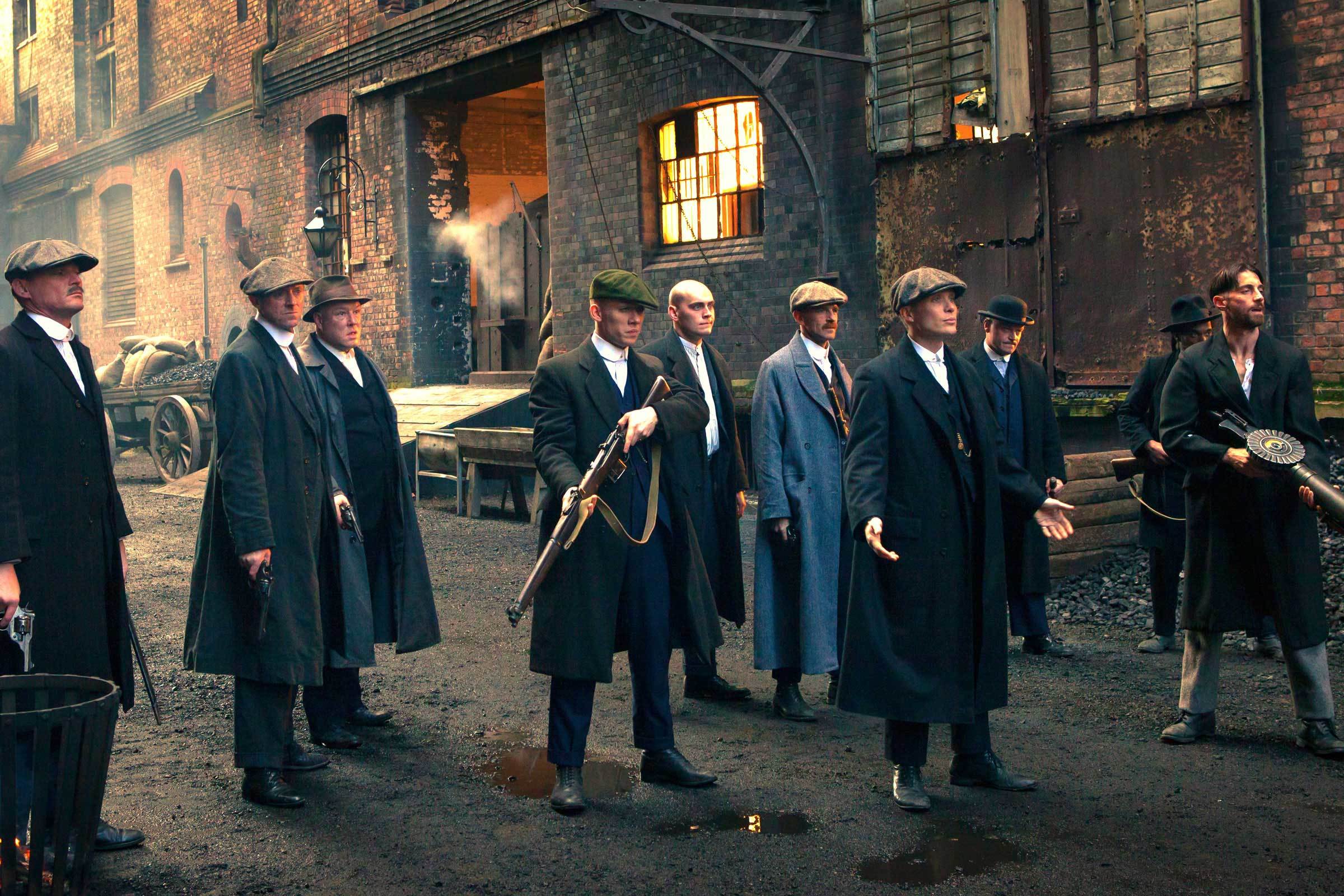
Pop culture has always had the power to influence what we wear. Iconic shows like Mad Men, Boardwalk Empire, and especially Peaky Blinders have rekindled interest in early 20th-century fashion. The sharp suits, flat caps and layered textures seen on screen have inspired countless wardrobes and even entire subcultures.
For fans who admire that distinctive Birmingham gangster aesthetic, curated Peaky Blinders Outfits have become a way to capture that same blend of toughness and refinement. But beyond imitation, what the show really reignited was a love for detail — the cut of a lapel, the weight of a fabric, the confidence of wearing something well made.
In many ways, series like Peaky Blinders did more than entertain; they reintroduced an appreciation for style that feels authentic, masculine, and rooted in tradition.
The Psychology of Dressing with Purpose
There’s a unique confidence that comes from wearing clothes that make you feel composed and deliberate. Psychologists often call this “enclothed cognition” — the idea that what you wear can affect how you think and behave. A tailored coat or a polished pair of brogues doesn’t just change how others see you; it changes how you carry yourself.
Vintage-inspired dressing taps into this feeling. It’s about slowing down and paying attention to the details: the texture of tweed, the gleam of a pocket watch, the perfect knot in a tie. These small rituals can transform a routine morning into an act of self-expression.
And unlike fast-fashion trends that fade with each season, timeless garments create a sense of continuity. They remind us that elegance doesn’t need to shout to be noticed.
Sustainability Meets Style
Another reason vintage fashion has regained prominence is its compatibility with sustainability. As awareness grows around the environmental impact of clothing production, many consumers are turning to thrifted, upcycled, or long-lasting pieces instead of disposable ones.
Classic clothing was made to endure — heavy fabrics, strong stitching and replaceable buttons meant a garment could last decades. By contrast, many modern items are designed for obsolescence. Embracing vintage or heritage-inspired designs is therefore not only stylish, but also environmentally responsible.
Even brands producing new items in vintage styles often prioritise natural materials and ethical manufacturing. It’s a quiet revolution in fashion — one that values durability over novelty.
How to Bring Vintage into a Modern Wardrobe
Incorporating vintage style doesn’t require a complete wardrobe overhaul. In fact, the best looks combine old and new. Here are a few easy ways to channel that timeless feel:
- Start with one statement piece. A tweed blazer, leather boots or a wool flat cap instantly adds heritage flair without feeling like a costume.
- Focus on fit. Vintage looks rely on sharp tailoring. Even affordable pieces look elevated when they fit perfectly.
- Mix textures. Combine materials like wool, cotton and leather to create depth and warmth in your outfit.
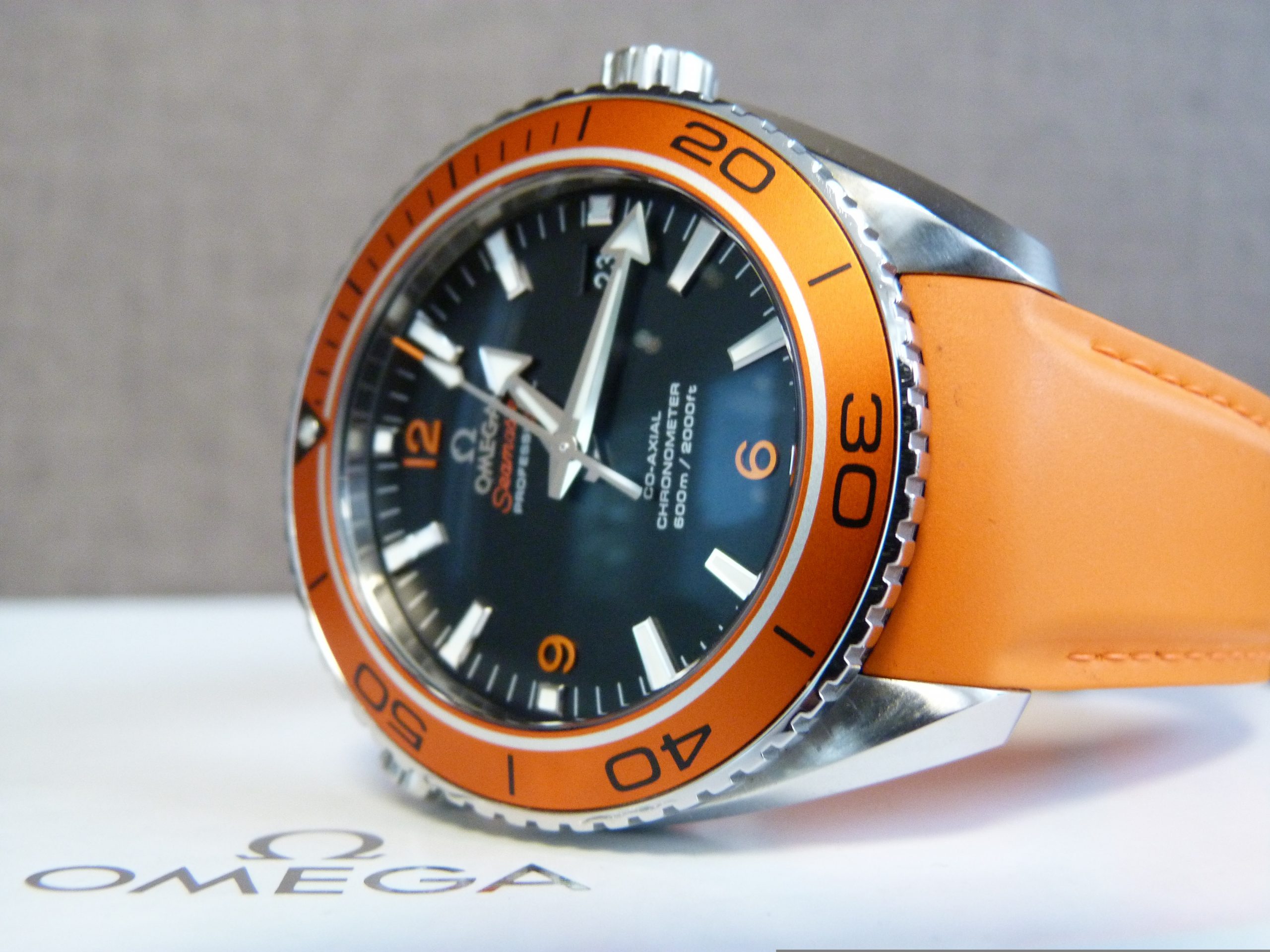
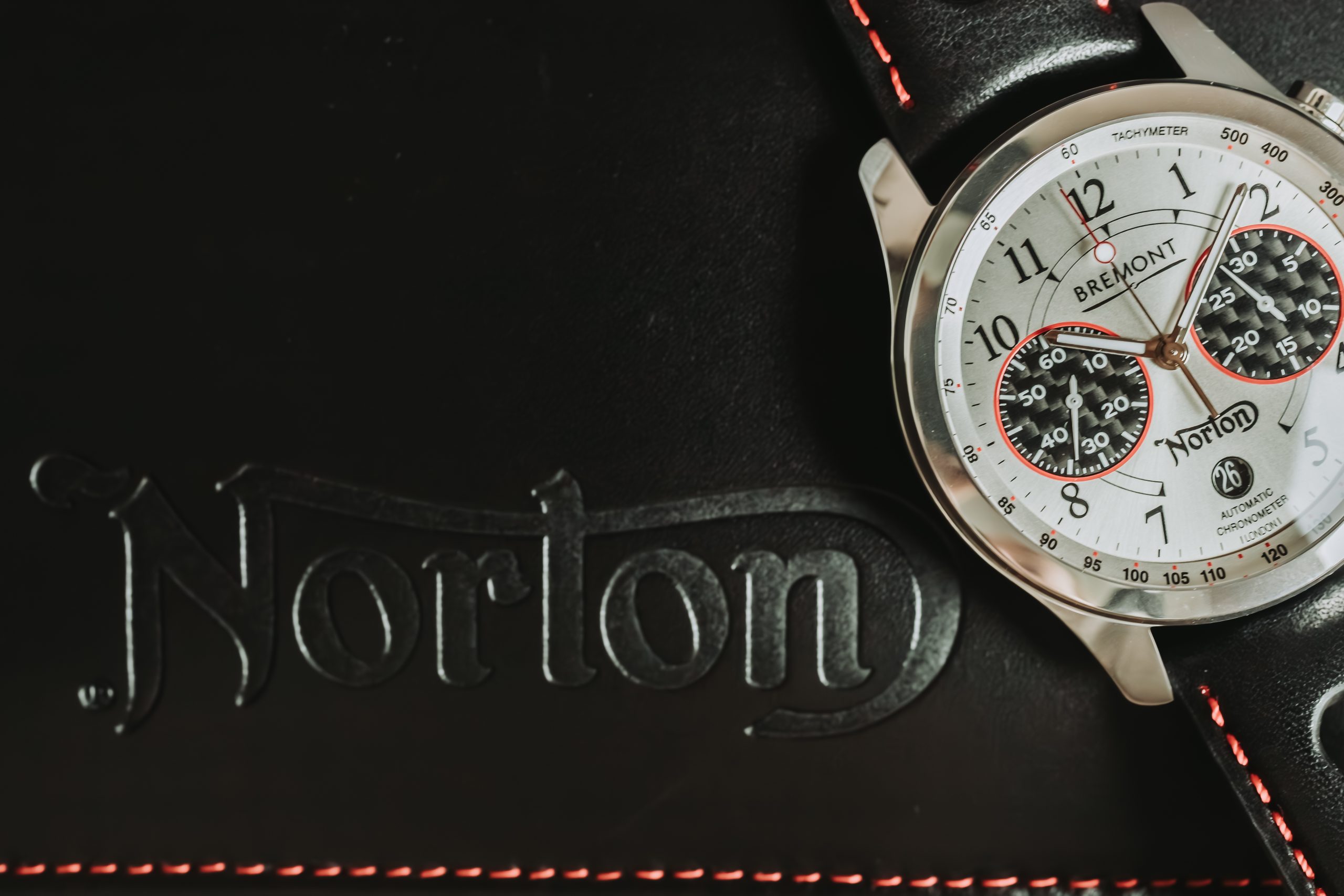
- Mind the details. Pocket squares, cufflinks, and watches are subtle nods to craftsmanship and care.
By blending contemporary cuts with classic materials, you can create a look that’s both grounded and current — stylish without being nostalgic for nostalgia’s sake.
The Enduring Power of Storytelling Through Fashion
Clothing is a kind of language. Every outfit tells a story about where we come from, what we value, and how we see ourselves. Vintage fashion resonates because it reminds us that we’re part of a larger narrative — one that stretches back generations.
When someone chooses to wear a wool coat reminiscent of the 1920s or a flat cap that once symbolised working-class pride, they’re not just making a fashion statement. They’re participating in a cultural dialogue, bridging past and present through fabric and form.
That’s the beauty of timeless style: it’s never truly old, because the emotions it evokes — pride, confidence, belonging — are universal and enduring.
Final Thoughts: The Past Is Never Really Past
Fashion moves fast, but meaning moves slowly. Amid the ever-changing landscape of trends, the pull of the past remains constant. Whether you’re inspired by old Hollywood glamour, post-war minimalism, or the rugged elegance of Peaky Blinders Outfits, the message is the same — authenticity never goes out of style.
In a world chasing the next big thing, vintage fashion invites us to pause, look back, and rediscover what made clothing special in the first place: quality, character, and a story worth wearing.