Are you planning a getaway where you can enjoy the great outdoors? Ultimately, it all depends on your tolerance for comfort and reliance on Mother Nature to provide what you want. On one hand, there is traditional camping; tents, sleeping bags, and lots of work to be done before fun can be had. On the other hand, there’s glamping; tents in the forms of yurts, complete with beds (and electricity, sometimes). While both get you outside, the experiences are worlds apart.
It’s not about which one is better; it’s about which one meets your needs. Those who want simple adventure will answer one way. Those who want nature but want to sleep and stay warm will answer another.
Set-up and Breakdown
Traditional camping means you put it all together. Tents must be pitched, sleeping pads rolled out, camping chairs set up, and gear organized. This is the appeal for some; the ability to construct a makeshift home from nothing provides a sense of satisfaction. For others, it’s just added work before relaxation can be had.
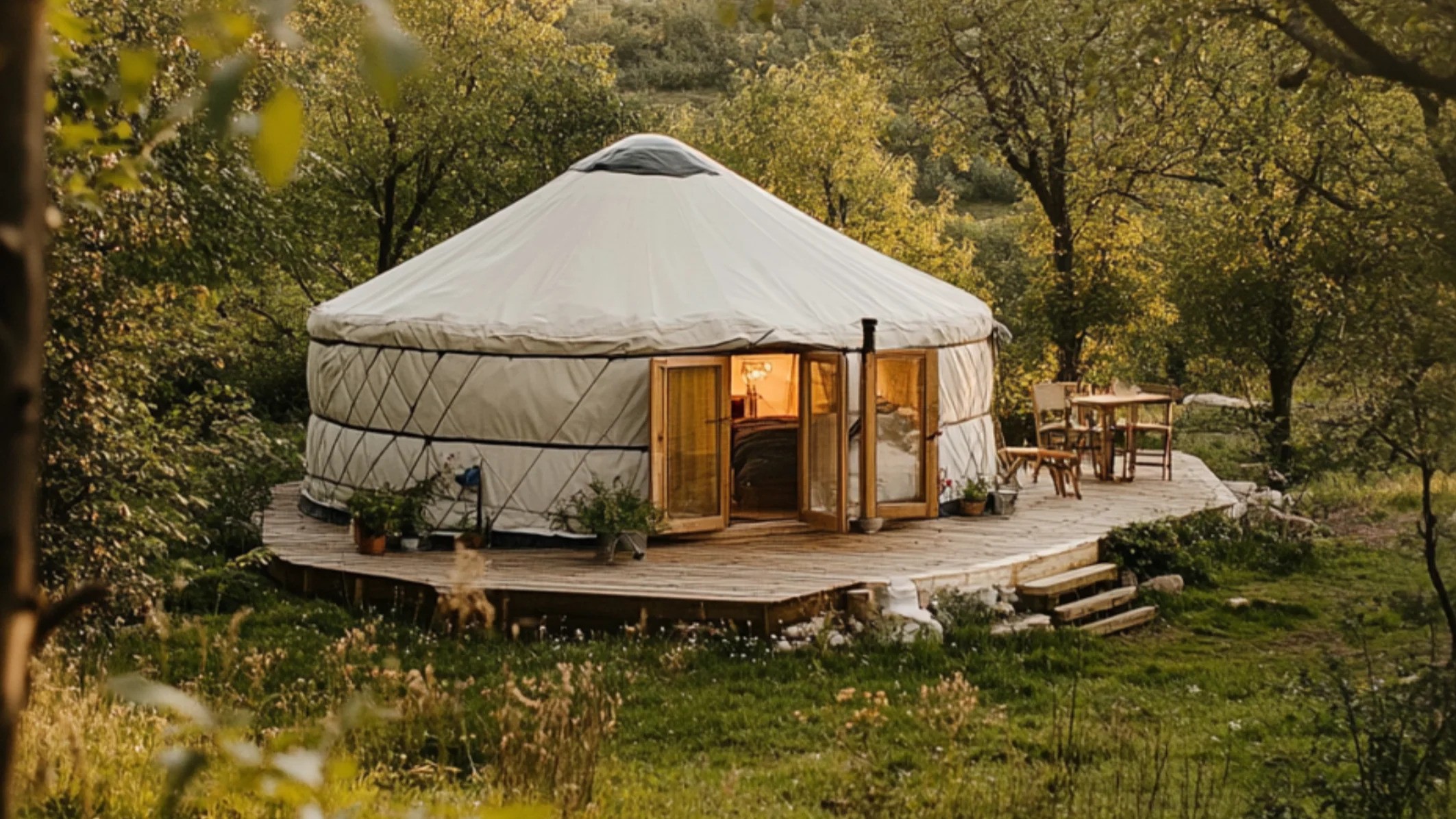
Yurt stays negate this entire situation. You arrive and the structure is there. You walk in and everything is ready to go. There’s no issue with wind holding up the assembly of tent poles or forgetting a stake. This is more critical than most people think as people rarely arrive at their destination early enough to account for bad weather or long drives.
Also, there is a different method of leaving. With traditional camping, everything must be repacked and that usually occurs when things are damp or dirtied. With yurts, people need only take their personal belongings and leave. The difference in mental exertion is substantial.
Sleeping Conditions
Let’s be honest – sleeping in tents is not comfortable. Even if you have nice sleeping pads and make your tent as comfortable as possible, you’re still sleeping on the ground. Heat and cold are up to Mother Nature to control. The smallest sounds seep through porous materials. Condensation from the morning dew drips in your face; you either wake up stiff or soaked through.
Yurts often have real beds with real mattresses; this makes all the difference. Elevated off the ground, insulated from the cold and formed more adeptly than a traditional tent, yurts provide sleep advantages not found elsewhere. Waking up actually rested as opposed to stiff and cranky contributes to a quality trip.
Temperature control is another major factor. While tents have no insulation at all (save a good sleeping bag), yurts have insulated walls and many others come with heaters of wood or electric variety. This distinction is important overnight when the temperature drops – what was once optional becomes necessary when people’s comfort levels are on the line.
Weather Issues and Reliability
Traditional camping is weather-permitting. Rain complicates things. Wind knocks tents askew and keeps campers up all night. Extremes of temperature pose exertion tests instead of relaxing escapes. Veterans know how to combat these challenges, but it takes consistent adjustment and sometimes just plain stubbornness to make it through.
Yurts are much better equipped for weather. Rain becomes a sound on top of a roof instead of an immediate concern about wet fabric. Wind is something observed from the inside rather than a potential threat to topple something over; trusted providers like Beyond Yurt provide those things that prevent doors from blowing off their hinges in high winds – guests can enjoy storms from inside instead of dreading being outside.
This reliability translates into trip planning as well; with traditional camping, bad weather can put a damper on the weekend (no pun intended). With yurts, not only might the same precipitation aid in aesthetic appeal but there’s nothing quite comforting than being cozy while Mother Nature does her thing outside.
Nature Engagement
Here’s where traditional camping actually makes a fair argument; with tent camping, there’s an immediacy that no yurt can replicate. You’re down at ground level, exposed to sounds, smells, and other things more acutely than in a separate structure. When one opens the zippers in their tent upon sunrise, they’re literally right there.
Yurts create separation; one is surrounded by nature and gets great views through windows but there’s no literal cover over one’s head instead of a yurt’s top structure. For some travelers, this defeats the purpose entirely; for others, it’s the best of both worlds – connected during daylight hours and comfortably separated at night.
The reality is that both experiences provide peace through nature connection but in different ways; one is almost forced into the immersion of traditional camping (whether they want it or not) while yurts allow one to determine how engaged they want to be which makes it far easier for those who otherwise get overwhelmed by constant outdoor exposure.
Cost Factors
Traditional camping costs less – substantially less, in some cases. Campgrounds cost per night anywhere from free to $30-$40 at most. Ultimately, people pay for food and gear (with the understanding that gear will be used more than once). For someone who already has camping gear at their disposal, a weekend trip may cost $100 at most.
Yurts rarely dip beneath $100-150 per night or higher depending on the location and amenities available inside. An additional arbitrary fee may be mandatory adding investment potential per stay. However, there’s additional comfort so what isn’t gained in convenience may be made up for comfort.
This begs the question of whether it’s worth it for what people get in return. For those who merely sporadically travel outside and don’t want to pay for camping gear, getting a yurt is much more affordable long-term. For those who consistently camp with resources available, it’s harder to justify comfort over personalization unless comfort trumps requirements.
Skill Level Required
Traditional camping has skills associated with it – tent construction skills (so they don’t blow away overnight), camp management knowledge (how far away should food be?), cooking outdoors (any experience?), appreciating wildlife (both observing and avoiding) – the learning curve makes first-time traditional campers novices who struggle with basic tasks veterans don’t even bat an eye about anymore.
Yurts are much more accessible without skill or complex access required. Families with young children, older travelers or anyone with mobility issues can enjoy outdoor accommodations much easier than if they were tasked with pitching their own tent and making food.
This grants an entire group of individuals opportunities to appreciate outdoor accommodations that otherwise wouldn’t be possible without proper accessibility considerations.
No one should ever look down on someone who prioritizes accessibility over authenticity. Not everyone needs to prove their status as outdoorsmen by suffering through discomfort with hopes for mastery later down the road; sometimes just being outdoors, breathing fresh air, and sleeping out (instead of at home) is enough appreciation.
What Ultimately Matters Most
Ultimately it comes down to personal preference for what choice is right for you – the best one! If you prefer a challenge and making due with necessity, make your tent as comfortable as possible while feeling the pride of self-sufficiency afterward, traditional camping makes sense; if you’d rather have an outdoor experience without sacrificing quality sleep and basic comforts of home in addition to exorbitant travel fees, yurt accommodations make far more sense.
Consider your group as well; if it’s mixed abilities, yurt stays are ideal; if everyone is used to being outside all day every day, then yurt accommodations will feel too tame…even seasoned outdoor enthusiasts might enjoy yurt accommodations if they’d like but they wouldn’t have the same level of awe compared to someone out in nature in a traditional setting.
Consider the weather too; if you’re going in summer in areas where traditions aren’t hot or unbearably cold (with high humidity), then yurt fees render them useless as there’d be no difference other than convenience for setup – however, when winter hits or sporadic surprises are involved, a solid shelter option likely trumps anything other than overheated stubbornness to avoid packing everything away until spring.
The beauty is that both options have their merits at different times – they fill different roles based on what someone wants to do effectively; sometimes you want simplicity stripped down and other times you want outdoors but also want quality sleep and warmth – there’s nothing wrong with each option – but they’re two different tools for different jobs.
Ultimately, those who appreciate outdoor adventures most are ones who take advantage of accommodations that best suit their needs instead of what they think they’re missing out on instead of their values – it’s about preference!