Category: Health and Beauty

  • Understanding Autism: 6 Essential Tips Every Parent Needs to Know

    Understanding Autism: 6 Essential Tips Every Parent Needs to Know

    Autism Spectrum Disorder (ASD) represents one of the most widely discussed and increasingly understood neurodevelopmental disorders today. With the CDC reporting that approximately 1 in 36 children is diagnosed with autism in the United States, understanding this condition has become more essential than ever for parents. Autism affects social interactions, communication, and behavior, creating a unique set of challenges but also offering a distinct pathway for discovering strengths. A solid understanding of autism can empower parents to nurture and support their children effectively. Here, we delve into six vital tips that every parent should consider when navigating the complexities of autism.


    Recognizing the Signs Early

    Early recognition of autism can significantly impact a child’s development. Many parents may miss subtle developmental delays or atypical behavior patterns, such as limited eye contact, delayed speech, and difficulty understanding social cues. Experts emphasize the importance of being vigilant about these early signs, as timely intervention can lead to better outcomes. Research from the National Institute of Mental Health indicates that starting treatment before the age of three can maximize a child’s developmental potential. By understanding early indicators, parents can initiate conversations with pediatricians or developmental specialists. Depending on individual circumstances, this might include seeking a comprehensive evaluation to better understand their child’s needs. Even if a diagnosis is not reached immediately, engaging with healthcare professionals can foster a supportive environment that encourages communication and development.


    Creating a Structured Environment

    Children with autism often thrive in structured environments. Predictability can reduce anxiety and help them feel more secure. Establishing a daily routine, complete with consistent wake-up times, meal schedules, and bedtime rituals, can provide a sense of stability. Each component of the day should ideally engage the child in developmental activities while allowing time for relaxation. Incorporating visual schedules can further enhance understanding and predictability. For instance, using picture cues to represent different parts of the day can help children anticipate transitions and maintain focus. When children know what to expect, their capacity for engagement and interaction improves. Furthermore, creating a dedicated space for homework or play activities can encourage focused efforts and minimize distractions, providing an inviting atmosphere for learning and creativity.


    Encouraging Effective Communication

    Communication is pivotal in fostering connections, yet it can pose significant challenges for children on the autism spectrum. Encouraging effective communication starts with understanding the unique ways in which children may express themselves, be it through words, gestures, or specialized communication devices. Encouraging parents to utilize strategies like simple, clear language can often help facilitate dialogue. Interactive activities such as turn-taking games can enrich communication skills. These exercises promote not only verbal interaction but also nonverbal cues, such as maintaining eye contact and recognizing facial expressions. Ultimately, patience remains paramount; encouraging preferred methods while celebrating small successes fosters a supportive atmosphere conducive to growth. In addition, reading to children can significantly enhance vocabulary and comprehension skills. Some families may find success in choosing tailored reading materials, while others obtain references from an informative autism magazine or publication to gain more insight into the spectrum. Whichever option parents prefer, these resources specifically address the experiences and feelings of children on the spectrum, creating relatable contexts for discussion.


    Fostering Social Skills

    Developing social skills is often one of the most crucial areas for children with autism. Parents can help build these skills by facilitating opportunities for social interactions. Playdates, group activities, or classes offer excellent avenues for children to practice and develop social capabilities in a supportive environment. It’s equally important for parents to guide these scenarios, providing gentle prompts and modeling appropriate behaviors. Role-playing various social situations can also be beneficial. By acting out scenarios, parents can help their children script conversations, understand turn-taking, and practice emotional recognition. Over time, these exercises can instill confidence in their social abilities. Positive reinforcement, such as praise and encouragement following successful social interactions, can create an environment where children feel motivated and safe when trying new things.


    Highlighting Strengths and Interests

    Every child has unique strengths and interests, and recognizing these can provide invaluable opportunities for growth. Many children with autism exhibit extraordinary capabilities in specific areas like mathematics, art, or technology. Emphasizing these strengths not only boosts self-esteem but also encourages deeper engagement in those areas. Parents should explore various activities to identify which interests resonate best with their child. Cultivating and nurturing these talents can often lead to opportunities for learning and growth. By incorporating interests into daily routines, children can build skills through creative engagement. For example, if a child has an affinity for animals, engaging their imagination through care for pets or exploring wildlife can create a dynamic learning environment. Encouragement is vital, as it reinforces the importance of their passions, motivating them to cultivate their skills further and become confident in their abilities.


    Prioritizing Self-Care for Parents

    Supporting a child with autism can be a rewarding journey, but it can also be mentally and emotionally draining. Parents must prioritize self-care to maintain their well-being while caring for their child. Finding support networks, whether through family, friends, or local advocacy groups, can offer much-needed resources and emotional assistance. Taking regular breaks, engaging in physical activity, and pursuing personal interests can help parents recharge and remain resilient. Understanding that achieving balance is critical may encourage parents not to neglect their physical and emotional health. By practicing self-care, parents also model healthy behavior for their children, teaching them the importance of emotional regulation and well-being.


    Collaborating with Professionals

    Forming partnerships with professionals, such as therapists, educators, and healthcare specialists, can play an indispensable role in guiding both parents and children through the challenges associated with autism. Connecting with an interdisciplinary team offers diverse perspectives and the advantage of a coordinated approach tailored to the child’s individual needs. Parents should feel empowered to actively participate in discussions about their child’s educational and therapeutic plans. Collaboration helps ensure that everyone involved has a unified understanding of goals. Regular check-ins and open communication lines with professionals can communicate changes or emerging needs, allowing for timely adjustments to interventions. Through such teamwork, parents not only provide their children with comprehensive support but also foster an enriching community around their child’s growth. 


    Autism


    Each of these strategies emphasizes the importance of informed parenting in the context of autism. Addressing the varied aspects of supporting a child with autism requires intention and compassion. By understanding the signs early, creating structured routines, encouraging effective communication, and fostering social skills, parents truly can help their child thrive. Nurturing their unique strengths while also prioritizing self-care and collaborating with professionals paves the way for a well-rounded approach that enhances the quality of life for both the child and their family. Ultimately, knowledge and community support can make a meaningful difference on this journey.


  • 5 Cool Ways to Maximize Your Health Insurance Benefits While Living Your Best Life

    5 Cool Ways to Maximize Your Health Insurance Benefits While Living Your Best Life

    Are you looking for new but highly effective ways to lead a more balanced and stress-free life? One of the simplest routes to a better quality of life is to maximize your health insurance benefits.  Here are 5 cool ways to maximize your health insurance benefits while living your best life.


    1. Know Your Network

    Life can be unpredictable. Health insurance helps you prepare for unexpected medical emergencies that may come your way.

    But to get the most out of your particular health insurance plan, get to know your network. Health plans typically have dedicated networks of healthcare professionals and medical facilities. By using these networks, you will reduce out-of-pocket expenses.

    Ask your existing family doctor, your family, friends, colleagues, and neighbours if they are familiar with any of the medical providers on the network list. This will help you find reliable medical services you can trust, and that will save you money, too.


    2. Stay Proactive with Preventive Care

    Preventive care services like screenings and vaccinations are often included at no extra cost in health insurance plans. As the saying goes, prevention is better than cure. Screenings play a role in early detection and treatment of serious diseases like cancer.

    Take a proactive approach to your health and longevity, and take advantage of these preventive procedures. They could help detect medical issues before they become serious, or even prevent them altogether, and spare you the stress and financial burden that serious illness causes.


    3. Take Advantage of Wellness Programs

    The best health insurance providers offer wellness programs and health coaching services. Some of them even offer discounted gym memberships.

    Physical activity does much more than make you fit and strong. It boosts the body and mind. By focusing on all-round wellness and leading a more active and healthy life, you’re less likely to get sick. But you’re also more likely to handle anything that comes your way, with a positive attitude.


    4. Utilize Telemedicine Services

    Telemedicine is becoming a popular way to access medical care on a budget. It’s not only cost-effective, it’s also convenient. You can get expert medical advice for minor medical issues over the phone or online, without even leaving your home.

    This makes it ideal for people with mobility issues, a strict work-from-home schedule, and busy stay-at-home parents of young children.

    Telemedicine services are not suitable for serious medical problems or injuries. But they save you from having to go out to see a doctor for things like a common cold, acne breakout, or minor allergic reactions.


    5. Review and Optimize Your Plan Regularly

    As time goes by, your life circumstances will change. You may start earning less or more than before, Or you may get married or start a family. So review your health insurance policy annually to ensure that it still meets your needs.

    By adapting your health plan to reflect your life’s changes, you can rest assured that you are adequately prepared for future health expenses. And this will allow you to enjoy your life to the fullest, with confidence.


    Final Thoughts

    Health insurance is more than just a financial safety net for medical emergencies. When you know how to use it more strategically, it will support a better quality of life.

    So, take the time to explore your health plan details, today. Get to know your health provider network. Make the most of extra benefits like preventive care, wellness programs, and telemedicine services. And revise your plan regularly to better suit your needs.


  • Letting Go: Starting a New Chapter After Anxiety Treatment

    Letting Go: Starting a New Chapter After Anxiety Treatment

    Seeking support for anxiety can be transformative, unraveling the complexities of your mental health so you can embrace life with greater peace and less fear. It’s a courageous journey but one that doesn’t end with the completion of a therapy program or the last prescription refill. Aftercare is a vital piece of the healing process—a continuous evolution towards strength and resilience. With the right tools and mindset, turning the page to start anew isn’t just possible; it’s a reality within reach. Below, discover insights on maintaining mental wellness and forging a fulfilling path after anxiety treatment.

    Embracing a New Normal Post-Anxiety Treatment

    img

    Transitioning back into daily routines after attending a luxury anxiety treatment center can be met with a mixture of relief and trepidation. It’s akin to rediscovering oneself through a fresh lens, one that sees beyond the confines of anxiety. The new normal may encompass heightened self-awareness and a burgeoning sense of control over one’s emotional state. It’s an opportunity to redefine personal boundaries and priorities, ensuring they align with ongoing mental health needs.

    Adapting to life without constant professional supervision requires self-compassion and patience. Given that anxiety doesn’t disappear overnight, acknowledging the progress made while being cognizant of potential triggers is essential. This self-kindness is critical in instances of minor setbacks, a natural part of recovery, where instead of self-criticism, one should offer self-support, reflecting the empathy experienced in treatment.

    Connection with loved ones often takes on new significance post-treatment. Strengthening relationships, sharing experiences, and setting expectations for these newfound beginnings helps in nurturing a supportive environment. It’s essential to communicate effectively, so friends and family can understand your journey and how best to assist you.

    Strategies for Maintaining Mental Wellness

    To sustain the equilibrium reached through treatment, employing strategies for continued mental wellness is vital. It begins with building a personalized mental health toolkit. This may include journaling to process emotions, engaging in regular physical activity to reduce stress, and practicing relaxation techniques like deep breathing exercises.

    A critical aspect of wellness is the readiness to seek help if feelings of anxiety resurface. Establishing a relationship with a therapist who can provide periodic check-ins or knowing when to engage in more intensive therapy can make all the difference. Alongside therapy, certain supplements like magnesium citrate amazon (not available in UK) may help support relaxation and overall well-being, making it easier to manage anxiety effectively.

    Education also plays a significant role in self-care. Understanding the nuances of one’s mental health condition empowers one to make informed decisions about treatments and coping strategies. Pursuing new knowledge, such as a masters in IT, may also provide a welcome focus and sense of achievement. Learning can be a gatekeeper to personal growth, as it fuels the mind and serves as a reminder of one’s capabilities outside of anxiety.

    Rebuilding Confidence and Overcoming Fear of Relapse

    img

    Post-treatment life is often steeped in the quest to regain lost confidence. The shadow of past anxiety can loom large, threatening to undermine newfound strength. Combatting this requires a conscious effort to recognize and cherish each victory, no matter the size. Celebrating progress reinforces self-belief and keeps doubts at bay.

    Preventing a full-blown relapse involves both recognizing early warning signs and having a response plan in place. Self-monitoring for familiar patterns of anxious thoughts or behaviors can allow for timely interventions. Implementing stress-reduction techniques at these moments can help dampen anxiety before it escalates.

    However, it’s always critical to acknowledge that some degree of anxiety is a normal part of life. Reimagining one’s relationship with anxiety; seeing it as a natural response that can be managed rather than a dreaded opponent can change the entire recovery dynamic. This shift in perspective is a significant stride towards lasting confidence.

    Finding Support and Community in Your Journey Forward

    One of the most potent aspects of recovery is discovering you’re not alone. Building a supportive community, whether through support groups, online communities, or close-knit relationships can provide a reassuring sense of belonging and understanding. Sharing your journey with others who have similar experiences fosters mutual encouragement and creates a network of people who can offer empathy and insight.

    Continual learning through workshops, webinars, or local events not only aids in personal development but also serves as a platform to meet like-minded individuals. Being proactive in these settings can deepen connections and expand one’s support system. Networking in such environments can be as empowering as the educational aspect itself.

    Altogether, navigating life after anxiety treatment is a rich endeavor, woven together with personal growth, resilience, and the support of a community that understands. Overall, it’s a journey of reclamation—of confidence, of joy, and of a life defined not by fear, but by the strength to face it head-on and emerge victorious.


  • What Is the Ring Dinger? The Chiropractic Move Everyone’s Talking About

    What Is the Ring Dinger? The Chiropractic Move Everyone’s Talking About

    If you’ve spent any time researching chiropractic care or scrolling through videos on social media, you’ve likely come across the term “Ring Dinger.” But what exactly is it, and why is everyone talking about it?


    What Is the Ring Dinger?

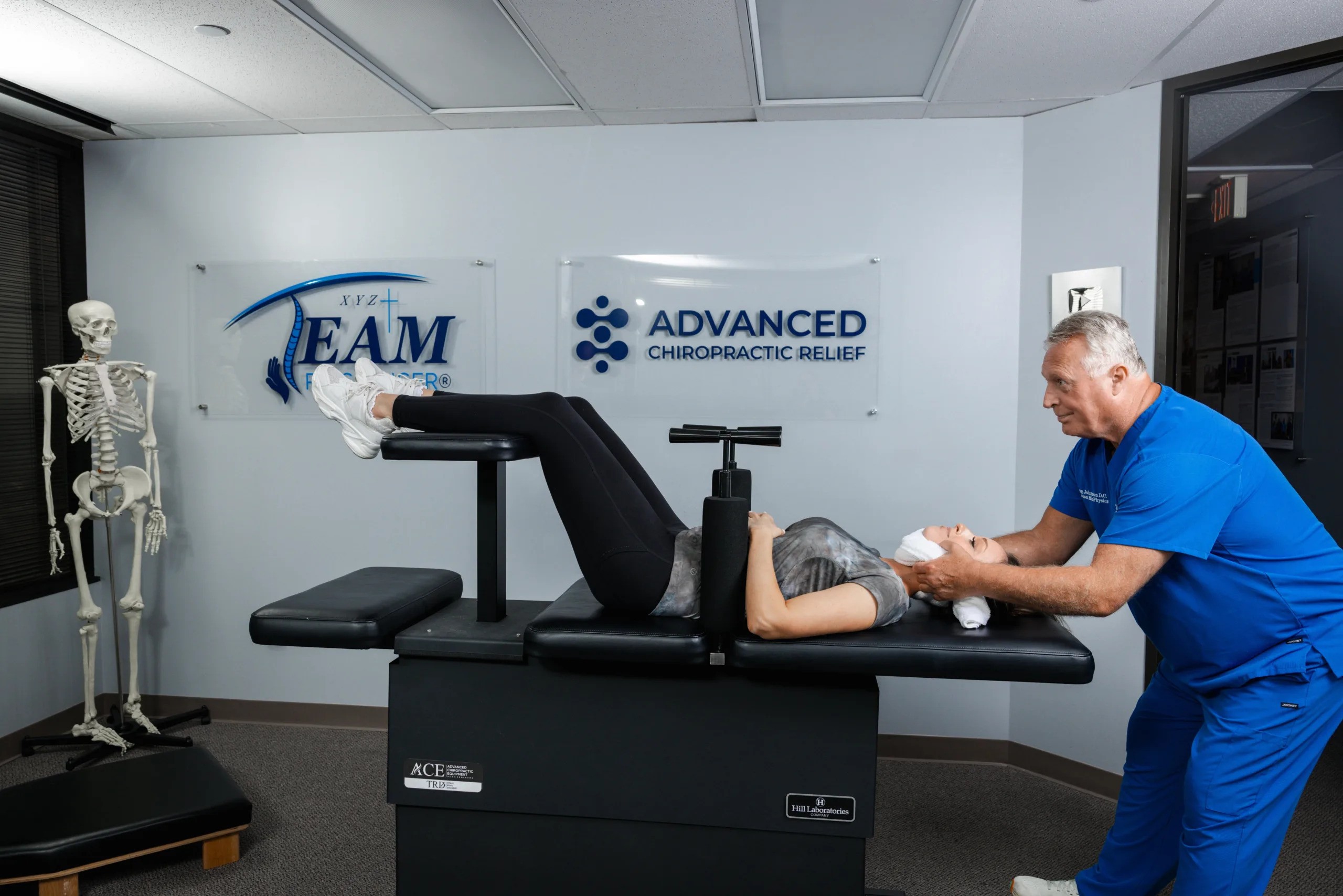
    The Ring Dinger is a spinal decompression technique popularized by a chiropractor known for making it a central part of his practice. It involves a manual adjustment where the chiropractor applies a quick, controlled pull to the spine, aiming to relieve pressure and tension throughout the entire spinal column. The name comes from the distinct “ringing” or popping sound often heard during the adjustment, which signals joint cavitation—a normal occurrence during chiropractic manipulations.

    Unlike traditional adjustments targeting specific areas of the spine, the Ring Dinger works on the entire spine at once. The chiropractor secures the patient’s hips and legs with a strap to keep them stable, then performs the decompression move to stretch the spine. This sudden motion is designed to create space between the vertebrae, which can alleviate built-up pressure on nerves and discs.


    What Are the Benefits?

    Now that you know what the Ring Dinger is, let’s talk about why it’s become such a popular topic. Many people rave about the relief they feel after just one session. Here’s why:


    • Pain Relief – The Ring Dinger can provide almost immediate relief from back pain, neck pain, and discomfort caused by compressed nerves.
    • Improved Mobility – By decompressing the spine, some patients notice increased flexibility and freedom of movement.
    • Stress Reduction – Spinal tension can affect the entire body. This adjustment often leaves patients feeling lighter and more relaxed.
    • Posture Improvement – Realigning the spine can help improve posture, which benefits your overall health.
    • Better Sleep – Many people report improved sleep quality after treatment, likely due to the reduction in pain and tension.


    Of course, everyone’s experience is different, so it’s essential to consult a qualified chiropractor to see if this technique aligns with your specific needs.


    Is It Safe?

    Safety is always a top priority when considering any type of medical or chiropractic treatment. The Ring Dinger is generally considered safe when performed by a trained, licensed professional. Chiropractors who use this method are trained to ensure that it’s done correctly and with the patient’s unique anatomy in mind. However, it’s not suitable for everyone.

    For instance, individuals with severe osteoporosis, spinal fractures, or certain medical conditions affecting the spine may not be candidates for the Ring Dinger. This is why a thorough evaluation by a chiropractor is critical before attempting this technique.


    Why Do People Love Watching It?

    If you’ve seen Ring Dinger videos online, you’ve probably noticed the sheer number of comments from fascinated viewers. But what makes these clips so captivating? For one, there’s something oddly satisfying about seeing a precise adjustment paired with that tell-tale “pop” sound. It’s also intriguing to watch patients’ reactions—many describe an immediate sense of relief or even emotional release.

    But beyond the entertainment factor, these videos highlight how chiropractic care can provide real results. For people dealing with chronic pain or stiffness, it’s encouraging to see how much better someone feels after just one session.


    What to Expect During a Ring Dinger Adjustment

    If you’re considering booking an appointment, you might be wondering what it’s like to experience a Ring Dinger adjustment firsthand. Here’s a quick overview of what typically happens:

    1. Consultation – Your chiropractor will begin with a detailed assessment to determine if the Ring Dinger is appropriate for you.
    2. Preparation – You’ll lie on a special chiropractic table, and the chiropractor will secure your hips and legs with a strap to keep you stable.
    3. The Adjustment – The chiropractor performs the decompression by pulling your spine in a controlled motion. The movement is quick but precise.
    4. Aftercare – Most patients feel some immediate relief, but your chiropractor may provide additional guidance on stretches or exercises to enhance the results.

    It’s common to feel a little sore afterward, similar to how you might feel after a workout. This is simply your body adjusting to its new alignment.


    Who Should Try the Ring Dinger?

    If you’re dealing with chronic back pain, neck stiffness, or issues like sciatica, the Ring Dinger could be worth discussing with your chiropractor. It’s especially appealing for people who haven’t found relief through other methods or are looking for a non-invasive option to address spinal discomfort.

    However, it’s important to remember that no single treatment works for everyone. Chiropractors tailor their approach to your unique needs, so they may recommend a combination of techniques rather than relying solely on the Ring Dinger.


    Is It Right for You?

    This technique has earned its share of devoted fans, but it’s not a one-size-fits-all solution. A good chiropractor will always prioritize your overall health and well-being, so if you’re curious about the Ring Dinger, start with a conversation. Share your symptoms and goals, and let the professional guide you toward the best course of action.

    The Ring Dinger isn’t just a viral chiropractic move; it’s a technique with real potential to help people feel better, move more freely, and enjoy a higher quality of life. Whether you’re just intrigued by the videos or seriously considering it as a treatment, it’s always worth taking the time to explore your options and see what might work best for you.


  • How a Home Sauna Can Elevate Your Daily Self-Care Routine

    How a Home Sauna Can Elevate Your Daily Self-Care Routine

    Taking care of yourself shouldn’t feel like a chore. Between the demands of work, family, and everyday life, it’s easy to let self-care slide to the bottom of the priority list. But imagine if there were a way to carve out time for yourself that felt luxurious, relaxing, and genuinely good for your body and mind. That’s where a home sauna comes in.

    At first glance, the idea of having a sauna at home might seem extravagant or out of reach, but it’s becoming more common and accessible than ever. It’s no longer reserved for spas or high-end gyms. With a home sauna, you have the freedom to incorporate this rejuvenating experience into your daily life, right on your schedule.


    The Benefits Are More Than Skin Deep

    When you think of a sauna, the first thing that probably comes to mind is sweating—and lots of it. But it’s not just about breaking a sweat. The benefits of investing in one of the saunas available at https://vidalux.co.uk/home-saunas and enjoying regular sauna use go far beyond what you see on the surface. You can expect all of the following.

    1. Improved circulation – Saunas increase your heart rate and expand your blood vessels, helping oxygen and nutrients flow more efficiently through your body. It’s like giving your circulation a gentle workout without lifting a finger.
    2. Stress reduction – Few things are as calming as stepping into a warm, quiet space and allowing yourself to breathe deeply. The heat relaxes your muscles, while the silence soothes your mind. It’s a perfect break from the chaos of daily life.
    3. Muscle recovery – Whether you’re an athlete or just feeling stiff after sitting at a desk all day, a sauna can help. The heat relaxes tense muscles, reduces soreness, and aids in faster recovery after exercise.
    4. Detoxification – Sweating is your body’s natural way of getting rid of toxins. A sauna speeds up the process, encouraging you to sweat out impurities you encounter in your daily environment.
    5. Better sleep – Struggling to unwind at the end of the day? Sauna sessions are known to improve sleep quality by helping your body relax fully and lowering stress hormones like cortisol.

    And here’s the best part: because you have access to a sauna at home, you don’t have to carve out extra time in your day to visit a spa or gym. You can step in and enjoy these benefits whenever you need them—morning, afternoon, or night.


    Creating a Home Ritual That Works for You

    Self-care looks different for everyone, so the way you use your home sauna can be tailored to fit you. For some, it might be the perfect way to start the day, waking up the body and clearing the mind before the first meeting or school run. For others, it’s an evening wind-down routine, helping to release the day’s tension and prepare for a good night’s sleep.

    Here’s a simple idea for how you might integrate a home sauna into your daily routine:

    1. Pre-sauna prep – Take a few minutes to hydrate. Keep a cool bottle of water or a refreshing herbal tea nearby. Maybe light a candle or play calming music to set the tone.
    2. The sauna session – Aim for 15-20 minutes of pure relaxation. Close your eyes, breathe deeply, and let the warmth work its magic. It’s your time, so allow yourself to fully switch off.
    3. Post-sauna unwind – After stepping out, take a cool shower to rinse off the sweat and refresh your skin. Follow this with a gentle moisturiser to lock in hydration.

    This simple three-step ritual can make a big difference in how you feel both physically and mentally. The consistency of showing up for yourself, even in small ways, is what makes self-care sustainable.


    Why a Home Sauna Makes Sense

    Of course, you might be wondering: Is a home sauna really worth it? The answer depends on what you value, but for many people, the convenience and long-term benefits make it a smart investment.

    • No more commuting – You don’t need to travel to a gym or spa, meaning there’s no excuse to skip your session.
    • Privacy – Enjoying a sauna at home means you can fully relax without worrying about strangers or crowded spaces. It’s your peaceful escape.
    • Customised experience – From the temperature to the timing, everything is in your control. Make it as short, long, hot, or cool as you like.
    • Family-friendly – A home sauna can be a shared experience. Whether it’s bonding with a partner, taking some quiet time alone, or offering health benefits to older family members, everyone can enjoy it.

    Think of it this way: A home sauna doesn’t just give you the physical benefits of heat therapy. It also gives you the gift of time—time for yourself, time to reset, and time to prioritise your health without hassle.


    Small Steps, Big Rewards

    Self-care often gets overlooked because it feels like “one more thing” on a long to-do list. But the truth is, it doesn’t have to be complicated. Something as simple as a daily sauna session can bring immense benefits without demanding much from you.

    It’s about creating a habit that feels good and fits seamlessly into your life. The more you prioritise moments like these—moments that nourish your body, calm your mind, and reset your energy—the better equipped you are to handle everything else that comes your way.

    So, if you’ve been looking for a way to upgrade your self-care routine without adding stress or complexity, a home sauna might just be the answer. It’s a quiet, warm, and calming space that’s entirely yours.

    Because sometimes, the best thing you can do for yourself is to pause, breathe, and let the warmth wash over you.


  • From Self-Doubt to Self-Priority: Steps to Embrace Confidence and Put Yourself First

    From Self-Doubt to Self-Priority: Steps to Embrace Confidence and Put Yourself First

    In today’s fast-paced world, it can be incredibly easy to lose yourself in the demands of work, relationships, and societal expectations. Many people, particularly women, find themselves constantly prioritising the needs of others at the expense of their own well-being. Over time, this leads to self-doubt, feelings of inadequacy, and an inability to stand tall with confidence. However, learning to put yourself first is not selfish—it’s a necessity for living a fulfilled, authentic life. This article explores practical steps to help you embrace confidence, overcome self-doubt, and make self-priority a habit.


    1. Recognise the Value of Self-Priority

    The first step to shifting from self-doubt to self-priority is recognising that you are worthy of care and attention. Society often glorifies the idea of self-sacrifice as a virtue, but there is nothing virtuous about neglecting your own needs. By putting yourself first, you are better equipped to show up for others. Confidence begins with acknowledging that your happiness, health, and goals matter just as much as anyone else’s.

    Start by identifying areas where you constantly put yourself last. Do you take on extra work at the cost of your mental health? Do you say “yes” to social events when you’d rather have time alone? Reflecting on these patterns will help you pinpoint where you can begin prioritising yourself.

    2. Set Boundaries Without Guilt

    Healthy boundaries are essential for self-confidence and self-respect. Often, those who struggle with self-doubt find it difficult to say no or to communicate their needs. But boundaries are not walls—they are guidelines that protect your energy and well-being.

    To establish boundaries:

    • Be clear about what is and isn’t acceptable for you.
    • Communicate your limits calmly and assertively without over-apologising.
    • Remember that “no” is a complete sentence. You don’t owe explanations to anyone.

    It may feel uncomfortable at first, especially if you’re used to people-pleasing. However, with practice, setting boundaries will empower you to prioritise yourself without guilt, which is a major step towards building confidence.


    3. Prioritise Your Physical Appearance (If It Boosts Your Confidence)

    While confidence comes from within, feeling good about your physical appearance can enhance your self-esteem. Taking care of yourself—whether through skincare, exercise, or professional treatments—is a way to invest in your well-being and confidence. Many people find that aesthetic enhancements can help them feel like the best version of themselves.

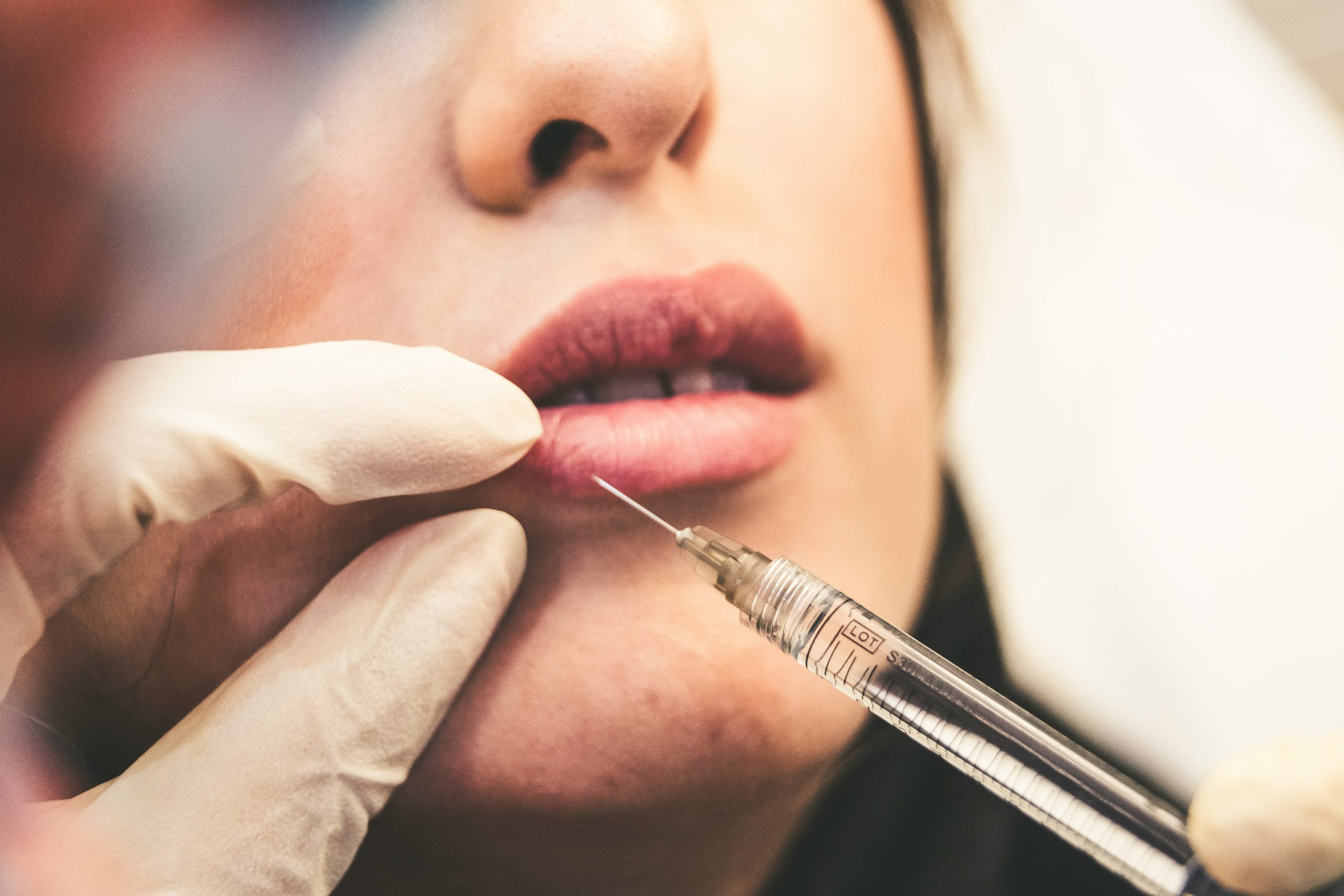
    For example, treatments such as Botox London and lip fillers UK London have become popular choices for individuals looking to subtly enhance their features and feel more confident. When done professionally and in moderation, these treatments can offer a natural and refreshed look that boosts self-assurance. If you feel that small changes to your appearance can positively influence how you carry yourself, there is no shame in exploring options that make you feel empowered.


    4. Challenge Negative Self-Talk

    One of the greatest obstacles to confidence is the voice inside your head telling you that you aren’t good enough. Negative self-talk often stems from past experiences, fear of failure, or comparing yourself to others. To shift from self-doubt to self-priority, it is crucial to reframe these thoughts.

    When you catch yourself thinking, “I can’t do this” or “I’m not enough”, challenge that belief. Ask yourself:

    • Where is the evidence for this thought?
    • Would I say this to a friend?
    • What is a more compassionate and realistic perspective?

    Replace harsh self-criticism with affirming statements such as, “I am capable,” or “I deserve happiness and success.” Over time, these small shifts will help you develop a more positive inner dialogue.


    5. Focus on Achievable Goals

    Building confidence is about setting small, achievable goals that align with your values. Break down your larger aspirations into manageable steps, and celebrate your wins—no matter how small. For instance, if you’ve been hesitant to speak up in meetings, aim to contribute one idea per session. If you’ve been neglecting self-care, commit to scheduling time for yourself each week.

    Every time you follow through on a goal, you reinforce trust in yourself. Confidence grows not from perfection, but from showing up and taking action, even when you feel unsure.


    6. Surround Yourself with Supportive People

    The people you surround yourself with can either fuel your self-doubt or empower you to prioritise yourself. Take a close look at your relationships:

    • Do the people around you respect your boundaries?
    • Are they encouraging, or do they drain your energy with negativity and criticism?
    • Do they celebrate your wins and growth?

    Build a network of friends, family, or mentors who uplift you and remind you of your worth. Being surrounded by positivity can make it easier to believe in yourself and stay committed to your journey of self-priority.


    7. Take Time for Reflection and Rest

    In a world that glorifies constant productivity, taking time for yourself can feel like a radical act. Yet, rest is not a luxury; it is a necessity for both mental and physical health. When you neglect rest, you deplete your energy, creativity, and resilience.

    Carve out moments for quiet reflection, whether through journaling, meditation, or simply enjoying solitude. Use this time to check in with yourself:

    • What are your current priorities?
    • How do you feel about where you are in life?
    • What do you need to feel more confident and fulfilled?

    Honouring your need for rest and reflection is a powerful way to reinforce that you are a priority in your own life.


    8. Celebrate Yourself

    Confidence comes not just from achievements but from acknowledging and celebrating who you are as a person. Take time to recognise your strengths, growth, and the qualities that make you unique. Whether it’s treating yourself to something special or simply reflecting on how far you’ve come, celebrating yourself builds a strong foundation for confidence.


    Final Thoughts

    Shifting from self-doubt to self-priority is a journey, but it is one worth taking. By learning to set boundaries, embracing your appearance with confidence and challenging negative self-talk, you can build a life where you feel empowered, respected, and fulfilled. Putting yourself first is not selfish; it is an act of self-love that allows you to show up as your best self in all areas of life. Start today, and watch your confidence transform.


  • Pampering Yourself Before Christmas: What To Consider

    Pampering Yourself Before Christmas: What To Consider

    During the festive period, life is sure to get a little bit hectic. If you want to set some time aside for self-care, the early weeks of December might be perfect. At this point, you’ll be able to think about yourself and only yourself, before your friends and family arrive for the peak of the season. But exactly how might you go about pampering yourself at this time of year? Let’s consider a few worthwhile options.

    Skincare Essentials for a Festive Glow

    Getting a healthy glow from your skin often requires investing a little time, energy, and money. However, there are effective products out there that won’t break the bank. The secret is to know what kind of skin you have, and shop accordingly. Experiment with different products, and settle when you find one that works for you.

    You might double-cleanse your face, exfoliate, and apply a good SPF. Don’t forget to moisturise. While sun damage might be most dangerous during summer, it’s still worth taking it seriously at this time of year, too.

    Why Body Treatments Can Be a Boost

    It isn’t just your hands and face that you should be concerned about. Full-body aesthetic treatments can also make a difference. You might think of something like Profhilo, which involves injecting hyaluronic acid beneath the skin. This helps to bolster the skin’s natural elasticity, and keep you looking younger.

    If you don’t want to involve syringes or surgery, then simple things like a full-body massage might be worthwhile, too. Why not book a stay at a local spa, and take advantage of all the treatments on offer?

    Grooming Touch-Ups for a Festive Finish

    It might be that you can achieve particularly pleasing results with just a few simple touches. You might go for a professional manicure, or consider a few choice hair removal products. These might help you to feel more confident when the social calendar begins to really ramp up later on.

    Exploring the Benefits of Relaxation Therapies

    Setting aside a few minutes every day for focused relaxation can be extremely beneficial. Aromatherapy can be as simple as lighting up a candle or two at certain times of day. You can also try meditation – which can be as simple or as involved as you like. Just a few minutes a day while you’re sitting in your office chair can make a big difference. Or, you can set up a cushion in a preferred part of your home, and zone out for an hour or longer.


  • Neck Pain Relief: Physical Therapy for Cervical Radiculopathy

    Neck Pain Relief: Physical Therapy for Cervical Radiculopathy

    Have you ever struggled with the pain in the neck that radiates down your arm, possibly causing weakness and numbness in the fingers? You may have been working with cervical radiculopathy.

    Cervical radiopathy can be much more than just a pain in the neck. In this article, we will explain what this is and how physical therapy can help you, as well as give you a few tips and tricks to fix the problem.

    Understanding Cervical Radiculopathy

    Cervical radiculopathy occurs when a spinal nerve in your neck becomes irritated or compressed. It can also be referred to simply as a ‘pinched nerve’. While the cause of cervical radiopathy can vary, the two most common reasons this happens are Facet joint spondylosis and a herniated disc in the cervical region.

    There are seven vertebrae in the cervical spine (C1–C7). These offer flexibility and support while enclosing and safeguarding the spinal cord. At every level, nerve roots leave the spine and go to particular parts of the body. These nerves may become compressed or irritated for the following reasons:

    • Herniated Discs: A bulging or ruptured disc pressing on a nerve root.
    • Degenerative Changes: Arthritis or bone spurs that narrow the space for nerve roots (otherwise known as spondylosis.
    • Injury: Whiplash or other trauma that damages the cervical spine.

    Symptoms vary depending on the nerve root affected but typically include:

    • Neck pain, shoulder, arm and hand pain
    • Tingling or numbness in the arm, hand, or fingers.
    • Muscle weakness, particularly in the forearm and hand

    How Can Physical Therapy Help Cervical Radiculopathy?

    Physical therapy can effectively manage cervical radiculopathy. Interventions may involve manual therapy to relieve tension, traction to create space in the joint, ultrasound to reduce inflammation, and posture instruction.


    Key Goals of Physical Therapy

    1.   Stage 1: Acute Phrase: Pain Reduction –

    Your therapist may incorporate anti-inflammatory creams, ultrasound therapy, TENS (Transcutaneous Electrical Nerve Stimulation), or traction to provide relief.

    Therapy is likely to include gentle mobilization and soft tissue work, which can help improve blood flow and decrease muscle tension around the affected area.


    2.   Stage 2: Mobilisation:

    Your therapist will teach you mobilization and self-massage techniques to release the neck.

    Your therapist will likely continue with antiinflammatory treatments, such as ultrasound and tens and mobilization of the cervical spine.


    3.   Stage 3: Strengthening and reprogramming movement patterns

    Cervical radiculopathy is related to poor movement mechanics in the neck. By strengthening certain muscles in the neck, particularly the neck flexors. Better movement mechanics can be restored reducing strain on the vertebrae and the hernia.

    Exercises targeting the deep neck flexors, scapular stabilizers, and upper back muscles are typically included.

    4.   Stage 4: Addressing Ergonomics and Habits

    Your physical therapist can conduct a thorough assessment of your workplace setup or daily habits that may be contributing to the condition. Adjusting chair height, desk height, monitor placement, and sleep posture can significantly improve your workplace posture, speed of recovery, and pain levels.

    Common Exercises for Cervical Radiculopathy

    1.   Neck Extensor Stretch

    Sit or stand upright with good posture. Using your hands, gently massage the muscles at the back of your neck, focusing on the upper portion. Fix your fingers against the muscles in the middle of the neck for stability. Slowly flex your neck forward, aiming to stretch the muscles at the back, particularly those near the top. Hold this position briefly while maintaining gentle pressure; repeat 4/6 times.

    Purpose: Increases mobility at the top of the neck for improved mechanics.


    2.   Scalene Stretch

    Imagine your head in a square box. Tilt your head and look up to the back right-hand corner. You should feel a stretch in the scalene muscle on the front side of your neck. Use your hand against your chin to increase the stretch. Hold for 5–10 seconds, then return to the center. Repeat on the other side.

    Purpose: Stretches the scalene muscles.


    3.   Chin Tucks

    Sit or stand upright. Gently tuck your chin toward your chest, creating a “double chin” effect. Hold for 5–10 seconds and repeat 10 times.

    Purpose: Strengthens the deep neck flexors and reduces strain on the cervical spine.


    4.   Shoulder Blade Squeezes

    Sit or stand with your back straight. Squeeze your shoulder blades together as if holding a pencil between them. Hold for 5 seconds and release. Repeat 10–15 times.

    Purpose: Strengthens the upper back and improves posture.

    When to See a Specialist

    While physical therapy is highly effective, certain red flags warrant immediate medical attention:

    • If there’s been any trauma to the neck, in particular, a car accident or fall from a height, it is always best to go for imaging as some fractures don’t have symptoms
    • Sudden or severe weakness in the arms or hands.
    • Pain that doesn’t improve with over-the-counter painkillers.
    • Dizziness, blurred vision, loss of coordination or balance
    • Loss of bladder or bowel control.
    • Symptoms that worsen despite treatment.

    Final Thoughts

    While cervical radiculopathy may seem very serious and scary, there is a lot that can be done, particularly regarding reducing pain. For more information about cervical radiculopathy, you can visit Physical Therapy for Cervical Radiculopathy.


  • Self-Care Essentials: Why an Electric Toothbrush Should Be Part of Your Routine

    Self-Care Essentials: Why an Electric Toothbrush Should Be Part of Your Routine

    Self-care, more often than not, gets associated with skincare, bubble baths and practising yoga, not necessarily your teeth. However, there is a key step that you might be missing: the wonders of an electric toothbrush. The likes of the Spotlight Sonic Brush has put a modern day spin on how we think about our oral care, offering a deeper clean and health benefits that can help take your self-care routine to the next level.

    No longer should an electric toothbrush be seen as a luxury. It’s a modern-day hack that can be used every day for a vast improvement in your oral hygiene. With it, you can improve your technique enough to see healthier gums, whiter teeth, fresher breath and confidence in your smile. The question is: how exactly can incorporating an electric toothbrush into your routine change the game of your oral care?

    Efficient and Effective

    The primary reason to switch to an electric toothbrush is it cleans your teeth better than a manual brush. The bristles’ quick movement removes plaque and cleans teeth more effectively. Thanks to in-built timers, you won’t ever fall short on your brushing time. You’re less likely to miss a spot, meaning you can keep your mouth cleaner all day long.

    Isn’t it difficult to time your brushing on a manual toothbrush? How can you be sure you’re reaching the optimal brushing time (two minutes) every time you brush? With an electric toothbrush, the in-built timer takes this mental exercise off your plate. No more trying to pinpoint an accurate timer; just keep brushing until it stops.

    Gentler on Your Gums

    Many people think that the harder they brush, the better the clean, but this can be more damaging than anything. Unfortunately, the harder you brush, the better you clean. Spotlight toothbrushes, including the Spotlight Sonic Toothbrush, and many of the modern-day electric toothbrushes have pressure sensors. If you brush too hard, a red flashing light will appear, and you can reduce the pressure you are brushing with, or you can lower the intensity of the brush.

    Smart Features for a Smarter Clean

    Electric toothbrushes are no longer ‘just’ a toothbrush. Many models, including those from Spotlight Oral Care, now come with smart features, technological advancements (pressure sensors, bristle designs, brush heads), and multiple settings, such as teeth whitening, gum care, sensitive teeth, and more. It can help eliminate user error and improve your daily brushing routine. Many of these toothbrushes have an app you can connect with on your smartphone. That way, you see your brushing habits and how you’re doing with your overall oral health.

    Environmentally Friendly Choices

    As we become increasingly aware of looking after our planet by making sustainable decisions in all areas of life, selecting a good electric toothbrush seems more essential now than ever before. They are a far superior investment when looking after oral health. Many of them come with replaceable and recyclable friendly heads, allowing you to minimise waste. If you invest in a premium, durable, long-lasting electric toothbrush, you won’t have to replace them often.

    Elevating Your Self-Care Routine

    Your daily oral care routine is a small but mighty way to look after yourself. An electric toothbrush provides a nice, clean mouth and is a great way to stack the odds in your favour when establishing healthy habits. It breaks up all of that pesky plaque and supports your health, scaling your new healthy routine one plaque party at a time. This gives you an opportunity each day to breathe new life into your routine. Sure, it may be a small investment, but it can also be a major game changer that helps establish healthy habits for brighter, healthier teeth and better oral health.


  • How to Choose a Scent That Matches Your Personality

    How to Choose a Scent That Matches Your Personality

    Choosing the perfect fragrance is an art. It requires a keen understanding of oneself and an appreciation of the subtle nuances that make a scent personal, poignant, and memorable. Choosing a scent that matches your personality isn’t about picking the most expensive one on the shelf or blindly following the trends. It involves understanding the layers of your individuality and finding the complementary elements in a fragrance. 


    Comprehending Fragrance Families

    Selecting the scent that suits you is not as easy as walking into a store and going for something that smells pleasant to your nose. It entails a deeper understanding of fragrance families and how they connect with your persona. Brands like Michael Kors for women offer a variety of fragrances, each belonging to different scent families, to cater to a wide array of personalities. The main families include floral, fruity, woody, oriental, green, and aquatic. Your personality type might resonate more with some families than others. For example, if you’re a bubbly, energetic individual, a fruity or floral scent might match your vibrant aura. Meanwhile, someone who is introverted and profound might prefer a woody or oriental fragrance.


    Identifying Your Character Traits

    An essential step in choosing a scent that harmonizes with your personality is identifying your character traits. Are you outgoing or reserved? Are you adventurous or do you prefer a cozy corner with a good book? Do you enjoy the hustle and bustle of city life or the quiet solitude of the countryside? The answers to these questions can serve as an excellent guide. For instance, outgoing, gregarious individuals may gravitate towards bold and distinct fragrances, while individuals who cherish solitude might prefer something softer and subtle.


    Understanding Your Lifestyle

    Your lifestyle significantly influences your choice of scent. If you’re a fitness enthusiast who loves spending time in the great outdoors, you might be drawn to fresh, green, or citrusy fragrances. On the other hand, if you’re a business professional immersed in the corporate world, a sophisticated, deep, and elegant scent might be a better fit. Those with a night owl lifestyle might favor fuller, more intense fragrances that make a statement.


    Making Scent Choices Based on Emotions

    Believe it or not, your mood and emotional state play a role in preferring a particular scent. Certain fragrances have the power to stimulate specific emotions and memories. While an oceanic scent might remind you of a memorable beach holiday, a floral scent might evoke feelings of love and warmth. Think about how you want to feel when wearing a fragrance and let that guide your choice.


    Balancing Versatility and Individuality

    Choosing a scent that matches your personality also calls for a balance between versatility and individuality. You want a fragrance that reflects your character but simultaneously fits various aspects of your life, be it work leisure, or special occasions. That means selecting a scent you feel comfortable wearing every day, yet feels special enough for momentous events.


    Conclusion

    Ultimately, choosing a scent is an expedition of self-discovery. Through every aroma, every note, and every layer, you find elements that sync with different facets of your personality. Take your time, be patient, and enjoy the journey. Remember, a fragrance should be an extension of who you are, a scent print of your personality. So, the next time you approach the fragrance counter or shop online, keep these pointers in mind. The perfect fragrance that beautifully encapsulates your unique persona is out there, waiting for you to discover it.


  • Why Professional Teeth Whitening Outperforms Home Remedies

    Why Professional Teeth Whitening Outperforms Home Remedies

    A bright, white smile is often seen as a symbol of health and confidence. Over time, however, our teeth can become discoloured due to factors like ageing, diet, and lifestyle habits. Many people turn to teeth whitening solutions to restore the natural whiteness of their teeth. While there are various home remedies available, professional teeth whitening treatments have consistently proven to deliver more reliable and lasting results. In this post, we’ll explore why professional teeth whitening outperforms home remedies, the benefits it offers, and why it’s a smart choice for anyone looking to achieve a dazzling smile.


    1. More Effective Whitening Results

    One of the most significant advantages of professional teeth whitening over home remedies is the effectiveness of the results. While home treatments such as whitening toothpaste, baking soda, or over-the-counter kits may offer some improvement, they often fall short when it comes to producing the dramatic, long-lasting results that professional treatments provide.

    Professional teeth whitening treatments use high-concentration bleaching agents that are far more potent than what is available in over-the-counter products. This allows them to break down deeper stains and discolouration caused by food, drink, smoking, and ageing. These treatments are also carefully tailored to each individual’s needs, ensuring optimal results every time.

    Why This Matters:

    • Professional treatments can lighten teeth by several shades in one session.
    • Deeper stains are more effectively removed compared to home remedies.
    • Results are often immediate, giving you a noticeably whiter smile after just one visit.

    2. Customised Treatment Plans

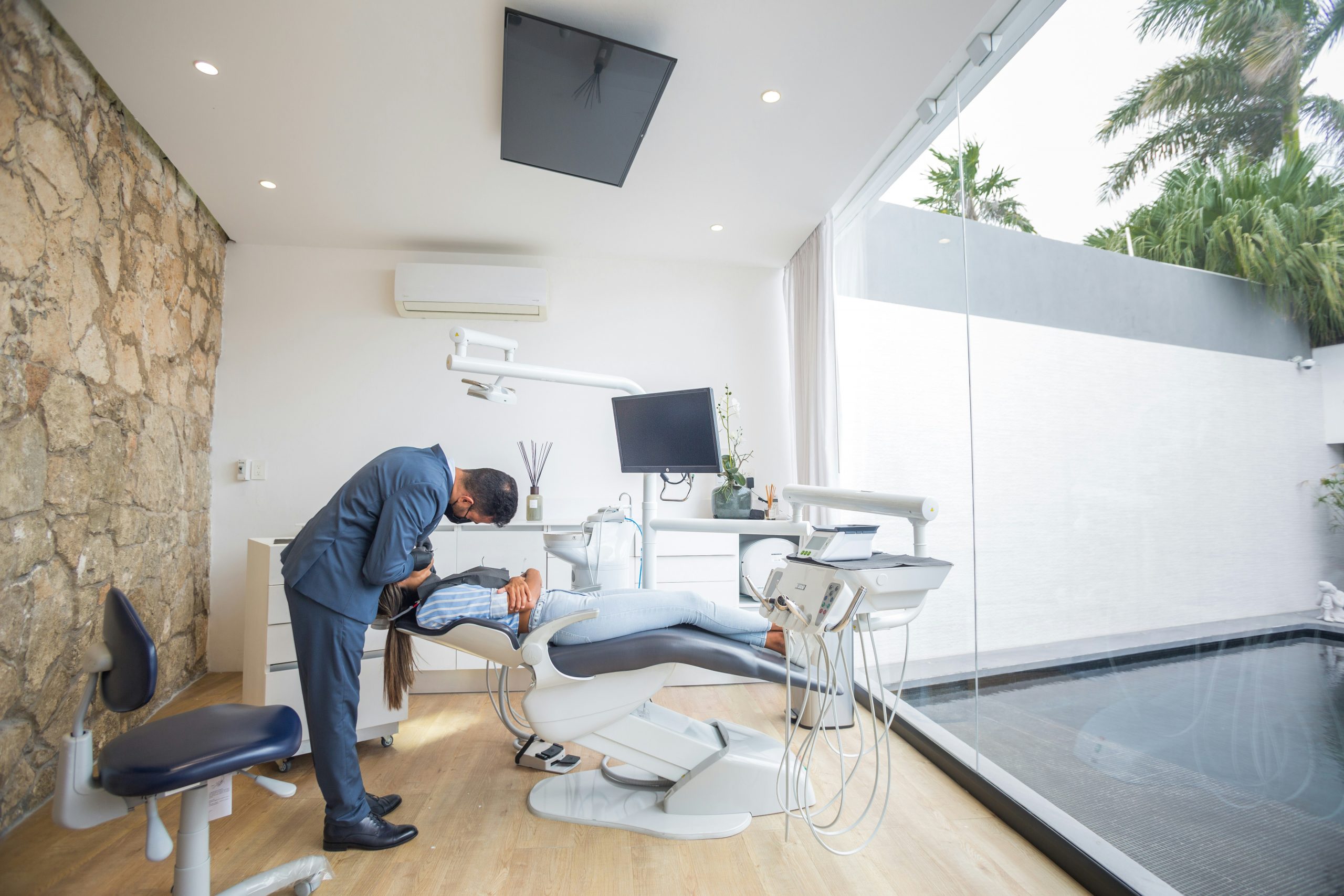
    Another key benefit of professional teeth whitening is the customisation available. When you visit a dental professional, they will assess the current condition of your teeth and design a treatment plan specifically tailored to your needs. Whether you’re dealing with surface stains from coffee or deeper discolouration caused by certain medications or ageing, your dentist will choose the most appropriate method to achieve the best results.

    Home remedies, on the other hand, are generally one-size-fits-all. You may not see the same level of improvement with a generic whitening kit or DIY method as you would with a customised treatment from a dentist. Additionally, home treatments often fail to address individual issues such as tooth sensitivity or uneven whitening.

    Why This Matters:

    • Customised treatments ensure that your teeth are whitened safely and effectively.
    • A professional will take into account your unique dental needs and adjust the strength of the whitening solution accordingly.
    • Uneven discolouration can be managed more effectively with a professional approach.

    3. Safer for Your Teeth and Gums

    One of the primary concerns with home teeth whitening treatments is the potential for damage to the teeth and gums. Many home remedies, especially DIY solutions involving harsh abrasives like baking soda, can wear away the enamel over time, leading to increased sensitivity and vulnerability to decay. Similarly, over-the-counter kits with poorly fitted trays can cause chemical burns on the gums if the whitening gel leaks.

    Professional teeth whitening, on the other hand, is carried out under the supervision of a qualified dentist, ensuring it is both safe and effective. Dentists use protective barriers to shield the gums during treatment and can control the application of the whitening solution to prevent irritation or damage. They also monitor the process closely to avoid issues like over-whitening or enamel erosion.

    Why This Matters:

    • Minimised risk of enamel damage or gum irritation.
    • Dentists take precautions to protect your oral health during the whitening process.
    • Controlled application ensures a safer, more comfortable experience.

    4. Longer-Lasting Results

    While home whitening remedies may provide a temporary improvement, the results are often short-lived. Most over-the-counter kits or DIY methods offer limited stain removal, meaning that discolouration can return relatively quickly. In contrast, professional teeth whitening treatments deliver longer-lasting results thanks to the use of high-quality whitening agents.

    Additionally, professional treatments often come with the option of custom-made take-home whitening trays to fit your teeth. These trays allow you to maintain your results over time with occasional touch-ups, ensuring your smile remains bright and white for months, or even years, after your treatment.

    Why This Matters:

    • Professional treatments offer long-lasting whiteness, often up to 12-24 months.
    • Take-home kits provided by your dentist can help you maintain your results over time.
    • Less frequent need for whitening means you can enjoy your bright smile with minimal maintenance.

    5. Treatment of Stubborn Stains

    Certain types of tooth discolouration, such as stains caused by tetracycline antibiotics or excessive fluoride exposure, can be especially difficult to remove. Home whitening remedies are unlikely to provide significant improvement for these types of stains, and in some cases, may not work at all.

    Professional teeth whitening, however, is designed to tackle even the most stubborn stains. With powerful bleaching agents and advanced technology, dental professionals can often make a significant difference in the appearance of teeth that are heavily discoloured. If professional whitening alone isn’t enough, your dentist can discuss alternative treatments such as veneers or bonding to further enhance your smile.

    Why This Matters:

    • Professional treatments are more effective at addressing deep, stubborn stains.
    • Dentists can assess the best course of action for difficult discolouration.
    • Alternative cosmetic treatments are available if whitening alone isn’t sufficient.

    Additional Benefits of Professional Teeth Whitening

    In addition to the five key benefits listed above, professional teeth whitening offers a range of additional advantages:

    6. Increased Confidence

    Having a bright, white smile can do wonders for your self-confidence. Professional teeth whitening allows you to feel proud of your smile, which can positively impact both your personal and professional life. Whether you’re attending a special event, going for a job interview, or simply interacting with friends and family, having a dazzling smile can give you the boost you need to make a great impression.

    7. Quick and Convenient

    Professional teeth whitening treatments are generally fast and convenient. In many cases, you can achieve your desired results in just one session. At-home remedies, on the other hand, often require multiple applications over a long period, with only minimal results to show for the effort. With professional whitening, you can walk out of the dental office with a noticeably brighter smile in just an hour.

    8. Improved Oral Hygiene Habits

    After investing in professional teeth whitening, many patients become more committed to maintaining their oral hygiene. The desire to keep their newly whitened teeth looking pristine often encourages better brushing, flossing, and regular dental check-ups, leading to an overall improvement in their oral health.

    Conclusion

    While home remedies and over-the-counter whitening kits may seem convenient, they often lack the effectiveness, safety, and longevity of professional teeth whitening. With the benefits of a customised treatment plan, long-lasting results, and safe application, professional teeth whitening is undoubtedly the superior choice for those seeking a brighter, more confident smile.


  • Cycling Your Way to Wellness: How Active Travel Boosts Mind and Body

    Cycling Your Way to Wellness: How Active Travel Boosts Mind and Body

    As more and more people seek out ways to rejuvenate both mind and body, cycling trips have emerged as an ideal blend of exercise, exploration, and connection with the natural world and other enthusiasts. Today, we’ll be exploring how cycling can elevate your physical and mental well-being.


    Social Connections and Group Travel Benefits

    Cycling trips, especially those designed for groups, are a powerful way to forge friendships and create lasting memories. Whether you’re cycling with a close friend or joining a group of like-minded travelers, the camaraderie that develops during these trips can be deeply fulfilling. Research has highlighted the health benefits of socializing, showing that positive social interactions can reduce stress, lower blood pressure, and boost mental resilience. Many organized cycling trips offer experiences where participants can connect over shared goals, scenic routes, and even post-ride meals. As travelers pedal through challenging landscapes together, bonds naturally form, fostering a sense of community and support. Cycling in a group also offers motivation, as each participant encourages others to push beyond their limits while having fun. And everything is more fun in a group!


    The Mental Health Boost of Cycling in Nature

    Cycling through areas rich in natural beauty offers a unique way to reset mentally away the hustle of daily life. Research underscores the mental health benefits of exercising in natural environments, with studies showing improved mood and reduced stress levels in those who immerse themselves in nature while staying physically active. The rhythmic motion of cycling, combined with the sensory experience of fresh air and picturesque views, also helps lower cortisol levels, reducing stress and enhancing emotional well-being.


    Building Physical Fitness Through Cycling

    Beyond the obvious mental health perks, cycling is a fantastic low-impact workout that strengthens muscles, boosts cardiovascular health, and builds endurance. Cycling is known to improve endurance while placing minimal strain on the joints, making it an excellent choice for those looking to stay active without risking injury. Regular cycling engages most major muscle groups, particularly in the legs, and contribute to better heart health by increasing cardiovascular endurance. With long-term cycling, travelers can expect increased stamina and strength, which not only support physical wellness but also make day-to-day activities easier and more enjoyable.


    Cultural Enrichment Through Active Travel

    One of the most enriching aspects of a cycling holiday is the opportunity to experience new cultures on a personal level. Unlike other forms of travel that may rush tourists from one landmark to another, cycling allows travelers to move at a slower pace, providing a more immersive experience. Cycling through local villages, bustling markets, or scenic countryside offers countless chances to connect with locals, savor authentic cuisine, and witness unique traditions up close. This form of activity supports physical fitness but also feeds the soul by fostering meaningful connections with diverse cultures. Travelers often find that cycling lets them experience a place through a local’s lens, offering insights that would be missed on conventional tours.


  • 5 Life Hacks for Managing Your Health in 2024

    5 Life Hacks for Managing Your Health in 2024

    Amidst the hustle and bustle of modern life, it’s easy to overlook the importance of proactive health management. But even the smallest, consistent change to daily habits and routines can have a significant impact on our overall wellbeing.

    This article delves into five actionable life hacks designed to empower you to take control of your health journey in 2024.


    Prioritise preventative healthcare

    Preventative healthcare is about taking proactive steps to maintain your health and prevent illness. This includes the likes of regular check-ups with your GP, annual dental appointments and eye examinations.

    It’s also important to be aware of your sexual health, especially if you are sexually active, as although some conditions may not have obvious symptoms, they could prove to be harmful if left untreated.

    If you have any concerns, you could consider taking proactive steps such as using a home chlamydia test to ensure you get the treatment you need before your symptoms worsen.

    Remember, early detection is key to effective treatment and management of many health conditions.


    Embrace micro workouts

    You don’t need to spend hours at the gym every day to stay fit. Micro-workouts, such as short bursts of intense exercise, can be just as effective.

    Incorporate short exercise sessions into your daily routine that you can easily fit in around your busy schedule, such as a 10-minute HIIT workout or a quick yoga session. You’ll also find a wealth of free resources online that offer guidance on such workout sessions, providing you with the extra motivation you need to get started.


    Optimise sleep

    Sleep is essential for our physical and mental health, yet its importance is often overlooked. You should aim for seven to nine hours of quality sleep each night. To improve your sleep hygiene, establish a consistent sleep schedule, create a calming bedtime routine and ensure your bedroom is dark, quiet and cool. If you struggle to switch off when you get into bed, you could consider using a sleep app to help you unwind.


    Focus on your mental health

    Mental health is just as important as physical health. Prioritise activities that promote your mental wellbeing, such as mindfulness meditation, spending time in nature or engaging in creative hobbies.

    If you’re struggling with your mental health, you should consider opening up to your loved ones about how you have been feeling or seeking professional support from your doctor or a therapist.


    Pay attention to your nutrition

    How you choose to fuel your body makes all the difference to your overall health and wellbeing, and a balanced diet is crucial to make sure you get the nutrients your body needs to perform at its best.

    Focus on consuming plenty of fruits, vegetables, whole grains and lean protein. You should also limit the amount of processed foods and sugary drinks that you consume. Hydration is also key, so aim to drink plenty of water throughout the day.


  • Why La Roche-Posay Cicaplast Baume is Essential for Skincare Enthusiasts

    Why La Roche-Posay Cicaplast Baume is Essential for Skincare Enthusiasts

    By skincare standards, La Roche Posay Cicaplast Baume might be the jack-of-all-trades product in this list. This one-of-a-kind balm is not just treating irritation and dryness but also healing your skin. The powerful ingredients from the unique formulation of the Madecassoside Lipid Barrier Toner will work hand in hand to help your skin recover and protect itself. I want to get into the distinctive features of Cicaplast Baume and why you should add this to your skincare cabinet docket as part of its versatile effectiveness.


    Unique Formulation of La Roche Posay Cicaplast Baume


    Cica is made with a blend of powerhouse ingredients to target different skin concerns, like La Roche Posay Cicaplast Baume. This balm is especially effective at soothing and regenerating the skin because it contains thermal spring water. This mineral-rich thermal spring water soothes and nourishes. This formula helps with immediate needs like dryness and sensitivity and focuses on the bigger picture, strengthening the skin overall.


    Key Elements of the Formula


    • Thermal Spring Water: Soothing and anti-inflammatory, reducing redness and irritation and delivering minerals to the skin.
    • Copper, Zinc, and Manganese: These are some of the trace elements necessary for skin regeneration. They treat (heal) and protect the skin barrier.
    • No Fragrance or Parabens: Our face lotion is fragrance- and paraben-free, making it perfect for sensitive skin.

    Ideal for Post-Procedure Care


    Cicaplast Baume is also particularly good in post-procedure care. So whether you’ve just had a facial or some more intense treatment, this balm will help calm and protect your skin while it recovers. Its barrier-like nature helps seal in moisture and protects from any further irritation resulting from external factors. This makes it a star choice for professional and at-home skincare regimen, keeping the skin soothed and nourished as it heals.


    Benefits After Cosmetic Treatments

    • Reduces Redness and Swelling: Being anti-inflammatory, it can reduce skin inflammation and enhance redness healing post-procedures like laser treatment or even after a peel.
    • Promotes Healing: The friendly barrier-repairing, hydrating Cica will help you fully recuperate faster than your usual skincare.


    A Must-Have for Changing Seasons

    Just as the changing seasons affect your style, your skin also has different needs through them all. Another fantastic use of Cicaplast Baume is in those transitional seasons where almost everyone gets dry skin. With the rich emollient texture of our balm, good hydration and protection against environmental stressors are guaranteed. It is also very effective in creating a protective film over the skin to lessen the impact of wind, cold or sudden changes in temperature. Hence, it helps a great deal, especially during seasonal transitions.


    Why It Works in Different Climates

    • Winter Protection: This helps to prevent the dry, itchy skin of winter caused by low humidity. In other words, the Cicaplast Baume is a barrier that holds water in and keeps the harmful outside elements from causing destruction.
    • Summer Relief: Summers bring minor irritations and eventually sunburn due to skin exposure to ultraviolet rays.


    The Eco-Conscious Choice

    Consumers in today’s world care much more about their purchase decisions, as well as the environmental consequences of those. Although they are somewhat expensive, the clean aesthetic combined with the sustainability effort in La Roche-Posay Cicaplast Baume makes it an infrastructure choice for some people. The brand advocates for responsible sourcing; for that, it uses sustainable, eco-friendly packaging, which also resonates with the future-forward consumer’s value systems. This product effectively does what it says for all you modern skincare enthusiasts. Launching it in a non-traditional aluminium tube has many benefits, such as making caring for your skin a sustainable choice.


    Commitment to Sustainable Practices

    • Sourcing: La Roche-Posay takes a responsible approach to sourcing its ingredients, selecting only the highest quality with sustainable manufacturing that preserves the environment in mind.
    • Packaging: The brand is proactively reducing plastic footprint and increasing recyclability in the pack.


    How to Use Cicaplast Baume Effectively


    Targeted Application

    Apply this cream directly to troubled areas to get the most out of this cream. A small amount works well if you have chapped lips or dry patches or are out in the sun. However, with the targeting method of prolotherapy, the vital components are focused on where they need to be released for faster and better relief.


    Daily Hydration Boost

    Including it in your everyday skincare regime can improve the overall health of your skin. It can be used as a final step after moisturiser to seal moisture in dry weather. By creating and harnessing this protective barrier, the face cream keeps lost moisture on point throughout the day and helps to work as a shield from environmental aggressors, leaving the skin supple, soft, and revitalised.


    Conclusion

    More than a soothing balm, La Roche-Posay Cicaplast Baume is a versatile gem for all skin concerns. Its unique formulation, from post-procedure care to seasonal considerations for maintaining skin health, makes it the ultimate item for every skincare enthusiast. Its all-in-one nature means it can replace several products and treat you overall. The commitment to quality and sustainability that Cicaplast Baume represents ensures a choice you can feel good about, with efficacy rooted in ethical responsibility. It is time to include this in your skincare routine and obtain the benefits.


  • How NMN Supplements Support Healthy Aging and Boost Energy

    How NMN Supplements Support Healthy Aging and Boost Energy

    Ever wonder if there’s a simple way to feel more energetic as you age? If you’re hearing a lot of buzz around NMN supplements, you’re not alone. People are turning to NMN as a way to support healthy aging and boost their energy levels—but what’s the deal with this little supplement, and why are so many people raving about it?

    What is NMN, and Why Should You Care?

    First things first: what on earth is NMN? NMN stands for nicotinamide mononucleotide, and while that might sound like a mouthful, all you really need to know is that NMN is something your body already makes on its own. It’s a natural compound that helps produce NAD+ (nicotinamide adenine dinucleotide), a critical molecule involved in energy production and keeping your cells functioning properly.

    Here’s the catch: as we age, NAD+ levels drop. And when that happens, we might start feeling more sluggish, less energetic, and notice those classic signs of aging sneaking in. Think slower recovery after exercise, less pep in your step, and even some cognitive fog. So, that’s where NMN supplements come in. By taking NMN, you’re giving your body the boost it needs to produce more NAD+, helping your cells stay in top form.

    How Does NMN Actually Help with Aging?

    Aging is inevitable, but there’s a difference between getting older and feeling older, right? NMN doesn’t turn back the clock, but it does help your body age more gracefully. Here’s how:

    Your cells rely on NAD+ for energy, DNA repair, and maintaining overall health. As those NAD+ levels dip with age, your body starts to feel the effects—lower energy levels, slower recovery times, and even a decline in how well your brain and muscles function. Think of NMN as a support system, helping to boost NAD+ and keep those crucial processes running smoothly.

    It’s not about reversing the aging process—it’s about giving your cells the tools they need to keep functioning at their best, even as the years go by. Who wouldn’t want that?

    The Energy Boost You’ve Been Looking For

    Let’s talk about one of the most exciting aspects of NMN supplements: the energy boost. If you’re tired of dragging yourself through the day or feeling like you need an extra cup of coffee just to function, NMN could be your new best friend.

    Here’s how it works: your cells’ mitochondria (the little powerhouses that create energy) rely on NAD+ to function properly. When NAD+ levels drop, so does your energy production. By increasing NAD+ with NMN supplements, you’re essentially helping your body make more energy at the cellular level.

    What does that mean for you? More energy to power through your day, whether it’s hitting the gym, tackling your to-do list, or just keeping up with the grandkids. No energy drinks required.

    NMN and Other Perks for Healthy Aging

    NMN doesn’t just help with energy. It’s also got a few more tricks up its sleeve when it comes to aging. Here are five key benefits that make NMN worth considering:

    • DNA repair – As we age, our cells accumulate damage, particularly to our DNA. NMN helps boost NAD+ levels, which in turn supports enzymes that repair DNA, helping your cells stay healthy.
    • Metabolism support – A sluggish metabolism is one of the downsides of aging. NMN helps keep your metabolism running smoothly, which can aid in maintaining a healthy weight.
    • Cognitive health – Brain fog? Memory slips? NMN could help here, too. By supporting brain cell function, it helps keep your cognitive sharpness in check.
    • Muscle recovery – Staying active as you age is crucial, but muscle recovery can slow down. NMN supports muscle function, helping you bounce back faster from physical activity.
    • Heart health – NAD+ is vital for maintaining healthy blood vessels, and NMN can help boost cardiovascular health, keeping your heart in good shape as you age.

    Adding NMN to Your Daily Routine

    So, how do you actually start using NMN supplements? It’s simpler than you might think. NMN typically comes in capsule form, so it’s as easy as adding it to your morning routine with your other vitamins or supplements.

    But before you dive in, it’s a good idea to chat with your healthcare provider. Everyone’s body is different, and it’s always smart to get advice from a professional to make sure NMN is right for you.

    Once you get the go-ahead, you’ll just need to take NMN regularly to give your body the NAD+ boost it needs. While some people may notice a difference quickly, for others, the effects might be more gradual. Be patient and consistent—it’s not an overnight fix, but the long-term benefits can make a noticeable difference in your energy levels and overall well-being.

    Is NMN Right for You?

    If you’ve been feeling a little run down, or you’re looking for ways to support your health as you age, NMN could be the perfect addition to your routine. While it’s not a magic bullet, the science behind NMN and NAD+ is compelling, and it could be the key to feeling more energetic, vibrant, and healthy.

    So, why not give it a try? If you’ve been on the hunt for a natural way to boost your energy and age gracefully, NMN might just be the supplement you’ve been missing.


  • Protecting Your Vision: Who Really Needs Laser Safety Glasses in the Workplace?

    Protecting Your Vision: Who Really Needs Laser Safety Glasses in the Workplace?

    Laser safety glasses might not be something you think about on a regular basis, but if you work in certain fields, they’re as essential as wearing a helmet in a construction zone. Whether you’re handling powerful industrial lasers or working in a research lab, proper eye protection can make a huge difference. But which job roles actually need these specialized glasses? You might be surprised at how many industries rely on them.

    Let’s take a closer look at the careers that benefit the most from using laser safety glasses.

    1. Medical Professionals

    When you think of lasers in medicine, you probably imagine eye surgeries like LASIK. However, lasers are used in many more procedures than just vision correction. Dermatologists, cosmetic surgeons, and even dentists use lasers to perform various treatments. Medical professionals working with lasers for surgery, skin treatments, or even dental procedures all need laser safety glasses to shield their eyes from harmful wavelengths.

    It’s not just about high-powered laser systems either. Even some low-level laser therapies can pose risks to vision without the right protection. So, whether it’s a dermatologist using a laser for hair removal or a dentist using one for precise cutting, protecting their eyes is a must.

    2. Research Scientists

    Working in research, particularly in physics, chemistry, and biology labs, often involves handling lasers for various experiments. These lasers can range from relatively low-power lasers used for simple measurements to high-energy ones designed for cutting-edge experiments. Regardless of the power level, exposure to laser beams can be dangerous, causing anything from temporary blindness to permanent damage.

    Research scientists need to be diligent about safety, and laser safety glasses are a critical part of that. When handling equipment like laser microscopes or aligning beams in complex experiments, these professionals rely on their glasses to avoid direct or reflected exposure to potentially harmful laser light.

    3. Manufacturing Workers

    Lasers have become a go-to tool in manufacturing. They’re used for cutting, welding, engraving, and even marking materials like metal, plastic, and glass. The precision they offer is unmatched, but with that power comes risk. Workers who operate laser cutters or welders are exposed to intense beams, which can be extremely harmful without the right protection.

    In fact, some manufacturing settings involve lasers so powerful that even indirect exposure, like reflections off metal surfaces, can pose a serious hazard. That’s why laser safety glasses are crucial in these environments. Manufacturing employees need them to ensure their vision stays intact while they get the job done.

    4. Laser Technicians

    Of course, it goes without saying that laser technicians — the people whose jobs revolve around maintaining and operating laser systems — need safety glasses. These professionals are responsible for ensuring that lasers are functioning correctly in a range of environments, from medical facilities to industrial plants.

    Because laser technicians work with so many different types of lasers, they often need a variety of safety glasses tailored to each system’s specific wavelength. Without the right protection, their vision is at constant risk, especially during testing, calibration, or repair work.

    5. Military and Law Enforcement

    Lasers aren’t just limited to industrial or medical uses. The military and law enforcement agencies also utilize laser technology for a variety of purposes, from target designation to non-lethal crowd control. In some cases, lasers are even used in weapons systems.

    Personnel in these roles face unique risks when dealing with lasers. The high-energy beams they encounter can cause serious eye injuries if they’re not adequately protected. Laser safety glasses are an essential part of their gear, ensuring they can safely work with or around these systems while staying focused on their mission.

    Why Laser Safety Glasses Matter

    Now that we’ve covered the job roles that benefit from laser safety glasses, let’s talk a little more about why they matter. Unlike regular safety goggles, laser safety glasses are designed to filter out specific wavelengths of light, depending on the laser being used. This makes them highly specialized equipment, tailored to the needs of the worker and the laser’s output.

    Without proper eye protection, exposure to laser beams can lead to:

    • Retinal damage – Even brief exposure to certain lasers can burn the retina, leading to permanent vision loss.
    • Corneal burns – Some lasers cause damage to the cornea, the outer layer of the eye.
    • Cataracts – Chronic exposure can cloud the lens of the eye, leading to cataract development over time.

    In many industries, these glasses are required by law to prevent workplace injuries. But even when they aren’t mandated, it’s a wise investment in safety. Your vision isn’t something you can easily repair or replace, so ensuring the right protection is crucial, no matter your role.

    How to Choose the Right Pair

    When it comes to laser safety glasses, one size definitely doesn’t fit all. Different lasers emit different wavelengths of light, and the glasses need to match that wavelength to provide adequate protection. Choosing the right pair involves understanding the specifics of the laser you’re working with — including the wavelength and the optical density needed.

    Most safety glasses are labeled with these specifications, but if you’re unsure, it’s always best to consult with a safety expert. Investing in high-quality glasses designed for your specific work environment ensures you stay safe on the job, no matter what kind of laser you’re dealing with.

    Final Thoughts

    Laser safety glasses might not seem like a top-of-mind concern until you realize just how many jobs rely on them. From surgeons and scientists to welders and law enforcement, these glasses are key to keeping professionals safe from potentially life-changing injuries. If you work with lasers, or even near them, make sure you’ve got the right protection in place.


  • Here’s How Your Smile Affects Your Confidence

    Here’s How Your Smile Affects Your Confidence

    Your smile is one of the first things people notice about you, and it plays a crucial role in shaping your self-confidence and how others perceive you. A bright, healthy smile can boost your self-esteem, improve your social interactions, and even impact your professional success.


    The Psychology of Smiling

    Smiling is more than just a facial expression; it’s a powerful tool that can influence both your own mood and the moods of those around you. When you smile, your brain releases endorphins, dopamine, and serotonin – neurotransmitters that are associated with happiness and reduced stress. This chemical reaction can actually make you feel more positive and confident, even if you didn’t feel that way initially.

    And smiling is contagious! When you smile at others, they’re likely to smile back, creating a positive feedback loop that can enhance your social interactions and boost your confidence in social situations.


    Think About Clear Aligners

    If worries about the alignment of your teeth are affecting your confidence, it’s worth considering clear aligners. These innovative orthodontic devices offer a discreet way to straighten your teeth and improve your smile without the need for traditional metal braces.

    Clear aligners are custom-made, removable trays that gradually shift your teeth into the desired position. They’re nearly invisible when worn, which means you can undergo orthodontic treatment without feeling self-conscious about your appearance. This can be particularly beneficial for adults who may have hesitated to address alignment issues due to concerns about wearing visible braces. Caspersmile can help you find the perfect aligners for you. Visit their website to find out more.


    First Impressions Matter

    First impressions are often formed within seconds of meeting someone new in both personal and professional contexts. Your smile plays a significant role in these crucial moments. A warm, genuine smile can make you appear more approachable, trustworthy, and confident. It can set a positive tone for an interaction, whether you’re meeting a potential employer, a new client, or a romantic interest.

    On the other hand, if you’re self-conscious about your smile, you might be less likely to use it freely. This can lead to others perceiving you as less confident or even unfriendly, which can have negative impacts on your personal and professional relationships.


    The Impact on Professional Success

    In the professional world, confidence is often key to success, and your smile can play a significant role in projecting that confidence. This perception can have tangible effects on your career. From job interviews to client meetings and presentations, a confident smile can help you make a positive impression and build rapport with others. It can make you appear more capable and trustworthy, potentially opening doors to new opportunities.


    Social Confidence and Relationships

    Your smile also plays a crucial role in your social life and relationships. When you’re confident in your smile, you’re more likely to engage in social situations, laugh freely, and express yourself without hesitation. This openness can lead to stronger, more authentic connections with others.

    On the other hand, if you’re self-conscious about your smile, you might find yourself holding back in social situations. You might avoid laughing openly, cover your mouth when you speak, or even withdraw from social interactions altogether. Over time, this can negatively impact your relationships and overall social confidence.


  • 10 Myths About Vascular Conditions You Shouldn’t Believe

    10 Myths About Vascular Conditions You Shouldn’t Believe

    Vascular conditions often come with misconceptions that can make understanding them a bit tricky. Whether you’ve come across confusing advice online or heard something from a friend, it’s important to separate fact from fiction. Below, we’ll dive into ten common myths about vascular conditions and debunk them once and for all. Let’s break it down clearly so you can understand what’s what.


    Myth 1: Vascular conditions are easy to self-diagnose

    It might be tempting to think you can figure out what’s going on with your health by researching symptoms online or by talking to someone who’s had similar issues. But when it comes to vascular conditions, self-diagnosis is a risky business. Conditions like deep vein thrombosis (DVT), peripheral artery disease (PAD), and aneurysms require professional medical assessment. Accurately diagnosing and treating vascular conditions involves a range of specialised tests and expertise that simply can’t be replicated through a quick Google search. So, instead of playing doctor, it’s best to leave the diagnosing to professionals who can guide you with proper treatments.


    Myth 2: Only older people get vascular conditions

    It’s often assumed that vascular diseases only affect the elderly, but that’s simply not true. While age can be a risk factor, vascular conditions can occur at any stage of life. Lifestyle habits such as smoking, poor diet, lack of exercise, and even genetics can play a significant role in vascular health, regardless of your age. So, if you’re young and think you’re off the hook, it’s worth taking steps to maintain a healthy lifestyle to protect your vascular system.


    Myth 3: Vascular conditions are rare

    This myth can lull people into a false sense of security, but the reality is that vascular diseases are more common than you might think. Conditions like PAD and varicose veins affect millions of people worldwide. Not only are these conditions more widespread than many realise, but they’re also often undiagnosed. This means it’s crucial to be aware of symptoms and risk factors, even if you think you’re healthy.


    Myth 4: Vascular conditions only affect the legs

    It’s true that many vascular conditions, such as varicose veins or DVT, are often associated with the legs, but your vascular system is much more widespread. Vascular diseases can impact various parts of the body, including the heart, brain, and kidneys. Conditions like aneurysms or carotid artery disease show how broad the vascular system is, and why it’s important not to overlook any unusual symptoms, no matter where they occur in your body.


    Myth 5: Varicose veins are purely cosmetic

    Varicose veins often get dismissed as just a cosmetic issue, but they can be a sign of a more serious underlying problem with your vascular health. While some people may not experience discomfort, others could face aching, swelling, or even more severe complications like blood clots. If you’re dealing with varicose veins, it’s not just about how they look — you should seek medical advice to assess the health of your veins.


    Myth 6: Exercise worsens vascular conditions

    This myth can prevent people from staying active, which is unfortunate since regular exercise is one of the best things you can do for your vascular health. Low-impact activities like walking, swimming, and cycling actually improve circulation and reduce the risk of blood clots or other issues. If you’re already dealing with a vascular condition, your doctor can recommend the type of exercise that’s best suited to your needs. Sitting still, on the other hand, can make things worse.


    Myth 7: Surgery is the only solution for vascular issues

    When people hear they have a vascular condition, many automatically assume surgery is their only option. While surgery can be necessary in some cases, it’s not always the first or only route. Treatments can range from lifestyle changes and medications to less invasive procedures such as angioplasty or stenting. The right treatment plan depends on the specific condition and your overall health, so it’s important to have a conversation with your doctor about the full range of options.


    Myth 8: Vascular conditions are obvious and easy to detect

    You might think that vascular conditions are always noticeable due to symptoms like pain or swelling, but that’s not always the case. Some vascular diseases, like aneurysms or carotid artery disease, can develop silently without any symptoms until they become more severe. This is why regular check-ups and monitoring your vascular health are so important, especially if you have risk factors such as smoking, high blood pressure, or a family history of vascular issues.


    Myth 9: Vascular conditions aren’t life-threatening

    This is one of the most dangerous myths around. While not every vascular condition will put your life at immediate risk, many can lead to serious complications if left untreated. DVT, for instance, can lead to a potentially fatal pulmonary embolism if the clot travels to your lungs. Similarly, conditions like aortic aneurysms or blocked arteries can escalate into life-threatening emergencies. Taking vascular conditions seriously and seeking early treatment can prevent these worst-case scenarios.


    Myth 10: Women don’t need to worry about vascular conditions as much as men

    There’s a common misconception that vascular diseases are more of a “man’s problem.” However, women are just as susceptible to vascular issues as men. In fact, certain conditions, like varicose veins and venous insufficiency, are more common in women. Hormonal changes, pregnancy, and menopause can all impact a woman’s vascular health, so it’s essential for women to stay informed and proactive about their vascular wellness.

    By dispelling these myths, it becomes clear that vascular conditions are not something to be taken lightly or misunderstood. Whether you’re young or old, male or female, staying informed and seeking proper medical advice is key to managing your vascular health.


  • Clip-In Hair Extensions: A Versatile Solution for Instant Hair Transformation

    Clip-In Hair Extensions: A Versatile Solution for Instant Hair Transformation

    Clip-in hair extensions have become popular for individuals looking to enhance their hairstyle without the long-term commitment of permanent extensions. These extensions offer an easy, affordable, and non-damaging way to add length, volume, and style to your natural hair. Clip-in hair extensions provide a versatile and effective solution whether you want to create a fuller look for an event, experiment with a new hairstyle, or simply change your everyday appearance. Explore the benefits of clip-in hair extensions, how to apply them, and tips for maintaining them.

    The Benefits of Clip-In Hair Extensions

    One of the main reasons why clip in hair extensions have gained popularity is because they offer instant results. Clip-ins can add length and volume to your hair in minutes. Whether you have thin hair and want to boost its fullness or you’re aiming to create a long, glamorous look for a special occasion, clip-ins provide an immediate transformation.

    Another major advantage of clip-in extensions is their non-damaging nature. Unlike permanent hair extensions, which often use glue, heat, or other methods that can harm your natural hair, clip-ins are applied using small, pressure-sensitive clips. These clips are gentle on the scalp and hair, making them a safe option for those who want to avoid damaging their natural locks. This makes clip-in extensions particularly suitable for individuals with fragile or fine hair.

    Additionally, clip-in hair extensions are incredibly versatile. They come in various colours, lengths, and textures, allowing you to customise your look according to your preferences. Whether you want to add some highlights, create an ombre effect, or simply match your natural hair, you can find clip-ins that blend seamlessly. Clip-ins’ flexibility also extends to styling – they can be worn for casual everyday looks or styled into more elaborate updos for formal occasions.

    How to Apply Clip-In Hair Extensions

    Applying clip-in hair extensions is relatively simple and can be done at home without professional help. Here’s a step-by-step guide to applying them for the best results:

    1. Prepare Your Hair: Start brushing your natural hair to remove tangles. This will ensure that the extensions blend smoothly with your hair. You can tease the roots of the sections where the clips will be placed for better hold.
    2. Section Your Hair: Clip-in extensions are typically applied in layers, so sectioning your hair first is important. Begin by parting your hair horizontally, starting at the nape of your neck. Clip the top layers out of the way to create a clean base for attaching the extensions.
    3. Attach the Extensions: Take one weft of clip-in extensions and open the clips. Place the weft against the sectioned part of your hair and close the clips to the roots. Continue working your way up your head, attaching the wefts layer by layer, ensuring they are securely clipped.
    4. Blend and Style: Once all the wefts are in place, brush your hair gently to blend the extensions with your natural hair. You can then style your hair as desired, using heat tools like curling irons or straighteners if the extensions are made from human hair.

    Caring for Clip-In Hair Extensions

    Proper care is essential to maintaining the quality and lifespan of your clip-in hair extensions. One of the first things to remember is to brush your extensions regularly. Use a wide-tooth comb or a soft-bristle brush to detangle them, starting from the ends and working your way up to prevent breakage.

    Unlike natural hair, clip-in extensions do not need to be washed frequently. When they do need a wash, use a gentle, sulphate-free shampoo and conditioner. After washing, allow them to air dry naturally to avoid heat damage.

    If your clip-ins are made from human hair, you can style them with heat tools but always use a heat protectant spray to prevent damage from high temperatures. However, synthetic extensions should only be exposed to heat if specifically designed for heat styling.

    Finally, proper storage is key to keeping your clip-ins in good condition. When not in use, store them in a cool, dry place, ideally in a protective bag or box to prevent tangling and dust accumulation.

    Final word

    Clip-in hair extensions offer an easy, non-damaging way to enhance your hairstyle, providing instant length, volume, and versatility. Their simple application process and wide range of options make them a perfect solution for those looking to experiment with their look without committing to permanent extensions. By following proper care routines, you can enjoy beautiful, natural-looking hair extensions for months, easily transforming your style whenever the mood strikes.


  • How to Prevent Acne Scars

    How to Prevent Acne Scars

    Studies suggest that acne negatively impacts an individual’s self-esteem and self-image, a problem that can result in depression and anxiety. While developing active breakouts on your skin is frustrating enough, having to live with the scars that come with acne can be especially difficult. In this article, you will find tips and best practices on how to prevent acne scars.


    Don’t Squeeze the Pimples, Disinfect the Area If You Do

    While it is overwhelmingly tempting to squeeze and pop a pimple, it is important you know that this habit causes more harm than good. Squeezing a pimple releases the debris and bacteria out of it, spreading the infection around your skin. This not only worsens the inflammation on the skin, but it may also leave an open wound and create more acne. However, since it is easier said than done, you are recommended to wash the area around the pimples every time you squeeze them. Ensure that the acne treatment products you use to clean your skin are recommended and approved by dermatologists.


    Never Pick Scabs

    Skin scabs are the natural protective tissues that form every time the skin is damaged. Scabs play a critical role in enhancing your skin’s healing process, which is why you should avoid picking at them. Picking a scab will only prolong the healing process, increasing the chances of developing permanent acne scars. This also makes the wound underneath the scab more vulnerable to infections.


    Treat Acne As Soon As It Breaks Out

    The best way to prevent your skin from scarring is by treating acne as soon as it breaks out. You can go for the recommended over-the-counter treatments, and if your condition is not getting any better, consult a dermatologist. Early acne treatment helps minimise the impact of the breakouts while lowering the chances of developing more severe acne. Prevent pimples and control the breakouts from extending deep into the skin.

    Acne scars can vary in severity, and fortunately, there are a range of treatment options available. For mild scarring, over-the-counter creams, gels, or treatments like microneedling or laser therapy may improve the skin’s appearance. However, for more severe and persistent scars, advanced medical procedures might be necessary. Scar revision surgery is one such option, aimed at minimizing deep, severe scars by altering their size, depth, or orientation. This surgical approach is typically recommended when other treatments haven’t been effective in reducing the visibility of scars.

    Use Extra Sunscreen

    Wearing extra sunscreen helps in fading acne scarring. Exposure to sunlight triggers the skin to produce more melanin, which results in darker skin cells. This not only prolongs the time it takes for your skin to heal, but it also causes the skin to develop unwanted pigmentation. Therefore, using more sunscreen goes a long way in preventing these skin cells from becoming more active. Consequently, the risk of scarring is reduced.


    Avoid Wearing Heavy Makeup

    Wearing makeup is not always harmful to your skin. And when you are struggling with acne, the chances are that you will wear as much makeup as possible to cover that up. However, too much makeup can worsen acne flare-ups on your skin. Some makeup and cosmetic products contain ingredients that clog pores, making it easy for the acne-causing bacteria to develop. If you have to wear makeup, consider using non-comedogenic and oil-free options.


    Do Not Exfoliate Your Skin with a Washcloth

    If you are using exfoliating mitts, mechanical facial cleansing brushes, and washcloths to clean your acne face, then you should stop. Such washing materials can be too abrasive for the pimples, and using them will only worsen your condition.

    For example, washcloths are known for causing irritation on the skin, increasing sensitivity, and making the skin more vulnerable to bacterial infections. All these can lead to severe acne scars if not avoided. Instead, consider using a gentle cleanser like amazon castile soap, which effectively cleanses the skin without causing irritation. Additionally, washcloths can hold dirt and bacteria, which increase inflammation on your skin.


    Stay Moisturised

    Moisturising is one of the best practices for maintaining the health of your skin cells, as well as protecting it from irritation. Acne scars on moisturised skin are less noticeable, not forgetting the healing effects that come with well-hydrated skin. To keep your skin moisturised, you must use moisturisers regularly and limit yourself from taking hot showers.


  • The benefits skiing has on your mental health

    The benefits skiing has on your mental health

    Mental health is rightfully at the forefront of the national conversation today, having spent far too long over-stigmatised and under-acknowledged. The statistics show that an overwhelming majority of us are touched by poor mental health at one point in time or another, with 1 in 6 reporting a common mental health problem each and every week.

    Managing mental health is just as crucial as managing one’s physical health, and in much the same way is easier said than done. However, there are some novel ways in which your mental health can be improved – one of which may seem more like leg-pulling than medical reality. But real it is: we are about to show you how skiing can be a good thing for your mental health.

    Skiing is a widely popular winter sport, even if it does require a little cash in order to get to the slopes each year. The following tips, though, should be enough for you to personally and professionally justify more than one ski trip a year.


    1. Boosts Mood and Reduces Stress

    The most immediate benefits that a ski holiday can present to you is through the management of your brain’s hormones. Just as with any other form of exercise, exerting yourself on the slopes catalyses the release of endorphins, giving you that post-exercise high as you finish. Further, the time spent in fresh air taking in those amazing landscapes will naturally reduce the levels of cortisol – the stress hormone – in your brain. As such, you’ll feel lifted, calm and stress-free as soon as your first slalom is over!


    1. Encourages Mindfulness and Present-Moment Awareness

    The benefits don’t stop with these immediate exercise-related improvements, though. Learning to ski is a mindful exercise, and even if you already know how to ski the act of skiing is also one which requires a great degree of concentration. This is mindfulness, straight and simple.

    Mindfulness is a mental health ‘hack’ of sorts which can help your brain reject circular or catastrophic thinking, by taking it away from rumination on the past and future and instead concerning it with the present. If you’re mindfully booking your next ski holiday, France could be a fantastic shout for mindful skiing, thanks to its beautiful Alpine views and sometimes-twisty slopes.


    1. Increases Self-Esteem and Confidence

    Skiing is a mindful activity both during and apres-ski, as it commands your brain both in activity and in reward. The successful descent down a given route is naturally a cause for celebration, and can be a powerful boost to your self esteem to boot. The more you ski, the more you see yourself improving at something – and hence, the more confident you get in general.

    1. Combats Seasonal Affective Disorder (SAD)

    As a final note, it’s important to mention one of the more common mental health maladies which affect us in the UK: Seasonal Affective Disorder (SAD), which crops up in the darker winter months. Taking a ski holiday in the wintertime exposes you to more direct sunlight and more fresh air than you might get at home, giving you some welcome reprieve from the winter blues.


  • How Antiseptic Wound Gel Promotes Faster Healing and Prevents Infections

    How Antiseptic Wound Gel Promotes Faster Healing and Prevents Infections

    You’ve got a cut, scrape, or maybe even a blister. It might not seem like a big deal, but leaving even the smallest wound untreated can lead to infection, and that’s the last thing anyone wants. This is where antiseptic wound gel comes to the rescue. Not only does it promote faster healing, but it also acts as a defense against infections. Let’s break down exactly why this gel should be a staple in every first-aid kit.

    The Science Behind Antiseptic Wound Gel

    So, what’s in this gel that makes it so effective? At its core, antiseptic wound gel is packed with ingredients that target bacteria and other harmful microorganisms. These gels usually contain antiseptic agents known for their bacteria-fighting properties. Once applied, these agents get to work by:

    • Killing Bacteria – Antiseptic gels are designed to destroy bacteria that could potentially infect the wound.
    • Preventing Further Infection – By forming a protective barrier, the gel prevents dirt, bacteria, and other unwanted elements from entering the wound.

    Think of it as a protective shield for your skin, offering both immediate action against germs and long-term protection while your body naturally heals.

    Why Faster Healing Matters

    Healing quickly isn’t just about convenience—it’s about minimizing risks. The longer a wound stays open, the more vulnerable it becomes to external threats like bacteria and environmental irritants. Here’s why a speedy recovery is key:

    1. Reduces Infection Risk – The longer a wound takes to heal, the higher the risk of infection. Antiseptic wound gels speed up the recovery process, closing the wound faster and limiting the time bacteria has to sneak in.
    2. Less Scarring – Faster healing often leads to less scarring. By promoting quick tissue regeneration, these gels help your skin bounce back, leaving fewer traces of the injury behind.
    3. Improved Comfort – Let’s face it, open wounds are painful. They sting, itch, and can make everyday tasks uncomfortable. The faster the healing, the quicker you can get back to normal without the constant discomfort.

    How Antiseptic Gel Helps in Different Situations

    You might be wondering, is antiseptic wound gel useful for all types of wounds? The answer is a resounding yes! From minor cuts to burns, this little gel is versatile enough to handle a variety of injuries. Here are some common situations where it shines:

    • Scrapes and Abrasions – Whether you took a tumble on the pavement or scraped yourself on a sharp edge, the gel will help clean the wound and speed up healing.
    • Blisters – While blisters aren’t always open wounds, they’re susceptible to infection if they burst. Applying antiseptic gel can prevent bacteria from getting in.
    • Burns – Burns can be tricky. Mild burns often benefit from antiseptic gels because they help soothe the skin while warding off infections. However, deeper burns may need more specialized care, so always consult a medical professional for severe cases.
    • Post-Surgery Wounds – For minor surgeries or even stitches, antiseptic wound gel can be applied to encourage quicker healing and protect the wound from infection.

    Simple Application with Big Benefits

    One of the reasons antiseptic wound gel is so popular is how simple it is to use. No complicated steps, no fuss. Just a few easy actions and you’re on your way to healing:

    1. Clean the Wound – Before applying the gel, make sure to clean the wound with water or saline to remove any dirt or debris.
    2. Apply the Gel – Gently apply a thin layer of antiseptic wound gel to the affected area.
    3. Cover if Necessary – If the wound is in an area prone to dirt or rubbing against clothes, consider covering it with a sterile bandage for extra protection.
    4. Reapply as Directed – Depending on the type of wound and the gel you’re using, you may need to reapply the gel daily or every few hours. Always follow the instructions on the packaging.

    What Makes Antiseptic Gel Better than Traditional Methods?

    You might be thinking, why not just use good old soap and water or a quick dab of alcohol? While these methods can be effective at cleaning a wound initially, they don’t offer the same long-lasting protection that antiseptic gels provide. Here’s why antiseptic gel often wins out:

    • Continuous Protection – Soap and water clean the wound but don’t keep bacteria away once you’re done washing. Antiseptic gel forms a protective layer that keeps working for hours.
    • Less Irritation – Alcohol or other harsh cleaning agents can irritate the skin, making the wound more uncomfortable. Most antiseptic gels are formulated to be soothing, reducing pain and itchiness.
    • Targeted Ingredients – Antiseptic gels contain specific ingredients that are scientifically proven to target the bacteria responsible for infections. Soap and water? They do the job, but they aren’t as specialized.

    Don’t Let Infections Get the Upper Hand

    Infections can turn a minor injury into something serious. And let’s be honest—no one has time for that. Using antiseptic wound gel as part of your wound care routine can make a world of difference in preventing complications and speeding up recovery.

    When you have the right tools on hand, you don’t have to worry about infections taking control or wounds lingering longer than they should. This simple addition to your first aid kit could save you from unnecessary trips to the doctor or dealing with infections that can quickly get out of hand.

    A Must-Have in Every First Aid Kit

    If you don’t already have antiseptic wound gel in your first aid kit, it’s time to add it. For its ability to promote healing, reduce infection risk, and keep wounds clean, it’s an essential you won’t want to be without. Whether you’re at home, out hiking, or handling everyday tasks, having a tube of this gel on standby can make life a whole lot easier.


  • How Ibogaine Treatment Centers Offer Hope for Lasting Addiction Recovery

    How Ibogaine Treatment Centers Offer Hope for Lasting Addiction Recovery

    Ibogaine treatment centers are offering something truly life-changing to those struggling with addiction—a way out. But not just a temporary escape, a pathway to lasting recovery. Addiction is a tough and deeply personal battle, but Ibogaine therapy is giving hope to many who felt they were out of options. This unique treatment has been making waves in the addiction recovery world, and it’s not hard to see why.

    What is Ibogaine?

    First things first—what exactly is Ibogaine? Derived from the root bark of a West African shrub called Tabernanthe iboga, Ibogaine is a naturally occurring psychoactive substance. It’s been used for centuries in African spiritual ceremonies but more recently, it’s become a tool in the fight against addiction.

    Here’s where things get interesting: Ibogaine works on the brain in a way that seems to reset it, particularly when it comes to addiction. For many people, it’s a one-time treatment that can significantly reduce cravings and withdrawal symptoms for substances like opioids, alcohol, and even stimulants.

    The Science Behind Ibogaine

    If you’re wondering how Ibogaine works, you’re not alone. Researchers have been studying its effects for years, and while we’re still learning more, the results are impressive. Essentially, Ibogaine targets specific receptors in the brain that are tied to addiction. It helps restore normal functioning by “rewiring” the brain’s pathways—allowing people to break free from the cycles of dependency.

    One of Ibogaine’s most remarkable qualities is its ability to reduce or eliminate withdrawal symptoms. Anyone who’s been through withdrawal knows how physically and mentally grueling it can be. Ibogaine minimizes that suffering, making the journey toward recovery feel less like an uphill battle and more like a real possibility.

    Ibogaine’s Role in Long-Term Recovery

    Let’s be clear: Ibogaine isn’t a magical cure. You don’t just take it, wake up the next day, and boom—you’re free from addiction. But what Ibogaine does offer is the ability to jumpstart the recovery process. It gives people a window of opportunity—free from cravings and withdrawal—to work on the deeper issues that fuel addiction.

    This is where Ibogaine treatment centers come into play. These centers provide a supportive environment where patients can focus on their healing, both physically and emotionally. Many combine Ibogaine therapy with holistic treatments, counseling, and aftercare planning, creating a comprehensive approach that increases the likelihood of lasting recovery.

    What to Expect at an Ibogaine Treatment Center

    So, what happens when you walk into an Ibogaine treatment center?

    While every center is different, most offer a similar structure:

    • Pre-treatment assessment – Before receiving Ibogaine, you’ll go through a thorough medical evaluation. Ibogaine isn’t for everyone, especially for people with certain heart conditions, so this step ensures it’s safe for you.
    • Ibogaine administration – During the actual treatment, you’ll likely be in a comfortable, controlled environment under medical supervision. The experience itself can be intense, lasting anywhere from 12 to 36 hours. Patients often describe it as a deeply introspective process, where they confront past traumas and gain insights into their behavior.
    • Post-treatment care – After the Ibogaine session, you’ll need time to rest and recover. Many centers offer therapy and counseling during this period, helping you integrate the experience and start laying the foundation for long-term recovery.

    What really sets Ibogaine treatment centers apart is the focus on holistic recovery. It’s not just about detoxing or getting clean—it’s about healing the whole person. This is where many traditional rehab programs fall short. They focus on getting you through withdrawal but don’t necessarily equip you with the tools you need to stay sober in the long term. Ibogaine centers are different. They aim to help you rebuild your life from the ground up.

    A New Beginning, Not a Quick Fix

    It’s easy to think of Ibogaine as a quick fix—pop a pill and you’re all better, right? Wrong. Ibogaine is powerful, yes, but it’s not a magic bullet. What it offers is the chance for a fresh start, but you have to do the work. That’s why many Ibogaine centers emphasize the importance of aftercare.

    Once you’ve completed the treatment, that’s when the real work begins. Ongoing therapy, support groups, and sometimes even lifestyle changes are crucial to maintaining recovery. Many centers provide access to these resources long after you leave, so you never feel like you’re navigating recovery alone.

    Ibogaine as a Last Resort?

    Some people come to Ibogaine treatment centers when they’ve tried everything else and feel like they’re out of options. Traditional rehab didn’t work. 12-step programs didn’t click. If you’re in that place, Ibogaine might just be the light at the end of the tunnel you’ve been looking for.

    That’s the beautiful thing about Ibogaine—it offers hope. It’s not a guarantee, but it’s a chance. And for people who’ve been struggling with addiction for years, sometimes that’s all they need.

    Is Ibogaine Right for You?

    Ibogaine isn’t for everyone, and it’s definitely not something to take lightly. It’s crucial to do your research and find a reputable treatment center with medical professionals who know what they’re doing. But if you’re at a crossroads in your recovery journey, it’s worth considering.

    At the end of the day, Ibogaine treatment centers are giving people something incredibly valuable: hope. For many, that’s the first step toward a future free from addiction. And for those willing to put in the work, it might just be the last treatment they ever need.


  • Red Flags of Addiction: Early Signs You Should Never Ignore

    Red Flags of Addiction: Early Signs You Should Never Ignore

    Addiction can be a sneaky thing—it doesn’t usually start out as something obvious. It often creeps in slowly, making it tough to notice until it’s already deeply affecting someone you care about. But here’s the good news: there are early signs, and if you know what to look for, you can take steps to help before things spiral out of control.

    Whether it’s a friend, family member, or someone else close to you, recognizing the red flags of addiction is crucial.

    Let’s go over some of the early warning signs you should never ignore and how you can step in to offer support when it’s needed most.


    1. Changes in Behavior or Mood

    One of the first clues that something might be off is a sudden or unexplained shift in mood or behavior. Maybe your normally outgoing loved one has become withdrawn, or perhaps someone who’s usually calm is suddenly irritable or on edge all the time. Addiction can cause mood swings that seem out of character and difficult to explain.

    What to Watch For:

    • Irritability or aggression – Short temper, snapping at others, or getting upset over small things.
    • Withdrawn behavior – Avoiding social events, skipping activities they used to enjoy, or isolating themselves.
    • Sudden secrecy – Becoming defensive when asked simple questions or hiding details about their day.

    How to Help:

    Approach them with understanding, not judgment. Try saying something like, “I’ve noticed you’ve seemed really stressed lately—anything going on you’d like to talk about?” Opening up a safe space for them to share can help you understand what’s really happening. It’s this initial conversation that can often lead people to get the help they need, such as visiting a Ventura rehab for treatment.

    2. Physical Appearance Changes

    Addiction can often leave its mark physically. This might be one of the more noticeable signs, especially if the changes seem to come out of nowhere. Your loved one may start neglecting their appearance or overall hygiene, or they may experience more drastic changes like sudden weight loss or frequent illness.

    What to Watch For:

    • Weight fluctuations – Rapid weight loss or gain without a clear explanation.
    • Poor hygiene – Unkempt appearance, bad body odor, or a noticeable decline in grooming habits.
    • Frequent illness – Complaints of feeling unwell, excessive tiredness, or unexplained injuries.

    How to Help:

    It can be uncomfortable to bring up someone’s physical appearance, but you can approach it gently. You might say, “You don’t seem like yourself lately. Are you feeling okay?” Sometimes, showing concern for their health can help them realize that others are noticing the changes too.


    3. Changes in Sleep Patterns

    Addiction, especially to substances like alcohol, drugs, or even prescription medication, can mess with a person’s sleep. If someone you love is staying up all night, sleeping through the day, or constantly appears exhausted, it could be a sign that something’s going on beneath the surface.

    What to Watch For:

    • Erratic sleep schedules – Staying up for long periods, then crashing for hours, or suddenly napping throughout the day.
    • Constant exhaustion – Complaining of being tired all the time, even after what should have been a good night’s sleep.
    • Difficulty waking up – Struggling to get out of bed, being late for work or important activities, or frequently oversleeping.

    How to Help:

    Instead of focusing on the behavior, try to gently bring up the impact it’s having on their well-being. “You seem really tired lately, is something keeping you up at night?” This can open the door for a conversation about their habits without making them feel cornered.

    4. Social Isolation or New Friend Groups

    It’s normal for people to change friend groups over time, but if someone close to you starts hanging out with a completely new crowd—or isolates themselves altogether—it could be a sign of something deeper. Addiction often leads people to distance themselves from those who might notice their problem, or it could push them toward people who share the same habits.

    What to Watch For:

    • Avoiding long-term friends or family – Skipping family gatherings or turning down invites to events they would normally attend.
    • Spending time with a new, unfamiliar group – If their new friends seem to encourage risky behaviors, that’s a red flag.
    • Losing interest in social activities – Gradually disengaging from hobbies or activities they once loved.

    How to Help:

    Don’t pressure them, but offer your company. Reaching out with a simple, “I’ve missed seeing you around lately—how about we catch up?” can show them you’re still there for them without making them feel judged.

    5. Financial Problems

    Addiction can be costly, and one of the telltale signs is financial trouble. Whether it’s running out of money faster than usual, asking to borrow cash frequently, or making excuses about why they can’t pay their bills, financial strain is a common red flag.

    What to Watch For:

    • Constantly borrowing money – Regularly asking for loans or making excuses for why they can’t cover basic expenses.
    • Unexplained financial issues – Struggling to pay bills despite having a stable job or making excuses for their money disappearing.
    • Selling possessions – Pawning or selling belongings to make quick cash is often a last resort for someone struggling with addiction.

    How to Help:

    You don’t want to lecture them about their spending, but you can ask if they’re struggling financially. Offer resources for budgeting or financial counseling, but more importantly, ask if there’s something else going on that’s causing the money problems.

    6. Denial and Defensiveness

    If someone you care about is facing addiction, one of the hardest signs to watch for is denial. They might get defensive when you bring up any concerns or brush off serious issues as “no big deal.” Addiction can make it difficult for someone to admit they have a problem, even to themselves.

    What to Watch For:

    • Downplaying problems – Saying things like, “It’s just a bad habit,” or, “I’m in control—I can stop whenever I want.”
    • Getting defensive – Becoming angry or upset when confronted about their behavior.
    • Refusing help – Pushing back against any offers of assistance or saying they don’t need help.

    How to Help:

    Denial can be tough to break through, but it’s essential to stay calm and patient. Instead of accusing them, express your concerns with care: “I’m really worried about you. I’m here for you if you ever want to talk or get help.” Let them know they have your support, even if they’re not ready to take the next step yet.

    Final Thoughts: The Power of Support

    It’s incredibly hard to watch someone you love struggle with addiction, but noticing the early signs can make all the difference. By recognizing these red flags, you can intervene before the problem gets worse and help guide your loved one toward the support they need.

    Remember, it’s not about forcing them to change—it’s about being there for them and offering a safe, non-judgmental space where they can feel understood. Sometimes, just knowing that someone cares enough to notice and reach out is the first step toward recovery.

  • What are five ways to unwind after a long day?

    What are five ways to unwind after a long day?

    After a long, busy day, you might be looking for ways to relax your mind and forget about any stress or anxiety that may be troubling you. Fortunately, there are plenty of hobbies that can make you feel good and alleviate ongoing mental health struggles. Here are some options for you to try.


    1. Physical exercise

    Taking up a sport or working out is one of the most effective ways to release stress and boost your mood.

    Whether it’s a short run around your local park, a gym workout or a sports match with friends, incorporating physical activity into your daily schedule can make a significant difference.

    Try pairing the activity with your favourite music or a captivating audiobook if you find it hard to motivate yourself. This combination can distract your brain from the effort and turn it into a pleasurable routine.


    1. Mindful meditation

    A simple meditation session can help clear your mind, centre your thoughts and make you more self-aware.

    If you’re new to meditation, start with deep breathing exercises by slowly inhaling through your nose, holding your breath for a few seconds and then gently exhaling through your mouth. This technique can lower your heart rate and promote relaxation. You can also download apps with guided sessions tailored to beginners.


    1. Chill out with an online game

    Whether it’s a puzzle, an immersive story-driven experience or even a few rounds of an online casino game, this can be a fun and engaging way to decompress.

    Online games provide a great escape, allowing you to focus on something enjoyable after work. Additionally, multiplayer options can offer a social component, allowing you to connect with friends or meet new people.


    1. Indulge in a creative hobby

    Painting, knitting, playing a musical instrument or even writing are creative activities that provide a productive outlet for your emotions and thoughts. These hobbies help divert your stress and give you a sense of accomplishment.

    Creative hobbies can also be particularly beneficial for mental health, offering a much-needed break from routine and helping to maintain a healthy work-life balance.


    1. A good book or podcast

    Reading a book or listening to a podcast before bed is a great way to relax and drift off. A good night’s sleep can ensure you’re the best version of yourself the following day.

    Reading can transport you to different worlds, providing a peaceful escape from your busy life. Similarly, a calming podcast can be the perfect companion during your evening routine and can grow your knowledge of various subjects.

    Creating a cosy environment with dimmed lights and a warm cup of tea can make it even more comfortable.


  • Timeless Charm: How to Choose Earrings that Enhance Your Style

    Timeless Charm: How to Choose Earrings that Enhance Your Style

    Earrings are more than just accessories; they express personal style and timeless elegance. But with countless options available, how do you choose the perfect pair that complements your look? Whether dressing up for a special occasion or adding a touch of sophistication to an everyday outfit, selecting the right pair can significantly enhance your overall appearance. But what should be considered when making this choice?


    Consider Face Shape

    Face shape is one of the most critical aspects when choosing earrings (耳環). Why does this matter? The shape of your face can significantly influence how certain styles look. For instance, if you have a round face, long, dangling designs can help elongate your features, creating a balanced look. By matching these accessories to face shape, you can ensure they flatter natural features and add harmony to your overall appearance.


    Match Earring to Skin Tone

    Did you know skin tone can affect how certain metals and gemstones look on you? Pairs complementing skin tone can make your complexion glow and enhance natural beauty. Gold or those with earthy gemstones like amber and turquoise can be particularly flattering if you have a warm skin tone.

    Conversely, silver, platinum, or white gold paired with gems like sapphires or emeralds can create a stunning contrast if you have a cool skin tone. By choosing designs that match your skin tone, you can effortlessly elevate your style and bring out the best in your appearance.


    Align with Hairstyle

    Hairstyle plays a significant role in how an earring is perceived. For those with short hair or styles that expose the ears, bold and statement designs can be a fantastic choice. But what if you have long hair? In that case, opt for designs that won’t get lost in your locks, such as large hoops or chandelier styles. Additionally, consider hair color—darker shades can create a striking backdrop for bright or shiny earring pairs, while lighter hair may benefit from contrasting colors. By aligning these choices with hairstyle, you can make a cohesive and stylish look that draws attention in all the right ways.


    Choose an Earring Pair for the Occasion

    Are you selecting an earring pair for a casual day out or preparing for a formal event? The occasion should guide your choice. Simple studs or small hoops offer understated elegance without being overly flashy for everyday wear. However, don’t hesitate to go out with glamorous and intricate designs for special occasions like weddings or evening galas. Large gemstones, intricate patterns, and unique shapes can add a touch of luxury to your outfit, making you stand out in any crowd. Choosing these pairs appropriate for the occasion ensures that accessories enhance your style without overpowering it.


    Reflect Personal Style

    An earring should reflect a personal style. Do you prefer classic, timeless pieces, or are you drawn to more modern and edgy designs? The great thing about these earring pairs is that they come in many styles. If you love vintage charm, consider choosing a pair with a retro design or antique finish.

    Simple studs or geometric shapes can perfectly fit those who favor a minimalist aesthetic. On the other hand, if you like to make a statement, bold and colorful pairs can express a vibrant personality. By choosing styles that resonate with one’s preferences, you can wear them confidently and proudly.


    Consider Comfort and Practicality

    While style is important, comfort and practicality should be noticed. Have you ever worn pairs that looked amazing but felt uncomfortable after a few hours? It’s crucial to choose pairs that are not only beautiful but also comfortable to wear. Consider the weight—heavy earring pairs can pull on your earlobes and cause discomfort over time. Also, consider the material; opt for hypoallergenic metals like surgical steel or titanium if you have sensitive skin. Additionally, consider the practicality of these in daily life—will they be easy to wear with usual outfits, and are they versatile enough for different occasions? By keeping comfort and practicality in mind, you can ensure these enhanced styles without causing discomfort.


    Choosing the right earrings is an art that blends style, personal taste, and practicality. By considering factors such as face shape, skin tone, hairstyle, and occasion, you can find earring pairs that suit the look and express your unique personality. Remember, these are more than just accessories—they reflect timeless charm. So the next time you shop for a new pair, ask yourself: how will these pairs enhance one’s style? With the right choice, you’ll feel confident, stylish, and ready to take on the world, one earring at a time.


  • The Role of an Audiologist: What You Need to Know About Hearing Health

    The Role of an Audiologist: What You Need to Know About Hearing Health

    Have you ever stopped to think about how much of your life is influenced by the ability to hear? Whether it’s the sound of your favorite music, a loved one’s voice, or the calming hum of nature, hearing is a key part of our daily experience. But what happens when this vital sense begins to fade? That’s where audiologists come in—audiologists are the unsung heroes who ensure that your ears are in top shape, helping you maintain the best hearing health possible.

    What Exactly Does an Audiologist Do?

    An audiologist in Newton, NJ, is a healthcare professional specializing in identifying, diagnosing, and treating hearing and balance disorders. Think of them as your go-to expert for anything related to your ears. But their work goes beyond just fitting you with hearing aids. Audiologists play a critical role in ensuring your overall hearing health through a range of services.

    Diagnosing Hearing Loss

    Hearing loss isn’t just about turning up the volume on your TV. It can be subtle, and many people don’t realize they have an issue until it’s already advanced. Audiologists use specialized tests to evaluate your hearing ability. These tests aren’t the same as the quick hearing checks you might get at a physical; they’re comprehensive and tailored to your specific needs.

    For example, audiologists might use an audiogram, a visual representation of your hearing range, to pinpoint the exact nature and degree of your hearing loss. From there, they can recommend the best course of action—whether it’s a hearing aid, therapy, or other interventions.

    Treating Hearing Disorders

    Once a diagnosis is made, treatment is the next step. This could involve anything from fitting and adjusting hearing aids to more complex interventions like cochlear implants. Audiologists don’t just hand you a device and send you on your way—they work closely with you to ensure that your treatment is effective and suits your lifestyle.

    And it’s not just about devices. Audiologists also provide auditory training and rehabilitation services, which are crucial for helping you adapt to your hearing aids or manage your hearing loss. These services can significantly improve your quality of life, helping you communicate more effectively and enjoy the sounds around you.

    Balance and Vestibular Issues

    Did you know that audiologists also play a role in diagnosing and treating balance disorders? The inner ear is not only responsible for hearing but also for maintaining your balance. When something goes wrong in this system, it can lead to dizziness, vertigo, and other unsettling symptoms.

    Audiologists can perform tests to evaluate your vestibular system—the part of your inner ear that controls balance. They can then recommend therapies or interventions to help you regain stability and confidence in your movements.

    When Should You See an Audiologist?

    Now that you know what an audiologist does, you might wonder when it’s time to see one. Here are some situations that should send you straight to your local hearing specialist:

    • You’re asking people to repeat themselves more often – This is a classic sign of hearing loss. If conversations are becoming harder to follow, it’s time for a check-up.
    • You experience ringing in your ears – Known as tinnitus, this condition can be a sign of underlying hearing issues or other health concerns.
    • You have trouble hearing in noisy environments – Struggling to hear in places like restaurants or busy streets could indicate a specific type of hearing loss.
    • You’re feeling off-balance or dizzy – Since the inner ear controls balance, issues here can manifest as dizziness or vertigo.
    • You’re over 60 – Hearing naturally declines with age, so regular check-ups with an audiologist are a good idea as you get older.

    The Impact of Untreated Hearing Loss

    Ignoring hearing loss won’t make it go away. In fact, untreated hearing issues can lead to a host of other problems, including:

    • Cognitive decline – Research has shown a link between untreated hearing loss and an increased risk of dementia.
    • Social isolation – Struggling to hear can make social situations stressful, leading many people to withdraw from activities they once enjoyed.
    • Depression – The frustration and isolation that often accompany hearing loss can take a toll on your mental health.
    • Safety concerns – Not being able to hear alarms, oncoming traffic, or other important sounds can put you at risk of accidents.

    Protecting Your Hearing Health

    Taking care of your hearing is crucial, and audiologists are your partners in this journey. Here’s what you can do to protect your hearing:

    • Limit exposure to loud noises – Wear ear protection in noisy environments like concerts or while using power tools.
    • Keep the volume down – Whether it’s your music, TV, or phone, try to keep the volume at a safe level.
    • Get regular hearing check-ups – Just like you visit the dentist or eye doctor regularly, make hearing tests part of your routine health care.

    Your Ears Deserve Expert Care

    Hearing is one of those things you don’t fully appreciate until it’s compromised. Whether you’re experiencing issues now or want to prevent them in the future, an audiologist is your go-to professional for all things hearing-related. Don’t wait until you’re struggling to hear your favorite song or missing out on conversations—take control of your hearing health today.


  • The Different Types of Laser Eye Surgery: Which One Is Right for You?

    The Different Types of Laser Eye Surgery: Which One Is Right for You?

    When it comes to improving your vision, laser eye surgery has become a game-changer. Gone are the days of relying on glasses or contact lenses to see clearly. With advancements in medical technology, several types of laser eye surgery are available to suit different needs. But with choice comes the tricky part—how do you know which one is right for you?

    LASIK: The Popular Choice

    First up, we have LASIK (Laser-Assisted In Situ Keratomileusis), the most well-known type of laser eye surgery. If you’ve ever heard of someone getting laser eye surgery, they were probably talking about LASIK. It’s popular for a reason—most people who undergo LASIK are thrilled with the results. The procedure is quick, often taking less than 30 minutes for both eyes, and the recovery time is pretty fast too. Most patients notice improved vision within 24 hours.

    How does it work? LASIK involves creating a thin flap in the cornea (the clear front part of the eye), which is then lifted to allow the laser to reshape the underlying corneal tissue. This reshaping helps correct vision problems like nearsightedness, farsightedness, and astigmatism. After the laser has done its job, the flap is carefully placed back, and it heals naturally.

    It’s also worth noting that the cost of laser eye surgery can vary, and LASIK is typically one of the more affordable options, considering the quick recovery and high satisfaction rate. Of course, it always makes sense to speak with your ophthalmologist to find out which form of laser eye surgery is going to be best for you and to discuss different prices and payment options.

    Best for: Those with common vision problems like myopia (nearsightedness), hyperopia (farsightedness), and astigmatism.

    Considerations: Not everyone is a candidate for LASIK. Your eye must have enough corneal thickness for the flap creation, and some conditions, like very dry eyes, might make LASIK less suitable for you.

    PRK: The Flap-Free Alternative

    Next, we have PRK (Photorefractive Keratectomy), which is a bit of an older technique compared to LASIK but still widely used today. PRK is often recommended for people who may not be suitable for LASIK, particularly those with thinner corneas.

    Instead of creating a flap in the cornea, PRK removes the outer layer of the cornea (the epithelium) entirely. The laser then reshapes the cornea underneath, just like in LASIK. The epithelium naturally regenerates over a few days after the surgery.

    Best for: Those with thinner corneas or who engage in activities where a corneal flap could be risky, such as contact sports.

    Considerations: PRK has a longer recovery time compared to LASIK. You might experience more discomfort in the first few days post-surgery, and it could take a few weeks to see the full improvement in your vision.

    SMILE: The New Kid on the Block

    SMILE (Small Incision Lenticule Extraction) is the latest addition to the laser eye surgery family and is quickly gaining popularity. The procedure is minimally invasive and doesn’t require the creation of a corneal flap.

    In SMILE, the surgeon uses a laser to create a small piece of tissue (called a lenticule) within the cornea. This lenticule is then removed through a tiny incision, which reshapes the cornea and corrects vision. The small incision means there’s less impact on the corneal nerves, leading to less dryness post-surgery—a common complaint with other types.

    Best for: People with mild to moderate nearsightedness (myopia) and astigmatism.

    Considerations: SMILE might not be as widely available as LASIK or PRK, and not all vision issues can be corrected with this method. However, for those who are suitable candidates, SMILE offers a quick recovery and fewer side effects like dry eyes.

    LASEK: A Hybrid Approach

    LASEK (Laser-Assisted Sub-Epithelial Keratectomy) is somewhat of a hybrid between LASIK and PRK. Like PRK, it doesn’t involve cutting a flap in the cornea, but it does involve loosening the epithelial layer with a special solution before reshaping the cornea with a laser.

    The epithelial layer is then repositioned after the procedure. This method is often recommended for people with very thin or flat corneas, who may not be good candidates for LASIK.

    Best for: People with thin corneas or those looking for an alternative to LASIK.

    Considerations: Recovery time is typically longer than LASIK, similar to PRK. You might experience some discomfort as the epithelium heals, but it’s generally manageable.

    Making the Right Choice

    Choosing the right type of laser eye surgery comes down to your individual needs and the specifics of your eye health. Here are a few things to keep in mind as you consider your options:

    • Consultation: The first step is a thorough consultation with an eye surgeon. They’ll assess your eyes to determine which procedure is most suitable for you.
    • Recovery time: If you need to be back on your feet quickly, LASIK might be the best choice. However, if you’re more concerned about long-term results, other options like SMILE or PRK might be worth considering.
    • Lifestyle: Think about your daily activities. If you’re into contact sports or have a job that involves physical work, PRK or SMILE might be safer options due to the lack of a corneal flap.

    Lastly, let’s touch on the cost of laser eye surgery. Prices can vary depending on the type of procedure, your location, and the surgeon’s experience. It’s worth considering the cost in relation to the long-term benefits of clear vision, but don’t let price be your only deciding factor. Quality and safety should always come first.

    Clear Vision Ahead

    Laser eye surgery is an investment in your quality of life, freeing you from the daily hassle of glasses or contact lenses. Whether you’re leaning towards LASIK for its speedy recovery, intrigued by SMILE’s modern approach, or considering PRK for its tried-and-true method, there’s a solution out there for you.

    Your vision is too important to rush the decision, so take the time to consult with a professional, weigh your options, and choose the path that will give you the best outcome. The world is a beautiful place, and seeing it clearly should be within everyone’s reach.


  • The Ultimate Guide to Using Blush Sticks for a Natural Glow

    The Ultimate Guide to Using Blush Sticks for a Natural Glow

    Do you wish your cheeks naturally glowed in a slight, rosy hue? Welcome, blush sticks: the best-kept trick for every makeup lover. This ultimate guide will take you through professional advice and insider secrets regarding blush sticks — all designed to help you achieve a beautiful, barely-there look that can transform your makeup routine.

    Choosing the Right Shade

    Picking the perfect shade of blush stick is essential to getting that natural-looking glow. While you can follow these easy guides on undertones to choose the right hue, it is also necessary that before adopting any shade in this colour section, you try to understand your skin tone, which will guide you to a more precise match. Undertone is the faint colour hiding just under your skin and impacts how colours look on you.

    If you have warm undertones, go for peach or coral colours. These colours give a warm, “sun-kissed” appearance that will play off of the natural golden or yellow tones in your skin. If you have cooler undertones, go for pinks or mauves. These colours compliment your skin’s blue or pink undertones for a more natural, glowing appearance. Neutral undertones — you lucky people! The ones I share with you are only a few examples, but depending on your skin tone and what might work for you, there are so many pink blushes, from softer shades to berry-toned hues, to choose from.

    Application Techniques

    Now that you’ve discovered your complexion’s ideal colour learn how to apply a blush stick. First, find out where you should place your blush. Applying it on the apples of your cheeks is still a traditional way. Dab some blush and smile to find the apples — apply on the roundest part of the cheek here—a placement that keeps it youthful, which makes you look younger.

    Blend the product towards your temples with your fingers or a makeup sponge. Use gentle patting motions to help the blush melt into your skin. This will avoid harsh lines and allow the blush to blend into itself down your cheeks rather seamlessly than from a definite colour source.

    This can also be used as a contour stick if you want a more chiselled look on your face! Sweep your blush just below your cheekbones and blend up towards the temples. This will contour different areas of your face and act as any other typical curve powder product. Remember how less is more; you can always start gently and work your way up if necessary instead of having too much on and then trying to take some off.

    Additional Tips and Tricks

    But we have a few additional tips for the new to the game (or those who want to elevate their game further). A great start is for contouring and highlighting. Use a darker shade for contouring and a lighter one for highlighting. Contour the contour shade beneath your cheekbones, blending up towards your temples. Highlight the high points of your face and bring backbone structure by sweeping a highlighting shade along cheekbones. Be sure to blend well; otherwise, you might soon see harsh lines removing the smoothness.

    If you are building up the intensity of your blush, apply a light layer and add more until the desired level is achieved. This technique allows you to adjust pigment intensity and achieve a nude, no-makeup look. Adding more colour gradually is better than trying to tone down an overpowering blush. Start with a light application and build up, if necessary to maintain control over the blush’s impact. This approach ensures a more natural and blended finish, giving you the flexibility to customise your look based on your preferences and the occasion.

    Refrain from making common mistakes, like overloading the product in one go. That can create an overdone appearance that is difficult to blend out. Rather than just scooping a bunch on, use the tiniest amount possible and then rub it in evenly to determine if you need more colour. Moreover, if you pick the wrong colour, your skin tone will not match naturally. Be sure to choose the shade that matches your undertones for harmony.

    Conclusion

    Overall, these are multi-use products that are simple to work with, making them worthwhile when spicing up your makeup game. The proper shade selection, application methods, and some of the expert tips we shared with you above will help give your skin a beautiful, radiant glow and enhance your already stunning natural beauty. Try it in a colour and application that is appealing to you. Whether aiming for something soft and natural or a contoured effect, it provides built-in ease when applying that juicy flush of colour on your cheeks. Are you prepared to get your glow on? Check it out now for more, and enjoy the natural beauty!


  • Summer dental care essentials

    Summer dental care essentials

    Summer not only offers a great weather, but also a stress-free break from everyday responsibilities. In this time of the year, you search for opportunities to explore new places. Have a few days off? Pack your bags and get some rest! Here are summer dental care tips to make sure your vacation is nothing but fun.

    Research a dentist’s office abroad in advance

    Anything can happen when you are away from home. Uncontrolled bleeding or broken tooth are the worst case scenario. You may bite into something sticky and pull your filling out. If you do not want to suffer from pain, research your target holiday area and write down the address of a good clinic. There is a great tannlege i utlandet in almost every bigger city. Most of them are available without waiting period, which means an instant relief for you. Check the patients’ opinions as well to make sure you are in good hands.

    Stick to your usual oral care routine

    Keep up with your flossing and brushing at your normal pace. If it is possible, brush your teeth normally an hour after or before having a meal. Remember about flossing your teeth and rinse it with a mouthwash every time you feel the need. Sometimes, you may be exhausted after a busy day and just wish to jump into bed and fall asleep. Do not treat your vacation as an excuse. Dental routine is your top responsibility.

    Pay attention to what you eat

    Local food is a part of every vacation, however, watch what you eat, if you want to avoid a costly dental visit. Explore the local cuisine step by step and be careful, especially when you have braces, crowns or dentures. If you think some food may become a problem, just use your sense and avoid it. Popular Californian saltwater taffy is not a good idea in your case. Same with other snacks, such as popcorn, sticky or hard candies and other food that is likely to damage your teeth. If you have old fillings, avoid crunchy ice in your drinks.

    Visit a dentist before you go

    Is your departure date getting closer? Schedule a dental appointment right before you start your holiday. Prevention is better than cure, they say. If there are any issues that need to be corrected, do it before you travel.

    Emergency during your vacation – what now?

    You cannot predict everything. If you are abroad and need to visit a dentist, do not wait up. There is a chance your treatment will be not only of better quality than in your hometown, but also cheaper. Dental tourism is quite popular nowadays! In Poland, for example, there is a great clinic in Kraków, where you can get a comprehensive dental service without waiting period. Indexmedica’s offer includes dental fillings, implants, crown, bridges and dentures, root canal treatment, teeth whitening and dental surgery – all at affordable price.

    In case you have an emergency, just make a call and set an appointment as soon as possible. Is Poland your touristic destination? You can be sure of high-quality dental service with the use of innovative equipment, and be surprised with a bill you can totally afford.