Category: Health and Beauty

  • Why Massage Therapists Should Learn Trigger Point Therapy

    Why Massage Therapists Should Learn Trigger Point Therapy

    Your hands work magic, helping clients relax and unwind. But what if you could go beyond that? What if you could target the root cause of their pain and give them lasting relief, not just a temporary escape? That’s where trigger point therapy comes in. This technique isn’t just another tool in the massage therapist’s kit—it’s a game-changer. Whether you’ve been in the business for years or are just starting out, learning trigger point therapy can elevate your practice, turning you from a massage therapist into a true pain relief expert.

    What is Trigger Point Therapy?

    Trigger point therapy focuses on relieving tight muscle knots, known as trigger points. These knots can cause pain not only in the muscle where they are found but also refer pain to other areas of the body. That pain in the lower back? It might be connected to a trigger point in the glutes. That headache? A trigger point in the neck could be to blame.

    Trigger point therapy involves locating these painful points, applying pressure, and then stretching or releasing the muscle. By doing so, it helps alleviate tension and reduce referred pain, leading to significant relief for the client. Sounds simple enough, right? But the benefits go much deeper.

    Why Massage Therapists Should Learn Trigger Point Therapy

    1. Enhance Your Skill Set

    Massage therapy is an evolving field, and learning new techniques can only make you a more versatile practitioner. Trigger point therapy adds another layer to your abilities. It’s one thing to relax muscles, but it’s a whole other level to directly address the source of chronic pain. Clients will appreciate your ability to zero in on their pain points (literally) and offer real solutions, not just temporary relief.

    2. Address Chronic Pain – A Growing Issue

    We live in a time when chronic pain is more prevalent than ever. Many people sit for hours at desks, work physically demanding jobs, or deal with the stress that causes muscle tension. Trigger points often result from these conditions, and being able to address them is a powerful skill. Clients suffering from long-term pain are often looking for a deeper solution, and trigger point therapy can provide just that. You’re not just easing discomfort for an hour; you’re helping to treat the underlying issue.

    3. Stand Out in the Market

    If you’re looking to differentiate yourself from other massage therapists, trigger point therapy could be a game-changer. Offering trigger point therapy can set you apart, allowing you to attract a wider range of clients, particularly those with chronic conditions who are desperately seeking relief. You’re not just another massage therapist—you’re a problem solver.

    4. Improve Client Retention

    Clients who experience lasting relief are more likely to return. When you can help someone feel significantly better, you build a loyal client base. They’ll be more inclined to recommend you to others, not just because your massages feel good, but because they provide real, tangible benefits. Trigger point therapy can turn a one-time client into a regular one.

    5. Complement Other Techniques

    The beauty of trigger point therapy is that it can complement almost any other massage technique. Whether you’re doing Swedish, deep tissue, or sports massage, you can integrate trigger point work to enhance the overall treatment.

    6. Increase Your Confidence as a Therapist

    There’s nothing more empowering than knowing you have the skills to make a real difference in someone’s life. When a client walks in with nagging pain and leaves feeling significantly better, it boosts your confidence as a therapist.

    How to Get Started with Trigger Point Therapy

    Learning trigger point therapy isn’t as daunting as it might seem. There are various courses and certifications available. You’ll need to familiarize yourself with anatomy, specifically muscle groups and how they interact with trigger points. But don’t worry, it’s all learnable, and once you get the hang of it, it’ll become second nature. You’ll gain the knowledge and hands-on experience needed to start integrating trigger point therapy into your sessions.

    A Few Tips for Success:

    • Start with YourselfPractice finding and releasing your own trigger points. This gives you a firsthand understanding of what your clients will experience.
    • Communicate with Clients – Explain what you’re doing during sessions and what your client can expect. Some trigger points can be tender, so clear communication is key to ensuring your client is comfortable and trusts the process.
    • Stay ConsistentLike any skill, mastering trigger point therapy takes time and practice.


    More Than Just a Massage

    For massage therapists looking to grow in their field, learning trigger point therapy is a no-brainer. It adds depth to your practice, improves client outcomes, and makes you a more sought-after professional.


  • Self-Care For Working Moms: How Your Routine Can Improve Your Selfie Game

    Self-Care For Working Moms: How Your Routine Can Improve Your Selfie Game

    Balancing work and family as a mom can be challenging. Self-care might feel like an afterthought, but it’s crucial for your well-being. Embracing a self-care routine not only helps you feel better but also boosts your confidence. This guide offers practical tips to enhance your daily routine, making you feel great and look your best.

    Prioritize Sleep for Better Mornings

    Getting a good night’s sleep sets the tone for your day. Aim for 7-8 hours of quality rest each night. Create a relaxing bedtime routine by disconnecting from screens at least an hour before bed. Try reading a book or practicing mindfulness exercises to unwind.

    A well-rested mind and body significantly improve your appearance. You’ll notice reduced under-eye circles and a brighter complexion. Plus, you’ll feel more energized and ready to tackle the day, making it easier to smile for those selfies.

    Nourish Your Body with Healthy Foods

    Eating a balanced diet rich in fruits, vegetables, and lean proteins can make a big difference in how you feel and look. Focus on incorporating whole foods into your meals. Avoid processed snacks and sugary drinks that can lead to energy crashes.

    Proper nutrition fuels your body, giving you the energy to handle work and family life. It also benefits your skin, hair, and nails, enhancing your natural beauty. A healthy diet reflects positively in your photos, giving you a natural glow.

    Stay Hydrated for Radiant Skin

    Drinking plenty of water is essential for maintaining healthy skin. Aim for at least eight glasses a day. Carry a reusable water bottle to ensure you stay hydrated throughout the day. Adding slices of fruit can make water more enjoyable and add a splash of flavor.

    Well-hydrated skin looks plump and youthful. Staying hydrated helps reduce the appearance of fine lines and keeps your skin clear. This simple habit can make a significant difference in your selfies, highlighting your natural beauty.

    Exercise Regularly for a Confidence Boost

    Incorporating regular exercise into your routine can significantly impact your physical and mental health. Whether it’s a morning jog, yoga session, or a dance class, find an activity you enjoy. Aim for at least 30 minutes of exercise most days of the week. Exercise releases endorphins, which boost your mood and confidence. It also improves your posture and overall fitness, making you feel and look great.

    Enhance Your Smile with Aligners

    Your smile is one of your best features, and taking care of your teeth can enhance it even more. Investing in clear teeth aligners can straighten your teeth without the hassle of traditional braces. Experts like ALIGNERCO offer affordable teeth aligners online that are effective and convenient.

    Using invisible teeth aligners is a great way to achieve a perfect smile without drawing attention. These aligners are easy to use and can fit into your daily routine seamlessly. A straighter smile boosts your confidence, making every selfie shine brighter.

    Skincare Routine for a Glowing Complexion

    Establishing a daily skincare routine tailored to your skin type is essential. Start with a gentle cleanser to remove impurities, followed by a toner to balance your skin. Use a moisturizer to keep your skin hydrated, and apply sunscreen daily to protect against UV damage.

    Consistency is key to seeing results. A dedicated skincare routine can reduce blemishes, even out your skin tone, and give you a healthy glow. This routine enhances your natural beauty, making you camera-ready at any moment.

    Dress to Impress, Even at Home

    Wearing clothes that make you feel good can have a positive impact on your mood and confidence. Choose outfits that are comfortable yet stylish. Even if you’re working from home, dressing up a bit can boost your morale.

    Your outfit can reflect your personality and make you feel more put-together. This sense of confidence translates into your photos, where you’ll look and feel your best. Experiment with different styles to find what makes you feel most comfortable and confident.

    Mindfulness and Meditation for Inner Peace

    Taking a few minutes each day to practice mindfulness or meditation can help reduce stress and improve your mental clarity. Find a quiet space, close your eyes, and focus on your breath. Apps and guided meditations can assist if you’re new to the practice. Mindfulness helps you stay present and centered, reducing the overwhelm that comes with juggling work and family.

    Connect with Loved Ones for Emotional Support

    Maintaining strong connections with family and friends is crucial for emotional well-being. Regularly reach out to loved ones through calls, messages, or meet-ups. Sharing your experiences and listening to others fosters a sense of community and support.

    Emotional support from loved ones can uplift your spirits and provide a sense of belonging. When you feel supported and loved, it boosts your confidence and happiness. This emotional well-being is reflected in your selfies, showcasing a genuine and joyful expression that comes from within.

    The Bottom Line

    Integrating these self-care practices into your routine can transform your well-being. Prioritizing sleep, eating well, staying hydrated, and exercising regularly create a solid foundation for a healthier, happier you. Enhancing your smile with clear aligners and maintaining a consistent skincare routine can boost your confidence and appearance. Dressing well and practicing mindfulness add the finishing touches, ensuring you feel great inside and out.

  • The Right Time to Start Using Marine Collagen Supplement for Maximum Benefits

    The Right Time to Start Using Marine Collagen Supplement for Maximum Benefits

    The use of collagen supplements has become increasingly popular in the health and wellness sector because of their potential advantages. Obtained from animals, like fish, which include their skin, scales, and bones these supplements are well known for being highly absorbable and effective in enhancing skin health supporting joints, and aiding in gut healing. When should one consider starting to take collagen supplements to reap the most benefits? Let’s dive deeper into this topic.

    Age-Related Changes and Collagen Synthesis

    Collagen is a protein that plays a role in preserving the firmness and flexibility of our skin, joints, and connective tissues. Nonetheless, as we grow older our bodies naturally produce collagen over time resulting in signs of aging such as wrinkles, loss of skin elasticity, and joint stiffness. This reduction also impacts areas like hair health and gut function.

    Early Intervention for Skin Aging

    To prevent aging or mitigate its impact on your skin condition effectively it is advisable to start incorporating a marine collagen supplement regimen rather than later. While factors, like genetics and lifestyle choices influence how our skin ages integrating marine collagen into your routine during your twenties or early thirties can contribute to maintaining youthful-looking skin for an extended period. By promoting the production of collagen these supplements help reduce lines and maintain skin firmness. 

    Delaying Joint Problems with Marine Collagen

    As people age joint discomfort is an issue that many individuals face. Whether it’s, from wear and tear or inflammatory conditions such as arthritis ensuring optimal joint health is essential. Marine collagen supplements in UK, US, and other countries show potential in supporting health by enhancing cartilage formation and decreasing inflammation.

    Commencing marine collagen supplementation before encountering problems can serve as a measure to sustain joint flexibility and mobility in the future. If you lead a lifestyle or participate in physical activities incorporating collagen into your daily routine may assist in alleviating potential joint discomfort.

    Collaborating with Digestive Health

    The advantages of marine collagen supplements also contribute to well-being. A healthy gut lining plays a role in nutrient absorption and overall health. Persistent gut inflammation resulting from factors like diet or stress can lead to issues such as leaky gut syndrome.

    Marine collagen supplements contain acids like proline and glycine which reinforce the intestinal lining and support gut healing. By initiating a marine collagen regimen you can actively bolster your digestive system health and reduce possible concerns, in the future.

    Tailored Supplementation for Personalized Needs

    It’s never too late to start incorporating collagen supplements into your routine. Choosing the right product that suits your specific requirements is essential. Collagen powders are quite popular due to their convenience and flexibility. They can easily be mixed into smoothies, beverages, or baked goods.

    For those who prefer a mess-free option, capsule or tablet forms of collagen supplements are readily available. These provide a dosage without any hassle.

    Before adding any supplement to your regimen it’s always wise to seek advice from a healthcare professional or nutritionist who can offer recommendations based on your circumstances and objectives.

    Consistency Is Vital

    No matter when you decide to introduce collagen supplements into your routine consistency plays a role in reaping the maximum benefits. To see enhancements in skin health, joint support, and gut healing over time it’s essential to take these supplements as part of a healthy lifestyle.

    Potential Adverse. Precautions

    Although marine collagen supplements are generally considered safe for people it’s important to be mindful of side effects and take necessary precautions. Some individuals may experience issues like bloating or indigestion when starting collagen supplementation, for the first time.

    These symptoms often lessen as the body adapts. Additionally, individuals, with fish or shellfish allergies should be cautious when using collagen supplements and explore plant-based alternatives. Pregnant or nursing women should also consult their healthcare provider before adding any supplement to their routine.

    Conclusion

    To sum up, addressing the decrease in collagen production can bring long-term benefits for maintaining youthful skin supporting joint flexibility, and promoting healthy digestion. Whether you’re in your twenties or over forty considering collagen supplements can be a step, toward overall well-being. So why not start experiencing the benefits today? Remember it’s never too soon to prioritize your health and take strides towards a future.


  • The Role of Skin Clinics in Managing Chronic Skin Conditions

    The Role of Skin Clinics in Managing Chronic Skin Conditions

    If you’ve ever dealt with a chronic skin condition, you know how frustrating, embarrassing, and sometimes even painful it can be. Whether it’s persistent acne, eczema, psoriasis, or rosacea, these conditions often linger for years, affecting not just your appearance but your confidence and overall quality of life.

    Managing chronic skin issues is not just about finding the right cream or avoiding certain foods—it’s about understanding your skin, knowing what triggers flare-ups, and having the right support system to guide you through the process. That’s where skin clinics come in.

    Why Skin Clinics Matter

    Skin clinics are not your average dermatologist’s office. They’re specialised centres dedicated to diagnosing, treating, and managing all types of skin conditions, including the chronic ones that don’t seem to go away no matter what you try. What makes them stand out is the combination of expertise, cutting-edge technology, and a personalised approach that you often won’t find in general practice.

    Expertise at Your Fingertips

    One of the main reasons why skin clinics are so effective in managing chronic skin conditions is the level of expertise they bring to the table. Dermatologists and skincare specialists working in these clinics have usually spent years—if not decades—honing their craft.

    When you see a specialist at a skin clinic, you’re not just getting advice from someone who’s read about your condition in a textbook; you’re working with someone who’s seen countless cases just like yours and knows what works, what doesn’t, and what might be worth a try.

    Personalised Treatment Plans

    What works for one person might not work for another, especially when it comes to skin. That’s why a one-size-fits-all approach rarely works for chronic skin conditions. Skin clinics excel because they offer personalised treatment plans tailored to your specific needs.

    During your initial consultation, a thorough assessment is typically carried out. This isn’t just a quick glance at your skin and a scribble of a prescription. Expect a deep dive into your medical history, lifestyle, diet, and even your stress levels. The goal is to understand what’s really going on beneath the surface of your skin, so the treatment plan can target the root cause rather than just the symptoms.

    Access to Advanced Treatments

    Skin clinics often have access to treatments and technologies that you won’t find in a regular GP’s office. From laser therapy and phototherapy to advanced topical treatments and injectables, these clinics offer a broad range of options that can be tailored to your specific condition.

    For example, if you’re dealing with severe psoriasis, a skin clinic might offer biologic injections, a cutting-edge treatment that targets the immune system to reduce flare-ups. If you have persistent acne that hasn’t responded to conventional treatments, they might suggest laser therapy or chemical peels to target deep-rooted bacteria and reduce scarring.

    Ongoing Support and Monitoring

    Managing a chronic skin condition isn’t just about getting the right treatment; it’s also about ongoing care and support. Skin clinics are well-equipped to provide this, offering regular follow-up appointments, adjustments to treatment plans, and advice on managing your condition at home.

    The Psychological Impact of Chronic Skin Conditions

    It’s impossible to talk about chronic skin conditions without acknowledging the emotional toll they can take. The psychological impact can be profound, affecting your self-esteem, social interactions, and even your mental health.

    Building Confidence Through Treatment

    One of the most significant benefits of visiting a skin clinic is the boost in confidence that comes from seeing real improvements in your skin. When you’re dealing with a chronic condition, it’s easy to feel like nothing will ever work, but with the right treatment plan, progress is not only possible but likely.

    Even small improvements can have a big impact on how you feel about yourself. As your skin starts to clear up, you might find yourself more willing to engage in social activities, try new things, and feel more comfortable in your own skin—literally.

    Addressing the Emotional Side

    Skin clinics understand that treating a chronic condition isn’t just about the physical symptoms; it’s also about the emotional journey. Many clinics offer access to mental health professionals who can help you navigate the psychological challenges that come with long-term skin issues. Whether it’s dealing with the stress of a flare-up, managing the anxiety of a new treatment, or just having someone to talk to who understands what you’re going through, this support can be invaluable.

    When Should You Consider a Skin Clinic?

    If you’ve been struggling with a chronic skin condition and haven’t found relief through over-the-counter products or visits to your GP, it might be time to consider a skin clinic. These specialised centres offer a level of expertise, personalised care, and access to advanced treatments that can make a real difference in your skin’s health.

    Think of it this way: your skin is your body’s largest organ, and it deserves specialised care. By visiting a skin clinic, you’re not just addressing the symptoms—you’re investing in your overall well-being. So, if your current skincare routine isn’t cutting it, or you’re tired of dealing with the same issues year after year, a skin clinic could be the solution you’ve been searching for.


  • Medical Virtual Assistants: A Manual for Small Healthcare Practices

    Medical Virtual Assistants: A Manual for Small Healthcare Practices

    In today’s fast-paced healthcare setting, small healthcare practices encounter hurdles in managing administrative tasks and delivering top-notch patient care. One effective remedy for these challenges lies in incorporating Assistants (VAs). DocVA, a provider of assistant services, specializes in meeting the distinct requirements of small healthcare practices. This handbook explores how Medical Virtual Assistants can revolutionize your practice, streamline operations and boost satisfaction.


    Understanding Assistants

    Virtual Assistants are professionals who provide remote administrative support services. Unlike on-site staff, VAs work from their locations, offering flexibility and cost savings to healthcare practices. They use various tools and software to integrate with your practice’s existing systems seamlessly.


    Advantages of Medical Virtual Assistants


    Cost Effectiveness

    One key benefit of enlisting Medical Virtual Assistants is cost-effectiveness. Small healthcare practices often operate within budgets. Hiring full-time staff can pose a financial strain. With VMAs, there is no need for expenses like office space, equipment, or employee benefits. Practices can save payroll, enabling them to channel resources towards crucial areas.


    Boosted Efficiency

    Handling administrative tasks can take up a chunk of time. Shift focus away from patient care. VMAs take on various responsibilities such as scheduling appointments, managing billing, following up with patients, and data entry. By entrusting these tasks to VAs, healthcare professionals can dedicate their attention to providing notch services, leading to enhanced patient outcomes.


    Adaptability

    The scalability offered by VMAs is unparalleled. As your practice expands, the need for assistance grows. If going through a hiring process, practices can swiftly increase their VA support according to current needs. This adaptable approach enables practices to adjust to evolving circumstances without any disruptions.


    Elevated Patient Satisfaction

    Ensuring patient satisfaction is vital for the success of any healthcare facility. VMAs enhance the experience by facilitating prompt communication, efficient appointment scheduling, and quick billing query resolution. Delighted and content patients are more inclined to come and recommend your practice to others, fostering growth and trust.


    Range of Services by Medical Virtual Assistants


    Appointment Management

    Appointment scheduling forms the foundation of every healthcare setting. VMAs handle appointments with precision, managing rescheduling and cancellations effectively to reduce no-show instances and optimize the provider’s timetables. They leverage scheduling tools for coordination and minimal conflicts. Medical billing and coding are crucial in managing revenue. VMAs are well-versed in coding standards and compliance rules. They submit claims, follow up on denied claims, and ensure reimbursements, boosting the practice’s flow.

    Follow-ups with patients are essential for maintaining compliance and continuity of care. VMAs handle follow-up calls. They also send reminders for appointments, medication refills, and test results to keep patients engaged and improve health outcomes proactively.

    Accurate management of records is vital for care and meeting regulatory requirements VMAs excel in data entry, updating records, and safeguarding information with precision to minimize errors and ensure smooth operations. As telehealth services become more prevalent VMAs facilitate consultations by assisting with pre-appointment preparations, resolving technical issues, and ensuring a seamless experience for patients and providers.

    When incorporating VMAs into your practice, it is essential to evaluate your specific needs first. VMA works closely with your team to pinpoint areas of concern and create a support plan for assistant services that align with your practice’s specific needs. This tailored approach ensures that the services offered meet your objectives and workflow seamlessly.


    Training and Onboarding

    Training and onboarding processes play a role in ensuring a smooth transition. While medical virtual assistants are already knowledgeable about healthcare systems and software, additional training tailored to your practice helps them grasp your processes and preferences. This period of integration fosters strong collaboration between the VAs and your team.


    Communication and Collaboration

    Clear communication serves as the foundation for collaboration with assistants. Regular check-ins, meetings, and feedback sessions are essential for alignment and promptly addressing issues. VMA emphasizes lines of communication to foster a partnership.


    Technology and Security

    VMA leverages cutting-edge technology solutions to streamline operations effectively. Secure communication channels, encrypted data transfer methods, and adherence to healthcare regulations like HIPAA ensure the confidentiality and integrity of information. Practices can have confidence in the security measures to safeguard their data.


    Case Studies


    Case Study 1: Enhancing Efficiency at a Family Practice

    A small family practice struggled with tasks, leading to prolonged patient wait times and decreased overall satisfaction. By incorporating VMAs, the clinic managed to assign tasks such as scheduling appointments, handling billing, and following up with patients. This led to a 30% decrease in waiting times and a notable enhancement in satisfaction.

    In another instance, a pediatric clinic encountered difficulties with billing and delayed payments. Utilizing VMAs for billing and coding tasks minimized claim rejections and accelerated payment processes. As a result, the clinic saw a 25% rise in cash flow, enabling them to invest more in care.


    Furthermore, a mental health practice struggled with organizing appointments during the rising demand for telehealth services. The process became more streamlined through support from VMAs for telehealth services ranging from appointment management to aid during sessions. This led to improved contentment and an increased ability for the practice to cater to clients.


    Final word

    VMAs provide a solution for healthcare facilities aiming to optimize their operations, cut down expenses, and enhance patient service quality. By capitalizing on the expertise of trained VAs, healthcare facilities can concentrate on delivering top-notch healthcare services. The adaptability, expandability, and comprehensive assistance offered by VMAs make them an indispensable asset in today’s healthcare setting. Incorporating assistants isn’t simply an option; it’s a decision to enhance efficiency and put patients at the center of care.


  • 7 Ways to Create a Stress-Free Environment at Home

    7 Ways to Create a Stress-Free Environment at Home

    A stress-free environment at home can help to create better mental health and improve your comfort levels. Whether you’re battling addiction or other mental disorders, you are entitled to a safe space, which should be your home. Here are several effective ways that you can redesign your home into a sanctuary.


    The Role of a Stress-Free Environment in Recovery

    Getting rid of stress is important for everyone and those in recovery from substance use disorder in particular. Stress is a factor that can cause the patient to relapse, and establishing a friendly environment at home free from stress will go a long way in the healing process.

    You can establish an environment that will help your sober and sound mind project with these strategies.

    Currently, many local Georgia rehab centers can provide clients with various kinds of treatment, starting with detoxification and ending with therapy and other additional services. It’s important to seek professional help when dealing with an addiction issue.


    1. Declutter Your Space

    Cleaning is the key to maintaining a quiet and structured setting, which, in turn, helps eliminate all the noise of this world and gives you a clear vision of what is important in life.

    Removing items and factors that complicate your life is a great way to have a clean mind and environment to enhance rest. It can reduce stress and normal fatigue and put you in charge of our daily living spaces.


    1. Create a Relaxation Corner

    Make a specific room in your home into a relaxation-only zone. It could be a reading nook, meditation space, or simply a place to sit by the window with a nice view. Get cosy, cuddle up with the softest pillows and a warm blanket, and read your favourite books or play calming music.

    You may pick a part of your apartment for relaxation that helps you to define your space – helping you to split well-structured downtime from getting things done.


    1. Incorporate Nature

    Get houseplants and fresh flowers, or even pictures of nature scenes, to reduce stress and lift your mood.

    You can even open the windows to get some fresh air and natural light. They’ll help improve your space even more. All of this will create a calm environment that’s nice and inviting for guests.


    1. Use Soothing Colours

    Simply looking out the window at your surroundings can affect your emotional state and stress levels. Use soothing colours like light blues, greens, and white to decorate your home.

    These hues can evoke a feeling of calm and tranquillity. Avoid overly bright or harsh colours, as they can create a chaotic and over-stimulating environment.


    1. Establish a Daily Routine

    Following fixed daily patterns can bring solace and a sense of order when people are going through stress or uncertain times.

    Also, you should try to forget about work for a while, even during a packed schedule, or take time to relax at night. You can do this by integrating exercise into your everyday programs as this helps reduce stress levels and lift mood.

    Socializing is also important and should be planned for, whether with family, friends, or community members. This balanced approach ensures you manage stress more effectively and make time for essential self-care.


    1. Practice Mindfulness and Meditation

    Mindfulness and meditation are powerful practices for mental health. Including these activities in your daily routine may help you to manage stress by improving your general well-being.

    Mindfulness is the act of paying full attention to the present without passing judgment. It works on the mechanisms of reducing anxiety, increasing self-awareness, and other factors.

    It allows us to focus on breath and peace, either by guided meditation or in silence. Both practices can be helpful in many ways for bringing about mental clarity and improving emotional balance.


    1. Limit Technology Use

    Too much screen time causes stress and interferes with good sleep. Establish no-tech zones in your home—the bedroom and dinner table are good places to start—and limit tech use. Encourage face-to-face activities and other non-screen activities like reading, making dinner, or simply being outdoors.


    1. Create a Sleep-Friendly Environment

    A good night’s sleep may help keep your stress at bay and keep your mind healthy.

    Create a sleep haven: Keep your bedroom calm, dark, and quiet.

    Have a good mattress and comfortable pillows. Develop a relaxing bedtime routine. Try to avoid having too much coffee or using an electronic gadget just before going to sleep, as these will increase your energy levels.

    Follow a nightly routine to help your body get into the habit of knowing it’s time for sleep. Your routine can include reading a book, taking a warm bath, or even relaxation techniques like deep breathing or meditation.

    Go to bed and wake up at precisely the same time every day (that can include weekends).


    Frequently Asked Questions (FAQs)


    How can physical activity contribute to stress management?

    Physical activity helps manage stress. It can be yoga, brisk walking, dancing, or even swimming. Exercise can help release endorphins, chemicals in the brain that can help to boost mood.

    You can capitalise upon the relief that comes with exercise once the activities you enjoy are found and incorporated into the daily regime.


    Why is seeking support crucial for addiction recovery or mental health challenges?

    A sound support system needs to be the first place one would run to if they are facing addiction or mental complications. Friends, families, or support groups offer a helping hand in terms of encouragement, compassion, and helping someone deal with the things that are worrying them.

    Getting professional counselling from a therapist for personalised guidance and support for your recovery is really important too. For example, a lot of people suffer from ADHD, and finding an ADHD therapist in San Diego for California residents can help you to feel more in control. A specialised counsellor will be able to help you take the right steps.


    How can personalising your space contribute to a stress-free environment?

    Making a personalised and meaningful environment in your home can work wonders to decrease stress. Items such as family photos, pictures, artwork, or other souvenirs or mementoes of positive experiences and moments can remind you of the positive memories, good feelings and comfort you experienced.

    All these things are extremely helpful in creating an atmosphere of joy and peace.


    Why are healthy relationships meaningful for managing stress?

    Dealing with stress also involves healthy relationships, as good interactions and connections that offer support can keep us going. Having a sense of belonging and emotional support is an essential ingredient for mitigating stress.


    Conclusion

    A stress-free home environment is central to mental well-being, especially for those looking to recover from addiction. Declutter the house, bring some nature inside, use calming colours, and make routines to put your mind at ease and support your healthy living process.

    Also, remember that it is perfectly fine to ask for help if you need it. Make sure that you take good care of yourself, and peace of mind will come more easily.

  • What Potential Health Benefits Do Hemp Products Have?

    What Potential Health Benefits Do Hemp Products Have?

    Hemp seeds and oils are used in a wide range of food products, including hemp milk, hemp oil and hemp protein powder, which provides a vegan alternative to whey protein. In more recent years, CBD products have grown in popularity thanks to their potential benefits, including pain and anxiety relief. In the last few years, HHC has become available. HHC is a semi-synthetically produced cannabinoid made from CBD. You may have seen HHC products online.

    Some hemp products have been researched more than others. One of the most studied hemp products is hemp seed oil.


    About hemp seed oil

    Hemp seed oil is extracted from hemp seeds. Although hemp and cannabis belong to the same family of plants, and are sometimes referred to as the same species, in practice hemp plants differ from cannabis plants.

    One major difference between these two plants is the amount of THC present. THC is the psychoactive portion of the cannabis plant. While THC levels can reach 28% in cannabis, hemp’s THC concentration does not exceed 0.3%.


    Benefits of hemp seed oil

    Hemp seed oil is high in omega-3 fatty acids, and research has shown that these types of fats can help lower blood pressure.

    It’s recommended that you combine blood pressure medication with fatty acid supplements if you need to lower your blood pressure.

    Hemp seed oil has also been shown to reduce pain. The oil can be applied directly to a painful area for a natural pain remedy.

    While not dating as far back as hemp seed oil, there is research behind possible benefits of CBD.


    About CBD products

    Cannabidiol, commonly known as CBD, is a cannabinoid found in the cannabis plant.

    Given that CBD products are derived from the hemp plant and thus have low concentration of THC, CBD products not psychoactive.

    CBD is available in the form of various products, including supplements, drinks, oils and edibles.


    Potential benefits of CBD

    One common reason for purchasing CBD products is to relieve pain. Studies have shown that CBD may help reduce chronic pain.

    Another potential use of CBD is to treat mental health disorders. A 2020 systematic review of studies concluded that “cannabidiol might have a role as a treatment for mood disorders” and that there was an “an urgent need for well-designed clinical trials”.

    More research is needed, but CBD may help with cancer-related symptoms. 2022 research suggests that nausea, vomiting and pain may be reduced with the use of CBD.

    CBD has also been researched as a possible treatment for high blood pressure. Findings have been encouraging but, again, more research is needed.


    Is HHC the same as CBD?

    While HHC, another cannabinoid, is semi-synthetically produced from CBD (itself derived from hemp), the chemical process results in a compound with additional hydrogen atoms.

    This means that HHC is not the same as CBD. Some people have reported feeling a “lite” or “milder” THC-like high from HHC products, but not enough studies have been completed to prove this.


    Conclusion

    Hemp and CBD products have a range of possible benefits, and HHC has also recently become available.


  • Drink Up: Keep Your Colleagues (And Yourself!) Hydrated This Summer

    Drink Up: Keep Your Colleagues (And Yourself!) Hydrated This Summer

    With Summer now in full swing and temperatures on the rise, many will be looking for ways to keep cool whilst at work. Naturally, this task will be easier for some (remote workers have the undeniable advantage of reduced pressure to remain fully-clothed whilst working), but it’s the time of year where it’s important for business owners, entrepreneurs, team leaders, and HR managers to be conscious of reminding their staff to stay hydrated.

    Dehydration can significantly impact productivity, health, and overall well-being. Presented by commercial heat pump manufacturer, Clade Engineering, this explores the importance of hydration and provides practical strategies to keep your workforce well-hydrated and comfortably cool.

    Understanding Dehydration

    Dehydration happens when the body loses more fluids than it takes in, which disrupts normal bodily functions and affects everything from muscle function to brain performance. As you can imagine, this makes it harder for us to focus and work effectively and, if left unchecked, can lead to serious health problems, including heat exhaustion and heat stroke, especially during heatwaves.

    Common causes of dehydration include inadequate water intake, excessive sweating, and illnesses that cause the loss of bodily fluids.

    Signs and Symptoms

    It’s important to recognise the early signs of dehydration, which include thirst, dry mouth, and a decreased need to use the bathroom. As it progresses, symptoms can become more severe, such as dizziness, confusion, rapid heartbeat, and fainting​. It’s important for team leaders and HR managers to recognise these signs in staff members, and encourage everyone to stay hydrated.

    How does Hydration affect the body and mind?

    Hydration directly impacts our brain function and, by extension, our ability to be productive. The brain, composed of about 75% water, relies heavily on adequate hydration to function at its best. A lack of hydration can lead to reduced concentration, memory lapses, and decreased problem-solving abilities, resulting in a decrease in productivity and an increase in errors​.

    Physical symptoms of dehydration include muscle fatigue, cramps, headaches, and overall weakness, which can significantly impact those of us in physically demanding roles. Of course, those working in less physically demanding roles may also experience general discomfort that affects their performance​​.

    Dehydration can also negatively impact mood and morale, leading to irritability and increased stress levels – two things best avoided in high-pressure work environments. A well-hydrated workforce is generally happier and more harmonious, fostering better teamwork and collaboration.

    Daily Water Intake Recommendations

    When it comes to drinking water, health experts generally recommend a daily intake of 2.5 litres for men and 2 litres for women. However, these guidelines can vary based on individual needs, climate, and activity levels​. Employees engaging in strenuous activities or working in hot environments may need more than the recommended amounts.

    Strategies for the Workplace

    1. Promote Regular Water Breaks: Encourage employees to take short breaks to drink water. Consider setting up hydration stations with water dispensers and reusable cups.

    2. Provide Reusable Water Bottles: Distribute branded water bottles to staff and encourage them to keep them filled throughout the day.

    3. Use Technology: Hydration reminder apps and smart bottles can help track water intake and remind employees to drink regularly.

    4. Incorporate Water-Rich Foods: Offer fruits and vegetables like strawberries, cucumbers, and watermelons in the office kitchen to boost hydration.

    5. Adjust Hydration for Weather Conditions: On hot days, remind employees to drink more frequently. During colder months, ensure they understand that indoor heating can also lead to dehydration

    Strategies for Remote Workers

    For remote employees, staying hydrated can be more challenging without the structure of an office environment. Here are some tips:

    1. Encourage a Home Hydration Routine: Remind remote workers to start their day with a glass of water and to keep a water bottle at their desk.

    2. Virtual Hydration Reminders: Use team communication tools to send regular hydration reminders and tips.

    3. Hydration Challenges: Organise friendly competitions to motivate remote workers to meet daily hydration goals.

    Alternatives to Water

    While water is the best option for hydration, other drinks like herbal teas, fruit juices, and electrolyte solutions can also help. Be cautious with caffeinated and sugary drinks, as they can have diuretic effects. Electrolyte drinks can be particularly useful for replenishing essential minerals lost through sweat, especially during intense physical activity.

    Use Tools and Apps

    Hydration trackers and smart bottles can be valuable tools for maintaining good hydration habits. These devices remind employees to drink water and track their intake throughout the day​

    Special Considerations for Vulnerable Individuals

    Older adults and young children are more susceptible to dehydration. Ensure these groups have easy access to fluids and are encouraged to drink regularly. For older employees, set up hydration reminders or check-ins. For those with children, share tips on keeping kids hydrated​.

    Keep Your Staff Hydrated

    During these hot summer months, creating a hydration-friendly environment is key. By recognizing the signs of dehydration, understanding the factors contributing to it, and adopting effective hydration strategies, you can help prevent dehydration-related health issues. Employers can provide accessible water sources, encourage regular water breaks, and integrate hydration into wellness programs, while those in leadership should set the tone by prioritising their own hydration and encouraging others to do the same.

    Stay safe, stay hydrated!

  • Ready to Wake Up and Slay? Your Ultimate Morning Routine for a Killer Day

    Ready to Wake Up and Slay? Your Ultimate Morning Routine for a Killer Day

    Let’s face it: mornings can be a drag. But what if transforming your AM hours could boost your productivity, mood, and style game? Mornings set the tone for the entire day, and with a few tweaks, you can make yours amazing. Ready to take your mornings from meh to wow? Let’s dive in.


    Start with a Solid Sleep Routine

    You can’t expect a great morning if you don’t get a good night’s sleep. It all begins the night before. Aim for 7-9 hours of quality shut-eye. Create a calming bedtime routine to wind down — think of reading a book, sipping herbal tea, or indulging in a skincare ritual. Ditch the screens at least an hour before bed. Blue light messes with your sleep hormones, and you don’t need TikTok to keep you up. Make your bedroom a sleep sanctuary: invest in comfy bedding, keep the room cool, and block out noise and light.

    A consistent wake-up time, even on weekends, helps regulate your body’s internal clock. You’ll find waking up easier and more refreshing. If you’re not a morning person, start by shifting your bedtime and wake-up time gradually by 15 minutes until you reach your desired schedule.


    Morning Movement to Energize

    Nothing gets you ready to crush your day like a little morning movement. It doesn’t have to be an intense workout—just something to get your blood pumping and your muscles moving. Stretching, yoga, a brisk walk, or even a short dance session can do wonders. Moving your body releases endorphins, which boost your mood and energy levels.

    If you’re new to morning exercise, start small. A 5-minute stretch or a quick walk around the block is enough to start feeling the benefits. As you get used to it, you can gradually increase the time and intensity. Consistency is key, and finding an activity you enjoy makes it easier to stick with.

    And here’s a bonus: a morning workout just might make your morning commute more enjoyable, too. You’ll arrive at your destination with a clear mind and a positive attitude, ready to tackle whatever comes your way.


    Fuel Up Right – Breakfast and Coffee

    Breakfast is your chance to kickstart your metabolism and give your body the energy it needs. Skip the sugary cereals and pastries (they’ll leave you crashing by mid-morning). Choose a balanced meal with protein, healthy fats, and whole grains. Think avocado toast with a poached egg, a smoothie packed with fruits and greens, or Greek yogurt with nuts and berries.

    Hydration is just as important. Start your day with a big glass of water, perhaps with a squeeze of lemon for a refreshing twist. It wakes up your system and helps you stay hydrated throughout the day.

    And, of course, coffee. If you’re a coffee lover, an espresso machine can be a game-changer. Not only does it make barista-quality coffee at home, but it also adds a touch of luxury to your morning routine. Experiment with different beans and recipes to find your perfect cup. Whether it’s a strong espresso shot, a creamy latte, or a frothy cappuccino, having your favorite coffee just the way you like it sets a positive tone for the day.


    Mindful Moments for Clarity

    After fuelling your body, it’s time to fuel your mind. Incorporating mindfulness into your morning routine will dramatically improve your focus and mental clarity. Begin with meditation or deep breathing exercises. If meditation isn’t your thing, try journaling. Writing down your thoughts, goals, and intentions for the day can help you clear your mind and set a positive tone.

    Mindfulness isn’t just about sitting still. Practice being present as you go through your morning routine. Savor the taste of your breakfast, notice the warmth of the water during your shower, and listen to the sounds around you. These small moments of mindfulness can reduce stress and enhance your overall well-being.

    Gratitude is another powerful tool. Take a moment to reflect on what you’re thankful for. It shifts your mindset from what you lack to appreciating what you have, setting a positive and motivated tone for the day ahead.


    Planning and Prioritizing for Success

    With your body and mind ready, it’s time to organize your day. A little planning goes a long way in making your day productive and stress-free. Start by writing down your top three priorities for the day. These are your must-dos, the tasks that, if accomplished, will make you feel successful.

    Use a planner, app, or simple to-do list to map out your day. Break down large tasks into smaller, more manageable steps and allocate specific times for each activity. This not only helps you stay on track but also gives you a clear sense of direction.

    Don’t forget to schedule breaks. Taking short breaks throughout the day has been shown to boost productivity and prevent burnout. Use these moments to stretch, hydrate, or simply relax.

    As you plan, be realistic about what you can achieve. Overloading your schedule sets you up for failure and frustration. Instead, focus on quality over quantity. Accomplishing a few important tasks well is better than half-finishing many.


    Making the Most out of your Mornings

    Transforming your mornings can transform your life. It’s not about perfection but consistency. Start small, make gradual changes, and find what works best for you. Soon, you’ll find that your mornings are no longer a struggle but a time of day you look forward to—a time when you can truly wake up and slay.


  • Top 6 Stress-Relief Techniques for Busy Professionals

    Top 6 Stress-Relief Techniques for Busy Professionals

    Feeling the heat from your never-ending to-do list and countless Zoom meetings? You’re not alone. The fast-paced life of a professional can often feel like you’re in a constant state of hustle. Stress can build up faster than you can say “deadline,” and if you don’t manage it, it can take a serious toll on your well-being.

    1. Delta 9 THC Edibles

    Our first suggestion is to buy Delta 9 THC edibles. You’ve probably heard the buzz about these little wonders. Delta 9 THC is a compound found in cannabis that can provide a mellow, relaxing effect. Unlike its cousin CBD, Delta 9 THC is more potent and can offer a noticeable sense of relaxation and euphoria.

    Now, before you go imagining wild trips, it’s important to note that these edibles are designed to be mild and manageable, perfect for unwinding after a long day. Imagine biting into a delicious gummy or chocolate that slowly eases your mind and body into a state of calm. Just make sure you’re in a safe, comfortable environment when you try them. The key is to start with a small dose, see how you feel, and adjust accordingly.

    Incorporating natural supplements into your routine, such as those offered by Kingdom Kratom, can provide an additional layer of support in managing stress effectively.


    2. Mindfulness and Meditation

    You’ve probably heard about mindfulness and meditation a million times, but have you really given it a shot? This isn’t just sitting in a lotus position and chanting “om.” Mindfulness is about being present in the moment, fully aware of your thoughts and feelings without judgment. It’s like giving your brain a much-needed vacation.

    Try this: Sit comfortably, close your eyes, and take a few deep breaths. Focus on your breathing and let go of any racing thoughts. Even five minutes can make a difference. Apps like Headspace or Calm can guide you through easy meditation exercises, making it accessible even for the busiest of us.

    3. Physical Exercise

    We know, we know—finding time to exercise can feel impossible with your packed schedule. But here’s the thing: exercise doesn’t have to mean hitting the gym for an hour. It can be as simple as a brisk walk around the block, a quick yoga session, or even a dance-off in your living room. The point is to get your body moving.

    Exercise releases endorphins, the body’s natural stress relievers. Plus, it helps clear your mind, boost your mood, and improve your sleep. Next time you feel overwhelmed, take a ten-minute break to stretch or do a few jumping jacks. Your body and mind will thank you.


    4. Creative Hobbies

    Remember those hobbies you loved before life got so hectic? It’s time to dust them off. Engaging in a creative activity can be incredibly therapeutic. Whether it’s painting, knitting, writing, or playing an instrument, losing yourself in a creative project can be a fantastic way to relieve stress.

    No need to be Picasso or Mozart here—just find something that brings you joy. Set aside a little time each week to indulge in your hobby. It’s a great way to switch off from work mode and let your brain unwind.


    5. Social Connections

    Human beings are social creatures, even the introverts among us. Connecting with friends and loved ones can do wonders for your stress levels. It’s all about finding your tribe, those people who make you laugh and feel supported.

    Schedule regular catch-ups with your friends, whether it’s a coffee date, a virtual hangout, or a weekend getaway. Sometimes, just venting about your day to someone who gets it can be a huge relief. Plus, laughter is one of the best stress-busters around!


    6. Aromatherapy

    Let’s talk about aromatherapy—a simple yet incredibly effective way to soothe your mind and body. Aromatherapy involves using essential oils from plants to enhance your well-being. These oils can be inhaled or applied to the skin, providing a sensory experience that can help reduce stress and anxiety.

    Imagine coming home after a long day, lighting a lavender-scented candle, and feeling the tension melt away as the calming aroma fills the room. Lavender isn’t the only superstar here; essential oils like chamomile, bergamot, and ylang-ylang are also fantastic for relaxation. You can use them in a diffuser, add a few drops to your bath, or even dab a little on your pulse points.

    Here’s a quick DIY guide to get you started:

    Aromatherapy DIY Guide

    1. Essential Oil Diffuser: Add a few drops of your favorite essential oil to a diffuser and let it run. The gentle mist will disperse the scent throughout your space, creating a calming atmosphere.
    2. Relaxing Bath: Add 5-10 drops of essential oil to a warm bath. For an extra touch of luxury, mix the oil with a carrier oil like coconut or jojoba before adding it to the water.
    3. Personal Inhaler: If you’re always on the go, create a personal inhaler. Add a few drops of essential oil to a cotton ball and place it in a small, portable container. Whenever you need a quick pick-me-up, take a few deep breaths from your inhaler.
    4. Massage Oil: Combine a few drops of essential oil with a carrier oil and use it for a self-massage or ask a partner to help. Focus on areas where you hold tension, like your neck and shoulders.

    Aromatherapy isn’t just about the immediate sense of calm; it can also help improve your overall mood and sleep quality. Incorporating this practice into your daily routine can be a delightful way to keep stress at bay. Plus, who doesn’t love a home that smells amazing?

    Quick Tips for Stress Relief

    • Breathe Deeply: Whenever you feel tension rising, take a moment to breathe deeply. Inhale for four counts, hold for four, and exhale for four. Repeat a few times.
    • Listen to Music: Create a playlist of your favorite calming tunes. Music has a powerful effect on our emotions and can quickly change your mood.
    • Digital Detox: Set aside time each day to unplug from your devices. Disconnecting from constant notifications and emails can significantly reduce stress.
    • Healthy Eating: What you eat can impact how you feel. Opt for a balanced diet rich in fruits, vegetables, and whole grains. Avoid excessive caffeine and sugar.
    • Gratitude Journal: Spend a few minutes each day writing down things you’re grateful for. Focusing on the positive can shift your mindset and reduce stress.

    Wrapping It Up

    Stress is an unavoidable part of life, especially for busy professionals. But with these techniques in your toolkit, you can manage it effectively and maintain your sanity. From the mellow vibes of Delta 9 THC edibles to the mind-clearing benefits of exercise and the joy of reconnecting with hobbies and friends, there are plenty of ways to find your calm amidst the chaos.

    Remember, it’s all about finding what works best for you. Experiment with these tips, mix and match, and discover your personal stress-relief formula. You’ve got this!


  • Why Should You Care About Your Appearance? 

    Why Should You Care About Your Appearance? 

    With our busy lives, you may wonder why that extra ten minutes in front of the mirror each morning is so worth it. It’s not just about looking fabulous. Taking care of your appearance goes way beyond just looking good for others. It’s about embracing your unique beauty and unlocking a world of confidence and self-love.

    The mental health benefits of looking after yourself simply can’t be understated. If you’ve ever felt like you want to project a more confident, put-together version of yourself but aren’t sure where to start, you’re in the right place. So, let’s dive into why you should give your look the love it deserves.


    Boost Your Confidence 

    When you’re feeling great about your appearance, it shows! Taking that extra time to style your hair, put on a flattering outfit and embrace your natural features sends a powerful message to yourself and everyone around you. You’ll stand taller, smile brighter and tackle your day with a can-do attitude that is magnetic.

    This newfound confidence spills over into every aspect of your life, from crushing that job interview to trying new experiences on the weekend. Trust us, confidence is the best accessory and investing in your appearance is an investment in your self-esteem.


    Reconnect With Yourself 

    If you’re feeling down, a little pampering is just what the doctor ordered. Taking care of your appearance can be a form of delightful self-care, whether it’s an at-home spa day, a new haircut or a relaxing skincare routine. Even small touches like enhancing your lashes can make a difference.

    These small rituals can have a big impact on your mood and are a great way to de-stress and lift your spirits. Plus, when you reconnect with your inner glow, those endorphins kick in, making you feel happier and more relaxed. It’s a win-win!


    Healthy Inside and Out 

    Looking good isn’t just about makeup and clothes – glowing skin, shiny hair and a healthy body are all signs of a well-balanced lifestyle. Eating right, staying hydrated and getting enough sleep all play a part in how you look.

    Hair is your crowning glory so consider adding hair vitamins to your beauty routine. These can work wonders, helping with growth, strength and natural shine.


    Make a Great First Impression

    They say first impressions count, and it’s true. Your appearance says volumes before you even say a word. Polished nails and well-fitted clothes show that you take yourself seriously and respect the occasion. It’s not about vanity, it’s about presenting the best version of yourself and opening doors to new opportunities.


  • 10 Tips for Getting the Best Night’s Sleep

    10 Tips for Getting the Best Night’s Sleep

    In our fast-paced world, getting a good night’s sleep can sometimes feel like a luxury rather than a necessity. However, quality sleep is crucial for our overall well-being, affecting everything from our mood and productivity to our physical health. Here are ten tips to help you achieve the best night’s sleep possible.


    1. Make Your Sleep Environment Comfortable

    Your bedroom should be a sleep-inducing environment. This means keeping it cool, dark, and quiet. Invest in a comfortable mattress and pillows that support your sleeping style. Consider using blackout curtains, earplugs, or a white noise machine to block out any disruptive sounds and light. A good night’s sleep is essential for overall health and well-being, and one often overlooked factor that significantly contributes to sleep quality is the choice of bedding, particularly the duvet. A duvet is more than just a bed covering; it plays a crucial role in creating a comfortable and conducive sleep environment.

    Temperature Regulation

    One of the primary functions of a duvet is to regulate body temperature. The right duvet helps maintain an optimal sleeping temperature by providing warmth in colder weather and breathability in warmer conditions. Natural materials like down and feathers are excellent at trapping heat while allowing moisture to escape, ensuring you stay warm without overheating. Synthetic options are also available, designed to mimic these properties and cater to specific temperature needs.

    Comfort and Softness

    A high-quality duvet adds a layer of plush comfort that enhances the sleeping experience. The softness and fluffiness of a duvet can create a cozy cocoon, making it easier to relax and drift off to sleep. The gentle pressure from a well-chosen duvet can also provide a sense of security and calm, similar to the effects of a weighted blanket.

    Allergy Protection

    Hypoallergenic duvets can be particularly beneficial for those with allergies or sensitivities. These duvets are made from materials that resist dust mites, mold, and other allergens, contributing to a healthier sleep environment. Regular cleaning and maintenance of your duvet can further reduce allergens, promoting uninterrupted, restful sleep.

    Aesthetic Appeal

    While functionality is paramount, the aesthetic appeal of a duvet should not be underestimated. A beautiful duvet can make your bed more inviting and your bedroom more relaxing, which psychologically prepares you for sleep. The feeling of crawling into a well-made bed with a soft, attractive duvet can enhance your overall sleep experience. A duvet is a critical component of a good night’s sleep, offering temperature regulation, comfort, allergy protection, and aesthetic appeal.

    Investing in a high-quality duvet tailored to your needs can make a significant difference in the quality of your sleep and, by extension, your overall health. We highly recommend taking a look at Simba Sleep mattresses and duvets. Simba Sleep used the data of 10+ million sleepers to design mattresses and duvets to suit every sleep style and body type.

    SIMBA SLEEP

    2. Stick to a Consistent Sleep Schedule

    One of the most effective ways to improve your sleep is to go to bed and wake up at the same time every day, even on weekends. This helps regulate your body’s internal clock, making it easier to fall asleep and wake up naturally. Consistency reinforces your sleep-wake cycle and can significantly improve the quality of your sleep.

    3. Create a Relaxing Bedtime Routine

    Establishing a pre-sleep routine signals to your body that it’s time to wind down. This could include activities such as reading a book, taking a warm bath, or practicing relaxation techniques like meditation or deep breathing. Avoid stimulating activities before bed, such as working or using electronic devices, as they can interfere with your ability to relax.

    4. Limit Exposure to Light Before Bed

    Exposure to light, especially blue light from screens, can interfere with your body’s production of melatonin, the hormone that regulates sleep. To reduce the impact, try to avoid screens for at least an hour before bed. You can also use blue light filters on your devices or wear blue light blocking glasses.

    5. Be Mindful of Your Diet

    What you eat and drink can significantly impact your sleep. Avoid large meals, caffeine, and alcohol close to bedtime. While alcohol might make you feel sleepy initially, it can disrupt your sleep cycle later in the night. Instead, try a light snack that promotes sleep, such as a small serving of nuts or a banana.

    6. Get Regular Exercise

    Regular physical activity can help you fall asleep faster and enjoy deeper sleep. Aim for at least 30 minutes of moderate exercise most days of the week. However, try to finish exercising at least a few hours before bedtime, as exercising too close to bedtime can be stimulating and make it harder to fall asleep.

    7. Manage Stress and Anxiety

    Stress and anxiety are common culprits of poor sleep. Practice stress-reducing techniques such as mindfulness, meditation, or yoga. Writing down your thoughts or to-do list before bed can also help clear your mind and prevent you from lying awake worrying.

    8. Avoid Napping Late in the Day

    While short naps can be beneficial, long or irregular napping during the day can negatively affect your nighttime sleep. If you need to nap, try to do it early in the afternoon and limit it to 20-30 minutes to avoid disrupting your nighttime sleep.

    9. Limit Fluid Intake Before Bed

    To prevent frequent trips to the bathroom during the night, limit your fluid intake in the evening. While it’s important to stay hydrated throughout the day, try to drink less in the hour or two before you go to bed.

    10. Seek Professional Help if Needed

    If you’ve tried these tips and still struggle with sleep, it may be time to seek help from a healthcare provider. Sleep disorders, such as insomnia or sleep apnea, can have serious consequences if left untreated. A professional can provide a diagnosis and recommend appropriate treatments or lifestyle changes.

    Conclusion

    Achieving the best night’s sleep often requires making several small adjustments to your daily routine and sleep environment. By incorporating these ten tips into your lifestyle, you can create a more conducive environment for sleep and enjoy the myriad benefits that come with a good night’s rest. Remember, quality sleep is not just a luxury; it’s a vital component of a healthy, balanced life. So, prioritize your sleep and give your body the rest it deserves.


  • Transforming Your Smile: The Latest in Cosmetic Dentistry

    Transforming Your Smile: The Latest in Cosmetic Dentistry

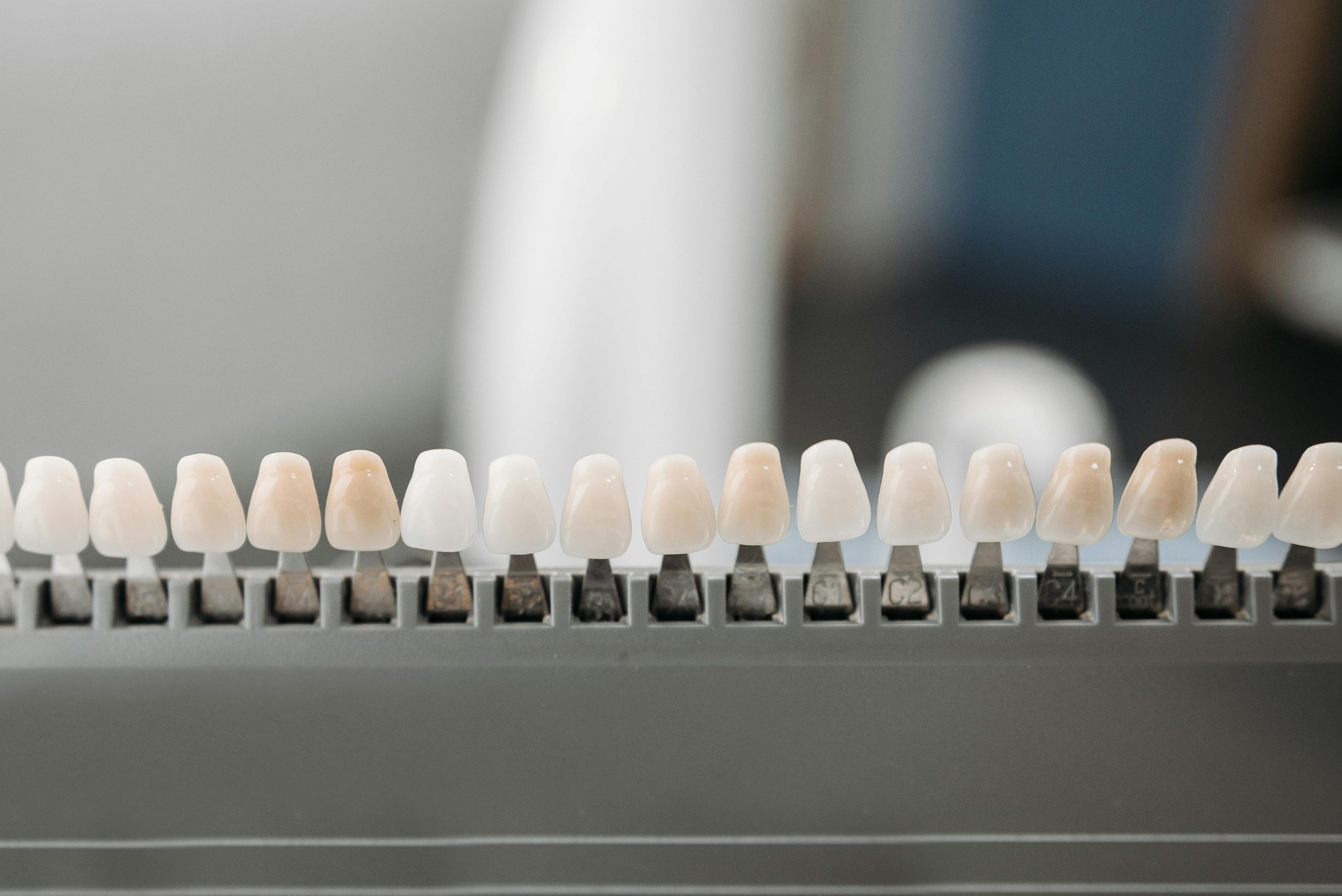
    Smiling is one of the most powerful forms of communication. It’s universal, contagious, and can instantly light up a room. But what if you’re self-conscious about your teeth? This is where the magic of cosmetic dentistry comes into play. Over the past few years, advancements in cosmetic dentistry have revolutionized the way we enhance and maintain our smiles.

    The Rise of Cosmetic Dentistry

    Cosmetic dentistry from reputable dentists like https://smilesbyhale.com/ isn’t just about aesthetics; it’s about confidence. Whether it’s whitening, straightening, or reshaping your teeth, these procedures can significantly impact how you feel about yourself. The journey to a radiant smile is now more accessible and less invasive than ever before.

    Teeth Whitening: Shine Brighter Than the Sun

    First on the list is teeth whitening, a favorite for many. It’s quick, effective, and can make a dramatic difference.

    In-Office Whitening

    Imagine walking into the dentist’s office and walking out an hour later with a noticeably whiter smile. In-office whitening treatments use high-concentration bleaching agents that can lighten your teeth several shades in a single visit. It’s perfect for those who want immediate results without the hassle of multiple sessions.

    At-Home Whitening Kits

    For those who prefer the comfort of their own home, at-home whitening kits have come a long way. These kits typically include custom-fitted trays and professional-grade whitening gel. They’re convenient and can be just as effective as in-office treatments, given a little more time.

    Whitening Toothpaste and Strips

    Whitening toothpaste and strips are over-the-counter options that offer gradual whitening. While they won’t provide the same dramatic results as professional treatments, they’re great for maintaining your white smile between visits.

    Invisible Aligners: The Clear Path to Straight Teeth

    Braces have been a rite of passage for many teenagers, but let’s face it, they’re not the most appealing. Enter invisible aligners. These clear, removable trays straighten your teeth without the metal mouth look.

    Benefits of Invisible Aligners

    • Discreet – They’re nearly invisible, so most people won’t even notice you’re wearing them.
    • Convenient – You can remove them to eat, brush, and floss, making oral hygiene a breeze.
    • Comfortable – No more painful brackets and wires; aligners are smooth and comfortable.

    How It Works

    The process starts with a digital scan of your teeth. From there, a series of custom aligners are created to gradually shift your teeth into the desired position. Each set of aligners is worn for about two weeks before moving on to the next set. The entire treatment typically lasts between 6 to 18 months, depending on your specific needs.

    Dental Veneers: Your Ticket to a Perfect Smile

    Ever wondered how celebrities have such perfect teeth? Chances are, they have veneers. Veneers are thin shells of porcelain or composite resin that cover the front surface of your teeth. They can correct a variety of issues, from discoloration to chips and gaps.

    Types of Veneers

    • Porcelain Veneers – Known for their durability and natural appearance, porcelain veneers are custom-made to fit your teeth. They’re resistant to stains and can last up to 15 years with proper care.
    • Composite Veneers – Made from a tooth-colored resin, composite veneers are a more affordable option. They require less removal of the tooth enamel and can be applied in a single visit. However, they’re not as durable as porcelain and may need to be replaced more frequently.

    The Procedure

    Getting veneers typically involves a few visits. During the first visit, your dentist will remove a small amount of enamel from the surface of your teeth to make room for the veneers. Impressions of your teeth are then taken and sent to a lab where your custom veneers are crafted. At your next appointment, the veneers are bonded to your teeth, giving you an instant transformation.

    Dental Implants: A Permanent Solution for Missing Teeth

    Missing teeth can affect more than just your smile; they can impact your ability to eat and speak properly. Dental implants offer a permanent solution that looks, feels, and functions like natural teeth.

    Why Choose Dental Implants?

    • Longevity – With proper care, dental implants can last a lifetime.
    • Natural Look and Feel – Implants are designed to fuse with the bone, providing a stable and natural-looking replacement.
    • Functionality – Unlike dentures, implants won’t slip or shift, allowing you to eat and speak with confidence.

    The Implant Process

    The process involves several steps over a few months:

    1. Consultation and Planning – Your dentist will assess your oral health and create a treatment plan.
    2. Implant Placement – A titanium post is surgically inserted into your jawbone. This serves as the root for your new tooth.
    3. Osseointegration – Over the next few months, the implant fuses with the jawbone, creating a strong foundation.
    4. Abutment and Crown Placement – Once the implant is secure, an abutment is placed on top, followed by a custom-made crown.

    Gum Contouring: Shaping the Perfect Smile

    Sometimes, the issue isn’t with the teeth but with the gums. Gum contouring, also known as gum reshaping, can correct a gummy smile or uneven gum line, providing a more balanced and aesthetically pleasing appearance.

    How It’s Done

    Using a soft tissue laser, your dentist will remove excess gum tissue and reshape the gum line. The procedure is minimally invasive, and the recovery time is relatively short.

    Smile Makeovers: Combining Treatments for Best Results

    For those looking to achieve a dramatic transformation, a smile makeover may be the answer. This comprehensive approach combines multiple cosmetic dentistry procedures to address all aspects of your smile.

    What’s Included?

    • Teeth Whitening – Brighten your smile for a fresh, youthful look.
    • Orthodontics – Straighten misaligned teeth with braces or invisible aligners.
    • Veneers or Bonding – Correct imperfections like chips, cracks, or gaps.
    • Gum Contouring – Create a balanced gum line.
    • Dental Implants or Bridges – Replace missing teeth.

    The Process

    A smile makeover begins with a detailed consultation where you discuss your goals and concerns with your dentist. Based on this discussion, a personalized treatment plan is created. The makeover can be completed in stages, allowing you to see the transformation as it unfolds.

    Embrace the Power of Your Smile

    Your smile is one of your most valuable assets. With the latest advancements in cosmetic dentistry, achieving the smile you’ve always dreamed of is more attainable than ever. Whether you’re looking for a subtle enhancement or a complete transformation, there’s a treatment option that’s perfect for you. So, why wait? Start your journey to a brighter, more confident smile today.


  • The importance of open communication with your designated physician

    The importance of open communication with your designated physician

    Maintaining an open line of communication with your family physician is crucial for ensuring good health outcomes and quality care tailored to your unique needs.  By openly sharing information, asking questions, and communicating concerns, you will develop a positive patient-physician relationship built on trust, empathy, and mutual understanding.

    Here are just a few of the many benefits of maintaining open communication with your family physician.


    1. Accurate Diagnosis

    When patients openly communicate symptoms, concerns, and medical history with their physician, they are better positioned to make a more accurate diagnosis. Without this information, your provider may miss important clues or misinterpret your condition, preventing effective treatment options. Depending on your symptoms, your provider may choose from a number of diagnostic tools to further evaluate any health concerns.

    1. Tailored Treatment Plans

    While some treatments may work well for one person, they may not be effective for others. Since every individual is unique in their specific needs, including preferences, lifestyle, and treatment goals, open communication with your family physician will help them develop a treatment plan that is tailored to your needs.

    1. Prevention and Early Detection

    In order to provide guidance on preventive measures and screenings, your physician should have comprehensive and accurate information that will enable them to provide treatments based on your age, gender, and medical history, among other data. This open line of communication can lead to early detection of potential health issues, ensuring more effective treatment options and better outcomes.

    1. Medication Management

    Medication management can be a complex and delicate process. Communicating with your physician to notify them of current medications as well as any side effects or concerns you have will allow them to make adjustments as needed in order to minimize side effects and maximize effectiveness. Be sure to discuss options for medications, including generic and alternative options, which can differ in their potency and benefits, not to mention out-of-pocket costs

    1. Building Trust and Rapport

    Building a trusting relationship with your family physician is essential for developing better health outcomes. A good rapport with your provider will enable you to comfortably discuss your health concerns and confidently heed sound medical advice. By developing trust with your physician, you’re more likely to seek healthcare promptly and follow through with recommended treatments. If you have an extensive health care history, be sure to review this with your provider to develop a mutual understanding about specific needs and preferences.

    1. Addressing Emotional and Mental Health Needs

    Your healthcare needs extend beyond physical ailments and include your emotional and mental well-being. According to the National Alliance on Mental Illness (NAMI), an estimated 50 million Americans suffer from some form of mental illness. By maintaining open communication with your family physician, you can discuss any stress, anxiety, or other emotional concerns you may be experiencing so that appropriate treatment, support, and resources can be provided.

    1. Follow-Up and Monitoring

    Follow-up care, especially after receiving treatment or undergoing a procedure, is critical for proper healing and health care monitoring. By openly communicating any changes or concerns with your physician during follow-up visits, you will enable them to monitor your progress, address any complications that may arise, and make adjustments to your treatment plan as needed. From modifications to medications and therapy options to establishing further evaluation, follow-up care is an essential component to ensuring good health outcomes.

    Communicating openly with your family physician will help you achieve a higher quality level of care, overall. From accurate diagnosis, tailored treatment plans, early prevention, medication management, and addressing mental and emotional needs, an open line of communication with your provider is invaluable to your healthcare.


  • The Essential Guide to Maintaining Optimal Oral Health

    The Essential Guide to Maintaining Optimal Oral Health

    Oral health is more than just a sparkling smile. It’s a window to your overall well-being. Whether you’re looking to improve your dental hygiene routine or seeking tips for your next dental visit, this guide has got you covered. We’ll dive into the basics of maintaining healthy teeth and gums, explore some nifty tricks for keeping that breath fresh, and even debunk a few myths along the way. Let’s get started on this journey to a healthier, happier mouth!

    The Basics of Oral Hygiene

    Brushing: The Cornerstone of Oral Health

    Brushing your teeth is the foundation of good oral hygiene. It’s simple, but are you sure you’re doing it right? Here’s a refresher:

    1. Brush Twice a Day – Morning and night, without fail.
    2. Use the Right Toothbrush – Soft-bristled brushes are gentle on your gums and effective at removing plaque.
    3. Two Minutes Rule – Spend at least two minutes brushing. Divide your mouth into quadrants and give each section 30 seconds.
    4. Proper Technique – Hold your toothbrush at a 45-degree angle to your gums and use gentle, circular motions.

    Flossing: The Unsung Hero

    Flossing often takes a backseat to brushing, but it’s equally important. It removes plaque and food particles from between your teeth and under the gumline, areas your toothbrush can’t reach.

    • Daily Routine – Floss at least once a day.
    • Be Gentle – Avoid snapping the floss into your gums. Gently guide it between your teeth.
    • Use Enough Floss – About 18 inches of floss is ideal. Use a fresh section for each tooth.

    Mouthwash: The Finishing Touch

    Mouthwash isn’t a substitute for brushing and flossing, but it can add an extra layer of protection.

    • Choose Wisely – Opt for an antibacterial mouthwash to reduce plaque and gingivitis.
    • Don’t Overdo It – Use mouthwash once a day, typically after brushing and flossing.
    • Swish and Spit – Follow the instructions on the bottle, usually swishing for about 30 seconds.

    Diet and Oral Health

    Foods to Embrace

    Your diet plays a significant role in your oral health. Here are some tooth-friendly foods:

    • Dairy Products – Cheese, yogurt, and milk are rich in calcium and phosphorus, which strengthen tooth enamel.
    • Crunchy Fruits and Vegetables – Apples, carrots, and celery stimulate saliva production, helping to wash away food particles and bacteria.
    • Leafy Greens – Spinach and kale are packed with vitamins and minerals that promote oral health.

    Foods to Avoid

    Certain foods and drinks can wreak havoc on your teeth:

    • Sugary Snacks and Beverages – Candy, soda, and even some juices can lead to cavities.
    • Acidic Foods and Drinks – Citrus fruits, tomatoes, and vinegar can erode tooth enamel.
    • Sticky Foods – Foods like caramel and dried fruit cling to your teeth and provide a breeding ground for bacteria.

    Regular Dental Check-ups

    Why They Matter

    Seeing your dentist regularly is crucial, even if you’re diligent about your home care routine. Check out https://www.tempearizonadentist.com/ to partner with one of the best dentists. Dentists can spot potential problems early and provide treatments that you can’t do yourself.

    • Frequency – Aim for a dental visit every six months.
    • Professional Cleaning – Regular cleanings remove tartar buildup that brushing and flossing can’t tackle.
    • Early Detection – Dentists can detect early signs of cavities, gum disease, and even oral cancer.

    Common Oral Health Issues and How to Prevent Them

    Cavities

    Cavities, or dental caries, are permanently damaged areas in the hard surface of your teeth that develop into tiny openings or holes.

    Prevention – Brush and floss daily, limit sugary foods, and visit your dentist regularly.

    Treatment – Depending on the severity, treatments can range from fillings to crowns to root canals.

    Gum Disease

    Gum disease is an infection of the tissues that hold your teeth in place. It’s usually caused by poor brushing and flossing habits that allow plaque—a sticky film of bacteria—to build up on the teeth and harden.

    Prevention – Maintain a rigorous oral hygiene routine and get regular dental check-ups.

    Treatment – Professional cleanings, scaling and root planing, and more advanced treatments in severe cases.

    Bad Breath

    Bad breath, also known as halitosis, can be embarrassing and affect your confidence.

    Prevention – Brush and floss daily, use mouthwash, clean your tongue, and stay hydrated.

    Treatment – If persistent, see a dentist to rule out any underlying issues.

    Tips for Fresh Breath

    Everyone wants fresh breath, and it’s easier to achieve than you might think. Here are some tips:

    1. Stay Hydrated – Dry mouth can lead to bad breath. Drink plenty of water throughout the day.
    2. Chew Sugar-Free Gum – It stimulates saliva production, which helps wash away food particles and bacteria.
    3. Clean Your Tongue – Use a tongue scraper or your toothbrush to clean your tongue daily.
    4. Avoid Strong Odors – Foods like garlic and onions are notorious for causing bad breath. Eat them in moderation and brush your teeth afterward.

    Debunking Oral Health Myths

    There’s a lot of misinformation out there about oral health. Let’s clear up some common myths:

    Myth 1: More Sugar Means More Cavities

    While sugar can contribute to cavities, it’s not just the amount but also the frequency and duration of sugar exposure. Snacking on sugary foods throughout the day is more harmful than having them with meals.

    Myth 2: Brushing Harder Cleans Better

    Brushing too hard can damage your gums and enamel. Use a gentle touch and let your toothbrush do the work.

    Myth 3: If My Gums Bleed, I Shouldn’t Floss

    Bleeding gums are often a sign of gingivitis, which can improve with regular brushing and flossing. Don’t skip flossing if your gums bleed; instead, be gentle and consistent.

    Conclusion

    Maintaining optimal oral health is a combination of consistent habits, a healthy diet, and regular dental visits. By following the tips in this guide, you’ll be well on your way to a healthier mouth and a brighter smile. Remember, good oral health is an investment in your overall well-being.


  • How to Choose the Right Hair Growth Shampoo for Color-Treated Hair?

    How to Choose the Right Hair Growth Shampoo for Color-Treated Hair?

    Choosing the right hair growth shampoo for color-treated hair can be a game-changer for maintaining vibrant color while also promoting hair health. Opting for a sulfate-free shampoo designed specifically for color-treated hair helps to preserve the color and prevent unnecessary fading. Products enriched with nourishing ingredients ensure that your hair remains strong and less prone to breakage.

    Understanding your hair type is crucial in selecting the right product. If you have dry or damaged hair, a hydrating formula might be the best option, while oily hair could benefit from a more balancing shampoo. For those looking to boost hair growth, integrating a suitable hair growth conditioner could further enhance results, providing the needed nutrients and strengthening benefits.

    Many shampoos now feature added benefits such as UV protection and color-safe formulations. These factors play a significant role in how long your color remains vibrant and your hair stays healthy. By choosing the right combination of shampoo and hair growth conditioner, you can achieve both fabulous color and robust hair growth.


    Key Takeaways

    • Sulfate-free shampoos protect color-treated hair.
    • Understanding hair type is key to selecting the right shampoo.
    • Combining with a hair growth conditioner enhances results.


    Understanding the Needs of Color-Treated Hair

    Color-treated hair requires special care to maintain its vibrancy and health. Key areas of focus include identifying your hair type and its specific concerns, choosing the right ingredients that benefit hair health, and maintaining scalp health to support hair growth.


    Identifying Your Hair Type and Concerns

    Determining your hair type is essential. Each type, whether fine, curly, or natural, has unique needs. Fine hair, for example, may struggle with breakage and oiliness, while curly hair often deals with frizz and dryness.

    Consulting a dermatologist or trichologist can help identify specific hair concerns. Color-treated hair can become brittle and prone to breakage. It is important to manage these issues to prevent hair loss and thinning. Customizing products to your hair type helps in addressing these challenges effectively.


    The Role of Ingredients in Hair Health

    The right ingredients are pivotal in preserving color-treated hair. Shampoos free from sulfates and parabens are gentler and help maintain color. Ingredients like biotin, keratin, and amino acids are crucial for strengthening the hair.

    Natural ingredients such as argan oil, shea butter, and coconut oil provide hydration and nourishment. Antioxidants like vitamin E promote healthy hair follicles. Ingredients like glycerin and collagen add moisture and elasticity to prevent hair from becoming dry and brittle. Avoid harsh chemicals which can exacerbate damage and lead to hair thinning and shedding.


    Maintaining Scalp Health and Hair Growth

    Scalp health is directly linked to healthy hair growth. A clean, well-nourished scalp supports hair follicles and reduces inflammation. Using products with nourishing oils and antioxidants can reduce irritation and promote a healthy scalp environment.

    Ingredients like biotin, caffeine, and copper peptides stimulate hair follicles and enhance growth. Regular scalp massages can also improve blood circulation, aiding in nutrient delivery to hair roots. Ensure the scalp is free from buildup and dandruff, as these conditions can block hair follicles and hinder growth. Supporting scalp health ensures stronger, more resilient hair.


    Selecting the Ideal Shampoo for Prolonged Color and Enhanced Growth

    When choosing a shampoo for color-treated hair that also promotes hair growth, it is essential to consider factors like growth effectiveness, protection against color fade, and finding a balance between cost and performance.


    Choosing Based on Hair Growth Effectiveness

    To ensure effective hair growth, select shampoos that contain ingredients known to stimulate hair follicles. Look for products with biotin, zinc, and D-biotin, which help strengthen hair. 

    Some shampoos incorporate broad-spectrum hemp oil, aiding in reducing scalp inflammation and fostering a healthy growth environment. Ingredients such as minoxidil and herbal extracts can also support hair density.


    Ensuring Color Protection and Sulfate Avoidance

    Color-treated hair requires extra care to maintain vibrancy. Sulfate-free shampoos are critical as they prevent stripping color. 

    Look for ingredients like UV protectants and antioxidants. Shampoos balance hair growth and color protection without harsh chemicals. For blonde hair, purple shampoos help neutralize brassy tones while supporting growth.


    Balancing Cost and Performance

    Cost-effective options should not compromise performance. Brands provide budget-friendly yet effective solutions for both color retention and hair growth.

    Higher-end options often include vegan and cruelty-free formulations, which may be beneficial for sensitive scalps. It’s crucial to weigh the ingredients and effectiveness against the price. Finding the right product may involve trial and testing but can lead to long-term hair health and color longevity.

    By considering these factors, one can select a shampoo that ensures both the vibrant longevity of color-treated hair and the promotion of healthy hair growth.


    Conclusion

    Choosing the right hair growth shampoo for color-treated hair requires careful consideration of both hair growth ingredients and color-preserving properties. Look for shampoos that balance nourishing elements like biotin or keratin with color-protecting ingredients such as antioxidants and UV filters.


  • The Benefits Of A Body Spa Treatment

    The Benefits Of A Body Spa Treatment

    Everyday life can take a toll on both our physical and mental wellbeing. This can leave us feeling run down and in desperate need of rejuvenation and relaxation. The perfect way to combat this is to visit the sanctuary that is a spa!

    Body spa treatments especially are made to relax your mind and body, retune your system, and leave you feeling refreshed and revitalised for the rest of your week. There are a myriad of benefits to be had when it comes to body massages.

    In this blog post we will be exploring why you should invest into your wellness with body massages. Whether you’re new to the world of spa treatments or you’re a regular visitor, it’s beneficial to know just how advantageous to your health spa treatments really are.


    What does a body spa treatment entail? 

    Body spa treatments are treatments that involve relaxing the body, leaving you feeling refreshed and revitalised. These services are designed to enhance the health of your skin, while also providing mental well-being too. These treatments can even stimulate blood circulation, boost blood flow and eliminate toxins from your skin.

    These specialised therapies can range from various types of massages, from body wraps,  to hot stone massages, aromatherapy to hydrotherapy, to name just a few. Each service is tailored to cater to your needs, with the overarching aim to relax and invigorate the body. 


    Who can benefit the most from a body spa massage?

    Body spa treatments are for everyone! But there are some people that may reap the benefits more than others. If you fit into any of the categories below, you may find a body spa treatment especially beneficial


    • Individuals who are currently experiencing stress and anxiety
    • Those suffering from muscle tension 
    • Those looking to improve the quality of their sleep
    • Those who aim to improve blood circulation
    • Individuals seeking an immune system boost
    • Everyone who needs a moment of self-care

    No matter your lifestyle or stress level, a body treatment can be the reset button you need to feel revitalised and stress-free.


    The benefits of receiving a body massage 

    Body massages are an excellent way to relax and unwind. Below is a detailed list of the benefits of going to a spa for a relaxing body massage.


    Stress reduction:
    One of the main benefits to a body spa treatment is the reduction in stress that it offers. Body massages can help soothe your nervous system, enabling your body to release endorphins (the feel-good hormone). This can help create a state of tranquillity and calm within your mind and body.


    Improved circulation:
    Body massages help to stimulate blood flow, which is vital when it comes to transporting oxygen to your blood cells. This improved circulation promotes healing and rejuvenation, and can even reduce blood pressure. 


    Pain management:
    If you’re someone that suffers from chronic pain or arthritis, body massages may provide some relief. Body massages can help to loosen stiff muscles, and alleviate discomfort.


  • The Best Hairstyles for the Modern Woman in 2024

    The Best Hairstyles for the Modern Woman in 2024

    As we navigate through 2024, hairstyle trends are evolving to reflect the dynamic, diverse, and sophisticated styles of the modern woman. This year, hair trends are all about embracing natural textures, bold statements, and timeless elegance. Here are the best hairstyles for the modern woman in 2024, designed to inspire and elevate your look.


    Embrace Your Natural Texture


    Curly and Coily Styles

    Natural curls and coils continue to reign supreme in 2024. Embracing your natural texture not only celebrates individuality but also promotes healthier hair. Opt for styles that define and enhance your curls, such as twist-outs, braid-outs, and wash-and-go looks. Products like curl creams, gels, and leave-in conditioners are essential for maintaining moisture and definition. Additionally, protective styles like braids and twists look chic and safeguard your curls from environmental stressors.


    Effortless Waves

    Effortless, beachy waves are a go-to for many women this year. This versatile style works well for various hair lengths and textures. To achieve this look, use a sea salt spray or a curling wand to create loose, tousled waves. The key to this hairstyle is its relaxed, undone finish, which exudes a laid-back yet polished vibe. Whether you have naturally wavy hair or need to add some curls, this style is perfect for everyday wear or special occasions. If you’re thinking of going to a hairstylist, remember to go for the best one – you’d want to stay away from hair stylist injuries altogether!


    Bold and Short


    The Pixie Cut

    The pixie cut is making a strong comeback in 2024. This bold, short hairstyle is perfect for women looking to make a dramatic change. The pixie cut highlights your facial features and adds a touch of edginess to your look. This hairstyle is incredibly versatile whether you prefer a sleek, smooth pixie or a textured, tousled version. Pair it with bold makeup or statement earrings to enhance the overall effect.


    The Modern Bob

    Bobs remain a timeless favourite, but in 2024, they are being reinvented with modern twists. Consider asymmetrical bobs, blunt cuts, or adding layers for extra movement and volume. The bob is perfect for those who want a chic, low-maintenance style that can be easily dressed up or down. Adding a fringe or bangs can further personalise this classic cut, making it uniquely yours.


    Long and Luxurious


    Sleek and Straight

    For those who love long locks, sleek, straight hair is a timeless option. This year, the emphasis is on ultra-smooth and shiny hair. Achieving this look involves using high-quality straighteners, heat protectants, and shine serums. Regular trims are essential to keep your hair looking healthy and free from split ends.


    Voluminous Layers

    Layered hairstyles are the way to go if you prefer a more voluminous look. Layers add movement and dimension to long hair, creating a fuller and more dynamic appearance. This style works particularly well for those with thick hair, as it helps to manage the weight and adds a lighter feel. You can enhance the layers with soft curls or waves for added texture and body.


    Statement Colours

    Hair colour trends in 2024 are all about making a statement. Bold and bright hues like pastel pinks, vibrant purples, and electric blues are popular choices for those wanting to stand out. Whether you choose to dye your entire head or opt for highlights and streaks, these vivid colours can transform your look and express your personality. Remember to use colour-protecting products to maintain the vibrancy and health of your coloured hair.


  • Understanding Adult Degenerative Scoliosis and Its Management

    Understanding Adult Degenerative Scoliosis and Its Management

    Scoliosis is a spinal condition that can occur at any age, including adulthood. Adult degenerative scoliosis, in particular, is a complex and potentially debilitating condition that can significantly impact an individual’s quality of life. This article will delve into the intricacies of adult degenerative scoliosis, exploring its causes, symptoms, and potential complications. We will also discuss various management strategies, ranging from conservative treatments such as physical therapy and pain management techniques to more invasive options like surgery. By better understanding this condition and its management, individuals affected by adult degenerative scoliosis can make more informed decisions about their care and ultimately improve their overall well-being.


    Current Approaches to Managing Adult Scoliosis

    Non-surgical scoliosis treatment in adults often includes physical therapy and pain management. Physical therapy can help strengthen the muscles around the spine, improve posture, and reduce discomfort. Over-the-counter pain relievers or prescription medications may also be recommended to manage pain and inflammation. In some cases, doctors might suggest corticosteroid injections to provide temporary relief from severe pain.

    Surgical options are considered for more advanced cases where non-surgical methods aren’t effective. Spinal fusion is a common procedure where two or more vertebrae are permanently connected to stabilize the spine. Another option is vertebral column resection, which involves removing parts of the vertebrae to correct severe curvature. Both procedures aim to reduce pain and prevent further curve progression, improving the patient’s quality of life.


    Pain Management Strategies

    Physical therapy is a key strategy in managing scoliosis pain. Exercises focused on strengthening core and back muscles can significantly reduce discomfort by improving spinal support. Stretching routines can enhance flexibility and relieve tension in the muscles around the spine. Additionally, practising good posture habits can minimise the strain on your back throughout the day.

    Medication also plays an important role in alleviating scoliosis pain. Over-the-counter pain relievers like ibuprofen and acetaminophen can help manage mild pain and inflammation. For more severe pain, doctors might prescribe stronger medications or muscle relaxants. Another option is corticosteroid injections, which can temporarily relieve intense pain and inflammation, making participating in physical therapy and daily activities easier.


    The Role of Physical Therapy

    Physical therapy plays a crucial role in managing the symptoms of this condition by focusing on targeted exercises that help improve spinal alignment, strengthen supporting muscles, and increase flexibility. By working with a physical therapist, individuals with adult degenerative scoliosis can learn how to safely and effectively perform exercises that can alleviate pain, improve range of motion, and enhance overall function.

    Physical therapy helps manage the symptoms of adult degenerative scoliosis and plays a key role in improving the quality of life for individuals living with this condition. By participating in a structured exercise program, individuals can experience reduced pain, improved posture, and enhanced physical function, allowing them to engage in daily activities with greater ease and comfort. Physical therapy can also provide valuable education and support to help individuals better understand their condition and incorporate healthy lifestyle habits that promote long-term spinal health.

    It may involve manual therapy techniques, modalities such as heat or ice therapy, and guidance on proper body mechanics to prevent further strain on the spine. By addressing the underlying causes of pain and dysfunction, physical therapy can be a valuable tool in managing adult degenerative scoliosis, helping individuals maintain independence, improve their overall well-being, and live a more fulfilling life.


    Regular Monitoring and Assessment

    Regular monitoring and assessment are essential components in managing adult degenerative scoliosis. By continually monitoring the condition’s progression, healthcare providers can make informed decisions about the most appropriate treatment strategies to help alleviate symptoms and prevent further complications. Assessing the effectiveness of current management techniques also allows for adjustments to be made as needed, ensuring that the individual receives the most effective care possible.

    Without regular monitoring and assessment, the progression of adult degenerative scoliosis may go unnoticed, leading to a worsening of symptoms and possible long-term consequences. By actively monitoring the condition, healthcare providers can intervene early if necessary, potentially slowing down or even halting the progression of the spinal curvature. Ongoing care and evaluation also provide the opportunity to address any changes in the individual’s symptoms or overall health, allowing for a more tailored and effective treatment plan to be implemented.

    In conclusion, regular monitoring and assessment are crucial in managing adult degenerative scoliosis. By monitoring the condition and assessing the effectiveness of treatment strategies, healthcare providers can ensure that individuals with scoliosis receive the best possible care to manage their symptoms and improve their quality of life. Through ongoing evaluation and adjustments to treatment plans, the progression of adult degenerative scoliosis can be effectively managed, allowing individuals to live more comfortably and actively despite their spinal condition.


  • What to Expect Before, During, and After Cataract Surgery

    What to Expect Before, During, and After Cataract Surgery

    If you’re about to undergo cataract surgery or perhaps you’re just curious about what the whole process entails, this guide looks at everything you need to know — before, during, and after cataract surgery.

    Before Cataract Surgery

    Preparing for the Big Day

    First things first, if you’re reading this, you or someone you know probably has cataracts. Cataracts can be a bit of a nuisance, making your vision cloudy or blurry. But fear not! Cataract surgery is one of the most common and successful procedures out there.


    Consultation with Your Eye Doctor

    Your journey begins with a visit to your ophthalmologist. Search online for your local specialist, for example cataract surgery in Nashville. During this consultation, your doctor will examine your eyes, review your medical history, and determine if cataract surgery is the best option for you. Be prepared to discuss any medications you’re taking and any health issues you have.


    Pre-Surgery Testing

    You might need a few tests before the surgery. These could include measurements of your eye to help select the right lens implant. It’s pretty straightforward stuff, nothing to stress about.


    Medications and Precautions

    Your doctor might advise you to stop taking certain medications before surgery. Also, you’ll probably get some antibiotic eye drops to use before the big day to prevent infections. Remember to follow all instructions carefully; they’re there to help ensure everything goes smoothly.

    During Cataract Surgery

    The Day Has Arrived!

    Alright, surgery day has arrived. Take a deep breath. You’ve got this.


    Arriving at the Surgery Center

    You’ll need to arrive a bit early to get prepped. The staff will run a few checks and get you ready for the procedure. You’ll be awake during the surgery, but don’t worry, you won’t feel a thing thanks to local anesthesia.

    The Procedure

    Numbing Your Eye

    First up, your eye will be numbed with eye drops or an injection. This means no pain for you, just some weird sensations.


    Removing the Cloudy Lens

    The surgeon will make a tiny incision in your eye and use a special tool to break up the cloudy lens. This part is done with ultrasound waves in a process called phacoemulsification. Sounds fancy, right? The cloudy bits are then gently suctioned out.


    Inserting the New Lens

    Once the old lens is out, the new artificial lens (called an intraocular lens or IOL) is inserted. This new lens will help you see clearly again. The incision is so small that it often heals on its own without needing stitches.

    After the Surgery

    Immediate Aftercare

    Right after the surgery, you’ll rest in a recovery area for a bit. Your vision might be blurry at first, but that’s totally normal. You’ll get a protective shield to wear over your eye to keep it safe while it heals.

    After Cataract Surgery

    The Road to Recovery

    Congratulations, you’ve made it through the surgery! Now, let’s talk about what happens next.


    First Few Days

    Expect some blurry vision and mild discomfort for the first couple of days. Your doctor will give you eye drops to prevent infection and reduce inflammation. Use them exactly as prescribed.

    Follow-Up Appointments


    Checking Your Progress

    You’ll have follow-up appointments with your eye doctor to monitor your healing. These are super important, so don’t skip them. Your doctor will check your eye and make sure everything is healing as it should.

    Tips for a Smooth Recovery

    • Rest Up: Give your body time to heal. Avoid heavy lifting and strenuous activities.
    • Protect Your Eye: Wear the protective shield while you sleep to avoid accidentally rubbing your eye.
    • Follow Instructions: Use your prescribed eye drops and follow all post-op care instructions.
    • Watch for Symptoms: If you experience severe pain, vision loss, or an increase in redness or discharge, contact your doctor immediately.

    Getting Back to Normal

    Most people notice significant improvements in their vision within a few days. However, it might take a few weeks for your vision to fully stabilize. Be patient and give yourself time to heal.

    Frequently Asked Questions

    Will I Need Glasses After Surgery?

    Maybe, maybe not. It depends on the type of lens implant you receive. Some people still need reading glasses or glasses for certain tasks, while others enjoy improved vision without any glasses at all.

    Is Cataract Surgery Safe?

    Yes, cataract surgery is very safe. It has a high success rate, and complications are rare. Trust your medical team—they’re experts at what they do.

    How Long Does the Surgery Take?

    The surgery itself is pretty quick, usually around 15-20 minutes per eye. However, plan to spend a couple of hours at the surgery center for prep and recovery.

    When Can I Drive Again?

    You should avoid driving until your doctor gives you the all-clear, usually after your first follow-up appointment.

    Can Cataracts Come Back?

    Once the cloudy lens is removed, cataracts can’t return. However, some people may develop a condition called posterior capsule opacification (PCO), which can cause cloudy vision again. This is easily treatable with a quick laser procedure.

    Final Thoughts

    Cataract surgery might seem daunting at first, but it’s a routine and highly successful procedure that can significantly improve your quality of life. By knowing what to expect before, during, and after the surgery, you can approach the experience with confidence and peace of mind.


  • The Rise of Alcohol-Free Drinks: A Healthier Choice

    The Rise of Alcohol-Free Drinks: A Healthier Choice

    Whether you’re a seasoned teetotaler, a health-conscious consumer, or just curious about the booming trend of alcohol free drinks, there’s something here for everyone. So, grab your favourite alcohol-free cocktail and let’s get started!

    Why Alcohol-Free Drinks Are Gaining Popularity

    First off, let’s chat about why alcohol free drinks are becoming such a big deal. Gone are the days when non-alcoholic options were limited to sugary sodas or bland juices. Today, the market is bursting with a variety of alcohol-free beers, wines, and spirits that taste just as good as their boozy counterparts. But what’s driving this surge?

    Health Benefits Galore

    One of the main reasons people are making the switch is the health benefits. Cutting out alcohol can lead to a host of positive changes in your life. Here are a few:

    • Better Sleep – Alcohol might make you feel sleepy at first, but it actually disrupts your sleep cycle, leading to poorer quality rest.
    • Improved Mood – Alcohol is a depressant and can negatively impact your mental health. Removing it from your diet can lead to a more stable and happier mood.
    • Weight Management – Alcohol is high in empty calories. Swapping to alcohol-free options can help you maintain a healthier weight.

    The Flavour Revolution

    If you think alcohol-free drinks are dull and tasteless, think again! The flavour profiles of these beverages have evolved significantly. Talented mixologists and innovative brewers have perfected the art of creating complex and satisfying alcohol-free options. Here are some types you might want to try:

    Alcohol-Free Beers

    These aren’t your dad’s non-alcoholic beers from the ‘80s. Today’s alcohol-free beers are crafted with the same care and attention to detail as traditional brews. From hoppy IPAs to rich stouts, there’s something for every beer lover.

    Zero-Proof Spirits

    Missing your favourite cocktail? No problem. Zero-proof spirits mimic the taste and aroma of gin, whiskey, vodka, and more. You can whip up a refreshing G&T or a sophisticated Manhattan without any of the aftereffects.

    Non-Alcoholic Wines

    Non-alcoholic wines have come a long way too. Whether you prefer a crisp white or a full-bodied red, there are plenty of alcohol-free wines that deliver on taste and complexity. Perfect for dinner parties or a relaxing evening at home.

    The Social Shift

    Let’s not forget the social aspect. For a long time, drinking was synonymous with socialising. But that’s changing. More people are embracing alcohol-free lifestyles and normalising it in social settings. It’s not uncommon to find a great selection of alcohol-free drinks at bars, restaurants, and parties.

    Embracing Inclusivity

    Offering alcohol-free options is a way to include everyone. Whether someone is pregnant, a designated driver, or just doesn’t drink, having these choices makes social gatherings more inclusive.

    Busting Myths About Alcohol-Free Drinks

    There are quite a few myths floating around about alcohol-free drinks. Let’s bust a few of them right now.

    Myth 1: Alcohol-Free Means Boring

    As we’ve already discussed, alcohol-free drinks can be just as exciting and flavourful as their alcoholic counterparts. The variety and quality available today are impressive.

    Myth 2: Alcohol-Free Drinks Are Just for Recovery

    Sure, they’re great for people in recovery, but they’re also for anyone who wants to enjoy a delicious drink without the alcohol. Health enthusiasts, athletes, and people who just enjoy the taste are all part of the alcohol-free movement.

    Myth 3: They’re Full of Sugar

    While some non-alcoholic drinks can be sugary, many are crafted with health in mind. Look for options that use natural ingredients and have lower sugar content.

    Trying Alcohol-Free Drinks at Home

    Ready to jump on the alcohol-free bandwagon? Here are some easy ways to get started:

    1. Explore Online – There are now specialty stores online that carry a wide range of alcohol-free beverages.
    2. Try Subscription Boxes – There are subscription services that send you a curated selection of alcohol-free drinks each month. It’s a fun way to discover new favourites.
    3. DIY Cocktails – Get creative and mix up your own alcohol-free cocktails at home. Experiment with fresh fruits, herbs, and zero-proof spirits.

    The Future of Alcohol-Free Drinks

    The alcohol-free trend isn’t slowing down. In fact, it’s set to keep growing. More and more brands are entering the market, and the quality continues to improve. We’re seeing innovations in flavours, packaging, and marketing that cater to a broad audience.

    Sustainable Practices

    Many alcohol-free brands are also focusing on sustainability, using eco-friendly packaging and sourcing ingredients responsibly. It’s a win-win for your health and the planet.

    Conclusion

    So, there you have it! The rise of alcohol-free drinks is more than just a trend—it’s a movement towards healthier, more inclusive, and sustainable drinking habits. Whether you’re looking to cut down on alcohol for health reasons, or just want to enjoy a great-tasting beverage, there’s never been a better time to explore the world of alcohol-free drinks. Cheers to that!


  • When to Consider a Home Detox for Alcohol and Drugs

    When to Consider a Home Detox for Alcohol and Drugs

    If you’ve found yourself thinking about detoxing from alcohol or drugs, you’re already taking a brave step towards a healthier and happier life. Kudos to you! But let’s be real—deciding to detox at home isn’t a walk in the park. It’s essential to know when it’s the right choice and when you might need a bit more help. So, let’s dive in and explore the ins and outs of doing a home detox.

    Why Consider Home Detox?

    Detoxing at home can be an appealing option for many reasons. It offers privacy, comfort, and the ability to stay in a familiar environment. But when is it the right choice?

    The Right Time for Home Detox

    1. Mild to Moderate Dependency
      If your substance use is more on the mild to moderate side, home detox can be a feasible option. You’re not alone—many people with a less severe dependency find success with home detoxing.
    2. Strong Support System
      Having a network of supportive friends or family members is crucial. They can provide emotional support and help keep you accountable.
    3. Previous Detox Experience
      If you’ve been through detox before and know what to expect, home detox might be a viable option. Familiarity with the process can make it easier to manage at home.
    4. Medical Clearance
      Always, always, always consult with a healthcare professional before starting a home detox. They can assess your health and determine if it’s safe for you to detox at home.

    Signs That Home Detox Might Not Be for You

    While the idea of detoxing at home sounds appealing, it’s not suitable for everyone. Here are some signs that you might need more intensive care:

    High Dependency Level
    If you’re heavily dependent on alcohol or drugs, home detox might not be safe. Withdrawal symptoms can be severe and even life-threatening. In such cases, a medically supervised detox is crucial.

    Lack of Support System
    Detoxing alone is tough. If you don’t have a strong support system, it’s better to seek professional help. Emotional support plays a significant role in the detox process.

    History of Severe Withdrawal Symptoms
    If you’ve experienced severe withdrawal symptoms in the past, such as seizures, hallucinations, or delirium tremens (DTs), don’t try to detox at home. These symptoms require immediate medical attention.

    Co-Occurring Mental Health Issues
    If you’re dealing with mental health issues alongside substance dependency, it’s essential to seek professional help. Mental health conditions can complicate the detox process, making it unsafe to attempt at home.


    Preparing for a Home Detox

    Okay, so you’ve determined that home detox is a safe and suitable option for you. What’s next? Preparation is key to a successful detox. Here’s how to get started:

    Consult a Healthcare Professional
    First and foremost, talk to your doctor. They can provide guidance, recommend medications to ease withdrawal symptoms, and help you create a detox plan.

    Gather Supplies
    Make sure you have everything you need to make the process as comfortable as possible. Here’s a checklist to get you started:

    • Hydration – Stock up on water, herbal teas, and electrolyte drinks. Staying hydrated is crucial during detox.
    • Nutritious Food – Prepare healthy meals and snacks in advance. Your body needs proper nutrition to heal.
    • Medications – Have any prescribed medications on hand. Over-the-counter options like pain relievers and anti-nausea meds can also be helpful.
    • Comfort Items – Think cosy blankets, favourite movies, books, and anything else that makes you feel good.


    Create a Support Network
    Let your friends and family know about your detox plans. Arrange for someone to check in on you regularly or stay with you during the process. Emotional support is invaluable during this time.

    Set Up a Safe Space
    Create a comfortable and safe environment for your detox. Remove any alcohol or drugs from your home to avoid temptation. Make your space as relaxing and stress-free as possible.


    Managing Withdrawal Symptoms

    Withdrawal symptoms are an inevitable part of the detox process. Knowing what to expect and how to manage them can make a world of difference. Here are some common symptoms and tips for coping:

    Common Withdrawal Symptoms

    • Anxiety and Irritability – It’s normal to feel on edge. Try deep breathing exercises, meditation, or gentle yoga to help calm your nerves.
    • Nausea and Vomiting – Stay hydrated and stick to bland foods. Ginger tea or crackers can help soothe your stomach.
    • Insomnia – Trouble sleeping? Create a relaxing bedtime routine. Avoid caffeine and electronics before bed.
    • Sweating and Shaking – These are common, especially in the early stages. Keep cool and stay hydrated.


    When to Seek Help

    While some discomfort is expected, certain symptoms require immediate medical attention. If you experience any of the following, don’t hesitate to seek help:

    • Severe dehydration
    • High fever
    • Seizures
    • Chest pain


    Severe confusion or hallucinations Post-Detox: What’s Next?

    Congratulations, you’ve made it through the detox! But the journey doesn’t end here. Staying sober requires ongoing effort and support. Here’s how to stay on track:

    Build a Support Network

    Join a support group like Alcoholics Anonymous (AA) or Narcotics Anonymous (NA). Sharing your experiences and hearing from others can be incredibly empowering.

    Develop Healthy Habits

    Replace old habits with new, healthy ones. Exercise regularly, eat a balanced diet, and find activities that bring you joy. Keeping your mind and body busy can help reduce cravings.

    Seek Professional Help

    Consider seeing a therapist or counsellor. They can help you work through any underlying issues and provide tools for maintaining sobriety.

    Set Goals

    Setting short-term and long-term goals can give you something to strive for. Whether it’s picking up a new hobby, going back to school, or mending relationships, having goals can keep you motivated.

    Stay Accountable

    Keep in touch with your support network and check in regularly. Accountability partners can help you stay on track and provide encouragement when you need it.


    Final Thoughts

    Detoxing from alcohol or drugs is a courageous step, and deciding to do it at home requires careful consideration and preparation. Remember, it’s okay to ask for help if you need it. Whether you choose to detox at home or seek professional support, the most important thing is that you’re taking steps towards a healthier, happier life. You’ve got this!


  • Unplug and Recharge: The Benefits of Digital Detox

    Unplug and Recharge: The Benefits of Digital Detox

    The idea of a digital detox is becoming increasingly relevant as our society becomes more linked. Feeling mentally exhausted and overburdened with emails, messages, and social media updates is typical. Known as a “digital detox,” a period spent steadfastly avoiding digital devices has various benefits for our mental, emotional, and physical health. In this article we look at the advantages of putting down your phone and provides some ideas on how a digital detox might improve your quality of life.


    Improved mental health

    Among the main benefits of a digital detox are those on mental health. Frequent use of computer displays and social media might make one feel inadequate, anxious, and depressed. By unplugging from these sites, people can feel less stressed and have generally improved mental health. Hiking, reading, or spending time with loved ones are all offline pursuits that can help reset the mind and provide a much-needed break from the pressures of the digital world.


    Increasing concentration and output

    A digital detox can even lead to more concentration and output. The continual interruptions from emails, texts, and social media updates might seriously hamper one’s ability to concentrate on assignments. People who remove these distractions can concentrate once more and complete tasks more rapidly. For instance, by setting down your phone and computer for a while, you can concentrate better and accomplish more during the working day. This is especially important where accuracy and focus on detail are essential, like that for lash extensions London practitioners.


    Better sleep quality

    Because screen-blue light throws off the body’s natural circadian clock, insomnia and poor-quality sleep can follow. Sleep patterns can be much improved by a digital detox, particularly in the evening. When one spends less time on screens in the evening, the body produces melatonin, the hormone that regulates sleep. Your general health and well-being depend on getting more restful, quiet sleep, which a digital detox can help with. This is something you could do every night.


    Strengthened relationships

    In our digital society, we interact more readily with our gadgets than with people. A digital detox can strengthen bonds by promoting in-person meetings and deep talks. Time spent without phones or tablets with loved ones may result in deeper family relationships and happier social lives.


    Increased mindfulness and presence

    A digital detox also helps one become more present and focused. Unable to concentrate and attention span problems may result from constant connectedness. When people put down their electronics, they can practice mindfulness and become more conscious of their surroundings. Their happiness and pleasure in daily activities can both be enhanced by this. Awareness and presence can be developed by yoga, meditation, and even nature walks.


    Conclusion

    A digital detox can improve many aspects of life. Putting down digital devices can result in a more balanced and content existence, enhanced relationships, productivity, mental health, and sleep quality. Frequent digital detoxifications can help you unplug and refresh, eventually enhancing your general health. As we negotiate a world that is becoming increasingly digital, we need to take the time to unplug and rebuild relationships with our family and ourselves.


  • How much do veneers and dental implants cost?

    How much do veneers and dental implants cost?

    Unhappy with your smile? Hiding your mouth behind your hands when you laugh and eat? This is a surprisingly common situation, with 28% of people hiding their teeth when they have pictures taken because of their condition. This Bupa study of over 2,000 participants also found that more than 1/3 of participants are embarrassed by their smile.

    If this sounds like you, you might be considering corrective dentistry, from veneers to dental implants. But what might this cost you?

    Veneers: are they right for you and what do they cost?

    Veneers are a cosmetic solution designed to improve the appearance of healthy and strong teeth.

    They are often made from tooth-coloured composite or porcelain and are thin tooth-shaped discs that are adhered to the tooth’s surface – to give the appearance of a perfect smile.

    Veneers can be used to cover staining, gaps, chips, and cracks for around 5-15 years, depending on the veneer material chosen and the care and maintenance given.

    The expected cost of veneers can range from £500 to £1,500 per tooth, depending on the material chosen and the clinic offering the treatment.

    What do dental implants cost and are you a suitable candidate?

    Dental implants, on the other hand, are designed to entirely replace failing or missing teeth – restoring a natural-looking smile.

    It is made up of a two or three-part system, depending on the brand used, using:

    • A crown or prosthesis that restores the missing or damaged head of the tooth.
    • An abutment that connects the implant screw and the crown or prosthesis.
    • A metal dental implant screw that is embedded into the jawbone to support the structures above.

    Patients can replace any number of missing teeth, from 1 to a whole jaw’s worth, by choosing from a range of dental implant treatments.

    Given such a wide range of treatment options, finding the average cost of dental implants can be tricky, but generally speaking, you can expect to pay:

    • Single-tooth dental implants – £1,500-£3,600 per implant
    • Multiple tooth dental implants – The individual implant price x number needed
    • Implant-supported bridges – £4,000 – £12,000
    • Implant-retained dentures – £10,000 – £16,000
    • Full mouth, smile in a day, or all on 4 dental implants – from £11,000 per jaw or £17,000 – £35,000 for both jaws

    Is there an alternative to all on 4 dental implants?

    Interestingly, there are now a selection of clinic-specific solutions, some of which are an advanced alternative to full mouth all on 4 dental implants.

    These ‘smile in a day’ dental implant solutions offer many benefits, such as:

    • Full mouth tooth replacement, for the upper or lower jaw, or both.
    • Bespoke implant placement, such as in the pterygoid region – negating the need for extra procedures like sinus lifts and bone grafts
    • Increased treatment suitability, including for those with complex cases
    • More teeth per prosthesis
    • Thorough aftercare and a necessities giftbag

    So, what will an advanced alternative to dental implants cost?

    It does depend which treatment you opt for, but clinic-specific full mouth dental implant solutions, like the EvoSolution™, will likely cost between £9,000 – £28,000.

    Find dental implant costs near you – if you need them

    When looking for a solution to improve your smile, you’ll first need the advice of an expert to determine if your teeth can be rehabilitated.

    If so, veneers might be the ideal solution for you.

    If your teeth aren’t structurally sound or are missing altogether, dental implants are likely the best treatment option for you – but you should get this confirmed by a dentist to be sure.

    Any dental implant expert should be happy to see you, offer advice, and discuss the associated dental implant cost with you transparently – so you can make an informed decision about your dental care.


  • Summer Body Season is Approaching

    Summer Body Season is Approaching

    Summer body season is here – it’s the time you realise all of the mince pies and chocolate over Christmas have taken its toll. But fear not. There’s still a drop of New Year, new me motivation left. Well, sometimes all the motivation in the world can’t turn things around, but if you really want this year to be the year you actually get your summer body (come on, we all say it each year), then now is the time to do it. Read on to see how you can do it.


    Summer Body Season

    Ok, it’s still freezing outside. If you live in the UK, it’s so freezing that it makes you question whether the government is controlling the weather. Does this year not seem colder than any other year?

    Anyway, If you can’t feel the warmth, you can at least dream about it. And now is the time when Instagram influencers flood our feed with motivational content – sure, it’s easy for them, with their already sculpted body. While it shouldn’t make you compare, it should give you some…let’s call it inspiration.

    Still, the journey to achieving the ideal summer body is as unique as the individuals embarking on it. It won’t be easy.

    Losing Winter Fat

    The transition from winter to summer often involves shedding the extra layers of winter fat accumulated during the colder months. Don’t worry, winter fat is pretty easy to lose. Think of yourself as a hibernating bear who HAD to fatten up for winter.

    But the process goes beyond mere weight loss. It’s about sculpting and toning the body, routine, and a truckload of dedication. Still, the path to shedding winter fat is seldom a straight line.

    Sure, you can streamline the process and turn to adjunct solutions like fat dissolving injections like Aqualyx. How safe is Aqualyx? Really safe – if a trained professional administers it.

    But don’t rely on it – rely on it to target stubborn fat areas (women, you know our little stomach pouches are more stubborn than men).

    The Best Workout Routines

    Your workouts will sculpt your body. Fear not – you don’t have to go to the gym. Yes, this is one of the ways to get a good body, but who says a summer body is a toned, sculpted body? Instagram?

    A summer body is one you’re happy with. If the gym isn’t for you, try workout classes. If workout classes aren’t for you, walk each day for more than 30 minutes. Bonus points if you can find an incline-heavy walk.

    Achieve your summer fitness with the help of weight loss supplements for Women that enhance your fitness journey with supplements designed to boost metabolism and support energy levels during warm weather workouts. With the help of these crucial vitamins, you may accelerate your weight reduction journey while maintaining your motivation and energy levels during your workouts.

    Still, we won’t deny the perfect regimen for one person might not yield the same results for another. The key to success lies in personalisation – understanding your genetic makeup to create a tailored workout plan that optimises results.

    If you can, high-intensity interval training, weightlifting, and yoga are great.

    As the summer body season approaches, it’s essential to recognise the journey for what it truly is – hell. Joking.

    The process isn’t for everyone, but the result is. Believe it or not, working out and eating right will become a habit if you stick to it. You might even go one further and actually start enjoying it.


  • Understanding Medication-Assisted Treatment in Opioid Recovery

    Understanding Medication-Assisted Treatment in Opioid Recovery

    The opioid crisis has reached staggering levels, affecting individuals and communities across the globe. In response to this growing epidemic, medication-assisted treatment (MAT) has emerged as a vital tool in supporting individuals on their journey to recovery. This comprehensive approach combines the use of medication with therapy and support services to address the complex nature of opioid addiction. To fully grasp the benefits and intricacies of MAT in opioid recovery, it is essential to explore its components, effectiveness, and potential challenges. By gaining a deeper understanding of MAT, we can better support those struggling with opioid addiction and work towards creating a healthier, more resilient society.

    A Closer Look at Medication-Assisted Treatment (MAT)

    A Closer Look at Medication-Assisted Treatment (MAT) reveals the crucial role it plays in the detox process for individuals struggling with opioid addiction. MAT works by utilising medications that help manage withdrawal symptoms and cravings, allowing individuals to focus on their recovery without the intense physical discomfort often associated with opiate detox. Some commonly used medications in MAT include methadone, buprenorphine, and naltrexone, each with its unique mechanisms of action and effects on the body.

    Methadone is a long-acting opioid agonist that helps prevent withdrawal symptoms and cravings, while buprenorphine works by binding to opioid receptors in the brain and reducing the effects of other opioids. Naltrexone, on the other hand, blocks the effects of opioids and can be used to prevent relapse once detox is complete. These medications, when used as part of a comprehensive treatment plan that includes therapy and support services, have been shown to increase the likelihood of sustained recovery from opioid addiction significantly. Understanding the different types of medications used in MAT and how they work is essential for individuals seeking opioid recovery and for healthcare professionals providing support throughout the detox process.

    Combating Cravings and Enhancing Safety

    Medication-assisted treatment (MAT) has been proven to be effective in reducing cravings and preventing relapse in individuals recovering from opioid addiction. Medications such as methadone, buprenorphine, and naltrexone work by targeting the same areas in the brain that are affected by opioids, helping to alleviate withdrawal symptoms and reduce the desire to use. By providing a controlled and regulated dose of medication, MAT can help individuals manage their cravings and focus on their recovery, making it easier for them to stay on track during the early stages of sobriety.

    Medication-assisted treatment can also enhance safety by providing a more stable and structured approach to recovery. By working closely with healthcare providers and addiction specialists, individuals can receive personalised treatment plans that address their unique needs and challenges. This level of support and monitoring can help prevent the risk of overdose or other dangerous situations, increasing the overall safety and success of the recovery process. By combining medications with therapy and support services, MAT offers a comprehensive and holistic approach to opioid addiction that can significantly improve outcomes and quality of life for those seeking recovery.

    Integrating MAT with Counseling

    Understanding MAT allows individuals to make informed decisions about their treatment options and work towards a holistic approach to recovery. One crucial aspect of MAT that is often highlighted is the integration of medication with counselling and therapy. This combination is vital as it addresses both the physical and psychological aspects of addiction, providing a more comprehensive and holistic approach to recovery.

    Medication alone may help alleviate withdrawal symptoms and cravings, but it does not address the underlying issues that contribute to addiction. Counselling and therapy, on the other hand, provide individuals with the necessary tools and coping strategies to manage their triggers, understand their behaviours, and work towards long-term sobriety. By integrating medication with counselling, individuals receive a more personalised and tailored approach to treatment, increasing their chances of successful recovery.

    Counselling and therapy can help individuals address co-occurring mental health disorders, trauma, or other underlying issues that may have contributed to their addiction. By combining medication with psychological support, individuals can work towards a more sustainable and holistic recovery approach. Healthcare providers, counsellors, and individuals must recognise the importance of integrating MAT with counselling to achieve long-lasting and meaningful recovery outcomes.

    Challenges and Misconceptions

    One common misconception about MAT is that it simply replaces one addiction with another. This belief stems from a lack of understanding about how medication works in treating opioid addiction. In reality, the medications used in MAT help to alleviate withdrawal symptoms and reduce cravings, allowing individuals to focus on their recovery without the debilitating effects of withdrawal. Additionally, MAT is often combined with therapy and support services to address the underlying issues contributing to addiction.

    Another challenge in implementing MAT is the stigma associated with medication-based treatments. Some individuals may feel ashamed or judged for using medication to support their recovery, leading them to avoid seeking this form of therapy. It is important to educate individuals on the efficacy of MAT and challenge the misconceptions that may prevent them from accessing the support they need. By addressing common concerns and myths about MAT, more individuals can feel empowered to explore this treatment option and work towards a healthier, drug-free life.


  • Porcelain Veneers for a Flawless Smile

    Porcelain Veneers for a Flawless Smile

    Many people aspire to achieve a flawless smile, and porcelain veneers are popular for those seeking a quick and effective solution. These thin, custom-made shells are designed to cover the front surface of your teeth, addressing various cosmetic concerns such as discolouration, chips, cracks, or misalignment. This article will explore the process of getting porcelain veneers, their benefits, and the incredible transformation they can bring to your smile. Whether you want to enhance your appearance or boost your confidence, porcelain veneers may be the key to achieving the picture-perfect smile you’ve always dreamed of.

    Options for Veneers at London Clinics

    Porcelain veneers offer a range of options for customisation at London clinics, allowing patients to achieve a smile tailored to their unique needs and preferences. With advancements in dental technology, patients can choose from various shades, shapes, and sizes to create a natural-looking and harmonious smile. Whether you want to brighten your smile, correct minor imperfections, or completely transform your teeth, porcelain veneers can be customised to meet your goals.

    Cosmetic Dentistry London offers high expertise and experience in placing porcelain veneers. Skilled dental professionals can work closely with patients to ensure the veneers are designed and fitted to perfection, resulting in a seamless and natural-looking smile. With state-of-the-art equipment and advanced techniques, patients can trust that they are in good hands when seeking porcelain veneers at London clinics. Whether you want to address minor cosmetic concerns or undergo a dramatic smile makeover, porcelain veneers offer a versatile and effective solution with a high level of customisation available at London clinics.

    The Process of Getting Veneers

    To begin getting porcelain veneers, the first step is to schedule a consultation with a qualified cosmetic dentist. During this initial appointment, your dentist will assess your oral health, discuss your goals for treatment, and determine if porcelain veneers are the right option for you. They may also take impressions of your teeth to create custom veneers that complement your smile beautifully.

    Once the custom veneers are ready, your dentist will carefully bond them to the front surface of your teeth using a strong dental adhesive. This process may involve removing a small amount of enamel from your natural teeth to ensure a proper fit and optimal bonding. The result is a flawless smile that looks natural and enhances your overall appearance. With proper care and maintenance, porcelain veneers can last many years, providing a long-lasting solution for a beautiful smile.

    Getting porcelain veneers is a straightforward and effective way to achieve a flawless smile. By consulting with a skilled cosmetic dentist and following the steps outlined in this guide, you can experience the transformative benefits of porcelain veneers and feel confident in your smile once again. Whether you want to address discolouration, chips, cracks, or misalignment, porcelain veneers offer a versatile solution that can drastically improve your smile and boost your self-esteem.

    Comparing Costs and Longevity of Veneers

    When considering the costs and longevity of porcelain veneers, it is important to understand the initial investment required for this cosmetic dental procedure compared to the long-term durability of the veneers. Porcelain veneers are known for their high-quality appearance and are often more expensive than other cosmetic dental options. However, their longevity and durability can make them a cost-effective choice in the long run. While the initial cost of porcelain veneers may be higher than other options, their durability can make them a worthwhile investment.

    Regarding longevity, porcelain veneers are incredibly durable and can last up to 10-15 years with proper care. This long-lasting quality can make them a cost-effective choice for individuals looking to enhance their smile and boost their confidence. When comparing the costs and longevity of porcelain veneers to other cosmetic dental options, it is clear that they offer a superior solution for achieving a flawless smile that can last for years to come. It is important to consult with a dental professional to determine the best option for your specific needs and budget.

    Caring for Your Veneers

    Caring for your porcelain veneers is crucial to ensure they last and continue to look great. To maintain your veneers, it is important to practice good oral hygiene habits, including brushing and flossing regularly. Additionally, using non-abrasive toothpaste can help prevent scratching or damaging the surface of your veneers. It is also recommended to avoid biting on hard objects or using your teeth as tools to prevent any potential damage to your veneers.

    Regular dental check-ups and cleanings are essential to monitor the condition of your veneers and address any issues that may arise. Your dentist may also recommend a mouthguard if you grind your teeth or participate in contact sports to protect your veneers from damage. Avoiding foods and beverages that can stain your veneers, such as coffee, tea, and red wine, can help maintain their appearance and keep them looking flawless for years to come. By following these best practices, you can ensure your porcelain veneers stay in optimal condition and continue to enhance your smile.


  • How AI is Driving New-Generation Healthcare

    How AI is Driving New-Generation Healthcare

    Artificial intelligence (AI) is rewriting the rulebook across countless, sectors but it’s perhaps the healthcare industry (and the billions of patients it serves) that may see the biggest long-term benefits. Already, AI is demonstrating its extensive capacity to support improved services and stronger patient outcomes.

    What AI brings to the table is essentially the collective brains of the world’s leading medical professionals, working 24/7 and constantly learning. Not to mention capable of solving complex issues with superhuman speed and accuracy.

    It offers hope for better diagnosis, personalised treatment plans, and even early detection of diseases – all tailored to each patient’s unique needs.


    Examples of AI Technologies Being Used in Healthcare

    Looking ahead, this evolving technology could lead to more effective treatments, more accurate diagnoses, and even new ways of delivering care.

    But what specific areas of AI are already making their mark on the sector, while also showing the most potential for its future?

    • Machine Learning: This can be thought of as a smart assistant that can learn from vast quantities of data. Machine learning can help doctors find patterns or trends buried in patients’ records, which may otherwise be overlooked. All paving the way for quicker and more accurate diagnoses for patients.


    • Natural Language Processing: NLP is all about helping computers understand us when we speak or type. In healthcare, it’s playing a role in helping bridge the gaps between practitioners and computers, enabling the latter to understand the former more contextually.


    • Rule-Based Expert Systems: These systems are like having a comprehensive medical encyclopaedia that can think on its own. They use present rules to mimic what a professional’s brain does when making a decision – useful for suggesting treatments or helping with diagnosing illnesses.


    The Diverse Applications of AI in Healthcare

    In terms of practical applications, the effects of AI can already be seen and felt across many areas of the healthcare sector. Though perhaps the five biggest shifts being fuelled by the rise of AI are as follows:

    1. Diagnosing Patients

    AI systems can take an incredibly close look at images from X-rays and scans, picking up on details that could be missed by the human eye. This technology works alongside healthcare professionals to ensure quick and precisely pinpointed diagnoses while reducing the risk of human error.

    1. Transcribing Medical Documents

    We’re rapidly heading into an era where manual typing and transcribing are outdated concepts. Automatic Speech Recognition turns a doctor’s spoken words into accurate and contextual text records, streamlining the way patients’ medical histories are captured and stored.

    1. Virtual Medical Assistants and Scheduling

    Virtual medical assistants such as VMeDx is transforming appointment-setting with cutting-edge automated smart systems. They take care of reminders, organising calendars and more, so healthcare teams can focus more on patient care and less on the admin side of their jobs.

    1. Drug Discovery and Development

    Thanks to AI, the journey to discovering new medicines is faster than ever. By making sense of enormous data piles, sophisticated software can spot promising drug possibilities and predict how well they might work, infinitely faster than a human research team.

    1. AI-assisted Robotic Surgery

    On a more hands-on level, AI-powered robots are not only assisting surgeons, but also making surgery safer and recovery quicker for patients. A leap forward that has significantly cut down complications, robots are able to operate with the kind of pinpoint precision no human hand is capable of.


  • Why is it important for children to have sports role models in their lives? 

    Why is it important for children to have sports role models in their lives? 

    The universal appeal of sports is undeniable, and the influence of athletes on the aspirations of young individuals is profound. As the UK’s favourite sport, footballers in particular stand as beacons of achievement, demonstrating what is possible through hard work and dedication.  As role models, athletes can inspire children to aim higher and dream bigger, proving that with persistence, they can achieve great things.


    Inspiration and Aspiration

    Sports role models serve as key figures in encouraging children to dream and strive for greatness. A prime example is Mo Salah who is a great footballer known for his exceptional skills on the pitch and also for his modest lifestyle off it.  His ability to maintain professional excellence along with a grounded personal life sets a powerful example for young fans. Role models like Salah illustrate the possibilities within reach through hard work and integrity, inspiring children to set high aspirations in their own lives.

    Positive Behaviour Reinforcement

    Athletes also play a crucial role in reinforcing positive behaviour among children. By observing their discipline and perseverance, children learn valuable life lessons that go beyond sports. Athletes who demonstrate commitment to their goals and show resilience in the face of adversity provide real-life examples for kids to emulate.

    Health and Fitness Motivation

    Role models in sports can significantly influence a child’s attitude towards health and fitness. By watching athletes, children are motivated to engage in physical activities essential for their physical and mental health.  This encouragement to stay active can lead to a lifelong commitment to health and wellness, which is crucial since the major spike in child obesity levels experienced after the pandemic.

    Social and Team Skills Development

    Sports role models can also aid in the development of social and team skills. Athletes who exemplify teamwork, fair play, and cooperation offer lessons in social interaction that will be used in both sports and daily life.  Children learn the importance of working together towards a common goal, respecting others, and supporting teammates, which are all critical skills for personal and professional success​.

    Conclusion

    Having sports role models in their lives provides children with a roadmap to developing not only their athletic abilities but also their personal and social skills. Children learn to dream big and work hard by looking up to these athletes, understanding that success is possible with effort and determination.


  • What Is Refractive Lens Replacement? Everything You Need To Know

    What Is Refractive Lens Replacement? Everything You Need To Know

    Refractive Lens Replacement (RLR) is a revolutionary procedure transforming the way we correct vision. Whether you’re nearsighted, farsighted, or experiencing age-related vision changes, RLR offers a solution.

    Understanding Refractive Lens Replacement

    Refractive Lens Replacement, also known as lens replacement surgery or clear lens exchange, is a surgical procedure designed to correct vision problems by replacing the eye’s natural lens with an artificial intraocular lens (IOL). While refractive lens exchange for people over 45 is most common to treat age-related vision changes, RLR can also address nearsightedness, farsightedness, and astigmatism.

    How Does Refractive Lens Replacement Work?

    1. Preparation – Before the surgery, your eye will be thoroughly examined to determine the most suitable IOL for your needs.
    2. Anesthesia – Typically, local anesthesia is administered to ensure your comfort during the procedure.
    3. Lens Replacement – Using advanced techniques, the surgeon removes the natural lens of the eye and replaces it with the chosen IOL.
    4. Recovery – Following the surgery, patients may experience some discomfort or blurred vision initially. However, vision typically improves gradually over the following days and weeks.

    Who Can Benefit From Refractive Lens Replacement?

    RLR is an excellent option for individuals experiencing age-related vision changes, such as presbyopia, where the natural lens becomes less flexible, leading to difficulty focusing on close objects. Additionally, RLR can correct refractive errors like nearsightedness, farsightedness, and astigmatism, offering clear vision without the need for glasses or contact lenses.

    Ideal Candidates for RLR

    • Individuals over 40 experiencing presbyopia
    • Those seeking freedom from glasses or contact lenses
    • Patients with stable vision prescriptions

    Risks and Benefits of Refractive Lens Replacement

    Like any surgical procedure, RLR carries certain risks and benefits that should be carefully considered before making a decision.

    Benefits of RLR

    • Improved vision at various distances
    • Reduced dependence on glasses or contacts
    • Long-lasting results
    • Potential for enhanced quality of life

    Risks of RLR

    • Risk of infection
    • Retinal detachment
    • Glare or halos around lights
    • Increased intraocular pressure

    Recovery Process After Refractive Lens Replacement

    Recovery from RLR is typically smooth, with most patients experiencing improved vision within a few days. However, it’s essential to follow your surgeon’s post-operative instructions diligently to ensure optimal healing and outcomes.

    Tips for a Smooth Recovery

    • Use prescribed eye drops as directed
    • Avoid rubbing your eyes
    • Protect your eyes from bright lights and dust
    • Attend follow-up appointments with your surgeon

    Frequently Asked Questions About Refractive Lens Replacement

    Q: Is refractive lens replacement painful?

    A: Most patients experience minimal discomfort during the procedure, and any post-operative discomfort can typically be managed with over-the-counter pain medication.

    Q: How long does the RLR procedure take?

    A: The actual surgery usually takes less than 30 minutes per eye. However, you should plan to spend a few hours at the surgical center for pre-operative preparations and post-operative monitoring.

    Q: Will I still need reading glasses after RLR?

    A: Depending on the type of IOL implanted, many patients experience reduced dependence on reading glasses or may not need them at all.

    Q: Is refractive lens replacement covered by insurance?

    A: In most cases, RLR is considered an elective procedure and is not covered by insurance. However, some insurance plans may offer coverage for specific medical indications.

    Exploring Alternative Options

    While Refractive Lens Replacement (RLR) is a highly effective solution for correcting vision problems, it’s essential to explore alternative options before making a decision. Depending on your specific needs and preferences, other treatments may also be suitable.

    Alternative Vision Correction Options

    1. LASIK or PRK – Laser-assisted procedures like LASIK (Laser-Assisted In Situ Keratomileusis) or PRK (Photorefractive Keratectomy) are popular choices for correcting refractive errors such as nearsightedness, farsightedness, and astigmatism. These procedures reshape the cornea to improve vision.
    2. Phakic Intraocular Lens Implantation – For individuals with high levels of refractive error or thin corneas, phakic intraocular lens (IOL) implantation may be a viable alternative. Unlike RLR, this procedure involves inserting an additional lens in front of the natural lens, preserving its integrity.
    3. Monovision Correction – Monovision correction involves adjusting one eye for distance vision and the other for near vision. While this approach may not be suitable for everyone, it can provide satisfactory results for certain individuals, particularly those with presbyopia.
    4. Contact Lenses – For individuals hesitant about surgical interventions, contact lenses remain a reliable option for correcting refractive errors and presbyopia. Advances in contact lens technology have led to more comfortable and convenient options for all-day wear.

    Consulting with an Ophthalmologist

    Before deciding on the most appropriate treatment for your vision needs, it’s crucial to consult with an experienced ophthalmologist. During your consultation, your ophthalmologist will assess your eye health, discuss your lifestyle and visual goals, and recommend the most suitable option based on your individual circumstances.

    Conclusion

    Refractive Lens Replacement offers a life-changing solution for individuals seeking clear vision without the hassle of glasses or contacts. By understanding the procedure, its benefits, and potential risks, you can make an informed decision about whether RLR is right for you.