Category: Health and Beauty

  • Overcoming the psychological trauma of bike accidents

    Overcoming the psychological trauma of bike accidents

    The psychological effects of motorbike accidents are wide-ranging in terms of type and timescale.

    Your immediate response will be shock which is a defensive mechanism that helps you cope with stress during traumatic events. It causes emotional dissociation and numbness to your situation, leading to feelings of confusion and disbelief in the hours and days that follow.

    People may also experience lasting feelings of fear and anxiety that make them feel their life is in danger even when they’re in safe situations. Panic attacks are a common sign of this.

    Long-term, Post Traumatic Stress Disorder (PTSD) is possible. This is a mental health condition associated with trauma that can cause flashbacks and nightmares when the sufferer is triggered. PTSD can also lead to avoidance behaviour and/or hypervigilance.

    Physical injuries from motorbike crashes can also impact mental health. Chronic pain and isolation are often accompanied by depression and a lack of interest in daily life. Severe life-changing injuries can cause a sense of helplessness and hopelessness that may intensify over time into thoughts of suicide.

    Coping strategies for bike accident survivors

    Survivors of bike accidents should seek professional help from therapists, counsellors or psychologists who specialise in trauma and PTSD treatment. Speaking to friends and family is important to recovery, but professional support is vital for the healthy processing of emotions and developing effective coping skills.

    Victims who were not at fault can pursue bike accident claims for financial compensation to help cover the cost of counselling and other relevant medical costs including equipment and home renovation. This helps to ease the pressure of any money worries so victims can focus solely on healing.

    Rehabilitation and rebuilding confidence

    Rehabilitation begins with setting realistic goals and working towards achieving these one by one. These goals can be focused on getting back on the bike or around general lifestyle behaviours like going outside, spending time with loved ones and cultivating practices that bolster mental health.

    Start with small steps in familiar environments. This might look like an easy ride on a quiet road accompanied by close friends, or a walk in your local park on a sunny day. Try not to set yourself a timeline but instead work at a pace that feels comfortable.

    As you achieve each goal, gradually increase how challenging your tasks are until you’re back up and running again. Remember to celebrate all milestones along the way: this is a reminder of progress made and motivation to help hit future targets.

  • Exploring the Secrets of Happiness: 10 Things That Impact Your Life

    Exploring the Secrets of Happiness: 10 Things That Impact Your Life

    Happiness, that magical ingredient of life’s recipe, isn’t just a fleeting feeling but a journey shaped by our surroundings and experiences. While some elements of joy are deeply personal, others are woven into the very fabric of our environment. Picture this: you step outside your door and into the embrace of your neighborhood. How does it make you feel? That feeling is what we’re delving into today – the influence of our geographical location on our happiness. So, grab your explorer’s hat, and let’s embark on this journey together.

    The Magic of Place

    1. Community Cocoon

    Ever felt that warm fuzzy feeling of belonging when you’re among neighbors who feel like family? That’s the power of community. Whether it’s sharing a laugh over a backyard barbecue or lending a hand when a neighbor’s in need, strong community bonds are like happiness boosters on steroids. Check out the list of the 20 happiest cities in the world to see where the best places to live and visit are.

    2. Nature’s Embrace

    Ah, the great outdoors – nature’s playground and therapist rolled into one. Living in a place where green spaces are aplenty isn’t just visually appealing; it’s a sanity saver. Whether you’re taking a leisurely stroll through a park or inhaling the crisp air on a mountain trail, nature has this incredible knack for refreshing the soul.

    3. Opportunity Knocks

    Let’s talk money – not because it buys happiness (we know that’s a myth) but because financial stability sure does ease the mind. Living in an area with a bustling job market and economic prospects means less stress about making ends meet and more freedom to pursue your passions.

    Factors That Tug at Happiness Strings

    4. Safety Blanket

    Sleeping soundly at night knowing you’re safe from harm? Priceless. Living in a neighborhood where crime rates are low and law enforcement is reliable is like having your own personal guardian angel.

    5. Cultural Kaleidoscope

    Diversity isn’t just a buzzword; it’s the spice of life. Living in a place where cultures collide and cuisines intermingle isn’t just delicious; it broadens your horizons and fosters a sense of wonder about the world.

    6. Health Haven

    They say health is wealth, and we couldn’t agree more. Living in an area with top-notch healthcare facilities means peace of mind knowing you’re in good hands when life throws curveballs.

    7. Work Hard, Play Harder

    Finding that sweet spot between hustling for a living and actually living? That’s the dream. Living in a city that values work-life balance means more time for the things that light your soul on fire – whether it’s pursuing hobbies, spending time with loved ones, or simply savoring a lazy Sunday afternoon.

    8. Social Butterfly

    Life’s adventures are best enjoyed with friends by your side. Living in a community where bonds are tight and support is abundant means you’re never alone in life’s rollercoaster ride.

    Cultivating Happiness, One Choice at a Time

    9. Knowledge is Power

    Education isn’t just about filling your brain with facts; it’s about opening doors to opportunities and empowering yourself to chase your dreams. Living in an area with access to quality education means you’re equipped with the tools to carve out your own path in life.

    10. Green and Clean

    Mother Nature has been our steadfast companion since the dawn of time. Living in an environmentally conscious community isn’t just about saving the planet (though that’s pretty important too); it’s about preserving a slice of paradise for future generations and nurturing a sense of pride in our surroundings.

    Conclusion: Unveiling the Happiness Blueprint

    As we unravel the mysteries of happiness, one thing becomes abundantly clear: where we live plays a starring role in the grand production of our lives. From the warmth of community bonds to the serenity of natural landscapes, our environment shapes our experiences and colors our perceptions. So, let’s treasure the magic of place and strive to create communities that serve as incubators of happiness and wellsprings of joy for all who call them home. After all, happiness isn’t just a destination – it’s the journey we embark on every day, hand in hand with the places and people who make our hearts sing.

    Frequently Asked Questions (FAQs)

    Q: What if I can’t afford to move to a new location? A: Moving isn’t always feasible or necessary to boost happiness. Instead, focus on cultivating positive experiences within your current community. Seek out local activities, connect with neighbors, and explore nearby natural areas to make the most of your surroundings.

    Q: How can I improve community cohesion in my neighborhood? A: Building a strong sense of community takes effort from everyone involved. Organize neighborhood events like block parties or potlucks, join local clubs or organizations, and volunteer for community projects. Small acts of kindness and inclusion go a long way in fostering connections.

    Q: I live in a busy urban area with limited access to nature. What can I do to reconnect with the outdoors? A: Even in urban environments, opportunities to connect with nature abound. Visit nearby parks, botanical gardens, or urban green spaces for a dose of nature therapy. Consider taking up outdoor activities like hiking, biking, or gardening to immerse yourself in the natural world.

    Q: I struggle with work-life balance. Any tips for finding harmony between my professional and personal life? A: Set boundaries between work and leisure time, and prioritize activities that recharge your batteries and bring you joy. Practice time management techniques, delegate tasks when possible, and communicate openly with employers or colleagues about your need for balance. Remember, your well-being is worth prioritizing.


  • Everything You Need To Know About Digestive Enzymes

    Everything You Need To Know About Digestive Enzymes

    To ensure optimal absorption of nutrients, digestive enzymes play a key role in the efficient breakdown of food. They are produced naturally in the body, mainly in the pancreas and small intestine, and break down carbohydrates, proteins and fat into smaller molecules which are easier to absorb.

    If you do not have enough of those enzymes, the digestive process can be affected, leading to a range of problems such as bloating, gas and discomfort. In this article, we will shed some light on digestive enzymes supplements and try to answer the question of where to buy digestive enzymes in the United Kingdom. Enjoy your reading!

    How Important Are Digestive Enzymes?

    We already established what are digestive enzymes.  In our fast-moving society, many people are deficient in digestive enzymes due to factors like stress, poor diet and age. This deficiency can lead to digestive discomfort and nutrient malabsorption, as it affects the body’s ability to digest food efficiently. One way to support digestion is by incorporating L-glutamine (not available in UK) into your routine, as it helps repair and maintain the integrity of the gut lining, promoting better nutrient absorption and alleviating digestive discomfort.

    To address this problem and support overall digestive health, digestive enzyme supplements offer a convenient solution. It is important to know why you should take digestive enzymes, this is why we provide a straight-forward answer.

    benefits of digestive enzymes supplements:

    • enhanced digestion – digestive enzymes supplements can help enhance the breakdown of food, allowing for better absorption of nutrients.
    • reduced digestive discomfort – by aiding digestion, these supplements can alleviate symptoms such as bloating, gas, and indigestion.
    • improved nutrient absorption – proper digestion facilitated by digestive enzymes ensures that essential nutrients are effectively absorbed by the body, supporting overall health and vitality.

    Choosing the Best Digestive Enzymes Supplement in the UK

    If you are looking for the best digestive enzymes supplement in the UK, it’s essential to consider factors such as potency, quality, and formulation. Opting for a reputable brand with high-quality ingredients can make a significant difference in the effectiveness of the supplement.

    Look for a supplement that contains a complete blend of digestive enzymes, such as proteases, amylases, lipases and cellulases, to assist in the breakdown of different nutrients. Make sure that the supplement provides a sufficient level of enzyme activity to aid digestion effectively. Formulations with a higher level of potency may be beneficial for those with specific digestive problems.

    Choose a supplement that is manufactured by a reputable company that adheres to strict quality standards and uses third party testing to ensure the purity and potency of its ingredients. Depending on your dietary preferences, consider factors such as capsule versus tablet form and whether the supplement is suitable for vegetarians or vegans.

    Where to Buy Digestive Enzymes Supplements in the UK

    Finding the best digestive enzymes supplement in the UK is made easier with a variety of options available both online and in-store. Many reputable health food stores, pharmacies, and online retailers offer a wide selection of digestive enzymes supplements to suit different needs and preferences.

    If you are looking for a unique combination of wide range, high quality products and competitive prices, look no further than Nutrilink.co.uk. The specialist staff ensure that customers are offered only the best solutions available on the market. We encourage you to familiarise yourself with what the shop has to offer. Satisfaction guaranteed!

  • Understanding compartment syndrome

    Understanding compartment syndrome

    Compartment syndrome is a serious and potentially life-threatening condition. It’s most likely to affect individuals who’ve sustained an injury or regularly engage in strenuous physical activities, such as professional athletes or members of the military. It’s a matter which requires expert care and carries the possibility of severe consequences if mismanaged; the kind of topic which military solicitors are used to dealing with, for example.

    But what exactly is compartment syndrome and how can it be spotted – or prevented? This introductory overview will explore how it works, treatment options, the recovery process and more.


    What is compartment syndrome?

    Compartment syndrome is named for where it’s found, in muscle compartments – a defined group of muscles in close proximity separated by tough membranes called fasciae. They’re mostly found in our arms and legs, helping to organise the muscles and facilitate their functions.

    The syndrome occurs when increased pressure within a muscle compartment impedes blood flow, denying the muscles and nerves essential nutrients and oxygen. This can happen acutely, often due to injuries such as fractures or crush incidents, or chronically, from repetitive activities or overuse. The lack of circulation can lead to muscle and nerve damage and, in severe cases, tissue death.


    Recognising the signs and obtaining a diagnosis

    Early recognition of compartment syndrome is critical. Symptoms of acute compartment syndrome include intense and disproportionate pain, palpable swelling and a tight feeling in the affected area – usually arms or legs. In chronic cases, pain and cramping might only manifest during exercise. Diagnosis typically involves physical examinations, measuring the pressure within the compartment, and sometimes imaging tests like MRI scans, so don’t be reluctant to speak to a doctor if you think you might have compartment syndrome to arrange testing.


    Treatment and recovery

    The treatment for acute compartment syndrome is immediate surgery, known as a fasciotomy, which opens the fascia to relieve pressure. Chronic compartment syndrome may be managed with physical therapy, modifications in activity levels and, in some cases, surgery.

    Recovery from compartment syndrome depends on the severity of the condition and the promptness of treatment. Following a fasciotomy, patients may require physical therapy to regain full function. Recovery times vary, with some patients returning to normal activities within a few weeks, while others may take months.


    How to prevent compartment syndrome

    While acute compartment syndrome is difficult to prevent due to its association with sudden, traumatic injuries, being aware of the symptoms and seeking immediate medical attention when they occur can prevent long-term damage. For those at risk of chronic compartment syndrome, modifying exercise routines and ensuring proper technique and equipment can help mitigate risks.

    Understanding compartment syndrome is crucial for anyone active in sports, undergoing surgery or at risk of traumatic injuries. Awareness and early intervention are key to preventing lasting harm.


  • Brewing Wellness: Exploring the Health Benefits of Green Tea

    Brewing Wellness: Exploring the Health Benefits of Green Tea

    In a world where wellness trends come and go faster than the seasons, one drink has stood the test of time: green tea. From boosting metabolism to improving brain function, the virtues of green tea are as diverse as they are impressive.

    The Origins of Green Tea

    Originating in China thousands of years ago, green tea has been cherished for centuries in East Asian cultures for its medicinal properties and refreshing taste. It’s made from the leaves of the Camellia sinensis plant, which are carefully harvested and minimally processed to preserve their natural goodness. This green tea temperature guide is essential to ensure you brew the perfect cup.

    A Nutrient Powerhouse

    Green tea isn’t just a comforting beverage; it’s also a nutritional powerhouse packed with essential vitamins, minerals, and antioxidants. Here’s a glimpse of what green tea brings to the table:

    • Antioxidants
    • Vitamins and Minerals
    • Caffeine

    Health Benefits of Green Tea

    Let’s dive into the numerous ways green tea can enhance your health and well-being.

    1. Boosts Metabolism and Promotes Weight Loss

    Green tea emerges as a natural ally in the battle against the bulge. Its knack for revving up metabolism and amplifying fat burning has garnered attention. Catechins, the powerhouse compounds nestled within green tea, play a pivotal role in ramping up thermogenesis—the process where your body torches calories to generate heat. Moreover, the gentle infusion of caffeine in green tea lends a helping hand in fostering fat oxidation and elevating exercise prowess.

    2. Supports Heart Health

    Regular consumption of green tea may act as a shield against heart disease by addressing key risk factors like high cholesterol and blood pressure. The antioxidants present in green tea lend a protective hand to the delicate endothelial lining of blood vessels, fostering improved circulation and curbing inflammation within the cardiovascular system.

    3. Enhances Brain Function

    Seeking a mental pick-me-up? Look no further than green tea. Its unique blend of caffeine and L-theanine, an amino acid prized for its soothing effects, can work wonders for cognitive function, focus, and memory. Additionally, making green tea a part of your routine has been linked to a reduced risk of neurodegenerative conditions such as Alzheimer’s and Parkinson’s disease.

    4. Supports Immune Function

    Green tea emerges as a stalwart defender of your immune system, thanks to its robust antioxidant arsenal. By neutralizing harmful free radicals and quelling inflammation, green tea equips your body with the tools it needs to fend off infections and maintain vitality throughout the year. Additionally, following a proper carnivore diet for inflammation can further support immune function and overall well-being.

    5. Promotes Skin Health

    Say goodbye to pricey skincare potions—green tea might just be your skin’s new best friend. Its anti-inflammatory and antioxidant properties work in tandem to combat acne, soothe redness and irritation, and even slow down the aging process by safeguarding against UV damage and preserving collagen levels.

    Brewing the Perfect Cup

    Now that you’re convinced of the health benefits of green tea, let’s talk about how to brew the perfect cup.

    Step 1: Choose High-Quality Tea Leaves

    For the best flavor and health benefits, opt for high-quality loose-leaf green tea rather than tea bags. Look for organic options to avoid pesticides and other harmful chemicals.

    Step 2: Use Filtered Water

    The quality of your water can significantly impact the taste of your tea. Use filtered or spring water for the cleanest, most refreshing brew.

    Step 3: Get the Temperature Right

    Green tea is delicate, so it’s essential to use the right water temperature. Aim for around 175°F (80°C) to avoid scorching the leaves and releasing bitter compounds.

    Step 4: Steep for the Perfect Time

    To extract the optimal flavor and health benefits, steep your green tea for 2-3 minutes. Longer steeping times can result in a bitter taste, so be mindful of the clock.

    Step 5: Enjoy Mindfully

    Savor each sip of your freshly brewed green tea, taking a moment to appreciate its aroma and flavor. Whether you prefer it hot or cold, let green tea be a soothing ritual in your daily routine.

    Conclusion

    So, why not brew yourself a cup today and toast to a healthier, happier you?

    Frequently Asked Questions

    How much green tea should I drink per day to reap its benefits?

    While there’s no one-size-fits-all answer, experts generally recommend consuming 2-3 cups of green tea per day to enjoy its health perks without overdoing it on caffeine.

    Is green tea safe for everyone to drink?

    Green tea is generally safe for most people when consumed in moderation. However, individuals who are sensitive to caffeine or have certain medical conditions should consult with their healthcare provider before adding green tea to their diet.

    Can I sweeten my green tea with sugar or honey?

    While adding a touch of sweetness to your green tea is a matter of personal preference, it’s best to use natural sweeteners like honey or stevia in moderation to avoid excessive sugar intake.

    What’s the best time of day to drink green tea?

    Green tea can be enjoyed at any time of day, but many people prefer to drink it in the morning for a gentle energy boost or in the afternoon to combat the post-lunch slump. Avoid drinking green tea too close to bedtime, as its caffeine content may interfere with sleep.

  • Fueling Your Brain: Nutrition and Lifestyle Habits to Enhance Cognitive Function

    Fueling Your Brain: Nutrition and Lifestyle Habits to Enhance Cognitive Function

    Today, we’re diving deep into the world of cognitive enhancement. We all want our brains firing on all cylinders, right? Whether you’re a student cramming for exams, a professional striving for peak performance, or simply someone looking to boost mental clarity and focus, this blog post is for you.

    Introduction: The Power of Nutrition and Lifestyle Habits

    Picture this: a well-oiled machine humming along smoothly, efficiently completing tasks with ease. That’s how our brains should ideally function. But oftentimes, life throws us curveballs, and our cognitive performance takes a hit. Fear not! With the right nutrition and lifestyle habits, we can optimize our brain health and performance.

    Understanding the Brain: A Quick Primer

    Before we dive into the nitty-gritty of brain-boosting techniques, let’s take a moment to understand the magnificent organ nestled inside our skulls. The brain is a complex network of neurons firing off signals faster than we can comprehend. It controls everything from our thoughts and emotions to our bodily functions. To keep this powerhouse running smoothly, we need to provide it with the fuel it craves.

    Nutrition: Feeding Your Brain for Success

    1. The Power of Omega-3 Fatty Acids

    Omega-3 fatty acids are like superfood for the brain. Found in fatty fish like salmon, walnuts, and flaxseeds, these essential fats play a crucial role in brain health. Incorporate them into your diet for a cognitive boost.

    2. Antioxidants: Nature’s Defense

    Free radicals beware! Antioxidants swoop in to neutralize these harmful molecules, protecting our brain cells from damage. Load up on colorful fruits and vegetables like berries, spinach, and kale to harness the power of antioxidants.

    3. Brain-Boosting Beverages

    Coffee lovers, rejoice! Caffeine not only perks you up in the morning but also enhances focus and concentration. Green tea is another excellent choice, packed with antioxidants and a modest dose of caffeine for a gentle pick-me-up.

    4. MicroVita – Neuralli PS128 Probiotic Alternative

    Introducing MicroVita – Neuralli PS128 Probiotic Alternative specifically formulated to support cognitive function. Packed with a unique blend of beneficial bacteria, including the patented strain PS128, MicroVita promotes gut-brain health and enhances neurotransmitter production. Incorporate this innovative supplement into your daily routine to nourish your brain from the inside out.​

    Lifestyle Habits: Cultivating a Brain-Friendly Routine

    1. Quality Sleep: The Ultimate Brain Recharge

    Ever notice how your brain feels foggy after a night of tossing and turning? That’s because sleep is essential for cognitive function. Aim for 7-9 hours of quality shut-eye each night to wake up refreshed and ready to tackle the day.

    2. Exercise: Pumping Up Brain Power

    Get moving to boost brain-derived neurotrophic factor (BDNF), a protein that supports brain health and cognitive function. Whether it’s a brisk walk, yoga session, or dance class, find an activity you enjoy and make it a regular part of your routine.

    3. Mindfulness Meditation: Finding Zen for Your Brain

    In today’s fast-paced world, our brains are constantly bombarded with stimuli. Take a moment to pause, breathe, and practice mindfulness meditation. Not only does it reduce stress and anxiety, but it also improves cognitive function and focus.

    Putting It All Together: Your Brain-Boosting Action Plan

    Now that we’ve covered the fundamentals of brain-boosting nutrition and lifestyle habits, it’s time to create your personalized action plan. Here’s a simple roadmap to fueling your brain for success:

    1. Assess Your Current Habits: Take stock of your current nutrition and lifestyle habits. What areas could use improvement?
    2. Set Goals: Determine what you want to achieve, whether it’s improved focus, memory enhancement, or better mental clarity.
    3. Create a Brain-Friendly Diet: Incorporate omega-3 fatty acids, antioxidants, and brain-boosting beverages into your meals and snacks.
    4. Prioritize Sleep: Make sleep a priority by establishing a consistent bedtime routine and creating a sleep-friendly environment.
    5. Get Moving: Find an exercise routine that works for you and commit to regular physical activity.
    6. Practice Mindfulness: Dedicate time each day to mindfulness meditation, even if it’s just a few minutes of deep breathing.

    FAQs: Addressing Common Concerns

    Q: Can supplements enhance cognitive function?

    A: While some supplements may have cognitive benefits, it’s essential to prioritize a balanced diet rich in whole foods. Consult with a healthcare professional before adding supplements to your regimen.

    Q: I struggle to find time for exercise and meditation. Any tips?

    A: Incorporate small bursts of activity throughout your day, such as taking the stairs instead of the elevator or practicing mindfulness during daily tasks like washing dishes or walking.

    Q: How long will it take to notice improvements in cognitive function?

    A: Results may vary depending on individual factors such as diet, lifestyle, and overall health. Consistency is key, so stick to your brain-boosting routine and be patient.

    Conclusion: Unlocking Your Brain’s Full Potential

    Congratulations! You’re now equipped with the knowledge and tools to optimize your brain health and performance. By nourishing your brain with the right nutrition and adopting brain-friendly lifestyle habits, you can unlock your brain’s full potential and achieve greater clarity, focus, and productivity. Here’s to fueling your brain for success!


  • Precision or Efficiency: Navigating Electrolysis and Laser Hair Removal

    Precision or Efficiency: Navigating Electrolysis and Laser Hair Removal

    In the realm of advanced beauty treatments, Electrolysis and Laser Removal Hair stand out as leading contenders. Dive into the world of permanent hair reduction as we explore these transformative procedures, shedding light on what to expect, potential risks, costs involved, and the ideal candidates.


    Understanding Electrolysis and Laser Hair Removal

    What is Electrolysis?

    Electrolysis, a time-tested method, involves the use of a fine needle that delivers a low-level electrical current to each hair follicle. This process effectively damages the follicle, inhibiting future hair growth. While it’s renowned for its precision, electrolysis is typically more time-consuming than laser treatments.


    How does Laser Hair Removal Work?

    Laser Hair Removal, on the other hand, employs concentrated beams of light to target hair follicles. The energy from the laser is absorbed by the pigment in the hair, leading to its destruction. This method is known for its speed and efficiency, making it a popular choice for those seeking large-area hair removal.


    Results Unveiled: What to Expect

    Electrolysis Triumphs in Precision

    Electrolysis guarantees permanent hair removal, making it an attractive option for those seeking a definitive solution. It is particularly effective for individuals with light or fine hair, as the precision of the procedure ensures thorough follicle elimination.


    Laser Hair Removal’s Swift Efficacy

    Laser Hair Removal, while not always permanent, offers long-lasting results. Multiple sessions are required for optimal outcomes, but patients often experience a significant reduction in hair growth. This method is most effective for individuals with darker hair and lighter skin tones.


    Pain and Discomfort Comparison

    Electrolysis is generally considered more painful than laser hair removal, as each individual follicle is targeted with a needle. However, numbing cream or gel can be applied beforehand to minimise discomfort. Laser hair removal is typically described as feeling like a rubber band snapping against the skin.


    Navigating Risks: Electrolysis vs. Laser Hair Removal

    Electrolysis: The Virtually Risk-Free Option

    Electrolysis is considered a safe option with minimal risks. Some individuals may experience redness or swelling, but these side effects are generally mild and temporary. As the process is non-invasive, the risk of infection is exceedingly low. One potential risk of electrolysis is scarring, but this is rare and can be minimised by choosing a skilled and experienced practitioner.


    Laser Hair Removal: Cautionary Considerations

    While Laser Hair Removal is generally safe, individuals with darker skin tones may be at a higher risk of pigmentation changes. However, modern advancements in technology such as the ND:YAG laser have made it so that individuals with darker skin tones can safely undergo laser hair removal. It is important to ensure that the technician performing the procedure is trained and experienced in working with different skin types. Additionally, there’s a slight risk of blistering or scarring, emphasising the importance of selecting an experienced practitioner to minimise these potential side effects.


    Financial Perspectives: Comparing the Costs

    Electrolysis: An Investment in Precision

    Electrolysis tends to be more expensive upfront due to its meticulous nature and the time required for each session. However, considering its permanent results, many view it as a worthwhile investment in the long run.


    Laser Hair Removal: Cost-Effective Efficiency

    Laser Hair Removal sessions may seem more affordable individually, but the cumulative cost over multiple sessions should be taken into account. Despite this, many opt for laser treatments due to their speed and efficiency in achieving up to an 80% reduction in hair.


    Tailoring to the Right Candidate: Who Should Choose What

    Electrolysis: Precision for All Hair Types

    Ideal for those with light or fine hair, electrolysis is a versatile option suitable for various skin tones. Its precision makes it an excellent choice for individuals seeking permanent hair removal on smaller areas.


    Laser Hair Removal: Dark Hair, Light Skin

    Laser Hair Removal is most effective for individuals with a stark contrast between their hair and skin tones. Dark hair on light skin yields optimal results, making it an attractive option for those with larger treatment areas.


    Deciphering the Differences: Alexandrite vs. Nd:YAG Lasers

    Alexandrite Laser: Swift and Effective

    The Alexandrite laser is renowned for its speed, making it an excellent choice for large treatment areas. It is most effective for individuals with lighter skin tones and can achieve impressive results in fewer sessions.

    Nd:YAG Laser: Safe for All Skin Tones

    The Nd:YAG laser, characterised by its longer wavelength, is a safer option for individuals with darker skin tones. While it may require more sessions than the Alexandrite laser, it presents a reduced risk of pigmentation changes.


    The Verdict

    In Electrolysis vs. Laser Hair Removal debate, there’s no one-size-fits-all answer. The choice between these treatments depends on individual preferences, hair types, and desired outcomes.

    If seeking precision and a permanent solution, electrolysis emerges as the frontrunner. On the other hand, laser hair removal offers a swifter and more cost-effective option for those willing to undergo multiple sessions.

    Ultimately, consulting with a qualified practitioner is crucial for personalised recommendations based on your unique characteristics and preferences. As technology advances, both electrolysis and laser hair removal continue to evolve, providing innovative solutions for those seeking a hair-free future.


  • How To Store Mushroom Chocolates In This Summer Season?

    How To Store Mushroom Chocolates In This Summer Season?

    As the weather hots up, keeping your favorite treats, especially those with a delicate blend of not just chocolate but, surprisingly, mushrooms, becomes a challenge. Whether you’re a chocolate connoisseur or a genuine fan of the umami magic that mushrooms bring, storing your precious Mushroom Chocolate in the summer is a matter of strategy.

    Here’s a detailed guide to ensure your mushroom-infused chocolates stay delectable despite the blazing weather.


    Store Your Mushroom Chocolates Safe This Summer With These Amazing Tips

    Embrace the cool

    High temperatures can spell disaster for chocolate, as the heat can cause unwanted melting and alter its delightful flavors. Finding a cool spot in your home is crucial to protect your precious treats during the scorching summer months. Consider areas with consistent temperatures below 70°F (21°C), such as a cool basement or the bottom shelves of a pantry.


    Airtight, always right

    Once you’ve found your spot, ensuring that your storage is completely airtight is crucial. This is because exposure to air can have bad effects on the texture and flavor of the chocolate and the active ingredients in your mushroom chocolates. Keeping them in an airtight container creates a protective barrier that safeguards against any potential degradation or loss of potency. This extra level of care and attention will help protect the quality of your treats for longer periods, allowing you to fully savor their delightful experience.


    Light to none

    UV light is a well-known enemy of chocolate, and when combined with mushrooms, it becomes even more crucial to shield them from any light exposure. Such exposure can diminish their potency and potentially lead to spoilage. To safeguard your chocolates, it is recommended to store them in an opaque container or wrap them in foil, ensuring they are completely protected from any light sources. By taking these extra precautions, you can ensure the longevity and quality of your delightful treats.


    Beat the humidity

    Humid conditions can cause chocolate to sweat, which leads to the formation of sugar bloom and alters its texture. To prevent this, keeping the area where you store chocolate as dry as possible is important. If you live in a place with high humidity, you might need to use a dehumidifier or placing moisture-absorbing packets near your chocolate. These measures will help preserve the quality and taste of your chocolate for longer periods.


    Mind your smells

    Chocolates, especially those infused with mushroom ingredients, possess a fascinating characteristic of absorbing the delightful aromas of their surroundings. This unique quality enhances their sensory appeal, making each bite a truly unforgettable experience. To safeguard the distinct and delightful aroma of these chocolates, storing them separately from spicy foods and spices is advisable. By doing so, you create an environment that preserves the purity of their flavor, allowing you to savor the indulgence in its truest form. So immerse yourself in the enchanting world of chocolate, where every bite offers unparalleled sensory delight.


    Freeze with finesse

    The freezer can become your refuge if you’re experiencing scorching hot days and seeking solace. However, it’s essential to exercise caution, as abrupt temperature changes can result in condensation forming inside the packaging, which has the potential to impact the quality of your chocolates. To ensure optimal enjoyment, allowing the chocolates to gradually reach room temperature before opening is advisable, thereby preventing any potential moisture-related complications.


    Label and track

    To ensure maximum enjoyment of your chocolates, it’s a good practice to label each batch with the date of purchase or expiration, especially when storing multiple batches. By keeping track of which ones you’ve had the longest, you can savor them at their peak before any degradation in flavor occurs. This simple habit will help you fully appreciate the delectable delights of your chocolate collection. So indulge in the rich, velvety goodness while knowing you’ve taken the extra step to preserve their exquisite taste.


    How Long Does It Take to Expire Mushroom Chocolates?

    Knowing the expiration date of your mushroom chocolates is crucial for ensuring optimal quality and flavor. The life of these sweeties can vary depending on storage conditions, such as temperature and humidity. Chocolatiers typically recommend consuming them within 6 months to a year to savor the delicious taste and preserve their rich texture. By enjoying them within this timeframe, you can indulge in the delightful combination of smooth chocolate and the subtle earthy notes of mushrooms.


    Factors that Lead to Faster Expiration of Mushroom Chocolates


    High Temperatures

    When the temperature rises above 70°F (21°C), chocolate can soften or even melt. This process can occur within a day or two, especially during intense heat. The heat transforms the chocolate, causing it to lose its solid form and become gooey and malleable. It’s important to store chocolate in a place free of Moisture and heat, to prevent this from happening and to preserve its deliciousness for longer.


    Humidity

    Moisture, with its unforgiving nature, becomes the archnemesis of chocolate. When exposed to warmth, the insidious presence of humidity can infiltrate this delectable treat, hastening its deterioration within weeks. The delicate balance between preserving the velvety smoothness and richness of chocolate and the relentless assault of moisture adds an intriguing layer of complexity to its lifespan.


    Light

    Direct exposure to sunlight or intense lighting can accelerate the spoilage of chocolate, particularly when it contains highly perishable ingredients such as shrooms. This can lead to a noticeable deterioration in quality within weeks, compromising its taste and texture. Therefore, storing chocolate in a cool, dark place is crucial to preserve its freshness and enjoy its delectable flavors for longer periods.


    Odors

    In just a week, if not stored properly, strong smells can easily permeate the delicate flavors of chocolate, especially when it comes to more nuanced varieties like those infused with earthy notes of mushrooms. This can significantly impact the taste and overall enjoyment of the chocolate, highlighting the importance of proper storage to preserve its exquisite flavors.

    To enjoy your treats at their best, follow the storage tips and be mindful of environmental factors.


    Conclusion

    Storing mushroom chocolates in the summer requires a blend of diligence and the right conditions. Ensuring a cool, dark, dry, and odor-free environment is vital to maintain their quality. Following these tips, you can indulge in your delightful mushroom chocolates beyond the summer months. Remember, proper storage protects your delectable mushrooms and preserves their earthy umami for the perfect post-summer evening delight.


  • Can You Buy A CBD Vape Using Digital Currency This Year?

    Can You Buy A CBD Vape Using Digital Currency This Year?

    Over the past year, more and more Americans have discovered the potential wellness benefits of CBD and its use in e-liquids for vaping. While it is still a developing industry with evolving regulations, many retailers now accept leading digital currencies like Bitcoin as a convenient payment method.

    For those who want to explore Cannabidiol vaping but prefer the privacy and flexibility of cryptocurrency, this current year may provide more favorable conditions. As we have entered 2024, let’s take a closer look at the emerging trends hinting that CBD purchases with digital money could become smoother and more widespread in the months ahead. While recognizing that federal law still restricts CBD commerce in some respects, we will outline encouraging signs from the fintech and cannabis spaces and practical tips shoppers should know.

    For more information you can check https://cbdfx.com/collections/cbd-vape-pens/


    Is it possible to buy a CBD vape using digital currency this year?

    In today’s digital age, purchasing online with digital currencies such as Bitcoin or Ethereum is easier than ever. And for those seeking the calming effects of CBD through a vape, it’s good news that many reputable vendors are allowing these types of payments. With just a few clicks, customers can have a vape cartridge delivered discreetly to their doorstep without the need to leave their homes.

    As digital currencies become more accepted in various industries, more companies will likely follow suit and offer this payment option to their customers. So, to answer the question – yes, it is possible to purchase a vape using digital currency this year.


    7 Reasons To Buy A CBD Vape Using Digital Currency This Year


    Convenience and simplicity

    As technology advances, convenience and simplicity become more critical to consumers. This is why purchasing a CBD vape using digital currency this year is wise. By making the transaction electronically, you eliminate the need for cash or credit cards, making the purchase process more streamlined and hassle-free.

    Additionally, digital currency is widely accepted, meaning you can purchase virtually anywhere. This convenience allows you to easily incorporate Cannabidiol vaping into your daily routine without having to go out of your way to obtain it. When it comes to simplifying your life, a CBD vape purchased with digital currency is the perfect solution.


    Ability to securely and anonymously purchase vape products

    CBD vaping has gained popularity over the years as a convenient and fast way to consume cannabidiol. However, navigating the world of purchasing vape products can be challenging. Fortunately, using digital currency can ensure that you can securely and discreetly buy the vape product you desire. Whether you’re looking for a CBD cartridge or a complete vape starter kit, digital currency offers an exceptional level of anonymity in your online transactions.

    Digital currency transactions are encrypted and recorded on a public ledger, making it difficult for third parties to trace your purchases. So, take advantage of this secure mode of payment the next time you’re looking to buy a CBD vape product online.


    Access to a wider selection of products not available at local retailers

    As consumers, we are constantly on the lookout for the best deals, the best products, and the best experiences. If you’re in the market for a CBD vape this year, you may want to consider purchasing it using digital currency. Why, you ask?

    One of the biggest advantages of doing so is access to a wider selection of products that are not available at local retailers. You may find hidden gems you wouldn’t have stumbled across, from unique flavors to innovative delivery methods.

    When purchasing through online retailers, you can browse through numerous options, compare prices, and even read reviews from other customers to make informed decisions. So why limit yourself to the limited selection at your local store when you can explore a world of possibilities from the comfort of your home with just a few clicks?


    Potential cost savings

    CBD vape has become a popular product, and more individuals are buying it using digital currency. This year, you should also consider purchasing CBD vape through digital currency because of its potential cost savings. You will avoid conversion and transaction fees from traditional banking methods with cryptocurrency.

    By utilizing digital currency, you could potentially save a significant amount of money. CBD vape has numerous benefits, and purchasing it using digital currency could offer you convenience and potential cost savings. So this year, don’t hesitate to purchase a CBD vape using digital currency and see the potential cost savings you could make.


    Seamless global transactions

    If you’re considering purchasing a CBD vape, you may want to take advantage of the seamless global transactions with digital currency. With the rise of digital currencies like Bitcoin, making purchases online has become easier and more secure than ever before. Transactions can be completed quickly and efficiently without needing a physical currency or a middleman.

    This means you can easily purchase a CBD vape from any retailer worldwide without worrying about exchange rates or other complications. By using digital currency, you can take advantage of the many benefits of CBD vaping without any of the hassle.


    Increased privacy and security

    As more and more people are turning to digital currency to make purchases, there has been an increase in the privacy and security of these transactions. This makes it the perfect time to consider buying a CBD vape using digital currency.

    Not only does this provide an added layer of security for your personal information, but it also ensures that your transaction is discrete and untraceable. This privacy is especially important for those who value their privacy and don’t want anyone to know what they purchased. Using digital currency lets you feel confident that your purchase will remain private and secure.


    Support for the growing and innovative digital economy

    With the increasing popularity of digital currency, it’s no surprise that more and more businesses are accepting it as payment. This includes the market for CBD vapes, so you should consider buying one using digital currency this year. Not only does it eliminate the need for traditional banking, but it also helps to support the growing and innovative digital economy.

    Digital currency is secure, fast, and efficient, making it an ideal option for a more streamlined purchasing experience. By embracing these new and exciting technologies, we’re helping to create a more interconnected and advanced world for everyone to benefit.


  • The Impact of Industrial Deafness on Quality of Life: Coping Strategies and Support

    The Impact of Industrial Deafness on Quality of Life: Coping Strategies and Support

    Imagine a world where the sound of laughter, birds chirping, and music is gradually replaced by silence. This is the reality for individuals suffering from industrial deafness, a condition often caused by prolonged exposure to loud noises in the workplace.

    Understanding Industrial Deafness

    Industrial deafness, also known as noise-induced hearing loss (NIHL), occurs when the delicate hair cells in the inner ear are damaged by exposure to loud noises over an extended period. Industries such as construction, manufacturing, and mining are common environments where workers are at risk due to high levels of noise from machinery and equipment. A lot of industrial deafness claims are made due to employers not taking the required steps to protect workers’ hearing.

    The Impact on Quality of Life

    Communication Challenges

    • Difficulty understanding speech, especially in noisy environments.
    • Strained relationships due to misunderstandings and miscommunication.

    Emotional Impact

    • Feelings of isolation and frustration from being unable to fully engage in conversations.
    • Depression and anxiety may develop as individuals struggle to cope with the loss of hearing.

    Decreased Independence

    • Reliance on others for assistance with everyday tasks.
    • Limitations in social activities and hobbies due to communication barriers.

    Safety Concerns

    • Inability to hear warning signals or approaching vehicles, increasing the risk of accidents.
    • Heightened stress levels from feeling vulnerable in hazardous environments.

    Coping Strategies

    1. Utilizing Assistive Devices
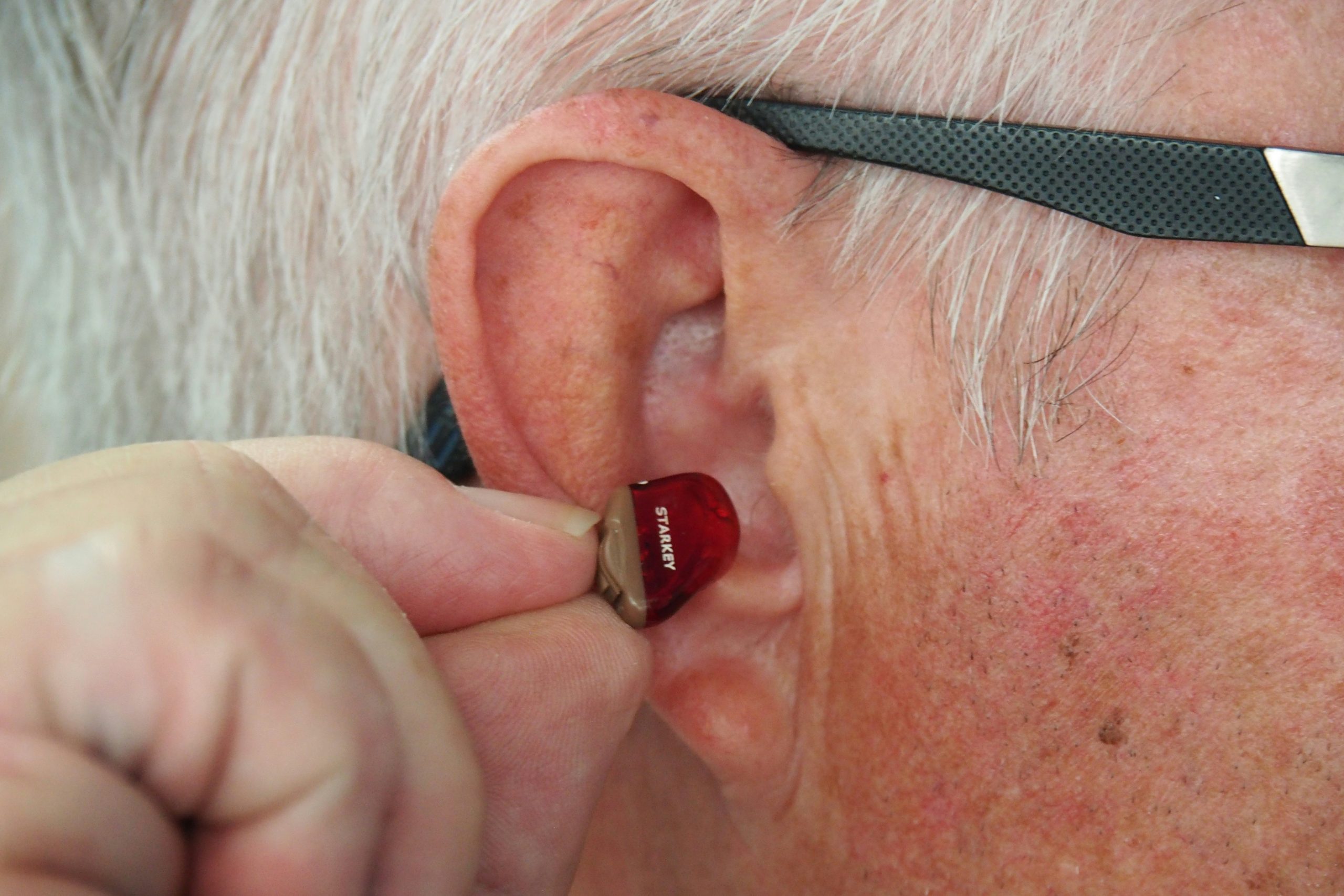
      Hearing aids and cochlear implants can improve hearing and enhance communication abilities. Smartphone apps with speech-to-text functionality help in understanding conversations. As seen at https://thehearinghub.co.uk/london/ these are now much more affordable and accessible, allowing individuals with industrial deafness to regain some level of hearing and improve their quality of life.
    2. Developing Communication Skills
      Learning lip-reading techniques and using visual cues to supplement auditory information. Educating friends, family, and coworkers about effective communication strategies.
    3. Seeking Emotional Support
      Joining support groups for individuals with hearing loss to share experiences and receive encouragement. Counseling or therapy sessions to address emotional distress and develop coping mechanisms.
    4. Adopting Lifestyle Changes
      Minimizing exposure to loud noises by wearing ear protection and taking regular breaks from noisy environments. Exploring alternative hobbies and recreational activities that are less dependent on hearing.

    Support Systems

    Workplace Accommodations

    • Providing noise-reducing equipment and implementing hearing conservation programs.
    • Offering flexible work arrangements and accommodations to support employees with hearing loss.

    Community Resources

    • Accessing government-funded services for hearing assessments, rehabilitation, and vocational training.
    • Engaging with advocacy organizations and charities that offer assistance and guidance.

    Educational Initiatives

    • Raising awareness about the importance of hearing protection and early intervention.
    • Incorporating hearing health education into school curricula to promote prevention and support.

    Navigating Everyday Challenges

    Living with industrial deafness presents a myriad of daily obstacles that can be overwhelming without proper strategies in place. Here are some practical tips for navigating common challenges –


    Effective Communication Techniques

    • Face the person directly and maintain eye contact to facilitate lip-reading and visual cues.
    • Use clear and concise speech, avoiding mumbling or speaking too rapidly.
    • Write down important information or use text messaging when verbal communication is difficult.

    Advocating for Accessibility

    • Request accommodations such as captioning services for meetings or events.
    • Ensure that public spaces and transportation systems are equipped with assistive devices for individuals with hearing loss.
    • Educate employers, educators, and service providers about the importance of accessibility and inclusion.

    Managing Social Situations

    • Choose quieter environments for social gatherings to minimize background noise.
    • Advocate for inclusive activities that accommodate individuals with hearing loss, such as captioned movie screenings or subtitled theatre performances.

    Maintaining Confidence and Self-Esteem

    • Focus on strengths and abilities rather than limitations imposed by hearing loss.
    • Surround yourself with supportive individuals who uplift and encourage you.

    Looking Towards the Future

    While living with industrial deafness can present numerous challenges, advancements in technology and increasing awareness of hearing health offer hope for a brighter future. Here are some developments to look forward to:

    Innovations in Assistive Technology

    Continued improvements in hearing aid and cochlear implant technology, such as smaller and more discreet devices with enhanced features. Development of wearable devices and smartphone apps that offer real-time captioning and speech recognition.

    Research and Treatment Breakthroughs

    Ongoing research into gene therapy and regenerative medicine holds promise for potential cures or interventions to repair damaged inner ear cells. Clinical trials exploring novel treatments for hearing loss, including gene editing techniques and stem cell therapy.

    Advocacy and Policy Initiatives

    Strengthening of workplace safety regulations and enforcement to prevent occupational hearing loss. Advocacy efforts to increase access to affordable hearing healthcare services and devices for all individuals.

    Community Support and Empowerment

    Expansion of support networks and resources for individuals with hearing loss, including online communities and peer mentorship programs. Empowerment initiatives aimed at promoting self-advocacy and amplifying the voices of individuals with hearing loss in decision-making processes.

    Q&A

    Q: Can industrial deafness be prevented?

    A: Yes, by implementing proper hearing protection measures and adhering to workplace safety regulations, the risk of industrial deafness can be significantly reduced.

    Q: Is industrial deafness reversible?

    A: While there is no cure for industrial deafness, early intervention and management strategies such as hearing aids can help individuals better cope with their condition and improve their quality of life.

    Conclusion

    Industrial deafness is not just a physical ailment but also a profound challenge that affects every aspect of one’s life. By raising awareness, implementing preventive measures, and providing support systems, we can empower individuals with industrial deafness to lead fulfilling lives despite their hearing loss. Remember, empathy, understanding, and inclusivity are key in creating a supportive environment for those living with industrial deafness.


  • What Is Protein Powder? A Beginner’s Guide

    What Is Protein Powder? A Beginner’s Guide

    Protein powder – it’s a term you’ve probably heard thrown around at the gym or seen in the health section of your local grocery store. But what exactly is it, and why is everyone talking about it? In this beginner’s guide, we’ll break down everything you need to know about protein powder, from its origins to its benefits and different types.


    Understanding Protein Powder: The Basics

    Protein powder is a dietary supplement that’s typically made from one or more sources of protein, such as whey, casein, soy, pea, or hemp. It’s commonly used by athletes, fitness enthusiasts, and anyone looking to increase their protein intake. Check out the best time released protein powder for one of the options available.


    Why Do People Use Protein Powder?

    There are several reasons why people incorporate protein powder into their diet:

    1. Muscle Building and Recovery: Protein is essential for muscle growth and repair, making it a popular choice among those who engage in strength training or intense workouts.
    2. Convenience: Protein powder offers a convenient way to boost protein intake, especially for individuals with busy lifestyles who may not always have time to prepare protein-rich meals.
    3. Weight Management: Protein can help increase feelings of fullness and support weight loss or weight maintenance goals by reducing overall calorie intake.
    4. Nutritional Support: For individuals who may have difficulty meeting their protein needs through whole foods alone, such as vegans or vegetarians, protein powder can be a convenient way to ensure adequate protein intake.


    Types of Protein Powder

    Protein powders come in various forms, each with its unique characteristics and benefits. Some of the most common types include:

    1. Whey Protein: Derived from milk, whey protein is quickly absorbed by the body and rich in essential amino acids, making it an excellent choice for post-workout recovery.
    2. Casein Protein: Also derived from milk, casein protein is digested more slowly than whey, providing a steady release of amino acids over time. This makes it ideal for promoting muscle repair during periods of rest, such as overnight.
    3. Soy Protein: Made from soybeans, soy protein is a complete protein source that’s suitable for vegans and vegetarians. It contains all nine essential amino acids and has been shown to offer various health benefits, including heart health support.
    4. Pea Protein: Pea protein is derived from yellow peas and is a popular choice for individuals with dairy or soy allergies. It’s rich in branched-chain amino acids (BCAAs) and easily digestible, making it suitable for pre- or post-workout supplementation.
    5. Hemp Protein: Hemp protein is made from hemp seeds and is a plant-based source of protein that’s rich in omega-3 fatty acids and fiber. It’s also a good source of essential amino acids, although it may not contain as much protein per serving as other types.


    How to Use Protein Powder

    Protein powder can be incorporated into your diet in various ways, depending on your preferences and nutritional goals:

    1. Shakes and Smoothies: One of the most common ways to consume protein powder is by blending it into shakes or smoothies. Simply mix a scoop of protein powder with water, milk, or your favorite liquid base, along with fruits, vegetables, or other flavorings of your choice.
    2. Baking: Protein powder can also be used as an ingredient in baked goods such as pancakes, muffins, or protein bars. Simply substitute a portion of the flour with protein powder to boost the protein content of your recipes.
    3. Oatmeal or Yogurt: Stirring protein powder into oatmeal or yogurt is another easy way to increase your protein intake. Simply mix it in until fully incorporated for an extra protein boost.
    4. Protein Pudding: Mix protein powder with a small amount of liquid (such as almond milk or Greek yogurt) until you achieve a pudding-like consistency. Enjoy it as a tasty and nutritious dessert or snack option.


    Potential Side Effects and Considerations

    While protein powder can be a convenient and effective way to increase protein intake, it’s essential to use it responsibly and be aware of potential side effects:

    1. Digestive Issues: Some individuals may experience digestive discomfort, such as bloating, gas, or stomach cramps, when consuming protein powder, especially if they have underlying digestive issues or are sensitive to certain ingredients.
    2. Allergies or Sensitivities: Protein powders derived from milk, soy, or other common allergens may trigger allergic reactions or intolerances in some individuals. Be sure to read labels carefully and choose a protein powder that’s suitable for your dietary needs.
    3. Quality and Purity: Not all protein powders are created equal, and some may contain added ingredients, fillers, or contaminants. Look for products that have been third-party tested for quality and purity to ensure you’re getting a safe and effective product.


    In Conclusion

    Protein powder is a versatile and convenient dietary supplement that can help support muscle building, weight management, and overall health and wellness. With various types available to suit different dietary preferences and goals, incorporating protein powder into your routine can be a simple and effective way to boost your protein intake and support your fitness journey. As with any supplement, it’s essential to use protein powder responsibly and consult with a healthcare professional if you have any concerns or underlying health conditions.


  • Unpacking the Effects of Social Media on the Mental Wellness of Young Adults

    Unpacking the Effects of Social Media on the Mental Wellness of Young Adults

    Social media is now inseparable from daily life, reshaping communication, interaction, and our perception of the world in the digital age. For young adults, in particular, these virtual networks serve as conduits for connection, self-expression, and information sharing. Despite benefits, prolonged usage raises concerns for youths’ mental well-being, prompting increased attention to its effects.

    As the prevalence of online platforms continues to surge, so does the discourse surrounding its potential implications on mental health. These platforms enable socialization but introduce dynamics impacting well-being, highlighting the nuanced relationship between social media and psychological health.

    In this article, we explore how social media impacts cognitive wellness in adolescents, examining its complex interplay with various contributing factors.

    Social Media and Self-Image

    Social media use by youth is nearly universal, according to the U.S. Surgeon General’s Advisory. Up to 95% of youth ages 13–17 report using an online platform, with over a third using it almost constantly. However, this widespread usage intertwines with pervasive influences on cognitive wellness, particularly concerning self-image.

    Digital networks flood users with idealized depictions, fostering unrealistic standards that contribute to feelings of inadequacy and comparison. Constant comparison with carefully crafted posts often leads adolescents to measure their lives, fueling low self-esteem and inadequacy. Conforming to idealized standards pressures self-perception, impacting cognitive well-being. It leads to heightened anxiety, depression, and body dissatisfaction.

    Cyberbullying and Online Harassment

    In the digital sphere, young adults face the perils of cyberbullying and online harassment, impacting their psychological wellness significantly. Social media anonymity can embolden individuals to perpetuate harassment, intimidation, and abuse, fostering a toxic online culture. Despite the digital landscape’s benefits, these harmful behaviors pose serious threats to the well-being of adolescents.

    According to UNICEF, experiencing cyberbullying triggers feelings of shame, anxiety, and insecurity, often leading to withdrawal from loved ones. Loneliness, headaches, and nausea may accompany negative thoughts and loss of motivation. Cyberbullying can lead to skipping school and substance abuse. Seeking support from trusted individuals like friends, family, or school counselors is crucial for addressing the psychological health impact of cyberbullying.

    Cyberbullying and online harassment encompass malicious comments, threats, and the spread of rumors or private information. To navigate the digital domain responsibly, fostering empathy, respect, and accountability within virtual communities is crucial. As digital natives engage online, promoting a culture of understanding and responsibility helps mitigate the harmful effects of cyberbullying.

    Fear of Missing Out (FOMO) and Social Comparison

    Fear of Missing Out (FOMO) proliferates due to the incessant flow of curated content on social media platforms. Young adults often feel inadequate and anxious as they compare their lives to the seemingly perfect experiences depicted by their peers online. This phenomenon exacerbates feelings of insecurity and highlights the pervasive influence of digital networks on cognitive well-being.

    Digital networks inundate users with updates and photos showcasing social events, travel adventures, and accomplishments. This barrage fosters a sense of exclusion among those who feel they miss out on meaningful experiences.

    The incessant cycle of comparison fueled by digital networks exacerbates feelings of insecurity, loneliness, and dissatisfaction with one’s own life. Adolescents facing FOMO must prioritize mindfulness, self-awareness, and gratitude, fostering genuine connections and experiences over virtual validation.

    Addiction and Digital Detox

    Social media’s constant notifications, curated feeds, and fear of missing out (FOMO) can escalate into addictive behavior. This digital dependency profoundly affects mental well-being, inducing feelings of anxiety and disconnection from reality. The allure of online platforms can easily overshadow their harmful effects, necessitating mindful usage and moderation.

    Digital network addiction manifests through excessive scrolling, neglecting responsibilities, and withdrawal symptoms like anxiety when unable to access platforms. This addiction also leads to cognitive health issues, such as increased stress and depression stemming from social comparison. Recognizing these signs is crucial for addressing the detrimental impact of digital network addiction on overall well-being.

    If you find yourself struggling with these signs, it’s time to consider a digital detox. Taking a break from online platforms or deleting social media accounts, even for a short period, can be incredibly beneficial for cognitive health. 

    There are various benefits of deleting social media for mental health, including reduced stress and anxiety, improved sleep, and enhanced self-esteem. Also, it fosters increased focus, productivity, and stronger real-world connections with loved ones.

    Tru Lawsuit Info offers practical tips for taking a break from digital networks. Before disconnecting, inform friends and family about the break, emphasizing its importance for mental health. Replace virtual communities with activities or hobbies, and find alternative ways to stay in touch. Decide on the break’s duration to provide clarity and track its impact.

    Positive Aspects of Social Media

    In the discourse on social media, negative narratives often dominate, yet it’s vital to recognize its potential for good. While navigating its pitfalls is essential, discounting the positive aspects creates an incomplete perspective. Acknowledging both sides fosters a balanced understanding of its impact on society.

    Platforms provide access to diverse voices, perspectives, and educational content. Adolescents can discover new passions, learn new skills, and engage with role models who inspire them. Educational communities and groups can offer valuable resources, fostering intellectual curiosity and personal growth.

    Digital networks can be a powerful tool for connection and community building. According to a National Institute of Health study, 58% of adolescents report feeling more accepted due to social media. This finding underscores the perceived social benefits that adolescents derive from their engagement with online platforms.

    It fosters a sense of belonging, especially for youths facing unique challenges or navigating specific identities. Online communities offer support, understanding, and a platform to share experiences with like-minded individuals, reducing feelings of isolation.

    Coping Mechanisms and Resilience

    For young adults, navigating the complexities of social media’s impact on cognitive wellness requires cultivating effective coping mechanisms and resilience. These strategies empower individuals to confront challenges, setbacks, and digital stressors with adaptability and strength. By fostering adaptive responses to adversity, adolescents can navigate the digital landscape with greater resilience and well-being.

    One effective coping mechanism involves setting boundaries and establishing mindful usage habits when engaging with digital networks. Also, building a robust support network with trusted individuals offers invaluable emotional support and guidance during times of distress or uncertainty.

    Digital Literacy and Education

    In the era of social media, prioritizing digital literacy and education among youth is crucial for responsible online engagement. Digital literacy involves developing skills to navigate the digital landscape critically, distinguishing between reliable information and misinformation. Understanding the impact of online interactions on mental wellness is integral to fostering informed and thoughtful engagement with digital platforms.

    Schools can empower adolescents by integrating digital literacy into educational programs, enabling critical evaluation of online content. Recognizing biases safeguards mental wellness in the digital age.

    Navigating the Digital Landscape

    In the dynamic digital landscape, social media’s impact on young adults’ mental wellness is multifaceted and continuously evolving. These platforms significantly influence the psychological well-being of young adults, fostering connection while perpetuating feelings of inadequacy and isolation.

    However, within the digital network’s influences, a pathway guided by mindfulness, resilience, and critical engagement offers a direction forward amid complexities. Young adults can navigate the digital age with resilience, compassion, and authenticity by leveraging its transformative potential for positive change.

  • Healthy and Happy: The Benefits of Travel for Retirees

    Healthy and Happy: The Benefits of Travel for Retirees

    Retirement is one of the most enjoyable and satisfying times of a person’s life. Far from being an ending, retirement marks a new chapter, a time to reflect on a life well-lived and to savor the benefits of years of hard work. It offers freedom, flexibility, and time to enjoy the things that are most important to us. For many, retirement is an opportunity to explore the world. Traveling is fulfilling, and enriching, and offers a huge number of physical, mental, and emotional benefits, beyond the sheer joy of exploration and discovery.

    So if you have recently reached your golden years and are considering packing your bags for a beach vacation or checking out the best Caribbean cruise itineraries for 2024, here are a few of the reasons why travel is such a great idea in later life!


    Physical Well-Being

    Travel gets you moving and is one of the best ways to promote gentle physical activity. From strolling through historic city centers to hiking beautiful nature trails, there are so many ways to stretch your legs with a little gentle exertion while traveling. Regular movement is incredibly important, particularly after retirement, when it is vital to pay attention to cardiovascular health, flexibility, and general fitness. Travel experiences offer a huge variety of easy and enjoyable ways to get moving and stay active, from yoga on the beach to picturesque bicycle rides through the forest.

    Mental Stimulation

    Keeping your mind active is just as important as being physically active, and travel offers plenty of ways to keep learning after retiring. Whether you are exploring new cultures, visiting fascinating historic sites, or even learning a new language through online language study, travel broadens the mind and offers plenty of stimulation for the brain. It is a wonderful way to stay sharp and curious, outside of the world of work.

    Social Connection

    One of the biggest challenges of retirement can be staying connected and staving off loneliness. Travel offers the opportunity to connect with people from a huge range of backgrounds, and provides constant arenas to make new friends and forge new bonds with people from all over the world. Whether you are joining group tours, sparking up conversations with locals, or just relaxing with fellow travelers at a restaurant, bar, or hostel lounge, travel is a continuous flow of social connections waiting to happen and a wonderful way to stave off feelings of isolation.

    Emotional Well-being

    Retirement can sometimes leave you with a lack of purpose and meaning, and a sense that your life has lost some of its direction. Regular travel can turn this feeling on its head, offering hugely satisfying experiences and new goals through exploration and discovery. Discovering unfamiliar places and new cultures offers an amazing sense of accomplishment and can provide a new way of feeling fulfilled for retirees.

    Sense of Adventure

    Finally, travel gives retirees a brand-new sense of adventure, allowing them to indulge in journeys, trips, and experiences that they might not have had time for when they were working. From scenic balloon rides to sampling amazing new cuisines, retirement is the perfect time to start ticking things off your bucket list, as well as offering an opportunity to step outside of your comfort zone and discover a renewed sense of adventure and exploration.


    Retirement is often misconstrued as a time for slowing down, when it is truly one of the most exciting times of life. Freed from the strictures of professional life, retirees can explore the world in new and interesting ways. Traveling after retirement is both exciting and incredibly beneficial, providing mental and physical benefits that can help retirees enjoy their golden years even more.

  • Reverse Mohawk Hairstyle

    Reverse Mohawk Hairstyle

    The reverse mohawk, often referred to as a “rat tail” or “anti-mohawk,” is a bold and unconventional hairstyle that flips the traditional mohawk on its head. Unlike the classic mohawk, which features shaved sides with a strip of longer hair running down the center of the scalp, the reverse mohawk involves shaving the center strip of the hair while leaving the sides long. This creates a striking, almost rebellious contrast and is a hairstyle that certainly makes a statement.

    The reverse mohawk can be customized in many ways. Some people go for a clean, symmetrical look with evenly shaved patches along the middle of the scalp, while others opt for a more rugged, uneven approach that feels more organic or punk. The hair on the sides is often styled in various ways—curly, straight, slicked back, or even braided. This adaptability makes the reverse mohawk a versatile choice for those who enjoy experimenting with their hair.

    This hairstyle is particularly popular among individuals who are drawn to countercultural movements or who simply want to stand out. It often has a rebellious, edgy connotation, often linked with punk rock, alternative, and even futuristic fashion aesthetics. Over the years, the reverse mohawk has also been embraced by certain subcultures, adding to its bold and defiant nature.

    Despite its daring appearance, the reverse mohawk can be a surprisingly low-maintenance look. Because the sides are left long, there’s less frequent need for trimming compared to other extreme haircuts. However, maintaining the clean-shaven strip down the middle requires regular upkeep, especially to keep the sharp, defined look. Overall, the reverse mohawk is a daring, eye-catching style that can be a fun way to express individuality and creativity.


    Reverse Mohawk Hairstyle


  • When You Should Take a COVID-19 Self-Test: Post-Exposure Guidelines

    When You Should Take a COVID-19 Self-Test: Post-Exposure Guidelines

    If you’ve been exposed to someone with COVID-19, taking a self-test is a crucial step to ascertain if you’ve contracted the virus. The ideal time to take a self-test is at least five days after being exposed to the virus. Testing earlier may result in a false negative because the virus may not be detectable yet. The rationale behind waiting is that the viral load typically accumulates to detectable levels during this period.

    It’s vital to self-isolate if you develop any symptoms indicative of COVID-19 at any point after exposure, regardless of the self-test results. If you are asymptomatic, you can get COVID-19 lateral flow tests to help limit the spread of the virus. Remember, even if you test negative, it’s important to remain vigilant for symptoms for at least 10 days after exposure, as you can still be infectious even without showing symptoms.

    Key Takeaways

    • Take a self-test at least five days after exposure.
    • Self-isolate and test immediately if symptoms develop.
    • Stay alert for symptoms for 10 days post-exposure.

    Determining Exposure and Risk

    When assessing the need for a COVID-19 self-test after potential exposure, understanding exposure levels and recognizing symptoms is crucial.

    Understanding Exposure Levels

    Exposure level is gauged by proximity and duration of contact with an infected individual. If you’ve been in close contact—defined as within 2 meters for a total of 15 minutes or more over 24 hours—you’re considered at higher risk. Use self-testing to ensure accuracy and mitigate the spread, especially if physical distancing and mask-wearing were not consistently maintained.

    Identifying Symptoms

    You should self-test if you develop symptoms indicative of COVID-19. Key symptoms to look out for include:

    • Continuous cough
    • Fever or high temperature
    • Loss of, or change in, your normal sense of taste or smell

    Even if symptoms seem mild, obtaining a definitive test result is fundamental in controlling transmission risks.

    Guidelines for COVID-19 Self-Testing

    Understanding the appropriate procedures for COVID-19 self-testing after potential exposure is crucial for accurate results and subsequent actions.

    Timeframe for Self-Testing After Exposure

    If you believe you’ve been exposed to someone with COVID-19, it’s important to wait at least three to five days before taking a self-test. This waiting period allows for the virus to reach detectable levels if you’ve been infected.

    Frequency and Timing of Tests

    Perform self-testing every two to three days over 10 days post-exposure, especially if you’re in frequent contact with vulnerable individuals. Testing should ideally be done in the morning, before you have eaten or drunk anything, to obtain a clear sample.

    Interpreting Test Results

    A negative result doesn’t completely rule out infection, particularly during the early stages post-exposure. If symptoms develop or continue, continue to conduct a COVID-19 self-test using the correct procedures. Always follow up with a PCR test if any doubt remains. Positive results require immediate self-isolation and notification to health authorities.

    Conclusion

    If you’ve been in close contact with someone who has COVID-19, it’s crucial to stay informed on when to take a self-test. Wait at least five days after exposure before testing to increase the accuracy of your results. If you develop symptoms, you should be tested immediately. Follow CDC recommendations and remember to quarantine while awaiting test results to prevent potential spread of the virus. In case of a negative rapid test but persistent symptoms, consider a follow-up test or a more sensitive PCR test. Self-testing plays a vital role in managing your health and the safety of those around you during the ongoing pandemic.


  • Unlocking Confidence: How Your Appearance Influences Self-Esteem

    Unlocking Confidence: How Your Appearance Influences Self-Esteem

    The link between how we view ourselves and how we present ourselves to the world is indisputable. Appearance not only affects how we are perceived by others but also how we perceive ourselves. Self-esteem can significantly fluctuate with changes in our physical appearance, whether it’s through fashion, grooming, or body language. Exploring the psychology behind this connection can yield insights into improving our confidence. Keep reading as we delve into the intricate relationship between appearance and self-esteem.


    The Psychology Behind Appearance and Self-Esteem

    Our appearance serves as a personal billboard to the world, conveying messages about who we are and how we feel about ourselves. Psychological studies suggest that there is a strong association between self-esteem and the way we perceive our physical selves. When we are satisfied with our appearance, we tend to exhibit higher levels of confidence and self-respect.

    This is not to say that appearance is the sole determinant of self-esteem. However, it is a significant component. When people feel they look good, it often translates to feeling good internally. This positive self-image impacts day-to-day interactions, potentially leading to more successful personal and professional engagements.

    Addressing concerns about physical appearance can be an important step in bolstering self-esteem. This might involve lifestyle changes, seeking professional help, or finding communities that affirm one’s self-worth beyond physical aspects.


    Grooming and Personal Care: Essential Elements of Self-Perception

    Grooming and personal care routines often serve as the foundation for feeling good about oneself. Regular self-care such as skin routines, hair care, and dental health can play a significant role in boosting self-esteem. When individuals invest time and effort into their grooming practices, it signifies self-value and can promote positive feelings about their appearance. Skilled dermatologists, such as those at The Center for Surgical Dermatology, can address skin concerns, both contributing to enhanced self-image.

    For many, these routines offer a therapeutic experience, providing an opportunity for relaxation and self-reflection. The act of taking care of one’s body can reinforce self-love and communicate a sense of worthiness to oneself. Personal care is also an expression of self-identity, with each person’s unique preferences helping to define who they are.

    Sometimes, certain aspects of grooming may require professional assistance to achieve desired results. This is where services such as dental care and dermatology can be particularly beneficial. By addressing concerns with one’s skin, teeth, or other aspects of their appearance, individuals can make strides in improving their self-image and overall quality of life.


    The Role of Fitness and Posture in Projecting Confidence

    Fitness and physical activity are not only beneficial for health; they directly influence confidence levels. Regular exercise contributes to improved body image, which can help elevate self-esteem. Endorphins released during physical activity also play a role in creating a sense of well-being that transcends the gym.

    The physical changes that come with consistent exercise can encourage a more positive view of oneself. As individuals become stronger and more capable, their self-esteem tends to rise. Achieving fitness goals can also be empowering, giving a sense of accomplishment that feeds into a confident self-presentation.

    Posture, too, is closely linked to confidence. The way we carry ourselves can affect internal feelings and the perceptions others have of us. Standing tall with shoulders back can project assertiveness and self-assurance, potentially altering how we are treated and how we engage with the world around us.


    Enhancing Self-Esteem Through Consistent Self-Presentation

    Self-presentation is an ongoing process that requires attention and consistency. When individuals present themselves authentically and with intention, it reinforces their self-worth. A consistent presentation can help in forming a stable sense of identity and boost self-esteem.

    It’s important for individuals to find a self-presentation style that aligns with their values and feels congruent with their self-image. This congruence leads to a harmonious sense of self that bolsters confidence in many aspects of life. The key is balance—recognizing the role of appearance without letting it dictate one’s worth.

    Ultimately, the focus should be on self-compassion and self-improvement rather than perfection. Setting realistic goals for self-presentation and recognizing one’s inherent worth can create a positive cycle that continually feeds into a heightened sense of self-esteem.

    Overall, the intimate relationship between appearance and self-esteem is undeniable. By understanding and nurturing this connection through various means from clothing and grooming to fitness and posture, individuals can unlock heightened levels of confidence. While acknowledging the importance of external presentation, the true essence of self-esteem lies in an unwavering appreciation for oneself, amidst the continuous journey of personal growth and self-expression.


  • Tepezza Dilemma: Navigating the Debate on Permanent vs. Temporary Hearing Loss Effects

    Tepezza Dilemma: Navigating the Debate on Permanent vs. Temporary Hearing Loss Effects

    As you dig deep into the world of healthcare, the controversy surrounding Tepezza unfolds as a critical issue demanding your attention.

    The importance lies in understanding the potential impact on your well-being, with reported cases raising concerns about hearing complications. Whether you’re a current Tepezza user or someone contemplating its usage, the alleged connections to auditory issues require closer examination.

    In this article, we’ll delve into the intricacies of Tepezza treatment. We’ll sort the debate between permanent and temporary hearing loss effects linked to this medication.

    Tepezza and Its Alleged Impact on Hearing

    Tepezza, a medication designed to treat thyroid eye disease or Graves’ illness, has found itself at the center of a controversy. It surrounds the concern of having its potential impact on hearing. Users and medical professionals have reported cases where individuals experienced auditory loss after its treatment.

    Some of the data revealed that persons with Graves’ disease, especially those on Tepezza, often submitted claims regarding auditory loss. These also include other ear-related problems as well. According to MHE, two additional studies that examined adverse events related to hearing were included in the executive reports of the clinical investigations.

    Approximately 2.1% of the reported side effects affecting the ears in individuals taking the drug were attributed to it. Also, 8.1% of patients had unfavorable ear-related hearing impairment issues. Most of these adverse effects were modest. Nevertheless, these reports and instances have drawn the interest of regulatory bodies and healthcare professionals because of their impact.

    Understanding the nature of the drug’s alleged impact on hearing is crucial. Some users claim to have faced permanent hearing loss, raising alarm about the long-term consequences of the medication. Others report temporary hearing issues, emphasizing the need to comprehensively examine the varying effects on auditory health.

    Legal Landscape: Tepezza Hearing Loss Lawsuits

    Amidst the health concerns surrounding Tepezza and its alleged impact on hearing, a complex legal landscape has taken shape.

    Numerous individuals who claim to have suffered auditory loss due to its usage have initiated legal actions. These lawsuits underscore the importance of examining the legal implications and seeking justice for those affected. Tepezza lawsuit filings have surged, reflecting the growing number of individuals seeking legal recourse for their alleged hearing issues linked to the medication.

    The legal proceedings involve a thorough exploration of the claimed connections between the drug and auditory impairment. Seeking compensation for purported damages is of utmost importance for the individuals involved.

    According to TorHoerman Law, these cases are part of a broader legal landscape that seeks to address the grievances of individuals. Especially for those who believe they have suffered harm due to its usage. For the right justice, it requires seeking legal help from an experienced attorney who can help gather essential evidence. These include medical records, testimony, and evidence of medical expenses for injuries or hearing issues.

    Recognizing that various legal entities are actively involved in these cases is essential. Each contributes to the evolving legal narrative surrounding Tepezza and its risk.

    Delving into the Permanent Hearing Loss Controversy

    Some individuals who underwent Tepezza treatment claim to have experienced lasting impairment in their auditory function. It prompts concerns about the potential irreversibility of the effects. This facet of the debate raises critical questions about the responsibility of drug manufacturers. Crucially, ensuring users are adequately informed about the risks associated with their products.

    Plaintiffs in Tepezza lawsuits argue that the permanent nature of the alleged hearing loss adds a layer of severity to their cases. One recipient of the drug treatment has reported experiencing a lifelong auditory impairment. As reported by Drug Watch, Daniel Weibel brought and issued a complaint in August 2022. He claimed that using the drug for thyroid eye illness resulted in irreversible and permanent hearing loss.

    Weibel filed a lawsuit against the manufacturer Horizon Pharmaceuticals. He further claimed that despite being aware of potential issues, the company had not given him enough information or warnings. It shows the challenge lies in establishing a clear link between its usage and enduring auditory impairment. It’s a task complicated by the variability in individual responses to the medication.

    Temporary Hearing Loss Allegations

    Some individuals report experiencing auditory issues that, unlike permanent hearing loss, are purportedly reversible after the cessation of Tepezza treatment. This aspect of the controversy introduces questions about the dynamics of the medication’s impact on hearing and the timeframe within which these effects manifest.

    Those who claim temporary auditory loss emphasize the need for a nuanced understanding of the duration and reversibility of the auditory impairment. Legal arguments in these cases often revolve around the adequacy of warnings provided by drug manufacturers regarding the potential for temporary auditory issues.

    Industry Response and Regulatory Measures

    In response to the allegations of hearing loss associated with Tepezza, drug manufacturers have faced increasing pressure. Particularly to reevaluate their communication strategies concerning potential side effects. The industry’s response to these lawsuits becomes crucial to the broader conversation on pharmaceutical accountability and patient safety.

    Entities like the Food and Drug Administration play a crucial role in assessing the safety and effectiveness of medications. The FDA has taken action to address the problem based on their results and findings. As a result, among the recent measures implemented are medicine label revisions, according to Ophthalmology Breaking News.

    One of the welcoming adjustments has led to the addition of significant auditory impairment to the medicine’s warnings and precautions section. Before, after, and during Tepezza treatment, medical personnel are advised by the FDA to evaluate their patients’ hearing as well. It has given them further instructions to carefully weigh the benefits and drawbacks for each patient.

    Past Cases and Legal Complexities

    Examining past cases related to Tepezza lawsuits uncovers a tapestry of legal complexities and diverse outcomes. Individuals who have taken legal action against its manufacturers have encountered challenges. These range from establishing a clear link between medication and hearing loss to navigating the intricacies of pharmaceutical liability laws.

    Legal complexities arise from the variability in individual responses, making it challenging to establish a one-size-fits-all approach to these lawsuits. The nature of the alleged auditory loss, whether permanent or temporary, further adds layers of intricacy to legal proceedings. Past cases serve as a mosaic of experiences, highlighting the need for a nuanced understanding of the multifaceted issues involved.

    Community Outreach and Support Initiatives

    Amidst the legal intricacies and health concerns surrounding Tepezza, community outreach and support initiatives have emerged as beacons of assistance for affected individuals. 

    Support groups and organizations dedicated to those navigating Tepezza-related auditory loss offer a platform for shared experiences and information exchange. These initiatives play a crucial role in fostering a sense of community and solidarity among individuals facing similar challenges.

    Community outreach extends beyond emotional support to provide practical guidance on legal avenues, healthcare resources, and coping strategies. Advocacy groups and online forums have become valuable spaces for individuals to voice their concerns. Also, they have access to information and collectively address the complexities of its related issues.

    In conclusion, the Tepezza treatment unravels a complex tapestry of legal battles and health concerns. The debates on permanent versus temporary auditory loss highlight the need for a nuanced understanding of the medication’s impact. 

    Community initiatives play a crucial role as affected individuals seek accountability and support. The legal landscape, shaped by past cases, is evolving, prompting the pharmaceutical industry and regulators to reassess safety measures.


  • Tooth Extraction: Preparing for a Smooth Procedure

    Tooth Extraction: Preparing for a Smooth Procedure

    Many dental issues can lead to this conclusion. Whether due to severe decay, advanced gum disease, or orthodontic needs, it is best to be prepared. A well-prepared approach to tooth extraction ensures you have a smoother procedure, and it facilitates a quicker recovery.

    We’ll explore the key aspects of preparing for this dental intervention


    1. Consultation and Evaluation

    Your journey to tooth extraction typically begins with a consultation and evaluation by a dental professional. Through X-rays and a thorough examination, the dentist assesses the condition of your tooth, the surrounding bone, and the overall oral health.

    This initial step helps determine whether the extraction is necessary and allows your dentist to plan for a smooth procedure.

    1. Discussion of Treatment Options

    Following the evaluation, your dentist will tell you about some possible treatment options based on your specific needs. If the dentist feels the extraction is necessary, they’ll explain the reasons behind the recommendation and explore potential alternatives.

    This step is crucial for informed decision-making, ensuring that you’re actively involved in the treatment plan.

    1. Pre-Extraction Instructions

    Before the scheduled extraction, your dentist will provide pre-extraction instructions to prepare you for the procedure. These instructions may include guidelines on fasting (if necessary for sedation), medication adjustments, and any specific oral care routines to follow in the days before the extraction.

    1. Sedation and Anesthesia Options

    Your dentist may offer various sedation and anaesthesia options to ensure you’re comfortable. These can range from local to general anaesthesia, depending on the complexity of the extraction and your preferences. It’s best to discuss these with your dentist as that would help alleviate any anxiety on your part.

    1. Medical History and Medication Review

    Your dentist would have to review your medical history thoroughly. They’d go through your records to figure out if you’ve had any adverse reactions to drugs in the past. These are essential for a safe and successful extraction.

    Certain medical conditions or medications may impact the procedure or the choice of anaesthesia. Providing accurate information allows the dental team to tailor the extraction process to your health needs, so don’t hold anything back. Just feel free.

    1. Post-Extraction Care Planning

    Post-extraction care is crucial for a smooth recovery. Your dentist would provide instructions on managing discomfort, swelling, and potential bleeding. They’d also share their guidance on diet, oral hygiene practices, and follow-up appointments to support the healing process.

    Following these instructions diligently contributes to a quicker and more comfortable recovery.

    1. Emotional Support and Communication

    Dental professionals like Zen Dental recognize that tooth extraction can be an emotional experience. As such, they prioritize open communication and emotional support.

    By addressing any concerns or apprehensions you may have, they build a trusting and collaborative relationship which smoothens the experience.

    Conclusion

    Tooth extraction is a common dental procedure that benefits from careful preparation and communication between you and the dental team.

    By actively participating in the decision-making process and getting all the necessary information, you can navigate the journey to oral health with confidence and ease.

    A smooth tooth extraction experience lays the foundation for a healthy, well-supported smile in the future.


  • Catering to Nervous Patients: Making Dental Visits Comfortable

    Catering to Nervous Patients: Making Dental Visits Comfortable

    For many individuals, visiting the dentist can evoke feelings of anxiety and nervousness. Dental anxiety is a common phenomenon that can prevent people from seeking necessary oral care. Dental professionals realise how important these concerns are and have developed strategies to create a comfortable and soothing environment for nervous patients. In this article, we’ll delve into some ways in which dental practices cater to anxious individuals.

    Not so fun fact: An irrational fear of the dentist or visiting the dentist’s office is called dentophobia. Yes, it’s a real thing.


    Top Ways Dental Professionals Cater To Nervous Patients


    1. Open Communication and Trust-Building:

    Establishing open communication between dental professionals and patients is the first step in addressing dental anxiety. Dentists should take the time to listen to patients’ concerns, fears, and past negative experiences. This helps build trust and allows for a collaborative approach to dental care.

    1. Creating a Relaxing Atmosphere

    Dental practices increasingly prioritize creating a calming atmosphere to help patients feel more at ease. Soft lighting, soothing colours, and comfortable furnishings contribute to a relaxed environment. The dentist can also put on music, or nature sounds as they play a role in minimizing anxiety and promoting a serene atmosphere.

    1. Use of Technology for Distraction

    Dental offices often incorporate technology to distract and engage nervous patients during procedures. Virtual reality headsets, in-chair entertainment systems, or educational videos can serve as effective distractions, redirecting attention away from the dental procedure itself.

    1. Sedation Dentistry Options

    For patients with severe anxiety, sedation dentistry provides a valuable option. Different levels of sedation, ranging from mild to deep, can be administered to help patients relax. This allows dental procedures to be completed while the patient remains calm and comfortable.

    1. Educational Approach

    Dental professionals should take an educational approach to equip patients with knowledge about their treatment. Understanding the procedure, its purpose, and potential outcomes can help alleviate fears and uncertainties. This transparency enables patients to make informed decisions about their dental care.

    1. Gradual Desensitization

    For those with profound dental anxiety, a gradual desensitization approach may be employed. This involves introducing patients to the dental environment and procedures gradually, starting with less invasive treatments. As patients become more comfortable, more extensive procedures can be considered.

    1. Empathy and Compassion

    Dental professionals recognize the emotional challenges that nervous patients face and approach their care with empathy and compassion. They put on smiling faces and soothing voices to create a non-judgmental environment that would foster trust. This would help patients feel understood and supported throughout their dental journey.

    1. Flexible Scheduling and Pacing

    Dental practices may offer flexible scheduling options and allow for pacing based on the patient’s comfort level. Not all procedures must be done at once. Breaking down complex treatments into manageable sessions or incorporating breaks during longer procedures can make the experience less overwhelming.


    Conclusion

    Catering to nervous patients is a priority for modern dental practices. Dentists acknowledge the impact of anxiety on oral health and make moves to alleviate it.

    If you’re an individual with dental anxiety, seeking out a dental practice that prioritizes patient comfort can help you maintain optimal oral health without unnecessary stress. Book a visit to The Walton Practice if you live close to Reigate and Banstead.

    Remember, open communication with your dental team is key to ensuring your concerns are addressed, leading to a more comfortable dental experience.


  • Chrome Dentures: The Stylish and Sturdy Choice for Tooth Replacement

    Chrome Dentures: The Stylish and Sturdy Choice for Tooth Replacement

    Nowadays there are many options available for tooth replacement. These procedures offer you different solutions that prioritise both aesthetics and functionality. Chrome dentures is just one of these available procedures.Chrome dentures, a modern alternative to traditional acrylic dentures, are increasingly popular these days. This is because of their stylish appearance, durability, and comfortable fit. Let’s explore the features that make chrome dentures a stylish and sturdy choice for tooth replacement.


    Chrome Dentures: An Overview

    Chrome dentures are a type of removable partial denture made from a metal alloy consisting of chrome and cobalt. This alloy provides a strong and lightweight base for the denture, allowing for a design that is both stylish and functional.

    Here are a few reasons to choose go for chrome dentures:

    1. Sturdiness and Durability

    One of the key advantages of chrome dentures is their exceptional strength and durability. The chrome cobalt alloy is resistant to wear and tear, making these dentures a long-lasting solution if you’re seeking reliable tooth replacement. The sturdy construction ensures that chrome dentures can withstand the demands of daily use.

    1. Slim and Lightweight Design

    The metal alloy used in chrome dentures allows for a thinner and more lightweight design compared to traditional acrylic dentures. This slim profile enhances your comfort while providing a more natural feel. The lightweight nature of chrome dentures contributes to improved functionality and ease of use.

    1. Precision Fit

    Chrome dentures are made to fit the unique contours of your mouth. This precision fit ensures optimal comfort and stability, reducing the likelihood of irritation or sore spots commonly associated with ill-fitting dentures. The snug fit also enhances your speech and eating functionality.

    1. Natural-Looking Appearance

    The metal base of chrome dentures is often covered with gum-colored acrylic and attached to natural-looking prosthetic teeth. This combination results in an appearance that closely mimics the your natural gums and teeth.

    1. Improved Chewing Efficiency

    The slim and lightweight design of chrome dentures, coupled with their precision fit, contributes to improved chewing efficiency. You will experience greater bite force and more natural chewing patterns. This would allow a broader range of food choices without compromising on comfort or stability.

    1. Hypoallergenic and Biocompatible

    The chrome cobalt alloy used in these dentures is known for its hypoallergenic and biocompatible properties. This makes chrome dentures suitable for individuals with sensitivities or allergies to certain materials. The biocompatibility ensures a comfortable and safe experience for you.

    1. Easy Maintenance

    Maintaining chrome dentures is straightforward. Regular oral hygiene practices are usually sufficient to keep them in good condition. The durable nature of the chrome cobalt alloy also minimises the risk of fractures or damage that are associated with some other types of dentures.


    Conclusion

    Chrome dentures represent a modern and stylish choice for individuals seeking effective tooth replacement. With their sturdy construction, precision fit, and natural-looking appearance, these dentures offer you a reliable and aesthetically pleasing solution.

    If you’re considering tooth replacement options, you should consult with a dental professional to explore the benefits of chrome dentures. It could be the key to achieving a stylish smile.


  • Adjustment Vs. Repair – Knowing What Your Dentures Need

    Adjustment Vs. Repair – Knowing What Your Dentures Need

    In the ever-evolving field of dentistry, dentures have stood as a reliable solution for those seeking to replace missing teeth and reclaim the radiance of their smiles. However, like any other dental appliance, these prosthetics demand meticulous care and regular maintenance to preserve their functionality and aesthetic appeal.

    In the ever-evolving field of dentistry, dentures have stood as a reliable solution for those seeking to replace missing teeth and reclaim the radiance of their smiles. However, like any other dental appliance, these prosthetics demand meticulous care and regular maintenance to preserve their functionality and aesthetic appeal.

    As wear and tear inevitably take their toll, wearers often find themselves at a crossroads—wondering whether a subtle adjustment or a more intricate repair is in order. This article seeks to illuminate the nuanced disparities between the two procedures, empowering individuals to discern the specific needs of their dentures.


    What is Denture Adjustment?

    A denture adjustment constitutes a subtle modification of the shape or fit of these dental fixtures to enhance comfort and stability within the oral cavity. Typically performed by a dentist or dental technician, this process encompasses tasks such as trimming, smoothing, or augmenting materials on the base or teeth of the dentures.

    By undertaking a denture adjustment, you can sidestep the discomfort, irritation, and potential gum-related maladies caused by ill-fitting dentures.


    Instances Warranting a Denture Adjustment

    1. Fluctuations in weight influence the contours of the gums and jawbone.
    2. Alterations in oral health, exemplified by conditions like periodontitis, tooth decay, or bone loss.
    3. Changes in medical status, such as diabetes, arthritis, or osteoporosis, impacting oral tissues and bone density.
    4. Prolonged denture wear leading to looseness or deterioration.
    5. Discomfort, pain, or impediments in activities like chewing, speaking, or smiling.


    Denture Repair – What is it?

    Contrastingly, denture repair denotes a more comprehensive restoration process, addressing damages or defects affecting both function and appearance. Conducted by a dentist, this procedure involves replacing, or reinforcing broken or missing components of the dentures. A denture repair proves instrumental in preventing further deterioration of your dentures and averting potential threats to dental health.


    Scenarios Necessitating Denture Repair

    1. Dentures sustained cracks, chips, or breakage from accidents, trauma, or misuse.
    2. Loss of one or more teeth due to wear and tear or decay.
    3. Observable alterations in color, texture, or shape adversely impacting the aesthetic appeal.
    4. Allergic reactions or infections arising from materials constituting the dentures.


    Choosing Between Adjustment and Repair

    A consultative dialogue with a dentist is the decisive factor in choosing between adjustment and repair. In this regard, a simple internet query looking for “denture repairs near me” is sure to bring up a couple of suitable nearby options. Through an assessment of the dentures and your oral health, your dentist can then advocate the optimal course of action.

    Depending on the nature and severity of the issues, options may range from swift, in-office adjustments to more intricate repairs either on-site or through laboratory processing. In some cases, a complete replacement might be the recommended route, ensuring a snug fit and prolonged durability.

    Regardless of the chosen path, adherence to your dentist’s post-adjustment or repair care directives is imperative. Routine cleaning, proper storage, avoidance of challenging food textures, and regular dental check-ups become integral components of sustaining the dentures’ longevity, appearance, and, ultimately, the wearer’s oral health and quality of life.


    The Takeaway

    The essence of adjusting or repairing dentures extends beyond mere cosmetic considerations; it is a fundamental commitment to the prosthetics’ endurance and the preservation of one’s oral well-being and overall quality of life. By keeping your dentures in good shape, you can revel in the pleasures of eating, speaking, and smiling with a confidence born of comfort and assurance.


  • The Importance of a Balanced Diet for Overall Health

    The Importance of a Balanced Diet for Overall Health

    What’s the secret to a healthier, more vibrant life? It might be simpler than you think: a balanced diet. This concept, more than just a dietary trend, is the foundation of good health. Thanks to insights from Life Essentials, we’re diving into the world of balanced diets, exploring their components, benefits, and how to seamlessly integrate them into your daily routine.


    What is a Balanced Diet?

    A balanced diet is like a puzzle, where each piece represents a different food group providing essential nutrients. It includes:

    • Fruits and Vegetables: These are your vitamins and minerals powerhouses, packed with fiber.
    • Proteins: Found in meats, fish, and plant sources like beans, proteins are crucial for body repair and maintenance.
    • Carbohydrates: Whole grains give you sustained energy and are loaded with fiber.
    • Fats: Healthy fats in avocados, nuts, and olive oil are vital for brain health and hormone production.
    • Dairy or Dairy Alternatives: Essential for calcium and other nutrients, keeping our bones strong.


    Benefits of a Balanced Diet

    Physical Health

    Balancing these groups doesn’t just nourish your body; it powers it. From maintaining a healthy weight to boosting organ function, a balanced diet can significantly reduce the risk of chronic diseases.

    Mental Wellbeing

    Your diet profoundly impacts your brain and mood. Nutrient-rich foods boost cognitive function and mood. In fact, exploring natural supplements like those offered at CBDLife UK can complement a balanced diet in supporting mental health.

    Longevity

    A diet rich in various nutrients and low in processed foods is a key ingredient for a long and healthy life.


    Implementing a Balanced Diet

    Practical Tips

    • Variety is Key: Different colors on your plate mean a range of nutrients.
    • Portion Control: Eating mindfully helps maintain a healthy weight.
    • Meal Planning: Planning helps you maintain a balanced diet throughout the week.
    • Healthy Snacking: Opt for fruits, nuts, or yogurt over processed snacks.

    Overcoming Challenges

    • Busy Schedules: Meal prep is your friend, as are healthy, quick options.
    • Budget Constraints: Look for seasonal and bulk-buying options.
    • Taste Preferences: Use herbs and spices to make healthy meals delicious.


    Conclusion

    Adopting a balanced diet is a step towards a healthier you. It’s about making better choices, one meal at a time. Here’s to a healthier, happier you – happy eating!


  • Maximizing Health with Every Daily Drop of Vitamin C

    Maximizing Health with Every Daily Drop of Vitamin C

    Vitamin C, also known as ascorbic acid, is a powerhouse nutrient that plays a pivotal role in supporting overall health and well-being. From bolstering the immune system to promoting radiant skin, the benefits of ascorbic acid are truly remarkable.

    Immunity Boost. Guarding Your Body

    One of the primary functions of vitamin C is its potent ability to enhance the immune system. Acting as an antioxidant, it strengthens the body’s defence mechanisms against harmful invaders such as bacteria and viruses. How much vitamin C per day can significantly reduce the risk of infections and keep illnesses at bay? It turns out you just need a regular intake of a recommended amount.


    The Radiant Glow. What Does Vitamin C Do for Your Skin?

    Eager to achieve that coveted luminous complexion? Look no further than vitamin C. This wonder nutrient plays a key role in collagen synthesis, a crucial protein for maintaining skin elasticity. Wondering what does vitamin C do for your skin? It combats the signs of ageing, reduces wrinkles, and promotes a youthful, radiant glow. Say goodbye to dullness and embrace the transformative power of ascorbic acid.


    Precision in Dosage. How Much Vitamin C Per Day?

    While the benefits of vitamin C are clear, it’s essential to ensure you’re getting the right amount daily. The optimal amount of vitamin C per day varies based on factors like age, sex, and overall health. As a general guideline, adults are advised to aim for at least 90 milligrams per day for men and 75 milligrams per day for women. However, individual requirements may vary, so consulting with a healthcare professional is recommended to tailor the dosage to your specific needs.


    Immunity in a Capsule. Vitamin C Supplements

    Meeting your daily vitamin C requirements can be conveniently achieved through supplements. These come in various forms, including tablets, capsules, and chewable gummies. Choosing the right supplement depends on your preferences and dietary needs. Always remember to stay within the recommended daily dosage to harness the full spectrum of benefits without risking overdose.

    Now that we know what does vitamin C do, it’s time to look at where we get most of it from.


    Unlocking the Full Potential. Food Sources Rich in Vitamin C

    While supplements offer a convenient solution, incorporating vitamin C-rich foods into your diet ensures a holistic and balanced approach. Explore these nutrient-packed options to naturally boost your vitamin C intake:

    1. Citrus Fruits

    Citrus fruits, such as oranges, grapefruits, and lemons, are renowned for their high vitamin C content. Enjoy them as refreshing snacks or incorporate them into salads for a burst of flavour and nutrition.

    2. Berries

    Strawberries, blueberries, and raspberries are not only delicious but also rich in vitamin C. Sprinkle them on your morning cereal or blend them into a vibrant smoothie for a tasty and nutritious treat.

    3. Bell Peppers

    Colourful bell peppers are a versatile addition to your meals, providing a significant dose of vitamin C. Whether raw in salads or cooked in stir-fries, these peppers elevate both the taste and nutritional value of your dishes.

    4. Broccoli

    This cruciferous vegetable is a nutritional powerhouse, offering a generous amount of vitamin C. Steamed, roasted, or added to soups, broccoli is a versatile and healthful choice for boosting your daily intake.

    Seeking vitamin C supplements? Check out the assortment in the Nutrilink shop and choose the best option for you!


  • Alternative Paths: Navigating Wellness Beyond Pharmaceuticals

    Alternative Paths: Navigating Wellness Beyond Pharmaceuticals

    There are growing disadvantages to relying solely on drugs to maintain overall health. While these medications may provide some temporary relief, they often do not address the underlying causes of health issues and may have undesirable side effects. As a result, more people are researching complementary wellness approaches that prioritize a wholistic approach to healing. By integrating traditional and complementary medicine and empowering self-care and lifestyle changes, individuals can take an active role in their well-being and embrace a more comprehensive and personalised approach to health.


    The limitations of pharmaceuticals in wellness

    Conventional methods of medication, known for their ability to alleviate various health conditions, have consistently served as the foundation of contemporary medical care. Nevertheless, it is becoming increasingly apparent that placing exclusive reliance on pharmaceuticals might not be the most favourable decision for one’s general welfare. These drugs can tackle symptoms effectively and offer temporary respite despite frequently falling short in addressing the underlying origins of health problems.

    Moreover, the potential for side effects and dependency raises concerns, prompting individuals to seek alternative paths towards wellness. One such alternative gaining attention is pollen hash, a natural product that some believe may have potential benefits in a holistic approach to healing.


    Exploring Alternative Approaches to Wellness

    As individuals seek alternative medicines, alternative health approaches are becoming more popular. Acupuncture, herbal medicine, yoga, and mindfulness are examples of these techniques. These alternative ways enable people to enhance their health by using natural drugs, holistic therapy, and lifestyle modifications. These methods emphasise prevention and self-care, encouraging individuals to take ownership of their health and look for solutions that fit their needs and values.


    Integrating Traditional and Complementary Medicine

    The benefits of combining alternative and conventional therapy are becoming increasingly apparent in the quest for holistic well-being. By combining the best features of both systems, this integration enables a thorough and customised approach to health. People can gain from a more comprehensive and patient-centred approach to their well-being by fusing the knowledge of complementary medicine’s alternative therapies with the evidence-based methods of mainstream medicine. By promoting collaboration among medical practitioners, this integration promotes a more integrative and inclusive healthcare system that caters to the many needs and preferences of people looking for non-traditional routes to well-being.


    Empowering Self-Care and Lifestyle Changes

    Alternative wellness routes emphasise self-care and lifestyle changes. These days, the key is to develop positive habits that last. It entails maintaining a healthy diet, exercising frequently, managing stress, and getting lots of sleep. It’s about taking care of your whole self, realizing the interconnectedness of everything, and making decisions that are best for you—not just now, but in the long run. It’s about maintaining long-term health and happiness.

    Medications have long been essential in healthcare, but their limitations in fostering well-being are becoming clear. Managing symptoms with medicines may not address the underlying causes of health problems and may result in negative side effects and reliance. Alternative wellness treatments such as holistic therapy and lifestyle adjustments are becoming more popular. Integrating traditional and complementary medicine can enhance health and tailor care. Health activism is emphasised by empowering self-care and lifestyle modifications. This comprehensive and patient-centred approach acknowledges life’s interconnection and empowers individuals to seek solutions that match their needs and ideals.


  • How hair transplants can combat hair loss

    How hair transplants can combat hair loss

    Hair loss can be upsetting, especially if it’s sudden. Whether it is affecting your body or facial hair, the change in appearance can impact your self-esteem and leave you feeling unlike yourself.

    There are several reasons for hair thinning or balding, including:

    • Aging
    • Genetics
    • Illness and/or medication
    • Stress
    • Hormones
    • Thyroid imbalance

    While some hair loss is sadly irreversible, some conditions can be corrected with hair transplantation. First trialled in New York in the 1950s, hair transplants reintroduce real follicles back into the affected area to ensure cohesive coverage and a future of natural growth.


    Can I get a hair transplant?

    If you are uncomfortable about your hair loss and seeking a permanent fix, you could consider a hair transplant. Temporary solutions such as using products like hair building fibres and doing scalp massages to stimulate growth are effective interim measures, especially in cases of gradual decline.

    Hair transplants are most beneficial for those with well-defined male pattern baldness or female pattern baldness. It is also an avenue that can be pursued by individuals who have lost hair due to scalp injuries or scarring.

    Some conditions cannot be treated with this procedure, such as the autoimmune disease alopecia areata which causes cells to attack hair follicles which prevents hair production and growth.


    Types of hair transplant

    There are two types of hair transplant: Follicular Unit Extraction (FUE) and Follicular Unit Transportation (FUT).  The two procedures work similarly with a couple of key differences.

    FUE vs FUT

    With FUE, individual hairs are removed from another site and inserted into the affected area through a series of tiny cuts. This causes minute scarring that is not usually visible.

    FUT is relatively more invasive. A strip of skin is removed from another part of the body and grafted into the balding area, again using a series of small cuts. Stitches are required to repair the area where the skin was removed, resulting in one significant scar that is visible if you have short hair.

    A medical healthcare professional and your procedure provider will be able to recommend which treatment is best for you and your condition.


    Pros and cons of hair transplants

    As with any surgical procedure, there are risks to be aware of. However, usually, the pros of hair transplants far outweigh the cons.

    Pros

    One of the main pros of hair transplants is improved self-esteem. Revitalised hair makes you look younger and feel more like your old self, both of which give patients a boost of confidence.

    The other major benefit is that the implanted hair will grow as normal so there is often no need for further treatments following the surgery. As hair transplants utilise the patient’s hair to treat the condition, this growth looks completely natural amongst the rest of your hair.

    Cons

    Hair transplants usually involve a cost. However, as they offer a permanent solution that negates the need for temporary products, this is cost-effective in the long run.

    Other cons include the scarring, although this is often minimal, and a danger of infection following the surgery. If the correct post-treatment advice is followed, infection is usually avoided.


  • Understanding the beauty in confidence

    Understanding the beauty in confidence

    We are all drawn to confident people. Tap into this magnetic power by following this four-step guide to understanding the beauty in confidence. It won’t be long before you feel unstoppable!


    Why is confidence attractive?

    Confidence is attractive because it demonstrates self-value – in other words, an appreciation of who you are as a person. This attitude encourages others to see your unique beauty too, both in terms of your physical appearance and personality.

    Confident behaviour is also an indicator of high self-esteem. People are drawn to self-esteem because it inspires feelings of trust and stability, and helps you to maintain healthy relationships.


    How to be more confident

    While some people are born confident, everyone can practice the tricks of the trade and fake it ‘til they make it. Here are the four cornerstones of how to be more confident.


    1. Encouraging self-love

    The first step to being more confident is to encourage self-love. If you do not appreciate yourself, it will be hard for others to appreciate you too.

    Change your internal narrative from finding fault to positive affirmations. Identify your favourite elements of your appearance and character and keep these front of mind when you feel low. Make an effort not to compare yourself to others, instead practicing gratitude for what you have.


    1. Body language

    Physiology – body language – is also essential to accessing the beauty in confidence. The way you present yourself to the world affects how people respond to you, either drawing them in or pushing them away.

    Open body language is most attractive. This includes planted feet, relaxed arms and standing tall. In contrast, closed body language such as folded arms and hanging your head will make you seem shy and defensive which makes you less approachable.


    1. Conscious dressing

    The clothes you wear are almost as important as how you use your body. Conscious dressing will transform your mood, helping you feel confident day-to-day radiating beauty all the way.

    Create a capsule wardrobe of outfits that inspire self-belief. This might include a power suit for work and an LBD for date nights. Indulging in elevated accessories like a vibrant Hublot watch with diamond detail is an easy way to embrace self-expression and make you feel extra-special.

    Care and attention with how you dress also shows pride in yourself which is an attractive quality.


    1. A healthy routine

    Finally, take time to build a healthy routine. This is key to you developing authentic confidence.

    Healthy habits include set sleeping patterns, consistent exercise, and preparing balanced meals. The psychological benefits of personal routines are numerous: after just a few weeks, you will feel more balanced and have renewed pride in yourself. You will also glow with the sense of satisfaction that comes from achieving realistic goals, a beauty that cannot escape notice.

  • What Does a Virtual Dental Assistant Do?

    What Does a Virtual Dental Assistant Do?

    Navigating the dynamic landscape of healthcare, the idea of a virtual dental assistant is gaining traction and may pique your curiosity. You may be asking yourself, “What exactly is a virtual dental assistant’s role?” It’s a great question, and throughout this blog, we aim to clarify the responsibilities and advantages that virtual dental assistants bring to the table, as well as their role in bolstering dental practices.

    Understanding the Role of a Virtual Dental Assistant

    Virtual dental assistants are real people who provide crucial support to dental practices remotely. While they might not be physically present in the clinic, their role is far from virtual when it comes to assisting both dental professionals and patients. Let’s take a closer look at their responsibilities if you hire a virtual dental assistant


    Scheduling and Appointment Management
    Virtual dental assistants play a pivotal role in managing the appointment schedules. They handle phone calls, emails, and online inquiries to set up appointments, reschedule, and ensure patients receive the care they need. This helps streamline the operations of the dental practice, ensuring that no appointment falls through the cracks.


    Patient Communication
    Excellent patient communication is essential in any healthcare setting, and virtual dental assistants are no exception. They follow up with patients, answer their queries, and provide information about treatments and procedures. This personalized care and attention ensures that patients feel valued and well-informed.


    Billing and Insurance Processing
    Managing finances in a dental practice can be a complex task. Virtual dental assistants assist with billing and insurance processing, ensuring that patients’ claims are filed correctly and payments are received promptly. This function is vital for the financial health of the practice.


    Administrative Support
    Just like in a physical dental office, virtual dental assistants handle various administrative tasks. They organize patient records, update information, and keep track of essential documents. This administrative support ensures that everything runs smoothly behind the scenes.


    Patient Record Management
    Keeping patient records accurate and up-to-date is crucial for providing the best care. Virtual dental assistants help maintain digital records, making it easier for dental professionals to access patient histories, treatment plans, and other relevant information quickly.


    Online Presence and Marketing
    In the digital age, an online presence is vital for dental practices. Virtual dental assistants help manage a practice’s website, social media profiles, and online marketing efforts. This includes posting updates, engaging with patients on social media, and ensuring that the practice’s online reputation remains positive.


    Compliance and Regulatory Requirements
    Staying compliant with regulations and industry standards is a top priority for dental practices. A virtual dental assistant keeps a close eye on these requirements, helping the practice meet all necessary standards. This ensures that the practice operates within the law and maintains its integrity.


    Inventory Management
    Dental offices require various supplies, from dental tools to personal protective equipment. Virtual dental assistants assist in managing the inventory, ensuring that the practice has everything it needs to operate efficiently. This role is crucial in preventing shortages and maintaining a safe environment for both patients and staff.

    Benefits of Virtual Dental Assistants

    Now that we have a clear understanding of what virtual dental assistants do, it’s time to explore the benefits they bring to the table:

    1. Cost-Effective
      Hiring a virtual dental assistant can be cost-effective compared to having an in-house assistant. You save on expenses like office space, equipment, and benefits while still receiving top-notch support.
    2. Flexibility
      Virtual dental assistants offer flexibility in terms of working hours. They can adapt to your practice’s needs, providing assistance during peak times, weekends, or evenings.
    3. Scalability
      As your dental practice grows, you can easily scale your virtual assistant team to meet the increased demand. This scalability ensures that you always have the right level of support.
    4. Reduced Administrative Burden
      With virtual dental assistants taking care of administrative tasks, your dental professionals can focus on patient care. This reduces their administrative burden, improving overall efficiency.
    5. Access to Specialized Skills
      Virtual assistants often have specific skills and training in dental office management, which can be a valuable addition to your practice. They bring expertise that can benefit your operations.

    How Virtual Dental Assistants Work

    Now that we’ve covered their role and benefits, you might be curious about how virtual dental assistants actually work. Here’s a glimpse into their day-to-day activities:

    1. Remote Workspace
      Virtual dental assistants work from a remote office or home setup, equipped with the necessary technology and software to fulfil their responsibilities.
    2. Communication Tools
      They use various communication tools such as email, phone, and video conferencing to stay connected with the dental practice, dental professionals, and patients.
    3. Secure Data Handling
      Data security is a priority. Virtual dental assistants adhere to strict confidentiality standards and use secure systems to protect sensitive patient information.
    4. Training and Continuous Learning
      To stay updated with the latest trends and regulations in dentistry, virtual dental assistants engage in continuous learning and professional development.
    5. Team Collaboration
      They work closely with the dental practice team, including dentists, hygienists, and other staff, to ensure seamless coordination of tasks and patient care.

    Conclusion

    Within the ever-changing healthcare environment, virtual dental assistants stand out as both intriguing and vital. They are dedicated individuals working remotely who are integral to the smooth operation of dental practices and in delivering outstanding patient care. They take on a variety of duties, from setting up appointments to handling back-office tasks, all while adhering to industry regulations. The perks of enlisting a virtual dental assistant are clear: they’re a cost-effective solution, they offer flexible services, and they bring a wealth of specialized skills to your practice.

    Virtual dental assistants work from afar, employing modern communication technologies and secure methods of managing data to offer their services to dental practices. Their commitment to ongoing education and their collaborative spirit with the dental team render them indispensable players in dental care.

    As dental offices evolve with the times, virtual dental assistants are proof positive that physical presence isn’t a prerequisite for making a significant impact in dentistry. Their dedication and proficiency become apparent in the quality of care they support, showing that sometimes, the most meaningful contributions come from a distance, ensuring that patient care remains top-notch.


  • A New Dawn for the Aged: Breakthroughs in Senior Healthcare

    A New Dawn for the Aged: Breakthroughs in Senior Healthcare

    The world of senior healthcare is continually evolving, prioritizing seniors’ well-being and independence. Healthcare innovations are reshaping the sector, promising an improved and more personalized quality of life for the aged. Amidst the evolution, the promise of a more fulfilling elderly life gets brighter. Keep reading to learn more about these breakthroughs.

    Embracing a New Dawn: Revolution in Senior Healthcare

    The current wave of evolution in senior healthcare encompasses a shift from traditional caregiving to comprehensive health and lifestyle management. New models that put seniors at the heart of their health journey are emerging, thanks to advances in technology and increased advocacy for patient-centered care.

    From remote monitoring and telemedicine to advanced medication management systems, a revolution is taking place in senior healthcare. Such developments are vital in ensuring seniors live not just longer, but healthier, more fulfilling lives.

    One such advancement includes long term care consulting. By offering personalized services, seniors can continue to lead productive lives with less worry about potential health downfalls.

    Integration of these technologies into senior healthcare encourages self-management, independence, and resilience, significantly improving their quality of life, and making aging a less daunting prospect.

    The Impact of Technological Innovations In Senior Healthcare

    img

    Technological innovations affect all aspects of life, and senior healthcare is no exception. From wearable technology capable of monitoring vital body functions to smart homes designed for seniors’ specific needs, technology profoundly impacts the landscape of senior healthcare.

    It’s important to understand that these technological leaps are less about replacing human caregiver roles and more about empowering the elderly and their carers to create environments conducive to health and happiness.

    For instance, certain devices monitor critical health indicators and send necessary alerts when there’s an anomaly, allowing for quicker medical intervention. As a result, seniors can live independently, sustainably, and, importantly, with dignity.

    On the more advanced end are innovations like quality knee treatments, including joint fluid supplements that alleviate pain and improve mobility. Perfect examples are quality knee treatments available at specialized facilities that use cutting-edge technology to offer non-surgical solutions.

    Revolutionary Breakthroughs Transforming Elderly Care

    The growing integration of technology into senior healthcare brings with it revolutionary breakthroughs that are transforming elderly care. A notable trend is the increasing use of artificial intelligence (AI) and big data in predictive and preventive healthcare.

    Developments such as healthcare robots assist the elderly in daily tasks, while others provide companionship. Indeed, these innovations are redefining what it means to age.

    These innovations are not just luxuries but have become necessities, especially amidst the current global health crisis. They’ve greatly contributed to meaningful, secure, and effective elderly care.

    The Future of Senior Care: Predicting the Upcoming Trends

    img

    Looking ahead, we anticipate a future where technological advances, dynamic policy amendments, and evolving perceptions of age and aging will lead to more integrated, thoughtful, and patient-centered approaches to senior healthcare.

    As the aged population continues to grow, so will the demand for efficient, holistic, and empathetic senior care services. The future promises even more personalized healthcare, with integrated innovations like AI-bred companions, health coach voicemails, and virtual reality vacation trips.

    Furthermore, seniors are increasingly becoming tech-savvy, positively reinforcing the use of technology in their care. Beyond just healthcare, seniors strive for a well-rounded lifestyle that incorporates fitness, nutrition, mental health, social engagement, and recreation all targeted at promoting overall well-being.

    We’ll also start seeing more co-designing of solutions, where healthcare providers involve the elderly in digital innovation consultation and decision-making processes. This way, smart homes, wearable tech, and other innovations would be designed and upgraded to suit seniors’ specific needs and preferences.

    Altogether, we look ahead to a future where new developments will empower seniors to lead healthier, happier, and more fulfilled lives. Overall, the dawn of a new era in senior healthcare is indeed a promising one as we march towards creating a more inclusive and supportive environment for the aged.


  • Tips for Choosing the Right Types of Supplements To Offer Your Customers

    Tips for Choosing the Right Types of Supplements To Offer Your Customers

    Whether you are a retailer or a healthcare provider, choosing the right types of supplements to stock can significantly impact your business’ success. Striking the correct balance between quality and affordability, particularly among healthcare supplements, is key to fostering customer loyalty. In this article, we guide you through the fundamental aspects you need to consider to ensure the profitability and reputation of your business. Below, we navigate through the basics of supplements, common types your customers may need, market trends, certifications, quality assurance, and customer education.

    Understanding the Importance of Supplements in Health and Wellness

    img


    In the current health-conscious lifestyle trend, dietary Maca root supplement play a significant role. They aid essential bodily functions, promote well-being, and potentially prevent a range of health conditions. Understanding the pivotal role they play in health and wellness is key to offering your customers the most beneficial supplements.

    Dietary supplements complement your customers’ diet, supplying them with crucial vitamins and minerals that they might miss in their meals. Numerous studies show a correlation between maintaining a balanced diet rich in vital nutrients and overall good health. In addition to these benefits, certain vitamins and supplements can aid in digestive health. For instance, incorporating Resbiotic can help alleviate bloating and promote a healthier gut.

    With the current pandemic, immune-boosting supplements have gained popularity. Beyond immunity, vitamins like B and D are known to enhance energy levels and bone density, respectively, adding to their appeal.

    Working closely with reliable dietary supplement manufacturers to select the most beneficial supplements can boost your customer trust in your offerings.

    Insights on Common Dietary Supplements Your Customers May Need

    Given the broad range of dietary supplements available in the market, learning about the most common ones is beneficial. Essential supplements include multivitamins, protein supplements, and supplements for specific health concerns such as bone health, heart health, or digestive health.

    Multivitamins are popular due to their comprehensive coverage of essential nutrients, making them an attractive choice for most customers. Protein supplements, on the other hand, appeal to sports enthusiasts and fitness buffs, especially due to their muscle repair and building properties.

    It’s also significant to acknowledge that customers may have unique dietary needs due to their individuation illnesses or health concerns. Offering a broad range of targeted supplements ensures that those needs are met.

    Understanding the needs and preferences of your customer base will help you identify the most suitable supplements to offer.

    Factor Market Trends into Choosing Supplements to Stock

    img

    Keeping a pulse on market trends is crucial in the ever-evolving supplement industry. Trends such as plant-based supplements and personalized nutrition are gaining traction, appealing to consumers’ increased focus on natural and customized health solutions.

    With the boom in e-commerce, understanding online market trends is equally critical. Many consumers compare prices, review product details, and read customer reviews online before making purchasing decisions.

    New and innovative supplements are frequently being introduced to the market. Staying up-to-date with these innovations ensures your offerings remain competitive and attractive to customers. Coordinate with your suppliers to learn about new entries and adjust your stock accordingly.

    Remember, the ideal goal is to satisfy your customers’ nutritional needs while keeping your business profitable.

    Importance of Certifications and Quality Assurance in Supplements

    Integrity is paramount when dealing with supplements. Providing your customers with certified, quality-assured products can build trust and establish your business as a credible source.

    Always emphasize stocking products from credible, certified manufacturers. This ensures both the authenticity and effectiveness of the supplements. Also, this could help avoid potential legal hassles that may arise from stocking subpar or counterfeit supplements.

    Engaging in routine product testing can further enhance your quality controls. It is crucial to ensure that the products you offer live up to their labels, ensuring customer satisfaction and repeat business. Remember, your reputation is as good as the products you offer.

    Overall, understanding the role of dietary supplements, identifying customer needs, keeping up with industry trends, ensuring product quality, and educating customers are all critical aspects of offering your customers the right supplements. These factors not only meet your customers’ health needs but also strengthen your business reputation and profitability. By selecting the right supplement manufacturers, you can secure your place in the landscape of a successful supplement business.


  • Dealing With Existential Dread: Understanding the Causes and Coping Strategies

    Dealing With Existential Dread: Understanding the Causes and Coping Strategies

    Existential dread is a psychological phenomenon that can cause significant stress and unrest. Understanding the roots and causes can assist in developing effective coping strategies to conquer these feelings. In this article, we examine the causes and implications of existential anxiety and share some actionable coping strategies.

    Debunking Existential Dread: Unraveling the Phenomenon

    Existential dread refers to the distressing feelings associated with contemplating life’s inherent uncertainty and meaningless. It often arises from rumination about death, freedom, isolation, or purposelessness, resulting in a sense of despair and anxiety.

    The underpinnings of existential anxiety lie in existentialism, a philosophical perspective that emphasizes individual existence, freedom, and choice. It posits that individuals are free to choose their path, leading to an awareness of profound responsibility and possibilities. This awareness often triggers existential angst.

    Existential dread is not a pathological condition; rather, it is a natural response to human existence’s profound questions. However, the associated stress and anxiety can be debilitating, sometimes progressing to a full-blown existential crisis.

    Comprehending this complicated phenomenon is crucial to dealing with existential dread. If not addressed, it can lead to further complications such as depression and severe anxiety disorders.

    Identifying the Causes of Existential Anxiety: A Deep Dive

    Existential anxiety arises from the inherent uncertainty and ambiguity of human existence. Fear of death, meaninglessness, isolation, and existential freedom are the four primary triggers.

    Death anxiety refers to the fear and apprehension of one’s mortality. Individuals confronted with their finitude and the reality of death often experience existential dread. These feelings may be heightened during times of severe health crises, losses, or world events that bring mortality into sharp focus.

    Fear of existential isolation stems from the realization that fundamentally, we are alone in our experiences. This loneliness, coupled with the need for connection, can generate feelings of existential dread.

    Finally, existential freedom refers to the acknowledgment of our freedom to decide our lives, which can be daunting. The burden of choice and the inherent responsibility it brings can instill a profound sense of anxiety.

    Psychological Impacts and Repercussions of Existential Anxiety

    Existential anxiety, when unmanaged, can lead to significant emotional distress and impact quality of life. It can induce feelings of despair, panic, and depression and can also contribute to substance abuse issues.

    Chronic existential dread can lead to a reduced sense of self-worth and self-confidence, often making individuals feel trapped in their reality. This feeling can negatively impact their personal relationships, job performance, and overall life satisfaction.

    For some, existential anxiety can lead to an existential crisis, characterized by profound questions about the meaning and purpose of life. This crisis often threatens individuals’ value systems, disrupting their sense of self and world perspectives.

    Given these potential repercussions, it is crucial to take steps towards mitigating existential dread and fostering a healthier relationship with life’s inherent uncertainties.

    Coping Strategies for Existential Dread: Empowering the Mind

    img

    Dealing with existential dread involves acceptance of life’s uncertainties and fostering resilience to navigate these feelings. Psychotherapy, specifically existential therapy, can be an efficient tool in developing coping strategies.

    Cognitive restructuring, a technique used in cognitive-behavioral therapy, encourages the substitution of negative thoughts about existential themes with empowering ones. This technique aims to train the mind to focus on embracing existence’s uncertainties rather than fearing them.

    Mindfulness and meditation practices can also be useful tools in managing existential dread. They invite an emphasis on the present, reducing overthinking about existential concepts and promoting acceptance of life as it is.

    Above all, it’s important to understand that experiencing existential dread is natural. Rather than succumbing to despair, transforming these feelings into motivation to live fully and authentically can lead to personal growth and fulfillment.

    The Role of Professional Help in Mitigating Existential Dread

    If the existential dread becomes too overwhelming, seeking professional help can be beneficial. Therapists and counselors can provide tools and techniques to manage these feelings effectively and improve mental well-being.

    Existential therapy, in particular, seeks to understand the human condition and the unique existential dread of each individual. It assists individuals in finding authentic meaning and purpose in life amidst inherent uncertainties.

    Online platforms and resources can also be valuable assets. For instance, websites like Supportiv offer a plethora of articles and tools aimed at helping individuals navigate existential crises.

    Coping with existential dread is a personal journey, but it’s important to remember that help is always available. Confronting existential anxiety with compassion, understanding, and the right tools can pave the way to a healthier approach to life’s mysteries.

    Altogether, existential dread arises from life’s inherent uncertainties, and while it can bring about distressing feelings, establishing effective coping strategies can help manage it effectively. Remember, reaching out for professional help when overwhelmed is not a sign of weakness, but strength.