
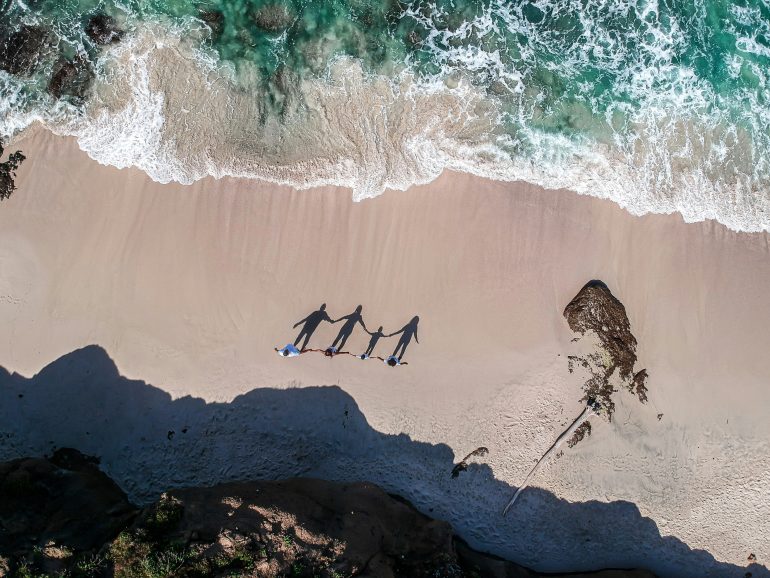
Planning a family holiday shouldn’t feel like a military operation, but somewhere between everyone’s availability, holiday accommodation prices, and guessing what will make kids happy, it usually does.
The fact of the matter is that families are guilty of complicating their arrangements and choosing ways to spend exorbitant amounts on things and at locations that don’t even appeal to their family dynamic. Or they select a destination that looks great on paper only for it to be the most stressful environment possible.
But a happy medium exists somewhere between winging it and planning a day-to-day minute-to-minute itinerary that nobody will follow anyway.
Start with What’s Important to You as a Family
This is where most people go wrong from the beginning. They select a holiday based on its appeal or what everyone at work has said about their holidays this year without considering whether it fits their family flow. A Tuscan villa sounds divine for one family, and a nightmare for another.
First, think about your kids’ ages and activity levels. Toddlers need different accommodations than teenagers. The family with the active eight-year-old and the sleepy teenager who loves to sleep in needs different holiday considerations than the family with three children all under the age of five. Some families are highly active and exploratory, others want safe places for children to run free while parents finally have the time to have an adult conversation.
Sometimes, the accommodation type beats the destination. Many families find that caravan parks along the British coastline hit that fine line between structure and freedom, kids can run without parents having to supervise 24 hours a day, and parents can partake in adult recreational activities without feeling bad for ignoring their kids every second. With multiple children at various stages in development, how best to accommodate them often makes or breaks a holiday.
The Budget No One Wants to Face
Most families put a budget in place for their holiday accommodations then promptly ignore it once they’re in booking mode. The problem isn’t discipline; it’s an oversight that makes sense. People save up for their travel needs but neglect everything else.
Yes, accommodations per person and transport should be factored in—no doubt about it. But what about the £6 ice creams? What about the contingency rainy day plan for indoor activities? What about the one-time meal out because no one can face eating another sandwich packed from home? These are not niceties but necessities—but they add up fast.
The average family holiday budget should be roughly 30% more than accommodations and transport. This additional cushion covers food, activities and emergencies (because someone will forget their favorite toy at home or children’s shoes will disintegrate halfway through the trip) and the spontaneous moments that end up being some of the best memories.
Some families swear by the envelope budgeting method. They save cash for food purposes, activity purposes, emergencies and treats. When each envelope is empty, that’s it. It sounds old-fashioned but it’s effective; swiping cards doesn’t feel real, or feels more real when tired children are whining.
Picking the Right Week Without Playing Tetris with Schedules
School holidays are more expensive, but everyone knows this. However, not everyone considers that often the first weeks and last weeks of school holidays feel worlds apart from the middle weeks. The last week of August is often dramatically cheaper than the first two weeks, and many holiday options are less crowded since families are gearing up to return to school.
Furthermore, there’s always a gamble with weather in the UK; choosing what’s presumed to be the “perfect” week seldom works. June is sometimes just as lovely as September, and August can surprise everyone (in either direction). It’s better to consider accommodations and activities that work anyway regardless of weather conditions than trying to hedge bets on what’s going to be nicer.
Also, if people have flexible schedules due to work commitments, consider long weekends or midweek trips. Sometimes four days will be less chaotic than seven, and half the cost, and everyone returns feeling genuinely refreshed instead of holiday-exhausted.
The Accommodation Question Everyone Gets Wrong
Hotels or cottages? Holiday parks? Camping? Each has a downside that depends solely on family pain tolerance levels. Hotels sound easy until you’re crammed into one or two rooms together with children who wake up at 6 AM with no outlet for energy. Cottages seem spacious but can charge extra for nicety breaches, especially if someone else owns it and you have to keep someone else’s perfect property just so while your kids exist in it.
Self-catering seems financially viable but requires planning (replenishing supply runs), cooking and cleaning while you’re supposed to be on holiday. All-inclusive options are more expensive but save headache when every morning brings about “what’s for breakfast” arguments.
The best accommodation type is the one that gives you peace of mind. If cooking conserves energy at home, it’ll drain it on holiday when trying to navigate an unknown kitchen space. If kids need routine and familiar foods from home, self-catering might work better (despite planning). If people are flexible or all adults want responsibility, meals included is better.
Location matters too, especially when considering crowds, parking costs and noise. Proximity sounds better until it’s noisy at 3 AM; being further away means cheaper accommodations, more space, and kids will actually sleep because it’s quieter.
Activities: Scheduling vs. Spontaneity
This is where families either get it right or set themselves up for failure. Overscheduling means constantly checking the time (stressful) to rush a child (more stressful) into someone’s interest (this kid now doesn’t want to participate anymore) and hurrying to get from Point A to Point B knowing fully well that it’s highly unlikely that everyone will get everything done before heading home early or for lunch.
Under-scheduling means added costs for boredom when children ask “what are we doing today?” while parents try to scramble suggestions together over high-cost meals.
The happy medium exists by selecting two or three activities for the week—things that are on a tight schedule or definitively booked, and leaving the rest open-ended. Monday can be beach day, Wednesday can be Castle Day, but Tuesday and Thursday can either be whatever works best based on weather or what everyone feels like doing that day.
Use research as a guide instead of bringing along rigid plans. Know what’s available, what’s costs and roughly how long anything should take so plans can be made based on energy levels, weather conditions or what people actually want vs how they planned everything three months prior.
Free activities also deserve more credit than they receive. Beach days, picnics in parks, exploring a new town and letting kids play often outweigh expensive alternatives where admission fees could have been avoided altogether. Children remember spending an entire afternoon making intricate sand structures more than they remember spending half of one day at an amusement park standing in line for three hours.
What to Pack (And What Not to)
Every family overpacks their first few holidays. It’s part of the rite of passage. But here’s the thing: kids do not need three changes of outfits for a week away—and neither do you. Most holiday destination accommodations have washing facilities, or one can wash essentials in a sink if need be.
Pack based on planned activities plus one back-up outfit per person. Bring layers instead of bulkiness if need be. Everyone needs comfortable shoes they’ve worn out already, not new shoes blisters forming on day two.
Entertainment is also situational based on parenting philosophy, consider screens, but understand screens can bring peace during travel times or rainy play times in accommodations. Don’t feel bad about tablets during a five-hour car trip (for those without travel sickness). Don’t feel bad about limiting screen time once all have arrived at destination either, even extremes have situational justification.
Medical supplies deserve their own checklist: pain relief for adults and kids, plasters, antihistamines, sun cream/after sun moisturizer, any prescription medication plus car sickness remedies; these all need packing but can also be obtained at holiday destinations for higher prices, and require you to seek out a pharmacy, which takes time away from something you’d likely prefer to do instead.
The Day Before: Setting All Up for Success
The day before sets the tone for everything. Don’t leave packing until last minute; don’t stay up until midnight preparing; don’t schedule an absurdly early departure to get everyone angry and exhausted before even starting what should be one of the best experiences of the year.
Get everything organized the afternoon before; get into bed early; get on the road with realistic expectations of traffic if traveling by vehicle or what might play out if traveling by train or aeroplane (children needing bathroom breaks, and not everyone can pee simultaneously).
Inform those going along what’s going down generally, transitions often help kids understand better what’s going on so they can mentally prepare how involved they need to be even if they’re excited about what’s planned.
Holiday planning well means appealing to why it might stress anyone less, and looking good for the “gram” isn’t at all what anyone’s after nor should stress levels rise if they forget something in this picturesque checklist of processes from another fantastically curated article.
Planning a family holiday means making choices that help de-stress rather than aiming to impressive somewhere down the line where it ultimately fails. Choose convenience instead of perfection; build in flexibility instead of rigid structure; keep in mind that this is quality time together, not an exclusionary need-to-do list, and when these basics get handled right, budgeted realities/nerve handling all take care of themselves automatically.