Tag: Garden tips

  • Chainsaw Protective Chaps: Essential Maintenance Tips for Longevity

    Chainsaw Protective Chaps: Essential Maintenance Tips for Longevity

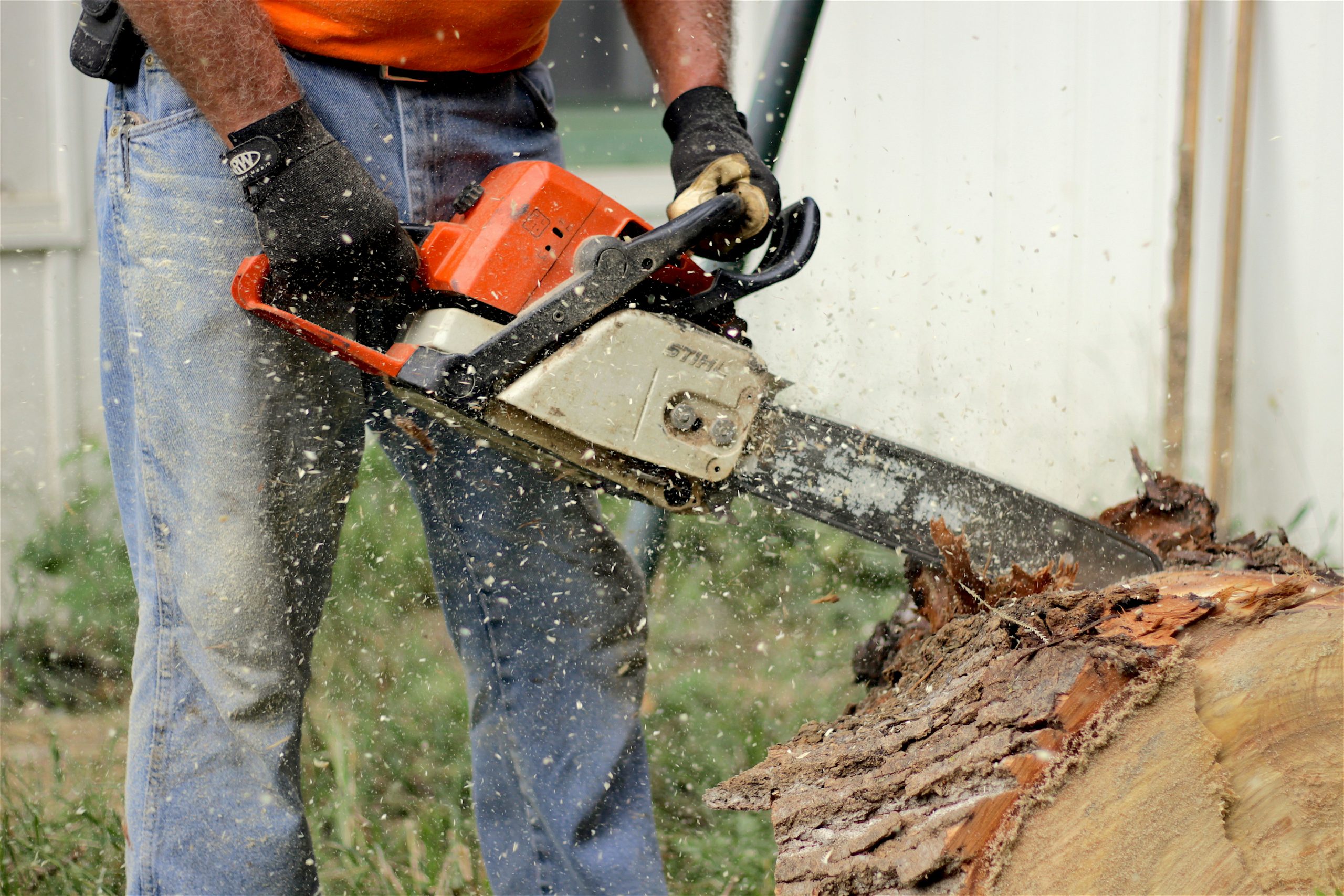
    Chainsaw protective chaps are an essential piece of personal protective equipment for anyone operating a chainsaw. These chaps can significantly reduce the risk of injury by providing a layer of protection between the operator and the chainsaw. Proper maintenance of these chaps not only ensures their effectiveness but also extends their lifespan.

    Regular cleaning and careful storage habits are critical for maintaining the durability and safety of chainsaw protective chaps. It’s essential to inspect them for dirt and debris and clean them according to the manufacturer’s recommendations. This maintenance routine helps preserve the protective fibers, allowing the chaps to function correctly during use.

    To choose the right chainsaw protective chaps, operators should pay attention to measurements and fit for maximum comfort and safety. Ensuring the chaps fit well and are regularly maintained increases their effectiveness, providing the best possible protection when operating a chainsaw.

    Key Takeaways

    • Proper maintenance is essential for the longevity of chainsaw protective chaps.
    • Regular cleaning and correct storage help maintain the protective qualities.
    • Choosing the right size ensures maximum safety and comfort.

    Essential Maintenance for Chainsaw Protective Chaps

    Keeping chainsaw protective chaps in peak condition is crucial for maximizing their lifespan and ensuring user safety. The key areas to focus on are regular cleaning and inspection, proper storing practices, and assessing wear and damage to prevent chainsaw-related injuries.

    Regular Cleaning and Inspection

    Regularly cleaning and inspecting chainsaw chaps is fundamental for maintaining durability and effective protection. After each use, remove any dirt or debris. Hand wash the chaps using a mild detergent and cool water. Avoid using bleach or other harsh chemicals, as these can degrade the protective fibers. Allow the chaps to air dry completely before storing them.

    Frequent inspections are equally important, checking for any signs of damage, tears, or fraying. Carefully inspect the straps and buckles to ensure they are intact and functional. If any damage is found, repair it immediately to prevent further wear or compromised protection.

    Proper Storing Practices

    Proper storage of chainsaw chaps significantly impacts their longevity and performance. Store the chaps in a cool, dry place away from direct sunlight and extreme temperatures, which can weaken the materials over time. Hanging the chaps on a hook or hanger helps maintain their shape and prevents creases that might affect their protective qualities.

    Ensure that the chaps are completely dry before storing them to avoid mildew or mold formation. It’s critical to keep them away from sharp objects or heavy items that could cause punctures or tears. Following these storing practices preserves the durability and integrity of the chaps.

    Assessing Wear and Damage

    Regularly assessing wear and damage is essential for maintaining the effectiveness and safety of chainsaw chaps. Look for common signs of wear such as tears, fraying edges, or weakened straps. Pay special attention to high-stress areas, like the crotch and leg regions, where damage is more likely to occur.

    If the chaps show significant wear or damage that could compromise protection, consider replacing them. Continued use of damaged chaps increases the risk of chainsaw accidents and injuries. Prioritizing immediate repairs and timely replacements ensures the chaps continue to offer maximum protection.

    By following these maintenance tips, chainsaw protective chaps can offer robust protection and longevity, effectively minimizing the risks associated with chainsaw use.

    Choosing and Utilizing Protective Gear Effectively

    Selecting and utilizing protective gear effectively is crucial for ensuring safety when operating a chainsaw. The right fit, material, and additional safety features all play a significant role.

    Selecting the Right Fit and Material

    Proper fit is essential for the effectiveness of chainsaw safety gear. Chainsaw chaps should fit snugly without restricting mobility. Look for chaps with adjustable straps for a customizable fit.

    Material is another critical factor. Options include Kevlar, ballistic nylon, Cordura, and other cut-resistant fabrics. Each material offers varying levels of durability and breathability. For those seeking optimal protection, Kevlar chapsare highly recommended. Chainsaw pants, which provide full leg coverage, are an alternative to chaps for comprehensive cut resistance.

    Consider the sizing carefully to ensure maximum comfort and protection. Ill-fitting gear can lead to discomfort and might not provide adequate protection against potential injuries caused by the high-speed cutting action of chainsaws.

    Understanding Safety Features and Compliance

    Ensuring that your protective gear meets established safety standards is non-negotiable. Look for certifications like ASTM F1897, which outlines requirements for chainsaw safety chaps. Certified gear indicates compliance with rigorous safety features such as protective fibers that entangle in the chainsaw’s chain, stopping it quickly to prevent severe injuries.

    Consider features that enhance visibility, especially if working in low-light conditions. Reflective materials improve user safety by making the operator more visible. Additionally, ensure that the chain brake on the chainsaw is in good working condition to prevent injuries from kickbacks.

    Proper protective clothing like gloves and boots should also comply with relevant standards to enhance safety during operation.

    Enhancing Protection with Additional Gear

    Supplementing chainsaw safety chaps or pants with additional personal protective equipment is advisable for comprehensive protection. Gloves fortified with cut-resistant materials safeguard hands, while boots with steel toes protect feet from accidental drops.

    Helmets with face shields provide head and facial protection against flying debris. Hearing protection is also important to guard against the loud noise of chainsaw operation.

    For those requiring enhanced mobility, selecting lightweight gear without compromising on protection is key. High-quality chainsaw safety gear offers a good balance, ensuring the risk of injury is minimized while maintaining comfort and efficiency in movement.

    Conclusion

    Regular maintenance significantly extends the lifespan of chainsaw protective chaps. Following proper cleaning, storage, and inspection routines ensures maximum safety during chainsaw operation. Investing time in these practices preserves the protective qualities of the chaps, offering reliable defense against potential injuries. Proper care guarantees that users can confidently trust their gear.

  • Landscaping Ideas For Small Gardens And Outdoor Areas

    Landscaping Ideas For Small Gardens And Outdoor Areas

    Transforming a small garden or outdoor area into a practical and enjoyable space can be a challenge. However, with thoughtful planning and creative design, even the tiniest plot can be turned into a beautiful and practical retreat. Here are some landscaping ideas tailored specifically for small gardens and outdoor areas, designed to maximise your space and enhance its aesthetic appeal. Keep reading to find out more.

    Maximise Vertical Spaces

    Utilise Vertical Planting

    In a small garden, it’s essential to think vertically. Utilising walls, fences, and trellises for climbing plants not only saves ground space but also adds a lush backdrop to your garden. Consider climbers like clematis, jasmine, or ivy, which can flourish in the UK climate, providing colour and fragrance.

    Install Vertical Garden Features

    Consider installing vertical garden panels or creating a green wall. These features allow you to grow herbs, succulents, and even vegetables. They act not only as a focal point but also as a practical solution for growing produce in limited spaces.

    Choose A Small Greenhouse

    You might think that because you have a smaller outdoor space you won’t be able to fit in a greenhouse. However, there are plenty of options available for small and mini greenhouses that can help you get the benefits of a greenhouse, without compromising on space for the rest of your garden.

    Bringing Plants Inside

    If you really don’t have space for a greenhouse but want to grow plants that need extra care and protection from the weather, then you could bring plants inside your home to live on windowsills. This allows them to get the benefit of sunlight without the harshness of the elements or being attacked by pests.


    Create a Focal Point

    Add a Water Feature

    A water feature, such as a small fountain or a bird bath, can serve as an enchanting focal point. The sound of trickling water adds a soothing ambience and can make your garden feel more spacious and serene. Water features come in a variety of sizes and don’t need to be large and space-consuming to give the same tranquil and calming effect to a garden.

    Incorporate Statement Planting

    Choose a statement plant or a sculptural piece to draw the eye. A single, spectacular plant like a Japanese maple or a series of striking topiaries can anchor your garden’s design and create visual interest. This also helps with creating different zones in your garden and making the space more landscaped and neater in appearance.


    Choose the Right Plants

    Select Size-Appropriate Plants

    Opt for plants that won’t overwhelm your space as they grow. Dwarf varieties and slow-growing plants are ideal. Lavender, thyme, and boxwood are excellent choices as they are easy to maintain and suitable for the UK climate.

    Implement Seasonal Colour

    To keep the garden lively throughout the year, plant a mix of perennials and annuals that bloom at different times. This will ensure a continuous display of colour and texture. Consider brighter, bolder colours for spring and summer, such as yellows, pinks, and purples. As you go into the cooler months in autumn and winter, warmer colours such as deep reds and evergreen plants can help bring colour to an otherwise bare garden.


    Integrate Functional Elements

    Install Multi-Functional Furniture

    Choose furniture that can serve multiple purposes. A bench with built-in storage, for example, can provide seating while hiding garden tools and accessories.

    Create Pathways

    Use paving stones to create a path through your garden. This not only adds structure but also makes the space more accessible and visually larger. Opt for light-coloured stones to brighten the area and give an illusion of more space.


    Use Lighting to Enhance the Space

    Install Strategic Lighting

    Good lighting can make a small garden look magical at night. Use spotlights to highlight trees or plants, and add lanterns or fairy lights to create a warm and inviting atmosphere.

    Consider Solar Options

    Solar-powered lights are a great option as they are sustainable and can be placed anywhere without the need for wiring. They also help in reducing energy costs.


    Employ Clever Storage Solutions

    Build In-Hidden Storage

    Maximise every square inch by incorporating hidden storage solutions. Seating with lift-up lids or hollow, stackable stones that double as storage bins can keep your garden clutter-free.

    Use Decorative Hooks and Shelves

    Install hooks and shelves on fences or walls to store garden tools, hang plants, or keep outdoor essentials. This not only keeps your space tidy but also adds to the vertical utilisation.

    Conclusion

    Your small garden or outdoor area holds immense potential for beauty and functionality. By using these landscaping ideas, you can create a space that feels larger, uses every inch effectively, and becomes a tranquil sanctuary for relaxation and enjoyment. Remember, the key to successful small garden design is creativity and efficient use of space. So, embrace these ideas and transform your small outdoor area into a delightful extension of your home.


  • 5 legal considerations when installing a garden shed

    5 legal considerations when installing a garden shed

    You’ve made the decision to add a garden shed to your property, and now you’re relishing the prospect of much-needed additional storage space and an improvement to your outdoor area. However, before you dive straight into the project, it’s important to consider the legal aspects of your venture. Ensuring you comply with local regulations avoids potentially tricky issues further down the line. In fact, as a landowner, you are responsible for ensuring that any structure built meets all the relevant planning rules and building regulations. Read on to find out what you need to consider prior to installing a garden shed.


    1.   Everything revolves around its purpose

    A new 2008 law introduced “permitted development rights” for outbuildings. Put simply, you don’t need to apply for planning permission for your shed as it will automatically be granted – as long as the reason it is erected is “incidental.” This means the outbuilding – whether you’re dreaming of steel garden sheds, wooden studios, workshops or perhaps greenhouses – has to add to the property, and not be necessary to its functioning. If this is the case, the structure won’t be classed as self-contained and will require a planning permission application. In other words, don’t get any ideas about installing an extra bedroom in your shed!

    2.   Size matters

    Before your imagination runs wild with visions of a colossal warehouse for tool storage, take a moment to reconsider. Not counting the area of the house, your shed or outbuilding must not cover more than half the area of the remaining outdoor space. What’s more, don’t entertain thoughts of a two-storey shed (although that would be impressive!) as it must be all on one level. Factor in the internal floor area, too, as this usually can’t exceed 15 square metres, unless other criteria are met.

    3.   Respecting limits

    Another factor to weigh is the shed’s proximity to the property boundary. If it’s within two meters, the height must not exceed 2.5 meters. Even when situated farther from the boundary, the height restriction stands at 3 meters (or 4 meters for structures with a dual-pitched roof).

    4.   Location, location, location

    Satisfying size and purpose requirements doesn’t exempt your shed from specific placement restrictions on your land. In order to qualify as permitted development, it can’t be “situated on land forward of a wall forming the principal elevation of the original dwellinghouse”. In other words, it must be behind your house, not in your front garden.

    5.   No verandas or balconies

    In addition to being a single-storey structure, your shed or outbuilding sadly can’t have a veranda or balcony. You are, however, allowed to add decking to the structure, provided that it is not more than 30 centimetres above ground level.

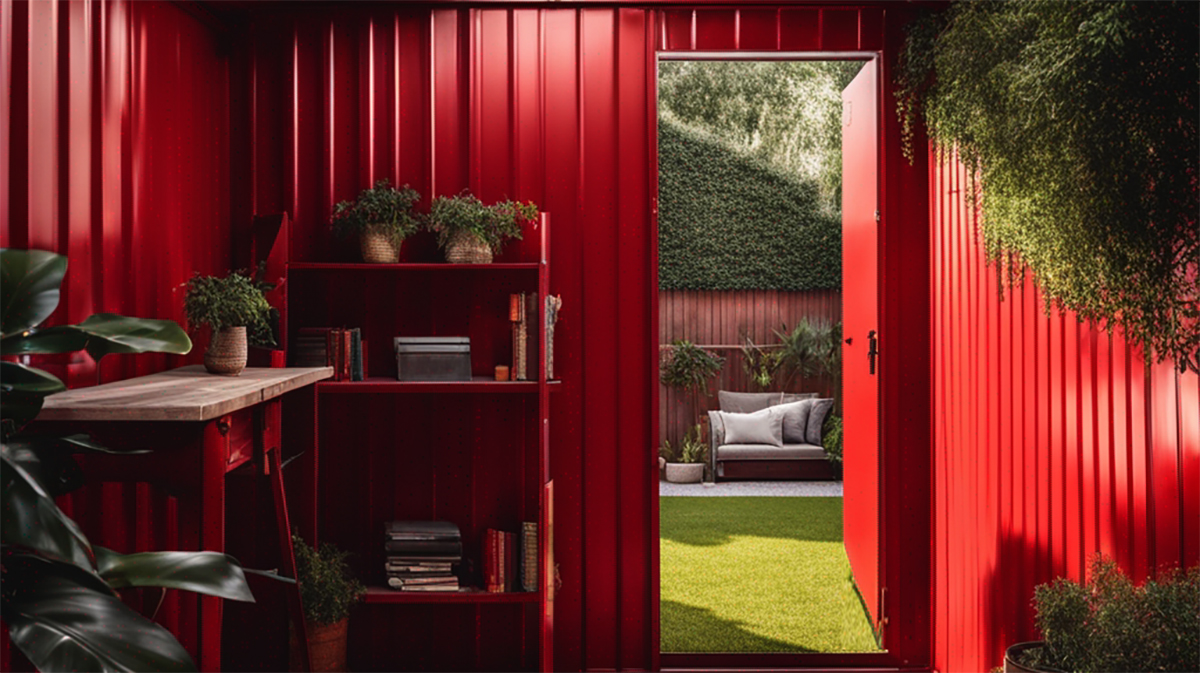
    Integrating structures like a steel garden shed or greenhouse can significantly enhance the functionality of your property, providing valuable additional space for outdoor projects or expanding your storage capacity. The good news is that most of these will count as permitted development – as long as you adhere to the correct size specifications, positioning and general purpose. If you’re still not sure, check out the government document, which goes into even more detail. In the meantime, enjoy maximising the use of your outdoor space!


  • Top 9 Ways To Make The Best Use Of Oak Sleepers

    Top 9 Ways To Make The Best Use Of Oak Sleepers

    Sleepers tend to be highly versatile in application. Not only do they help in building multiple things that impart uniformity to your garden, but all the garden elements can easily fit together in a terrific manner. Also, it will enable you to order everything wholesale which means you can save a lot of money in logistics. Now, in this guide, we have discussed some of the easiest and most elegant applications of oak sleepers which will let you create some amazing things in a jiffy. So, without wasting any more time, let’s begin!

    9 Ways To Use Oak Sleepers

    Check out all the top things that can be built using oak sleepers easily.

    1.     Garden Steps

    Want to give a wooden twist to your steps? It is time to run your creative horses and use them for a complete rustic look and feel. Be it full steps flight or just some of them, oak sleepers are perfect for the look.

    2.     Patios And Decking

    Oak sleepers can help you easily transform your outside patios and decking. They are super durable and sturdy for the best look.

    3.     Raised Flower Beds

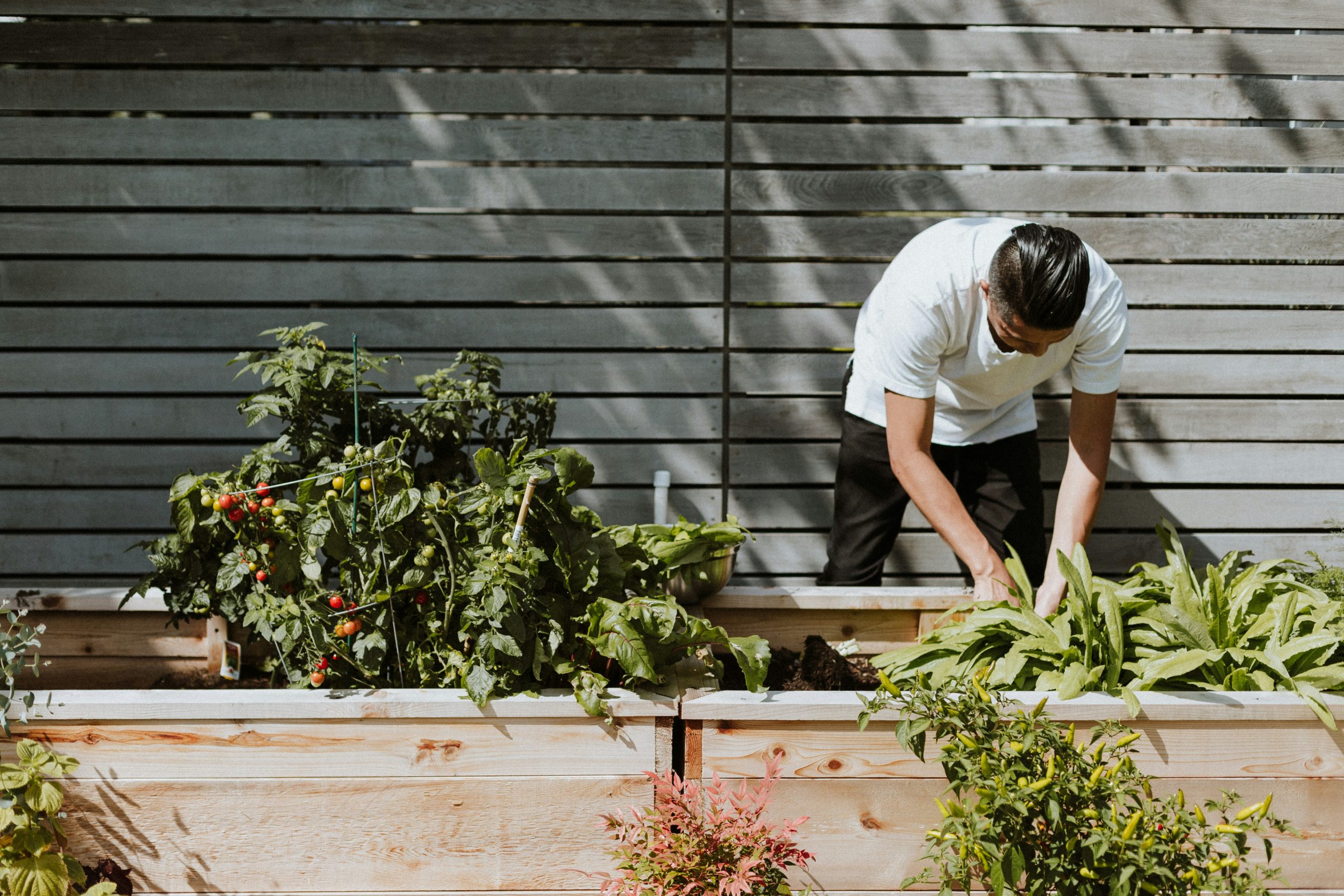
    Using sleepers for building awesome raised beds for planting your favorite plants and flowers is a great idea. As per your soil depth, you can measure the desired size of raise you need for your flower beds. It is beneficial in designing vertical vegetable lines as well.

    4.     Garden Furniture

    Believe it or not, oak sleepers are an ideal option for simple yet classy benches and tables. It is a great furniture option and can be used in many fun ways such as floating benches. Its superb quality can be used for designing excellent armchairs decorated with cushions.

    5.     Garden Paths

    Oak Sleepers are used for redefining the garden by building its path with perfect edges. The best part is that you can use these sleepers along with gravel and create a sophisticated garden look.

    6.     Retaining Walls

    To create a mesmerizing look, these oak sleepers can turn out to be your best friend used as a substitute for concrete and bricks. They can be placed both horizontally and vertically to design a great retaining wall for your garden.

    7.     Water Ponds

    Sleepers offer a creative way to add a unique touch to a water pond. You can use the sleepers with the pond liners to create a raised pond to improve the overall aesthetics. Moreover, you can use them to create another water feature at your water pond.

    8.     Edging

    Another way to use oak sleepers is to create a border around your flower beds, patio, and outdoor garden to elevate the look of your outdoor setting without any unnecessary hassle.

    9.     Levelling And Landscaping

    No matter the scale of your landscaping project, you can use sleepers to enhance the overall look. You can use them for decorative purposes on your property. For example, you can use them to build a swing for kids or adults. Moreover, you can create a small fort for your kids with sleepers or use them in any other project according to your custom requirements.

    Now that you are well-versed in the different applications of oak sleepers, you should definitely consider using them for a classy exterior look. Just make sure you purchase from a high-quality oak sleeper seller for the best price and quality guarantee.


  • How to choose a large garden planter for you garden?

    How to choose a large garden planter for you garden?

    Many lucky people have their own garden to grow plants and flowers. This is a unique opportunity even if you have a small outdoor area. Not all people put a gazebo there and make a pool with a lawn. Many people prefer to decorate the garden and yard with lush flowers, ornamental plants, grow greens or cucumbers. The choice of large outdoor pots should be considered more carefully and find the best place to buy large planters in the UK. There are certain selection criteria to suit the needs of your plants and to match the pot to your garden area.

    How to choose a large garden planter?

    Choosing a large planter can be quite a tricky process, especially if you’re looking for it for a specific plant. It is much easier to purchase pots for an existing plant when you know its root structure, material and soil preferences. The plant has grown and you need a larger pot. But if you are buying this for the first time then follow the simple points:


    • Study your garden; don’t use a large planter if you have a small area. Large pots will take up a lot of free space, so choose them for a large garden. Choose a suitable place; the pot should not interfere with you. Also, the place depends on the lighting that the plant in the pot needs. Usually huge pots are placed under the fence, in the corner or in the middle of the garden as the main decoration. You can also make a large planter the centre piece of an overall flower arrangement.


    • Now you need to choose the shape of the pot. Do you want a large size but will it be round or rectangular? To make a choice, you need to know the structural features of the root system of the plant that you will grow in this pot. There are plants with long roots, there is a root system with a more horizontal lush growth system. Study your plant and this will help you choose the right shaped flower pot. You may think that the large size will allow the roots to grow comfortably in any direction, but this is not correct. The plant should grow as it would be comfortable in natural soil.


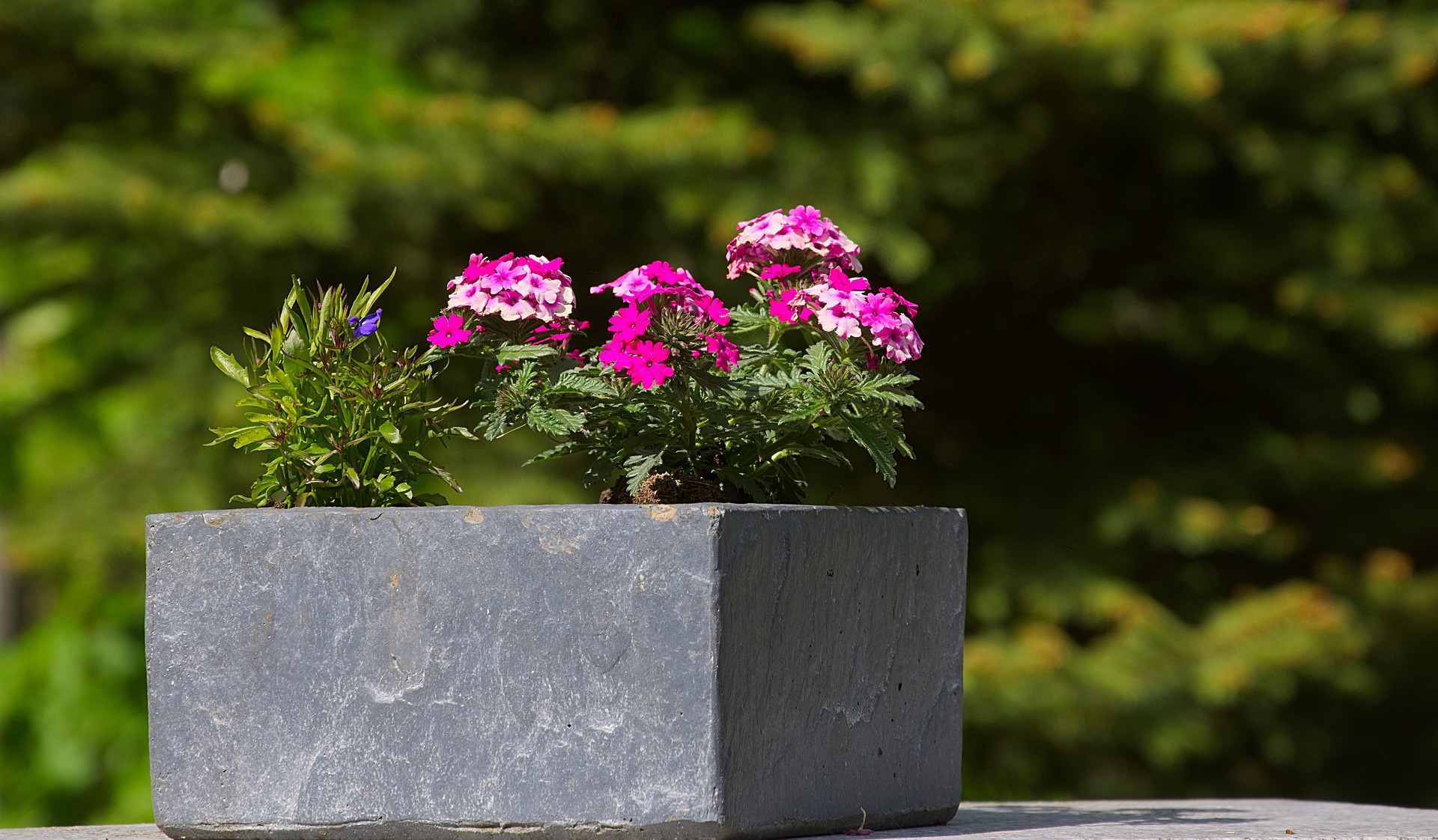
    • The material is very important because you will be growing plants outdoors. It can be treated wood, concrete, stone or plastic. It is important to remember that some materials take in more sunlight and heat up the roots. Others may retain moisture inside the pot, so these plants need to be watered less often to keep the root system from rotting. Pay attention to the strength of the flower pot and its resistance to temperature changes. Many people prefer ceramics because they are inexpensive, durable and look natural. But make sure it’s good quality because bad ceramics can be flimsy and crack.


    For many flower growers, the design of the pot is important. Of course, this is one of the selection criteria to make your garden look beautiful. The modern market offers a huge selection of all kinds of colours and designs; here you make the decision yourself. Wood looks more natural, and stone looks aesthetically pleasing and noble. Concrete looks more luxurious and will complement any landscape.

    Conclusion

    When choosing a large garden planter you need to pay special attention. Your plants deserve to be beautiful and healthy so choose the best pot with the right shape, style, colour and material. Darker colours attract the sun’s rays, light colours do not heat up the pot and the soil inside. You can also ask consultants about the plant you plan to grow. For example, ornamental trees need a more stable pot than simple flowers. Each plant has its own characteristics, so study this before buying a flower pot. Also keep in mind that large planters are harder to move as the soil inside will add weight to them. A little work and you will enjoy your cozy and luxurious garden full of plants and flowers with their incredible aroma.