Tag: Motorcycles

  • Suspension Simplified: A Comprehensive Guide to Harley-Davidson Springs and Setups

    Suspension Simplified: A Comprehensive Guide to Harley-Davidson Springs and Setups

    With a rich history spanning over a century and millions of bikes sold globally, Harley-Davidson remains the pre-eminent bike brand that others strive to emulate. From timeless touring classics like the FL Hydra-Glide (immortalised in *Easy Rider*), to the pre-war Knucklehead that established the famed V-twin engine design still used today, or the Terminator’s Fat Boy that helped save the world from impending doom, the brand and its bikes have a following like no other.

    Harley-Davidson has been at the forefront of technical innovation, pioneering the chain drive in early bikes, clutch upgrades for smooth shifting, and innovative suspension setups to handle the heft of all that metal. Today, the company has expanded into the adventure (ADV) and electric bike markets, showcasing its expertise and experience in producing class-leading products.

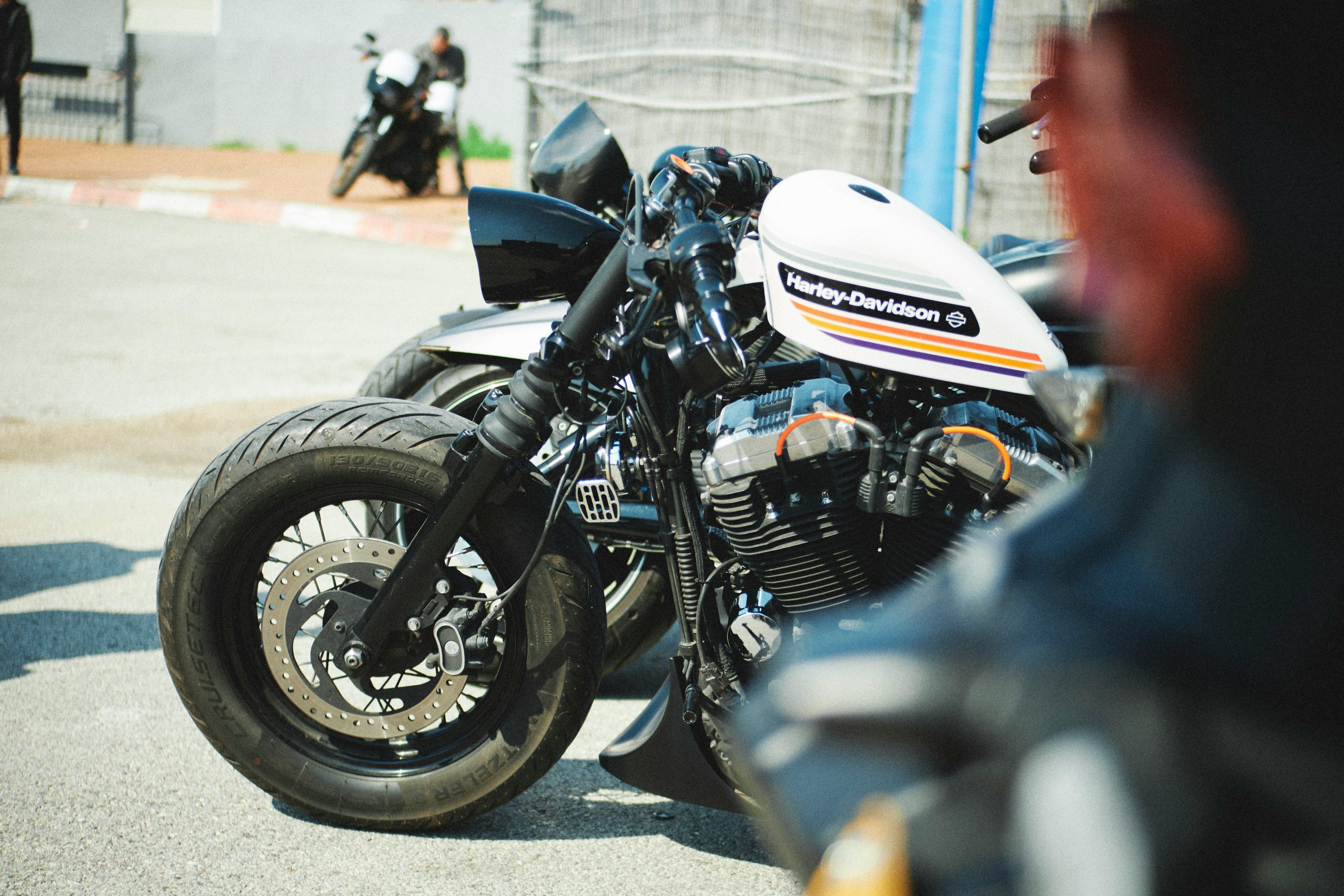
    Much of Harley’s appeal (besides being the embodiment of Americana) lies in the customisation options available to suit different bikers and roads. There are more performance, handling, and comfort accessories for Harleys than for any other bike brand, along with a range of body parts to bring the bike closer to personalised tastes.

    For those wanting to change the handling characteristics of their motorcycles, the range of aftermarket Harley Davidson fork springs is essential, as these directly impact comfort, safety, and how easy the bike is to ride. Together with the rear suspension, front forks keep the bike stable in turns, composed over potholes, and a joy to ride for miles on end.

    Motorcycle Suspension Basics

    The main role of any suspension setup is to keep wheels and tyres firmly on the ground. Springs, shocks, and other suspension parts aim to increase traction through the tyres, regardless of the vehicle. For bikes, this means more composure over varied road surfaces,

    isolating the bike and rider from road imperfections. It also enables controlled acceleration, braking, and turning, with no unexpected surprises to compromise safety.

    While safety and comfort are priorities, how shocks and springs are set will affect performance and prevent the bike from sagging and the forks from bottoming out when hitting potholes or bumps of any size. Adjustability is key to newer setups, allowing changes in pre-load and rebound rates for a controlled ride. For older Harleys, changing the stock fork springs is often the best option.

    What Goes into a Harley Davidson Front Fork?

    The fork is the most important component in the front suspension. While different designs have adorned Harley bikes throughout the years, all front forks consist of common components seen across multiple models and brands. This includes: 

    • Sliders – these are located at the bottom of the tubes, and attach the front wheel to the rest of the bike. 
    • Triple trees – or yokes, are parts at the top of the tubes, affixing the forks to the steering stem. 
    • Axles – these components are positioned perpendicular to the tubes and engage the sliders. 
    • Fork tubes – the main component, housing the internal coil springs, dampers and hydraulic oil that soak up bumps and control wheel movement. 

    How Forks Work 

    To control wheel movement, increase traction, and ensure smooth handling, forks in big and heavy bikes like Harleys must be effective. Coil springs inside the fork tubes support sprung mass, or the weight of the bike and rider. They come in varying diameters and coil counts to counter weight and the impact acting on the bike at different speeds, known as spring rate. This is essentially how stiff the spring is, or how much force is needed to deflect the spring a given distance.

    Spring rate is measured in kilos per millimetre (kg/mm) and describes the force or weight needed to compress springs 1mm. With stock straight-wound springs measuring between 300 and 400mm on average (depending on the Harley model) and average rates of 0.8kg per millimetre, Harley front forks offer a more plush ride. In newer bikes, this isn’t an issue, but worn springs can lead to a bumpy ride, compromised turning and braking, and tyres not exactly glued to the road. This issue is remedied with progressive springs that get stiffer as loads increase, offering more control, especially at higher speeds.

    Bikes don’t rely on springs alone. Shock absorbers or dampers control how far springs compress when encountering bumps and how they recoil back to their original state once the road smooths out. In simple terms, this is shock compression and rebound. Piston rods submerged in hydraulic fluid ensure a smooth transition after each bump or pothole and prevent the front suspension from bottoming out, or the characteristic thump when the springs and the shocks are fully compressed. If this is a frequent occurrence, your best recourse is using different Harley-Davidson fork springs.

    Linear or Progressive? Which Springs for my Harley?

    Linear or straight-wound springs are what come as stock on most Harleys. They’re good for a plusher ride but can sag or bottom out in bigger potholes or with a pillion passenger on a heavier bike. You can find softer or harder linear springs, but they’ll compress at the same rate throughout their length.

    Progressive springs are wound differently. They have coils wound closer at one end and further apart at the other, leading to less resistance at lower loads, but becoming stiffer as loads increase. This means a plush ride on smaller bumps but more control and safety in bigger potholes, with springs and shocks working together to aid handling. A hybrid but less common type between the two spring designs is dual-rate springs with two defined spring rates at opposing ends.

    Choosing the Right Springs 

    Since Harleys are all about customisation, you don’t have to settle for the factory springs. Without delving into preload or adjustability options, springs should provide decent ride quality and comfort regardless of road quality. Most riders gravitate towards Harley progressive fork springs. To choose the right ones, consider spring lengths and diameters compatible with the forks, the spring rate, and the weight of your bike, you as the rider, and any pillions and luggage that accompany you on your rides.

    Diameters average 39mm for most Sportster models, but increase to 49mm in something like the heavier Road Glide. This means careful pairing unless you’re also swapping out tubes, triple trees, etc. Next, consider lengths. Standard lengths vary between models, but the beauty of progressive springs is that you can also set the bike lower with lowering springs, aiding with control and aesthetics if you’re after a different look. 

    Lastly, choose spring rates tailored to your riding style and the overall weight the springs need to support. As an illustration, a spring with 1kg/mm and 120mm of overall travel can support 1200 kilos. Again, what you choose will be based on personal riding styles, how and where you ride, and the expected comfort and performance metrics you’re after.
     

  • Have motorbike accidents increased throughout the years? 

    Have motorbike accidents increased throughout the years? 

    As traffic starts to increase again on the roads after a year of reduced travel, here’s how those who ride motorbikes can stay safe and alert on their journeys.

    How do motorbike accidents compare to car accidents?

    For the majority, most of England’s road-traffic is made up of cars, with this statistic taking up 80% of the roads in 2017. This figure accounted for 787 deaths on the road.

    However, the number of fatalities to those who ride motorbikes is nearly half of that, which is a scary statistic considering motorcyclists only take up a small percentage of today’s traffic.

    Those who ride pushbikes are, again, a small percentage but there is still a large portion of these deaths too.

    What age group is most likely to be involved in an accident?

    It’s been proven that motorcyclists who are between the ages of 25 and 59 are the most likely to be involved in a fatal or serious accident whilst driving their bike on the roads.

    This is closely followed by those aged 20 to 24. In 2019 alone there was almost 1800 motorcyclists aged 20 to 24 seriously injured or killed whilst riding their bikes.

    How does this figure look over time?

    This figure remains quite shocking, but it has decreased by a large amount since 2008.

    This could show that motorbikes are being made to be safer for the user, and it could show that bike tests such as CBTs are becoming more thorough. Having proper training and tests can help a new rider to understand their relation to the road better and leaves less room for mistakes that could be detrimental.

    What are the most common causes for accidents?

    One of the most common reasons for a motorcyclist to be involved in an accident is the failure to negotiate bends. This is where bikers will attempt to overtake each other at a bend in the road and be met with oncoming traffic. This could be due to approaching the bend too quickly or misjudging the bend.

    Poor road conditions are another common factor. In icy conditions, or when grease, petrol and other debris has been spilled on the road this can cause the bike to lose grip and the rider to lose control. This can be particularly dangerous when travelling at high speeds and these types of accidents can cause serious injuries.

    How can motorcyclists stay safe?

    As motorcycle technology only continues to advance, it’s hoped that safety will follow suit and there will be more ways to motorcyclists to stay safe on the roads.

    With newer bike models, they will include safety features such as sensors and warning systems to always alert you of your surroundings. This will also be incorporated into the helmets including voice control and Bluetooth connectivity, reducing the temptation of wanting to change music or add in a destination on their phones and taking their hand off the handlebars.

    Motorcyclists should only aim to go on the road with the right protective equipment such as full leather bike suits, correct footwear, a reliable helmet, and gloves. They should also make sure that they have a trustworthy motorbike insurance plan set up in the event they should get into an accident or have their bike stolen.


  • How to choose your first motorbike

    How to choose your first motorbike

    To anyone that drives, it’s one of the best things that has ever happened to them. However, the most exciting part, aside from being on the road, is choosing your vehicle. Over the last decade, there’s been somewhat of a motorcycle boom in the UK, as many people switch from traditional cars to these two-wheeled beauties. While they may not be for everyone, it would seem that for many, the allure of a motorbike is just too appealing.

    But, when it comes to choosing one, you may not be as clued up as when it comes to a car. That’s why we’ve highlighted several things you need to consider when choosing your first motorbike.


    Insurance

    First things first, get the less appealing parts out of the way. There are more types of motorbike insurance out there than you realise, and knowing what you can and can’t afford will highly influence the type of bike that you get, along with your must-haves.


    Must-haves

    Just like with any type of vehicle, you’ll know exactly what you’re looking for. So, the important thing to do is make a list of height, engine size, seat height etc, which will help you to narrow down the type of motorcycle model you’ll be looking at. This will also help you to inform the dealers, as they’ll know what to show you off the bat, rather than walking you around vehicles you won’t be interested in.


    Style

    Like most things, motorbikes aren’t a one size fits all vehicle. Although your must-haves will help you narrow the type of bike you’ll want, there are several categories to choose from, so knowing which is right for you is key. These are:


    Sport Bikes

    Light in weight and built for speed, these won’t provide the best comfort while you ride as the body will be placed in a more forward position, but will give you an absolute thrill as you drive.

    sports motorbike


    Cruisers

    Designed for comfort and not speed, these are the opposite to sport bikes. Therefore the seats tend to be lower and the handlebars higher for a more relaxed ride.


    Dual Sport

    If you owned a dirt bike when you were younger, and you’re looking to replicate that thrill – this is the style of bike for you. Light but tough, you’ll be able to drive this on various terrains.


    Standard

    These are for anyone really and come in a range of sizes and styles, making them a good option for those who aren’t sure about what they’ll be using it for.


    New or used

    While new models are more expensive and in a better condition, you’ll also have more modern technology built-in, whereas used vehicles offer a lower cost and the option of your dream bike at a fraction of the typical cost, but could cost more in maintenance. However, this will fall into your budget, much like your insurance, so keep this in mind while searching for your bike.


    While there may be other things to think about, if you get these four aspects nailed down before viewing bikes, you could be sitting on your dream motorcycle before you know it.


  • 10 Cool Motorcycles To Own In 2018

    10 Cool Motorcycles To Own In 2018

    It may be chilly outside right now, but it won’t be long before the spring and summer once again unleash the call of the open road. And when they do, you’ll want the very best hardware money can buy to make the most of it…while it lasts! So if looking to invest in a serious two-wheeler this year, here’s a look at 10 epic motorcycles to consider in 2018:


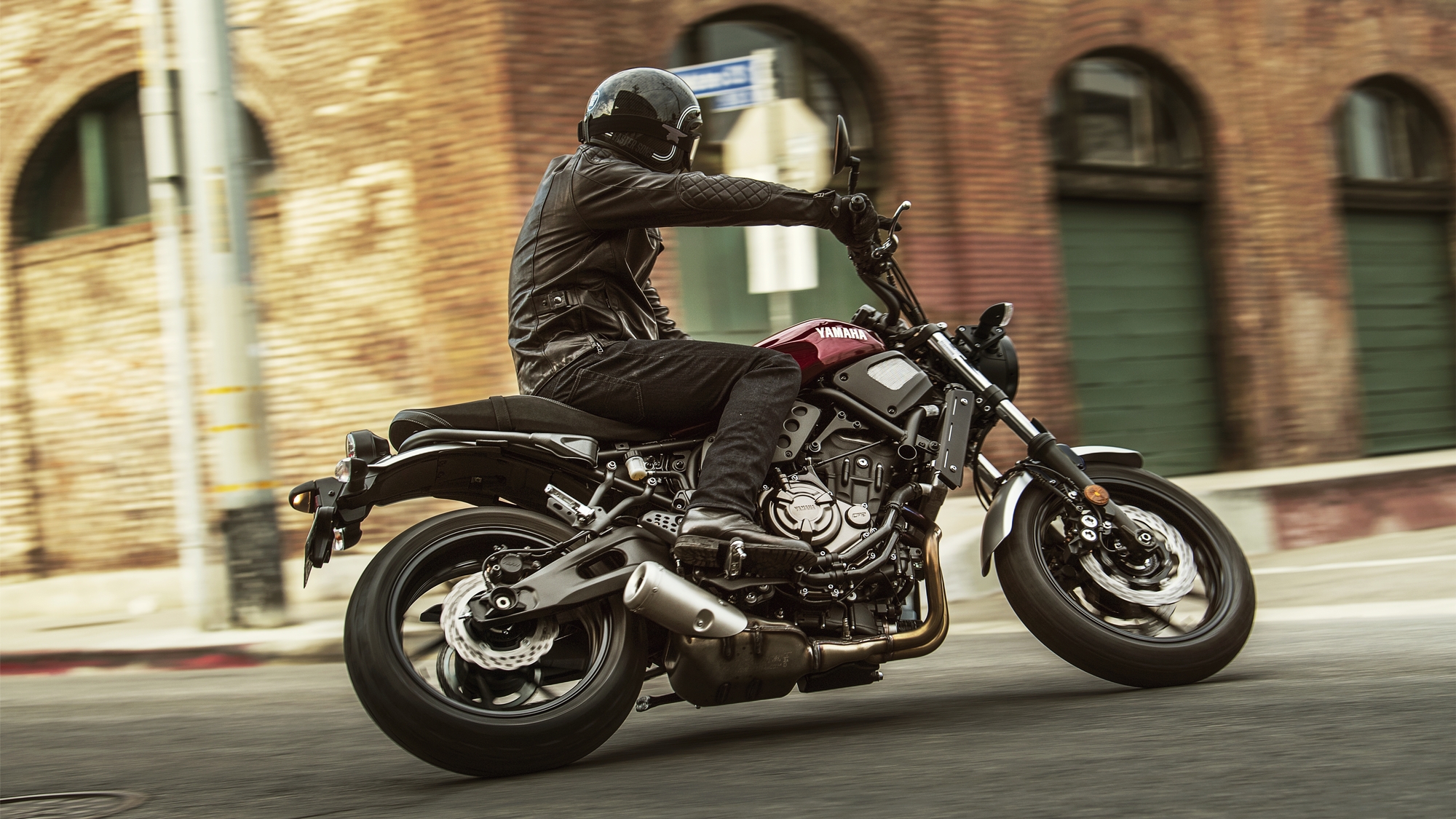
    Yamaha XSR700

    First up, the Yamaha XSR700 has a gorgeous design that harks right back to the classics of the 70s and 60s. Boasting a 698cc engine with 50 lb-ft of torque, the ride is seriously nippy and beautifully controllable. A testament to what can be done with genuine Yamaha parts these days!

    Yamaha XSR700
    Yamaha XSR700


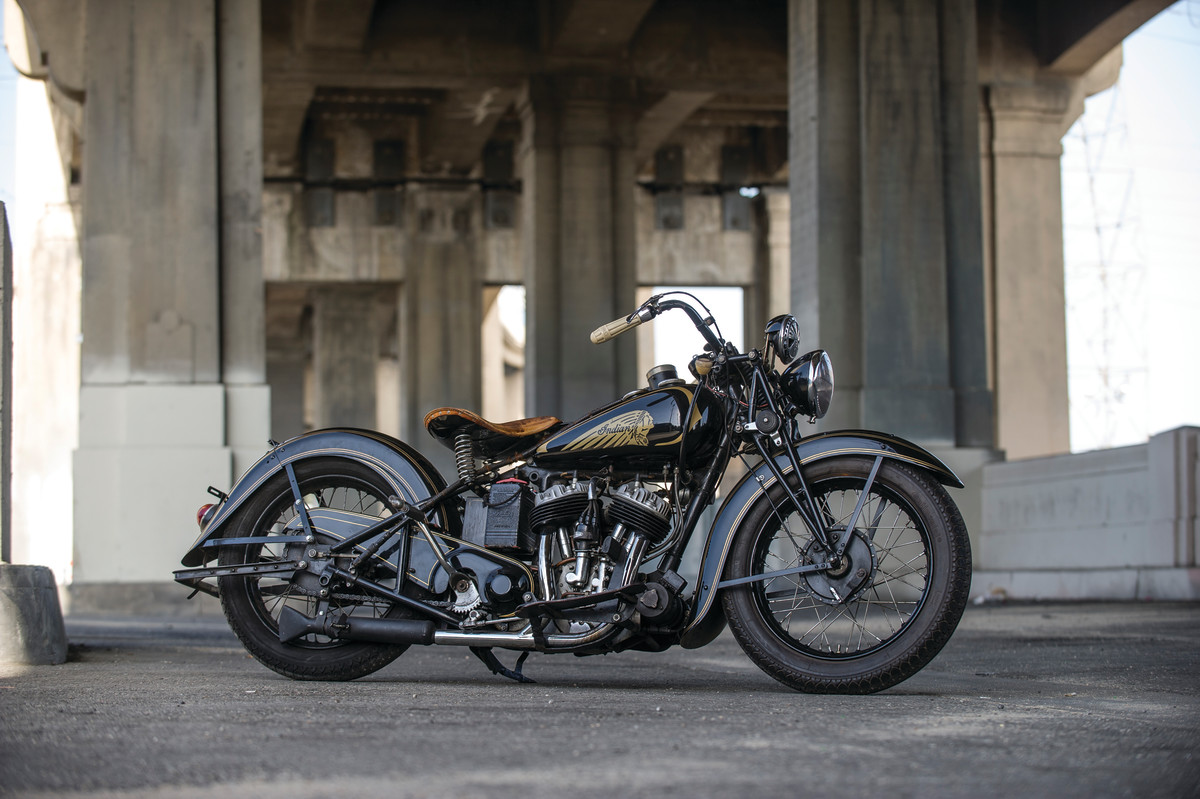
    Indian Scout Bobber

    100BHP, ABS brakes and edgy styling are all part of the package with the Indian Scout Bobber. A seriously impressive ride for the kind of price that belies what you actually get for your money. And as for the tailpipe music…a dream come true!

    Indian Scout Bobber
    Indian Scout Bobber


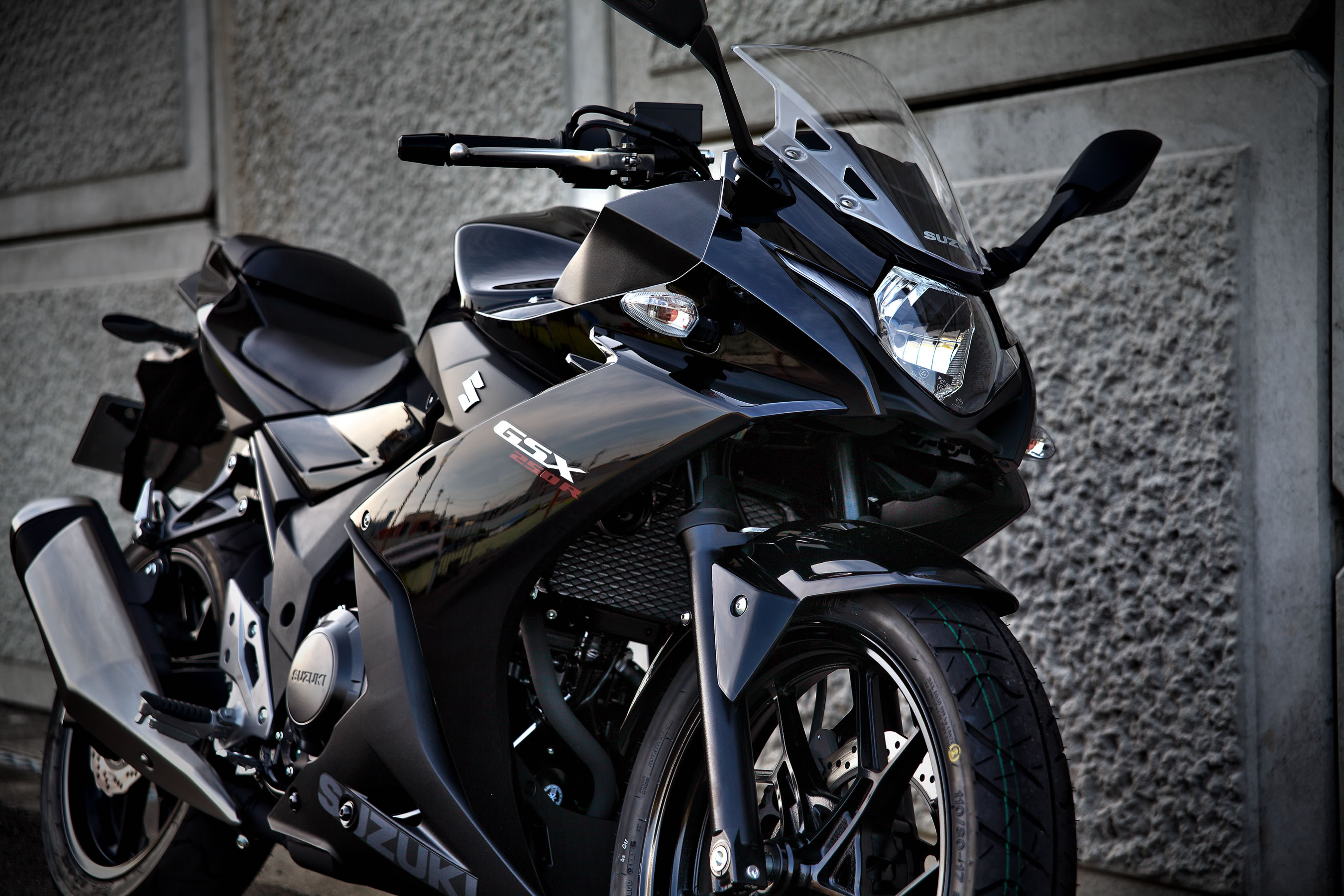
    Suzuki GSX250R

    Entry-level pricing makes the Suzuki GSX250R a highly tempting target for anyone looking to pick up a new bike this year. They’ve overhauled the 248cc parallel twin for the 2018 newbie, which not churns out a maximum of 25BHP. Which doesn’t sound like a lot, but it’s way more than you’d usually get for this kind of money.

    Suzuki GSX250R
    Suzuki GSX250R


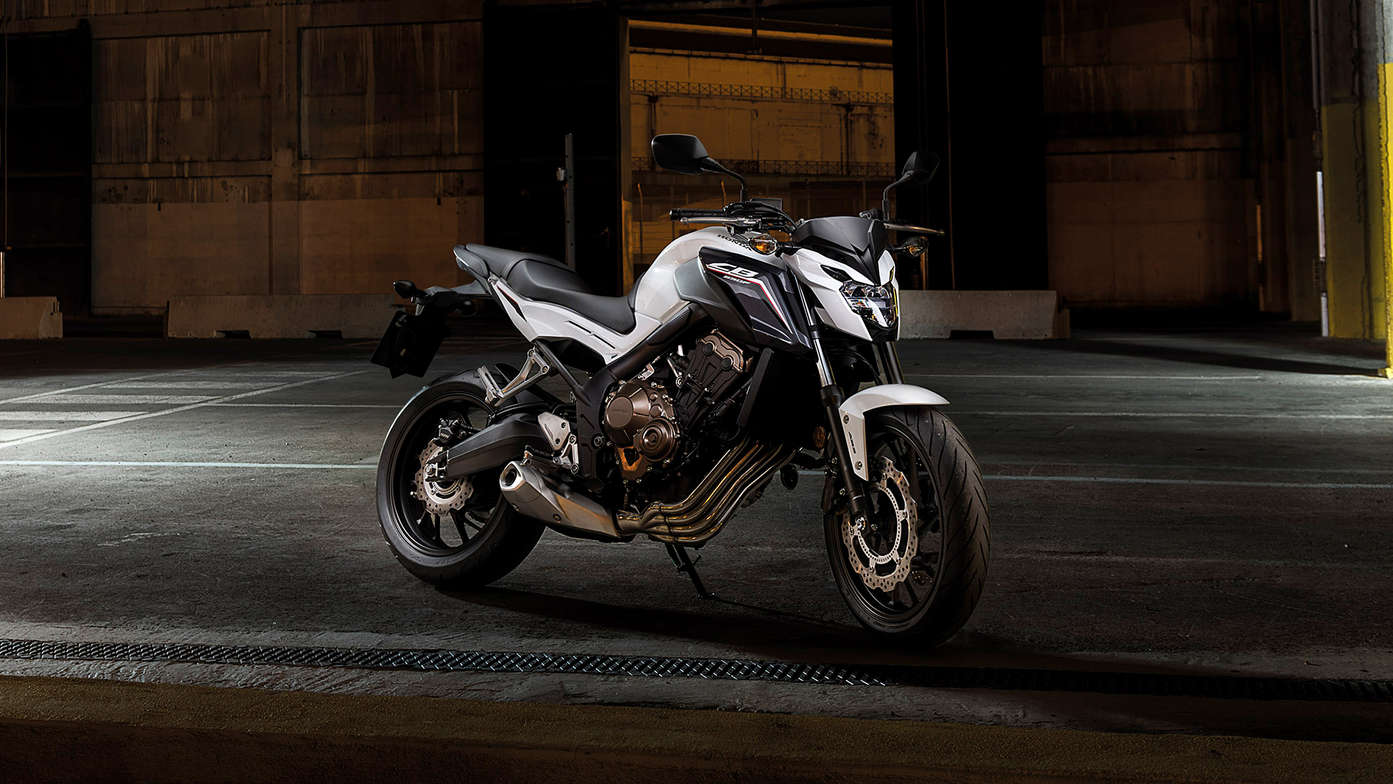
    Honda CB650F

    What stands out most about the Honda CB650F is its engine. This gorgeous-looking specimen packs a 649cc inline four-cylinder powerplant, which churns out the most power of any in its class and makes nothing but sweet music all the way to 12,000 rpm.

    Honda CB650F
    Honda CB650F


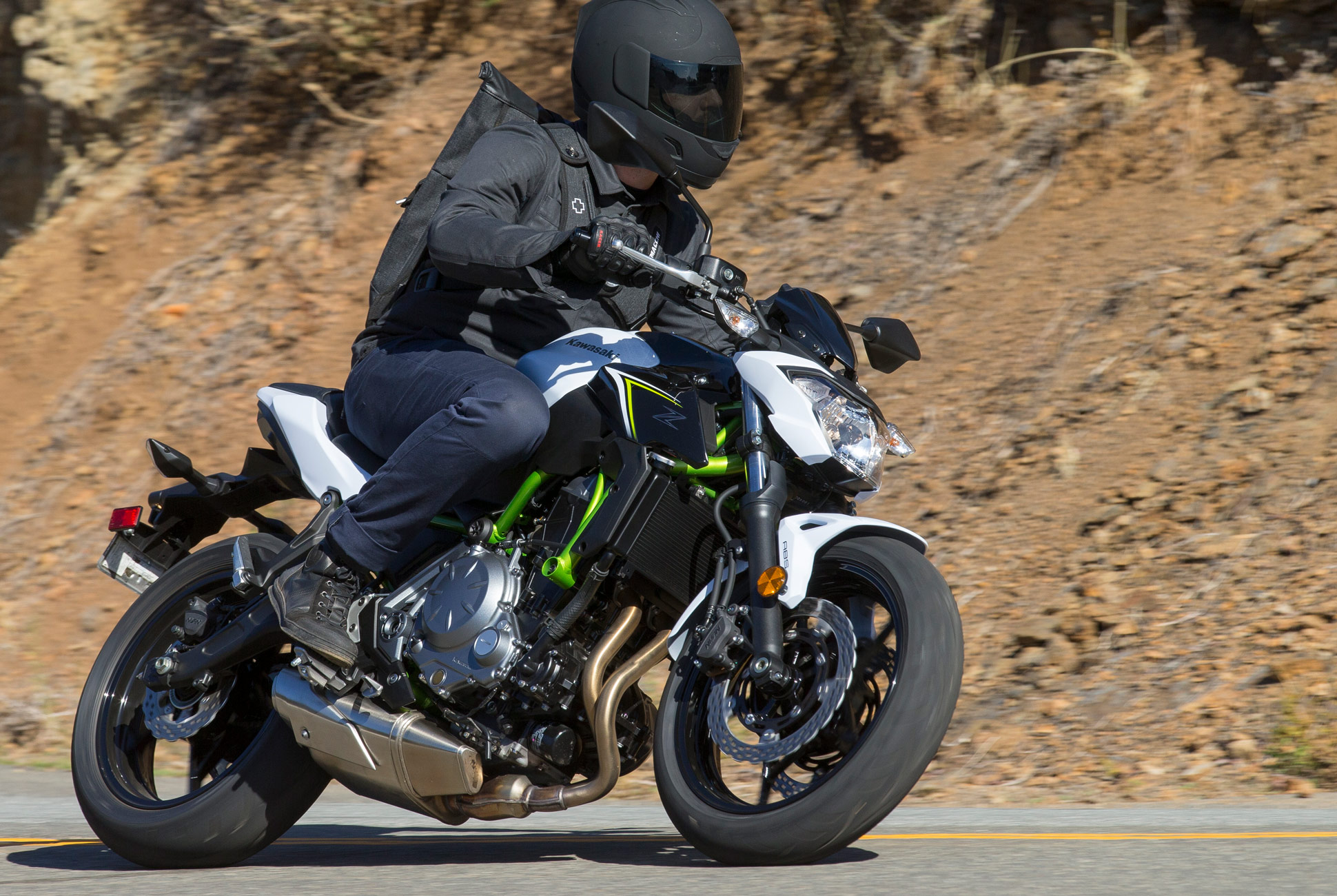
    Kawasaki Z650

    You can’t help but love the way the Kawasaki Z650 has been put together. Especially given that it packs the same chassis and engine as the Ninja 650. Supremely nippy and a joy to ride on even the longest trips, the 2018 Kawasaki Z650 is essentially a sportbike wearing a different costume.

    Kawasaki Z650
    Kawasaki Z650


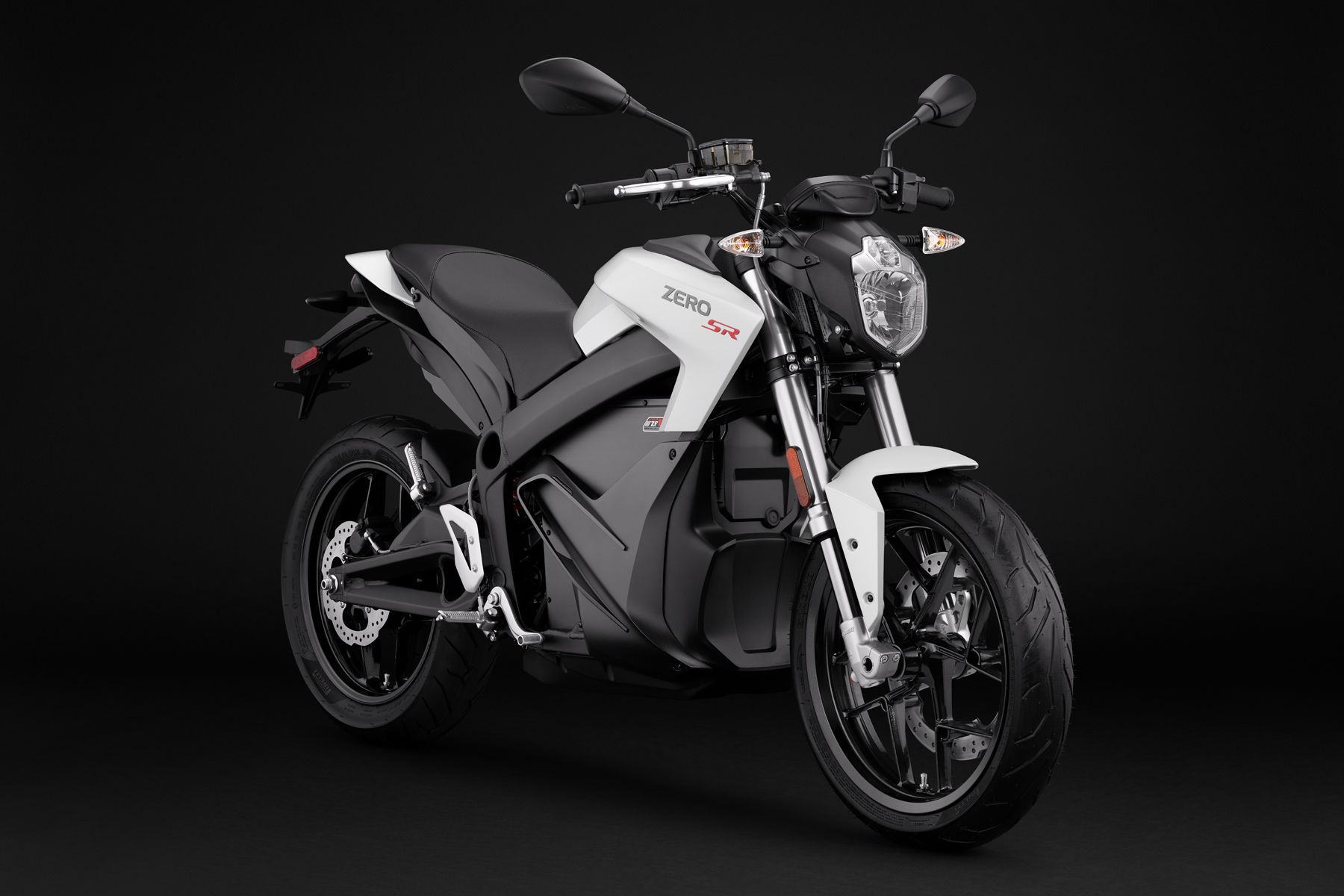
    Zero S ZF7.2

    Now is definitely the time to think carefully about investing in an electric bike. The Zero S ZF7.2 being a prime contender for the current title, with its 89-mile range and unbeatable acceleration. Seriously – one crank on the throttle and you’ll be leaving sports cars in the dust.

    Zero S ZF7.2
    Zero S ZF7.2


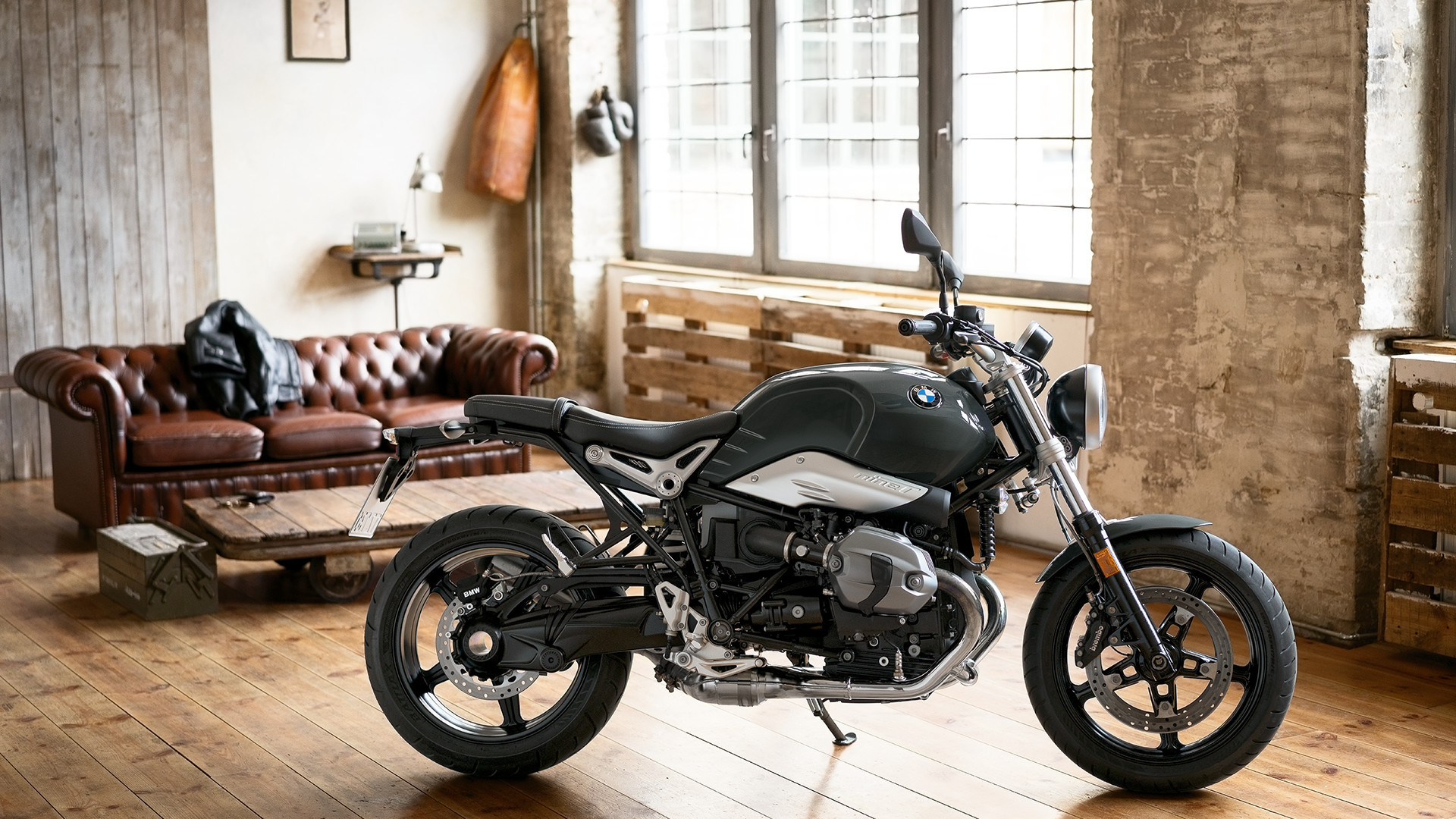
    BMW R Nine T Pure

    It’s cheap, but what you get for your money with the BMW R Nine T Pure is the kind of power, performance and retro styling that’s borderline priceless. BMW is hardly famed for putting out affordable bikes – the 2018 BMW R Nine T Pure apparently ushering in a new entry-level era for the brand. This motorcycle even looks cool in your lounge…


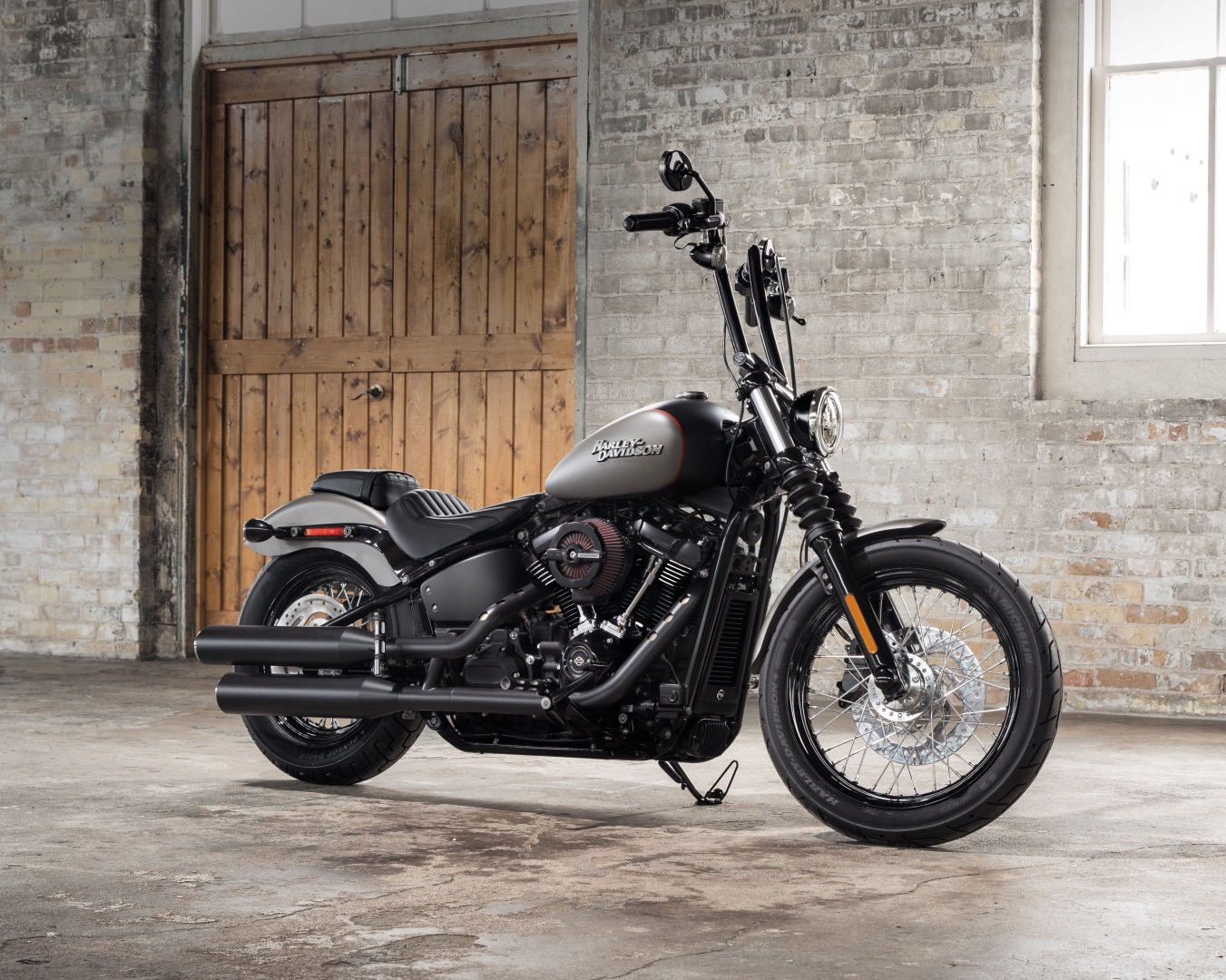
    Harley-Davidson Street Bob

    If you’re out to pick up a Harley this year, it might as well be the 2018 Harley-Davidson Street Bob. Meaty enough to mean business though stripped-back enough to give a much-needed burst of acceleration when needed, the 2018 Harley-Davidson Street Bob is the best Harley for those looking to pick up a Softail, without the excessive costs.

    Harley-Davidson Street Bob
    Harley-Davidson Street Bob


    Triumph Bonneville Bobber

    One of the most popular sellers in recent years for the famed British brand, the 2018 Triumph Bonneville Bobber is no less than a work of art. Aggressive yet minimalist with a solid 77BHP output, it’s a weighty and powerful piece of kit that’s more about cruising (and perhaps a little posing) than speed and acceleration.

    Triumph Bonneville Bobber
    Triumph Bonneville Bobber


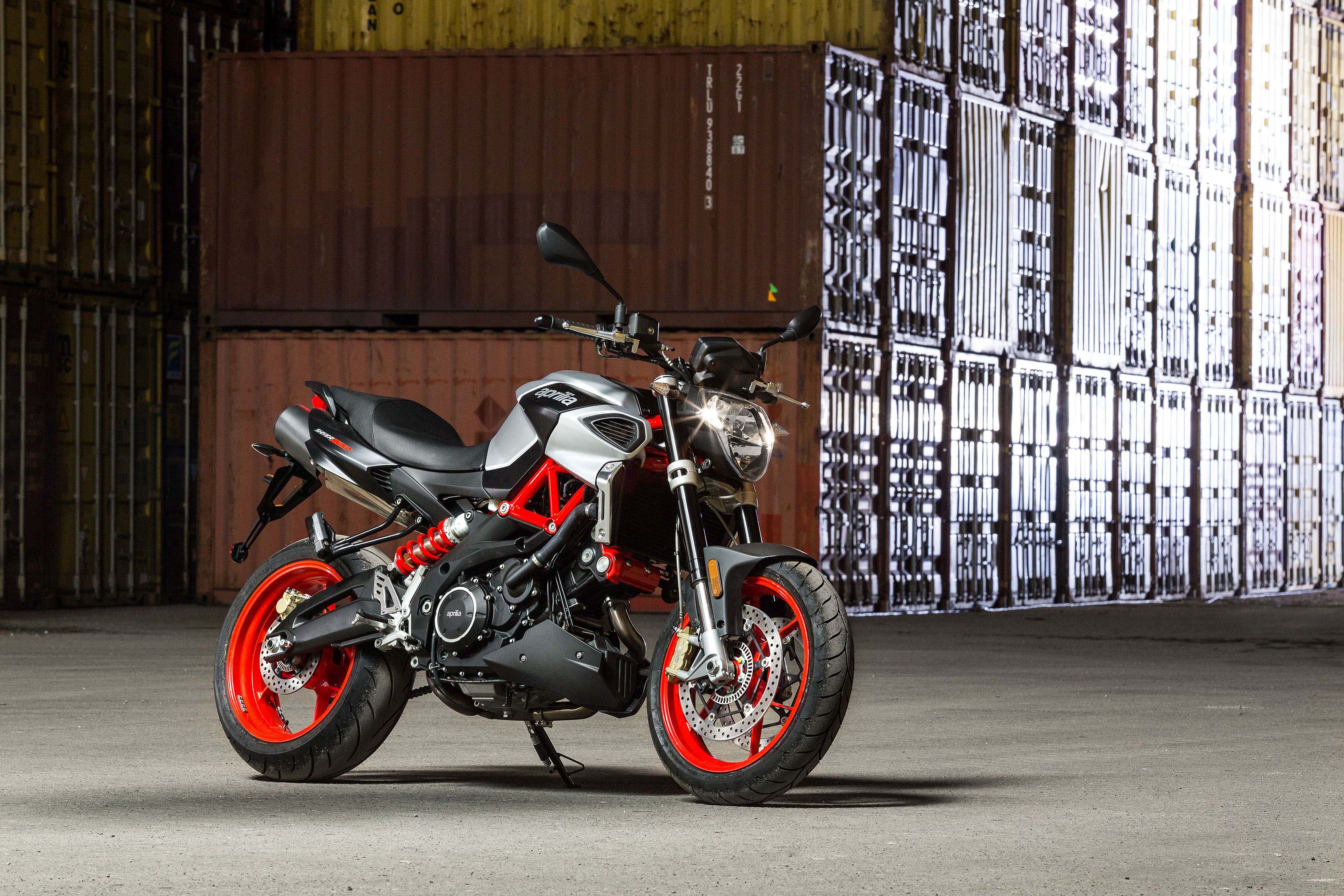
    Aprilia Shiver 900

    Last but not least, the 2018 Aprilia Shiver 900 has a fantastically futuristic look to it that’s well on-trend with 2018 standards. An impressive update of the original from more than a decade ago, there’s 95BHP to play with from the 896cc engine, not to mention ABS and a tri-mode traction control system to help keep the tyres on the road.

    Aprilia Shiver 900
    Aprilia Shiver 900


    Pretty cool selections of motorcycles there. Personally I’d go for the 2018 Harley-Davidson Street Bob as I love Harley-Davidson bikes, and a close second would be the Triumph Bonneville Bobber.


  • 5 motorcycle clothing tips for riding warm this winter

    5 motorcycle clothing tips for riding warm this winter

    As the Summer begins to fade and those long sunny days are no more, it’s vital to know how to keep yourself warm on those upcoming freezing mornings, where the air is almost too cold to breath in. There is a ton of new and different clothes and technologies to stop you from freezing these days, so we have found the top five items that you need to keep yourself warm on the roads this winter, we wouldn’t want you to get chilly now would we.

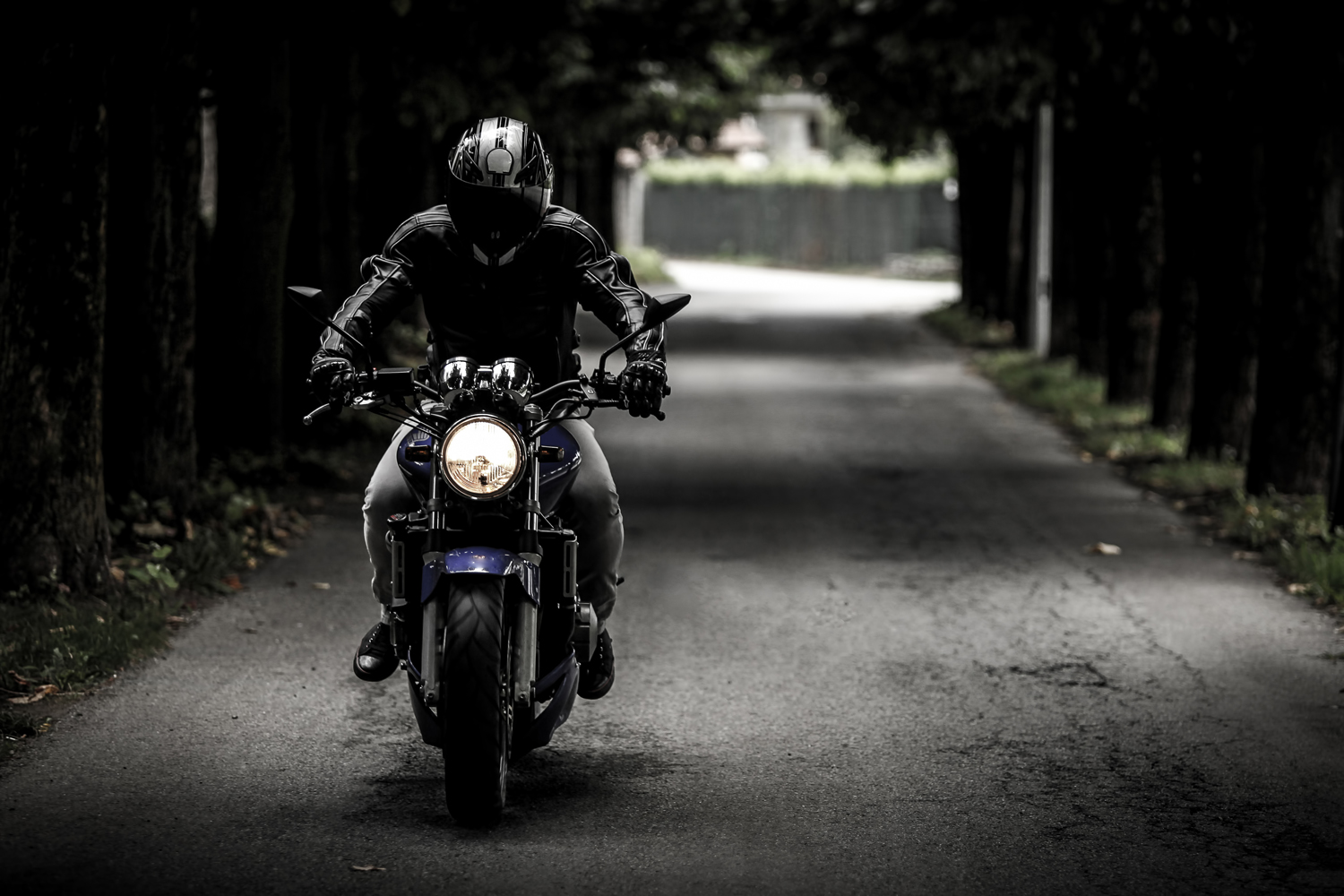
    person-street-dark-bike


    1) Keep that chest warm

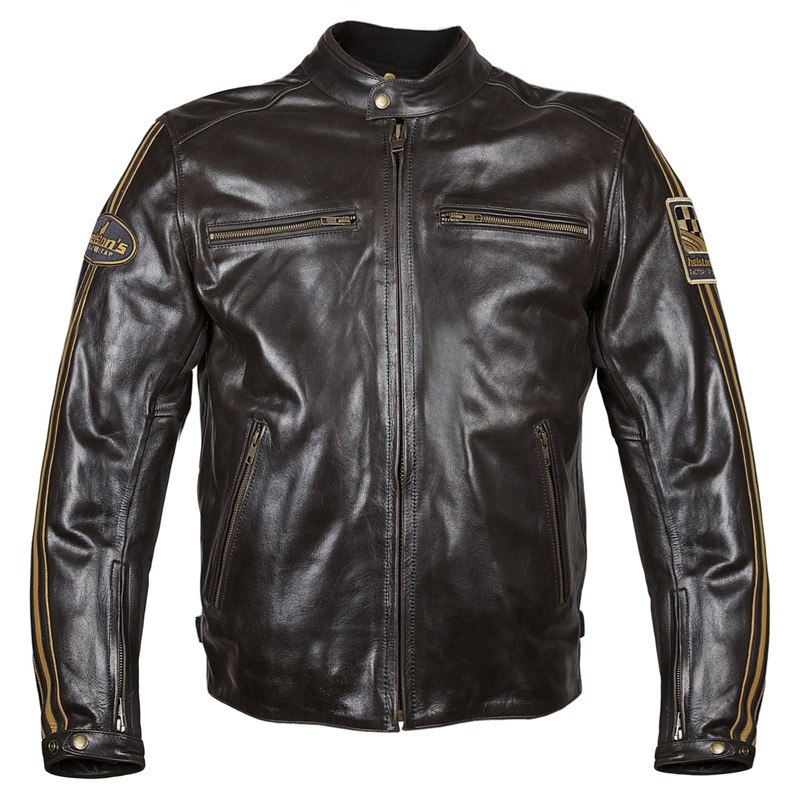
    Keeping the body’s core warm is the most important thing you can do when riding in extremely cold conditions. Without that you won’t even be able to ride the bike, therefore a good quality motorbike jacket is essential. Not only will it keep heat in, it will also keep the cold out, and the rain/snow/sleet, whatever it is, you don’t want that getting through to your chest. It is also important to remember that a good winter jacket may not be the solution for you, you still have to stay safe, and even top end winter coats will rip apart if a rider comes off, so make sure you get a tough material to keep you warm and safe.

    ace_cuir_fender_marron_1


    2) Upgrades

    Upgrading your bike to get a heated seat and heated grips. As I previously mentioned, keeping your core warm in cold weather is of the utmost importance and a heated seat will aide you in this no end, it will keep the blood flowing in your body from your core to everywhere else. It will make you feel a lot better and far more comfortable. Heated grips will keep your hands and legs warm, which is so important as they generally get the least heat from your core, and are vital for your actual riding of the bike so you must keep them warm.


    3) Underlayers

    Heated vests and leggings are also a great way to keep your body going in the cold weather. The maintain the heat that you body exudes and there means that you waste barely any of your own heat, which means that your body is not having to work as hard to keep you warm, it essentially just ups your body heating efficiency.


    4) Boots

    Keeping your feet warm is similar to keeping your hands warm, they both struggle in the cold being so far away from the core of the body. Feet can be surprisingly sensitive and extremely painful when not looked after properly, keeping them warm and away from the harshness of the weather is a must, and a good pair of boots will do this.


    5) Heat Pads

    If you don’t ride all that often in the cold but just get out a couple of times a year then heat pads might be the way for you to go. They’re not so expensive and you could stash them in different parts of your clothing. Maybe not the best solution for long rides but could help you getting from A to B.