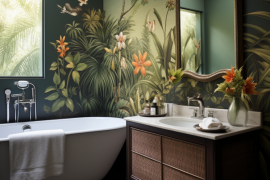
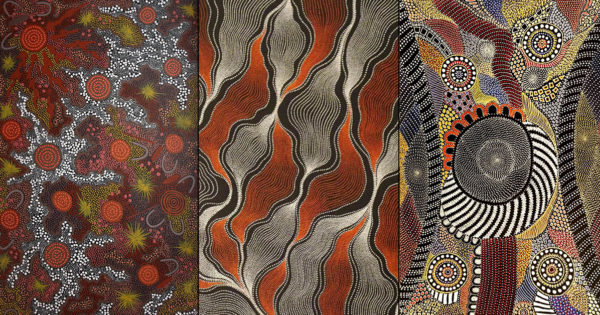
There’s something about how people decorate their walls that’s shifting. Walk into a new construction or a recently redecorated home and take a look at what’s not there. Gone are the mass produced prints from the big box furniture stores. Instead, more and more owners are getting more of a taste for authentic Aboriginal art.
This isn’t a hipster trend to show sophistication, either. There’s a practical element about what most wall art does versus what people want when they buy it in the first place.
The Generic Art Everyone Talks About But No One Acknowledges
Here’s how the process goes, usually. Someone moves into their new digs. Someone needs to give their living room a fresh coat of paint, or no paint but some furniture changes. They head over to their friendly neighborhood big box furniture store or look online and boom! They’ve got themselves a giant abstract print. It’s got some splotches of blue and gray that may match the couch. It’s got a creative cursive font that displays “life is an adventure.” It’s a black and white photo of a beach/forest.
It’s huge and fills up the wall. That’s all it needs to do.
These pieces aren’t horrible per se. They’re just boring. Three weeks in, friends and family don’t notice it anymore, and the homeowner never even sees it again anyway. The wall is technically decorated, but it doesn’t feel decorated. It feels like the person is wearing clothes, not wearing an outfit.
What’s worse is that these horrible pieces don’t stand the test of time. Style change, renovations change colors, and suddenly that piece that seemed so right three years ago now looks obnoxious or dull. Back to square one it goes for a cheap replacement.
What Aboriginal Art Actually Does
This is not the case for Aboriginal art from Australia. These are pieces not intended as decoration to appeal to the masses but pieces with culture, background, and framed meanings with techniques that span centuries.
The centuries play into the pieces themselves. The dot painting style, the earth tones, the designs, symbolic or simple, have meanings that generic pieces won’t have anywhere near them. Someone asks someone else, “Why do you have that piece in your dining room?” And there’s something to talk about: the artist’s community, the story the piece tells, the tradition in which it’s grounded, beyond “I like the colors.”
But the visual work these Aboriginal pieces present can solve everything that generic prints create as problematic spaces filled with oversized prints as well. Patterns are often organic with natural palettes which work better with spaces than just fill spaces. One piece may ground an entire room in effortlessness. Modern design may catch a bad rap as appearing too stark with clean lines, but without color, they can feel harsh; Aboriginal art helps thaw out spaces without looking forced.
The Authentication Issue
It used to be difficult to find authentic Aboriginal art, but now it’s easier than ever to acquire these works from reputable sellers who provide complete provenance information to ensure buyers receive genuine pieces. Homeowners can look at their aboriginal gallery and discover a diverse range of artwork, from emerging artists and smaller pieces to substantial creations from established members of the community. When exploring galleries online, collectors can browse by price range, artistic style, or regional origin to find pieces that resonate with their preferences and budget.
Why does this matter? Because there are numerous inauthentic Aboriginal-style works in the market. Mass-produced prints that imitate traditional dot painting techniques but lack any connection to genuine Aboriginal artists or communities. This undermines the purpose of collectors seeking to move beyond generic wall art, as these pieces are simply generic artwork disguised with Aboriginal aesthetics.
Authentic masterpieces come with certificates of authenticity. You’ll know who created the piece, their cultural background, and often the meaning behind each symbol and pattern, as this symbology spans thousands of years. While this documentation may be important for insurance purposes, what’s most significant is understanding why someone displays this art on their wall versus treating it merely as decoration.
Why People Are Actually Shifting To Aboriginal Pieces Instead
One part that comes up frequently is money. Authentic Aboriginal art costs more than generic prints from big box furniture stores, and there’s no arguing with the starting price. However, over time when you consider replacements and potential resale value, the systems of belief change.
Generic prints depreciate and basically become worth nothing as soon as they leave the store. They are worth zero once they enter a home setting. However, Aboriginal masterpieces from respected artists often hold value; they may appreciate. This isn’t to say people should buy art for investment; rather, it’s foolishness to buy something disposable, only throwing money away without a benefit behind it.
For people who want to live in their home for an extended period of time, this makes sense.
There’s also a satisfaction factor that’s difficult to quantify until lived through by a homeowner. A home filled with meaningful items feels different than one filled with placeholders; it’s just one of those things anyone will acknowledge until they experience it, then it’s life-changing. The difference creates a more intentional space, a space that’s finished that looks as though one has good taste instead of merely looking like they needed to fill blank spaces on their wall.
How It Changes The Space
Aboriginal artwork visually presents itself differently than all other styles for one reason: thickness. Textured pieces catch light at various points throughout the day; layered paintings reveal sub-levels based on where the person stands or how much light permeates through them from windows or overhead lights. This makes it visually interesting unlike flat prints ever could.
Scaling matters; Aboriginal art looks best slightly larger than initially perceived (good sized canvases against an empty wall) requires no companion pieces surrounding them. This goes against all decorating advice, which suggests filling surfaces up, but it works! It becomes the most important element of the room in grounding it.
Furthermore, color coordination isn’t as effective either; earth tones work universally with what already may exist in a room without conflict. This means no mismatching when furniture changes or renovations take place down the line, and when something doesn’t match, it’s adaptable for working with people who care more about cohesion.
The Cultural Responsibility Factor
Buying Aboriginal art isn’t necessarily more problematic than getting other forms of decorations, but it does carry pressure more so than general pieces because these works come with meaning to existing communities and knowing even just surface level information prevents wrong assumptions made about what’s hanging on walls.
Reputable sellers include this information as part of their package. They explain who created it (the artist), where (the community), what (the story or symbolism). This isn’t about becoming an expert into Aboriginal culture but respecting what hangs on one’s wall for what’s beyond aesthetic appeal.
This is why authentication matters most; buying fake aboriginal-esque art doesn’t just get low-quality art out of it but supports an avenue that twists cultural developments into profit making instead of serving the actual artists and communities involved. This is important for homeowners who care where their dollars go.
Practical Considerations For Homeowners
Lighting gets little credit, but it’s more accessible than given when it comes to Aboriginal works. Proper lighting exists if it’s showcasing textured works: from track lights/picture lights no natural light exceeds during daytime hours, taking caution with direct exposure if valuable help put together unknown factors, but indirect exposure improves things greatly.
Placement depends on where it’s appropriate for dimensions and style generalizations; they work best anywhere as focal pieces. Dining rooms and living rooms are easy spots, hallways are good for attractant purposes before entering any other room, entryway spaces even work well for immediate impact, and can even work well in bedrooms, too, though those are subjective unless color palettes are demure.
Other styles mix easily with Aboriginal art but aren’t necessarily identified as co-matching styles unless that’s what is desired; it’s important but only if unnecessary efforts become disabled.
Where This Leaves Generic Art
Shifting away from mass-produced wall art doesn’t mean they’ll vanish entirely; they serve their purpose well enough for rented housing situations where it’s not necessary to invest or places where art really doesn’t matter much (think student flats or guest bedrooms that aren’t used).
However, shift away from them in primary residential situations where people will stay forever and call them home as comfort levels change over time.
Using impactful visuals, cultural relevance, financial appreciation and basic convenience appeal changes minds as more homes transition into ones that feel authentically lived in rather than simply decorated.
Authentic Aboriginal art has never gained footing as much as now; it offers something special compared to generic pieces and provides a genuine alternative to mass-produced decorations.
Making The Choice
Replacing generic art with Aboriginal pieces isn’t about expense comparison or bragging rights; it celebrates what’s practical within one’s living space and adds meaning that generic prints simply cannot provide.
Spaces filled with meaningful items feel different compared to ones filled with convenient ones; it’s hard to explain until experienced regularly, but the difference is undeniable. The distinction becomes clear between a constructed house and a proud home that reflects the people living there.
For those unwilling to redecorate after every few years because nothing feels right, authentic Aboriginal art serves alternative purposes. It’s not impulsive buying but purposeful settling into comfort found over time.
It’s intentional purchasing instead of frivolous filling efforts, serving substance over convenience. And increasingly, homes need pieces that make them feel genuinely finished rather than merely furnished with whatever was convenient at the time.