Category: Home and Garden

  • Finding Essential Solar Panel Installation Accessories for a Seamless Setup

    Finding Essential Solar Panel Installation Accessories for a Seamless Setup

    There’s hardly any innovation in the power industry that has made waves, like the introduction of solar energy. The use of panels to convert solar energy to usable and storable electricity is a technique that will be appreciated for years to come.

    You know what else would be greatly appreciated? A simple yet efficient solar panel installation process. It’s no fun when the panels are difficult to install, as that can lead to issues like poor energy output. That’s where solar panel installation accessories come in, and today’s think piece will open your eyes to the huge difference those accessories make.


    7 Essential Accessories for Seamless Solar Panel Installation

    1. Solar Batteries

    Kicking off this list is the very accessory that doubles as a storage for generated power. When solar panels are installed and set into action, they’ll need a place to store excess energy for use at a later period. That’s what solar batteries are used for, and they ensure power is utilised properly without waste.

    2. Solar Inverters

    Next on the list is another group of accessories that help enhance power output and efficiency. These accessories are used to convert the AC generated by the panels into DC energy that can be used by the grid and homes. This ensures that power from the panels is compatible with the energy needs of home appliances.

    3. Monitoring System

    After the installation of solar panels, you’ll still need to keep an eye on how they perform across their lifespan. Since it’s impossible to estimate their efficiency through the eye test only, you should ensure you have a monitoring system. This will help you keep an eye on useful parameters like power generated, power output, and efficiency.

    4. Mounting Systems

    Before panels can be rendered useful, they need to be well mounted onto rooftops or ground systems with assured stability and durability. That’s where mounting systems, including solar panel fixings, come in to ensure the panels are well-aligned and fitted. As a result, you’re guaranteed seamless solar panel fixings and increased efficiency.

    5. Solar Cables and Wiring

    For efficient transfer of energy from the panels to the household, a sturdy network of wires needs to be installed across the solar panel system. In so doing, care should be taken to avoid accidents and short-circuiting that can lead to malfunctions and damage.

    6. Solar Charge Controllers

    These are useful for solar panel systems with solar batteries. Since batteries help store unused solar energy, one tends to forget their charging feature, causing neglect and bad outcomes. However, with the aid of this accessory, it’s easy to control the rate at which solar batteries charge to prevent overfilling.

    7. Solar Panel Cleaning Accessories

    A clean solar panel system is a durable solar panel system. It’s indeed important to acquire solar panel cleaning tools. Combining steady cleaning and regular inspection ensures you have a long-lasting panel system.


    Conclusion

    Before proceeding with solar panel mounting, you should run through your accessories list and ensure you’ve got everything on there. Missing one or two of those items will increase the stress faced during the process, so be sure to check for everything for an easier procedure.


  • Blending Aesthetics With Eco-Friendly Practices In Koi Pond Construction

    Blending Aesthetics With Eco-Friendly Practices In Koi Pond Construction

    Koi ponds can enhance the beauty of any outdoor space, bringing a sense of tranquillity and sophistication. However, if you prioritise environmental sustainability, the conventional construction methods may fall short. Fortunately, you don’t have to compromise between a visually appealing koi pond and an eco-conscious one. By carefully considering the design and incorporating innovative ideas, it is possible to create a pond that is aesthetically pleasing and environmentally friendly. Here are some tips for incorporating eco-friendly practices into the construction of a koi pond while maintaining aesthetic appeal –


    1. Start with a Design inspired by nature

    To ensure your pond is eco-friendly, it is advisable to imitate natural elements as closely as possible. Avoid rigid, geometric shapes and opt for a design that flows organically. Incorporate natural materials such as rocks, gravel, and plants to create a pond that seamlessly blends into the surrounding landscape. This approach not only enhances visual appeal but also provides a healthier habitat for your fish.


    2. Opt for Eco-friendly materials

    The choice of materials for constructing your pond can significantly influence its environmental impact. It is advisable to steer clear of concrete, as its production requires a substantial amount of energy, and it can release harmful chemicals into the water. Instead, consider utilising recycled materials such as bricks, stones, or even wood. Another sustainable option is to use natural liners made from clay or bentonite, which are more environmentally friendly compared to plastic liners.


    3. Integrate Vegetation for Ecological Filtration

    Vegetation serves a crucial purpose beyond mere aesthetics; it actively contributes to maintaining the well-being of your pond. Aquatic plants aid in oxygenating the water, eliminating surplus nutrients, and offering shade for your fish. It is advisable to select a diverse range of indigenous plants appropriate for your specific climate and the size of your pond. Excellent choices include water lilies, reeds, and cattails.


    4. Use Energy-Efficient Pumps and Filters

    Consider utilising energy-saving pumps and filters to maintain the cleanliness of your pond. It is essential to seek out models specifically designed to be energy-efficient and suitable for the size of your pond. Consult professionals for recommendations by searching koi pond builders near me. Additionally, you may want to explore the option of employing solar-powered pumps and filters, as they offer an excellent means of minimising your carbon footprint.


    5. Conserve Water

    Water is an invaluable asset; therefore, it is crucial to utilise it prudently while tending to your koi pond. Select a pond dimension that suits your available area and requirements. Employing a pond cover aids in minimising evaporation. Moreover, whenever refilling your pond, opt for rainwater whenever feasible.


    6. Maintain Your Pond Naturally

    When cleaning your pond, it’s important to avoid using harsh chemicals. These chemicals can harm your fish and cause pollution in the environment. Instead, use natural methods such as pond skimmers and nets to remove debris. Additionally, promoting the growth of beneficial bacteria can aid in breaking down organic matter and maintaining a balanced ecosystem in your pond.


    Final Thoughts

    Creating a stunning and environmentally-friendly koi pond can be an incredibly fulfilling endeavour. By adhering to these suggestions, you can craft a pond that not only brings you immense joy but also contributes to the well-being and sustainability of your ecosystem.


  • Door Renewal: How Spray Painting Can Transform Your Entrance

    Door Renewal: How Spray Painting Can Transform Your Entrance

    The door is a unique aspect of any building. It’s the gateway to any place and as such, it’s the first point of contact for anyone looking to make their way in. It also means that the door is the first thing people see when they approach any building. For that reason, you need to take care to ensure the door is well-maintained.

    There are several ways to keep your doors alive. For instance, regular cleaning ensures your door is free of debris, constant inspection will help spot tiny issues like a crack or loose hinges, and oiling the hinges keeps the doors from creaking.

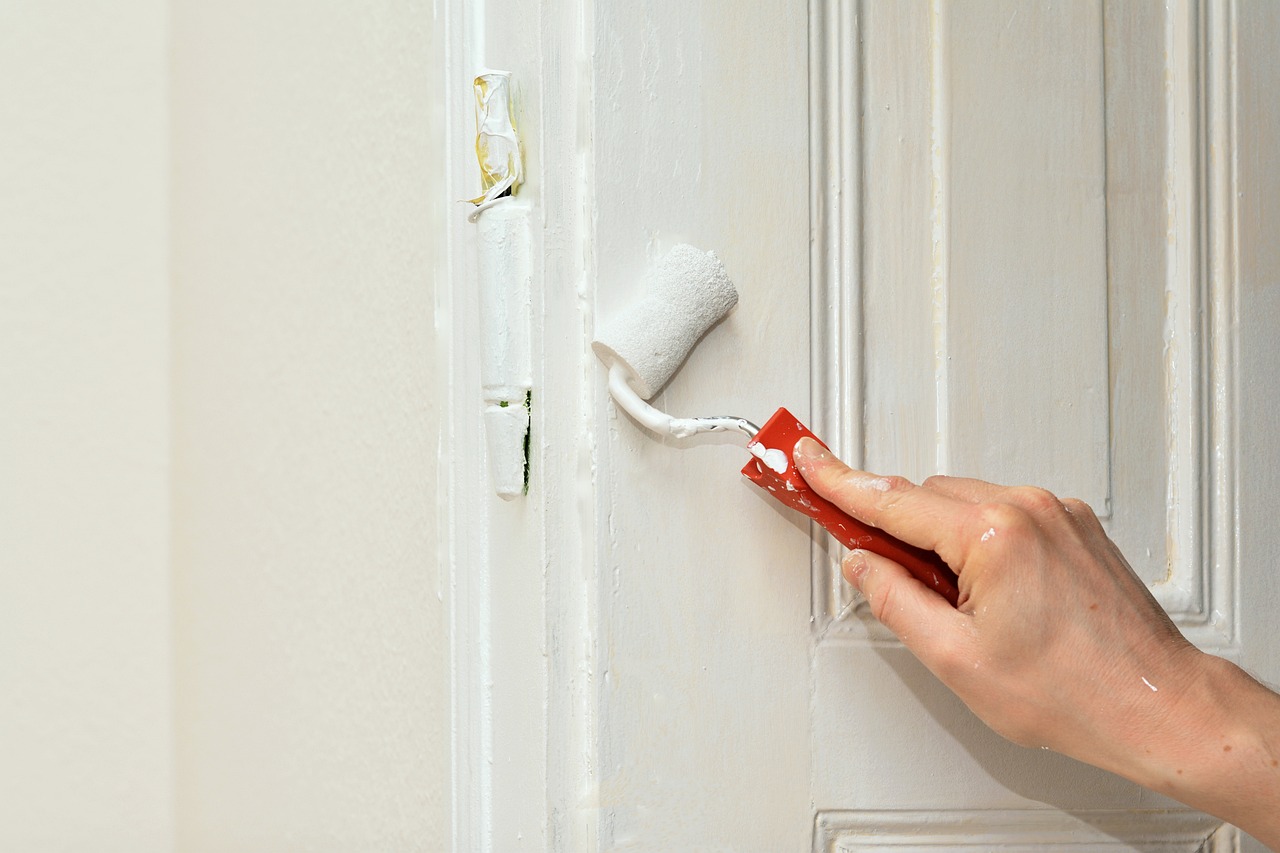
    As good as these methods are, there’s a time when none of these will do the job you need. Such times call for the use of spray painting. Spray painting offers a bit more than regular fixing and has become a valuable solution to door revivals.


    When Is It Time to Revive Your Door?

    Knowing when your door needs a makeover is just as important as knowing the right tools needed to grant that restoration. The most common scenario that calls for door painting is the fading of the door’s appearance.

    Over time, your doors will start to lose that shine that drew you to them in the first place. When you notice this, you should immediately look to have them repainted.

    Also, the accumulation of stains and debris on the door panels can cause a disturbing look. Since no one wants their entrance to look unappealing, you must give them a fresh look. Other door problems that can be solved using spray painting include scratches, cracks, vulnerability to weather elements, as well as corrosion.


    What Does Spray Painting Offer To Your Doors?

    1. Improved Home Value

    Keeping your entrance looking vibrant and shiny will ensure your home doesn’t lose its appeal. As a result, the value of your home remains intact and in the case of moving out, you can easily make substantial profit from selling your property.

    2. Increased Curb Appeal

    Another vital aspect of spray painting is the eye-catching allure it has on any passer-by. When people pass through your home, the exterior is the first thing they notice. Therefore, it’s always a great idea to keep things fresh, especially with the entrances.

    3. Durability

    Products like spray paints are made to last. They provide a coating layer over the door panels that act as more than an extra skin. For instance, spray paint prevents the adhesion of stains and dirt, meaning you don’t have to deal with debris anymore.

    Spray painting your doors also strengthens the surface by increasing its resistance to weather elements like wind and rain. This ensures the door doesn’t absorb moisture that can cause dampness and rotting.

    4. Low Maintenance

    Door paint is also a simple fix to door problems thanks to the low level of maintenance needed. Only regular inspection and a cleaning routine with a light brush and cleaning solution are enough to do the trick.


    Wrapping Up

    Spray painting your door is equivalent to giving new life to it. It’s also an easy way to ensure your doors don’t lose their value and function. Instead, it keeps the entrance looking sharp and fit for your building requirements.


  • Who Do You Call to Check a Damp Problem?

    Who Do You Call to Check a Damp Problem?

    If there’s any issue you shouldn’t overlook in the household, it’s the presence of damp. While it’s easy to just paint over it and call it a day, if you don’t make the effort to fix the bigger issue, you’ll be dealing with damp for a long time to come. Most London homeowners don’t even know they have damp in their houses. At the same time, most folks have no idea who to call before things get serious. If you fall under any or even both of these categories, here’s what you need to know:


    How Do You Know You’ve Got A Damp Problem?

    Firstly, before seeking solutions, you have to be sure that damp does exist in your home. So, how can you tell when you’ve got a damp problem? Here are the obvious signs of damp penetration:

    • Presence of a musty odour
    • Dark colourations on the wall
    • Presence of condensation on walls, windows, and floors
    • Dark patches and dried-up water stain
    • Rotting boards

    These, amongst many more, are the common signals that prompt immediate attention to a damp problem. Another question is, who do you call when this happens? The simple answer is a damp proof specialist.


    What Does the Damp Specialist Offer?

    There’s a reason everyone calls them damp specialists and it all comes down to the level of skill they possess. This level of experience is useful in a lot of ways to combat damps as well as prevent any future infiltration.

    There are many answers to the “What does a damp specialist do?” query. So, if you need one, here’s a list of what to expect from a damp specialist.

    1. Thorough Inspection of the Household

    Firstly, a damp surveyor will provide a more thorough inspection of the house to identify potential causes of damp. This includes a check for leaks and ingresses. At the same time, the inspection involves identifying the different areas in the home where the damp occurs. This they do through their knowledge of the effects of damp.

    2. Provision Of Effective Solutions

    It’s not enough to just go, “There’s a damp in the living room and kitchen”. The real task is providing a means of treating the damp and restoring the damaged walls. For instance, the damp specialists are well-versed in installing a damp-proof course. That will ensure that the walls of the building are safe from moisture penetration.

    3. Evaluate The State Of A Home

    If you’re looking to buy a home and you’re skeptical about the level of damp-proofing the building has, you can always contact a damp specialist. Together with the damp surveyors, the damp specialist checks the home for damp and resulting damage. That way, you can discern if the home is a good fit.


    How Do You Locate The Nearest Damp Specialist?

    You’ve seen what they do; the next step is to answer the common query – “How do I locate the damp proof specialists near me?” all you need to do is ask around for recommendations and search for reputable companies with licenses and certifications.

    Wrapping Up

    Damp proofing and treatment are never easy, so it’s important to seek professional assistance from a specialist before taking any step. They act as your guide and possess the tools and expertise needed to cure your Damp problem for good.


  • Innovative Ideas for Incorporating Quartz Splashbacks in Modern Kitchens

    Innovative Ideas for Incorporating Quartz Splashbacks in Modern Kitchens

    If you’re looking to enhance both the functionality and aesthetics of your kitchen, splashbacks are a must-have. They are crucial in safeguarding your walls against water, grease, and grime. However, contemporary kitchens also present an exciting chance to infuse your personality and style. Among the various materials available, quartz has emerged as the preferred choice due to its remarkable beauty, long-lasting durability, and effortless maintenance.

    If you’re contemplating the inclusion of quartz splashbacks in your modern kitchen, we have compiled a selection of innovative ideas to fuel your inspiration


    1. Go Bold With Color

    Quartz is available in a wide range of colours, ranging from vibrant colours such as emerald green and sapphire blue to elegant neutrals like charcoal grey and white. Embrace your creativity and opt for a colour that truly stands out. By selecting a striking quartz splashback, you can create a captivating centrepiece in your kitchen, infusing it with flair and character.


    1. Opt for a Patterned Look

    Consider incorporating a patterned quartz for a distinctive aesthetic appeal. The options are limitless, ranging from delicate veins and elegant swirls to bold geometric designs. By opting for a patterned quartz splashback, you can introduce captivating visual elements and enhance the depth of your kitchen, resulting in a more vibrant and contemporary ambience.


    1. Make a Statement With Backlighting

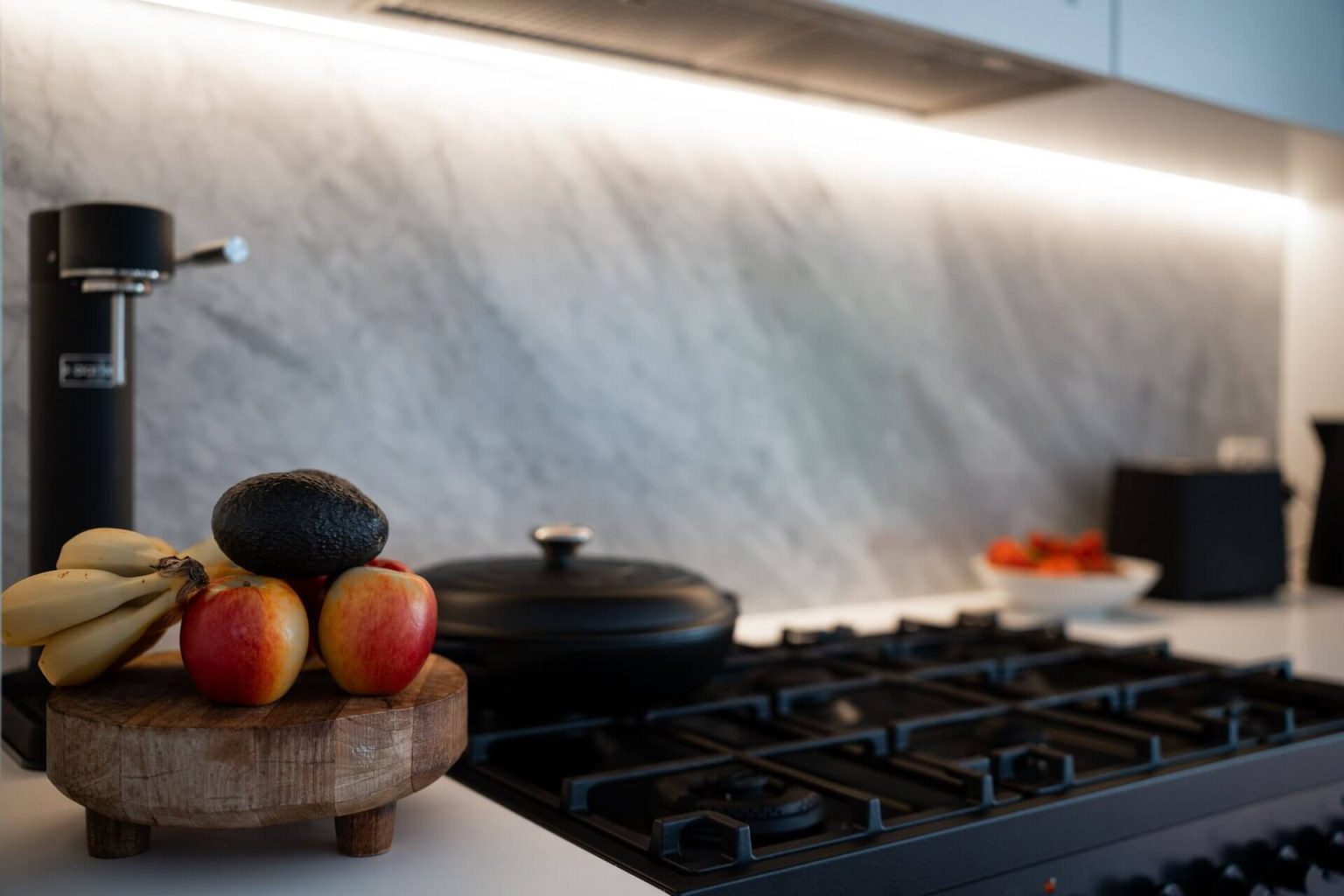
    Adding backlighting to your quartz splashback is an excellent method to infuse your kitchen with a touch of drama and ambience. Not only does it create a sense of spaciousness, but it also adds a captivating allure to the space. To achieve a harmonious appearance, opt for LED strips that perfectly complement the colour of your quartz. Alternatively, you can explore a variety of colours to create a playful and vibrant atmosphere.


    1. Get Creative With Texture

    Quartz offers more than just sleek and polished surfaces. It also provides textured options that bring a sense of depth and fascination to your splashback. For instance, a leathered finish can infuse your kitchen with rustic and industrial ambience, whereas a honed finish can achieve a more refined and elegant appearance.


    1. Think Beyond The Kitchen

    Quartz splashbacks are not limited to kitchens alone. They can work wonders in various parts of your home, including bathrooms, laundry rooms, and even living rooms. By incorporating them into these spaces, you can effortlessly unify your design style and achieve a harmonious ambience throughout your home.


    Quick Tips for Choosing and Installing Quartz Splashbacks

    Hire a Qualified Professional — Collaborate with an expert. Entrusting the installation of a quartz splashback to a skilled professional is crucial. Their expertise guarantees a flawless installation, ensuring tight and seamless seams that are practically invisible.

    Work With Samples — Make sure to obtain samples of the quartz you are considering before making a final decision. This will allow you to visualise how the colour and pattern will appear under the lighting in your kitchen.

    Consider the Maintenance — While keeping your quartz in top shape is a cakewalk, regular cleaning is critical. Grab a mild soap and water solution to wipe down the surface gently. Remember, steer clear of harsh chemicals or abrasive cleaners for a sparkling finish.


  • The Comprehensive Guide to Buying Bulk Toilet Paper

    The Comprehensive Guide to Buying Bulk Toilet Paper

    In today’s fast-paced world, buying in bulk has become more than just a convenience; it’s a savvy shopping strategy, especially when it comes to essential household items like toilet paper. Understanding the nuances of purchasing bulk toilet paper can not only save you time and money but also ensure that you’re never caught short. In this comprehensive guide, we delve into the world of bulk toilet paper purchasing, providing you with all the information you need to make an informed decision.

    Understanding the Benefits of Bulk Buying

    Before we explore the specifics, let’s consider why buying toilet paper in bulk is a wise choice. Firstly, it’s cost-effective. Purchasing larger quantities typically results in a lower cost per unit, making it an economical choice for families and businesses alike. Secondly, it’s a time-saver. With a substantial supply at hand, the frequency of shopping trips decreases, freeing up your schedule. Lastly, it’s an eco-friendly option. Bulk buying often means less packaging per unit of product, contributing to reduced waste.

    Types of Toilet Paper Available in Bulk

    When purchasing bulk toilet paper, you’ll encounter various types:

    • Standard Rolls: The most common type found in households.
    • Jumbo Rolls: Larger rolls suitable for high-traffic areas like public restrooms.
    • Coreless Rolls: These rolls do not have a cardboard core, reducing waste.
    • Recycled Toilet Paper: Made from recycled materials, it’s an eco-friendlier option.
    • Luxury Toilet Paper: Offers a more plush, comfortable experience.
    • Factors to Consider When Buying in Bulk
    • Quality: The ply of toilet paper (the number of layers) is a key quality indicator. Higher ply usually means softer and stronger toilet paper.
    • Price: Compare the cost per unit or per sheet to determine the best deal.
    • Storage Space: Ensure you have adequate space to store your bulk purchase.
    • Usage Needs: Consider the needs of your household or business. A larger family or a commercial setting might benefit more from jumbo rolls, for example.

    How to Find the Best Deals on Bulk Toilet Paper

    • Shop Online: Online retailers often offer competitive prices and a wider selection.
    • Wholesale Clubs: Membership clubs can offer significant savings on bulk purchases.
    • Compare Brands: Don’t just stick to one brand. Comparing can lead to finding better deals.
    • Look for Sales and Coupons: Keep an eye out for sales and use coupons to maximise savings.

    Sustainable Options in Bulk Toilet Paper

    As environmental concerns grow, many consumers are seeking sustainable options. Recycled toilet paper and bamboo toilet paper are excellent choices. These options are not only gentle on the environment but also provide the same level of comfort and cleanliness as traditional toilet paper.

    Dispensers for Bulk Toilet Paper

    In commercial settings, choosing the right dispenser is crucial. Options include:

    • Standard Dispensers: Ideal for standard rolls.
    • Jumbo Roll Dispensers: Accommodate larger rolls, reducing the frequency of refills.
    • Coreless Roll Dispensers: Specifically designed for coreless rolls.

    Conclusion

    In summary, buying bulk toilet paper is a practical decision that can save you time, money, and contribute to a more sustainable lifestyle. By considering factors such as quality, price, and environmental impact, and by staying informed about the different types and deals available, you can ensure that your bulk toilet paper purchase is as economical and eco-friendly as possible.

    Remember, the key is to balance your needs with your budget and storage capabilities, and to be mindful of the environmental impact of your choices. With this comprehensive guide, you are now equipped with all the knowledge you need to make the best bulk toilet paper purchase for your household or business.


  • The Art of Integrating Garden Fences in Landscape Design

    The Art of Integrating Garden Fences in Landscape Design

    Effective landscaping means getting the most out of every inch of a given plot. By necessity, a given outdoor space will come with edges – and in many cases, those edges will be visible from wherever you’re standing. As such, the things we use to mark the boundaries will need to serve two functions. Firstly, they’ll need to clearly indicate where the boundary lies, and form a physical barrier between one space and the next. Secondly, they’ll need to look great. Garden fences, hedges and walls in other words serve an aesthetic purpose on top of all the practical ones. But what makes for a great-looking fence?

    Harmonising with nature

    One of the major plus points of any given garden space is the greenery contained within it. Green spaces, with plenty of visible grass, bushes and trees, have been strongly associated with reduced stress, increased mental resilience, and generally improved mental wellbeing. Given all of this, we might look for hedges which work in harmony with nature, rather than seeking to break it apart. Crawling ivy, naturally-finished timber, and built-up flowerbeds might all help to achieve this effect.

    Choice of materials

    The materials we use to construct our fences can make a big difference to how they look. We should consider not only the way that a fence looks immediately after it’s installed, but also how it will look in years to come. Looking for timber that’s been treated to resist rot and moisture can be critical. But giving your fence a coat of the right finish might also make a difference. For a seamless blend of functionality and style in your garden design, consider exploring options like those offered by Viking Fence for pergola kits, which can add both structure and elegance to your outdoor space.

    The right integration

    The design decisions you make elsewhere in the garden should inform the way that your fence is incorporated into it.If you’re sticking to a certain combination of colours, patterns and textures, then you might seek to reflect these in your choice of fence panel. For expert guidance and a wide selection of customizable options, trust a reliable fencing company in Raleigh, NC to help you choose the perfect fence that complements your garden’s aesthetic.

    For example, if you’re favouring a weathered-looking white timber patio, then you might complement it with a fence to match. On the other hand, you might look to contrast your choices in the garden with a bold, colourful fence that draws the eye immediately. Think of your fence panels as the walls of a room in this perspective. Attention can be drawn in an efficient manner by strategically using one focus wall or other prominent element. On the other hand, muted tones work well if you want to avoid drawing attention to a particular area of the fence, especially if you plan to highlight other decorative elements like flowerpots.

    Conclusion

    In many garden spaces, the fencing can take up a significant chunk of the visual field. Wherever you look, in other words, your eye is likely to fall upon a section of fence. Consequently, your choice of fence really does matter, from an aesthetic point of view as well as a practical one!


  • Tips for Updating Your Aging Home

    Tips for Updating Your Aging Home

    As homes age, they often require updates and renovations to stay in step with modern living while maintaining their unique character. Whether it’s an urban brownstone or a rural cottage, the challenge lies in balancing contemporary needs with respect for historical integrity. These updates can improve the aesthetics of a home but can also substantially enhance its energy efficiency and safety. If you are planning on giving your aging house a fresh lease on life, keep reading for tips to navigate this transformative journey.

    Embracing Modern Design While Preserving Character

    When updating an older home, it’s essential to strike a harmonious balance between modern design trends and the home’s original character. This can start with something as simple as a fresh coat of paint in a contemporary color palette while preserving period fixtures that tell the story of the home’s past. The goal is to highlight—not hide—architectural details like crown moldings, hardwood floors, and built-in cabinets.

    An area that is both functional and often ripe for an update is the home’s entryway. Replacing an old, weather-beaten door with sturdy steel storm doors in Denver, CO, for example, can safeguard the home while also complementing its aesthetic. Steel storm doors provide a range of benefits that make them a worthwhile investment for homeowners. Their durability, security, energy efficiency, and aesthetic appeal make them an excellent choice for protecting and enhancing your home. Even if you want a more traditional look, there is a steel storm door to suit your taste.

    One modern element that should always be taken care of is your home’s HVAC system. Keeping your home’s HVAC system updated is a must. It saves you money and improves your indoor comfort, as well as contributing to a healthier living environment and enhancing the value of your home. Samms Heating and Air is the perfect example of the type of service that can assist you. You can learn more about their company by visiting https://www.sammsheatingandair.com/. So, don’t overlook the importance of maintaining and updating your HVAC system.

    Upgrading Your Home’s Insulation and Windows

    Poor insulation and outdated windows are common issues in older homes that can lead to heat loss and energy inefficiency. This is why one of the most impactful updates is to improve insulation, including in hard-to-reach areas such as attics and basements. Modern materials and techniques can dramatically increase a home’s thermal performance without compromising its architectural integrity.

    When it comes to windows, replacing single-pane windows with double or triple-glazed units can also make a significant difference, not only in energy conservation but also in reducing outdoor noise. Window designs have evolved, and finding units that reflect the style of older homes while providing modern benefits is easier than ever. The key is to match the look of the original windows to maintain the aesthetic appeal of the property.

    Revamping Your Outdoor Space to Enhance Curb Appeal

    img

    The external appearance of a home is just as crucial as its interior, playing a pivotal role in curb appeal. Landscaping updates can bring life and add value to the property while also considering eco-friendly options such as drought-resistant plants or a rain garden. Such alterations can reflect the change of seasons and make the home feel well-cared-for and inviting.

    Outdoor living spaces such as patios and decks are prime candidates for a refresh, providing a seamless transition from indoors to out. Even modest homes can benefit from well-designed outdoor spaces, which can act as an extension of the living area. Proper maintenance and upgrade of decks, patios, or porches serve as a relaxation haven and add to the value of the home.

    Additionally, exterior lighting should not be overlooked. It enhances safety and accentuates the architecture of the home when dusk falls. Soft landscape lighting can present the home’s best features, and motion-sensing lights can provide security without the need for constant illumination.

    As you can see, the process of updating an aging home requires a thoughtful approach that marries the charm and character of the past with the technology and conveniences of the present. By carefully planning each renovation step, you can ensure your home remains a treasure for years to come, comfortable for its inhabitants and appealing to the eye. Overall, these updates increase the value and livability of an aging property, they contribute to its legacy as a cherished home.


  • Cosmetic jars – a combination of aesthetics and functionality

    Cosmetic jars – a combination of aesthetics and functionality

    Nowadays, when ecological awareness and concern for the naturalness of cosmetic products are becoming more and more important, cosmetic packaging in the form of jars is successfully winning the hearts of beauty lovers. Jars are not only practical, but also an aesthetic element that adds additional value to daily care.


    Why are cosmetic jars becoming more and more popular?

    The functionality of jars for cosmetic preparations is extremely important. Their solid
    construction guarantees durability and protection of the contents, protecting them against
    the harmful effects of light, air and moisture. This is particularly important because many
    active ingredients in cosmetics are sensitive to external conditions. Meanwhile, the jars we
    mentioned ensure long-term effectiveness and freshness of the preparations, which in the
    long run translates into the effectiveness of care.

    Thats not all, because the availability of contents in jars makes them a convenient solution.
    Easy product removal allows users to apply the cosmetic more precisely, which is especially
    important in the case of:

    ● creamy substances,
    ● thick oil.

    This state of affairs makes it easier for the user to adjust the amount of the preparation to his
    own needs… which only increases the effectiveness of the care.

    However, cosmetic jars offer more than “just” functionality. In addition, aesthetics are also
    important. Cosmetics producers are aware that the way a given product is presented has in
    practice a huge, although difficult to measure, impact on the decisions made by consumers
    on a daily basis. Meanwhile, well-selected jars for cosmetic preparations in cosmetic jars look
    simply elegant and aesthetic, perfectly matching various bathroom arrangements or
    dressing tables.

    Jars have another advantage – they can be used many times. After using the product, the
    packaging can be easily cleaned and reused, which is consistent with the idea of sustainable
    development and reducing waste. In this way, jars become not only a practical but also an
    ecological solution from the point of view of conscious consumers.

    To sum up, properly selected cosmetic jars are a perfect combination of functionality and
    aesthetics. They guarantee protection of active ingredients, facilitate the application of
    cosmetics, look elegant and are compatible with ecological principles. This packaging not
    only protects our skin, but also makes daily care a pleasure for the senses.


  • The Great Room Trend: Creating Spacious and Versatile Living Spaces

    The Great Room Trend: Creating Spacious and Versatile Living Spaces

    Alright, buckle up! Today, we’re diving into the buzz-worthy world of great rooms. You know, those spaces that make your home feel like a cozy haven with a dash of modern flair. No more walls dictating where the kitchen ends and the living room begins – it’s all about breaking free and embracing the great room trend.

    Let’s Talk Great Room Vibes

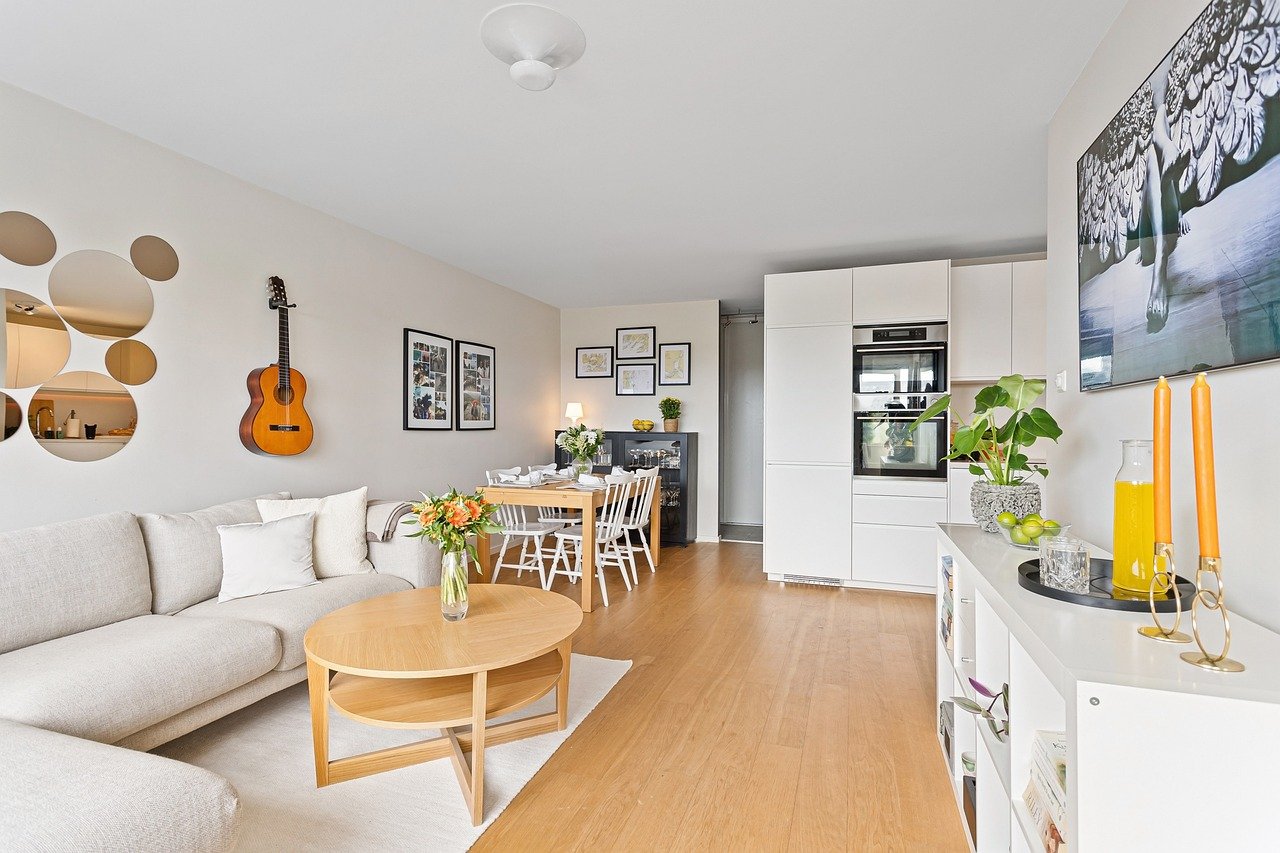
    Picture this: You’re whipping up dinner in the kitchen, the aroma wafting through the air. The dining area is right there, beckoning for a family feast, and the living room is just a hop, skip, and a jump away for some post-dinner lounging. That’s the magic of a great room – it’s like the superhero of living spaces, bringing everyone together. Check out this living room vs. great room for further perspective so you can get a better understanding.

    No More Walls, More Connection

    Say goodbye to the traditional boxy rooms. With the great room revolution, we’re tearing down walls and fostering a vibe that’s all about connection. Your kitchen, dining, and living spaces become besties, creating a harmonious flow that’s perfect for family hangouts or entertaining friends.

    Embracing the Jack-of-All-Trades Mentality

    Versatility Rocks

    Great rooms are the chameleons of the interior design world. They don’t settle for a single role; they’re the multi-taskers, adapting to whatever life throws at them. From hosting epic game nights to providing a zen reading nook, great rooms wear many hats. It’s a nod to the dynamic way we live our lives today.

    Furniture that Moves and Grooves

    Flexibility is the name of the game. Imagine a sofa that can transform, tables that pull double duty, and storage solutions that dance to your tune. Great rooms love furniture that can roll with the punches, giving you the power to switch things up whenever the mood strikes. For a stylish and versatile furniture upgrade, consider adding custom legs from The Hairpin Leg Company to create unique pieces that adapt to your space effortlessly.

    Crafting a Visual Symphony

    Lookin’ Good, Great Room

    Creating a great room isn’t just about tearing down walls; it’s about making sure everything looks like it belongs together. We’re talking about a visual symphony where colors, designs, and furniture play in harmony. Cohesion is the secret sauce that makes your great room feel like a curated masterpiece.

    Nature’s Touch

    Bring a bit of the great outdoors inside! Big windows, sliding doors, and a sprinkle of indoor plants – these elements bridge the gap between your cozy haven and the natural world. It’s like a daily dose of sunshine and fresh air without stepping out the front door.

    Navigating the Challenges

    Hush, Hush – Acoustic Solutions

    Okay, we get it. Open spaces can sometimes turn into echo chambers. But fear not! Throw in a rug, hang some acoustic panels, and strategically place your favorite comfy chair – suddenly, your great room is a haven of calm, not a noisy battleground.

    Zoning Magic

    With all this openness, how do you define spaces? Zoning to the rescue! Rugs, different lighting vibes, and a touch of creativity help carve out distinct areas without feeling like you’re lost in a sea of space.

    Making It Yours

    Your Space, Your Rules

    Sure, there’s a trend, but don’t forget to sprinkle a bit of yourself into the mix. Showcase your favorite art, flaunt those funky cushions, and pick furniture that screams “you.” A great room is more than just a design concept – it’s your personal sanctuary.

    Let’s break it down into some bullet-point tips for making your great room truly yours:

    • Artistic Expressions:
      • Showcase your favourite artworks on the walls. Whether it’s a painting, photography, or a DIY masterpiece, let your walls tell your story.
      • Consider creating a gallery wall with a mix of framed photos, prints, and other meaningful pieces.
    • Funky Furnishings:
      • Opt for furniture that resonates with your style. Whether it’s a vintage find, a quirky chair, or a bold coffee table, let your furniture make a statement.
      • Don’t be afraid to mix and match styles for an eclectic vibe that reflects your personality.
    • Textile Triumphs:
      • Choose cushions, throws, and rugs that add a pop of color and texture. It’s an easy way to infuse warmth and coziness into your great room.
      • Experiment with patterns and fabrics that speak to your aesthetic preferences.
    • Personalized Touches:
      • Incorporate personal items that hold sentimental value. Whether it’s a family heirloom, a travel souvenir, or a handmade gift, these elements add a unique touch.
      • Consider creating a dedicated space for your hobbies, like a reading nook or a crafting corner.
    • Greenery Galore:
      • Bring the outdoors in with indoor plants. Select plants that not only complement your decor but also align with your ability to care for them.
      • Consider unique planters or stands to add an extra layer of personality.

    Wrapping It Up: Cheers to the Evolution

    In the grand dance of interior design, the great room is stealing the spotlight. It’s not just a trend; it’s a lifestyle shift. So, let those walls crumble, embrace the flow, and welcome the era of spacious and versatile living with open arms. Your home, your rules – let the great room adventure begin!


  • Home improvements to boost your property’s value

    Home improvements to boost your property’s value

    The home improvements you make are not only about making your living space more comfortable and appealing; they also play a key role in boosting the overall value of your property. By changing things up, you’re making it more attractive to potential buyers.

    If you’re at the stage where you’re considering selling your home and moving on, it’s likely you’ll now be focusing on how to boos its value. But it can be overwhelming to consider making all the possible changes at once, so it’s essential to come up with a plan.

    If you’re looking to sell, here are some ideas to help work out your next steps to help boost your asking price.


    Starting point

    Begin this process by thinking about your budget. Some updates might require more financial investment, especially if it’s been a while since you last renovated your property.

    Do you have savings in place? This could be an option to ensure you can fund the improvements you want to make. Alternatively, if you meet the criteria for a lifetime mortgage, then equity release could be a valid option.

    Once you have your finances in order, you can work out how you want to change tings and the projects you’d like to focus on. Some ideas include:


    Cellar and loft conversions

    Transforming neglected spaces like cellars or lofts into functional living areas can significantly contribute to your home’s value. Although it involves a financial commitment, the return on investment can be substantial, adding as much as 20% to your property’s value.

    Converting these spaces into additional bedrooms, home offices, or recreational rooms not only adds square footage but also enhances the versatility and appeal of your home. In fact, now that more of us are working from home, many house hunters are searching for office space that’s separate to the rest of the home.

    Before embarking on such projects, it’s crucial to consult with professionals to ensure these spaces meet safety and building code standards.


    Refresh the bathroom 

    A dated or worn-out bathroom can be a major turn-off for potential buyers. Therefore, investing in bathroom improvements can yield a high return on investment. Consider modernising fixtures, upgrading tiles, and installing energy-efficient appliances.

    A stylish and well-maintained bathroom not only adds value to your home but also enhances the overall aesthetic appeal. It’s worth following the trends to bring it right up to date. However, it’s essential to strike a balance between functionality and luxury, ensuring that your investment aligns with the expectations of potential buyers.


    Breaking down walls

    For those looking to make a bold statement and substantially increase their home’s value, creating an open-plan living space can be an appealing option. This involves removing walls to merge traditionally separate areas like the kitchen, dining, and living rooms.

    Open-plan layouts are popular for their contemporary feel, maximising natural light, and creating a sense of spaciousness. Before making such a significant change, it’s advisable to consult with professionals to assess the structural considerations and obtain necessary permits.

    How will you update your home to boost its value?


  • What to Think About When Renovating Your Home

    What to Think About When Renovating Your Home

    Renovating your home is an exceedingly exciting project to get underway, and for a number of reasons too. Giving your home the fresh start it deserves is a reward unto itself, while the renovation can also give you key opportunities to make quality-of-life improvements that you most definitely deserve.

    If you are one of the near-50% of homeowners gearing up to start a major renovation project this year, you might be a little trepidatious as to where exactly to start. There are some key considerations for you to bear in mind as you start fleshing out your renovation plans, which can help you create an equitable plan and a better end product; what are they?

    Financing

    All renovation projects must necessarily start with some thinking about money. It is unavoidable that renovating your home will attract costs, even if you have the best intentions of doing everything DIY. As such, you should first take stock of any money you might have available to put towards your renovation project – and also think carefully about the key costs involved in various larger steps of your project. For example, plumbing and electrical work will need to be conducted by licensed professionals – and labour costs are not especially low.

    Project Timeframe

    You should also give some time to consider the ideal length and timeframe for your renovation project. It is all well and good to get stuck into developing your home, but without a clear chart to measure progress against, you could easily find yourself still chipping away at little bits years down the line. Defining the time limits of your project allows you to focus and prioritise, with positive results for your home and your enjoyment thereof.


    Aesthetics

    The most exciting part of planning your renovation works is settling on the aesthetic thrust of your efforts. What do you want your home to look like, and how do you intend to get there? There are myriad major decisions to make here, from the best paint colours for your living space walls to your ideal design of a feature wall in the master bedroom.

    Aesthetic considerations don’t stop here, though. There are also many smaller and more subtle decisions you’ll need to make, all of which add up to make your home feel perfect. Even your radiators could be chosen to match the aesthetics of your rooms!


    Adding Value

    Finally, it is important to acknowledge that renovating your home is also an exercise in improving its value. Whether you are already bearing this in mind or simply renovating for you, it is a fact that whatever you do will have an impact on the market value of your home. Even if you don’t intend to sell up any time soon, you could make some changes that are guaranteed to increase its value, giving you better prospects on the property market in the longer term.

  • 3 types of tomatoes you can grow at home

    3 types of tomatoes you can grow at home

    Whether you’re one of the 36% of Brits who already grow their herbs, fruit or vegetables or one of the 75% of Brits who plan on growing their produce this spring, we’re here to tell you why we believe tomatoes could be a great choice to add to your garden.

    There are over 1,000 varieties of tomatoes to choose from with big, juicy options as well as dainty ones with punchy flavours, which means there’s usually a tomato plant out there for every gardener. However, knowing which one you should grow can be tough.

    If you want to start growing tomatoes, then this is the guide for you. We’ll look at some of the best types you can grow at home, how to do it, and how to harvest, so you have all the information you need for successful growth, every time. Read on to find out more and become the tomato-growing champion in your neighbourhood.

    Sungold

    Sungolds are a part of the yellow cherry variety and they’re straightforward to grow after you buy the tomato plant from a reputable supplier. These tomatoes are popular for the sweetness they offer and can be successfully grown in both warm and cooler summers.

    You can grow Sungold tomatoes outdoors or in greenhouses and this variety likes plenty of sunlight and water. Once they’re ready to harvest, simply pick them off by the stalk and they can be consumed right away or stored in a cool, dry space for several days after.

    San Marzano

    Although San Marzano’s are plum tomatoes, they have a distinct shape that makes them unique to grow. These appear long and chunky, unlike the typical spherical shape you might expect a tomato to have. The name comes from a small town in Naples where they originate from but they also thrive in UK weather climates too.

    This variety loves sunlight but doesn’t need as much water as the Sungold tomatoes. You may choose to grow them in a greenhouse too for some extra warmth to help them grow during cooler British summers.

    Brandywine

    These are huge tomatoes that come in a range of colours including red, orange, yellow, and pink. The impressive size of these tomatoes does mean they require a little more care while they grow, which means you’ll need to do the following:

    • Water the ground, not the leaves
    • Add fertiliser with no nitrogen after they’ve established
    • Stake the plants to keep them upright and prevent them from falling over

    Once your tomatoes are ready to harvest, grab the stem and twist gently. The tomato should come away easily and will be ready to eat right away.


  • Why use a goose down duvet?

    Why use a goose down duvet?

    Choosing the right duvet is one of the conditions for a peaceful and comfortable sleep. It is worth thinking about it longer, especially as the offer on the market is huge and the consequences of a random decision can be quite unpleasant. Lack of proper sleep hygiene leads to exhaustion and irritability. This will have an influence on both personal and professional matters. The excellent purchase option is a goose down duvet. These are all-natural products with many benefits.

    Thermal insulating properties

    Goose down is a material commonly used for bedding products. It is popular for its excellent
    thermal insulating properties. The extraordinary performance of down is due to its unusual
    structure – it has a three-dimensional hooked structure and is extremely light. These
    features make goose down a very good insulator and additionally guarantee that the body
    maintains an optimal temperature during sleep. This is why goose down duvets and pillows
    perform excellently in both the summer and winter months.

    Resilience and low weight

    A measure of the quality of down is its resilience, which determines the extent to which
    down is able to store air. The higher the resilience of the down, the better. Goose down is
    fine, light and very resilient, which is why it is considered the best type of filling. When
    purchasing, it is also important to ensure that a goose down duvet has a cassette
    construction. This way of sewing ensures optimal sleeping conditions, as the down is evenly
    distributed and does not move to one place.

    Appropriate duvet use and care

    Proper care of a goose down duvets is also important. This consists of regularly airing the
    duvet and exposing it to UV light in summer or frost action in winter. This refreshes the
    duvet and eliminates dangerous microorganisms, including dust mites. It is also worth
    removing the down once a year in order to dust off and wash the pillowcase. This type of
    cleaning is worth entrusting to a professional laundry to be sure that the down retains its
    original properties.

    Peaceful and comfortable sleep

    A goose down duvet is an excellent product whose advantages far outweigh those of
    products containing feathers, which are heavier and much less resilient. Deciding to buy a
    down duvet, you receive a product of excellent quality and thermal parameters, which, if
    properly cared for, will serve us for many years without the need for repair and replacement.
    It will be a guarantee of a peaceful and extremely comfortable sleep for all household
    members.


  • Why Should You Entrust Your Bathroom Design to an Experienced Designer?

    Why Should You Entrust Your Bathroom Design to an Experienced Designer?

    Designing a small yet functional bathroom is no easy task that requires a lot of skill and experience. You might be tempted to leave the task to amateurs in order to save money, but are you really willing to sacrifice the comfort and quality of your bathroom for small savings? Today, we’ll be looking at why choosing the right designer for your bathroom is so important.

    1.   Efficient Space Management

    When designed, small bathrooms require an efficient use of space. An experienced designer can creatively optimize the area use, making sure that every inch is utilized effectively without disrupting the aesthetic side.

    Designers can suggest layout modifications that you might not have considered, such as wall-mounted fixtures or corner sinks, which can free up some valuable floor space. If you’re looking for quality bathrooms in Aberdeen, go with reliable contractors.

    2.   Combining Style with Functionality

    Balancing features with aesthetic is necessary in a small bathroom — you don’t want it to feel too cluttered, but you also don’t want it to be empty of useful appliances. Designers bring experience and knowledge about the latest trends and innovative solutions and can suggest options like multifunctional furniture, recessed shelves, built-in cabinets, and more.

    3.   Lighting and Color

    Proper lighting and color schemes can make a small bathroom feel a lot more spacious, but that requires proper knowledge to set up. Experienced designers know how to use light fixtures and mirrors to create an illusion of space.

    Need professional advice on renovating your bathroom? Check out the blog at https://thehomeexpert.uk/ and discover how to redesign and redecorate small bathrooms efficiently.

    4.   Access to Better and Cheaper Materials

    Professional designers have access to a wide range of resources and materials that may not be easily available to the general public. This allows them to create more personalized and unique bathroom designs that better reflect the customer’s needs. Designers can source these high-quality materials within your budget, and know how to check whether everything is as durable as it should.

    5.   Home Value

    A well-designed bathroom can significantly increase the value of your home, but a poorly designed one might end up being a money drain — critical mistakes might even lower the final value. Designers know how to create spaces that appeal to potential buyers, should you decide to sell your home in the future.

    6.   Compliance with Law

    Bathroom renovations might sound simple, but they often require strict adherence to building codes and regulations. Professional designers are familiar with these requirements and can make sure that your bathroom design complies with all legal standards, avoiding costly mistakes or future issues.

    7.   Post-Completion Support

    Even after the project is completed, designers can provide support and advice, making sure your bathroom continues to meet your needs. They can also assist with any future modifications or upgrades.

    An experienced designer brings expertise, resources, and creativity to the table. Their involvement not only saves time and stress, but also guarantees a high-quality finish that meets your specific needs and preferences. Don’t try to cut costs by hiring incompetent designers — always go with professionals.


  • How To Beautify Your Home

    How To Beautify Your Home

    Transforming your living space into a domain of beauty is a quest that delights the senses and caters to comfort. The essence of a beautiful home lies in the details—textures, color palettes, and personal items that tell compelling stories. So, how can one curate these elements to craft an aesthetically pleasing and functional space? It starts with understanding the principles that underpin exquisite interiors. Keep reading for invaluable tips that will guide you through the enchanting process of beautifying your home.

    Invest in Quality Furniture and Flooring

    img

    Quality furniture is the cornerstone of a beautifully appointed home. Not only does it provide comfort and functionality, but it also sets the tone for your living space’s style. Opt for pieces that boast excellent craftsmanship and durability to ensure they stand the test of time both in structure and design. A statement piece—a plush sofa, an elegant armoire, or an intricately carved table—acts as both a functional element and a conversation starter. It can anchor the room and dictate the surrounding decor.

    Beyond furniture, you need to think about your flooring too. Yeager and Company Flooring offers excellent options to elevate the sophistication of your home with premium flooring choices that complement your statement furniture pieces perfectly. Wood is a classic choice for flooring. It’s beautiful and durable, and it can last for many years with proper care. Carpet can also be a good choice for homes with pets or children since it’s soft and absorbs noise. No matter what type of flooring you choose, you should always invest in quality materials, as cheap flooring will not look as good or last as long.

    Incorporate Plants for a Touch of Nature and Freshness

    img

    Bringing nature indoors instantly revitalizes any living area, infusing your home with an organic freshness that is as aesthetically appealing as it is beneficial for well-being. Plants have an ability to brighten a space and provide subtle texture with their variety of forms and hues. Live plants offer the added advantage of enhancing air quality, increasing oxygen levels, and even improving mood.

    However, not everyone has a green thumb or the time required for plant care. In these cases, one can still benefit from the aesthetic of greenery through the use of high-quality artificial foliage. An elegant fake indoors tree can provide the same visual appeal as a live one without the maintenance involved. That means that you and your family can enjoy the beauty of greenery all year round without worrying about watering, fertilizing, or dealing with pests. It’s a smart solution for busy homeowners who desire nature’s touch without the commitment.

    Embrace a Cohesive Color Scheme for Visual Harmony

    Starting with a cohesive color scheme can drastically improve the flow and appearance of your home. Palettes that resonate well across different rooms create a sense of continuity and balance. It is essential to decide on a base color that reflects your personality and style, then build your palette with complementary shades that enhance the overall harmony. Transitional spaces like hallways and entryways are perfect for setting the tone of your home’s color story.

    Neutral tones offer flexibility and longevity, acting as the perfect backdrop for vivid accents and decor. When expertly applied, the right color scheme can make your spaces appear larger, more connected, and undeniably inviting. Consider the psychological effects of color, too, using blues and greens to inspire calmness or vibrant yellows and oranges to spur creativity and energy.

    Display Artwork and Personal Memorabilia

    img

    The final layer of beautification in any home is adding personal touches through artwork and memorabilia. These items tell your story and inject personality into your living space. Art pieces can range from paintings and sculptures to modern installations, depending on your taste and the aesthetic of your home. When art and memorabilia are thoughtfully integrated, they create a warm, lived-in atmosphere that is both chic and meaningful.

    Personal memorabilia, such as mementos from travels or family heirlooms, can serve as decorative objects that resonate with sentimental value. Don’t be afraid to mix old with new in your displays, as this can add depth and richness to your interior narrative. Each piece holds a story, making your home uniquely yours.

    As this blog illustrates, a home can transform into a place of beauty and repose through the application of these guiding principles. Clearly, it’s about creating a space that reflects your personal style, functions for your lifestyle, and feels both welcoming and well put together—a place you’re proud to call home.


  • Tips for Maintaining and Updating Your Home

    Tips for Maintaining and Updating Your Home

    Your home is not just your sanctuary, but also a substantial investment. Keeping it well-maintained and up-to-date is crucial for ensuring its longevity, efficiency, and value. Whether you’re planning to stay in your home for years to come or considering selling soon, regular maintenance and timely updates are necessary. Below, you will find useful tips for taking care of your home and making smart upgrades that matter.

    Establishing a Home Maintenance Schedule

    img

    One of the primary steps to keeping your home in top shape is to create a regular maintenance schedule. This means periodically checking critical components like the HVAC system, roof, and gutters. Doing so can prevent minor issues from turning into costly repairs. It’s helpful to have a checklist for each season that focuses on specific areas of the home. Spring, for instance, is an excellent time to check for any damage that winter storms may have caused. Inspect and clean your gutters, look for any roof damage, and assess your home’s exterior for needed repairs or paint touch-ups.

    For added peace of mind, consider protecting your investment with a home warranty without waiting period to ensure quick fixes for unforeseen breakdowns. With the ability to access coverage right from the beginning, homeowners can save money and time by avoiding expensive repairs and the stress that comes with them. Instead of having to spend time researching and vetting contractors, the home warranty company will handle all service requests, coordinating repairs or replacements on the homeowner’s behalf. This means that homeowners can focus on their daily lives without the added hassle of managing repair appointments.

    The Importance of Regular Home Inspections

    Regular home inspections are a big part of homeownership. They offer a snapshot of your home’s condition and can reveal hidden problems that may require immediate attention. While it’s tempting to skip these inspections to save money, doing so can result in more costly repairs down the line. Professional inspectors have the expertise to identify issues that you might overlook, such as structural weaknesses, electrical hazards, or plumbing problems.

    Remember, when problems are identified, hiring qualified professionals to address them is a priority. For instance, if your home inspection reveals issues with your flooring, engaging a reputable flooring contractor in Rockwall Texas would be essential for ensuring a high-quality repair or replacement. The right flooring enhances the visual appeal of your space, adds value to your property, and creates a lasting impression.

    Even if your home is new, don’t presume that it’s free of issues. New construction can have its own set of problems, and an inspection can offer reassurance that everything is as it should be. For those in older homes, an inspection can track the condition over time, spotting wear and tear before it becomes severe.

    Prioritizing Energy-Efficient Home Updates

    img

    Updating your home with energy-efficient features is beneficial for the environment and kind to your wallet. Consider replacing old appliances with ENERGY STAR-rated ones that use less energy and water. Similarly, switching to LED lighting reduces your energy consumption drastically. Improving your home’s insulation is another smart move. For those considering renewable energy sources, installing solar panels might be a viable option. While the upfront cost can be substantial, the long-term savings, potential tax incentives, and increased home value make it an appealing choice for many homeowners.

    Properly insulated attics, walls, and basements can significantly lessen the need for heating and air conditioning, cutting down energy costs. Investing in energy-efficient windows is another smart update that pays dividends by improving the thermal envelope of your home. You can talk to an interior designer or a maintenance professional if you need advice.

    As you can see, maintaining and updating your home not only preserves its value but can also transform your everyday living experience. By establishing a regular maintenance schedule, embracing smart home technology, prioritizing energy efficiency, conducting regular inspections, and investing in quality for your DIY endeavors, you’re set to enjoy your home for years to come. Remember, being proactive about your home care is the most effective approach to keep it at its best.


  • The Most Commonly Asked Questions By People Planning To Build Their Own Home

    The Most Commonly Asked Questions By People Planning To Build Their Own Home

    Whether building a custom home for your family or constructing investment properties, tackling an entire build yourself raises endless queries from planning to completion. Here are answers to the most frequently asked DIY questions.


    How Much Will It All Really Cost?

    The major worry for owner-builders is spending vastly more than budgets allow halfway through projects, a common home construction headache. Comprehensive quote analysis prevents nasty financial surprises.

    Beyond obvious outlays for land, foundations and raw materials, factor in day-to-day costs like skip rentals, temporary fencing/utilities plus subcontractor plant hire where needed. Don’t underestimate preparatory expenses like architects’ drawings, ecology surveys or council permits. Contingency funds covering unexpected delays from weather or defective supplies cushion budgets too.

    A detailed spreadsheet capturing everything gives realistic total spend estimates before committing ‘life savings’ that prove inadequate three months in.


    How Can I Find The Right Construction Products For My Needs?

    Choosing from thousands of building material product lines leaves self-builders overwhelmed in determining quality solutions that also meet regulations. Always check certification credentials indicating suppliers adhere to required UK standards.

    Trade associations offer specialist support referencing suitable products for different property aspects like foundations, walls, or roofs. Their technical guidance resources help novice builders pick high-performing options matching unique architectural plans.

    Seeking reputable manufacturer advice prevents problems like damp occurrence, flood damage or structure issues needing urgent fixes post-completion. Make sure you do your research when you buy construction products online. Don’t become another statistic struggling with defective builds – let experts assist product selection suiting sites.


    Who Can I Trust As Reliable Tradespeople?

    Even proficient DIY-ers need to employ electricians, plumbers and roofers for complex works legally requiring certified professional skills. Finding cowboys delivers shoddy outcomes requiring expensive corrections later, however.

    Always verify qualifications through trade bodies ensuring tradespeople’s proven competence meets industry standards. Check for public liability insurance to guard your project should site accidents occur.

    Examining previous customer reviews and then inspecting examples of current work in progress determines best value reliability. Ideally, find locals that have been referred – their quality reputation hinges on benefitting community neighbours rather than ripping off customers just passing through.


    How Do I Avoid Planning Permission Pitfalls?

    Navigating administrative paperwork poses headaches for self-building novices unclear on processes. Planning Portal guidelines clarify if permissions are required based on property specifics like height, footprint, and location type. Where uncertain, approach council planning officers directly to confirm obligations for intended works.

    Submit applications allowing 12 weeks minimum plus time to action any revisions requested to prevent approved work delays holding things up. Book ecology surveys in advance too as these often influence designs based on environmental findings. Getting consents fully in order before any groundwork allows smooth site progression later. Don’t become another self-build horror story forced to tear down improperly approved elements halfway!

    Take uncertainty and stress out of self-led home builds by first addressing the common questions above. Determine accurate budgets based on holistic quote analysis. Lean on trade organisations for sourcing suitable building solutions. And invest time confirming administrative obligations upfront to avoid unapproved works enforced removals. Follow these steps for constructing dream properties minus the headaches hampering amateur efforts.


  • The most common floor cleaning myths debunked: what really works?

    The most common floor cleaning myths debunked: what really works?

    Investing in nice floors for your home also means putting the effort into maintaining them. However, different methods and products should be used for different types of flooring. There are also lots of old wives’ tales giving inaccurate advice for floor maintenance, which could potentially result in causing more damage than good. This article will debunk some of the most common floor clearing myths, providing the most practical, effective solutions.

    Myth 1: You must always use chemicals

    Floor detergents are a great way to help you get rid of any dirt or bacteria, but not all households want to use them. For instance, you will want to avoid harmful chemicals if you have children and pets, or if you want to be more sustainable. The truth is chemicals are not a necessity for clean floors. You can also use various natural solutions like white vinegar. If you want to go even more natural, Vileda floor mops can remove up to 99% of bacteria with water alone!

    Myth 2: More soap equals cleaner floors

    Many believe that using extra soap or detergent guarantees a deeper clean. However, this is a misconception. Excessive soap doesn’t necessarily enhance cleaning – instead, it leaves a sticky residue that attracts more dirt and grime. The key is to use the right amount of cleaning agent, as per the manufacturer’s instructions, ensuring a clean finish without residue.

    Myth 3: Vinegar cleans everything

    Vinegar is a natural cleaning wonder, but it’s not suitable for all floor types. While it’s great for ceramic or porcelain tiles, vinegar’s acidic nature can damage certain hardwood, stone, and other porous surfaces. So, make sure to always do a small spot test to avoid ruining your flooring. Besides, you must make a suitable cleaning solution for your floor type.

    Myth 4: Steam Cleaning is Universal

    Steam cleaning can be highly effective and a more sustainable way to clean. However, it’s not a one-size-fits-all solution. Steam can be very damaging for hardwood and laminate floors: the high temperature and moisture can cause warp, discolouration, and even cracks. It’s best reserved for tile and certain types of sealed flooring where high heat won’t cause damage. Always refer to the manufacturer’s guidelines.

    Myth 5: Newer floors don’t need regular cleaning

    Even brand-new floors can quickly lose their opulence without proper maintenance. Regular cleaning is essential, regardless of the floor’s age, to prevent dirt accumulation and maintain appearance. It’s not just about cleanliness – it’s about longevity. So, the earlier you start to properly maintain them, the longer they will last.

    Myth 6: Shoes don’t affect floor cleanliness

    Shoes track in bacteria and dirt from outdoor elements, even if you cannot see any visible dirt. Encouraging a no-shoes policy all year can significantly reduce the amount of dirt and germs brought into your home, making floor maintenance much easier.

    Conclusion

    There are no one-size-fits-all solutions when it comes to floor maintenance, and these myths prove that. To keep them sparkling and unharmed for years to come, you find out which cleaning methods and products work best for your floor type.

  • What Goes Into Building a Home?

    What Goes Into Building a Home?

    Have you ever wondered how your living space came into existence? Chances are high that the process was long and intricate, involving multiple professionals and careful steps. Building a home is more than just clearing land and laying a foundation; it’s about shaping a family’s future. From the initial design to the finishing touch, every aspect of the process is vital. In this article, we will delve into what truly goes into building a home.

    An Overview of Home Building Processes

    img

    Home building is a multi-faceted process, involving several stages that need intensive attention to detail. It all begins with choosing the perfect site for your home. A professionally conducted site analysis will give you insights about the land, its topography, climate behavior, accessibility, and regulatory restrictions, if any. Next comes architectural designing and planning, where every detail about your home is sketched on the framework. Each room’s size, location, and functionality are decided at this stage. Here, the homeowners’ preferences for style, privacy, space, and comfort play a vital role.

    Once the architectural plan is ready and approved, the construction phase begins. After the foundation is laid, the structure becomes visible in three dimensions. This stage calls for experienced and skilled hands. A professional heating installation in the Livonia, MI area for example, could be an important part of this phase. The process of finishing touches begins to transform the construction skeleton into a livable space is necessary too. It’s here, where the interior and exteriors metamorphose into visually appealing spaces. On the off chance that you are thinking of starting a dump truck business with zero investment, you can do it with proper research and your hard work.

    The Key Elements of Structuring: Framing and Installing Windows and Doors

    Framing the structure is akin to assembling the skeleton of your future home, giving a three-dimensional view of the layout. The process involves erecting the walls, laying the floor systems, and positioning roof trusses and/or rafters. Framing relies heavily on the accuracy of the architectural plans. Following framing, the roof sheathing is installed and covered with a protective barrier to prevent water seepage. The windows and exterior doors are set in place, transforming the shell into a weather-resistant structure.

    Placement of windows and doors is an art of harmonizing the architectural design, comfort, and energy efficiency. This part can also require specialized skills, such as the installation of bay windows or custom-designed entrance doors. The goal is to achieve a flowing connectivity between the indoor and outdoor spaces while maximizing the infusion of natural sunlight and ventilation. They also form an integral part of the home’s aesthetic appeal and comfort balance.

    Necessities in Finishing the Exterior: Roofing, Siding, and Landscaping

    img

    Parallel to the interior finishing, the exterior of the home also goes through transformation. A significant phase here is the siding process. Siding or external cladding protects the home against weather elements, enhances aesthetic appeal, and improves energy efficiency. Whether it’s vinyl, fiber cement, or wood, siding lends character and charm to a home’s architecture. It can greatly enhance the curb appeal and set the tone for the rest of the property.

    The roof gets its shingles or other chosen coverings to ensure the home is weather-proof and insulated, and gutters and downspouts are installed. As the final protective seal, the exterior paint color is decided and applied. Landscaping, an integral part of the exterior finishing, encompasses lawn shaping, planting trees and shrubs, paving walkways, and setting outdoor lighting. This last phase gives a home its completed look and serves as a beautiful welcome mat.

    As you can see, homebuilding is a daunting task that requires expert planning and execution. There is no doubt that every step is crucial, whether it’s laying the foundation or adding the final touches to your dream home. Ultimately, building a home is more than just a project—it’s a testament to family, comfort, and security. Follow our advice and you’ll be able to design the home of your dreams.


  • From Leases to Upkeep: A Guide for Modern Apartment Owners

    From Leases to Upkeep: A Guide for Modern Apartment Owners

    Managing an apartment building is complex, requiring knowledge across a variety of domains. From setting lease conditions and selecting tenants to maintaining your property and managing finances, it’s a lot to keep track of. In this article, we take a closer look at the essential aspects of running an apartment building efficiently and profitably.

    Understanding Your Role as a Modern Apartment Owner

    img

    Being an apartment owner goes beyond just collecting rent and settling utilities. You play a vital role in providing safe and comfortable living spaces for your tenants. It is also crucial to understand the different facets involved in apartment building insurance. You want to live in a building that is adequately protected and to protect your apartment building yourself if you happen to own it.

    Apartment owners bear the responsibility of managing maintenance and upkeep issues, responding to tenant queries and complaints, and adhering to local laws and regulations concerning real estate rentals. It’s not just a business endeavor; it’s a responsibility towards your community. Embracing your role as an apartment owner also involves understanding and mitigating the risks associated with such a venture. Apartment building insurance can provide a safety net against potential liabilities, including property damage, tenant injuries, and potential lawsuits.

    Keep in mind that success as an apartment owner largely depends on your ability to manage your property efficiently while maintaining a positive relationship with your tenants. This upkeep is an integral part of investment protection and tenant satisfaction.

    Important Considerations in Tenant Selection

    img

    Tenant selection is one of the fundamental aspects of managing an apartment complex. The kind of tenants you have can make or break your business. Therefore, having a robust vetting process in place to screen potential tenants is paramount. Screening tenants involves checking their financial capacity to pay rent, evaluating their rental history, interviewing references, and conducting background checks. Having a diverse mix of tenants promotes a vibrant community and can protect your business from fluctuations in the rental market.

    Remember, settling for a suitable tenant surpasses their ability to pay rent promptly. It’s about their temperament, respect for the property, and ability to live peacefully with other residents. Avoid potential headaches by taking your time to find high-quality, long-term tenants. Fair treatment and non-discrimination are major elements in tenant selection. Observe the Fair Housing Act and similar local laws that prohibit discrimination based on race, religion, national origin, gender, age, familial status, or physical disability.

    Guide to Regular Upkeep and Maintenance of Apartment

    No tenant wants to live in a rundown property. Regular maintenance not only keeps your property in great shape but also attracts and retains quality tenants. Plus, it helps prevent costly repairs in the long run. Implement a maintenance schedule for routine inspections and upkeep. Include tasks like checking and rectifying plumbing issues, testing fire safety equipment, servicing HVAC systems, and conducting pest control. Make sure to address any issues immediately before they escalate into larger, more expensive problems.

    Sometimes, apartment owners need to consider upgrades for their properties. This could include artificial turf installation for beautifying common areas making your property even more attractive to potential tenants. Cultivate a culture where tenants feel comfortable reporting maintenance issues. Prompt response to these concerns keeps your property in good condition and builds trust and loyalty among your tenants.

    Financial Management Necessities for Apartment Owners

    img

    Financial management is an integral part of owning and operating an apartment complex. It involves budgeting for daily operations, setting aside funds for maintenance and repairs, planning for property upgrades, and preparing for potential drops in occupancy rates. Efficient financial management also includes timely collection of rent, dealing with late payments, and handling an eviction process if needed. Consider hiring a property management company or financial advisor if these tasks seem overwhelming.

    Paying close attention to the market trends and rental rates can help you avoid costly mistakes. Stay informed about the current demand for rental properties and adjust your rates as necessary to remain competitive. Don’t forget about tax obligations. Understanding your property tax liability, keeping track of applicable deductions, and filing your taxes on time are critical financial management tasks for any apartment owner.

    As you can see, being a successful apartment owner involves a blend of people skills, business acumen, and an understanding of legal complexities. With the right balance of these elements, you can turn your apartment building into a thriving enterprise, providing comfortable homes for your tenants while generating a solid return on your investment. Follow our tips and you can have the best possible experience with apartment ownership.

    v

  • Tips for Updating Your Old House

    Tips for Updating Your Old House

    There’s a particular charm attached to old homes; they have a history and a character that is often lacking in more modern buildings. However, owning a vintage property isn’t without its challenges. Many old homes need significant updates to make them safe, comfortable, and appealing to modern homeowners. Below, you’ll find helpful tips for renovating your old house without losing its unique appeal.

    Evaluating the State of Your Old House

    The first step in updating an old house is to assess its current condition. Pay attention to structural issues like wall cracks, uneven floors, or a dilapidated roof that demands immediate roof repair in Atlanta, GA. Over time, roofs can deteriorate and show signs of wear and tear, which can greatly affect the appearance and functionality of your house. Not only can it enhance the visual appeal and value of your home, but it can also prevent costly damage, increase energy efficiency, and provide long-term savings

    Also, observe the condition of the plumbing and electrical systems. Old houses often harbor outdated systems that may be inefficient and dangerous. Don’t overlook regulatory requirements as your home should abide by the local building codes. Think about cosmetic changes you would like to make. It’s easy to be swept up in the romance of restoring a property to its former glory, but you should also consider making updates that will make your home comfortable for you to live in. Examples might include enlarging cramped spaces or installing modern kitchen appliances.

    Revamping Obsolete Interiors to a Modern Theme

    img

    While the idea is to preserve the character of the house, modernizing certain parts of the interior is integral to your quality of life and convenience. Kitchens and bathrooms are usually the first areas to consider. Envisage incorporating energy-efficient appliances in the kitchen or opting for bathroom remodeling in Dallas to infuse modernity into your home. You can achieve a sleek, contemporary look without losing the vintage vibe.

    Choose color schemes that contemporize the house but still respect its time heritage. Inserting modern items of furniture against a classical background can yield a visually interesting and comfortable living space. Work on improving the lighting as well. Older homes often tend to be darker due to small windows and thick walls. Updating window fixtures or adding new ones, and introducing effective artificial lighting can make your home brighter and more welcoming. Don’t neglect outdoor lighting either, it can boost safety and curb appeal.

    Importance of Budgeting and Financing in Housing Updates

    Renovating an old house can be a substantial investment and you want the process to go smoothly. Henceforth, it’s essential to have a clear budget outlining the cost of each update. Remember, this budget isn’t only about construction costs; it should also include amounts for contingencies, permits, and maybe even temporary accommodation costs. It’s easy for costs to escalate during the renovation process, so keep a close eye on your budget. Keep your contractor informed about your financial limit and be ready to make compromises if necessary.

    Another crucial aspect is securing financing. If your savings aren’t enough, looking into other options like home equity loans, personal loans, or even specific renovation loans is wise. It’s important to get pre-approved for a loan before starting any renovation work to make sure your project doesn’t stall midway. Moreover, you can save money by preserving some features of the house, becoming creative with materials, or even doing some of the work yourself. Nonetheless, never compromise on safety standards to save money.

    Preserving the Vintage Charm while Upgrading Your House

    img

    Despite all the modern renovations, finding a way to preserve the original character of the house is imperative. Start by identifying the features of the house that embody its spirit. Those could be intricate moldings, original hardwood floors, or an old fireplace. Aim to restore rather than replace these features. If certain components are beyond repair, look for reproduction pieces that match the original design. For instance, many companies offer heritage tiles or vintage-look appliances that can match your home’s era.

    Restoration should be guided by the age of the house. Researching the design styles of the time can provide a wealth of inspiration. Be sure any restoration work goes in accordance with local regulations, especially if your house has a heritage status. Also, take the home’s exterior into account. A well-maintained facade contributes to the aesthetic charm of an old house. It could be a simple repainting, garden rejuvenation, or the restoration of original window frames.

    As this article clearly illustrates, updating an old house is a fine balance between maintaining its historical appeal and adding modern conveniences. It may seem like a daunting task, but with proper planning, budgeting, and adherence to safety protocols, you can turn an old house into a charming and comfortable home. Follow the tips in this article and you’ll be able to design the property of your dreams.


  • The Ultimate Guide to Interior Decorating

    The Ultimate Guide to Interior Decorating

    Interior decorating isn’t just for professionals. Everyone can use some of the basic principles to transform their living space into a tranquil, inviting space. In this article, we will delve into different aspects of interior decorating for those who want to do it themselves.

    Understanding the Basic Principles of Interior Decorating

    Before embarking on the task of interior decorating, understanding some of the basic principles is important. This includes balance, harmony, contrast, and focus. By incorporating these elements, you can create a visually appealing and comfortable space.

    Balance involves distributing items in a room so that they feel equitably distributed. This doesn’t necessarily mean symmetry but rather preventing any part of the room from feeling too heavy or light compared to the rest.

    Harmony creates a sense of unity and consistency in a room. This can be achieved through color, pattern, or texture. On the other hand, contrast provides a visually stimulating environment by juxtaposing elements against each other.

    Incorporating Textures and Patterns in Your Design

    img

    Texture and pattern are similar to colour in that they add depth and interest and influence mood. From the silky smoothness of a velvet sofa to the rough grain of a wooden table, textures stimulate the senses and add a tangible dimension to the space.

    Patterns, on the other hand, can be used to create harmony or contrast, depending on how you use them. From bold geometric prints to subtle florals, patterns add visual interest and personality to a space.

    Mix textures and patterns for a dynamic and balanced look, but remember not to go overboard. As with colours, keeping a balance is key. Consider the size of the room when deciding on the scale of the textures and patterns.

    Area rugs are an excellent way to enhance the overall aesthetic appeal of your home decor by incorporating texture and patterns. Textiles, such as rugs, play a vital role in creating a cozy and inviting atmosphere in any room. With their versatility, they can instantly transform any space into a visually stunning and comfortable area.

    4×6 area rugs are a great addition to any space due to their versatility and functionality. These rugs are the perfect size for smaller areas such as entryways, foyers, or underneath a coffee table in the living room. They add a touch of style and warmth to these spaces, instantly transforming them into cozy and inviting areas.

    Role of Color Schemes in Interior Decorating

    img

    Color plays a major role in setting the tone of the room and how the space feels. Understanding color theory can immensely contribute to the success of your decorating project. Warm colours, such as red, orange, and yellow, make a room feel cozy and intimate, whereas cool colours like blue, green, and violet create a calm and serene environment.

    Neutral colours like white, grey, and beige offer flexibility and can be combined with any colour to balance out the ceiling, walls, and floor. Add pops of colour to liven up the space or to draw attention to specific areas. Remember, the goal is not to create a colour clash but rather to use colours to complement one another and work together to enhance the beauty of the space.

    How Lighting Can Transform the Interior

    Lighting is an indispensable component in any design. It not only serves a functional purpose but also enhances the aesthetic appeal of the room. The different lights can highlight certain features, set the mood, and create an atmosphere.

    Incorporating a combination of ambient, task, and accent lighting gives you greater control over how you illuminate the room. Where ambient lighting provides overall illumination, task lighting focuses on specific tasks like reading or cooking. Accent lighting, on the other hand, brings attention to certain features or objects.

    Choosing a variety of light sources, such as floor lamps, table lamps, and chandeliers, allows you to customise the illumination as well as lend visual interest to the room. Advanced LED lighting can allow you to change the colour and warmth of the lights. Position your light sources strategically so they complement each other and the room’s layout.

    Altogether, interior decorating is about personal expression. It’s about taking what’s important and beautiful to you and transforming it into a design that works. With some understanding of the basic principles and a little experimentation, you can create something beautiful and unique.


  • Alfresco Living: Outdoor Furniture & Design Tips

    Alfresco Living: Outdoor Furniture & Design Tips

    When the weather is inviting and the sun is shining, being outside feels like a treat. That’s where the beauty of “alfresco living” comes into play. It’s all about taking your indoor comforts to your outdoor space. This blog post is your guide to getting it just right, whether you’ve got a sprawling lawn or a snug balcony.


    1. Assess Your Space

    Before you buy outdoor furniture in Australia, it’s essential to assess your available space. Consider the size and layout of your outdoor area. Take note of any unique features like trees, a pool, or a garden. Understanding your space will help you plan effectively and make the most of what you have.


    1. Choose the Right Furniture Material

    When selecting outdoor furniture, the choice of material is crucial. It needs to withstand the elements and be durable. Here are some popular options:

    • Wood: Classic and timeless, wood furniture adds a natural touch to your outdoor space. Look for teak, cedar, or eucalyptus, which are resistant to decay and insects.
    • Metal: Aluminium and wrought iron are excellent choices for their durability and low maintenance. They are also lightweight and easy to move around.
    • Wicker: Synthetic wicker furniture is a stylish and comfortable option. It’s resistant to moisture and UV rays, making it perfect for outdoor use.
    • Plastic: Affordable and lightweight, plastic furniture is easy to clean and comes in various styles and colors. It’s a practical choice for those on a budget.


    1. Comfortable Seating

    Comfort is key when it comes to outdoor seating. Invest in plush cushions and pillows to make your chairs and sofas cozy. You can also consider hammocks, swing chairs, or even floor cushions for a more relaxed vibe. Don’t forget to include enough seating for family and guests.


    1. Dining Area

    If you love dining outdoors, create a dedicated dining area. Choose a sturdy dining table and chairs that can withstand outdoor conditions. You can opt for a classic wooden set, a modern metal ensemble, or a chic glass-top table. To add charm, consider string lights or lanterns for evening ambience.


    1. Shade Solutions

    While enjoying the sun is lovely, it’s essential to have shade options to protect yourself from harsh UV rays. You can use a patio umbrella, a pergola with climbing vines, or a retractable awning to create shade. Not only do these additions provide comfort, but they also add character to your outdoor space.


    1. Outdoor Rugs

    Outdoor rugs are a great way to define different areas within your alfresco living space. They come in a variety of colors and patterns to suit your style. Rugs not only add warmth to your space but also protect your feet from hot surfaces on sunny days.


    1. Greenery and Planters

    Incorporating plants and flowers into your outdoor design adds life and vibrancy to the area. Use large planters or hanging baskets to bring greenery to your space. Consider low-maintenance options like succulents or drought-resistant plants if you don’t have a green thumb.


    1. Lighting Ambiance

    Outdoor lighting can transform your alfresco area from day to night. String lights, lanterns, and solar-powered path lights are all excellent choices. Create a warm and inviting atmosphere that encourages you to linger outdoors well after sunset.


    1. Outdoor Kitchen or BBQ

    For the ultimate alfresco experience, consider installing an outdoor kitchen or BBQ area. This addition allows you to cook and entertain without constantly running back inside. You can have a built-in grill, a prep station, and even a small fridge for drinks and snacks.


    1. Personal Touches

    Lastly, don’t forget to add your personal touch to your outdoor space. Incorporate decorative elements like outdoor artwork, sculptures, or wind chimes. These details can reflect your personality and make your alfresco living area unique.


    1. Maintenance and Storage

    To keep your outdoor furniture looking its best, regular maintenance is essential. Cover your furniture during the winter months or invest in furniture covers to protect them from the elements.


    In closing, the art of alfresco living lies in careful planning and smart choices—from your furniture materials to those finishing touches. With resilient and comfy furniture, along with some personalized flair, you can convert your outdoor space into a restful haven that everyone can enjoy.

    The essence of successful alfresco living is making the space truly your own. Regardless of whether you lean toward rustic, bohemian, or contemporary aesthetics, your outdoor space should feel like a natural extension of your indoor environment—a place where you can relax and make cherished memories.

    So, go ahead, embrace the sunshine, and start designing your dream outdoor haven today.


  • Top 9 Ways To Make The Best Use Of Oak Sleepers

    Top 9 Ways To Make The Best Use Of Oak Sleepers

    Sleepers tend to be highly versatile in application. Not only do they help in building multiple things that impart uniformity to your garden, but all the garden elements can easily fit together in a terrific manner. Also, it will enable you to order everything wholesale which means you can save a lot of money in logistics. Now, in this guide, we have discussed some of the easiest and most elegant applications of oak sleepers which will let you create some amazing things in a jiffy. So, without wasting any more time, let’s begin!

    9 Ways To Use Oak Sleepers

    Check out all the top things that can be built using oak sleepers easily.

    1.     Garden Steps

    Want to give a wooden twist to your steps? It is time to run your creative horses and use them for a complete rustic look and feel. Be it full steps flight or just some of them, oak sleepers are perfect for the look.

    2.     Patios And Decking

    Oak sleepers can help you easily transform your outside patios and decking. They are super durable and sturdy for the best look.

    3.     Raised Flower Beds

    Using sleepers for building awesome raised beds for planting your favorite plants and flowers is a great idea. As per your soil depth, you can measure the desired size of raise you need for your flower beds. It is beneficial in designing vertical vegetable lines as well.

    4.     Garden Furniture

    Believe it or not, oak sleepers are an ideal option for simple yet classy benches and tables. It is a great furniture option and can be used in many fun ways such as floating benches. Its superb quality can be used for designing excellent armchairs decorated with cushions.

    5.     Garden Paths

    Oak Sleepers are used for redefining the garden by building its path with perfect edges. The best part is that you can use these sleepers along with gravel and create a sophisticated garden look.

    6.     Retaining Walls

    To create a mesmerizing look, these oak sleepers can turn out to be your best friend used as a substitute for concrete and bricks. They can be placed both horizontally and vertically to design a great retaining wall for your garden.

    7.     Water Ponds

    Sleepers offer a creative way to add a unique touch to a water pond. You can use the sleepers with the pond liners to create a raised pond to improve the overall aesthetics. Moreover, you can use them to create another water feature at your water pond.

    8.     Edging

    Another way to use oak sleepers is to create a border around your flower beds, patio, and outdoor garden to elevate the look of your outdoor setting without any unnecessary hassle.

    9.     Levelling And Landscaping

    No matter the scale of your landscaping project, you can use sleepers to enhance the overall look. You can use them for decorative purposes on your property. For example, you can use them to build a swing for kids or adults. Moreover, you can create a small fort for your kids with sleepers or use them in any other project according to your custom requirements.

    Now that you are well-versed in the different applications of oak sleepers, you should definitely consider using them for a classy exterior look. Just make sure you purchase from a high-quality oak sleeper seller for the best price and quality guarantee.


  • The Benefits of Reverse Mortgages for Seniors: Financial Security in Retirement

    The Benefits of Reverse Mortgages for Seniors: Financial Security in Retirement

    Imagine reaching retirement, that long-anticipated phase, only to be bogged down by money worries. It’s a scenario no one wishes for. But here’s a beacon of hope for those seniors eyeing a cushiony nest for their retirement: reverse mortgages. In this piece, we’ll unravel this financial tool that may just be the peace-keeping element in many seniors’ relaxed retirements.

    What is a Reverse Mortgage?

    A reverse mortgage is a unique financial product designed specifically for homeowners aged 55 and older. So, what’s the magic behind reverse mortgages? Well, it lets seniors turn a chunk of their home equity into tax-free cash. And here’s the best part: you don’t have to sell your cherished home or be burdened with monthly mortgage payments. Flipping the usual mortgage playbook, in this scenario, the lender pays you! The repayment ball only starts rolling when the homeowner either says goodbye to their home or takes their final bow.

    Having skimmed the surface, let’s plunge into the transformative benefits reverse mortgages can gift to seniors:

    1. Supplemental Income Stream

    Perhaps the shiniest perk of a reverse mortgage is its ability to serve as an additional pocket of income. For retirees, this extra influx can be a godsend, helping navigate regular bills, unexpected medical expenses, or simply sprinkling some luxury into their retirement years.

    2. No Monthly Mortgage Payments

    Traditional mortgages require monthly payments that can strain retirees’ budgets. With a reverse mortgage, you don’t have to worry about monthly payments, which can free up your cash flow and reduce financial stress.

    3. Stay in Your Home

    Many seniors want to age in place and remain in their homes as long as possible. Reverse mortgages enable you to do just that by allowing you to access your home equity without having to move or sell your property.

    4. Flexible Payout Options

    Reverse mortgages offer multiple payout options to cater to your specific needs. You can choose to receive funds as a lump sum, monthly installments, a line of credit, or a combination of these, depending on your financial goals.

    5. Tax-Free Income

    The money you receive from a reverse mortgage is typically considered a loan advance and is, therefore, not subject to income tax. This means you get to keep more of your money to use as you see fit.

    6. Protection for Spouses

    If you’re married and both spouses are listed as borrowers on the reverse mortgage, the loan won’t become due until both spouses have moved out of the home, even if one spouse passes away. This provides essential financial security for surviving spouses.

    7. Non-Recourse Loan

    Reverse mortgages are non-recourse loans, which means that you can never owe more than the value of your home when it’s sold. If the loan balance exceeds the home’s value, the federal insurance program associated with reverse mortgages covers the difference.

    8. Maintain Homeownership

    With a reverse mortgage, you retain ownership of your home, and you can continue to benefit from any future appreciation in its value. This is in contrast to selling your home, which would result in forfeiting any potential future gains.

    9. No Impact on Social Security or Medicare

    The funds you receive from a reverse mortgage do not affect your Social Security or Medicare benefits. This allows you to enjoy the income from your reverse mortgage without worrying about any negative consequences for your existing government benefits.

    10. Financial Peace of Mind

    Perhaps the most significant benefit of a reverse mortgage is the peace of mind it can provide.

    How to Qualify for a Reverse Mortgage

    The eligibility criteria are relatively straightforward:

    Age Requirement

    To be eligible for a reverse mortgage, you must be at least 62 years old. The older you are, the more funds you can potentially access.

    Homeownership

    You must own your home outright or have a low mortgage balance that can be paid off with the proceeds from the reverse mortgage.

    Property Type

    Your home must be your primary residence, and it can be a single-family home, a multi-unit property with up to four units (with one unit occupied by you), a condominium, or a manufactured home that meets specific HUD requirements.

    Financial Assessment

    While credit and income requirements are more relaxed than those for traditional mortgages, lenders will still assess your ability to pay property taxes, insurance, and other expenses to ensure you can maintain the home.

    Is a Reverse Mortgage Right for You?

    Here are some factors to consider:

    Your Financial Needs

    Assess your current financial situation and determine if you need additional income or a source of funds to cover expenses. A reverse mortgage can be a valuable tool if you have specific financial needs during retirement.

    Your Long-Term Housing Plans

    Think about your housing plans for the future. If you want to stay in your home for as long as possible and pass it down to heirs, a reverse mortgage can help you achieve that goal.

    Your Heirs’ Inheritance

    Keep in mind that a reverse mortgage reduces the equity in your home, which may affect the inheritance you leave to your heirs. However, they can still inherit the home by paying off the reverse mortgage balance or selling the property.

    Costs and Fees

    Consider the costs associated with a reverse mortgage, including origination fees, mortgage insurance premiums, and interest.

    In Conclusion

    Dreaming of a retirement that’s all about tranquility, new adventures, and financial ease? Enter reverse mortgages—a tool that could sprinkle some extra financial magic into those golden moments. Imagine tapping into your home’s equity to give your income a little boost, saying goodbye to monthly mortgage stresses, all while cherishing the memories in the home you love. Sounds promising, right?


  • Cleaning Supplies for Pet Owners

    Cleaning Supplies for Pet Owners

    If you’re a pet owner, you know that keeping your home clean and fresh can be a never-ending task. Our furry friends bring us joy and companionship, but they also leave behind a trail of messes that require special attention. That’s where the right janitorial supplies and cleaning products come in handy. In this blog article, we will explore the essential cleaning supplies every pet owner should have on hand to maintain a clean and hygienic living environment for both humans and pets.

    Pet-Friendly Cleaning Products

    When it comes to cleaning up after your pets, it’s crucial to choose cleaning products that are safe for them. Harsh chemicals can be harmful to your pets and may leave behind residues that can be toxic. Opt for pet-friendly cleaning products that are gentle yet effective.

    Multi-Surface Cleaners

    Multi-surface cleaners are a must-have for pet owners. These versatile products can be used on various surfaces, from hardwood floors to countertops. Look for cleaners that are formulated to eliminate pet odours and stains while being safe for your furry friends.

    Pet Stain and Odour Removers

    Accidents happen, especially during the training stages. Pet stain and odour removers are specifically designed to tackle stubborn stains and eliminate unpleasant odours. These products are a lifesaver for pet owners dealing with potty training or occasional accidents.


    Janitorial Supplies for Pet Hair

    Pet hair can accumulate quickly and seem to get everywhere. To combat this issue effectively, consider investing in janitorial supplies designed to tackle pet hair removal.

    Lint Rollers

    Lint rollers are fantastic tools for removing pet hair from clothing, upholstery, and even your pet’s bedding. Keep a few handy in various rooms to quickly remove stray pet hair.

    Vacuum Cleaners with Pet Attachments

    Investing in a vacuum cleaner with pet-specific attachments is a game-changer for pet owners. These attachments are designed to capture pet hair and dander effectively, leaving your floors and furniture hair-free.

    Microfiber Cloths

    Microfiber cloths are excellent for trapping pet hair on surfaces. They are reusable and can be washed, making them an eco-friendly choice for pet owners.


    Sanitizing and Disinfecting Supplies

    Maintaining a clean and hygienic environment is essential for both pets and humans. Sanitizing and disinfecting supplies play a vital role in achieving this goal.

    Pet-Safe Disinfectant Wipes

    Choose disinfectant wipes that are safe for pets. These can be used to clean pet toys, food bowls, and other items your pet frequently comes into contact with.

    Hand Sanitizer

    As a pet owner, you’re likely to have close contact with your furry friend. Having pet-safe hand sanitizer readily available is essential for maintaining hygiene, especially after handling pet waste.

    Odour Eliminators

    Pet odours can be a persistent issue, but there are effective solutions to keep your home smelling fresh.

    Air Purifiers

    Invest in an air purifier with a HEPA filter to help remove pet odours and allergens from the air. This can significantly improve the indoor air quality in your home.

    Scented Candles and Diffusers

    Scented candles and diffusers can add a pleasant fragrance to your home while masking pet odours. Just be sure to choose pet-safe scents.


    Being a pet owner is a rewarding experience, but it does come with cleaning challenges. By having the right cleaning supplies on hand, you can maintain a clean and healthy living environment for both you and your beloved pets. Choose pet-friendly products, invest in janitorial supplies designed for pet hair removal, prioritize sanitizing and disinfecting, and use odor eliminators to keep your home smelling fresh. With the right tools and products, you can enjoy the company of your pets without compromising on cleanliness.

  • Hitting Major Milestones Throughout Your Life: Tips for Teens

    Hitting Major Milestones Throughout Your Life: Tips for Teens

    The years between adolescence and young adulthood are rife with transformations and significant moments. The discovery of your personal identity, figuring out your professional aspirations, managing relationships, buying your first property, and many more are part of these major milestones. Mastering these transitions can often be challenging, but knowing how to navigate them can lead to rewards that last a lifetime. Here are four key milestones and how you can best deal with them to set the stage for a fulfilling future. Keep reading!

    Choosing Your Educational Path

    img

    For many, the choice of academic pursuit begins during the teenage years. As a significant decision, this gives shape to your professional ambitions. It’s at this point that you may consider if you’re more inclined towards the arts or the sciences, humanities, or technology. Keep in mind that it’s not a decision to be made lightly, as your choice can shape your career trajectory and affect your earning potential in the long run.

    Many students feel the pressure during this period, unsure about which direction to take. It’s essential not to rush but to explore your interests, abilities, and career aspirations before making a decision. One option you might consider is pursuing an associate’s degree. This type of degree can be an excellent transition point, offering a comprehensive understanding in a particular field without the extended commitment of a bachelor’s degree. An excellent example of this is an associates degree accounting, which can help build a strong foundation in business and financial principles.

    Remember, while education is crucial, it’s not the only path to success. An entrepreneurial spirit, vocational skills, or creative talent can equally lead to a successful and fulfilling career. The key is to understand your strengths and interests and make informed choices.

    Buying Your First Property

    Acquiring your first property is a significant financial milestone. This step can often seem daunting due to financial constraints or the fear of making the wrong choice. Yet, it’s a crucial part of investing in your future and establishing financial security.

    Before making a purchase, it’s important to conduct thorough research, understand your financial capacity, and consider your long-term plans. Location is also a crucial factor. You might prefer an urban city center with its hustle and bustle, or perhaps you’re swayed by the peaceful setting of land for sale in North Carolina by the river. Either way, you should consider your lifestyle and future plans before deciding.

    Stepping Into Your Independence

    Gaining independence is another critical milestone in a young person’s life. This includes financial independence and the ability to make decisions about life choices. Whether it’s deciding to go to college, choose a career, or move out of the family home, these decisions are a significant part of becoming independent.

    Achieving financial independence is crucial. It’s vital to learn how to manage your money responsibly, from budgeting and saving to investing and planning for retirement. This knowledge will help you maintain financial health and stability in the long run.

    Navigating Relationships

    img

    Developing healthy relationships is an integral part of living a well-rounded life. During adolescence, you’ll experience a number of relationships—not just romantic ones but also friendships and connections with family members as well. Learning how to communicate, set boundaries, and respect other people’s boundaries can enrich your life, offer support during tough times, and provide joy and companionship.

    And don’t forget about your relationship with yourself. Maintaining self-esteem and self-respect, prioritizing your needs and well-being, and developing a strong sense of identity are all essential aspects of a healthy self-relationship. It’s only by having a positive relationship with yourself that you can truly have healthy relationships with others.

    Overall, each of these milestones marks a significant shift in your life trajectory. Embrace them and take the time to make informed decisions. Remember, the choices you make during this time can lay the foundation for a rewarding future. As Nelson Mandela once said, “The youth of today are the leaders of tomorrow.” So, equip yourself well, stride confidently into your future, and make it a journey worth remembering.


  • Cake Decorations – Your Guide to Crafting Sweet Edible Art!

    Cake Decorations – Your Guide to Crafting Sweet Edible Art!

    Cake decoration is a delightful fusion of art and baking, allowing you to transform ordinary cakes into extraordinary creations. In this guide, “Cake Decorations Unleashed Your Guide to Crafting Sweet Edible Art!”, we delve into the fascinating world of cake decorating. Whether you’re a novice looking to learn the basics or an experienced baker aiming to elevate your skills, this guide has you covered. Let’s embark on a journey of edible artistry that will leave a lasting impression on your taste buds and visual senses.

    Cake Decorations Unleashed Your Guide to Crafting Sweet Edible Art!

    Cake decoration is a form of artistic expression that combines various techniques to adorn cakes with intricate designs, colours, and textures. From delicate fondant figurines to elaborate icing patterns, cake decorations are a testament to the creativity and skill of bakers. In this section, we’ll explore the essential aspects of cake decoration, including tools, techniques, and inspiration.


    Essential Tools for Cake Decoration

    To embark on your cake decorating journey, you’ll need a set of essential tools. These include:

    • Piping bags and tips for creating intricate designs with icing.
    • Fondant rollers and cutters for shaping and cutting fondant.
    • Edible colours and brushes for adding vibrant hues to your creations.
    • Modelling tools for sculpting detailed fondant decorations.
    • Turntable for smooth and consistent frosting application.


    Basic Cake Decoration Techniques

    1. Buttercream Piping: Buttercream is a versatile medium that can be piped onto cakes in various patterns, such as rosettes, swirls, and borders.
    2. Fondant Sculpting: Fondant allows you to create 3D figurines, flowers, and other decorations that add depth and texture to your cakes.
    3. Royal Icing Detailing: Royal icing is perfect for intricate details and delicate lace-like designs on cakes.
    4. Airbrushing: Using an airbrush, you can achieve smooth gradients, color blends, and even paint intricate scenes on your cakes.


    Advanced Cake Decoration Ideas

    1. Layered Ombré Effect: Create a stunning ombré effect by layering different shades of frosting from dark to light, or vice versa.
    2. Geode-Inspired Cakes: Craft a cake that mimics the beauty of geodes by using colourful rock candy and edible crystals.
    3. Watercolour Painting: Apply watercolour painting techniques using edible colours to give your cakes an artistic and dreamy appearance.
    4. Mirror Glaze: Achieve a glossy, reflective finish by pouring vibrant mirror glaze over your cake.


    Drawing Inspiration for Your Cake Designs

    Inspiration can be found everywhere, from nature to art. Consider the following sources:

    • Floral Patterns: Incorporate the beauty of nature by using floral patterns and colours.
    • Art Movements: Draw inspiration from art movements such as abstract expressionism or impressionism.
    • Celebrations: Tailor your cake designs to match the theme of celebrations, whether it’s a birthday, wedding, or holiday.


    Conclusion

    Cake decoration is an art form that transforms cakes into stunning masterpieces. Through this guide, “Cake Decorations Unleashed Your Guide to Crafting Sweet Edible Art!”, you’ve gained insight into the world of cake decoration, from essential tools to advanced techniques. Remember, the key to successful cake decoration lies in practice, creativity, and a passion for turning sweet treats into edible art. So, go ahead and unleash your imagination to create cakes that are not only delectable but also visually enchanting.


    FAQs (Frequently Asked Questions):

    Q: How can I prevent my fondant decorations from cracking?

    A: Knead your fondant well before use to make it pliable. Roll it out evenly and avoid overworking it during application.


    Q: What’s the secret to achieving sharp edges on a buttercream cake?

    A: Chill your cake layers before applying a crumb coat. Use a bench scraper to achieve clean and sharp edges.


    Q: Can I use regular food colouring for airbrushing?

    A: It’s best to use airbrush-specific edible colours to ensure a smooth flow and even coverage.


    Q: How far in advance can I create fondant decorations?

    A: Fondant decorations can be made weeks in advance if stored in an airtight container in a cool, dry place.


    Q: What’s the difference between fondant and gum paste?

    A: Fondant is pliable and ideal for covering cakes, while gum paste is used for creating delicate and intricate decorations that dry hard.


    Q: How do I prevent airbrush colours from over spraying?

    A: Adjust the air pressure on your airbrush gun and practice your control to achieve the desired effect without over spraying.


  • Transforming your bathroom with wallpaper – expert tips for a stylish makeover

    Transforming your bathroom with wallpaper – expert tips for a stylish makeover

    When it comes to decorating your bathroom, wallpapers can be a game-changer. The right bathroom wallpaper can instantly transform the space from mundane to mesmerising. With a wide range of designs, colours, and patterns available, you can create a bathroom that exudes style and personality. In this article, we’ll share expert tips on how to use wallpapers effectively to enhance the ambiance of your bathroom, along with some captivating wallpaper examples like the jungle wallpaper.


    Jungle Wallpaper: Infuse Nature’s Beauty

    Bringing a touch of nature into your bathroom can create a serene and refreshing atmosphere. The jungle wallpaper, adorned with lush green foliage and exotic animals, is an excellent choice. This wallpaper design can transport you to a tropical paradise, making your bathroom feel like an oasis of relaxation. Pair it with wooden accents and natural textures to amplify the natural vibe.


    Ocean-Inspired Wallpaper: Coastal Charm

    For a bathroom that feels like a beachside escape, consider ocean-inspired wallpaper. The soothing hues of blue and aquatic motifs can evoke a sense of calmness and tranquility. Whether you opt for a serene seascape or playful marine life patterns, this wallpaper choice can give your bathroom a coastal charm that’s hard to resist.


    Vintage Floral Wallpaper: Timeless Elegance

    If you prefer a more classic and elegant look, vintage floral wallpaper can be a perfect fit. Delicate flower patterns with vintage vibes can add a touch of sophistication to your bathroom. Opt for soft pastel colours and intricate details for a romantic and timeless atmosphere. This wallpaper pairs well with vintage-inspired fixtures and décor.


    Geometric Wallpaper: Contemporary Flair

    For a modern and contemporary bathroom makeover, consider geometric wallpaper. Bold shapes and patterns can add a dynamic and vibrant energy to the space. Choose geometric designs in neutral tones or bold colors to complement your bathroom’s colour scheme. This wallpaper choice can bring a fresh and edgy vibe to your bathroom.


    Minimalist Wallpaper: Subtle Sophistication

    Less is often more, and a minimalist wallpaper can create a clean and sophisticated look in your bathroom. Opt for subtle patterns or textured designs in monochromatic colours. This choice can add depth to your bathroom walls without overwhelming the space. Pair it with sleek and minimalist bathroom fixtures for a cohesive aesthetic.


    Tropical Wallpaper: Vibrant and Playful

    For those who want a bathroom filled with energy and vibrancy, tropical wallpaper is a fantastic option. Bold leafy patterns, vibrant colors, and exotic motifs can create a lively and playful atmosphere. This wallpaper choice works well in bathrooms where you want to make a bold style statement.


    Conclusion

    Decorating your bathroom with wallpapers offers endless opportunities to express your personal style and create a unique ambiance. From nature-inspired designs like the jungle wallpaper to contemporary geometric patterns, the right wallpaper can completely redefine the look and feel of your bathroom. Remember to consider your bathroom’s size, lighting, and existing décor when choosing a wallpaper. With expert tips and a variety of stunning options, you can turn your bathroom into a haven of style and relaxation.