
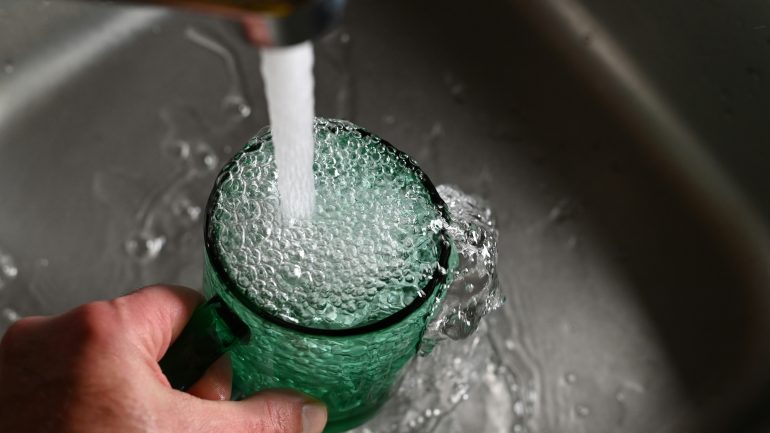
When you get water into your home, you’re getting a bit of everything—some things you can see and some things you can’t. Things like sediment in the pipes, chlorine from the municipal supply, minerals that dissolve, organic elements and sometimes bacteria or microorganisms. The problem is, one form of filtration technology is not best for all concerns.
This is why the most effective water treatment solutions employ various stages of filtration, each helping to reduce a specific concern. This isn’t to oversell equipment or make a system more complex than necessary; it’s because different forms of filtration are better at reducing specific elements and when they work together, in concert, they provide benefits a single solution cannot.
Why the Order of Filtration Actually Matters
These various stages are important in order, however. There’s a clear reason why one filter comes before the other and if the sequence is wrong, the performance becomes compromised or expensive units get ruined in the process.
Sediment filtration comes first, for example. It’s important to remove the larger particles from the water like rust flakes, sand, dirt and other visible contaminants. Sending this water straight through to your expensive carbon or specialty filters is going to clog them quickly; what should be good for six months of use will need replacement in weeks.
Therefore, after sediment filtration comes chemical filtration for the most part—activated carbon. Activated carbon is most effective in removing chlorine, volatile organic compounds (VOCs), and elements that reduce taste and odor. However, this only works if the carbon has relatively clean water in which to operate; too much sediment in the initial pass coats the carbon surface which clogs it chemically from adsorption. This carbon adsorption process is what makes carbon effective, but it can’t do its job if covered.
The Main Stages Most Systems Implement
A good whole house water filter runs through three-to-five stages on average. Although some specialized systems add more, there are three main stages almost all holistic systems use in conjunction with each other.
The first stage is a sediment filter, typically operating at 5-to-20 microns for the largest particulates you can nearly see (assuming you’re looking closely). The second stage employs either a different, finer sediment filter or gets right into activated carbon. Carbon blocks or granular activated carbon (GAC) help remove chlorine and chloramines used by municipal treatment plants as disinfection options. This greatly enhances taste and smell and attracts other chemicals that make their way into water from industrial pollution or agricultural runoff.
Some systems implement a third carbon stage or specialty filter based on what’s in the water. Certain homes require catalytic carbon for chloramine removal; others benefit from KDF media which effectively removes heavy metals like lead and mercury. This critical second stage of filtration is what helps to customize a system based on what’s actually in your water supply.
Advanced Stages for Specific Perils
Beyond basic sediment and carbon-based concerns, additional water quality woes can require more targeted technology. Scale inhibitors (scale reduction) or water softeners are commonly used when hard water creates mineral build-up from calcium and magnesium in pipes and appliances. They work differently than filters—and either reduce mineral size to prevent them from sticking or do an ion exchange replacing the calcium and magnesium ions with sodium ions instead.
UV filtration works best as a final stage for systems with biological contamination. Ideally, all the other stages have produced relatively clear water as UV can only kill microorganisms when they’re exposed to light—sediment particles can keep them protected. Therefore, UV always comes after mechanical and chemical filtration has done its part to minimize sediment and biological-chemical organic matter.
Some comprehensive systems add reverse osmosis (RO) for points-of-use instead of whole house application; running every gallon of water through RO becomes costly and wasteful as not all household activities need that degree of purification. Putting certain systems in place (whole house filtration) to deal with day-to-day occurrences and adding an RO system for drinking/cooking purposes enables thoroughly filtered water at minimal cost and stress.
Flow Rate and Filter Sizing Issues
Where it gets complicated is that each component creates resistance to flow—and this is not helpful when trying to maintain sufficient water pressure throughout the home with only the best filtration possible. Limitations become noteworthy when too many filters are crammed together or undersized to meet expectations for flow rates across the home.
Every professional installation uses flow rate calculations based on peak demand—where it’s possible multiple fixtures need to run simultaneously. For example, a family of four may need a system rated for 10-15 gallons per minute to handle both morning bathroom use as well as laundry demands across the hall. An undersized system causes bottlenecks that effective filtration cannot compensate for.
Housing size plays a major role, too. Larger housing holds more media which effectively keeps more particles and contaminants out—this means longer periods between replacements and better flow characteristics. A 20-inch housing operates differently than a standard 10-inch cartridge—even if the same type of filter media exists inside. This is where it’s expensive; proper sizing just costs more upfront; however, it saves on expense over time from less hassle.
The Maintenance Reality for Multi-Stage Systems
It’s also worth noting that these various filter stages wear out at different times—you’re not replacing everything at once—and even the cartridges themselves vary on price per stage.
For example, sediment filters need to be changed every three-to-six months based on water quality and household use but they’re also least expensive per cartridge—usually priced between $15-$40. Carbon filters will last six months to a year for most households costing $40-$100 per stage depending on quality and cartridge size—the bigger they are, typically, the better but cheap filters mean cheap replacements that probably need to be replaced sooner rather than later.
Specialty stages like UV lamps? They’re getting replaced once yearly regardless of use (and because only they burn out while still glowing). KDF filters run several years but they eventually get filled with all the metals they’ve attracted.
Annual maintenance costs average $200-$500 which shocks homeowners who thought about the installation price but not continued effort; however, when weighed against buying bottled water consistently, experiencing appliance failures due to hard water damage or paying for clogged fixtures, systems end up making sense on the accounting front.
The Right System for Your Water Quality Needs
Not everyone needs every filtration stage; getting the right system in place starts with testing first to see what actual problems exist before blindly adding stages that may not be necessary. For example, city water with good enough treatment may only need sediment and carbon filtration; well water might require different additional stages for iron, manganese or bacteria.
Some contaminants need specialized attention that standard multi-stage systems cannot provide—arsenic, fluoride, nitrates—they require special media or means of treatment. Adding stages without knowing what’s actually in the water wastes money on filtration they might not need while missing something that actually needs attention.
The most effective approach comes down to proper testing first since multi-stage systems work because they blend complementary technologies in a timely fashion that address each like they’re best suited before modifying them for secondary systems with what’s next based on actual water problems in place.